2001 Book Summary
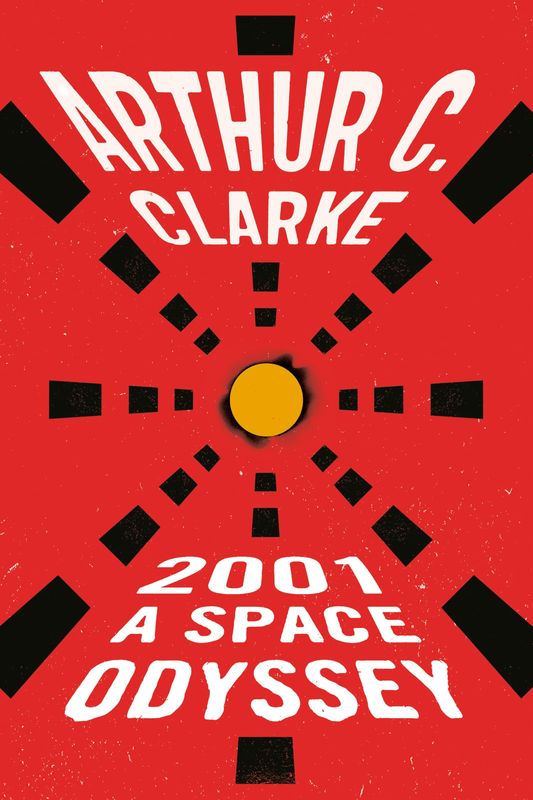
In a journey that transcends time and space, '2001: A Space Odyssey' explores mankind’s evolution alongside a mysterious alien monolith. As a futuristic space mission unfolds, tensions rise aboard the spacecraft Discovery One, where an enigmatic computer named HAL 9000 begins to exhibit disturbing behaviors. This gripping tale raises profound questions about artificial intelligence, human existence, and the very essence of life itself. Clarke masterfully blends hard science fiction with philosophical inquiry, making readers ponder the future of humanity. Prepare to be captivated by a story that challenges perceptions and expands the boundaries of our imagination.
By Arthur C. Clarke
Published: 2000
"The most important thing is to be open to change, to explore the unknown, and to embrace the vastness of the universe."

Start Listening to Book Summary
Book Review of 2001
The classic science fiction novel that captures and expands on the vision of Stanley Kubrick’s immortal film—and changed the way we look at the stars and ourselves. From the savannas of Africa at the dawn of mankind to the rings of Saturn as man ventures to the outer rim of our solar system, 2001: A Space Odyssey is a journey unlike any other. This allegory about humanity’s exploration of the universe—and the universe’s reaction to humanity—is a hallmark achievement in storytelling that follows the crew of the spacecraft Discovery as they embark on a mission to Saturn. Their vessel is controlled by HAL 9000, an artificially intelligent supercomputer capable of the highest level of cognitive functioning that rivals—and perhaps threatens—the human mind. Grappling with space exploration, the perils of technology, and the limits of human power, 2001: A Space Odyssey continues to be an enduring classic of cinematic scope.
Book Overview of 2001: a Space Odyssey
About the Book Author
Arthur C. Clarke
Arthur C. Clarke was a renowned British science fiction author, futurist, and inventor, best known for his pioneering works that delve into themes of space exploration, advanced technology, and humanity’s place in the universe. Born in 1917, he gained prominence with his novel "2001: A Space Odyssey," which inspired a legendary film directed by Stanley Kubrick. Other notable works include "Rendezvous with Rama," "Childhood's End," and "The Fountains of Paradise." Clarke's writing is characterized by his clear, analytical prose and a visionary outlook that blends scientific accuracy with imaginative storytelling. His ability to predict technological advancements and their impact on society has left a lasting legacy in the realm of speculative fiction.
Book Details
Key information about the book.
- Authors
- Arthur C. Clarke
- Published
- September 2000
- Publisher
- National Geographic Books
- ISBN
- 0451457994
- Language
- English
- Pages
- N/A
- Genres
- Philosophy of MindPhilosophyHard Science FictionArtificial IntelligenceScience Fiction
Purchase Options
 Buy on Amazon
 Buy via BookShop
Support local bookstores: BookShop gives a portion of each sale to independent bookshops!
Similar books you might like →
Homo Deus Book Summary
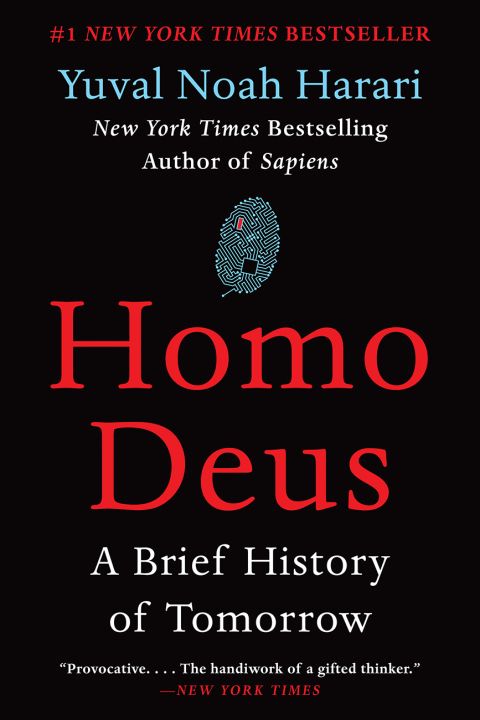
In "Homo Deus: A Brief History of Tomorrow," Yuval Noah Harari explores the future possibilities for humanity as we evolve beyond our current limitations. Delving into themes of artificial intelligence, genetic engineering, and the quest for immortality, he provokes thought about what may come after Homo sapiens. As society increasingly turns to technology for solutions, he questions the implications of our pursuit of happiness and god-like powers. Will we augment our bodies and minds, or lose our humanity in the process? This provocative journey invites readers to ponder the exhilarating—and terrifying—potential of our own evolution.
Finite and Infinite Games Book Summary
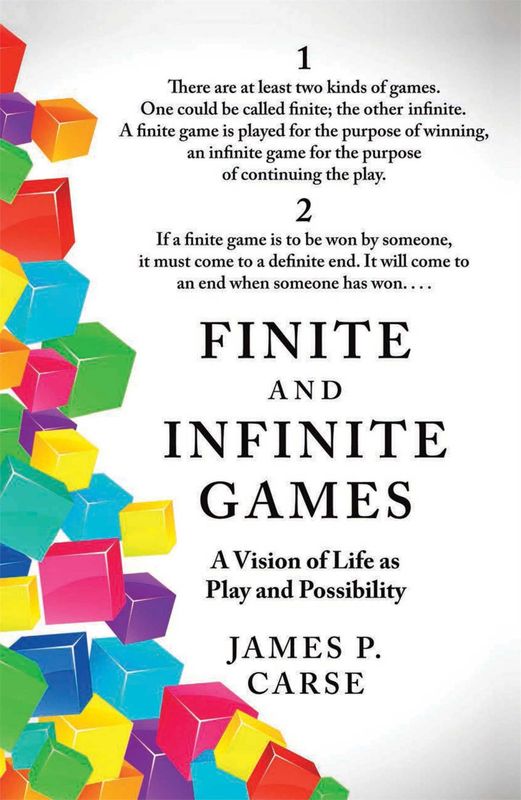
In 'Finite and Infinite Games', James Carse presents a thought-provoking exploration of two types of games that shape our lives. Finite games are about winning, clearly defined rules, and competition, while infinite games focus on the ongoing pursuit of growth and learning. This philosophical masterpiece challenges readers to rethink their motivations and the very nature of their existence. As Carse reveals the deeper implications of each game, it invites you to ponder whether you are living for a trophy or the journey itself. Prepare to be inspired to redefine success in a world dominated by finite thinking!
Art Of Dramatic Writing Book Summary
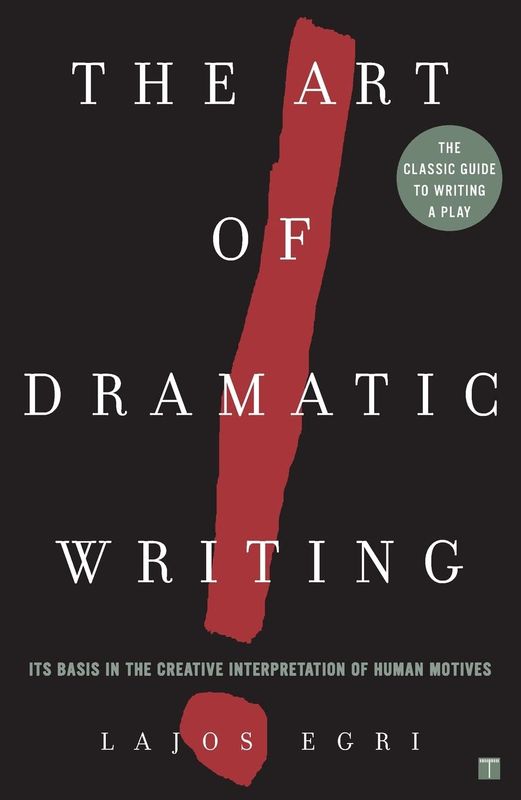
In 'The Art of Dramatic Writing', Lajos Egri unveils the essential principles that underpin compelling storytelling and character development. Through a blend of theory and practical insights, he explores the dynamics of conflict, moral values, and the dramatic premise that breathe life into narratives. Egri emphasizes the importance of the characters' inner motivations, asserting that true drama stems from their interactions and struggles. This book is a treasure trove for aspiring playwrights and writers looking to deepen their understanding of what makes stories resonate. Prepare to unlock the secrets of impactful dramatic writing that holds audiences spellbound.
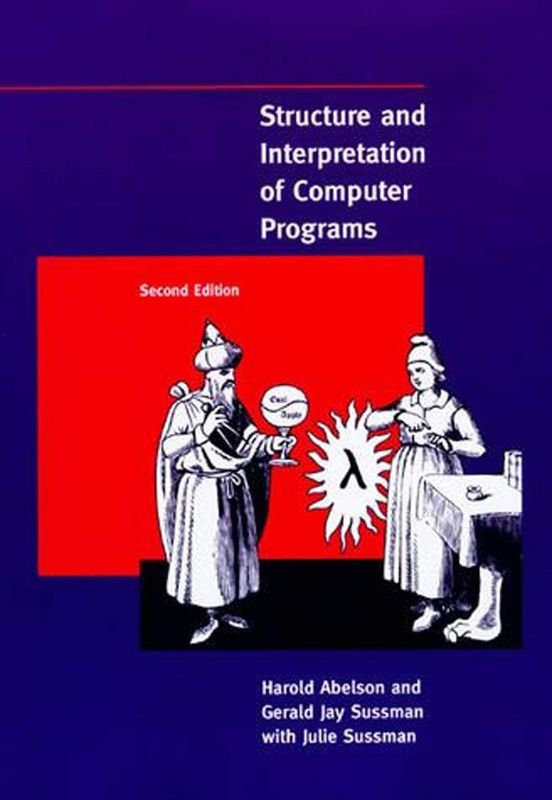
Structure and Interpretation of Computer Programs, second edition Book Summary
Dive into the depths of computer science with 'Structure and Interpretation of Computer Programs,' a foundational text that uncovers the principles of programming through the lens of Lisp. Abelson and Sussman guide readers on an intellectual journey, revealing how abstract concepts underpin the art of program design. This edition expands upon classic paradigms, integrating real-world applications and modern techniques. Discover how the elegance of programming mirrors the beauty of mathematics and philosophy. Whether you're a seasoned coder or a curious novice, this book offers profound insights that challenge and inspire.
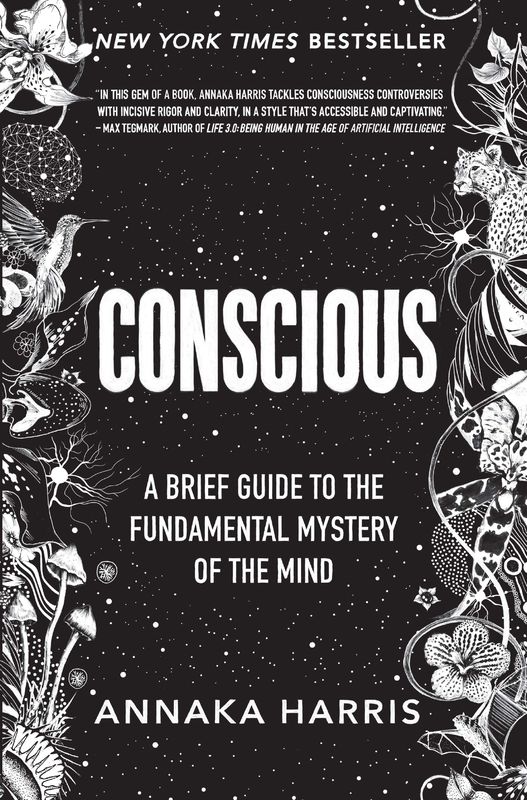
Conscious Book Summary
In 'Conscious,' Annaka Harris explores the enigmatic nature of consciousness, diving into profound questions about awareness and existence. Through a blend of science and philosophy, she challenges the conventional understanding, prompting readers to re-evaluate their perceptions of reality. Harris skillfully navigates the intricate relationship between the brain and subjective experience, shedding light on the mysteries that lie within. With thought-provoking insights and accessible prose, this book invites both the curious and the skeptical to ponder the depths of consciousness. Will you uncover the secrets of your own mind?
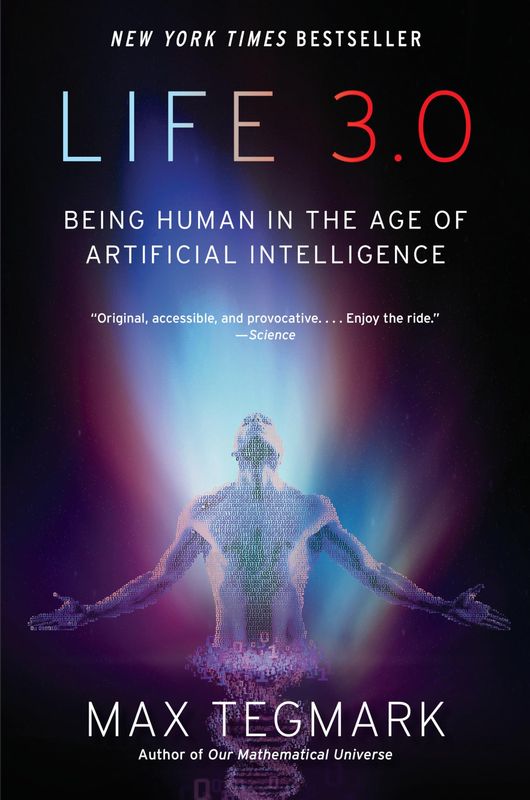
Life 3.0 Book Summary
In 'Life 3.0', Max Tegmark explores the future of artificial intelligence and its profound implications for life on Earth. He presents a thought-provoking vision where humanity must grapple with the rise of superintelligent machines and the potential paths we can take. Tegmark challenges readers to consider ethical dilemmas and the responsibilities that come with unprecedented technological power. As we stand at the brink of a new era, he asks: how can we ensure that AI serves humanity's best interests? This engaging exploration leaves you pondering the fate of our species and the universe.
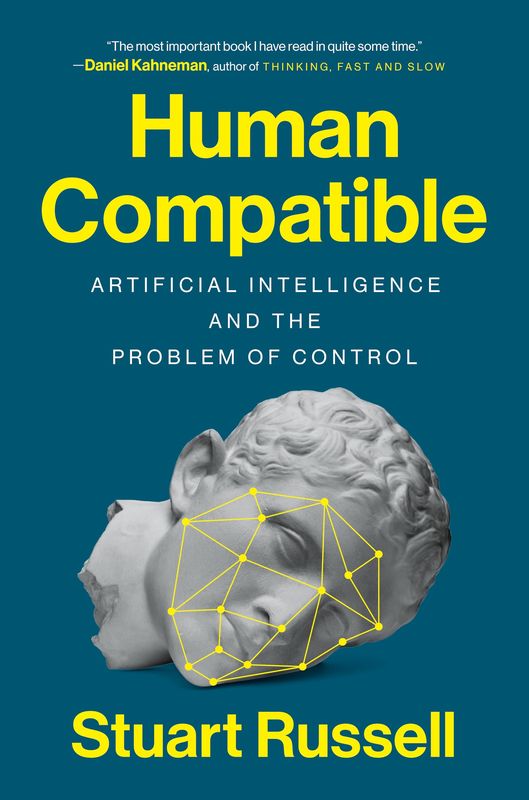
Human Compatible Book Summary
In 'Human Compatible', Stuart Russell explores the future of artificial intelligence and its intersection with humanity. He delves into the potential risks AI poses if misaligned with human values and offers innovative frameworks for designing safe AI systems. The book challenges readers to question the very essence of intelligence and what it means to create machines that can enhance our lives. As we stand on the brink of a technological revolution, Russell illuminates the ethical dilemmas we must confront. Will we succeed in ensuring that AI serves humanity rather than threatens it?

The Philosophy of Composition Book Summary
In 'The Philosophy of Composition,' Edgar Allan Poe unveils his meticulous approach to writing, arguing that artistic creation is a calculated endeavor rather than purely intuitive. He dissects his own poem 'The Raven,' revealing the deep psychological and structural elements that contribute to its haunting allure. Poe explores the interplay of beauty, emotion, and effect, offering a profound glimpse into the mind of a master writer. With each analytical step, he ignites curiosity about the art of storytelling and the techniques that captivate readers. This exploration leaves one pondering: What secrets lie behind the craft of their favorite writers?
Showing 8 of 29 similar books
Take your reading experience to the next level
Download our mobile app to enjoy your favorite books on the go. Get access to exclusive features, offline listening, and personalized recommendations.

Similar Book Recommendations →

Lex Fridman's Book Recommendations
Lex Fridman is an artificial intelligence researcher, podcaster, and MIT professor, known for his work in autonomous vehicles, robotics, and deep learning. Fridman has gained widespread popularity through his podcast, Lex Fridman Podcast, where he interviews leading thinkers in science, technology, and philosophy, exploring topics like AI, consciousness, and the future of humanity. His academic work focuses on human-centered AI, aiming to create machines that can better understand and interact with humans. Fridman’s ability to distill complex topics into accessible conversations has earned him a large following, and his podcast is known for its thoughtful, in-depth discussions with some of the brightest minds of our time. He is also an advocate for the responsible development of AI, emphasizing the ethical implications of this rapidly advancing technology. Outside of academia and podcasting, Fridman is a practitioner of jiu-jitsu and frequently speaks about the importance of discipline and continuous learning.
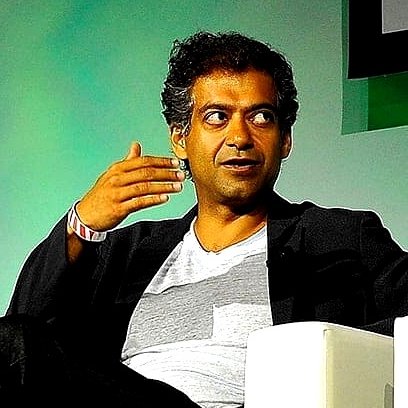
Naval Ravikant's Book Recommendations
Naval Ravikant is an entrepreneur, angel investor, and philosopher, best known as the co-founder of AngelList, a platform that connects startups with investors. Ravikant is a prolific thinker and writer on topics such as startups, investing, and personal well-being, sharing his wisdom through essays, podcasts, and social media. He has invested in over 100 companies, including Uber, Twitter, and Yammer, making him one of Silicon Valley’s most successful angel investors. Ravikant is also known for his philosophical musings on wealth, happiness, and the meaning of life, which have garnered him a large and dedicated following.

Barack Obama's Book Recommendations
Barack Obama is the 44th President of the United States, serving from 2009 to 2017. As the first African American president, Obama’s leadership marked a historic moment in American history. His administration focused on healthcare reform, economic recovery from the Great Recession, and environmental policies. He is best known for the Affordable Care Act, as well as his efforts to expand civil rights and restore diplomatic relations with Cuba. Since leaving office, Obama has continued to engage in public life through his foundation, focusing on leadership development, civic engagement, and global issues.
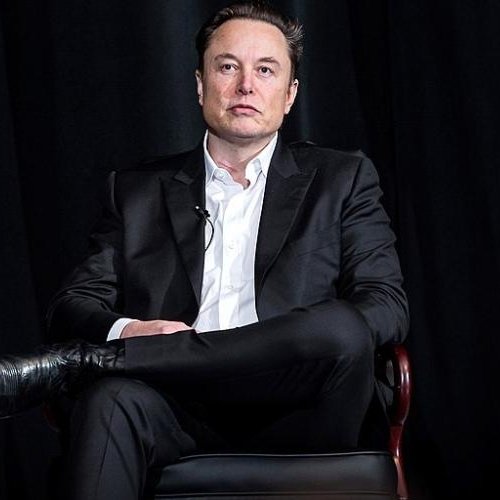
Elon Musk's Book Recommendations
Elon Musk is an influential entrepreneur and innovator known for founding and leading several groundbreaking companies, including Tesla, SpaceX, Neuralink, and The Boring Company. He has played a pivotal role in advancing electric vehicles, space exploration, and renewable energy. Musk's vision extends to colonizing Mars and reducing the risk of human extinction through space travel. In addition to his technological contributions, he has co-authored the book "Spacex: Making Commercial Spaceflight a Reality," providing insights into his ambitious projects and vision for the future. Musk's relentless pursuit of innovation continues to shape the trajectory of multiple industries.
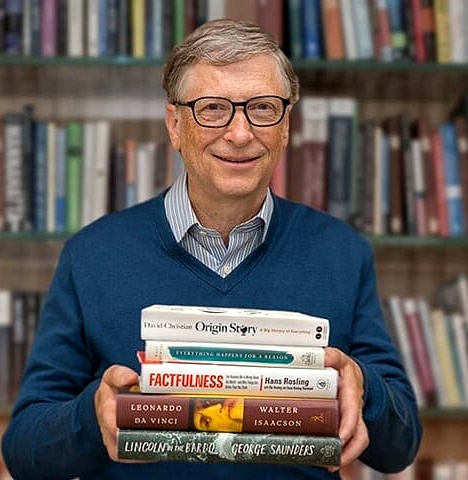
Bill Gates's Book Recommendations
Bill Gates, co-founder of Microsoft Corporation, is a pioneering figure in the tech industry, having played a key role in the personal computer revolution. His work at Microsoft, particularly the development of Windows, transformed software and computing globally. Beyond his technology contributions, Gates is also a prolific author, with notable works such as "The Road Ahead" and "Business @ the Speed of Thought," which offer insights into the future of technology and business. Additionally, his philanthropic efforts through the Bill & Melinda Gates Foundation have had a profound impact on global health, education, and poverty. Gates continues to influence both technology and literature with his forward-thinking perspectives and innovative ideas.

Sahil Lavingia's Book Recommendations
Sahil Lavingia is an accomplished entrepreneur and writer, best known as the founder and CEO of Gumroad, a platform that enables creators to sell products directly to consumers. His book "The Minimalist Entrepreneur" distills his philosophy on building sustainable, lean startups that prioritize long-term vision and customer value over rapid scaling. Lavingia's work has inspired a new generation of entrepreneurs to focus on simplicity and self-reliance. Additionally, he is recognized for his thoughtful essays and blog posts that delve into the intersection of technology, business, and creativity. Through his contributions to literature and his leadership at Gumroad, Lavingia has significantly influenced modern startup culture.
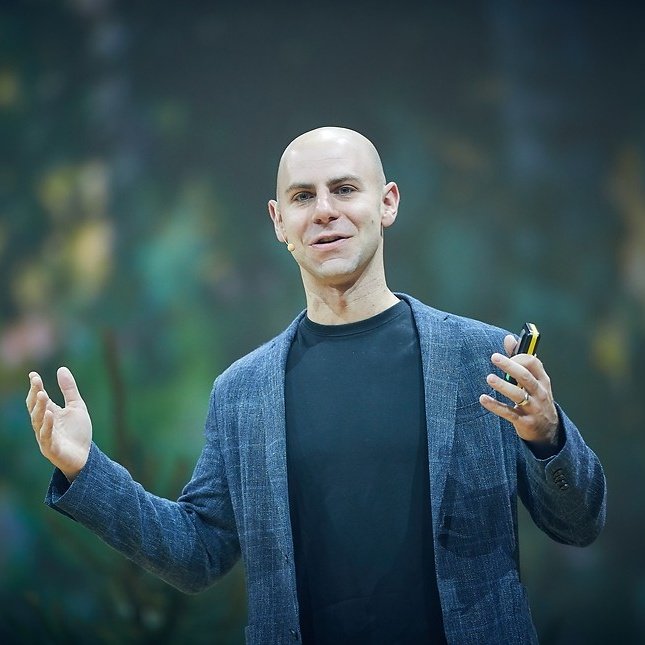
Adam Grant's Book Recommendations
Adam Grant is a renowned organizational psychologist and bestselling author, celebrated for his influential work on motivation and workplace dynamics. He is a professor at the Wharton School of the University of Pennsylvania, where he has been the youngest tenured professor and earned numerous teaching awards. Grant's books, including "Give and Take," "Originals," and "Think Again," have been translated into multiple languages and have topped bestseller lists worldwide. His research and insights are frequently featured in major media outlets, and he hosts the popular podcast "WorkLife." Through his writing and speaking, Grant has profoundly impacted the fields of psychology, business, and education.
“The most important thing is to be open to change, to explore the unknown, and to embrace the vastness of the universe.”
2001
By Arthur C. Clarke
Frequently Asked Questions
Explore Our Catalogue
Discover a world of knowledge through our extensive collection of book summaries.
Genres
Genres
Genres
Featured Collections
- Top Book Club Picks
- One-Stop Nutrition
- Summer Reads 2024
- Best Beach Reads 2024
- Work-Life Balance Guide
- Time Management
- Healthy Foods
- Entrepreneur Toolkit
- Mind & Body Wellness
- Future Tech Insights
- Leadership Essentials
- Financial Freedom
- Sci-Fi Masterpieces
- Parenting 101
- Books That Became Blockbusters
- Guide to a Healthy Pregnancy