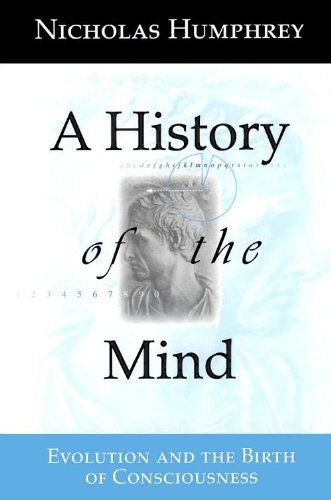
A History of the Mind Book Summary
By Nicholas Humphrey
Published: 1992

Start Listening to Book Summary
Book Review of A History of the Mind
How did mind evolve from matter? In this lively, accessible, and informative book, an internationally respected psychologist draws on his pioneering brain research to present a radical new explanation of how consciousness developed. A bold, original inquiry that will spark debate for years to come--and change forever how we see ourselves.
Book Overview of A History of the Mind
About the Book Author
Nicholas Humphrey
Nicholas Humphrey is a renowned author and psychologist known for his contributions to the understanding of consciousness and the mind. He gained acclaim for notable works including "A History of the Mind" and "Seeing Red: A Study in Consciousness," where he explores the intricacies of human perception and the philosophy of mind. Humphrey's writing style is characterized by a blend of scientific rigor and accessible prose, making complex ideas in psychology and philosophy comprehensible to a general audience. His interdisciplinary approach bridges the gap between cognitive science and literature, inviting readers to ponder the deeper questions of human existence.
Book Details
Key information about the book.
- Authors
- Nicholas Humphrey
- Published
- January 1992
- Publisher
- N/A
- ISBN
- N/A
- Language
- English
- Pages
- 248
- Genres
- Cognitive PsychologyHistoryPsychologyHistory of Science
Purchase Options
 Buy on Amazon
 Buy via BookShop
Support local bookstores: BookShop gives a portion of each sale to independent bookshops!
Similar books you might like →

Requiem for Revolution Book Summary
No summary available
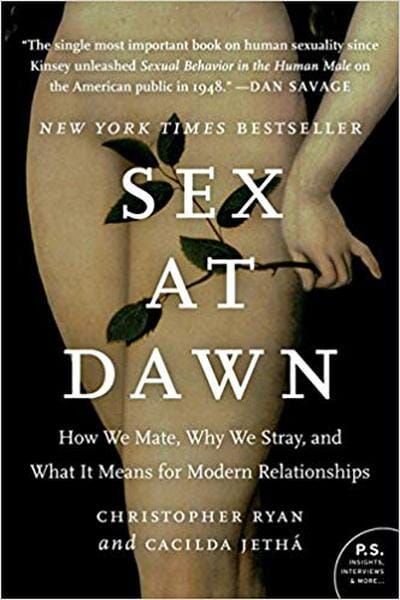
Sex at Dawn Book Summary
In 'Sex at Dawn,' Christopher Ryan and Cacilda Jetha challenge conventional beliefs about human sexuality and monogamy, arguing that our prehistoric ancestors lived in more sexually open and communal societies. The authors explore the evolutionary origins of sexual behavior, shedding light on how agriculture and property changed our intimate relationships. Through a blend of science, anthropology, and psychology, the book raises provocative questions: Are we wired for non-monogamy? What does this mean for modern relationships? Prepare to rethink everything you know about love, sex, and the connections that bind us.

The Nightingale's Song Book Summary
In 'The Nightingale's Song', Robert Timberg weaves a poignant tapestry of four extraordinary lives intertwined by the tumult of the Vietnam War. Through the lens of these men, he explores themes of sacrifice, resilience, and the pursuit of honor amidst chaos. As their paths intersect, secrets and truths surface, revealing the profound impact of war on their souls and futures. Timberg's narrative is a haunting reminder of the costs of conflict and the redemptive power of friendship. Will these men find peace in the echoes of their past, or are they forever haunted by the shadows of war?

A History of the Wife Book Summary
In 'A History of the Wife', Marilyn Yalom unveils the often-overlooked narratives of women throughout history, exploring the evolution of marriage and the roles of wives in society. Through a blend of historical analysis and personal anecdotes, Yalom reveals the complex dynamics between love, obligation, and identity. Readers journey through various cultures and time periods, witnessing the shifting expectations placed on wives. This illuminating work challenges conventional views on marriage, inviting reflection on contemporary relationships. A must-read for anyone curious about how the past influences the present in the realm of love and partnership.
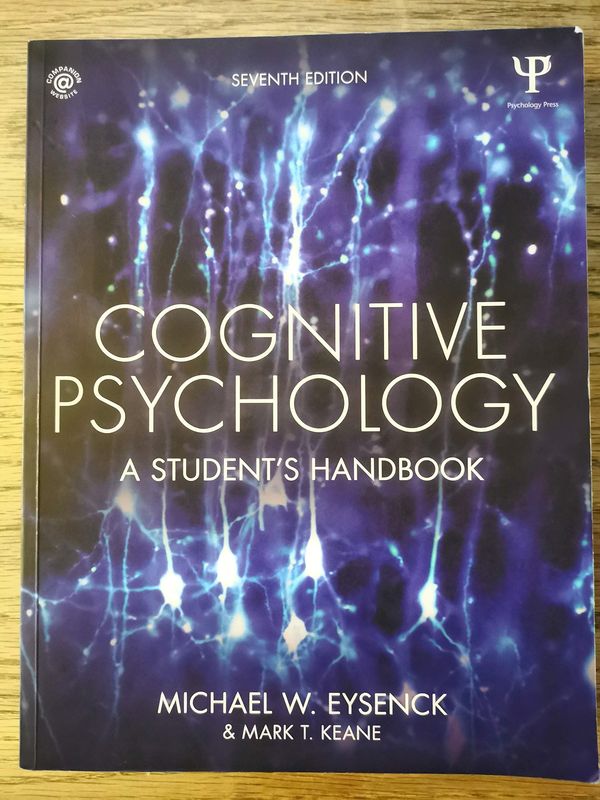
Cognitive Psychology Book Summary
'Cognitive Psychology' by Michael W. Eysenck and Mark T. Keane offers a riveting exploration into the inner workings of the human mind. Delve into the fascinating processes of perception, memory, and decision-making that shape our everyday experiences. With cutting-edge research and real-world applications, the authors unravel the complexities of cognitive functions in a way that captivates both novices and seasoned scholars alike. Discover how cognitive psychology influences everything from learning strategies to emotional responses. This book invites you to unlock the mysteries of thought and behavior, igniting a deeper understanding of what it means to be human.
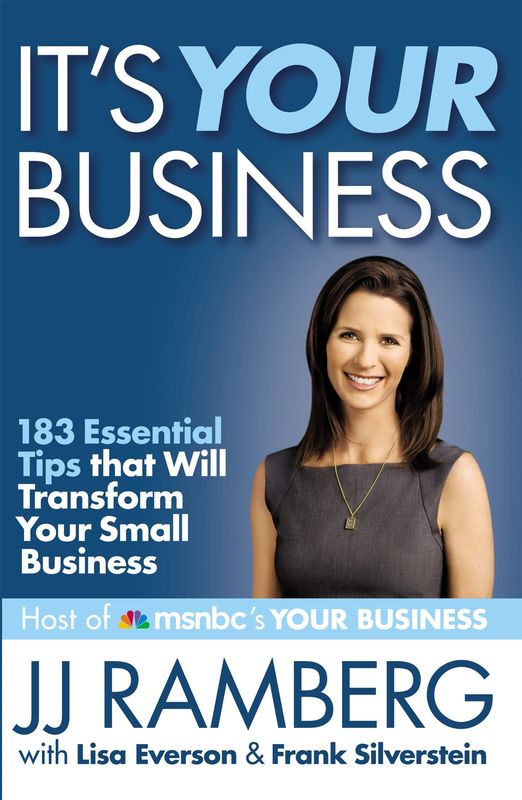
It's Your Business Book Summary
In 'It's Your Business,' JJ Ramberg, Lisa Everson, and Frank Silverstein unveil the transformative power of entrepreneurship as a pathway to empowerment and change. The authors share inspiring stories of diverse entrepreneurs who have harnessed their passions to overcome challenges and create impactful businesses. With practical insights and actionable strategies, this book serves as a roadmap for aspiring entrepreneurs to navigate the complexities of starting and running a venture. Discover the secrets to igniting your own entrepreneurial spirit, no matter the odds. Are you ready to take the leap and turn your ideas into reality?
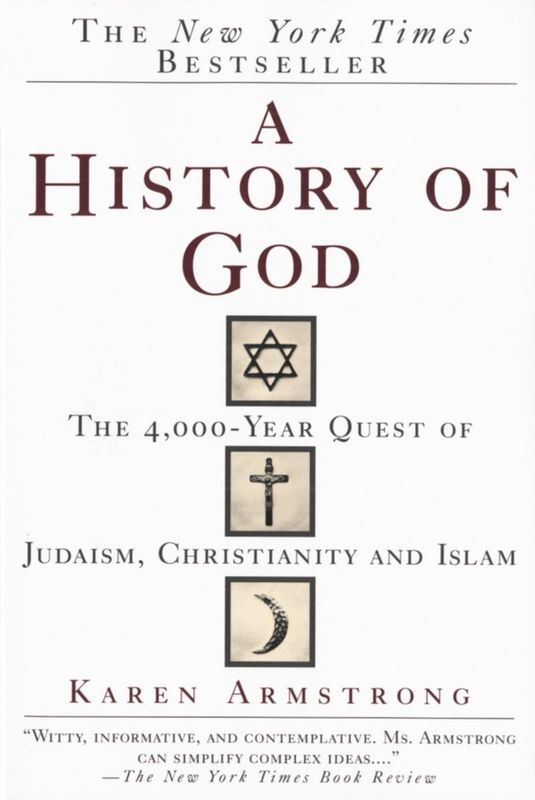
A History of God Book Summary
In 'A History of God', Karen Armstrong embarks on a fascinating journey through the evolution of the concept of God from ancient times to the modern era. She explores how various religions—Judaism, Christianity, and Islam—have shaped humanity's understanding of the divine, revealing the complexities and contradictions in these beliefs. Highlighting the influence of culture, politics, and philosophy, Armstrong invites readers to reconsider their perceptions of faith and spirituality. This thought-provoking narrative raises profound questions about the nature of belief and the future of religious thought. Are we on the brink of a new understanding of God, or are we simply repeating history?

Killing Zone Book Summary
In 'Killing Zone', Frederick Downs takes readers on a gripping journey through the harrowing realities of Vietnam War combat. As a platoon leader, he grapples with the chaos of war, experiencing both the adrenaline of battle and the haunting aftermath of loss. The narrative is charged with visceral detail, bringing to life the horror, camaraderie, and moral complexities faced by soldiers. Downs’ personal account serves as a stark reminder of the emotional scars left by warfare, inviting readers to ponder the true cost of courage. Will the experience transform him or just deepen the conflict within?
Showing 8 of 24 similar books
Take your reading experience to the next level
Download our mobile app to enjoy your favorite books on the go. Get access to exclusive features, offline listening, and personalized recommendations.

Similar Book Recommendations →

Julian Shapiro's Book Recommendations
Julian Shapiro is a renowned writer and entrepreneur, acclaimed for his insightful essays on personal growth and marketing strategies. He is the author of "The Julian Shapiro Collection," a compilation of his most impactful writings that have garnered a wide readership online. Shapiro co-founded the growth marketing agency Bell Curve, where he has helped numerous startups achieve exponential growth. His work often blends practical advice with deep philosophical inquiries, making complex subjects accessible to a broad audience. Through his prolific writing and entrepreneurial ventures, Julian has become a key figure in the intersection of business and self-improvement literature.

Lex Fridman's Book Recommendations
Lex Fridman is an artificial intelligence researcher, podcaster, and MIT professor, known for his work in autonomous vehicles, robotics, and deep learning. Fridman has gained widespread popularity through his podcast, Lex Fridman Podcast, where he interviews leading thinkers in science, technology, and philosophy, exploring topics like AI, consciousness, and the future of humanity. His academic work focuses on human-centered AI, aiming to create machines that can better understand and interact with humans. Fridman’s ability to distill complex topics into accessible conversations has earned him a large following, and his podcast is known for its thoughtful, in-depth discussions with some of the brightest minds of our time. He is also an advocate for the responsible development of AI, emphasizing the ethical implications of this rapidly advancing technology. Outside of academia and podcasting, Fridman is a practitioner of jiu-jitsu and frequently speaks about the importance of discipline and continuous learning.

Bret Victor's Book Recommendations
Bret Victor is a renowned American interface designer and computer scientist celebrated for his innovative contributions to interactive design and human-computer interaction. He is best known for creating dynamic, explorable explanations, which have significantly influenced the way educational content is presented and understood. Victor's seminal work, "Inventing on Principle," advocates for the integration of immediate feedback in creative processes, inspiring a new wave of interactive programming environments. As a former member of the Apple Human Interface team, he played a pivotal role in shaping modern user interfaces. Through his organization, Dynamicland, Victor continues to explore and expand the boundaries of immersive, collaborative computing environments.

Bryan Johnson's Book Recommendations
Bryan Johnson is an American entrepreneur, investor, and futurist, best known for founding Braintree, a payments company that was acquired by PayPal, and Kernel, a company focused on developing brain-computer interfaces. Johnson is deeply interested in advancing human cognition and longevity through technological innovation. His work at Kernel seeks to better understand the brain and its potential to enhance human intelligence. He is also the founder of OS Fund, which invests in companies tackling complex, world-changing problems in areas like health and energy. Johnson is a strong advocate for using technology to extend human potential and reshape the future of humanity.

Nat Eliason's Book Recommendations
Nat Eliason is an influential writer, entrepreneur, and educator known for his insightful work on personal growth, productivity, and digital marketing. He founded Growth Machine, a successful SEO and content marketing agency that has helped numerous companies expand their online presence. Eliason's thought-provoking articles on his blog cover a wide range of topics, from philosophy to health, attracting a large and engaged audience. Additionally, he authored "Effortless Output with Roam," a comprehensive guide on using the Roam Research tool for knowledge management. Through his diverse contributions, Eliason has established himself as a significant voice in the realms of self-improvement and digital strategy.

David Deutsch's Book Recommendations
David Deutsch is a British physicist and philosopher, widely known for his contributions to quantum mechanics, particularly in the area of quantum computation. He is the author of The Fabric of Reality and The Beginning of Infinity, where he explores the nature of knowledge, progress, and the future of human civilization. Deutsch’s work in quantum computing laid the groundwork for the development of quantum algorithms, positioning him as a pioneer in this emerging field. He is a proponent of the multiverse theory and has offered profound insights into the nature of reality, science, and human potential. Deutsch’s philosophical work emphasizes the power of reason and creativity in solving problems and expanding human understanding. His ideas have had a significant impact on the fields of theoretical physics and epistemology, making him a leading thinker on the future of science and technology. He continues to inspire both scientists and lay readers with his optimistic vision of a world shaped by knowledge and innovation.

James Clear's Book Recommendations
James Clear is the author of the bestselling book Atomic Habits, which focuses on the power of small habits and incremental improvements to achieve significant personal and professional growth. Clear’s writing blends insights from psychology, neuroscience, and productivity to provide practical strategies for building better habits. His work has helped millions of people create positive changes in their lives by focusing on the process rather than the outcome. James’s clear, actionable advice has made him a sought-after speaker and thought leader in the field of personal development.

Brian Cox's Book Recommendations
Brian Cox is a Scottish actor and director, best known for his roles in films like Braveheart and Adaptation, as well as for his portrayal of media mogul Logan Roy in the hit HBO series Succession. Cox is renowned for his commanding screen presence and his ability to convey complex, often morally ambiguous characters. He has had a distinguished career in both film and theater, earning numerous awards, including a Golden Globe for his performance in Succession. In addition to his acting work, Cox is a vocal advocate for arts education and has been involved in various charitable initiatives. His longevity and versatility have made him a respected and influential figure in the entertainment industry.
Showing 8 of 12 related collections
Frequently Asked Questions
Explore Our Catalogue
Discover a world of knowledge through our extensive collection of book summaries.
Genres
Genres
Genres
Featured Collections
- Top Book Club Picks
- One-Stop Nutrition
- Summer Reads 2024
- Best Beach Reads 2024
- Work-Life Balance Guide
- Time Management
- Healthy Foods
- Entrepreneur Toolkit
- Mind & Body Wellness
- Future Tech Insights
- Leadership Essentials
- Financial Freedom
- Sci-Fi Masterpieces
- Parenting 101
- Books That Became Blockbusters
- Guide to a Healthy Pregnancy