A Place of Greater Safety Book Summary
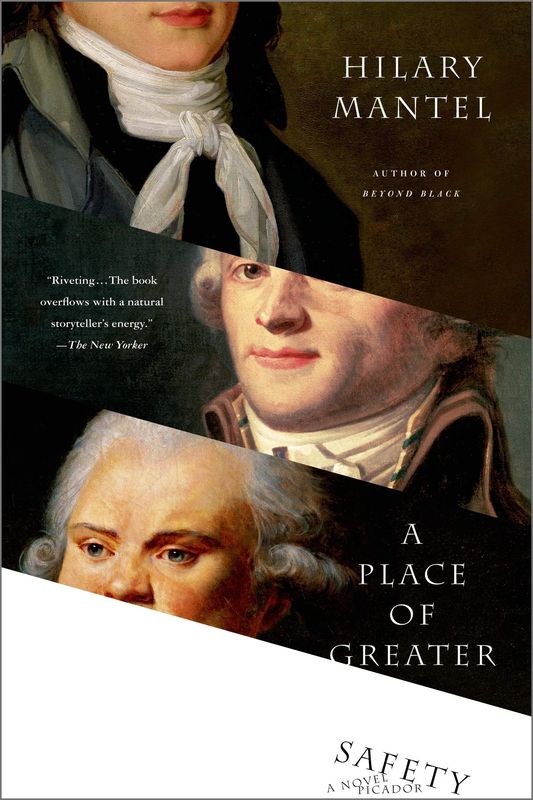
Set against the backdrop of the French Revolution, 'A Place of Greater Safety' follows the lives of three revolutionary figures: Georges Danton, Camille Desmoulins, and Maximilien Robespierre. It delves into their ambitions, friendships, and the moral dilemmas they face as they rise to power. Mantel's rich prose weaves historical fact with vivid character portrayals, offering a poignant exploration of idealism and betrayal. As the revolution spirals out of control, relationships fray, and danger looms, leading readers to question the price of liberty. Will the ideals they fought for survive the chaos, or will they find themselves consumed by the very revolution they sought to create?
By Hilary Mantel
Published: 2006
"In the swirling chaos of revolution, it is not the loudest voice that shakes the ground, but the quiet determination of those who dare to dream of a better world."

Start Listening to Book Summary
Book Review of A Place of Greater Safety
Set during the French Revolution, this "riveting historical novel" ("The New Yorker") is the story of three young provincials who together helped destroy a way of life and, in the process, destroyed themselves.
Book Overview of A Place of Greater Safety
About the Book Author
Hilary Mantel
Hilary Mantel (1952-2022) was a celebrated British author renowned for her historical fiction and sharp literary style. Best known for her Thomas Cromwell trilogy, which includes the award-winning novels 'Wolf Hall,' 'Bring Up the Bodies,' and 'The Mirror and the Light,' Mantel's work is characterized by its rich character development, intricate plotting, and deep psychological insight. Her writing often explores themes of power, politics, and the human experience, earning her two Booker Prizes and a place among the most significant writers of her generation.
Book Details
Key information about the book.
- Authors
- Hilary Mantel
- Published
- November 2006
- Publisher
- Macmillan
- ISBN
- 0312426399
- Language
- English
- Pages
- 770
- Genres
- Historical FictionHistoryPolitical History
Purchase Options
 Buy on Amazon
 Buy via BookShop
Support local bookstores: BookShop gives a portion of each sale to independent bookshops!
Similar books you might like →
In the Name of Democracy Book Summary
In 'In the Name of Democracy', Tom H. Carothers excavates the intricate relationship between democracy promotion and foreign policy. He unveils the paradoxes and challenges faced by nations striving to export democratic ideals across diverse cultures. Through compelling case studies, Carothers reveals how well-intentioned efforts often lead to unintended consequences. This thought-provoking exploration encourages readers to reconsider the effectiveness of democracy as a universal solution. Will the pursuit of democracy enhance global stability, or will it spark new conflicts?

Collusion Across the Jordan Book Summary
In 'Collusion Across the Jordan,' Avi Shlaim unveils the intricate and often hidden relationships between Israel and Jordan during pivotal moments in Middle Eastern history. Through meticulous research and compelling storytelling, he reveals how political maneuvering and shared interests have shaped the narratives of both nations. The book challenges conventional wisdom and encourages readers to reconsider the complexities of Arab-Israeli relations. Shlaim's insights highlight the impact of diplomacy and secret agreements that influenced the region's fate. Prepare for a journey that intertwines history, politics, and the human spirit in ways that will leave you questioning the very foundations of contemporary geopolitics.

The System of the World Book Summary
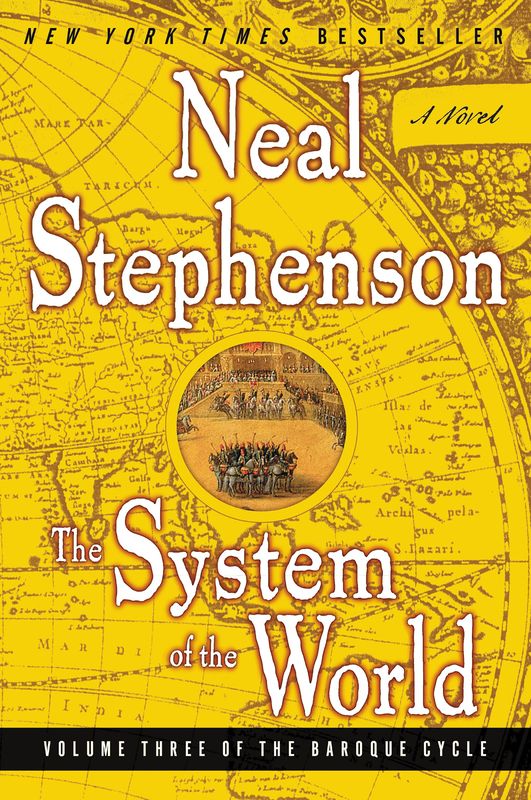
In 'The System of the World,' Neal Stephenson weaves a rich tapestry of 18th-century Enlightenment, where science, politics, and alchemy collide. As a plot unfolds involving war, currency, and the very foundations of capitalism, characters are drawn into a high-stakes battle for power and understanding. With intrigue around every corner, readers are invited into a complex world where intellectual ambition meets the chaos of revolution. Stephenson's intricate narrative challenges the boundaries of history and fiction, posing profound questions about the systems that govern society. This gripping tale promises to captivate minds and ignite curiosity about the forces that shape our world.
How to Practice Book Summary
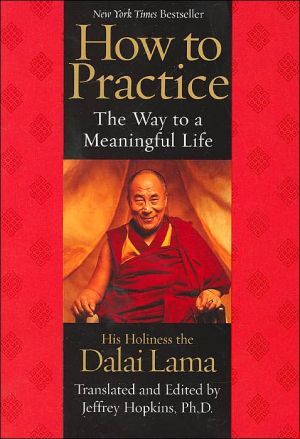
In 'How to Practice', the Dalai Lama XIV offers a profound exploration of Buddhist principles applied to daily life. He deftly intertwines ancient wisdom with practical guidance, making complex concepts accessible to all. Each chapter invites readers to embark on a transformative journey of self-awareness and compassion. This book challenges you to examine your thoughts and behaviors while cultivating inner peace. Dive into this timeless treasure and discover the path to a more mindful and fulfilling existence.
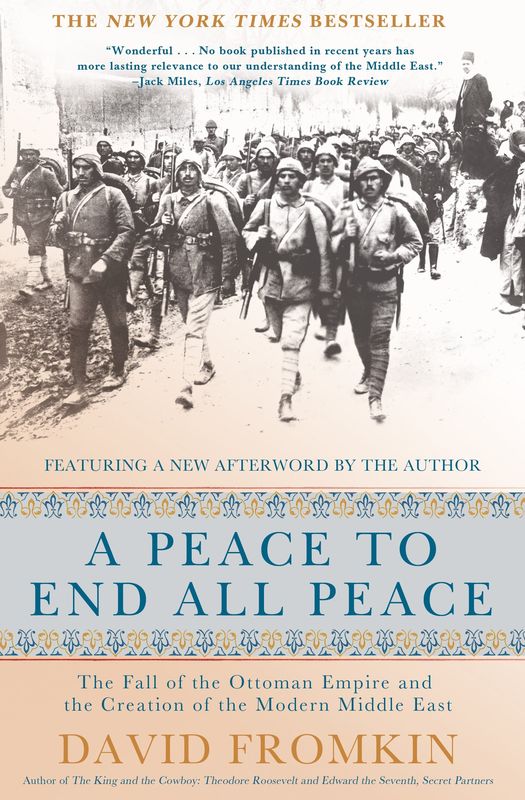
A Peace to End All Peace Book Summary
In 'A Peace to End All Peace', David Fromkin unravels the intricate web of events that led to the creation of the modern Middle East after World War I. With compelling narratives, Fromkin reveals how the decisions made by imperial powers set the stage for decades of conflict. This historical analysis not only highlights the reckless diplomacy of the time but also exposes the enduring consequences of these choices on today's geopolitical landscape. As tensions rise in the region, the book prompts readers to ponder: can any lasting peace ever truly emerge from such a fractured legacy? Dive into this thought-provoking exploration of history, power, and the quest for stability in a tumultuous world.

A Brief History of Everything (20th Anniversary Edition) Book Summary
In 'A Brief History of Everything', Ken Wilber takes readers on an enlightening journey through the evolution of consciousness and the unfolding of human history. He skillfully weaves together insights from philosophy, science, and spirituality, offering a holistic perspective on our existence. Discover how various cultural paradigms intersect and influence our understanding of reality. This thought-provoking exploration challenges conventional views and invites readers to contemplate their place in the cosmos. What if the key to our future lies in understanding the past in a radically new way?

Irreversible Damage Book Summary
In 'Irreversible Damage,' Abigail Shrier delves into the controversial surge of teenage girls identifying as transgender. She explores the social, psychological, and medical implications of this phenomenon, raising crucial questions about identity and choice. Drawing from personal stories and expert insights, the book challenges the prevailing narratives surrounding gender transition. Shrier warns of the potential consequences of rushing into irreversible medical procedures. This provocative examination invites readers to reconsider the complexities of gender in contemporary society.
Showing 8 of 23 similar books
Take your reading experience to the next level
Download our mobile app to enjoy your favorite books on the go. Get access to exclusive features, offline listening, and personalized recommendations.

Similar Book Recommendations →

Chelsea Handler's Book Recommendations
Chelsea Handler is an American comedian, actress, author, and talk show host, best known for her late-night talk show Chelsea Lately on E!. Handler's bold, unapologetic humor and outspoken views on politics, gender, and social issues have made her a prominent figure in comedy and media. In addition to her TV career, she has written several best-selling books, including Are You There, Vodka? It’s Me, Chelsea, and has been a strong advocate for political activism and mental health awareness. Handler continues to be a leading voice in entertainment and social commentary, using her platform to challenge norms and promote change.

Alicia Keys's Book Recommendations
Alicia Keys, an acclaimed American singer-songwriter and classically trained pianist, has made significant contributions to the music industry with her soulful voice and compelling lyrics. She burst onto the scene with her debut album, "Songs in A Minor," which earned her five Grammy Awards. In addition to her musical achievements, Keys is also a celebrated author; her memoir "More Myself: A Journey" provides an intimate look at her life and career. She has used her platform to advocate for social justice, co-founding the Keep a Child Alive organization to combat HIV/AIDS in Africa. Alicia Keys continues to inspire through her artistry and activism, leaving a lasting impact on both music and literature.
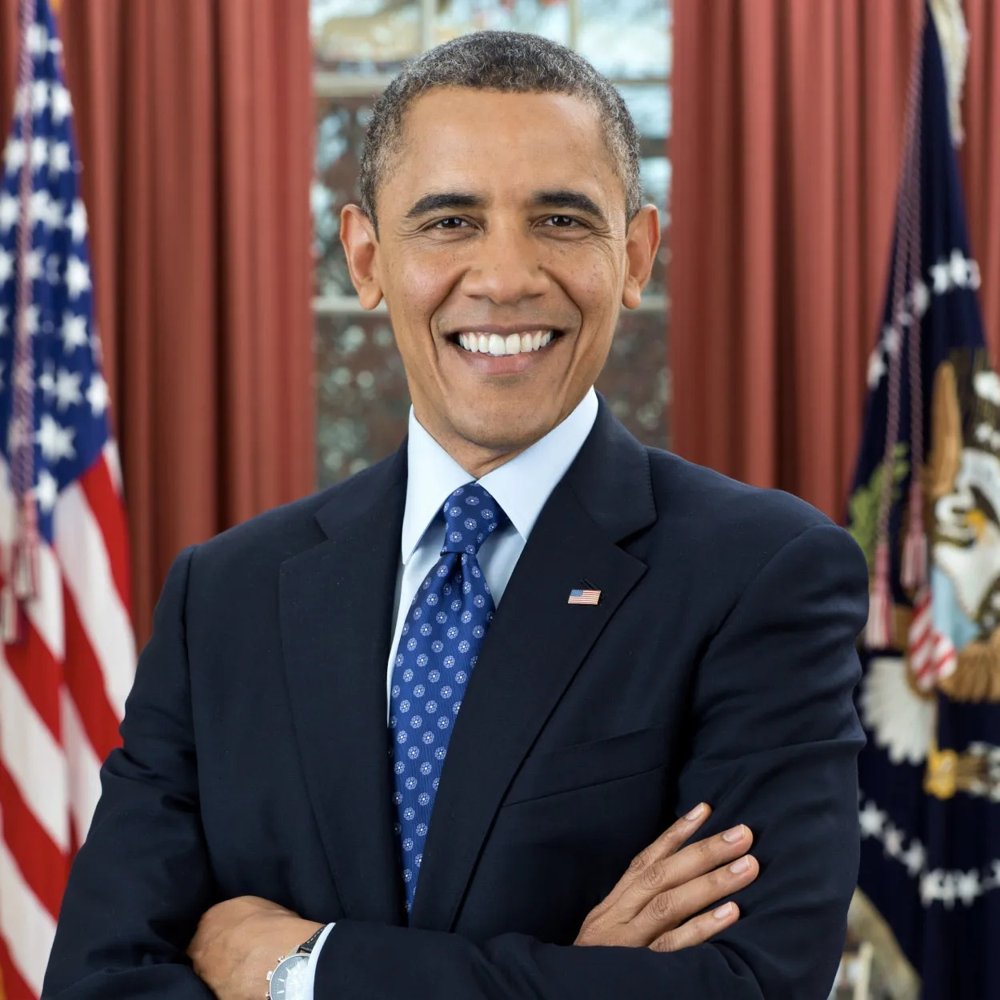
Barack Obama's Book Recommendations
Barack Obama is the 44th President of the United States, serving from 2009 to 2017. As the first African American president, Obama’s leadership marked a historic moment in American history. His administration focused on healthcare reform, economic recovery from the Great Recession, and environmental policies. He is best known for the Affordable Care Act, as well as his efforts to expand civil rights and restore diplomatic relations with Cuba. Since leaving office, Obama has continued to engage in public life through his foundation, focusing on leadership development, civic engagement, and global issues.

Jocko Willink's Book Recommendations
Jocko Willink is a retired Navy SEAL officer, renowned for his leadership during the Battle of Ramadi in the Iraq War, which earned him the Silver Star and Bronze Star. Transitioning from military service, he co-authored the best-selling book "Extreme Ownership: How U.S. Navy SEALs Lead and Win" with fellow SEAL Leif Babin, which has become a cornerstone in leadership and management literature. Willink has also written the "Way of the Warrior Kid" series, aimed at empowering young readers with principles of discipline and resilience. Additionally, he hosts the popular "Jocko Podcast," where he discusses leadership, discipline, and personal development. Willink's influence extends beyond literature through his Echelon Front leadership consultancy, helping organizations implement effective leadership strategies.
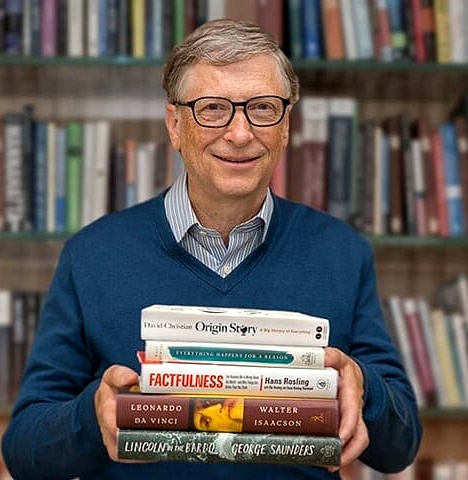
Bill Gates's Book Recommendations
Bill Gates, co-founder of Microsoft Corporation, is a pioneering figure in the tech industry, having played a key role in the personal computer revolution. His work at Microsoft, particularly the development of Windows, transformed software and computing globally. Beyond his technology contributions, Gates is also a prolific author, with notable works such as "The Road Ahead" and "Business @ the Speed of Thought," which offer insights into the future of technology and business. Additionally, his philanthropic efforts through the Bill & Melinda Gates Foundation have had a profound impact on global health, education, and poverty. Gates continues to influence both technology and literature with his forward-thinking perspectives and innovative ideas.

Emily Ratajkowski's Book Recommendations
Emily Ratajkowski is a renowned model, actress, and author, who gained prominence in the entertainment industry through her work in fashion and film. She made a significant literary contribution with her debut book, "My Body," published in 2021, which explores themes of feminism, sexuality, and empowerment. The book received critical acclaim for its insightful and candid examination of her experiences in the public eye. Ratajkowski's writing has been praised for its depth and honesty, shedding light on the complexities of body politics and personal agency. Beyond her literary endeavors, she continues to use her platform to advocate for women's rights and social justice.
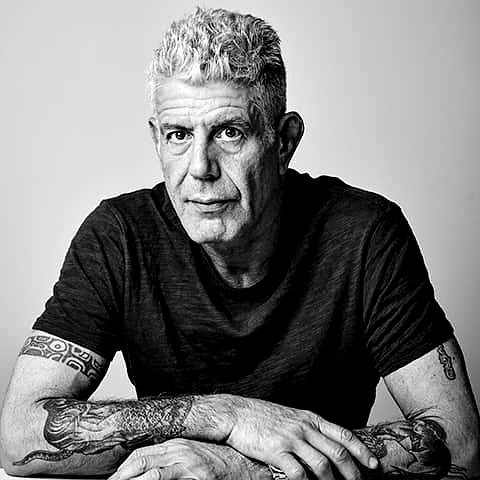
Anthony Bourdain's Book Recommendations
Anthony Bourdain was an acclaimed chef, author, and television personality known for his deep exploration of global cuisine and culture. He gained widespread recognition with his 2000 bestseller "Kitchen Confidential: Adventures in the Culinary Underbelly," which offered an unvarnished look behind the scenes of the restaurant industry. Bourdain's literary talents extended to several other books, including "A Cook's Tour" and "Medium Raw," further cementing his status as a compelling storyteller. His groundbreaking TV shows such as "No Reservations" and "Parts Unknown" took viewers on culinary adventures around the world, earning him numerous awards, including multiple Emmy Awards. Bourdain's legacy endures as a pioneer who celebrated the richness of diverse cultures through food.

Ben Affleck's Book Recommendations
Ben Affleck is an acclaimed American actor, director, and screenwriter, noted for his significant contributions to film and literature. He achieved early acclaim with his co-writing and starring role in "Good Will Hunting" (1997), which earned him an Academy Award for Best Original Screenplay alongside Matt Damon. Affleck further showcased his directorial prowess with the critically acclaimed film "Argo" (2012), which won the Academy Award for Best Picture. His work often explores complex characters and social issues, making a substantial impact on contemporary storytelling. Additionally, Affleck has been involved in various philanthropic efforts, using his platform to support numerous charitable causes.
Showing 8 of 9 related collections
“In the swirling chaos of revolution, it is not the loudest voice that shakes the ground, but the quiet determination of those who dare to dream of a better world.”
A Place of Greater Safety
By Hilary Mantel
Frequently Asked Questions
Explore Our Catalogue
Discover a world of knowledge through our extensive collection of book summaries.
Genres
Genres
Genres
Featured Collections
- Top Book Club Picks
- One-Stop Nutrition
- Summer Reads 2024
- Best Beach Reads 2024
- Work-Life Balance Guide
- Time Management
- Healthy Foods
- Entrepreneur Toolkit
- Mind & Body Wellness
- Future Tech Insights
- Leadership Essentials
- Financial Freedom
- Sci-Fi Masterpieces
- Parenting 101
- Books That Became Blockbusters
- Guide to a Healthy Pregnancy