Accidental Presidents Book Summary
In 'Accidental Presidents', Jared Cohen explores the unexpected rise of U.S. leaders who ascended to the presidency by chance rather than through traditional paths. From political mishaps to sudden deaths, these leaders had to navigate unique challenges that transformed their presidencies and the nation. Cohen delves into their distinct personalities and pivotal moments, revealing how fortune and fate can shape history. This compelling narrative raises questions about leadership, legacy, and the unpredictability of political power. Discover how chance encounters led to monumental changes and what this means for the future of American leadership.
By Jared Cohen
Published: 2020
"In the chaos of leadership, it is often the unexpected moments that define history’s true architects."

Start Listening to Book Summary
Book Review of Accidental Presidents
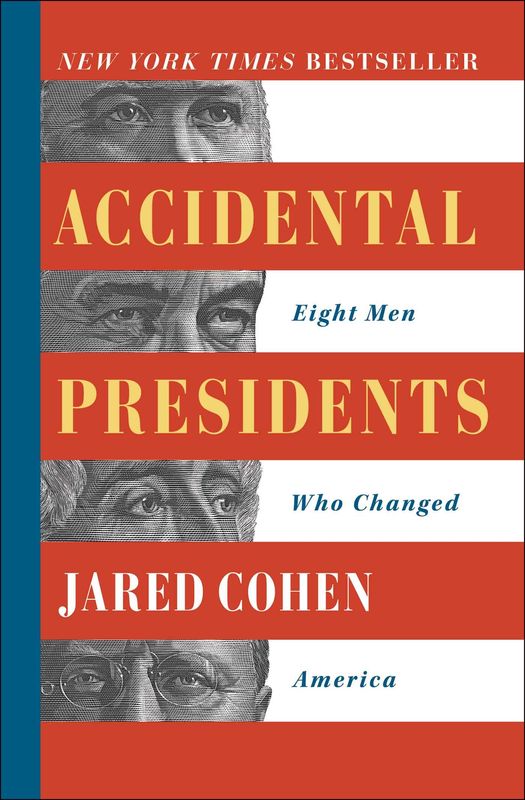
This New York Times bestselling “deep dive into the terms of eight former presidents is chock-full of political hijinks—and déjà vu” (Vanity Fair) and provides a fascinating look at the men who came to the office without being elected to it, showing how each affected the nation and world. The strength and prestige of the American presidency has waxed and waned since George Washington. Eight men have succeeded to the presidency when the incumbent died in office. In one way or another they vastly changed our history. Only Theodore Roosevelt would have been elected in his own right. Only TR, Truman, Coolidge, and LBJ were re-elected. John Tyler succeeded William Henry Harrison who died 30 days into his term. He was kicked out of his party and became the first president threatened with impeachment. Millard Fillmore succeeded esteemed General Zachary Taylor. He immediately sacked the entire cabinet and delayed an inevitable Civil War by standing with Henry Clay’s compromise of 1850. Andrew Johnson, who succeeded our greatest president, sided with remnants of the Confederacy in Reconstruction. Chester Arthur, the embodiment of the spoils system, was so reviled as James Garfield’s successor that he had to defend himself against plotting Garfield’s assassination; but he reformed the civil service. Theodore Roosevelt broke up the trusts. Calvin Coolidge silently cooled down the Harding scandals and preserved the White House for the Republican Herbert Hoover and the Great Depression. Harry Truman surprised everybody when he succeeded the great FDR and proved an able and accomplished president. Lyndon B. Johnson was named to deliver Texas electorally. He led the nation forward on Civil Rights but failed on Vietnam. Accidental Presidents shows that “history unfolds in death as well as in life” (The Wall Street Journal) and adds immeasurably to our understanding of the power and limits of the American presidency in critical times.
Book Overview of Accidental Presidents
About the Book Author
Jared Cohen
Jared Cohen is a prominent author, technology expert, and former advisor to the U.S. Secretary of State. Known for his thought-provoking insights on the intersection of technology, policy, and global affairs, Cohen has authored several notable works, including 'The New Digital Age' co-written with Eric Schmidt, and 'Accidental Presidents.' His writing style is characterized by its clarity and depth, making complex subjects accessible to a broad audience.
Book Details
Key information about the book.
- Authors
- Jared Cohen
- Published
- January 2020
- Publisher
- Simon & Schuster
- ISBN
- 1501109839
- Language
- English
- Pages
- 528
- Genres
- Political HistoryPolitical LeadersPolitics and Current Affairs
Purchase Options
 Buy on Amazon
 Buy via BookShop
Support local bookstores: BookShop gives a portion of each sale to independent bookshops!
Similar books you might like →
Kennedy Tapes Concise Edition Book Summary
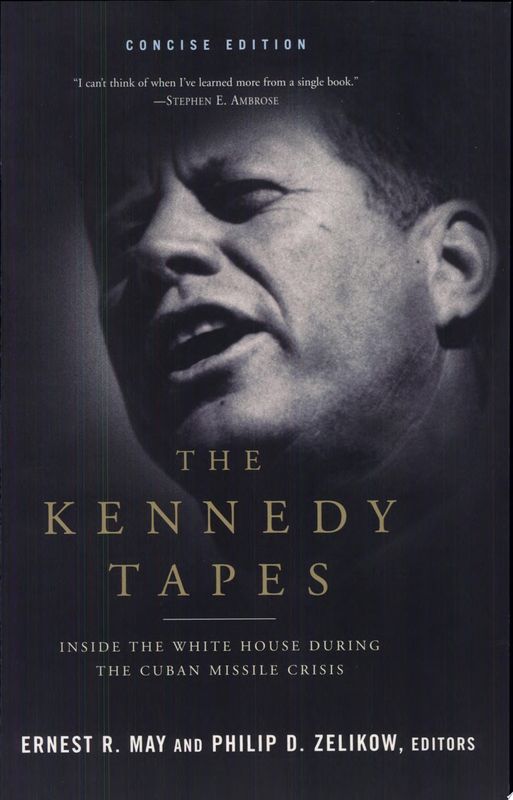
Dive into the secretive world of power with 'Kennedy Tapes Concise Edition.' This intriguing collection slices through the layers of history to reveal intimate conversations that shaped pivotal moments in the Kennedy presidency. Discover the raw emotions and strategic deliberations behind the Cuban Missile Crisis, civil rights, and the space race. Each tape serves as a portal into the mind of a leader grappling with immense challenges and moral dilemmas. What revelations lie within these conversations, and how do they redefine our understanding of this iconic era?
The Flawed Architect Book Summary
In 'The Flawed Architect', Jussi M. Hanhimäki delves into the intricate life and legacy of a pivotal figure who shaped modern diplomacy. Exploring the dualities of ambition and morality, the narrative reveals how intentions can crumble under the weight of political realities. The book intertwines history with personal anecdotes, painting a vivid portrait of a leader's struggle with their own flaws. Readers are invited to ponder the complexities of human nature in the high-stakes arena of global politics. Will the lessons learned from this flawed architect illuminate the path for future generations?
American Lion Book Summary
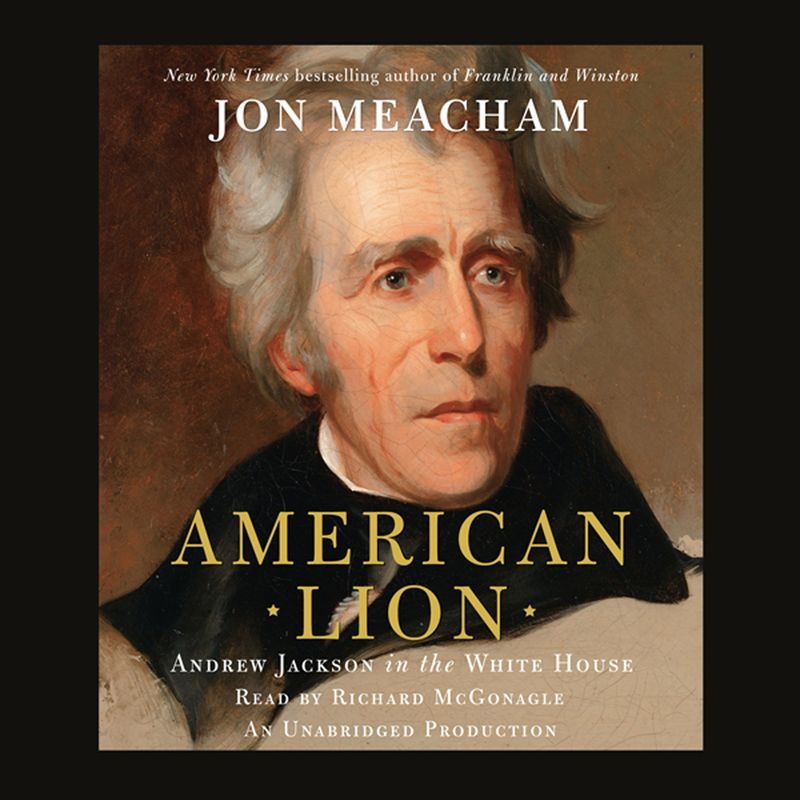
"American Lion" by Jon Meacham delves into the life of Andrew Jackson, one of America's most controversial presidents. Meacham paints a vivid portrait of Jackson's fierce leadership and tumultuous presidency during a pivotal era in U.S. history. The book explores Jackson's complex legacy, from his championing of democracy to his stark policies regarding Native Americans. Through rich storytelling and meticulous research, Meacham invites readers to grapple with the dualities of Jackson's character and the implications of his choices. Will you uncover the man behind the myth and understand how his presidency shaped the nation?
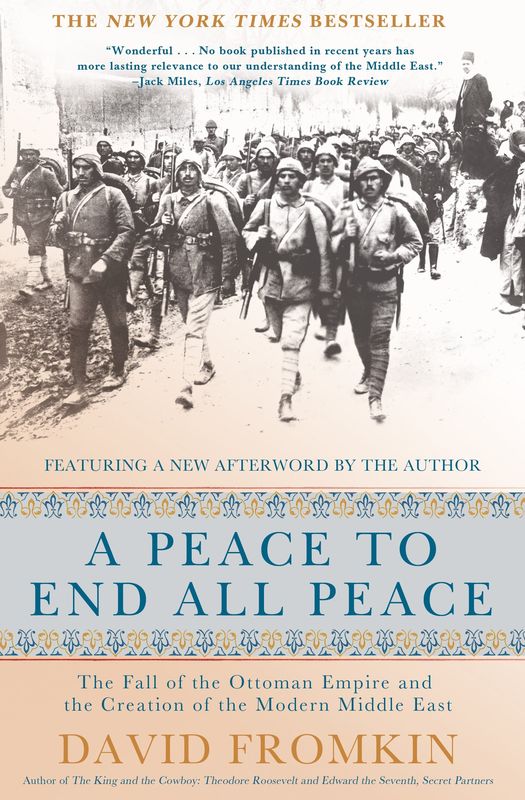
A Peace to End All Peace Book Summary
In 'A Peace to End All Peace', David Fromkin unravels the intricate web of events that led to the creation of the modern Middle East after World War I. With compelling narratives, Fromkin reveals how the decisions made by imperial powers set the stage for decades of conflict. This historical analysis not only highlights the reckless diplomacy of the time but also exposes the enduring consequences of these choices on today's geopolitical landscape. As tensions rise in the region, the book prompts readers to ponder: can any lasting peace ever truly emerge from such a fractured legacy? Dive into this thought-provoking exploration of history, power, and the quest for stability in a tumultuous world.
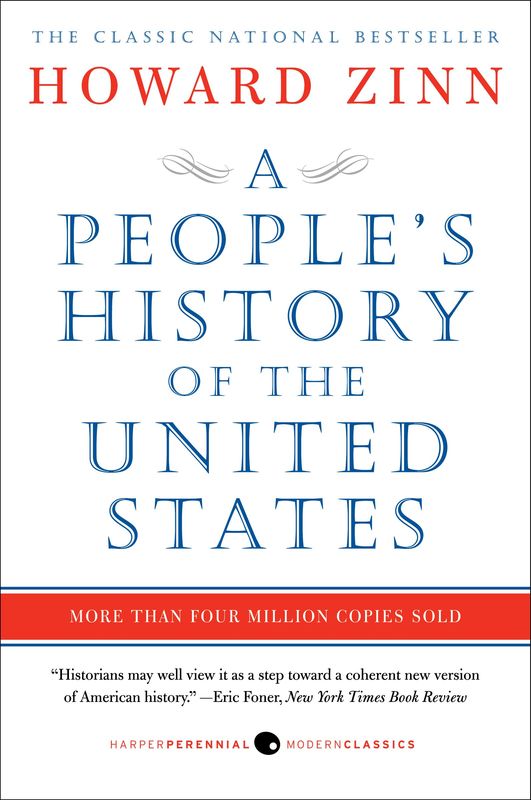
A People's History of the United States Book Summary
In 'A People's History of the United States,' Howard Zinn redefines the American narrative by focusing on the experiences and struggles of marginalized groups throughout history. This provocative work unveils the hidden stories of Native Americans, slaves, women, and others who have been silenced in traditional historical accounts. Zinn challenges the reader to rethink the very foundations of American society and its values, highlighting the continuous fight for justice and equality. As he dives into pivotal moments where ordinary people stood against power, the book raises questions about who writes history and whose voices are heard. A compelling call to recognize the past in order to inform the future, it leaves readers hungry for deeper truths about the American experience.
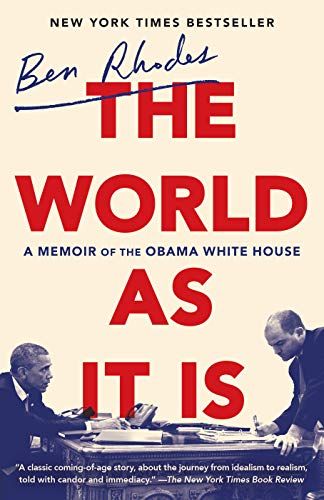
The World as It Is Book Summary
In 'The World as It Is', Ben Rhodes takes readers behind the scenes of the Obama administration, offering an intimate look at the complex realities of global politics. His reflections reveal the art of negotiation and the weight of decision-making during pivotal moments in history. With a blend of personal anecdotes and sharp insights, Rhodes challenges conventional wisdom about leadership and diplomacy. This captivating narrative not only chronicles a presidency but also questions the very nature of power and policy in a fractured world. Dive into this insider's perspective and discover how the echoes of the past shape our present crises.
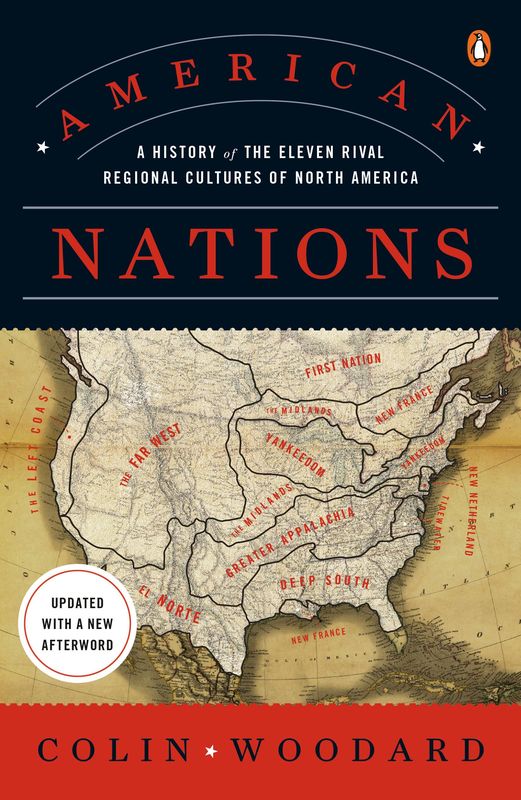
American Nations Book Summary
In 'American Nations', Colin Woodard reveals the hidden divisions that shaped the United States through historical regional cultures. He identifies eleven distinct 'nations' that each have their own values, beliefs, and identities, influencing everything from politics to social norms. Woodard's exploration challenges the conventional narrative of a singular American identity, inviting readers to rethink the complexities of American history. With compelling storytelling, he illustrates how these cultural divides continue to affect modern America. Dive into this thought-provoking journey and discover the surprising forces that unite and separate us.
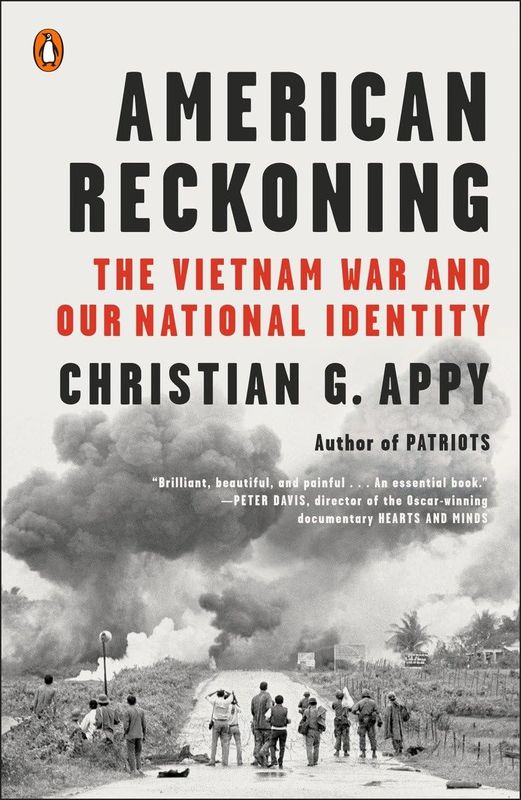
American Reckoning Book Summary
In 'American Reckoning', Christian G. Appy explores the tumultuous legacy of the Vietnam War and its profound impact on American society and politics. Through compelling narratives and meticulous research, he unveils the contradictions of a nation grappling with its identity amidst conflict. Appy challenges readers to confront the moral complexities of war and the cost of empire. With poignant insights and thought-provoking analysis, this book invites us to reflect on history's lessons as they resonate in today's world. Will we learn from our past, or are we doomed to repeat it?
Showing 8 of 29 similar books
Take your reading experience to the next level
Download our mobile app to enjoy your favorite books on the go. Get access to exclusive features, offline listening, and personalized recommendations.

Similar Book Recommendations →

Alexandria Ocasio-Cortez's Book Recommendations
Alexandria Ocasio-Cortez, also known as AOC, is a U.S. Congresswoman representing New York's 14th district. She gained national attention after winning her seat in 2018 at the age of 29, making her one of the youngest women ever elected to Congress. Ocasio-Cortez is known for her progressive policies, advocating for issues such as Medicare for All, climate change action, and economic justice. She has become a prominent figure within the Democratic Party and uses social media to engage with constituents and the public. Her rise from grassroots activism to Congress has inspired many young people to get involved in politics.

Brandon Stanton's Book Recommendations
Brandon Stanton is an American photographer and author, best known for creating Humans of New York, a photography project that shares the personal stories of everyday people. Through his portraits and interviews, Stanton captures the diverse experiences of people in New York City and around the world, offering intimate insights into their lives. Humans of New York has become a global phenomenon, with millions of followers on social media and several best-selling books. Stanton’s work has expanded beyond photography to include fundraising campaigns that have raised millions of dollars for individuals and charitable causes. His ability to connect with people and share their stories has made him one of the most impactful storytellers of his generation.
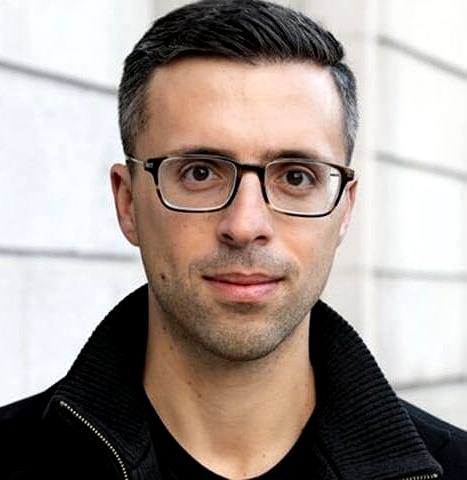
Ezra Klein's Book Recommendations
Ezra Klein is a prominent American journalist, political analyst, and author, renowned for his incisive commentary on politics and policy. He co-founded Vox, a widely respected news website known for its explanatory journalism, and served as its editor-in-chief. Klein's work includes the critically acclaimed book "Why We're Polarized," which delves into the deep-seated divisions in American politics. He also hosts "The Ezra Klein Show," a popular podcast where he interviews thought leaders from various fields. Klein's contributions have significantly shaped contemporary political discourse and media consumption.
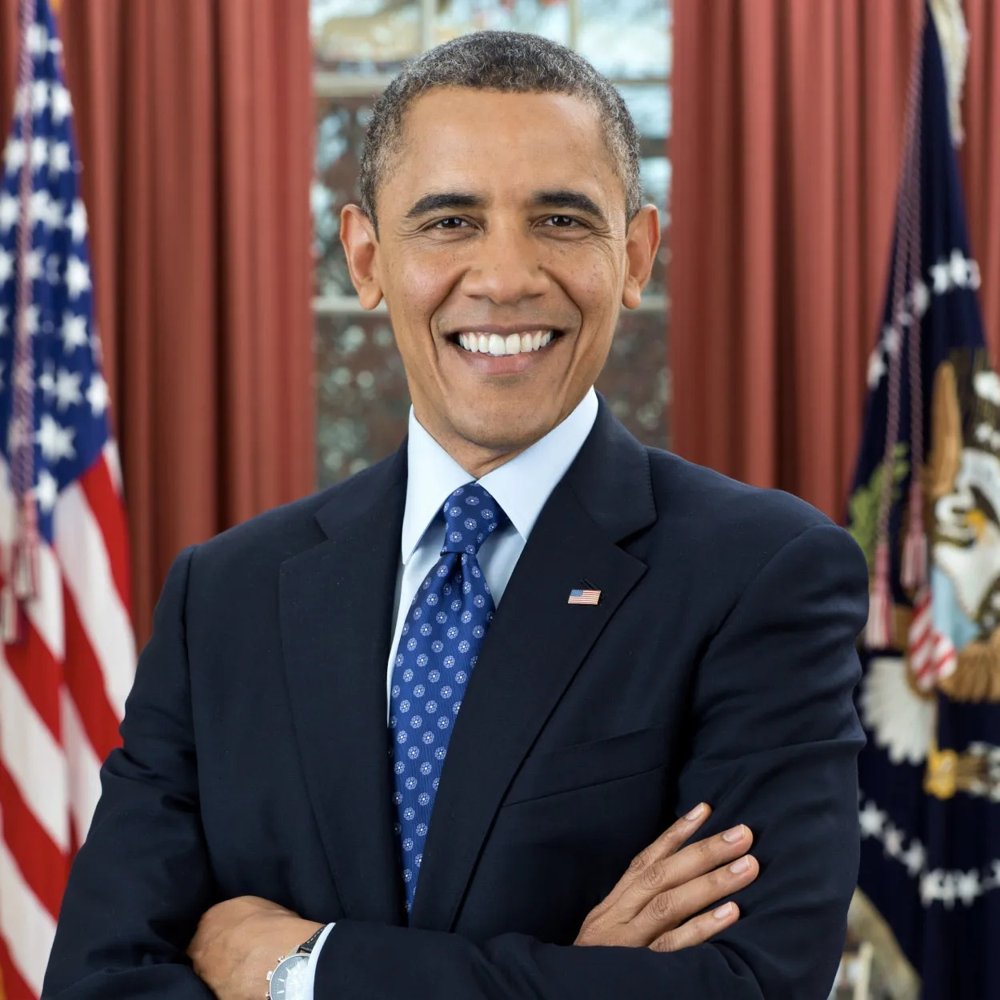
Barack Obama's Book Recommendations
Barack Obama is the 44th President of the United States, serving from 2009 to 2017. As the first African American president, Obama’s leadership marked a historic moment in American history. His administration focused on healthcare reform, economic recovery from the Great Recession, and environmental policies. He is best known for the Affordable Care Act, as well as his efforts to expand civil rights and restore diplomatic relations with Cuba. Since leaving office, Obama has continued to engage in public life through his foundation, focusing on leadership development, civic engagement, and global issues.

Coleen Baik's Book Recommendations
Coleen Baik is an American designer, artist, and entrepreneur, known for her work in the tech industry, including as a founding team member of Twitter. Baik played a key role in shaping the user experience and design of Twitter in its early days, contributing to its iconic interface. She is also the founder of Baik Art, a multidisciplinary art studio that blends technology and visual art. Baik is passionate about using design to create meaningful and user-centered digital experiences, and she frequently speaks on topics related to innovation, design, and creativity. Her work has made her a prominent figure in the intersection of tech and design.

Jon Stewart's Book Recommendations
Jon Stewart is an American comedian, writer, and former host of The Daily Show, where he gained fame for his satirical take on news and politics. Stewart transformed The Daily Show into a critical voice in American media, blending humor with hard-hitting commentary on political and social issues. After stepping down from the show, Stewart has continued to advocate for causes like 9/11 first responders and veterans' rights. He is also a filmmaker, directing the political satire film Irresistible. Stewart remains a significant figure in American culture, known for his wit, activism, and influence on political discourse.
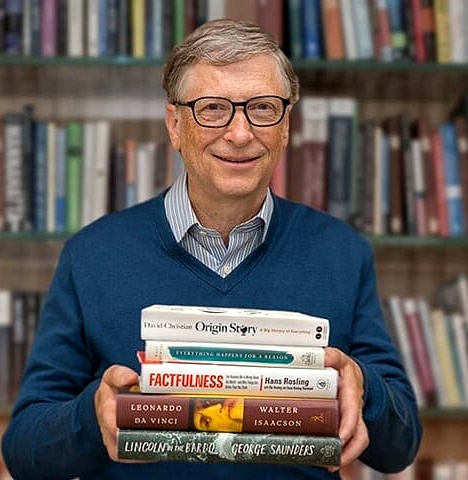
Bill Gates's Book Recommendations
Bill Gates, co-founder of Microsoft Corporation, is a pioneering figure in the tech industry, having played a key role in the personal computer revolution. His work at Microsoft, particularly the development of Windows, transformed software and computing globally. Beyond his technology contributions, Gates is also a prolific author, with notable works such as "The Road Ahead" and "Business @ the Speed of Thought," which offer insights into the future of technology and business. Additionally, his philanthropic efforts through the Bill & Melinda Gates Foundation have had a profound impact on global health, education, and poverty. Gates continues to influence both technology and literature with his forward-thinking perspectives and innovative ideas.

Richard Branson's Book Recommendations
Richard Branson is a British entrepreneur and founder of the Virgin Group, which operates in sectors ranging from airlines to space travel. Branson’s entrepreneurial journey began in the 1970s with Virgin Records, and he has since built one of the most recognized brands in the world. Known for his adventurous spirit and willingness to take risks, Branson has pursued innovative ventures like Virgin Galactic, aiming to pioneer commercial space tourism. He is also a philanthropist, focusing on environmental sustainability and global health issues. Branson's bold and unconventional approach to business has made him a global icon of entrepreneurship.
Showing 8 of 14 related collections
“In the chaos of leadership, it is often the unexpected moments that define history’s true architects.”
Accidental Presidents
By Jared Cohen
Frequently Asked Questions
Explore Our Catalogue
Discover a world of knowledge through our extensive collection of book summaries.
Genres
Genres
Genres
Featured Collections
- Top Book Club Picks
- One-Stop Nutrition
- Summer Reads 2024
- Best Beach Reads 2024
- Work-Life Balance Guide
- Time Management
- Healthy Foods
- Entrepreneur Toolkit
- Mind & Body Wellness
- Future Tech Insights
- Leadership Essentials
- Financial Freedom
- Sci-Fi Masterpieces
- Parenting 101
- Books That Became Blockbusters
- Guide to a Healthy Pregnancy