Anthropic Bias Book Summary
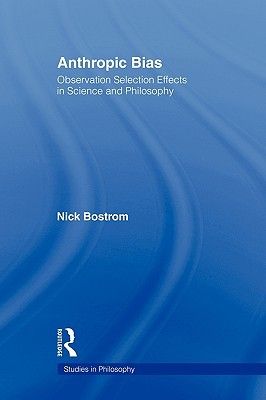
In 'Anthropic Bias,' philosopher Nick Bostrom delves into the intriguing concept of how our existence influences the patterns and decisions we observe in the universe. He explores the philosophical implications of anthropic reasoning and the biases it introduces in our understanding of reality. Through compelling arguments and thought-provoking scenarios, Bostrom challenges readers to rethink their perspectives on probability, existence, and the limits of human knowledge. The book invites readers on a journey of intellectual exploration to uncover hidden truths that shape our understanding of the world. Discover the unexpected ways bias can distort our view of existence and what it truly means to be a conscious observer in this vast universe.
By Nick Bostrom
Published: 2010
"Our understanding of the universe is inevitably filtered through the lens of our own existence; this anthropic bias shapes not only our perceptions but also the very questions we dare to ask."

Start Listening to Book Summary
Book Review of Anthropic Bias
Anthropic Bias explores how to reason when you suspect that your evidence is biased by "observation selection effects"--that is, evidence that has been filtered by the precondition that there be some suitably positioned observer to "have" the evidence. This conundrum--sometimes alluded to as "the anthropic principle," "self-locating belief," or "indexical information"--turns out to be a surprisingly perplexing and intellectually stimulating challenge, one abounding with important implications for many areas in science and philosophy. There are the philosophical thought experiments and paradoxes: the Doomsday Argument; Sleeping Beauty; the Presumptuous Philosopher; Adam & Eve; the Absent-Minded Driver; the Shooting Room. And there are the applications in contemporary science: cosmology ("How many universes are there?", "Why does the universe appear fine-tuned for life?"); evolutionary theory ("How improbable was the evolution of intelligent life on our planet?"); the problem of time's arrow ("Can it be given a thermodynamic explanation?"); quantum physics ("How can the many-worlds theory be tested?"); game-theory problems with imperfect recall ("How to model them?"); even traffic analysis ("Why is the 'next lane' faster?"). Anthropic Bias argues that the same principles are at work across all these domains. And it offers a synthesis: a mathematically explicit theory of observation selection effects that attempts to meet scientific needs while steering clear of philosophical paradox.
Book Overview of Anthropic Bias
About the Book Author
Nick Bostrom
Nick Bostrom is a Swedish philosopher and founding director of the Future of Humanity Institute at the University of Oxford. He is renowned for his pioneering work in the fields of existential risk, artificial intelligence, and the implications of emerging technologies. Bostrom's notable works include 'Superintelligence: Paths, Dangers, Strategies' (2014), where he explores the potential future scenarios and ethical considerations surrounding advanced AI, and 'Global Catastrophic Risks' (2013), co-edited with Milan M. Cirkovic, delving into the threats that could pose a risk to civilization. His writing is characterized by rigorous analysis, deep philosophical inquiry, and engaging prose that challenges readers to consider profound questions about humanity's future.
Book Details
Key information about the book.
- Authors
- Nick Bostrom
- Published
- January 2010
- Publisher
- Studies in Philosophy
- ISBN
- 0415883946
- Language
- English
- Pages
- N/A
- Genres
- Philosophy of MindPhilosophyExistentialism
Purchase Options
 Buy on Amazon
 Buy via BookShop
Support local bookstores: BookShop gives a portion of each sale to independent bookshops!
Similar books you might like →
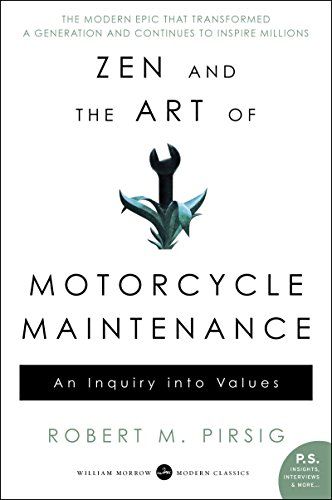
Zen and the Art of Motorcycle Maintenance Book Summary
In 'Zen and the Art of Motorcycle Maintenance', Robert M. Pirsig embarks on a philosophical journey across America, intertwining motorcycle maintenance with deeper questions about life and quality. As he travels with his son, he reflects on the nature of satisfaction and the conflict between technological rationality and human values. The narrative masterfully blends a road trip adventure with profound philosophical explorations, challenging readers to ponder their own definitions of quality. With rich metaphors and contemplative insights, the book invites you to consider the balance between rationality and spirituality. Will you find your own meaning in the art of living?
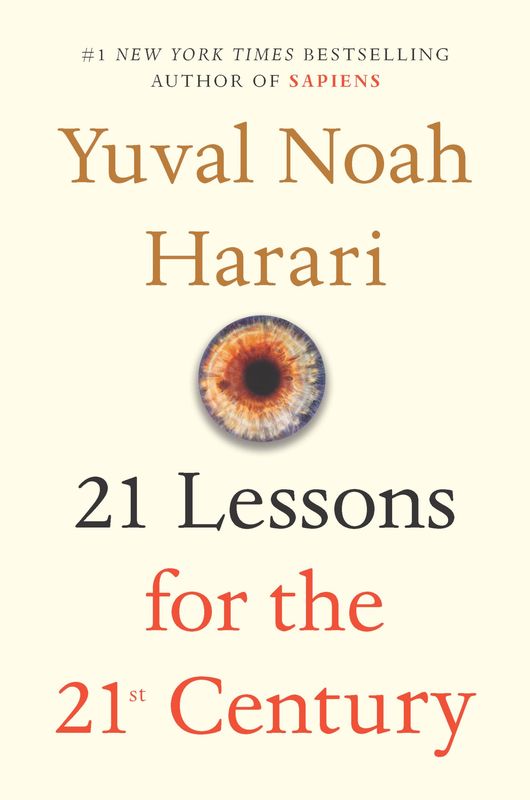
21 Lessons for the 21st Century Book Summary
In '21 Lessons for the 21st Century', Yuval Noah Harari navigates the complex landscape of today's world, tackling urgent questions about our future. From the impact of technology on society to the challenges of political stability, each lesson provokes thought and introspection. Harari explores key themes such as the rise of artificial intelligence, the significance of data, and the importance of meaning in an increasingly uncertain world. With a blend of history, philosophy, and science, the book invites readers to reflect on their roles in shaping a shared future. Will we adapt, or become obsolete? Dive in to uncover the lessons that could redefine humanity's path.
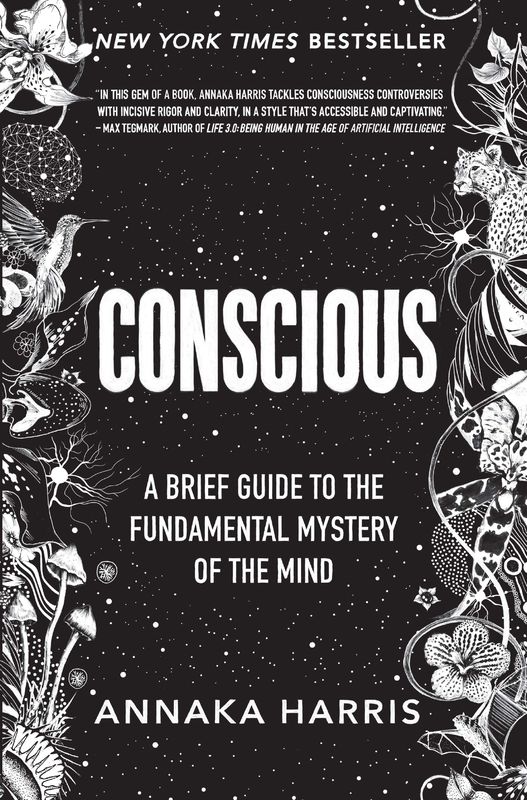
Conscious Book Summary
In 'Conscious,' Annaka Harris explores the enigmatic nature of consciousness, diving into profound questions about awareness and existence. Through a blend of science and philosophy, she challenges the conventional understanding, prompting readers to re-evaluate their perceptions of reality. Harris skillfully navigates the intricate relationship between the brain and subjective experience, shedding light on the mysteries that lie within. With thought-provoking insights and accessible prose, this book invites both the curious and the skeptical to ponder the depths of consciousness. Will you uncover the secrets of your own mind?
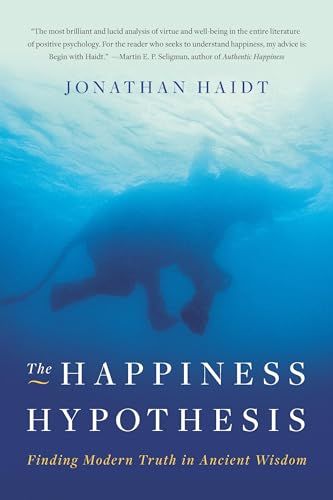
The Happiness Hypothesis Book Summary
In 'The Happiness Hypothesis', Jonathan Haidt delves into the ancient wisdom of happiness, exploring how age-old philosophies intersect with modern psychology. He presents a compelling argument that our well-being can be influenced by both our external circumstances and internal beliefs. By examining ten great ideas from various cultures, Haidt reveals surprising insights about love, morality, and the meaning of life. This engaging blend of science and philosophy challenges readers to rethink what truly brings happiness. Are we mere puppets of our circumstances, or can we take charge of our own joy?

The Opposite of Loneliness Book Summary
In 'The Opposite of Loneliness,' Marina Keegan brilliantly captures the complexity of young adulthood through a collection of poignant essays and stories. Each piece reflects her rich inner world and the exhilarating yet terrifying sense of possibility that comes with being on the brink of adulthood. Keegan's writing resonates with anyone who has ever felt both lost and hopeful in their pursuit of identity and purpose. Her untimely passing adds an indelible poignancy to her words, making them even more impactful. This book is a celebration of life, connection, and the enduring spirit of youth that lingers long after the last page is turned.
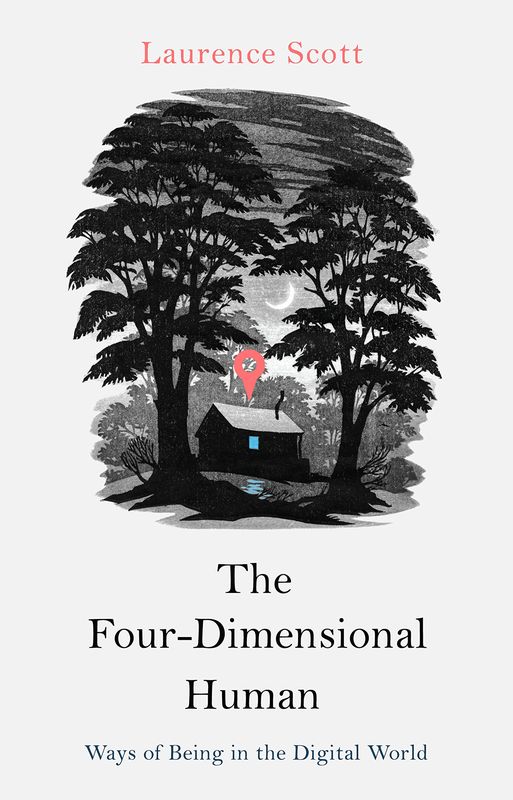
The Four-dimensional Human Book Summary
In 'The Four-dimensional Human', Laurence Scott explores the intersection of technology and the human experience, delving into themes of identity and existence in a rapidly changing digital landscape. He challenges readers to reconsider what it means to be human in an age where virtual interactions can shape our reality. Through a blend of personal narrative and philosophical inquiry, Scott invites us to ponder the implications of our online lives. What happens to our sense of self when boundaries between the physical and digital blur? This thought-provoking journey will leave readers questioning the very nature of humanity itself.
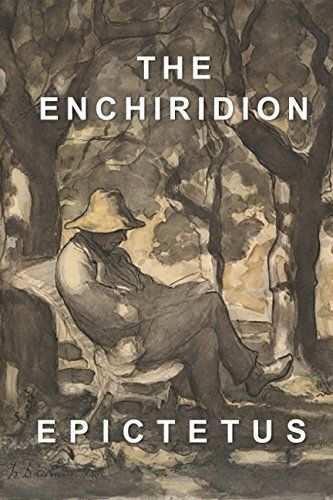
The Enchiridion Book Summary
Delve into the ancient wisdom of Epictetus's 'The Enchiridion', a timeless manual on Stoic philosophy that offers profound insights into the art of living. This compact guide encourages readers to focus on what is within their control, cultivating resilience and tranquility amidst life's inevitable challenges. With its practical teachings, the book invites you to embrace a mindset that transcends external circumstances, leading to inner peace. Observations about desire, fate, and virtue weave a narrative that resonates through the ages, urging reflection and self-improvement. Unlock the secrets of a fulfilled life with this philosophical treasure that continues to inspire and provoke thought.

The Day of the Jackal Book Summary
In 'The Day of the Jackal', a mysterious assassin known only as the Jackal sets his sights on a high-profile target: the French President. As the clock ticks down, authorities scramble to unmask the enigmatic figure, whose meticulous planning and cunning tactics challenge the best of their abilities. Forsyth weaves a gripping tale of cat-and-mouse, entwining historical detail with heart-pounding suspense. Readers are drawn into the elaborate world of espionage and intrigue, where every page turns with rising tension. Will the Jackal succeed in his chilling mission, or will the hunters prevail?
Showing 8 of 27 similar books
Take your reading experience to the next level
Download our mobile app to enjoy your favorite books on the go. Get access to exclusive features, offline listening, and personalized recommendations.

Similar Book Recommendations →

Haruki Murakami's Book Recommendations
Haruki Murakami is an internationally acclaimed Japanese author known for his surreal, magical realist style, blending elements of reality with the fantastical in his novels. His works, such as "Norwegian Wood," "Kafka on the Shore," and "1Q84," have captivated readers with their dreamlike narratives, introspective characters, and deep exploration of existential themes. Murakami's unique voice often explores loneliness, isolation, and the complexities of human nature. His use of metaphors and symbolism has earned him a dedicated global following, and his books have been translated into dozens of languages. A reclusive figure, Murakami avoids public appearances and prefers to let his work speak for itself, although he occasionally writes essays and non-fiction on topics such as running, jazz, and literature. Murakami has been a strong contender for the Nobel Prize in Literature for years, and his influence on contemporary fiction is undeniable. Beyond his writing, Murakami is also an avid marathon runner and music enthusiast, elements that often appear in his narratives.

David Heinemeier Hansson's Book Recommendations
David Heinemeier Hansson, also known as DHH, is a Danish programmer, entrepreneur, and author, best known as the creator of Ruby on Rails, a popular web application framework. Heinemeier Hansson is also a partner at Basecamp, a project management and collaboration software company he co-founded. His contributions to software development have earned him widespread recognition, with Ruby on Rails being used by thousands of developers and companies worldwide. Heinemeier Hansson is also a vocal advocate for remote work, simplicity in business, and sustainable work practices, ideas he explores in his bestselling books Rework and It Doesn’t Have to Be Crazy at Work. In addition to his work in tech, he is an accomplished race car driver, having competed in the 24 Hours of Le Mans. Heinemeier Hansson’s approach to work-life balance and entrepreneurship has made him a thought leader in the tech community, where he continues to challenge traditional business practices and advocate for more human-centered approaches to work

Alain de Botton's Book Recommendations
Alain de Botton is a Swiss-British philosopher, author, and founder of The School of Life, an organization dedicated to teaching emotional intelligence and life skills. De Botton’s books, such as The Consolations of Philosophy and How Proust Can Change Your Life, blend philosophy with everyday life, offering practical wisdom on love, work, and happiness. His work has popularized philosophy, making it accessible to a wider audience. De Botton is also a public speaker and essayist, frequently exploring topics related to human fulfillment and personal growth. His unique approach to philosophy has made him a respected voice in contemporary culture.

Joe Rogan's Book Recommendations
Joe Rogan is a multifaceted American entertainer known primarily for his work as a comedian, podcast host, and commentator. He gained widespread recognition through his immensely popular podcast, "The Joe Rogan Experience," which has featured in-depth conversations with a diverse array of guests, including scientists, celebrities, and politicians. Though not primarily known for literature, Rogan has contributed to the field with his thought-provoking discussions that often explore philosophical and intellectual ideas. Additionally, he has authored the book "Mastering the Rubber Guard," which delves into Brazilian Jiu-Jitsu techniques, showcasing his expertise in martial arts. Rogan's influence extends beyond traditional media, impacting contemporary discourse through his unique blend of humor, curiosity, and critical thinking.

Barack Obama's Book Recommendations
Barack Obama is the 44th President of the United States, serving from 2009 to 2017. As the first African American president, Obama’s leadership marked a historic moment in American history. His administration focused on healthcare reform, economic recovery from the Great Recession, and environmental policies. He is best known for the Affordable Care Act, as well as his efforts to expand civil rights and restore diplomatic relations with Cuba. Since leaving office, Obama has continued to engage in public life through his foundation, focusing on leadership development, civic engagement, and global issues.

Andrew Chen's Book Recommendations
Andrew Chen is a venture capitalist, entrepreneur, and thought leader in growth marketing, currently serving as a general partner at Andreessen Horowitz. Chen is known for his expertise in network effects, viral growth strategies, and marketplace dynamics, making him a sought-after advisor for startups looking to scale. Prior to joining Andreessen Horowitz, he worked in leadership roles at Uber, helping to grow the ride-sharing platform’s user base and develop key growth strategies. Chen is also a prolific writer, sharing his insights on growth, technology, and startups through his popular blog and newsletter, which has attracted a loyal following in the tech community. His work has helped shape how many startups approach user acquisition, retention, and product-market fit. As a venture capitalist, Chen focuses on early-stage companies in the consumer internet, SaaS, and marketplace sectors, and he has been involved in funding and advising several successful startups. His insights on technology and growth continue to influence both founders and investors alike.

Ed Cooke's Book Recommendations
Ed Cooke is a renowned British author and memory expert, best known for his book "Remember, Remember: Learn the Stuff You Thought You Never Could." A Grand Master of Memory, Cooke co-founded Memrise, a popular language learning app that utilizes mnemonic techniques to enhance memory retention. He has contributed significantly to the literature on memory improvement, blending scientific insights with practical advice. Cooke's work has been influential in both educational and cognitive science communities, helping countless individuals improve their learning capabilities. His engaging writing style and innovative methods have made complex memory concepts accessible to a broad audience.
Brian Greene's Book Recommendations
Brian Greene is an American theoretical physicist and author, best known for his work on string theory and popularizing science through his books and media appearances. Greene’s books, including The Elegant Universe and The Fabric of the Cosmos, have helped bring complex concepts in physics to a general audience. He is also the co-founder of the World Science Festival, which promotes public engagement with scientific topics. Greene’s research and ability to communicate scientific ideas have made him one of the most influential figures in theoretical physics. His work continues to inspire curiosity about the universe and our understanding of it.
“Our understanding of the universe is inevitably filtered through the lens of our own existence; this anthropic bias shapes not only our perceptions but also the very questions we dare to ask.”
Anthropic Bias
By Nick Bostrom
Frequently Asked Questions
Explore Our Catalogue
Discover a world of knowledge through our extensive collection of book summaries.
Genres
Genres
Genres
Featured Collections
- Top Book Club Picks
- One-Stop Nutrition
- Summer Reads 2024
- Best Beach Reads 2024
- Work-Life Balance Guide
- Time Management
- Healthy Foods
- Entrepreneur Toolkit
- Mind & Body Wellness
- Future Tech Insights
- Leadership Essentials
- Financial Freedom
- Sci-Fi Masterpieces
- Parenting 101
- Books That Became Blockbusters
- Guide to a Healthy Pregnancy