Death of the Liberal Class Book Summary
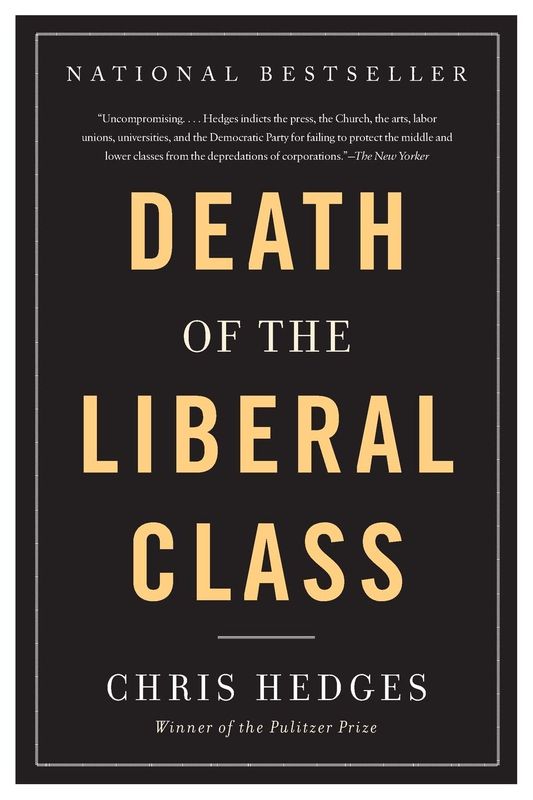
In 'Death of the Liberal Class,' Chris Hedges delivers a powerful critique of contemporary liberalism, asserting that it has become increasingly detached from its original values and responsibilities. He argues that the liberal elite, once champions of social justice, now serve the interests of corporate power, leading to widespread disillusionment. Through penetrating analysis and eloquent prose, Hedges exposes the consequences of this betrayal for democracy and civil society. As he forebodes a grim future, he urges a reevaluation of moral and ethical commitments that have been sidelined. Will we heed his warnings and revive a genuine expression of liberalism, or resign ourselves to the prevailing apathy?
By Chris Hedges
Published: 2011
"The liberal class has failed us; it has become a servant of the corporate state, and in doing so, it has forsaken its moral responsibility to protect the interests of the powerless."

Start Listening to Book Summary
Book Review of Death of the Liberal Class
Asserts that the liberal class has failed to confront the rise of the corporate state and argues that the five parts of the liberal establishment--the press, liberal religious institutions, unions, universities, and the Democratic Party--are more concerned with status and privilege than justice and progress.
Book Overview of Death of the Liberal Class
About the Book Author
Chris Hedges
Chris Hedges is an accomplished journalist, author, and columnist known for his critical analysis of power and social injustice. With a background that includes over two decades as a foreign correspondent for The New York Times, Hedges has covered conflict zones such as the Balkans, the Middle East, and Latin America. He is the author of several notable works, including 'War Is a Force That Gives Us Meaning,' 'Empire of Illusion: The End of Literacy and the Triumph of Spectacle,' and 'America: The Farewell Tour.' Hedges' writing is characterized by its passionate prose, deep moral insight, and a commitment to exposing systemic inequalities. He often explores themes of war, corporate power, and the decline of democracy, earning a reputation as a compelling and sometimes controversial voice in contemporary journalism.
Book Details
Key information about the book.
- Authors
- Chris Hedges
- Published
- November 2011
- Publisher
- Bold Type Books
- ISBN
- 1568586795
- Language
- English
- Pages
- 258
- Genres
- Social Justice MovementsPolitical PhilosophyPolitical HistoryPolitics and Current Affairs
Purchase Options
 Buy on Amazon
 Buy via BookShop
Support local bookstores: BookShop gives a portion of each sale to independent bookshops!
Similar books you might like →
The Road to Serfdom Book Summary
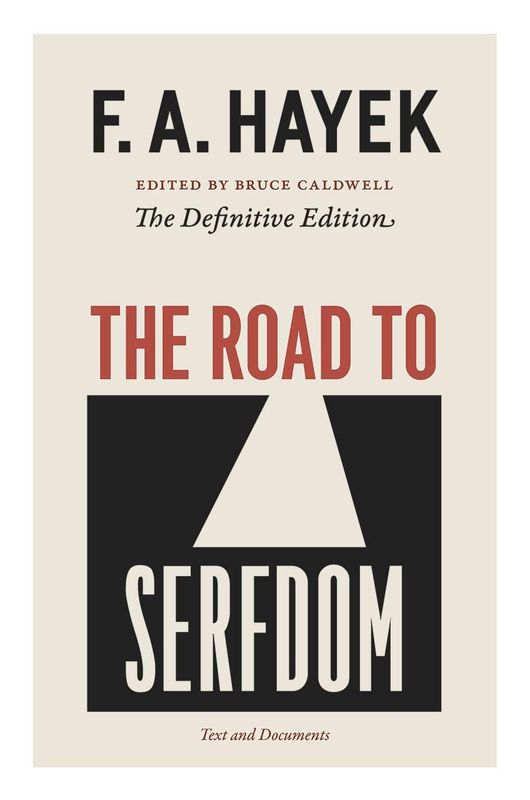
In "The Road to Serfdom," economist F.A. Hayek warns of the dangers of centralized economic planning and the creeping loss of individual freedoms. As he traces the historical precedents of totalitarian regimes, he argues that the road to tyranny often begins with seemingly benign government intervention. Through compelling insights and rigorous analysis, Hayek challenges readers to consider the delicate balance between liberty and state control. Can society thrive without sacrificing personal autonomy? Discover the powerful implications of his arguments that resonate fiercely in today's political landscape.
Interventions Book Summary
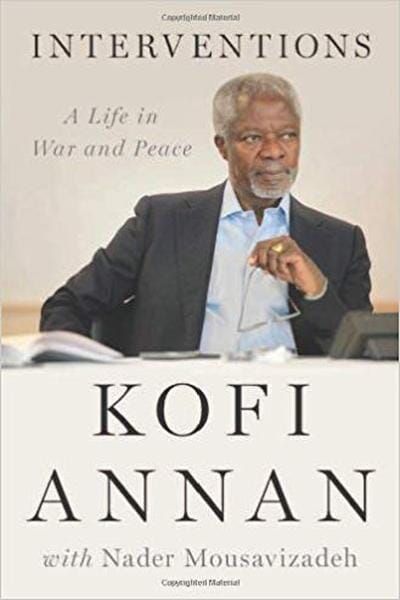
In 'Interventions,' Kofi Atta Annan shares riveting insights from his tenure as the UN Secretary-General, unraveling the complexities of global diplomacy and humanitarian crises. Co-authored by Nader Mousavizadeh, the book offers a candid exploration of critical international interventions in the realms of conflict, peacekeeping, and development. Annan's personal anecdotes and reflections challenge conventional narratives, inviting readers to ponder the moral dilemmas faced by world leaders. With a blend of personal and political history, the text reveals the intricate dance between power, responsibility, and human rights on the global stage. Prepare to be captivated by Annan's vision for a more just and united world.

Arguing about War Book Summary
In 'Arguing about War,' Michael Walzer delves into the ethical complexities surrounding conflict and warfare, challenging traditional justifications for war. Through thought-provoking analysis and compelling historical examples, he questions whether moral principles can truly be upheld in the chaos of battle. Walzer invites readers to ponder the weight of political responsibility and the consequences of intervention. His exploration of just war theory ignites debate on the morality of military action, making us confront uncomfortable truths about human nature. Engage with this critical discourse and discover how morality and war intersect in ways that will reshape your understanding of global conflicts.
Taking the Risk Out of Democracy Book Summary
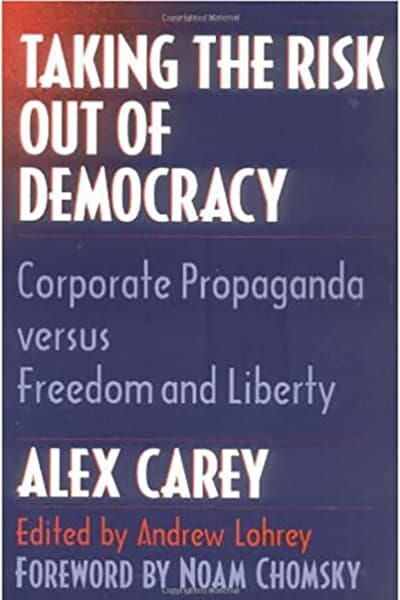
In 'Taking the Risk Out of Democracy', Alex Carey unveils the hidden forces that threaten democratic principles in contemporary society. He explores the interplay between corporate interests and political power, revealing how disinformation and manipulation are wielded to influence public opinion. Carey provides compelling insights into the history of propaganda and its role in shaping modern democracies. Through a critical lens, he warns of the fragility of democratic systems and the necessity of informed citizenry. This thought-provoking exploration invites readers to reflect on the vital importance of safeguarding democracy in an ever-evolving landscape.
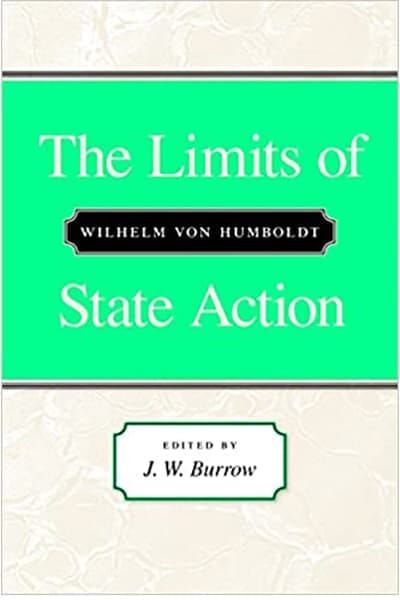
The Limits of State Action Book Summary
In 'The Limits of State Action', Wilhelm von Humboldt challenges the conventional role of government in individual lives, arguing for the primacy of personal freedom and self-development. He articulates a vision of a society where the state should limit its intervention, allowing individuals to flourish in their pursuits. Humboldt's philosophy emphasizes the importance of diverse experiences and the cultivation of individuality, inviting readers to rethink their views on authority and autonomy. With a blend of political philosophy and humanistic ideals, this work remains a profound exploration of the tension between freedom and governance. Dive in to discover how his insights resonate in today's debates about state overreach and personal liberty.

Anarcho-Syndicalism Book Summary
In 'Anarcho-Syndicalism', Rudolf Rocker presents a compelling vision of a society rooted in workers' self-management and direct action. He critiques capitalism and the state, advocating for a revolutionary movement that empowers labor. Rocker explores the historical context and theoretical foundations of anarcho-syndicalism, revealing its potential to challenge oppression and inequality. With a passionate call to arms, he inspires readers to envision a world where solidarity and cooperation thrive. This thought-provoking work invites you to reconsider the dynamics of power and the role of organized labor in shaping a just society.
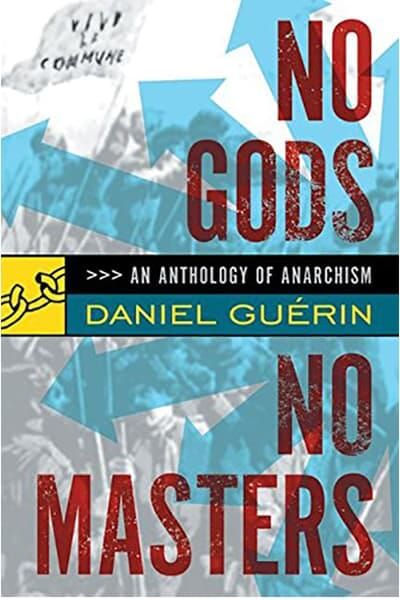
No Gods, No Masters Book Summary
In 'No Gods, No Masters', Daniel Guérin presents a compelling exploration of anarchism, tracing its philosophical roots and revolutionary practices. He argues against imposed authority, advocating for a society based on mutual aid and voluntary cooperation. The book chronicles historical movements and figures that shaped anarchist thought, igniting curiosity about the untold stories of resistance. With a mesmerising narrative, Guérin challenges readers to rethink concepts of power and freedom. This thought-provoking work not only inspires but also raises questions about the future of social justice.
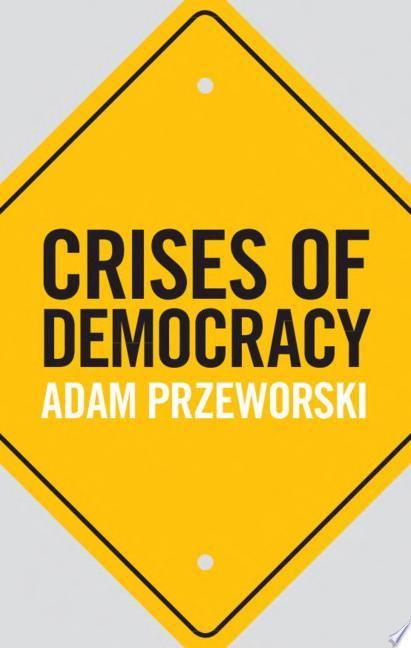
Crises of Democracy Book Summary
In 'Crises of Democracy', Adam Przeworski explores the fragile foundations upon which democratic governments stand. He delves into the causes of contemporary democratic crises, revealing how economic inequality, political polarization, and eroding trust can destabilize societies. Przeworski offers a thought-provoking analysis of historical examples, prompting readers to consider whether democracy can survive in the face of these challenges. With a blend of political science insights and compelling narratives, the book invites reflection on the future of governance. Can democracy endure, or are we witnessing its twilight?
Showing 8 of 29 similar books
Take your reading experience to the next level
Download our mobile app to enjoy your favorite books on the go. Get access to exclusive features, offline listening, and personalized recommendations.

Similar Book Recommendations →
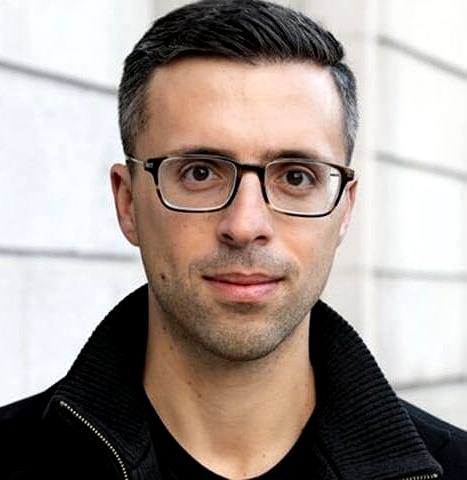
Ezra Klein's Book Recommendations
Ezra Klein is a prominent American journalist, political analyst, and author, renowned for his incisive commentary on politics and policy. He co-founded Vox, a widely respected news website known for its explanatory journalism, and served as its editor-in-chief. Klein's work includes the critically acclaimed book "Why We're Polarized," which delves into the deep-seated divisions in American politics. He also hosts "The Ezra Klein Show," a popular podcast where he interviews thought leaders from various fields. Klein's contributions have significantly shaped contemporary political discourse and media consumption.
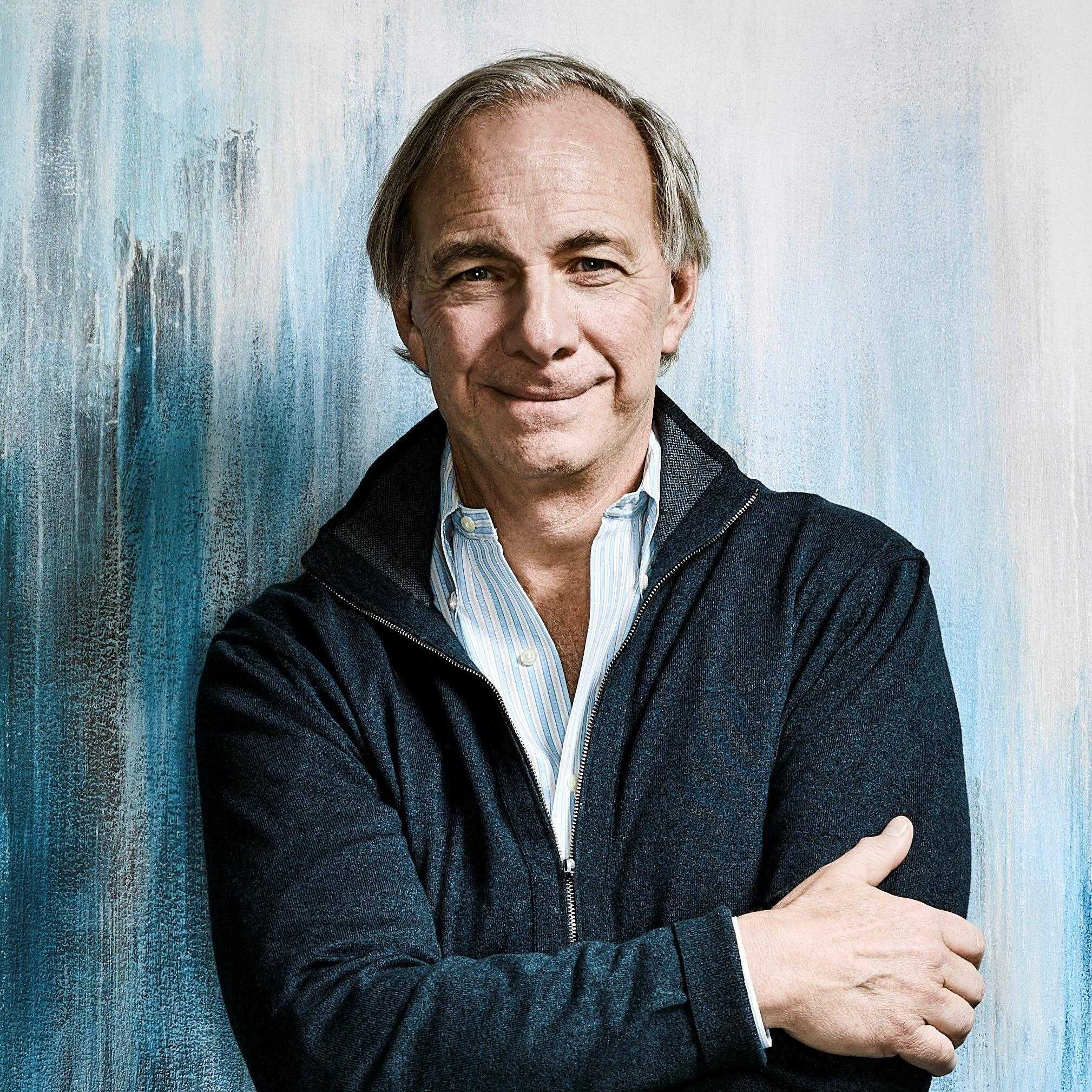
Ray Dalio's Book Recommendations
Ray Dalio is the founder of Bridgewater Associates, one of the largest and most successful hedge funds in the world. He is also the author of the bestselling book Principles, where he outlines his philosophy on life, leadership, and investing. Ray is renowned for his unique approach to transparency, radical truth, and thoughtful disagreement within organizations. His insights into economics and investing have made him one of the most influential figures in the financial world. Dalio continues to be a thought leader in business, economics, and philanthropy.

Alex Honnold's Book Recommendations
Alex Honnold is an American professional rock climber, best known for his free solo ascent of El Capitan in Yosemite National Park, a feat that was documented in the Oscar-winning film Free Solo. Honnold is renowned for his mental toughness, technical skill, and ability to climb without ropes or safety equipment. His accomplishments have made him a legend in the climbing world, and he continues to push the boundaries of the sport. Outside of climbing, Honnold is a philanthropist, founding the Honnold Foundation, which supports environmental sustainability projects, particularly in solar energy.

Barack Obama's Book Recommendations
Barack Obama is the 44th President of the United States, serving from 2009 to 2017. As the first African American president, Obama’s leadership marked a historic moment in American history. His administration focused on healthcare reform, economic recovery from the Great Recession, and environmental policies. He is best known for the Affordable Care Act, as well as his efforts to expand civil rights and restore diplomatic relations with Cuba. Since leaving office, Obama has continued to engage in public life through his foundation, focusing on leadership development, civic engagement, and global issues.
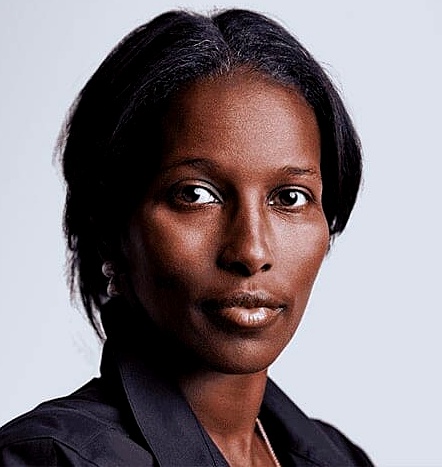
Ayaan Hirsi Ali's Book Recommendations
Ayaan Hirsi Ali is a Somali-born Dutch-American activist, author, and former politician, renowned for her outspoken criticism of Islam and advocacy for women's rights. She gained international recognition with her 2006 memoir, "Infidel," which chronicles her journey from a traditional Muslim upbringing to her eventual renouncement of Islam. As a member of the Dutch parliament from 2003 to 2006, she worked tirelessly on issues related to the integration of immigrants and the emancipation of Muslim women. Hirsi Ali has continued her advocacy through her writing, including notable works such as "Nomad" and "Heretic," which further explore themes of freedom, religion, and human rights. Her courageous and often controversial stance has earned her both widespread acclaim and significant opposition.

Brad Feld's Book Recommendations
Brad Feld is a prominent American entrepreneur, venture capitalist, and author known for his influential work in the startup ecosystem. Co-founder of the Foundry Group, he has played a pivotal role in funding and mentoring early-stage technology companies. Feld is also a key figure behind the Techstars accelerator program, which has helped launch numerous successful startups. As an author, he has penned several essential books on entrepreneurship and venture capital, including "Venture Deals" and "Startup Communities," which provide invaluable insights for aspiring entrepreneurs and investors. His writings and active blogging have cemented his reputation as a thought leader in the tech and startup communities.

Ashton Kutcher's Book Recommendations
Ashton Kutcher is an accomplished actor, producer, and entrepreneur best known for his roles in popular television series such as "That '70s Show" and "Two and a Half Men." While not primarily recognized for contributions to literature, Kutcher has significantly impacted the tech industry through his venture capital firm, A-Grade Investments, which has funded successful startups like Airbnb and Uber. Additionally, he co-founded the media company Katalyst, which has produced various digital content. Kutcher is also an active philanthropist, co-founding the DNA Foundation, now known as Thorn, which focuses on combating human trafficking and the sexual exploitation of children. His diverse ventures reflect a commitment to innovation, social good, and entertainment.
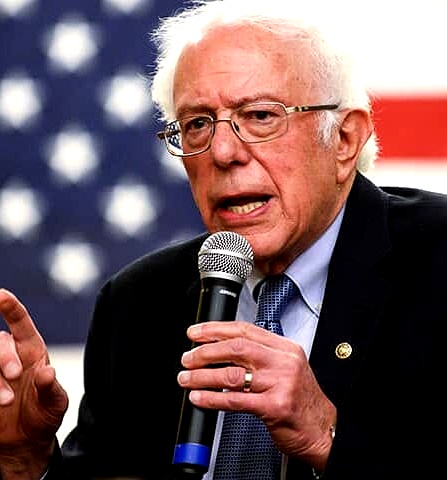
Bernie Sanders's Book Recommendations
Bernie Sanders is an American politician and U.S. Senator from Vermont, known for his progressive policies and his advocacy for economic equality. Sanders ran for the Democratic presidential nomination in 2016 and 2020, inspiring a movement with his calls for Medicare for All, free college tuition, and a $15 minimum wage. He identifies as a democratic socialist and has been a long-standing advocate for labor rights, environmental justice, and social welfare programs. Sanders’ candidacy energized a new generation of activists and has had a lasting influence on the direction of the Democratic Party. His focus on income inequality and social justice continues to shape political discourse in the U.S.
Showing 8 of 10 related collections
“The liberal class has failed us; it has become a servant of the corporate state, and in doing so, it has forsaken its moral responsibility to protect the interests of the powerless.”
Death of the Liberal Class
By Chris Hedges
Frequently Asked Questions
Explore Our Catalogue
Discover a world of knowledge through our extensive collection of book summaries.
Genres
Genres
Genres
Featured Collections
- Top Book Club Picks
- One-Stop Nutrition
- Summer Reads 2024
- Best Beach Reads 2024
- Work-Life Balance Guide
- Time Management
- Healthy Foods
- Entrepreneur Toolkit
- Mind & Body Wellness
- Future Tech Insights
- Leadership Essentials
- Financial Freedom
- Sci-Fi Masterpieces
- Parenting 101
- Books That Became Blockbusters
- Guide to a Healthy Pregnancy