Debt Book Summary
In 'Debt', David Graeber challenges the conventional understanding of money and credit, tracing the origins of debt back to ancient civilizations. He reveals how social relationships shaped the development of economic systems, weaving narratives from anthropology, history, and economics. Graeber argues that the moral implications of debt extend beyond finance, impacting societal norms and personal identity. The book prompts readers to question the very foundations of debt and its pervasive influence in modern life. Prepare to have your perspectives shifted as Graeber unveils the hidden power dynamics behind our financial systems.
By David Graeber
Published: 2014
"'Debt is not just an economic issue; it’s a fundamental mechanism of power and social control that has shaped human relationships throughout history.'"


Start Listening to Book Summary
Book Review of Debt
The groundbreaking international best-seller that turns everything you think about money, debt, and society on its head—from the “brilliant, deeply original political thinker” David Graeber (Rebecca Solnit, author of Men Explain Things to Me) Before there was money, there was debt. For more than 5,000 years, since the beginnings of the first agrarian empires, humans have used elaborate credit systems to buy and sell goods—that is, long before the invention of coins or cash. It is in this era that we also first encounter a society divided into debtors and creditors—which lives on in full force to this day. So says anthropologist David Graeber in a stunning reversal of conventional wisdom. He shows that arguments about debt and debt forgiveness have been at the center of political debates from Renaissance Italy to Imperial China, as well as sparking innumerable insurrections. He also brilliantly demonstrates that the language of the ancient works of law and religion (words like “guilt,” “sin,” and “redemption”) derive in large part from ancient debates about debt, and shape even our most basic ideas of right and wrong. We are still fighting these battles today.
Book Overview of Debt
About the Book Author
David Graeber
David Graeber was a renowned anthropologist, activist, and author known for his incisive critiques of capitalism and profound insights into human societies. He gained significant recognition for his influential works, including 'Debt: The First 5,000 Years', where he explores the historical context of debt and its implications on social relations, and 'Bullshit Jobs: A Theory', which critiques the nature of contemporary employment. Graeber's writing style is characterized by its clarity, wit, and a deep engagement with both theoretical concepts and practical realities, making complex ideas accessible to a broad audience. His work often bridges academic analysis with activist perspectives, advocating for social justice and economic alternatives.
Book Details
Key information about the book.
- Authors
- David Graeber
- Published
- October 2014
- Publisher
- Melville House
- ISBN
- 1612194192
- Language
- English
- Pages
- N/A
- Genres
- FinanceHistoryPolitical PhilosophyEconomic PolicyCultural History
Purchase Options
 Buy on Amazon
 Buy via BookShop
Support local bookstores: BookShop gives a portion of each sale to independent bookshops!
Similar books you might like →
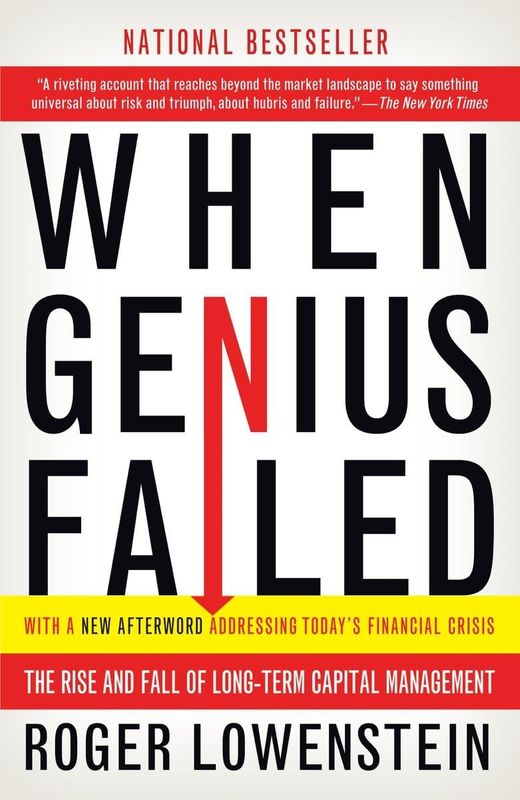
When Genius Failed Book Summary
When Genius Failed chronicles the dramatic rise and fall of Long-Term Capital Management, a hedge fund that boasted an elite team of financial wizards. As it navigates the complexities of high-stakes finance and groundbreaking quantitative models, the book unveils how overconfidence in genius can lead to catastrophic consequences. When the Asian financial crisis strikes, the fund’s intricate strategies unravel, threatening the global economy. Authors Roger Lowenstein masterfully intertwine personal narratives with economic theory, revealing the fragile balance between risk and reward. This gripping tale serves as a cautionary reminder that brilliance can blind us to the dangers lurking beneath the surface.

Goodbye, Things: The New Japanese Minimalism Book Summary
In "Goodbye, Things: The New Japanese Minimalism," Fumio Sasaki shares his transformative journey into the world of minimalism, revealing the profound impact of decluttering on his life. With an honest and relatable narrative, he illustrates how stripping away physical possessions leads to mental clarity and emotional freedom. Through practical advice and poignant anecdotes, Sasaki challenges readers to reassess their relationship with belongings and discover the joy in simplicity. This captivating exploration goes beyond mere tidiness, touching on deeper themes of fulfillment and contentment in an increasingly materialistic society. Are you ready to embrace less and find more in your life?
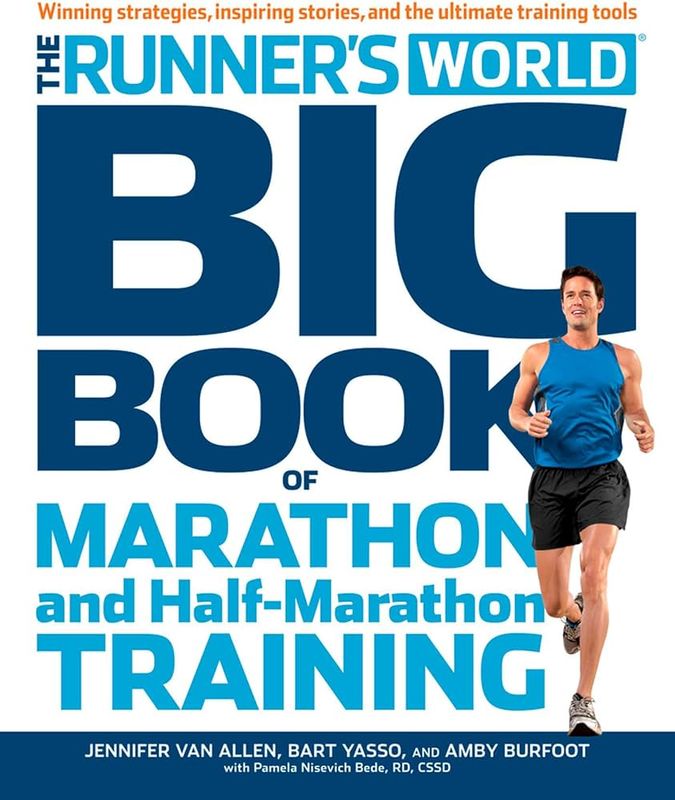
The Runner's World Big Book of Marathon and Half-Marathon Training Book Summary
Unlock the secrets to conquering your next marathon or half-marathon with "The Runner’s World Big Book of Marathon and Half-Marathon Training." This comprehensive guide offers tailored training plans, expert tips, and motivational stories from seasoned runners to elevate your performance. Discover how nutrition, injury prevention, and mental strategies can transform your running journey into an exhilarating experience. Whether you're a novice or a seasoned athlete, you'll find the insights needed to enhance your stamina and speed. Ready to take the first step toward your personal best?

Food Book Summary
In "Food: What the Heck Should I Eat?", Dr. Mark Hyman embarks on a revealing journey to demystify the chaos surrounding modern dietary choices. He tackles the conflicting information about fats, carbs, and proteins, guiding readers through the maze of nutrition with science-backed insights. With a refreshing approach, Hyman challenges common misconceptions and offers practical advice on how to nourish our bodies effectively. This engaging read not only empowers you to take charge of your health but also ignites curiosity about the profound impact of food on our well-being. Are you ready to uncover the truth and transform your relationship with food?

Meditations Book Summary
In "Meditations," Emperor Marcus Aurelius invites readers into the mind of a philosopher-king grappling with the chaos of life. Through a series of personal reflections, he explores themes of virtue, resilience, and the pursuit of inner peace amidst external turmoil. Aurelius offers timeless wisdom on how to confront adversity with strength and grace, urging us to embrace the art of mindfulness. His stoic musings provide both solace and guidance for navigating a tumultuous world, encouraging self-examination and the cultivation of character. What can we learn from the thoughts of a ruler who sought tranquility within and around him?
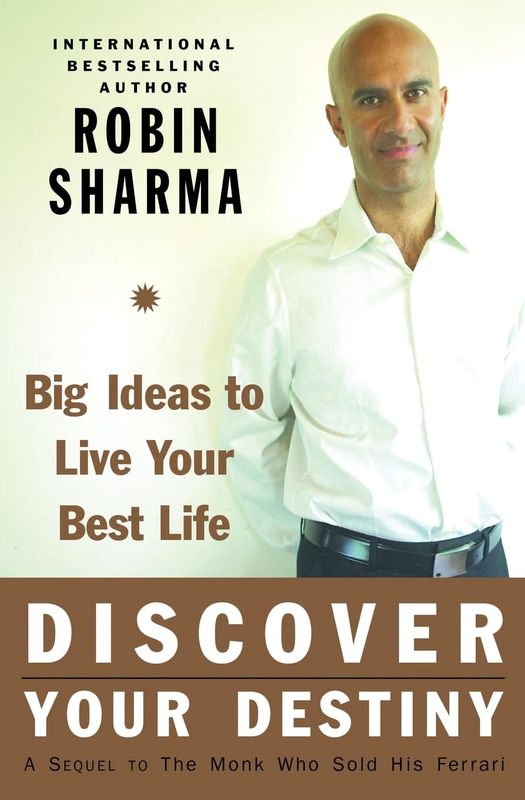
Discover Your Destiny Book Summary
In "Discover Your Destiny," the transformative journey of self-exploration beckons you to unearth your true purpose. Through a compelling blend of inspiring anecdotes and practical guidance, the author ignites a spark within you to chase your dreams boldly. What if your deepest passions hold the key to a life of fulfillment? As you navigate life's challenges, discover how to align your actions with your innermost values. Embark on this enlightening adventure, and unlock the extraordinary potential that lies within!

No-Drama Discipline Book Summary
In "No-Drama Discipline," authors Daniel J. Siegel and Tina Payne Bryson unveil a transformative approach to parenting that prioritizes connection over conflict. By blending neuroscience with practical strategies, they reveal how to address misbehavior without resorting to punishment, fostering emotional intelligence instead. The book emphasizes the importance of understanding a child's brain development and how this insight can lead to more effective discipline techniques. Through relatable anecdotes and clear guidance, Siegel and Bryson inspire parents to create a supportive environment that encourages growth and resilience. Are you ready to revolutionize your parenting style and nurture more meaningful relationships with your children?
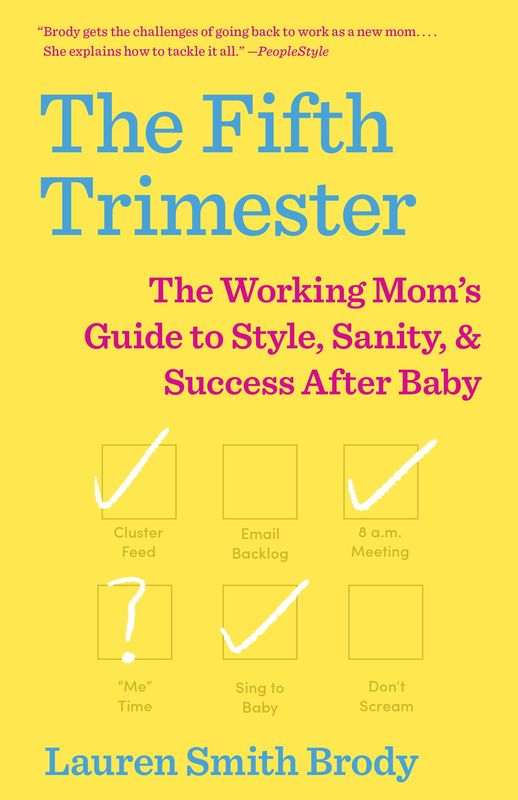
The Fifth Trimester Book Summary
In "The Fifth Trimester," author Lauren Smith Brody uncovers the often-overlooked transition into motherhood, pinpointing the crucial period that follows maternity leave. With a keen eye and relatable anecdotes, she reveals the raw realities of balancing new parenting and professional life. Through expert insights and invaluable advice, Brody empowers women to reclaim their identity amid the chaos. As she navigates the challenges of this transformative time, she emphasizes the importance of self-care and community support. Discover how embracing the unfiltered journey of the fifth trimester can lead to a more fulfilling motherhood experience.
Showing 8 of 29 similar books
Take your reading experience to the next level
Download our mobile app to enjoy your favorite books on the go. Get access to exclusive features, offline listening, and personalized recommendations.

Similar Book Recommendations →

Chris Dixon's Book Recommendations
Chris Dixon is a notable venture capitalist and technology entrepreneur, best known for his influential role as a general partner at Andreessen Horowitz, where he leads investments in cryptocurrency and blockchain technology. Before joining the firm, Dixon co-founded two startups: SiteAdvisor, a web security company acquired by McAfee, and Hunch, a recommendation engine acquired by eBay. In addition to his investment career, Dixon is a prolific writer and thought leader on technology and innovation, contributing insightful essays and articles to various platforms such as his personal blog and Medium. His writings often explore the future of technology, the internet, and the impact of blockchain, making significant contributions to contemporary tech literature. Dixon's work has earned him recognition as a visionary in both the tech and literary worlds.

David Heinemeier Hansson's Book Recommendations
David Heinemeier Hansson, also known as DHH, is a Danish programmer, entrepreneur, and author, best known as the creator of Ruby on Rails, a popular web application framework. Heinemeier Hansson is also a partner at Basecamp, a project management and collaboration software company he co-founded. His contributions to software development have earned him widespread recognition, with Ruby on Rails being used by thousands of developers and companies worldwide. Heinemeier Hansson is also a vocal advocate for remote work, simplicity in business, and sustainable work practices, ideas he explores in his bestselling books Rework and It Doesn’t Have to Be Crazy at Work. In addition to his work in tech, he is an accomplished race car driver, having competed in the 24 Hours of Le Mans. Heinemeier Hansson’s approach to work-life balance and entrepreneurship has made him a thought leader in the tech community, where he continues to challenge traditional business practices and advocate for more human-centered approaches to work

Julian Shapiro's Book Recommendations
Julian Shapiro is a renowned writer and entrepreneur, acclaimed for his insightful essays on personal growth and marketing strategies. He is the author of "The Julian Shapiro Collection," a compilation of his most impactful writings that have garnered a wide readership online. Shapiro co-founded the growth marketing agency Bell Curve, where he has helped numerous startups achieve exponential growth. His work often blends practical advice with deep philosophical inquiries, making complex subjects accessible to a broad audience. Through his prolific writing and entrepreneurial ventures, Julian has become a key figure in the intersection of business and self-improvement literature.

Naval Ravikant's Book Recommendations
Naval Ravikant is an entrepreneur, angel investor, and philosopher, best known as the co-founder of AngelList, a platform that connects startups with investors. Ravikant is a prolific thinker and writer on topics such as startups, investing, and personal well-being, sharing his wisdom through essays, podcasts, and social media. He has invested in over 100 companies, including Uber, Twitter, and Yammer, making him one of Silicon Valley’s most successful angel investors. Ravikant is also known for his philosophical musings on wealth, happiness, and the meaning of life, which have garnered him a large and dedicated following.

Marc Andreessen's Book Recommendations
Marc Andreessen is an American entrepreneur, software engineer, and venture capitalist, best known for co-creating the Mosaic web browser, the first widely-used web browser, and co-founding Netscape. Andreessen is also the co-founder of Andreessen Horowitz, one of Silicon Valley’s most prominent venture capital firms, where he invests in groundbreaking technology companies like Facebook, Airbnb, and Coinbase. He is a thought leader on the impact of technology and innovation, often sharing his views on the future of the internet and startups. His contributions to the development of the web and the tech ecosystem have made him one of the most influential figures in technology.

Ben Shapiro's Book Recommendations
Ben Shapiro is an American conservative political commentator, author, and lawyer, known for his sharp analytical skills and outspoken views. He graduated from UCLA at the age of 20 and Harvard Law School at 23, demonstrating his early intellectual prowess. Shapiro is the author of several best-selling books including "Bullies: How the Left's Culture of Fear and Intimidation Silences Americans" and "The Right Side of History: How Reason and Moral Purpose Made the West Great." He is the co-founder and editor emeritus of The Daily Wire, a popular conservative news and opinion website. Through his writing and media presence, Shapiro has significantly influenced contemporary political discourse in the United States.

Jon Stewart's Book Recommendations
Jon Stewart is an American comedian, writer, and former host of The Daily Show, where he gained fame for his satirical take on news and politics. Stewart transformed The Daily Show into a critical voice in American media, blending humor with hard-hitting commentary on political and social issues. After stepping down from the show, Stewart has continued to advocate for causes like 9/11 first responders and veterans' rights. He is also a filmmaker, directing the political satire film Irresistible. Stewart remains a significant figure in American culture, known for his wit, activism, and influence on political discourse.

Jocko Willink's Book Recommendations
Jocko Willink is a retired Navy SEAL officer, renowned for his leadership during the Battle of Ramadi in the Iraq War, which earned him the Silver Star and Bronze Star. Transitioning from military service, he co-authored the best-selling book "Extreme Ownership: How U.S. Navy SEALs Lead and Win" with fellow SEAL Leif Babin, which has become a cornerstone in leadership and management literature. Willink has also written the "Way of the Warrior Kid" series, aimed at empowering young readers with principles of discipline and resilience. Additionally, he hosts the popular "Jocko Podcast," where he discusses leadership, discipline, and personal development. Willink's influence extends beyond literature through his Echelon Front leadership consultancy, helping organizations implement effective leadership strategies.
Showing 8 of 21 related collections
“'Debt is not just an economic issue; it’s a fundamental mechanism of power and social control that has shaped human relationships throughout history.'”
Debt
By David Graeber
Frequently Asked Questions
Explore Our Catalogue
Discover a world of knowledge through our extensive collection of book summaries.
Genres
Genres
Genres
Featured Collections
- Top Book Club Picks
- One-Stop Nutrition
- Summer Reads 2024
- Best Beach Reads 2024
- Work-Life Balance Guide
- Time Management
- Healthy Foods
- Entrepreneur Toolkit
- Mind & Body Wellness
- Future Tech Insights
- Leadership Essentials
- Financial Freedom
- Sci-Fi Masterpieces
- Parenting 101
- Books That Became Blockbusters
- Guide to a Healthy Pregnancy