Doubt Book Summary
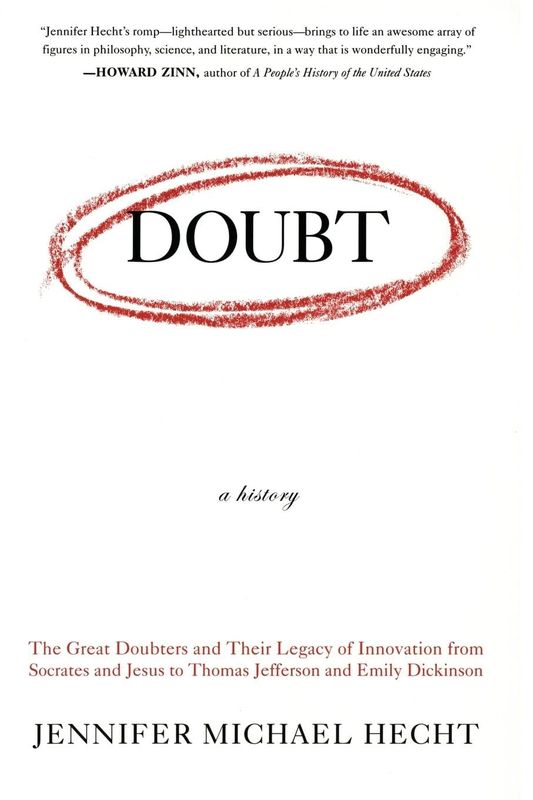
In 'Doubt: A History,' Jennifer Hecht takes readers on a captivating journey through the evolution of skepticism and uncertainty in human thought. This thought-provoking book explores how doubt has played a significant role in shaping philosophical discourse, religious beliefs, and scientific inquiry. Hecht deftly chronicles the stories of various thinkers throughout history who wrestled with doubt, illuminating the tension between faith and reason. With a rich tapestry of anecdotes and insights, she challenges us to reconsider our own beliefs and the power of uncertainty. Prepare to be intrigued as you delve into the depths of doubt and its profound impact on civilization.
By Jennifer Hecht
Published: 2004
"Doubt is not the enemy of belief; it is the shadow that gives depth to understanding."

Start Listening to Book Summary
Book Review of Doubt
In the tradition of grand sweeping histories such as From Dawn To Decadence, The Structure of Scientific Revolutions, and A History of God, Hecht champions doubt and questioning as one of the great and noble, if unheralded, intellectual traditions that distinguish the Western mind especially-from Socrates to Galileo and Darwin to Wittgenstein and Hawking. This is an account of the world's greatest ‘intellectual virtuosos,' who are also humanity's greatest doubters and disbelievers, from the ancient Greek philosophers, Jesus, and the Eastern religions, to modern secular equivalents Marx, Freud and Darwin—and their attempts to reconcile the seeming meaninglessness of the universe with the human need for meaning, This remarkable book ranges from the early Greeks, Hebrew figures such as Job and Ecclesiastes, Eastern critical wisdom, Roman stoicism, Jesus as a man of doubt, Gnosticism and Christian mystics, medieval Islamic, Jewish and Christian skeptics, secularism, the rise of science, modern and contemporary critical thinkers such as Schopenhauer, Darwin, Marx, Freud, Nietzsche, the existentialists.
Book Overview of Doubt: A History
About the Book Author
Jennifer Hecht
Jennifer Hecht is an acclaimed poet, historian, and author known for her thought-provoking works that blend eloquence with deep intellectual insight. She has written several notable books, including 'The Only World', 'Who Said the Politics of Love?', and 'Stay: A History of Suicide and the Philosophies Against It'. Her writing often explores themes of history, philosophy, and the human condition, characterized by a lyrical style and a commitment to illuminating complex ideas with clarity and grace. Hecht's works have earned her recognition in the literary community and have contributed significantly to contemporary discussions on morality and the human experience.
Book Details
Key information about the book.
- Authors
- Jennifer Hecht
- Published
- September 2004
- Publisher
- HarperOne
- ISBN
- 0060097957
- Language
- English
- Pages
- 576
- Genres
- Philosophy of MindPhilosophyExistentialismEthics and Morality
Purchase Options
 Buy on Amazon
 Buy via BookShop
Support local bookstores: BookShop gives a portion of each sale to independent bookshops!
Similar books you might like →
The Big Picture Book Summary
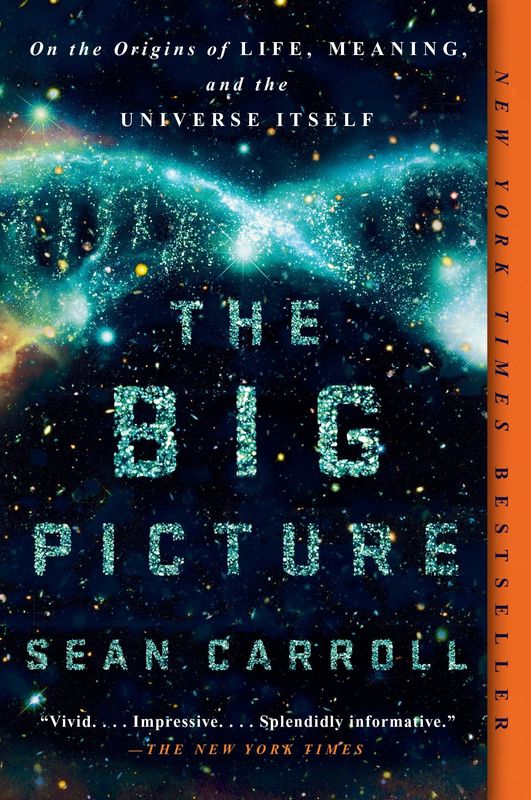
In 'The Big Picture', physicist Sean Carroll invites readers to explore the fascinating intersections of science, philosophy, and the meaning of life. He delves into the fundamental nature of reality, presenting complex concepts in a captivating and accessible manner. With a blend of narratives and profound insights, Carroll challenges us to consider our place in the universe. As he unravels the mysteries of existence, readers are urged to reflect on the implications of science for understanding consciousness and our everyday experiences. This thought-provoking journey leaves us questioning: what does it truly mean to be human in a cosmos governed by natural laws?
The Philosophy of Composition Book Summary
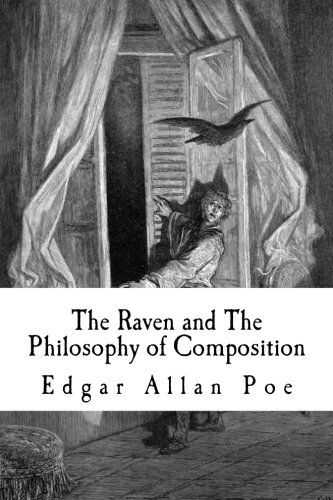
In 'The Philosophy of Composition,' Edgar Allan Poe unveils his meticulous approach to writing, arguing that artistic creation is a calculated endeavor rather than purely intuitive. He dissects his own poem 'The Raven,' revealing the deep psychological and structural elements that contribute to its haunting allure. Poe explores the interplay of beauty, emotion, and effect, offering a profound glimpse into the mind of a master writer. With each analytical step, he ignites curiosity about the art of storytelling and the techniques that captivate readers. This exploration leaves one pondering: What secrets lie behind the craft of their favorite writers?
How to Measure Anything Book Summary
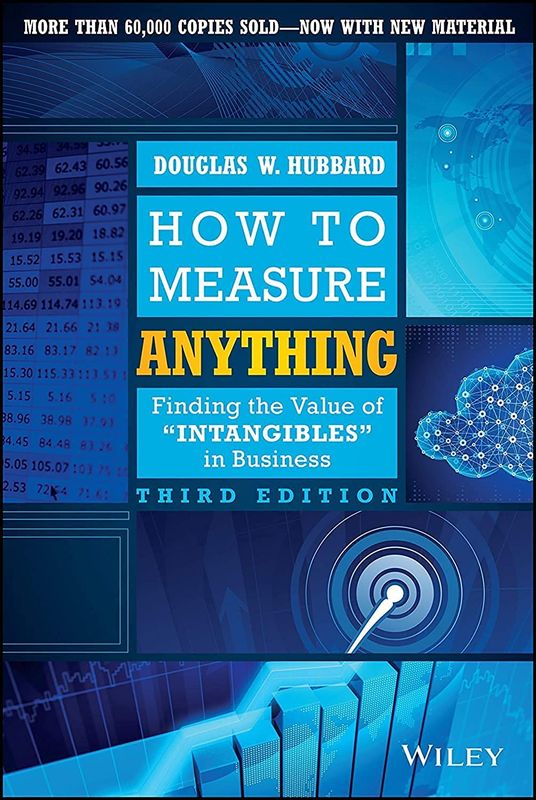
In 'How to Measure Anything', Douglas W. Hubbard challenges the conventional wisdom that certain things are immeasurable. He presents a blend of quantitative methods and real-world examples that empower readers to tackle uncertainties in business and life. With a unique approach, Hubbard reveals how even the most abstract concepts can be quantified, opening doors to better decision-making. His insights demand a rethink of how we perceive measurement and risk. Prepare to discover that anything, no matter how intangible, can indeed be measured.
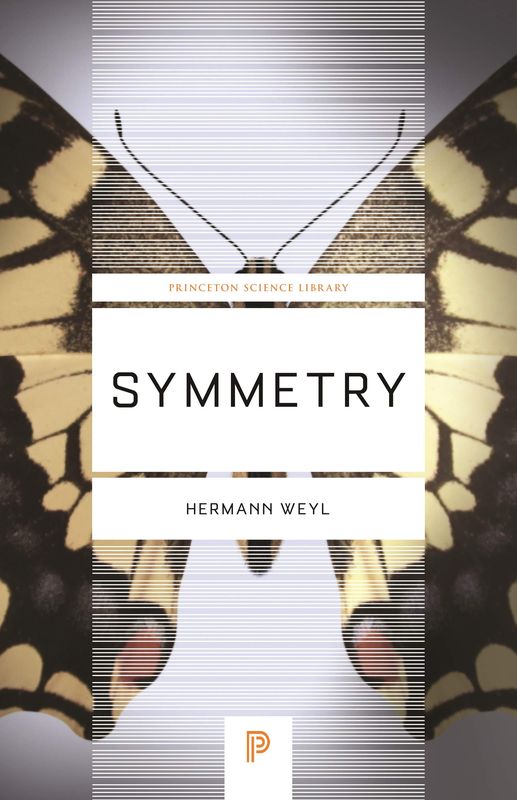
Symmetry Book Summary
In 'Symmetry,' Hermann Weyl explores the profound concept of symmetry as a fundamental principle in mathematics and nature. He weaves together the threads of physics, art, and philosophy, revealing how symmetry shapes our understanding of the universe. Through intriguing insights, Weyl invites readers to consider how aesthetic beauty is intertwined with scientific truth. As he delves into the realms of geometry and theoretical physics, he unravels the mysteries that govern our world. This book is not just an exploration of a mathematical concept; it is a journey that challenges the way we perceive reality itself.
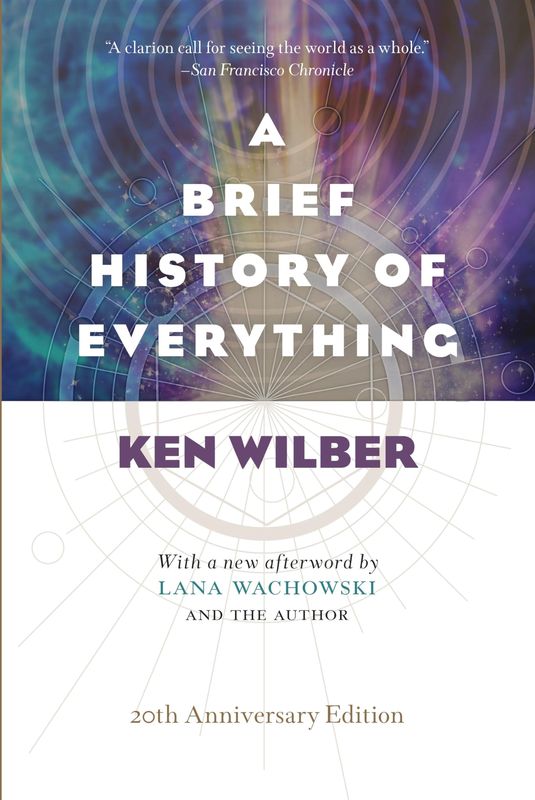
A Brief History of Everything (20th Anniversary Edition) Book Summary
In 'A Brief History of Everything', Ken Wilber takes readers on an enlightening journey through the evolution of consciousness and the unfolding of human history. He skillfully weaves together insights from philosophy, science, and spirituality, offering a holistic perspective on our existence. Discover how various cultural paradigms intersect and influence our understanding of reality. This thought-provoking exploration challenges conventional views and invites readers to contemplate their place in the cosmos. What if the key to our future lies in understanding the past in a radically new way?
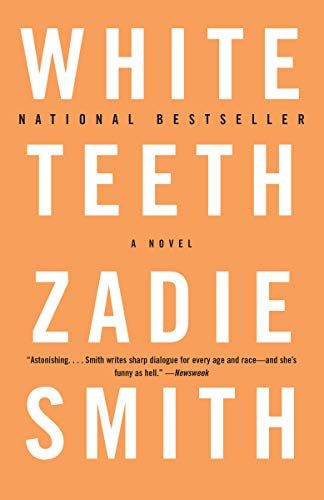
White Teeth Book Summary
In 'White Teeth', Zadie Smith weaves a vibrant tapestry of post-colonial London through the intertwining lives of two families. As secrets and histories unfold, themes of immigration, identity, and cultural conflict emerge, painting a rich portrait of modern life. The tale is both humorous and poignant, exploring the complexities of family heritage and the search for belonging. With unforgettable characters and a sharp social commentary, Smith invites readers to question what truly connects us. Can the past ever be fully reconciled with the present, or does it remain a haunting specter?
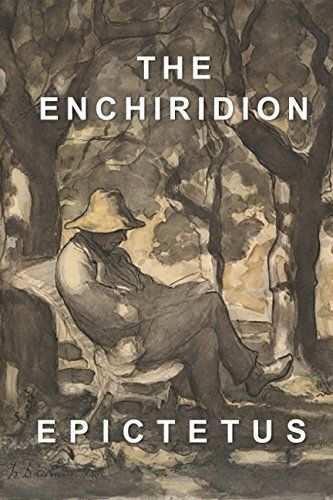
The Enchiridion Book Summary
Delve into the ancient wisdom of Epictetus's 'The Enchiridion', a timeless manual on Stoic philosophy that offers profound insights into the art of living. This compact guide encourages readers to focus on what is within their control, cultivating resilience and tranquility amidst life's inevitable challenges. With its practical teachings, the book invites you to embrace a mindset that transcends external circumstances, leading to inner peace. Observations about desire, fate, and virtue weave a narrative that resonates through the ages, urging reflection and self-improvement. Unlock the secrets of a fulfilled life with this philosophical treasure that continues to inspire and provoke thought.
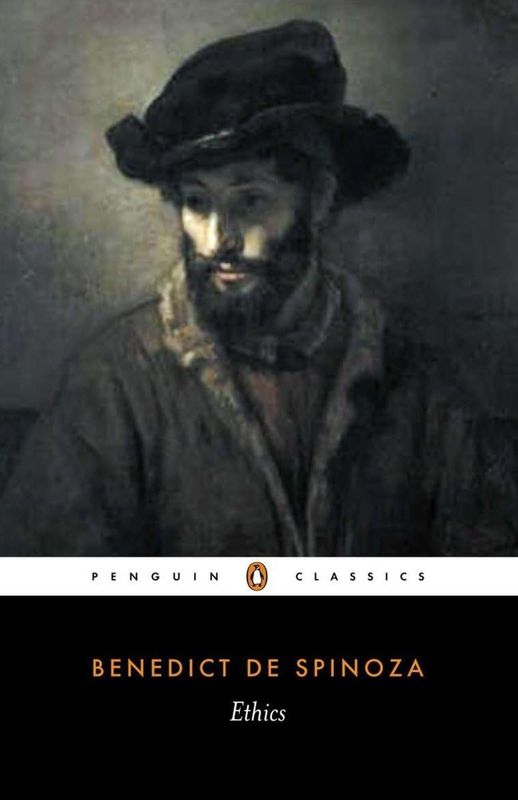
Ethics Book Summary
In 'Ethics,' Benedict de Spinoza presents a revolutionary perspective on morality and the nature of existence, entwining philosophy with a divine view of the universe. He challenges the duality of good and evil, proposing that everything is interconnected through a single substance. Through his geometric method, Spinoza meticulously constructs his arguments, revealing profound insights into human emotions and the pursuit of joy. His ideas on freedom, power, and the divine invite readers to reconsider their place in the cosmos. This seminal work not only reshapes philosophical discourse but also poses timeless questions about the essence of reality and ethical living.
Showing 8 of 30 similar books
Take your reading experience to the next level
Download our mobile app to enjoy your favorite books on the go. Get access to exclusive features, offline listening, and personalized recommendations.

Similar Book Recommendations →
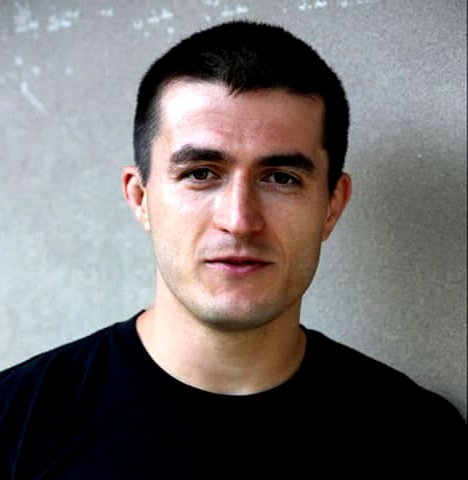
Lex Fridman's Book Recommendations
Lex Fridman is an artificial intelligence researcher, podcaster, and MIT professor, known for his work in autonomous vehicles, robotics, and deep learning. Fridman has gained widespread popularity through his podcast, Lex Fridman Podcast, where he interviews leading thinkers in science, technology, and philosophy, exploring topics like AI, consciousness, and the future of humanity. His academic work focuses on human-centered AI, aiming to create machines that can better understand and interact with humans. Fridman’s ability to distill complex topics into accessible conversations has earned him a large following, and his podcast is known for its thoughtful, in-depth discussions with some of the brightest minds of our time. He is also an advocate for the responsible development of AI, emphasizing the ethical implications of this rapidly advancing technology. Outside of academia and podcasting, Fridman is a practitioner of jiu-jitsu and frequently speaks about the importance of discipline and continuous learning.
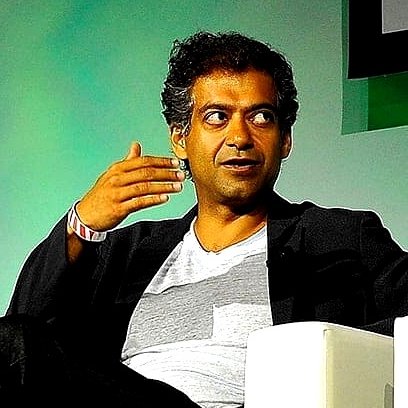
Naval Ravikant's Book Recommendations
Naval Ravikant is an entrepreneur, angel investor, and philosopher, best known as the co-founder of AngelList, a platform that connects startups with investors. Ravikant is a prolific thinker and writer on topics such as startups, investing, and personal well-being, sharing his wisdom through essays, podcasts, and social media. He has invested in over 100 companies, including Uber, Twitter, and Yammer, making him one of Silicon Valley’s most successful angel investors. Ravikant is also known for his philosophical musings on wealth, happiness, and the meaning of life, which have garnered him a large and dedicated following.

Barack Obama's Book Recommendations
Barack Obama is the 44th President of the United States, serving from 2009 to 2017. As the first African American president, Obama’s leadership marked a historic moment in American history. His administration focused on healthcare reform, economic recovery from the Great Recession, and environmental policies. He is best known for the Affordable Care Act, as well as his efforts to expand civil rights and restore diplomatic relations with Cuba. Since leaving office, Obama has continued to engage in public life through his foundation, focusing on leadership development, civic engagement, and global issues.
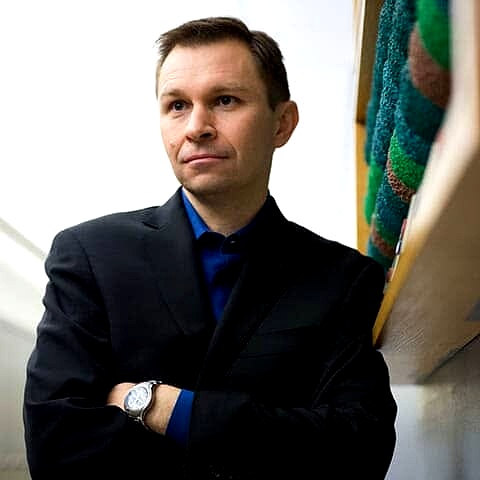
David Sinclair's Book Recommendations
David Sinclair is an Australian biologist and professor at Harvard Medical School, known for his pioneering research in the field of aging and longevity. Sinclair's work focuses on understanding the biological mechanisms that drive aging and developing interventions to slow or reverse the process. His bestselling book Lifespan: Why We Age – and Why We Don’t Have To explores the latest advancements in anti-aging science and offers insights into how humans might extend their healthspan. Sinclair's research has led to breakthroughs in areas such as sirtuins, NAD+ metabolism, and cellular reprogramming. He is also the co-founder of several biotech companies, including Sirtris Pharmaceuticals and Life Biosciences, dedicated to translating aging research into practical treatments. Sinclair is a vocal advocate for taking a proactive approach to aging, promoting lifestyle changes and emerging therapies to delay age-related diseases. His work has made him a leading figure in the longevity movement, influencing both scientific and public discourse on the future of health.

Esther Perel's Book Recommendations
Esther Perel is a renowned Belgian psychotherapist and author, celebrated for her groundbreaking work in the field of relationships and sexuality. She is best known for her best-selling books "Mating in Captivity: Unlocking Erotic Intelligence" and "The State of Affairs: Rethinking Infidelity," which explore the complexities of modern love and desire. Perel's insightful TED Talks have garnered millions of views, further establishing her as a leading voice on intimacy and human connection. She also hosts the popular podcast "Where Should We Begin?" where she provides a candid look into the intricacies of couples therapy. Perel's innovative perspectives have significantly influenced contemporary discussions on relationships, making her a pivotal figure in both psychology and literature.

Jordan Peterson's Book Recommendations
Jordan Peterson is a Canadian psychologist, author, and professor, best known for his work on psychology, political philosophy, and cultural criticism. His book 12 Rules for Life: An Antidote to Chaos became a global bestseller, offering advice on personal responsibility, order, and meaning in life. Peterson’s lectures, which cover topics like mythology, religion, and self-improvement, have garnered millions of views online, making him a polarizing figure in both academic and popular circles. He is known for his critiques of political correctness and his emphasis on individual responsibility. Peterson’s influence has sparked widespread debate about free speech, identity politics, and mental health.
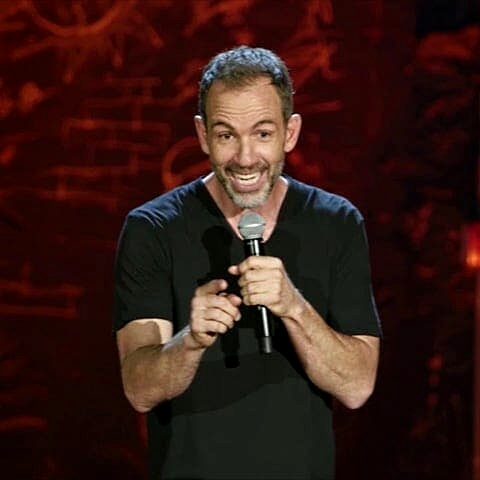
Bryan Callen's Book Recommendations
Bryan Callen is a multifaceted American entertainer best known for his work as a comedian, actor, and podcast host. He gained recognition as one of the original cast members of the sketch comedy series "MADtv." Callen has co-authored the book "The Four-Hour Body" with Tim Ferriss, contributing his unique humor and insights to the best-selling fitness guide. He is also a prominent voice in the podcasting world, co-hosting the popular "The Fighter and The Kid" podcast. Beyond literature, Callen has made significant contributions to comedy through his stand-up specials and appearances in various television shows and films.
“Doubt is not the enemy of belief; it is the shadow that gives depth to understanding.”
Doubt
By Jennifer Hecht
Frequently Asked Questions
Explore Our Catalogue
Discover a world of knowledge through our extensive collection of book summaries.
Genres
Genres
Genres
Featured Collections
- Top Book Club Picks
- One-Stop Nutrition
- Summer Reads 2024
- Best Beach Reads 2024
- Work-Life Balance Guide
- Time Management
- Healthy Foods
- Entrepreneur Toolkit
- Mind & Body Wellness
- Future Tech Insights
- Leadership Essentials
- Financial Freedom
- Sci-Fi Masterpieces
- Parenting 101
- Books That Became Blockbusters
- Guide to a Healthy Pregnancy