Gamification by Design Book Summary
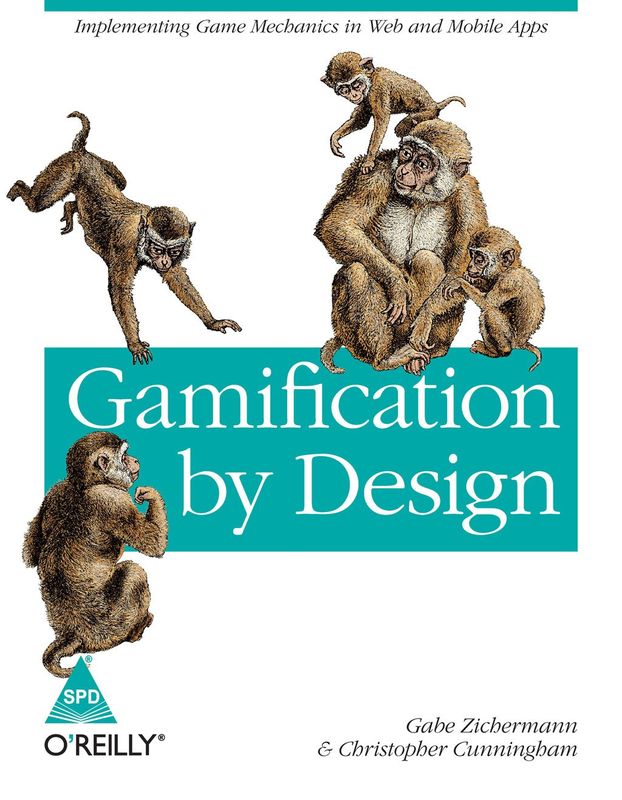
In 'Gamification by Design', the authors explore the art and science of integrating game mechanics into non-game contexts to enhance user engagement and motivation. They uncover the psychology behind what makes games addictive and how these principles can be applied to real-world scenarios. Through practical case studies and actionable frameworks, the book reveals how gamification can be a catalyst for innovation and user loyalty. Are you ready to unlock the secrets of game mechanics and transform your projects? Dive into this insightful read to discover how to design experiences that captivate and retain users!
By
Published: 2011
"Gamification is not about the game; it’s about the journey of learning, motivation, and engagement that transforms mundane tasks into meaningful experiences."

Start Listening to Book Summary
Book Overview of Gamification by Design
About the Book Author
Book Details
Key information about the book.
- Authors
- Published
- January 2011
- Publisher
- N/A
- ISBN
- 9350234548
- Language
- English
- Pages
- 182
- Genres
- Business and EconomicsDigital MarketingTechnologyDesign
Purchase Options
 Buy on Amazon
 Buy via BookShop
Support local bookstores: BookShop gives a portion of each sale to independent bookshops!
Similar books you might like →
Hooked Book Summary
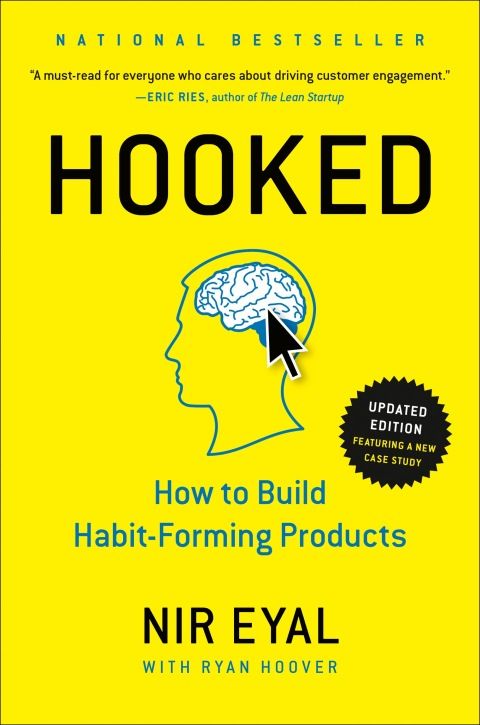
In "Hooked: How to Build Habit-Forming Products," Nir Eyal unravels the psychological principles behind why some products captivate users while others fade into oblivion. Through the engaging “Hook Model,” he outlines a four-step process—trigger, action, variable reward, and investment—that drives user engagement. Packed with real-world examples and compelling insights, Eyal illustrates how successful companies design their offerings to create habits that keep customers coming back. As you dive into the book, you’ll uncover the ethical implications of these practices and consider how they shape our daily lives. Are you ready to discover the secrets behind the products that hold your attention and transform your behavior?
Addiction by Design Book Summary
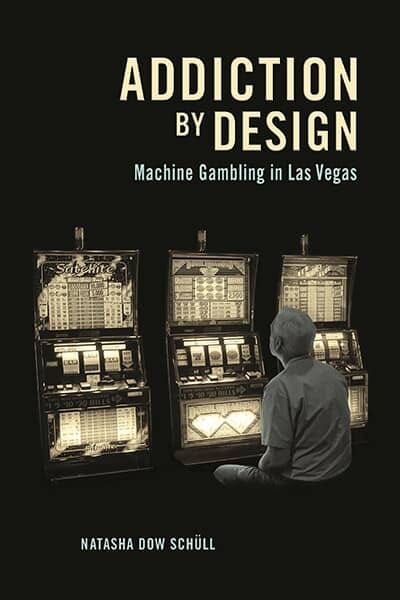
In 'Addiction by Design', Natasha Dow Schüll explores the fascinating intersection of technology, gambling, and human psychology. She reveals how modern gaming machines are meticulously engineered to foster addictive behaviors, drawing players into a relentless cycle of engagement. Through immersive narratives and compelling case studies, Schüll raises critical questions about free will and the seductive nature of design in our digital age. This thought-provoking investigation challenges readers to consider the impact of technology on their lives and society at large. Dive into this eye-opening journey to understand the dark artistry behind the designs that capture us.
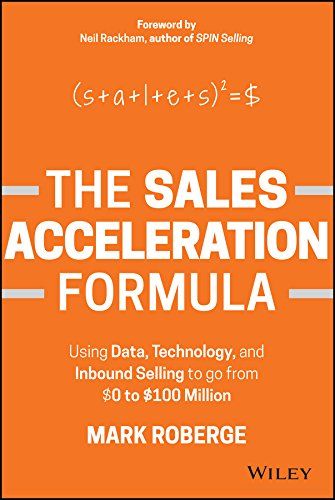
The Sales Acceleration Formula Book Summary
In 'The Sales Acceleration Formula', Mark Roberge unveils a revolutionary approach to scaling sales in the digital age. Drawing from his success at HubSpot, he provides a data-driven strategy that transforms traditional sales methods. Roberge emphasizes the importance of hiring, training, and managing sales teams through innovative metrics and technology. This compelling blueprint is designed not just for sales leaders but for anyone looking to refine their business strategies. Are you ready to supercharge your sales and outsmart the competition?
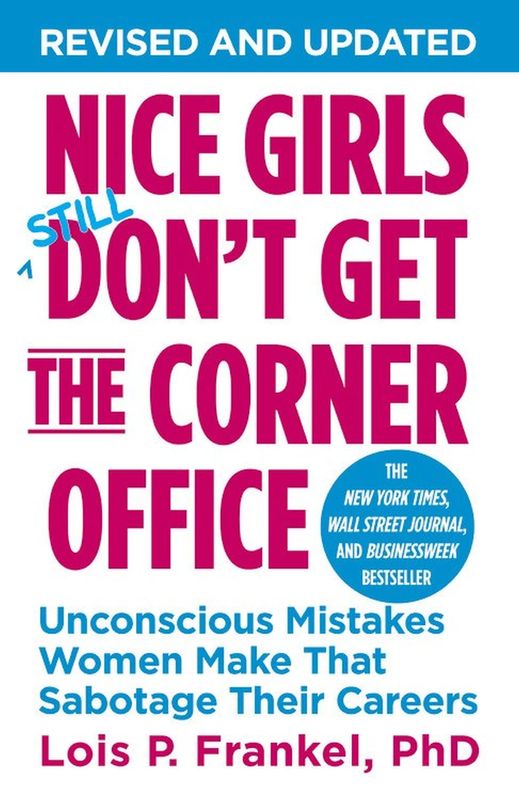
Nice Girls Don't Get the Corner Office Book Summary
In 'Nice Girls Don't Get the Corner Office,' Lois P. Frankel exposes the subtle yet damaging behaviors that prevent women from climbing the corporate ladder. Through insightful anecdotes and practical advice, she reveals how societal norms and self-sabotaging habits hinder professional growth. Frankel empowers women to embrace assertiveness and take control of their careers, challenging the idea that being 'nice' is a requisite for success. This eye-opening guide encourages readers to break free from stereotypes and reclaim their ambitions. Are you ready to uncover the secrets that could revolutionize your career trajectory?
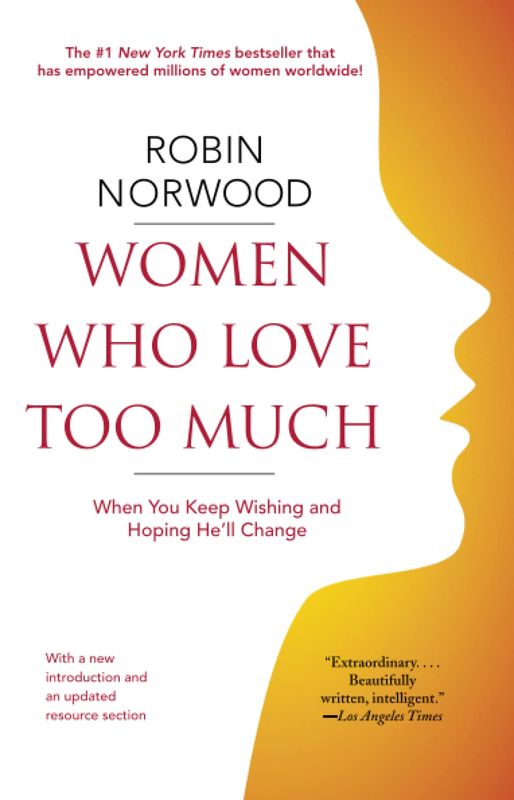
Women Who Love Too Much Book Summary
In 'Women Who Love Too Much', Robin Norwood explores the deep emotional struggles of women who find themselves in unhealthy, obsessive relationships. Through compelling anecdotes and insightful analysis, she reveals the patterns that lead these women to prioritize love over self-worth. Norwood provides a roadmap for healing, encouraging readers to reclaim their identity and understand the roots of their behaviors. This book is not just a guide; it's a revelation for those caught in the cycle of loving too much. Are you ready to break free and rediscover the love you truly deserve?

Orality and Literacy Book Summary
In 'Orality and Literacy', Walter J. Ong delves into the profound impact of oral traditions on human culture and communication. He contrasts the expressive nuances of spoken word with the transformative effects of literacy in shaping thought and society. Ong uncovers the cognitive shifts that arise as communities transition from an oral to a literate culture. Through rich examples and insightful analysis, he reveals how these forms of communication influence individual perception and collective memory. This thought-provoking exploration challenges readers to reconsider the essence of language and its role in our lives.
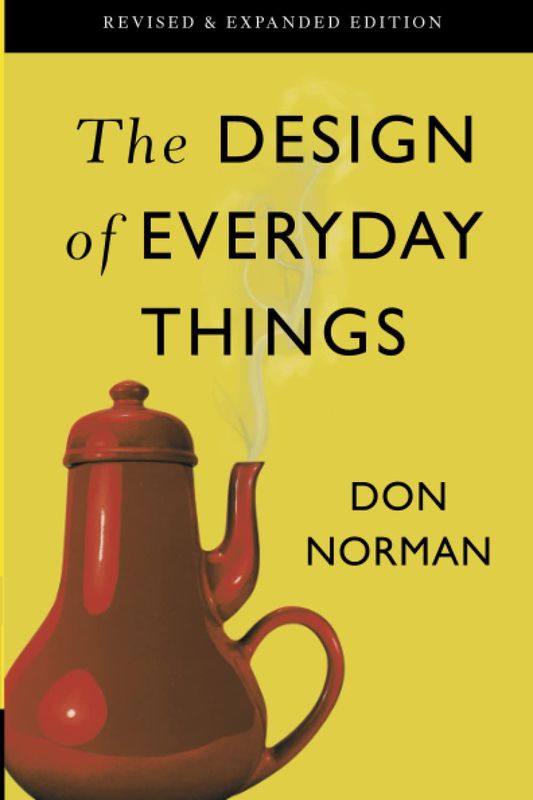
The Design of Everyday Things Book Summary
In 'The Design of Everyday Things', Don Norman reveals the hidden principles behind effective design that shapes our everyday interactions. He explores the psychological underpinnings of how we perceive and interact with objects, highlighting the importance of usability and user-centered design. Through captivating examples, Norman illustrates how poor design can lead to frustration, while thoughtful design enhances our experience. This book challenges readers to rethink the functionality of everyday items, making them consider the design choices behind the objects they encounter. Ultimately, it invites us to demand better designs that cater to our needs, making the mundane extraordinary.
Showing 8 of 30 similar books
Take your reading experience to the next level
Download our mobile app to enjoy your favorite books on the go. Get access to exclusive features, offline listening, and personalized recommendations.

Similar Book Recommendations →

Jan Losert's Book Recommendations
Jan Losert is a visionary author and digital design expert, renowned for his contributions to the intersection of technology and creativity. His most significant work includes co-authoring "Design Systems Handbook," which has become a seminal guide for creating cohesive and efficient design frameworks. Losert's expertise extends to his role as a speaker and educator, where he passionately shares his insights on user experience and interface design. In addition to his literary achievements, he co-founded several successful startups, leveraging his deep understanding of design to drive innovation. His work continues to influence and inspire both emerging and established designers worldwide.

Ryan Holiday's Book Recommendations
Ryan Holiday is a bestselling author and media strategist known for his books on stoicism, including The Obstacle Is the Way and Ego Is the Enemy. He is a leading voice in modern stoic philosophy, teaching readers how to apply ancient wisdom to achieve personal and professional success. Holiday’s work emphasizes resilience, discipline, and humility as keys to navigating life’s challenges. He has consulted with major companies and individuals on marketing and strategy, blending stoic principles with contemporary business practices. His books have been translated into over 30 languages.

Bret Victor's Book Recommendations
Bret Victor is a renowned American interface designer and computer scientist celebrated for his innovative contributions to interactive design and human-computer interaction. He is best known for creating dynamic, explorable explanations, which have significantly influenced the way educational content is presented and understood. Victor's seminal work, "Inventing on Principle," advocates for the integration of immediate feedback in creative processes, inspiring a new wave of interactive programming environments. As a former member of the Apple Human Interface team, he played a pivotal role in shaping modern user interfaces. Through his organization, Dynamicland, Victor continues to explore and expand the boundaries of immersive, collaborative computing environments.

George Hatzis's Book Recommendations
George Hatzis is a lawyer, entrepreneur, and social media content creator known for his humorous and insightful takes on the legal profession. Through his popular Instagram account, Hatzis shares legal memes, advice, and commentary, making complex legal topics accessible and entertaining for a broad audience. He is also the founder of Hatzis Law, a firm that specializes in criminal defense and family law. Hatzis’ ability to merge legal expertise with humor has garnered him a large following, and he continues to be a unique voice in the legal community, advocating for modernizing the industry.

Caterina Fake's Book Recommendations
Caterina Fake is an American entrepreneur and investor, best known for co-founding Flickr, one of the first photo-sharing platforms that helped define social media and web 2.0. After the success of Flickr, Fake went on to co-found Hunch, a recommendation engine that was later acquired by eBay. She is a partner at Yes VC, a venture capital firm that invests in early-stage startups, with a focus on companies that foster human connection and creativity. Fake is also an advocate for ethical technology and often speaks about the importance of designing products that prioritize user well-being. Her contributions to tech and her insights on the intersection of technology and culture have made her a respected leader in the industry.

Biz Stone's Book Recommendations
Biz Stone is an American entrepreneur, co-founder of Twitter, and a key figure in the development of social media. Stone helped launch Twitter in 2006, transforming the way people communicate and share information globally. He has also co-founded other companies, including Xanga, Blogger, and Medium, and is involved in various philanthropic efforts through The Biz and Livia Stone Foundation. Stone is known for his creative thinking and his belief in the power of technology to create positive change in the world. His work has left a lasting impact on digital communication and media innovation.

Andrew Chen's Book Recommendations
Andrew Chen is a venture capitalist, entrepreneur, and thought leader in growth marketing, currently serving as a general partner at Andreessen Horowitz. Chen is known for his expertise in network effects, viral growth strategies, and marketplace dynamics, making him a sought-after advisor for startups looking to scale. Prior to joining Andreessen Horowitz, he worked in leadership roles at Uber, helping to grow the ride-sharing platform’s user base and develop key growth strategies. Chen is also a prolific writer, sharing his insights on growth, technology, and startups through his popular blog and newsletter, which has attracted a loyal following in the tech community. His work has helped shape how many startups approach user acquisition, retention, and product-market fit. As a venture capitalist, Chen focuses on early-stage companies in the consumer internet, SaaS, and marketplace sectors, and he has been involved in funding and advising several successful startups. His insights on technology and growth continue to influence both founders and investors alike.

Brad Feld's Book Recommendations
Brad Feld is a prominent American entrepreneur, venture capitalist, and author known for his influential work in the startup ecosystem. Co-founder of the Foundry Group, he has played a pivotal role in funding and mentoring early-stage technology companies. Feld is also a key figure behind the Techstars accelerator program, which has helped launch numerous successful startups. As an author, he has penned several essential books on entrepreneurship and venture capital, including "Venture Deals" and "Startup Communities," which provide invaluable insights for aspiring entrepreneurs and investors. His writings and active blogging have cemented his reputation as a thought leader in the tech and startup communities.
Showing 8 of 22 related collections
“Gamification is not about the game; it’s about the journey of learning, motivation, and engagement that transforms mundane tasks into meaningful experiences.”
Gamification by Design
By
Frequently Asked Questions
Explore Our Catalogue
Discover a world of knowledge through our extensive collection of book summaries.
Genres
Genres
Genres
Featured Collections
- Top Book Club Picks
- One-Stop Nutrition
- Summer Reads 2024
- Best Beach Reads 2024
- Work-Life Balance Guide
- Time Management
- Healthy Foods
- Entrepreneur Toolkit
- Mind & Body Wellness
- Future Tech Insights
- Leadership Essentials
- Financial Freedom
- Sci-Fi Masterpieces
- Parenting 101
- Books That Became Blockbusters
- Guide to a Healthy Pregnancy