How Buildings Learn Book Summary
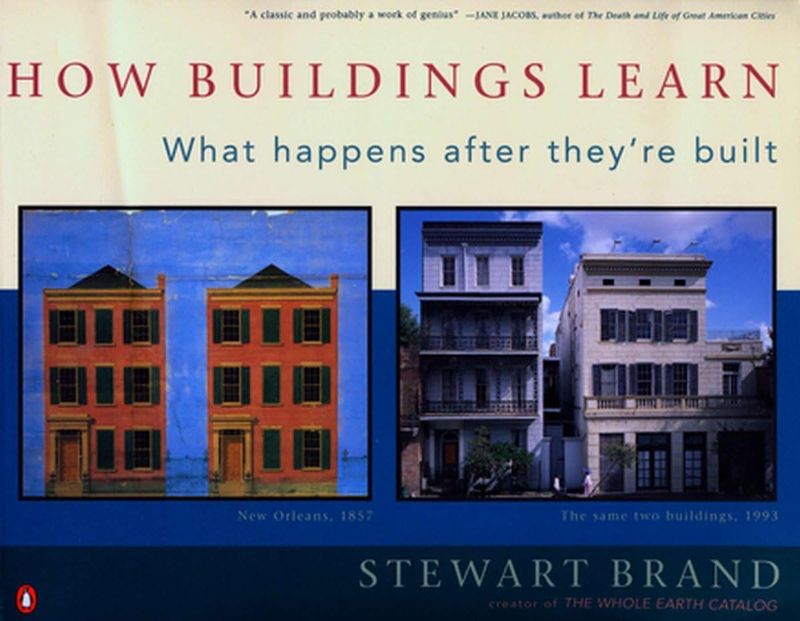
In 'How Buildings Learn,' Stewart Brand explores the fascinating relationship between architecture and adaptability, revealing how structures evolve over time. He challenges the notion of buildings as static creations, illustrating how they respond to the needs of their occupants and the changing environment. Through striking examples and insightful analysis, Brand uncovers the inherent adaptability of great design. This thought-provoking journey invites readers to reevaluate their perceptions of architecture and reimagine the potential of our built surroundings. Discover how the passage of time can transform buildings into living entities.
By Stewart Brand
Published: 1995
""Buildings are not just static structures; they are living entities that evolve with time, use, and the whims of humanity.""

Start Listening to Book Summary
Book Review of How Buildings Learn
Buildings have often been studies whole in space, but never before have they been studied whole in time. How Buildings Learn is a masterful new synthesis that proposes that buildings adapt best when constantly refined and reshaped by their occupants, and that architects can mature from being artists of space to becoming artists of time. From the connected farmhouses of New England to I.M. Pei's Media Lab, from "satisficing" to "form follows funding," from the evolution of bungalows to the invention of Santa Fe Style, from Low Road military surplus buildings to a High Road English classic like Chatsworth—this is a far-ranging survey of unexplored essential territory. More than any other human artifacts, buildings improve with time—if they're allowed to. How Buildings Learn shows how to work with time rather than against it.
Book Overview of How Buildings Learn
About the Book Author
Stewart Brand
Stewart Brand is an influential American writer, best known for his work in the fields of technology, environment, and culture. Born on December 14, 1938, he gained prominence as the creator of the Whole Earth Catalog, a counterculture publication that epitomized the 1960s and 1970s. Brand's notable works include 'How Buildings Learn,' 'The Clock of the Long Now,' and 'Whole Earth Discipline,' where he explores themes of sustainability, design, and long-term thinking. His writing style is characterized by its blend of intellectual rigor and accessibility, often drawing connections between complex ideas and practical applications. Throughout his career, Brand has championed the importance of ecological awareness and innovative technologies.
Book Details
Key information about the book.
- Authors
- Stewart Brand
- Published
- October 1995
- Publisher
- Penguin Books
- ISBN
- 0140139966
- Language
- English
- Pages
- 248
- Genres
- Architectural DesignDesign ThinkingDesign
Purchase Options
 Buy on Amazon
 Buy via BookShop
Support local bookstores: BookShop gives a portion of each sale to independent bookshops!
Similar books you might like →
Addiction by Design Book Summary
In 'Addiction by Design', Natasha Dow Schüll explores the fascinating intersection of technology, gambling, and human psychology. She reveals how modern gaming machines are meticulously engineered to foster addictive behaviors, drawing players into a relentless cycle of engagement. Through immersive narratives and compelling case studies, Schüll raises critical questions about free will and the seductive nature of design in our digital age. This thought-provoking investigation challenges readers to consider the impact of technology on their lives and society at large. Dive into this eye-opening journey to understand the dark artistry behind the designs that capture us.

A Pattern Language Book Summary
"A Pattern Language" introduces a revolutionary approach to architecture and design, emphasizing the harmony of built environments with human needs. The authors present a collection of 253 patterns that provide practical solutions for creating livable spaces, from the scale of a room to entire communities. Each pattern encapsulates observations and wisdom drawn from nature and cultural practices, urging designers to foster deeper connections between people and their surroundings. This book challenges conventional design principles, inviting readers to rethink how spaces influence human interaction and well-being. Dive into a world where every structure tells a story and transforms everyday life into an art form.
The Designer's Dictionary of Type Book Summary
Delve into the fascinating world of typography with 'The Designer's Dictionary of Type' by Sean Adams. This comprehensive guide unravels the intricacies of typefaces, revealing their unique personalities and historical contexts. Each entry offers insights that inspire creativity and enhance design skills, making it an essential reference for both novice and seasoned designers. With stunning visual examples, the book encourages a deeper appreciation for the art and science of type. Discover how the right type can transform your work and captivate your audience!
Designing with Type, 5th Edition Book Summary
Dive into the art and science of typography with 'Designing with Type, 5th Edition'. This essential guide unravels the intricacies of typefaces, spacing, and layout, empowering designers to elevate their work. Through a rich blend of practical insights and illustrative examples, Craig and Scala reveal how type influences design perception. Whether you’re a novice or a seasoned professional, this book opens your eyes to the transformative power of typography. Discover how to shape your visual communication and captivate your audience with every word.
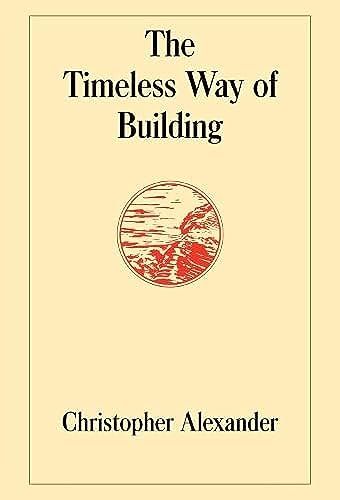
The Timeless Way of Building Book Summary
In 'The Timeless Way of Building', Christopher Alexander unveils a revolutionary philosophy of architecture that champions the beauty and organic nature of spaces. He argues that true architecture should resonate with human emotions and the environment, creating a harmonious living experience. Through inspiring examples and a unique pattern language, Alexander illuminates the idea of crafting spaces that feel right. This book is not merely a manual for design but a deep exploration of what makes places and communities thrive. Readers will discover a compelling approach that challenges conventional construction norms and reveals the timeless principles of creating authentic environments.
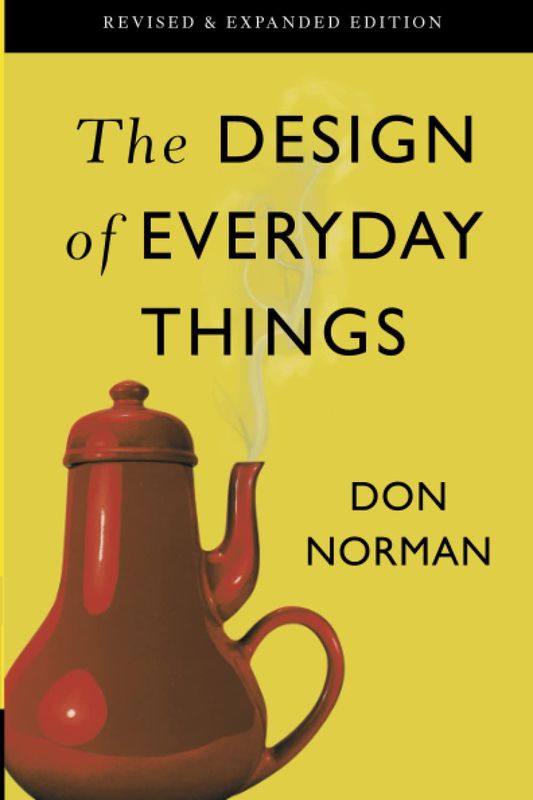
The Design of Everyday Things Book Summary
In 'The Design of Everyday Things', Don Norman reveals the hidden principles behind effective design that shapes our everyday interactions. He explores the psychological underpinnings of how we perceive and interact with objects, highlighting the importance of usability and user-centered design. Through captivating examples, Norman illustrates how poor design can lead to frustration, while thoughtful design enhances our experience. This book challenges readers to rethink the functionality of everyday items, making them consider the design choices behind the objects they encounter. Ultimately, it invites us to demand better designs that cater to our needs, making the mundane extraordinary.
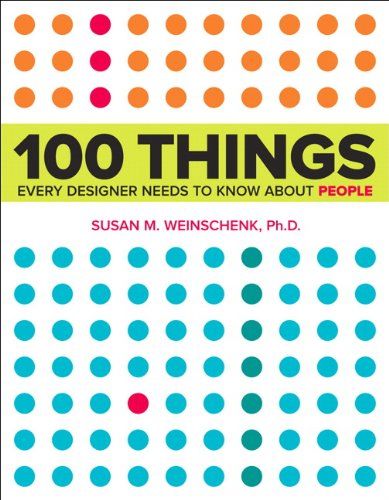
100 Things Every Designer Needs to Know about People Book Summary
In '100 Things Every Designer Needs to Know about People,' Susan Weinschenk unveils essential psychological principles that can enhance design effectiveness. With insights drawn from cognitive science, the book explores how people perceive, interact with, and make decisions about design. From the nuances of color perception to the importance of empathy in user experience, Weinschenk offers practical strategies for designers. Each principle is supported by fascinating research, making the content both informative and engaging. This enlightening guide equips designers to create more intuitive and user-friendly experiences, sparking curiosity about the intersection of psychology and design.
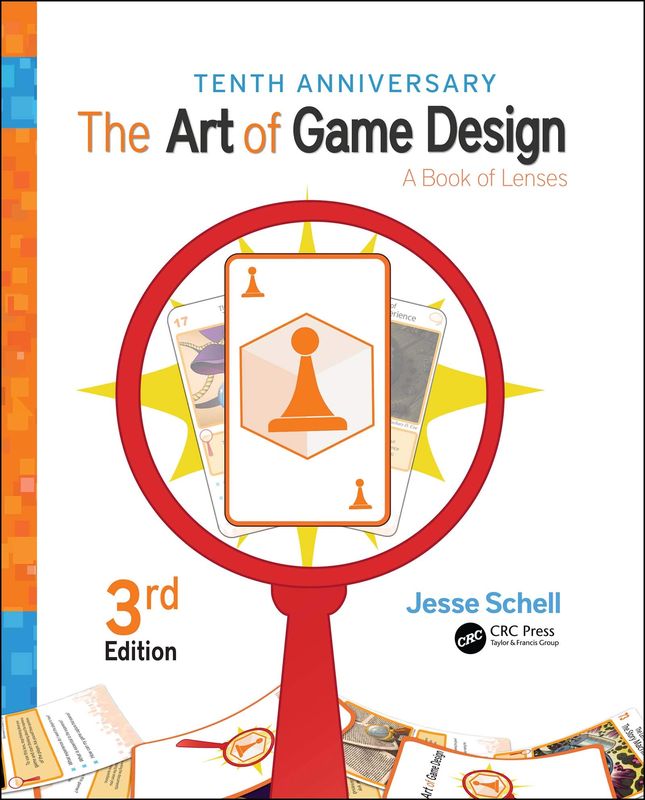
The Art of Game Design Book Summary
In 'The Art of Game Design,' Jesse Schell unravels the captivating world of game development, blending theory and practical insights. He presents a unique perspective that gaming is not just a skill but an art form, exploring what truly makes games immersive and memorable. With a combination of engaging anecdotes and hands-on exercises, Schell invites readers to think like designers and embrace creativity. The book serves as a comprehensive guide, making it an essential read for aspiring game creators and enthusiasts alike. Dive into the playful intricacies of design and discover the secrets that could inspire your next game masterpiece!
Showing 8 of 29 similar books
Take your reading experience to the next level
Download our mobile app to enjoy your favorite books on the go. Get access to exclusive features, offline listening, and personalized recommendations.

Similar Book Recommendations →

Jordan Hughes's Book Recommendations
Jordan Hughes is a celebrated author known for their compelling narratives and richly developed characters. Their debut novel, "Echoes of Tomorrow," won the prestigious Man Booker Prize, marking a significant milestone in contemporary fiction. Hughes's work often explores themes of identity, resilience, and the human condition, earning them critical acclaim and a dedicated readership. In addition to their novels, Hughes has contributed thought-provoking essays to major literary journals, further solidifying their influence in the literary world. Their innovative storytelling continues to inspire and captivate audiences worldwide.

Jan Losert's Book Recommendations
Jan Losert is a visionary author and digital design expert, renowned for his contributions to the intersection of technology and creativity. His most significant work includes co-authoring "Design Systems Handbook," which has become a seminal guide for creating cohesive and efficient design frameworks. Losert's expertise extends to his role as a speaker and educator, where he passionately shares his insights on user experience and interface design. In addition to his literary achievements, he co-founded several successful startups, leveraging his deep understanding of design to drive innovation. His work continues to influence and inspire both emerging and established designers worldwide.

Caterina Fake's Book Recommendations
Caterina Fake is an American entrepreneur and investor, best known for co-founding Flickr, one of the first photo-sharing platforms that helped define social media and web 2.0. After the success of Flickr, Fake went on to co-found Hunch, a recommendation engine that was later acquired by eBay. She is a partner at Yes VC, a venture capital firm that invests in early-stage startups, with a focus on companies that foster human connection and creativity. Fake is also an advocate for ethical technology and often speaks about the importance of designing products that prioritize user well-being. Her contributions to tech and her insights on the intersection of technology and culture have made her a respected leader in the industry.

Dr. Harvey Karp's Book Recommendations
Dr. Harvey Karp is a renowned pediatrician and child development expert, best known for his groundbreaking method for calming infants, as detailed in The Happiest Baby on the Block. He is the creator of the SNOO Smart Sleeper, a robotic crib designed to help babies sleep safely and soundly. Dr. Karp has been a leading voice in pediatric health for decades, emphasizing the importance of sleep for both babies and parents. His methods have revolutionized infant care and parenting techniques. He continues to advocate for improved early childhood development practices.

Debbie Millman's Book Recommendations
Debbie Millman is a renowned designer, author, educator, and brand consultant, celebrated for her influential work in the field of design and branding. She is the host of the award-winning podcast "Design Matters," which is one of the world's first and longest-running podcasts about design and creative culture. Millman has authored several critically acclaimed books, including "Brand Thinking and Other Noble Pursuits" and "Why Design Matters: Conversations with the World's Most Creative People." As the Chair of the Masters in Branding Program at the School of Visual Arts in New York City, she has shaped the minds of future design leaders. Her contributions to literature and education have earned her a place among the most respected voices in contemporary design and branding.

John D Saunders's Book Recommendations
John D. Saunders is an accomplished digital marketing strategist and author known for his insightful works on entrepreneurship and business growth. With a sharp focus on leveraging digital tools to enhance business performance, Saunders has penned several influential books that have helped countless entrepreneurs streamline their operations and scale efficiently. His notable work includes "The Blockbuster Blueprint," a comprehensive guide on digital marketing strategies. Beyond writing, Saunders is a sought-after speaker, sharing his expertise at numerous industry conferences and workshops. His contributions extend to his role as the founder of 5Four Digital, where he continues to innovate and drive forward-thinking marketing solutions.

Stewart Brand's Book Recommendations
Stewart Brand is an influential American writer, best known for founding the Whole Earth Catalog, a publication that became a cornerstone of the counter-culture movement in the late 1960s and early 1970s. His pioneering work in promoting environmental sustainability and self-sufficiency has had a lasting impact on both literature and society. Brand is also a co-founder of The WELL, an early online community that predated the widespread use of the internet and helped shape the development of digital culture. He has authored several significant books, including "The Media Lab" and "Whole Earth Discipline," which explore technology's role in environmental and societal issues. Brand's contributions continue to influence contemporary discussions on ecology, technology, and community building.
“"Buildings are not just static structures; they are living entities that evolve with time, use, and the whims of humanity."”
How Buildings Learn
By Stewart Brand
Frequently Asked Questions
Explore Our Catalogue
Discover a world of knowledge through our extensive collection of book summaries.
Genres
Genres
Genres
Featured Collections
- Top Book Club Picks
- One-Stop Nutrition
- Summer Reads 2024
- Best Beach Reads 2024
- Work-Life Balance Guide
- Time Management
- Healthy Foods
- Entrepreneur Toolkit
- Mind & Body Wellness
- Future Tech Insights
- Leadership Essentials
- Financial Freedom
- Sci-Fi Masterpieces
- Parenting 101
- Books That Became Blockbusters
- Guide to a Healthy Pregnancy