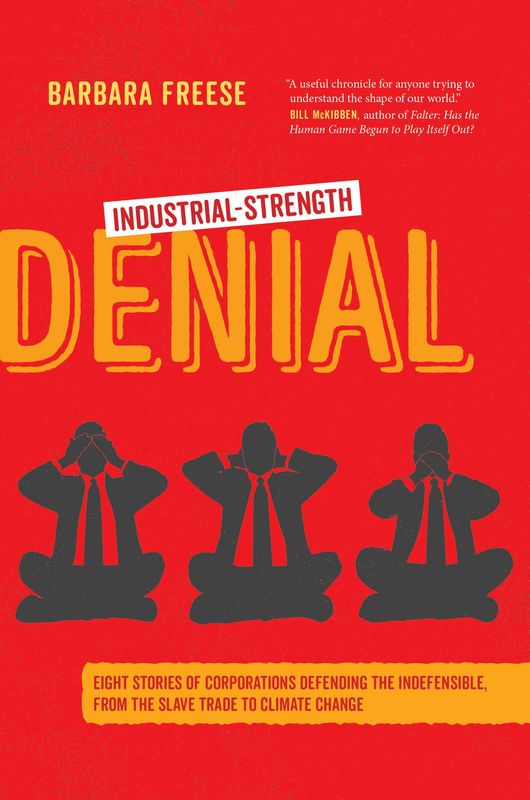
Industrial-Strength Denial Book Summary
In 'Industrial-Strength Denial,' Barbara Freese uncovers the chilling truth about humanity’s refusal to confront climate change and the powerful forces behind this denial. The book explores how industries manipulate information and public perception to prioritize profit over environmental sustainability. Freese delves into the psychology of denial, revealing why even the most obvious dangers are often ignored. Through compelling anecdotes and rigorous research, she highlights the urgent need for acknowledgment and action. This thought-provoking read challenges us to confront uncomfortable truths and inspires a call to change.
By Barbara Freese
Published: 2020
""In a world where evidence meets willful ignorance, the greatest challenge we face is not the facts, but the acceptance of their truth.""

Start Listening to Book Summary
Book Review of Industrial-Strength Denial
Corporations faced with proof that they are hurting people or the planet have a long history of denying evidence, blaming victims, complaining of witch hunts, attacking their critics’ motives, and otherwise rationalizing their harmful activities. Denial campaigns have let corporations continue dangerous practices that cause widespread suffering, death, and environmental destruction. And, by undermining social trust in science and government, corporate denial has made it harder for our democracy to function. Barbara Freese, an environmental attorney, confronted corporate denial years ago when cross-examining coal industry witnesses who were disputing the science of climate change. She set out to discover how far from reality corporate denial had led society in the past and what damage it had done. Her resulting, deeply-researched book is an epic tour through eight campaigns of denial waged by industries defending the slave trade, radium consumption, unsafe cars, leaded gasoline, ozone-destroying chemicals, tobacco, the investment products that caused the financial crisis, and the fossil fuels destabilizing our climate. Some of the denials are appalling (slave ships are festive). Some are absurd (nicotine is not addictive). Some are dangerously comforting (natural systems prevent ozone depletion). Together they reveal much about the group dynamics of delusion and deception. Industrial-Strength Denial delves into the larger social dramas surrounding these denials, including how people outside the industries fought back using evidence and the tools of democracy. It also explores what it is about the corporation itself that reliably promotes such denial, drawing on psychological research into how cognition and morality are altered by tribalism, power, conflict, anonymity, social norms, market ideology, and of course, money. Industrial-Strength Denial warns that the corporate form gives people tremendous power to inadvertently cause harm while making it especially hard for them to recognize and feel responsible for that harm.
Book Overview of Industrial-Strength Denial
About the Book Author
Barbara Freese
Barbara Freese is an acclaimed author and environmental advocate known for her insightful exploration of climate change and its impact on society. Her notable works include "Coal: A Human History," which provides a comprehensive historical perspective on coal's role in shaping our world, and "Heat Advisory: Protecting Yourself from the Climate Crisis," which offers practical guidance for individuals facing climate-related challenges. Freese's writing style is characterized by a blend of rigorous research and engaging narrative, making complex scientific issues accessible and compelling to a broad audience. She serves as a powerful voice in the conversation on sustainability and the urgent need for environmental stewardship.
Book Details
Key information about the book.
- Authors
- Barbara Freese
- Published
- April 2020
- Publisher
- University of California Press
- ISBN
- 0520296281
- Language
- English
- Pages
- 352
- Genres
- Politics and Current AffairsEnvironmental PoliticsSocial Justice MovementsHealth and Wellness
Purchase Options
 Buy on Amazon
 Buy via BookShop
Support local bookstores: BookShop gives a portion of each sale to independent bookshops!
Similar books you might like →

Arguing about War Book Summary
In 'Arguing about War,' Michael Walzer delves into the ethical complexities surrounding conflict and warfare, challenging traditional justifications for war. Through thought-provoking analysis and compelling historical examples, he questions whether moral principles can truly be upheld in the chaos of battle. Walzer invites readers to ponder the weight of political responsibility and the consequences of intervention. His exploration of just war theory ignites debate on the morality of military action, making us confront uncomfortable truths about human nature. Engage with this critical discourse and discover how morality and war intersect in ways that will reshape your understanding of global conflicts.

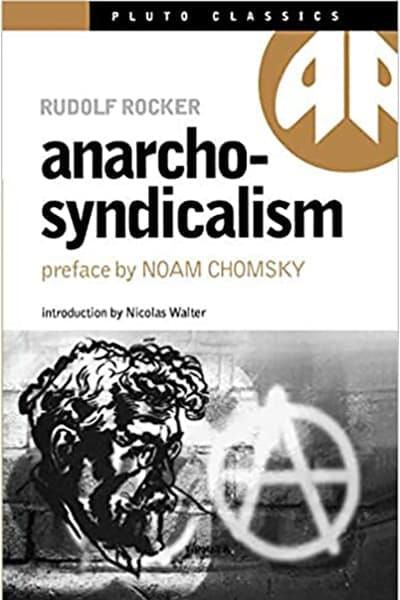
Anarcho-Syndicalism Book Summary
In 'Anarcho-Syndicalism', Rudolf Rocker presents a compelling vision of a society rooted in workers' self-management and direct action. He critiques capitalism and the state, advocating for a revolutionary movement that empowers labor. Rocker explores the historical context and theoretical foundations of anarcho-syndicalism, revealing its potential to challenge oppression and inequality. With a passionate call to arms, he inspires readers to envision a world where solidarity and cooperation thrive. This thought-provoking work invites you to reconsider the dynamics of power and the role of organized labor in shaping a just society.
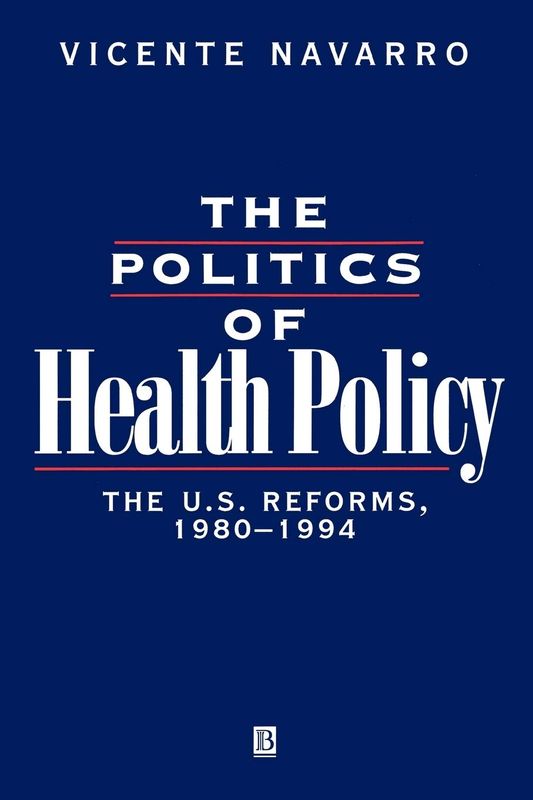
The Politics of Health Policy Book Summary
In 'The Politics of Health Policy,' Vicente Navarro delves into the intricate relationship between politics and health systems, revealing how power dynamics shape public health outcomes. With a critical lens, he exposes the ideological battles that influence policy-making, highlighting the inequities that arise from these conflicts. Readers will discover the hidden agendas behind health policies and the impact of socioeconomic factors on health access and quality. Navarro's compelling arguments challenge conventional wisdom, urging a reevaluation of what constitutes health and well-being. This thought-provoking work is essential for understanding the intersection of politics and health in the modern world.
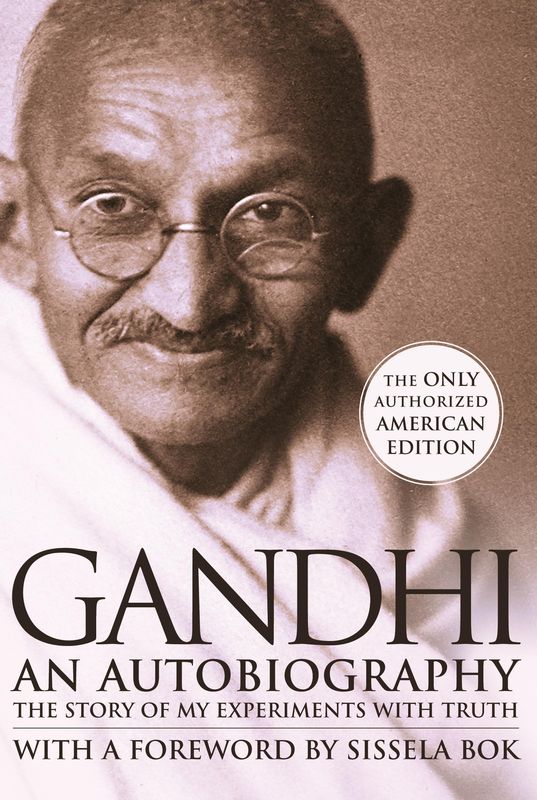
An Autobiography Book Summary
In 'An Autobiography', Mohandas K. Gandhi shares the remarkable journey of his life, revealing the evolution of his philosophy of non-violence and truth. From his early years in India to his transformative experiences in South Africa, Gandhi exposes the struggles that shaped his commitment to social justice. His candid reflections on faith, morality, and personal growth challenge conventional beliefs and inspire readers to question their own values. This gripping narrative not only details his political activism but also provides an intimate look at his family life and spiritual pursuits. Discover the profound insights that guided one of history's most influential leaders in his quest for freedom and equality.
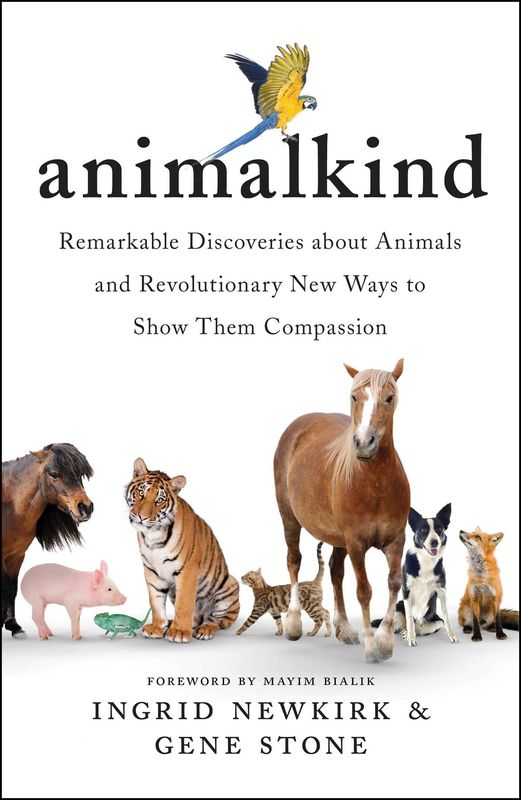
Animalkind Book Summary
In 'Animalkind', Ingrid Newkirk and Gene Stone unveil the captivating bond between humans and animals, arguing for a deeper understanding and compassion towards all sentient beings. Through poignant anecdotes and compelling research, the authors highlight the intelligence and emotional depth of animals, challenging readers to reconsider the ethics of how they treat them. The book presents an urgent call to action, encouraging a shift towards kindness and empathy that transcends species boundaries. With insightful commentary and rich storytelling, 'Animalkind' inspires a movement toward a more harmonious coexistence with the creatures that share our world. Will you join the journey to reshape the future of animal welfare?
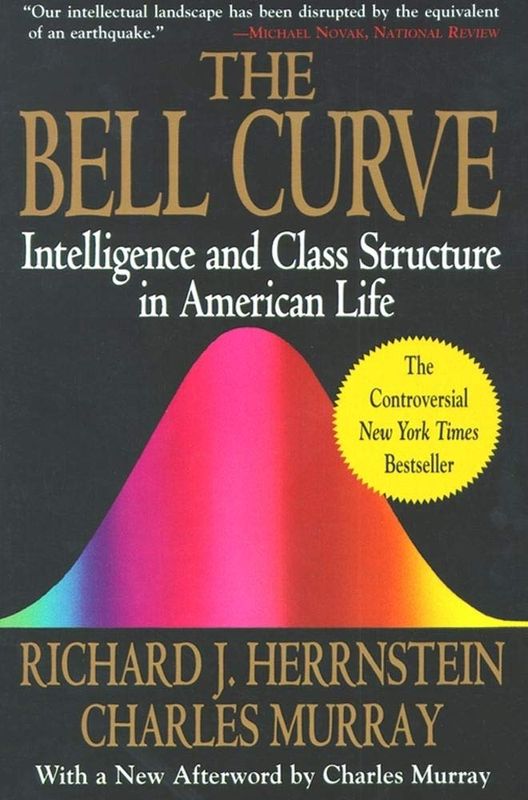
Bell Curve Book Summary
In 'Bell Curve,' psychologists Richard J. Herrnstein and Charles Murray provocatively explore the relationship between intelligence, social outcomes, and socioeconomic status. They argue that intelligence is a strong predictor of life success and the distribution of IQ in society mirrors a bell curve. The book raises controversial discussions about race, genetics, and educational policy, suggesting that cognitive ability can influence societal structure. While challenging the reader with its bold claims, it prompts us to question the implications of intelligence testing in today's world. Will it reshape our understanding of meritocracy, or reinforce harmful stereotypes?

The Healing Journey (2nd Edition): Pioneering Approaches to Psychedelic Therapy Book Summary
In 'The Healing Journey (2nd Edition)', Claudio Naranjo delves into the transformative power of psychedelic therapy, exploring its potential to unlock deep emotional healing and self-discovery. Through innovative techniques and personal anecdotes, Naranjo illuminates the intersection of psychology and spirituality, challenging conventional therapeutic methods. Readers are invited to witness the remarkable journeys of individuals who have embraced psychedelics as a catalyst for profound change. This edition enriches the narrative with contemporary insights, raising essential questions about mental health and wellness in today's society. Prepare to embark on a thought-provoking exploration that may forever alter your understanding of healing and consciousness.
Showing 8 of 30 similar books
Take your reading experience to the next level
Download our mobile app to enjoy your favorite books on the go. Get access to exclusive features, offline listening, and personalized recommendations.

Similar Book Recommendations →

Michael Pollan's Book Recommendations
Michael Pollan is a renowned American author and journalist, celebrated for his insightful explorations of food, agriculture, and human culture. His groundbreaking book, "The Omnivore's Dilemma," published in 2006, critically examines the complexities of the modern food industry and has become a seminal work in food studies. Pollan's engaging narrative style and thorough research have earned him a place on The New York Times Best Seller list multiple times. In addition to his literary contributions, he is also a professor of journalism at the University of California, Berkeley. Pollan's work continues to influence public discourse on sustainable eating and the ethical implications of food choices.

Jordan Hughes's Book Recommendations
Jordan Hughes is a celebrated author known for their compelling narratives and richly developed characters. Their debut novel, "Echoes of Tomorrow," won the prestigious Man Booker Prize, marking a significant milestone in contemporary fiction. Hughes's work often explores themes of identity, resilience, and the human condition, earning them critical acclaim and a dedicated readership. In addition to their novels, Hughes has contributed thought-provoking essays to major literary journals, further solidifying their influence in the literary world. Their innovative storytelling continues to inspire and captivate audiences worldwide.

Alexandria Ocasio-Cortez's Book Recommendations
Alexandria Ocasio-Cortez, also known as AOC, is a U.S. Congresswoman representing New York's 14th district. She gained national attention after winning her seat in 2018 at the age of 29, making her one of the youngest women ever elected to Congress. Ocasio-Cortez is known for her progressive policies, advocating for issues such as Medicare for All, climate change action, and economic justice. She has become a prominent figure within the Democratic Party and uses social media to engage with constituents and the public. Her rise from grassroots activism to Congress has inspired many young people to get involved in politics.

John Doerr's Book Recommendations
John Doerr is an American venture capitalist and chairman of Kleiner Perkins, one of the most prominent venture capital firms in Silicon Valley. Doerr has backed some of the biggest names in tech, including Google, Amazon, and Netscape, and has played a crucial role in the rise of the internet economy. He is also the author of Measure What Matters, which popularized the concept of Objectives and Key Results (OKRs) as a method for goal-setting in organizations. Doerr is a passionate advocate for addressing climate change and has invested in clean energy startups to help combat global warming. His contributions to tech and sustainability have made him a leading figure in venture capital.

Joe Rogan's Book Recommendations
Joe Rogan is a multifaceted American entertainer known primarily for his work as a comedian, podcast host, and commentator. He gained widespread recognition through his immensely popular podcast, "The Joe Rogan Experience," which has featured in-depth conversations with a diverse array of guests, including scientists, celebrities, and politicians. Though not primarily known for literature, Rogan has contributed to the field with his thought-provoking discussions that often explore philosophical and intellectual ideas. Additionally, he has authored the book "Mastering the Rubber Guard," which delves into Brazilian Jiu-Jitsu techniques, showcasing his expertise in martial arts. Rogan's influence extends beyond traditional media, impacting contemporary discourse through his unique blend of humor, curiosity, and critical thinking.

Barack Obama's Book Recommendations
Barack Obama is the 44th President of the United States, serving from 2009 to 2017. As the first African American president, Obama’s leadership marked a historic moment in American history. His administration focused on healthcare reform, economic recovery from the Great Recession, and environmental policies. He is best known for the Affordable Care Act, as well as his efforts to expand civil rights and restore diplomatic relations with Cuba. Since leaving office, Obama has continued to engage in public life through his foundation, focusing on leadership development, civic engagement, and global issues.

Jon Stewart's Book Recommendations
Jon Stewart is an American comedian, writer, and former host of The Daily Show, where he gained fame for his satirical take on news and politics. Stewart transformed The Daily Show into a critical voice in American media, blending humor with hard-hitting commentary on political and social issues. After stepping down from the show, Stewart has continued to advocate for causes like 9/11 first responders and veterans' rights. He is also a filmmaker, directing the political satire film Irresistible. Stewart remains a significant figure in American culture, known for his wit, activism, and influence on political discourse.

Jocko Willink's Book Recommendations
Jocko Willink is a retired Navy SEAL officer, renowned for his leadership during the Battle of Ramadi in the Iraq War, which earned him the Silver Star and Bronze Star. Transitioning from military service, he co-authored the best-selling book "Extreme Ownership: How U.S. Navy SEALs Lead and Win" with fellow SEAL Leif Babin, which has become a cornerstone in leadership and management literature. Willink has also written the "Way of the Warrior Kid" series, aimed at empowering young readers with principles of discipline and resilience. Additionally, he hosts the popular "Jocko Podcast," where he discusses leadership, discipline, and personal development. Willink's influence extends beyond literature through his Echelon Front leadership consultancy, helping organizations implement effective leadership strategies.
Showing 8 of 21 related collections
“"In a world where evidence meets willful ignorance, the greatest challenge we face is not the facts, but the acceptance of their truth."”
Industrial-Strength Denial
By Barbara Freese
Frequently Asked Questions
Explore Our Catalogue
Discover a world of knowledge through our extensive collection of book summaries.
Genres
Genres
Genres
Featured Collections
- Top Book Club Picks
- One-Stop Nutrition
- Summer Reads 2024
- Best Beach Reads 2024
- Work-Life Balance Guide
- Time Management
- Healthy Foods
- Entrepreneur Toolkit
- Mind & Body Wellness
- Future Tech Insights
- Leadership Essentials
- Financial Freedom
- Sci-Fi Masterpieces
- Parenting 101
- Books That Became Blockbusters
- Guide to a Healthy Pregnancy