Introduction to Mathematical Philosophy Book Summary
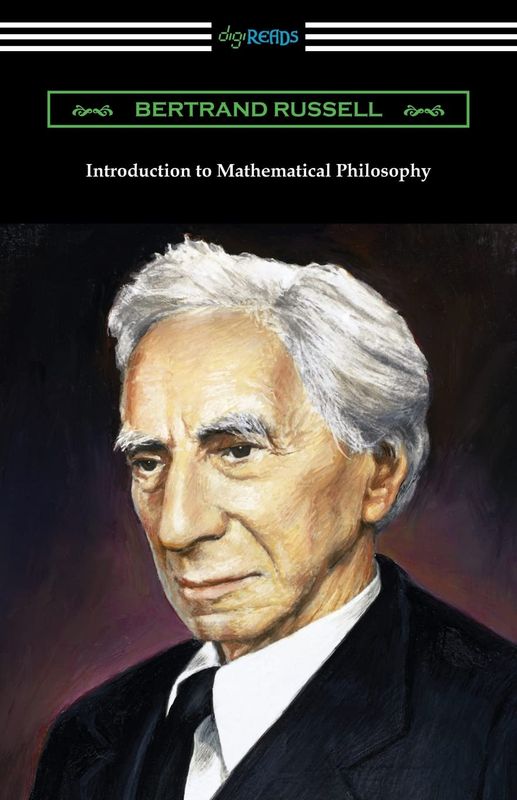
In 'Introduction to Mathematical Philosophy,' Bertrand Russell takes readers on a fascinating journey through the foundations of mathematics and its philosophical implications. He explores concepts such as numbers, infinity, and the nature of mathematical truth, challenging conventional thinking. With his unique blend of clarity and insight, Russell demystifies complex ideas, revealing the profound connections between logic and mathematics. This thought-provoking work not only invites readers to rethink their understanding of numbers but also questions the very essence of reality itself. A must-read for anyone intrigued by the interplay of philosophy and mathematics, this book promises to expand your horizons.
By Bertrand Russell
Published: 2010
"The study of mathematics, like the study of philosophy, is a clarifying exercise; it sharpens our thoughts, expels confusion, and reveals the underlying structures of our understanding."

Start Listening to Book Summary
Book Review of Introduction to Mathematical Philosophy
As a mathematician, philosopher, logician, historian, socialist, pacifist and social critic, Bertrand Russell is noted for his "revolt against idealism" in Britain in the early 20th century, as well as his pacifist activism during WWI, a campaign against Adolf Hitler and later the United States' involvement in the Vietnam War. In addition to his political activism, he is considered to be one of the founders of analytic philosophy, receiving the Nobel Prize in Literature in 1950 for his various humanitarian and philosophical works. He wrote his "Introduction to Mathematical Philosophy" (1919) in order to elucidate in a less technical way the main ideas of his and N.A. Whitehead's earlier "Principia Mathematica". The work focuses on mathematical logic as related to traditional and contemporary philosophy, of which Russell remarks, "logic is the youth of mathematics and mathematics is the manhood of logic." It is regarded today as a lucid, accessible exploration of the gray area where mathematics and philosophy meet.
Book Overview of Introduction to Mathematical Philosophy
About the Book Author
Bertrand Russell
Bertrand Russell (1872-1970) was a British philosopher, logician, and social critic, renowned for his contributions to a variety of disciplines, including philosophy, mathematics, and political theory. He was a co-author of the influential work 'Principia Mathematica' (1910-1913), which laid the groundwork for modern logic and analytical philosophy. Russell's notable works also include 'A History of Western Philosophy' (1945), 'The Problems of Philosophy' (1912), and 'Why I Am Not a Christian' (1927). His writing style is marked by clarity, precision, and a deep commitment to critical thinking, making complex ideas accessible to a broad audience. Russell was also an outspoken advocate for social justice, pacifism, and nuclear disarmament, demonstrating a keen engagement with contemporary issues throughout his life.
Book Details
Key information about the book.
- Authors
- Bertrand Russell
- Published
- January 2010
- Publisher
- Digireads.com Publishing
- ISBN
- 1420938401
- Language
- English
- Pages
- 116
- Genres
- Philosophy of MindPhilosophyScience and Nature
Purchase Options
 Buy on Amazon
 Buy via BookShop
Support local bookstores: BookShop gives a portion of each sale to independent bookshops!
Similar books you might like →
Cosmos Book Summary
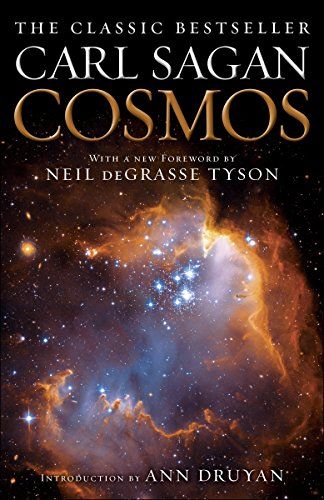
In "Cosmos," Carl Sagan embarks on a thrilling expedition through space and time, weaving together the threads of science, history, and philosophy. With stunning prose, he unveils the wonders of the universe, exploring the birth of stars, the evolution of life, and the intricacies of human existence. Sagan’s passion for discovery ignites a sense of awe, inviting readers to ponder our place within the vast cosmos. As he delves into topics from alien civilizations to the origins of consciousness, each page beckons you to rethink what you know about the universe. Prepare to be captivated by a journey that challenges the boundaries of human understanding, leaving you eager to uncover the mysteries that lie beyond the stars.
A Brief History of Time Book Summary
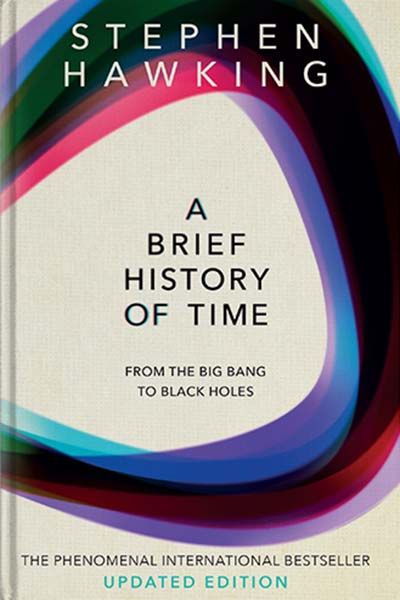
In "A Brief History of Time," Stephen Hawking takes readers on a captivating journey through the cosmos, exploring the nature of time, black holes, and the universe's beginnings. With stunning clarity, he unravels complex scientific concepts, inviting everyone—from curious laypersons to seasoned physicists—to ponder the mysteries of existence. Hawking's charismatic storytelling challenges our perceptions of reality and time itself, posing profound questions about the universe's fate. As he merges science with philosophy, the reader is compelled to reflect on their place in a vast, enigmatic cosmos. Prepare to be inspired and awed by a narrative that transcends mere facts, pushing the boundaries of human understanding.
The Beginning of Infinity Book Summary
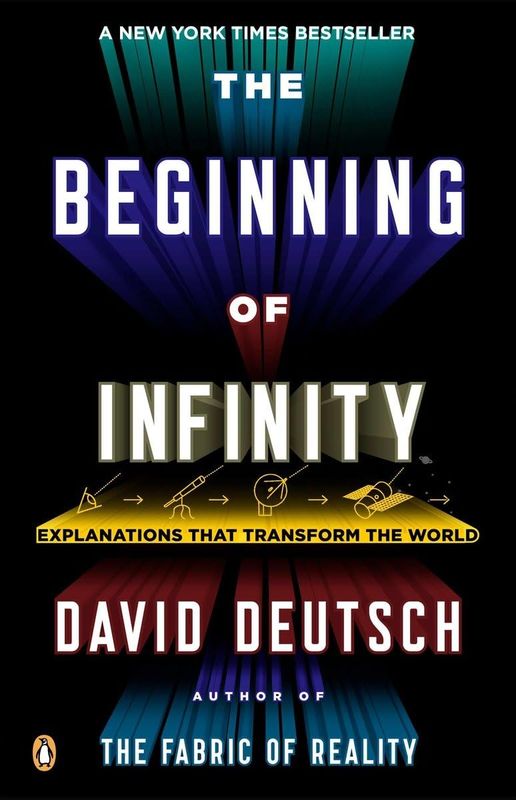
In 'The Beginning of Infinity', David Deutsch challenges our understanding of knowledge and the universe, proposing that all problems are solvable with the right approach. He delves into the philosophy of science, technology, and human progress, suggesting that the pursuit of knowledge is a never-ending journey. Deutsch argues that explanations, rather than mere observations, are the key to comprehending reality. With provocative insights, he explores the implications of infinite possibilities and the potential of human creativity. This thought-provoking read ignites curiosity about the boundless nature of discovery and the future of humanity.
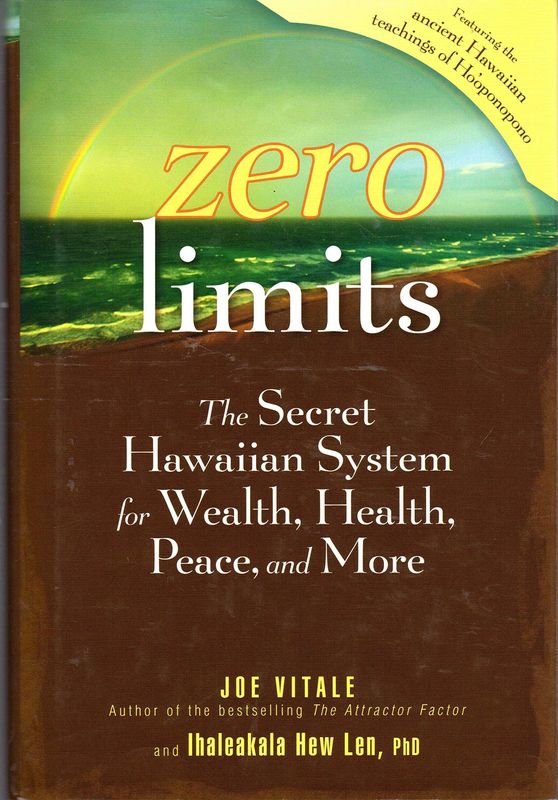
Zero Limits Book Summary
In 'Zero Limits', Joe Vitale and Dr. Ihaleakala Hew Len unveil the ancient Hawaiian philosophy of Ho'oponopono, revealing its transformative potential for personal healing and achieving limitless potential. The authors illustrate how taking 100% responsibility for our lives can lead to profound changes in our experiences and relationships. Through fascinating anecdotes, they demonstrate the power of forgiveness, love, and the divine to clear mental and emotional blocks. Readers are taken on a journey to uncover the secrets of the self, the importance of mental cleansing, and the art of creating an extraordinary life. Are you ready to discover how to wipe the slate clean and unleash the power of zero limits?
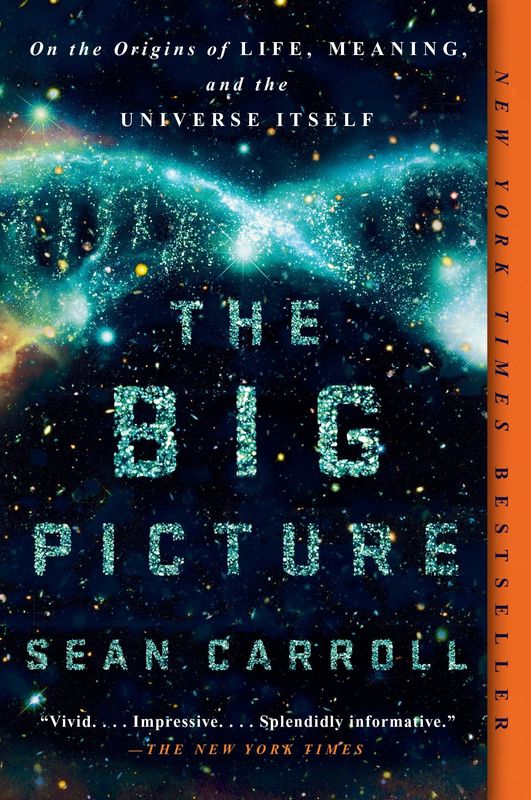
The Big Picture Book Summary
In 'The Big Picture', physicist Sean Carroll invites readers to explore the fascinating intersections of science, philosophy, and the meaning of life. He delves into the fundamental nature of reality, presenting complex concepts in a captivating and accessible manner. With a blend of narratives and profound insights, Carroll challenges us to consider our place in the universe. As he unravels the mysteries of existence, readers are urged to reflect on the implications of science for understanding consciousness and our everyday experiences. This thought-provoking journey leaves us questioning: what does it truly mean to be human in a cosmos governed by natural laws?
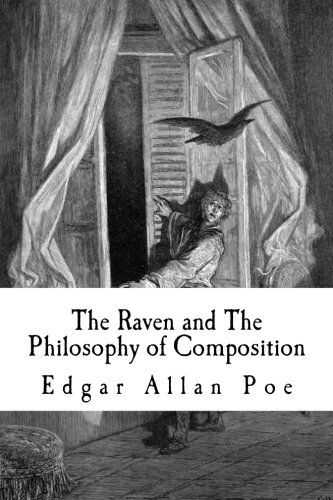
The Philosophy of Composition Book Summary
In 'The Philosophy of Composition,' Edgar Allan Poe unveils his meticulous approach to writing, arguing that artistic creation is a calculated endeavor rather than purely intuitive. He dissects his own poem 'The Raven,' revealing the deep psychological and structural elements that contribute to its haunting allure. Poe explores the interplay of beauty, emotion, and effect, offering a profound glimpse into the mind of a master writer. With each analytical step, he ignites curiosity about the art of storytelling and the techniques that captivate readers. This exploration leaves one pondering: What secrets lie behind the craft of their favorite writers?

Tightrope Book Summary
In 'Tightrope', Pulitzer Prize winners Nicholas D. Kristof and Sheryl WuDunn unveil the gripping realities of America’s working-class struggle through deeply personal narratives. They share the poignant stories of individuals from their hometown in Oregon, highlighting the stark contrasts between privilege and poverty. The authors dig into systemic issues like drug addiction, economic despair, and the elusive American Dream. Through powerful storytelling, they challenge readers to confront uncomfortable truths about inequality and resilience. This eye-opening exploration not only evokes empathy but also urges a critical examination of societal values.
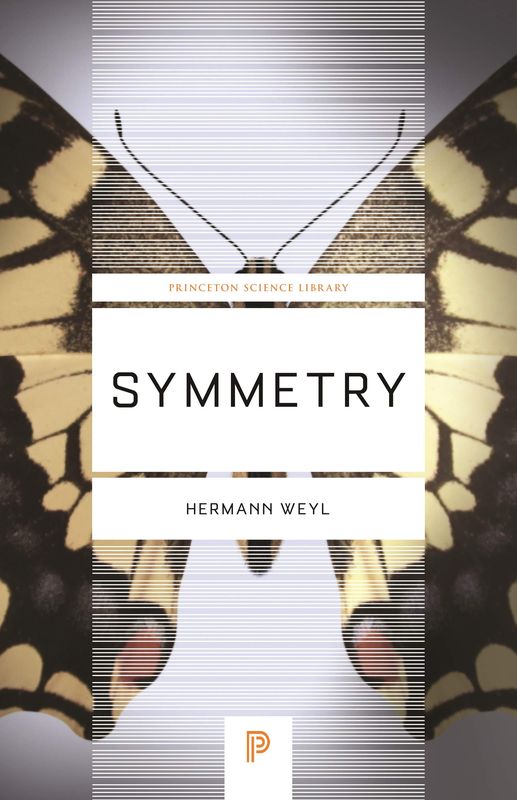
Symmetry Book Summary
In 'Symmetry,' Hermann Weyl explores the profound concept of symmetry as a fundamental principle in mathematics and nature. He weaves together the threads of physics, art, and philosophy, revealing how symmetry shapes our understanding of the universe. Through intriguing insights, Weyl invites readers to consider how aesthetic beauty is intertwined with scientific truth. As he delves into the realms of geometry and theoretical physics, he unravels the mysteries that govern our world. This book is not just an exploration of a mathematical concept; it is a journey that challenges the way we perceive reality itself.
Showing 8 of 30 similar books
Take your reading experience to the next level
Download our mobile app to enjoy your favorite books on the go. Get access to exclusive features, offline listening, and personalized recommendations.

Similar Book Recommendations →

Jordan Hughes's Book Recommendations
Jordan Hughes is a celebrated author known for their compelling narratives and richly developed characters. Their debut novel, "Echoes of Tomorrow," won the prestigious Man Booker Prize, marking a significant milestone in contemporary fiction. Hughes's work often explores themes of identity, resilience, and the human condition, earning them critical acclaim and a dedicated readership. In addition to their novels, Hughes has contributed thought-provoking essays to major literary journals, further solidifying their influence in the literary world. Their innovative storytelling continues to inspire and captivate audiences worldwide.

Tom Hiddleston's Book Recommendations
Tom Hiddleston is a renowned British actor celebrated for his versatile performances across stage and screen. While best known for his portrayal of Loki in the Marvel Cinematic Universe, Hiddleston has also made significant contributions to literature through his involvement in audiobook narrations and adaptations of classic works, such as "The Red Necklace" by Sally Gardner. A classically trained actor from the Royal Academy of Dramatic Art (RADA), he has performed in numerous Shakespearean productions, bringing timeless literary characters to life. Hiddleston's eloquent voice and deep understanding of literary texts have earned him acclaim in both the acting and literary communities. Beyond his performances, he engages in philanthropic efforts, often supporting educational initiatives that promote literature and the arts.

Yuval Noah Harari's Book Recommendations
Yuval Noah Harari is an Israeli historian and professor at the Hebrew University of Jerusalem, renowned for his best-selling books on the history and future of humankind. His 2014 book, "Sapiens: A Brief History of Humankind," has been translated into over 60 languages and examines the evolution of Homo sapiens from the Stone Age to the present. Harari's subsequent works, "Homo Deus: A Brief History of Tomorrow" and "21 Lessons for the 21st Century," explore future scenarios and contemporary global challenges. His writings blend history, science, and philosophy, making complex ideas accessible to a broad audience. Harari is also a sought-after speaker, sharing his insights on platforms like TED and the World Economic Forum.

Alain de Botton's Book Recommendations
Alain de Botton is a Swiss-British philosopher, author, and founder of The School of Life, an organization dedicated to teaching emotional intelligence and life skills. De Botton’s books, such as The Consolations of Philosophy and How Proust Can Change Your Life, blend philosophy with everyday life, offering practical wisdom on love, work, and happiness. His work has popularized philosophy, making it accessible to a wider audience. De Botton is also a public speaker and essayist, frequently exploring topics related to human fulfillment and personal growth. His unique approach to philosophy has made him a respected voice in contemporary culture.

Lex Fridman's Book Recommendations
Lex Fridman is an artificial intelligence researcher, podcaster, and MIT professor, known for his work in autonomous vehicles, robotics, and deep learning. Fridman has gained widespread popularity through his podcast, Lex Fridman Podcast, where he interviews leading thinkers in science, technology, and philosophy, exploring topics like AI, consciousness, and the future of humanity. His academic work focuses on human-centered AI, aiming to create machines that can better understand and interact with humans. Fridman’s ability to distill complex topics into accessible conversations has earned him a large following, and his podcast is known for its thoughtful, in-depth discussions with some of the brightest minds of our time. He is also an advocate for the responsible development of AI, emphasizing the ethical implications of this rapidly advancing technology. Outside of academia and podcasting, Fridman is a practitioner of jiu-jitsu and frequently speaks about the importance of discipline and continuous learning.
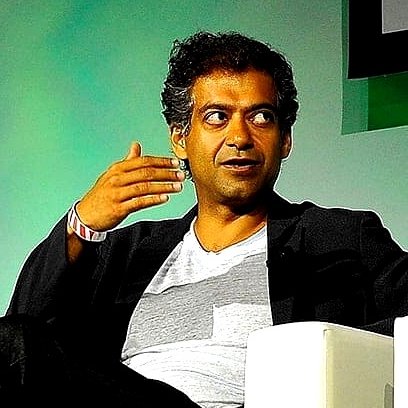
Naval Ravikant's Book Recommendations
Naval Ravikant is an entrepreneur, angel investor, and philosopher, best known as the co-founder of AngelList, a platform that connects startups with investors. Ravikant is a prolific thinker and writer on topics such as startups, investing, and personal well-being, sharing his wisdom through essays, podcasts, and social media. He has invested in over 100 companies, including Uber, Twitter, and Yammer, making him one of Silicon Valley’s most successful angel investors. Ravikant is also known for his philosophical musings on wealth, happiness, and the meaning of life, which have garnered him a large and dedicated following.

Barack Obama's Book Recommendations
Barack Obama is the 44th President of the United States, serving from 2009 to 2017. As the first African American president, Obama’s leadership marked a historic moment in American history. His administration focused on healthcare reform, economic recovery from the Great Recession, and environmental policies. He is best known for the Affordable Care Act, as well as his efforts to expand civil rights and restore diplomatic relations with Cuba. Since leaving office, Obama has continued to engage in public life through his foundation, focusing on leadership development, civic engagement, and global issues.

Jon Stewart's Book Recommendations
Jon Stewart is an American comedian, writer, and former host of The Daily Show, where he gained fame for his satirical take on news and politics. Stewart transformed The Daily Show into a critical voice in American media, blending humor with hard-hitting commentary on political and social issues. After stepping down from the show, Stewart has continued to advocate for causes like 9/11 first responders and veterans' rights. He is also a filmmaker, directing the political satire film Irresistible. Stewart remains a significant figure in American culture, known for his wit, activism, and influence on political discourse.
Showing 8 of 18 related collections
“The study of mathematics, like the study of philosophy, is a clarifying exercise; it sharpens our thoughts, expels confusion, and reveals the underlying structures of our understanding.”
Introduction to Mathematical Philosophy
By Bertrand Russell
Frequently Asked Questions
Explore Our Catalogue
Discover a world of knowledge through our extensive collection of book summaries.
Genres
Genres
Genres
Featured Collections
- Top Book Club Picks
- One-Stop Nutrition
- Summer Reads 2024
- Best Beach Reads 2024
- Work-Life Balance Guide
- Time Management
- Healthy Foods
- Entrepreneur Toolkit
- Mind & Body Wellness
- Future Tech Insights
- Leadership Essentials
- Financial Freedom
- Sci-Fi Masterpieces
- Parenting 101
- Books That Became Blockbusters
- Guide to a Healthy Pregnancy