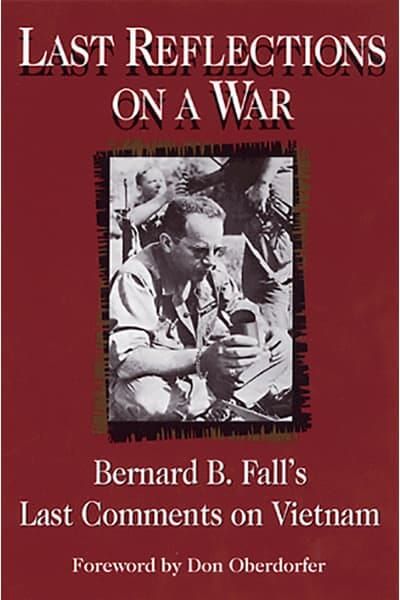
Last Reflections on a War Book Summary
In 'Last Reflections on a War', Bernard B. Fall offers a haunting and poignant examination of the Vietnam War, weaving together personal insights and profound observations. Drawing on his experiences as a war correspondent, Fall sheds light on the complexities of conflict and the human cost it entails. He challenges the narratives often presented about the war, urging readers to confront the harsh realities faced by soldiers and civilians alike. With a blend of historical analysis and personal anecdotes, this work leaves a lasting impression on the moral implications of warfare. Fall's reflections prompt us to consider the true meaning of victory and loss in the timeless struggle for peace.
By Bernard B. Fall
Published: 2000
""In the crucible of war, we are stripped to our essence, revealing not only the brutality of humanity but also the depths of our resolve and compassion.""

Start Listening to Book Summary
Book Review of Last Reflections on a War
Bernard B Fall was 40 years old when he was killed by a booby trap in northern South Vietnam on February 21, 1967. By the time of his death he had already authored seven books on Vietnam. This book, first published shortly after Dr Fall's death, is a tribute to his life's work. It contains the only known autobiographical account of his life, several previously unpublished articles, notes for 'Street Without Joy Revisited', and transcripts of Dr Fall's tape recordings, including his last recorded words.
Book Overview of Last Reflections on a War
About the Book Author
Bernard B. Fall
Bernard B. Fall was a distinguished American author and journalist, renowned for his insightful works on military history and the Vietnam War. Born in 1926 in the city of Prague, Czechoslovakia, he later moved to the United States where he significantly contributed to the field of international relations and military studies. Fall's notable works include 'Street Without Joy,' which delves into the complexities and tragedies of the French Indochina War, and 'The Two Vietnams,' a comprehensive examination of Vietnam's political and social landscape. He was known for his meticulous research, vivid prose, and a profound understanding of the geopolitical dynamics of the Vietnam conflict. His writing style combined scholarly analysis with a compelling narrative, making his works both informative and engaging for readers.
Book Details
Key information about the book.
- Authors
- Bernard B. Fall
- Published
- January 2000
- Publisher
- N/A
- ISBN
- 0811709043
- Language
- English
- Pages
- N/A
- Genres
- Historical ConflictsAmerican HistoryHistoryPolitical PhilosophyPolitics and Current Affairs
Purchase Options
 Buy on Amazon
 Buy via BookShop
Support local bookstores: BookShop gives a portion of each sale to independent bookshops!
Similar books you might like →
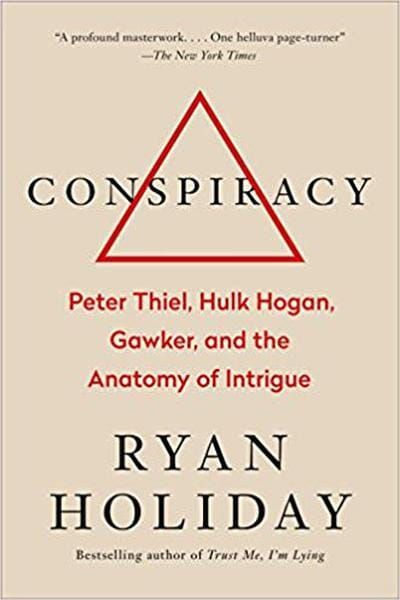
Conspiracy Book Summary
In "Conspiracy," a riveting exploration unfolds around one of the most infamous political scandals in American history. The narrative dives deep into the intricacies of power, betrayal, and the relentless pursuit of truth, following a cast of characters driven by ambition and fear. With shocking revelations and unexpected twists, the author challenges readers to question what they think they know about truth and deception. As allegiances shift and secrets are laid bare, the story reflects on the fine line between justice and vengeance. Prepare for a thought-provoking journey that will leave you pondering the shadows lurking behind every conspiracy.
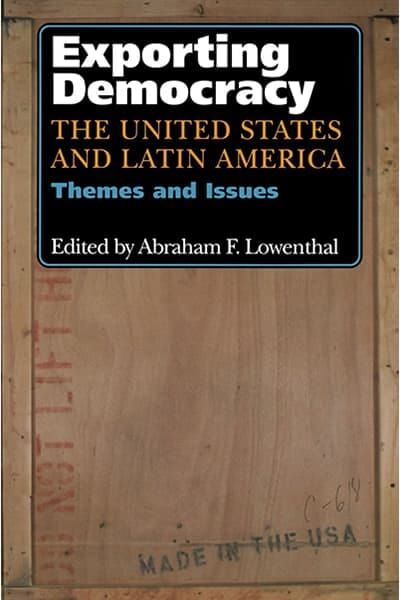
Exporting Democracy Book Summary
No summary available

Inevitable Revolutions Book Summary
In 'Inevitable Revolutions', Walter LaFeber delves into the history of U.S. involvement in Central America, revealing the complex interplay between ideologies and national interests. With eloquent storytelling, LaFeber highlights the economic and political forces that led to revolutions, casting a revealing light on America's role as both a supporter and suppressor of democracy. The book challenges readers to reconsider the narrative of American exceptionalism, raising questions about accountability and the consequences of intervention. Through case studies of specific nations, LaFeber illustrates the paradox of U.S. foreign policy—intentions versus outcomes. This thought-provoking work leaves readers pondering the true cost of 'freedom' as seen through the lens of American influence.

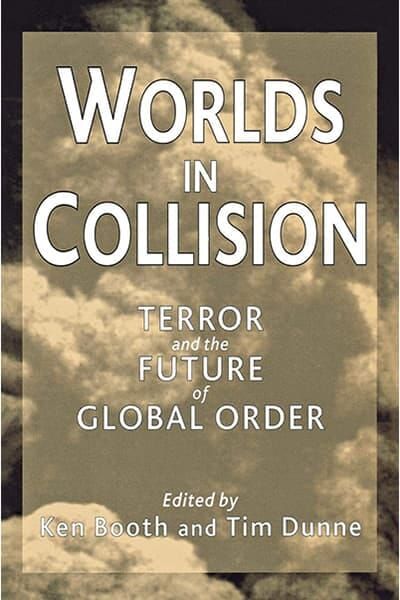
Worlds in Collision Book Summary
In 'Worlds in Collision', authors Ken Booth and T. Dunne explore the intense dynamics of global politics and security in a changing world. They unravel the complex interplay of power, culture, and technology, revealing how nations collide in unforeseen ways. Delving into historical conflicts and contemporary challenges, the book critiques traditional theories while proposing innovative perspectives. As tensions rise and alliances shift, readers are left questioning the very foundations of international relations. This thought-provoking analysis invites you to rethink what it means to coexist in a world marked by chaos and interconnectedness.
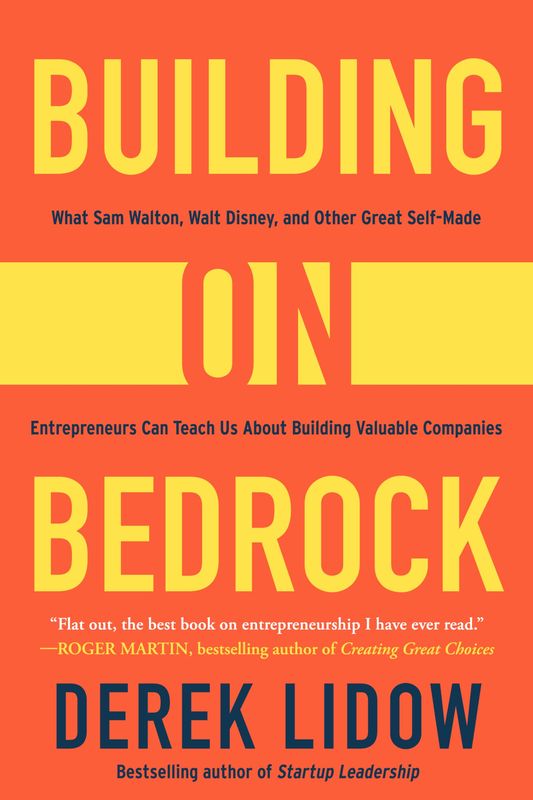
Building on Bedrock Book Summary
In 'Building on Bedrock', Derek Lidow reveals the transformative power of entrepreneurship, emphasizing that genuine innovation arises from a solid foundation of values and purpose. Through riveting anecdotes and practical strategies, he guides readers on how to craft impactful ventures that withstand market chaos. Lidow challenges conventional wisdom about success, urging aspiring entrepreneurs to embrace resilience and authenticity. Discover what it truly means to build a business that not only survives but thrives in today's unpredictable landscape. This book is a masterclass for anyone daring to reshape their future through purposeful action.
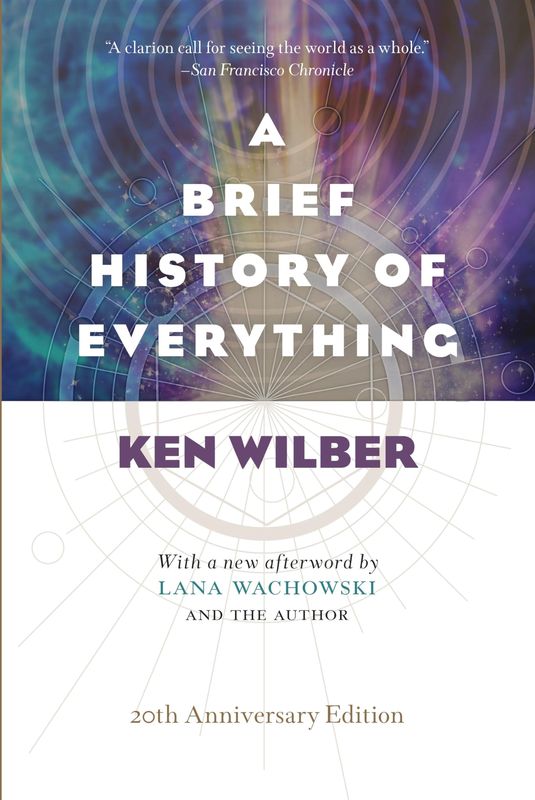
A Brief History of Everything (20th Anniversary Edition) Book Summary
In 'A Brief History of Everything', Ken Wilber takes readers on an enlightening journey through the evolution of consciousness and the unfolding of human history. He skillfully weaves together insights from philosophy, science, and spirituality, offering a holistic perspective on our existence. Discover how various cultural paradigms intersect and influence our understanding of reality. This thought-provoking exploration challenges conventional views and invites readers to contemplate their place in the cosmos. What if the key to our future lies in understanding the past in a radically new way?
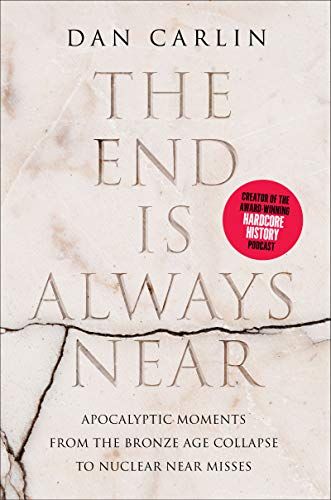
Hardcore History Book Summary
In 'Hardcore History', Dan Carlin takes listeners on an epic auditory journey through the annals of human conflict, exploring the profound impact of war on civilization. His vivid storytelling and deep analysis breathe life into historical events, making even the most distant eras feel immediate and relevant. With a unique blend of passion and intellect, Carlin challenges conventional narratives, urging us to question what we think we know about our past. Each episode transforms history into a gripping tale of human drama, complete with the moral dilemmas faced by our ancestors. Prepare to rethink history as you uncover the haunting truths hidden in the echoes of time.
Showing 8 of 27 similar books
Take your reading experience to the next level
Download our mobile app to enjoy your favorite books on the go. Get access to exclusive features, offline listening, and personalized recommendations.

Similar Book Recommendations →
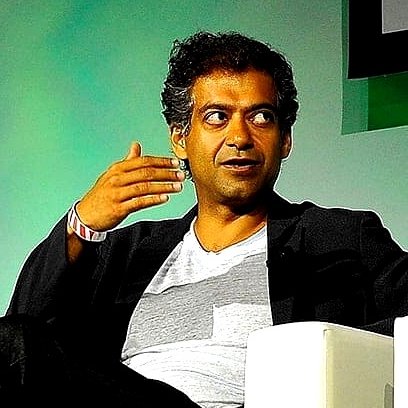
Naval Ravikant's Book Recommendations
Naval Ravikant is an entrepreneur, angel investor, and philosopher, best known as the co-founder of AngelList, a platform that connects startups with investors. Ravikant is a prolific thinker and writer on topics such as startups, investing, and personal well-being, sharing his wisdom through essays, podcasts, and social media. He has invested in over 100 companies, including Uber, Twitter, and Yammer, making him one of Silicon Valley’s most successful angel investors. Ravikant is also known for his philosophical musings on wealth, happiness, and the meaning of life, which have garnered him a large and dedicated following.

Joe Rogan's Book Recommendations
Joe Rogan is a multifaceted American entertainer known primarily for his work as a comedian, podcast host, and commentator. He gained widespread recognition through his immensely popular podcast, "The Joe Rogan Experience," which has featured in-depth conversations with a diverse array of guests, including scientists, celebrities, and politicians. Though not primarily known for literature, Rogan has contributed to the field with his thought-provoking discussions that often explore philosophical and intellectual ideas. Additionally, he has authored the book "Mastering the Rubber Guard," which delves into Brazilian Jiu-Jitsu techniques, showcasing his expertise in martial arts. Rogan's influence extends beyond traditional media, impacting contemporary discourse through his unique blend of humor, curiosity, and critical thinking.

Ray Dalio's Book Recommendations
Ray Dalio is the founder of Bridgewater Associates, one of the largest and most successful hedge funds in the world. He is also the author of the bestselling book Principles, where he outlines his philosophy on life, leadership, and investing. Ray is renowned for his unique approach to transparency, radical truth, and thoughtful disagreement within organizations. His insights into economics and investing have made him one of the most influential figures in the financial world. Dalio continues to be a thought leader in business, economics, and philanthropy.
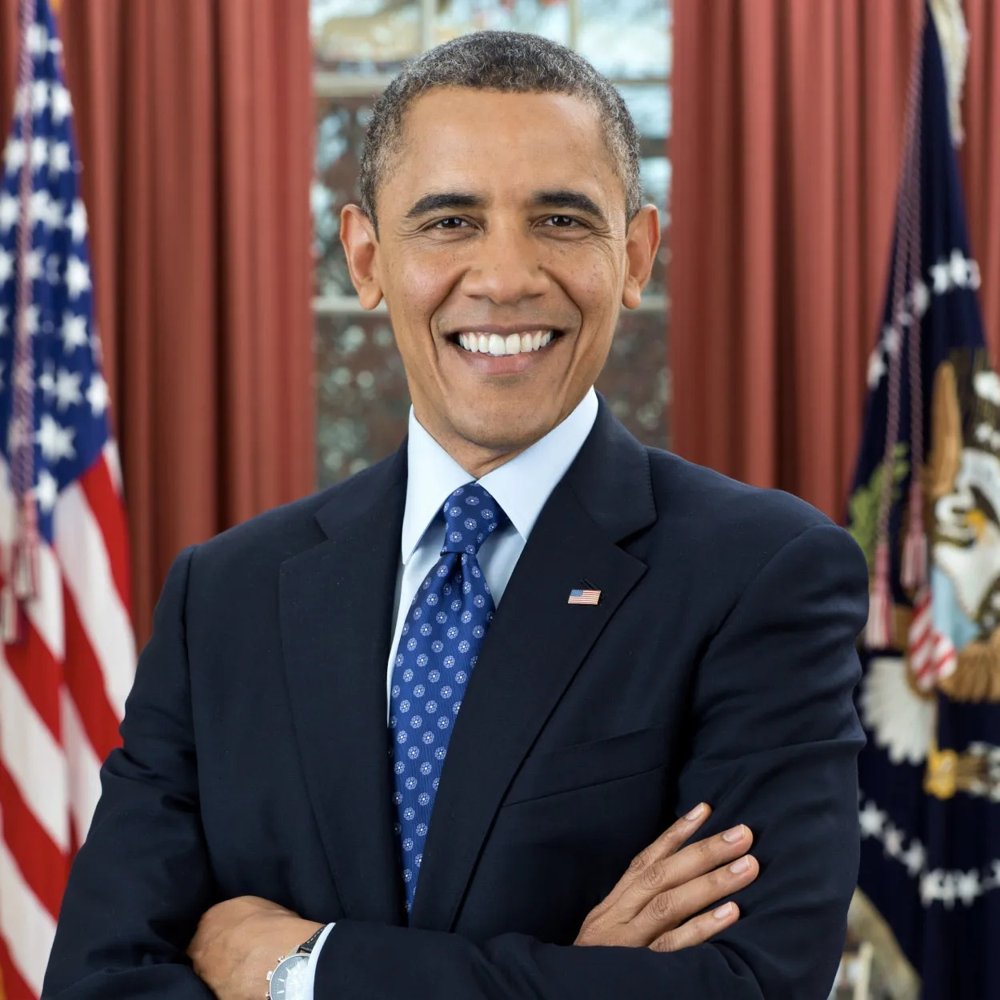
Barack Obama's Book Recommendations
Barack Obama is the 44th President of the United States, serving from 2009 to 2017. As the first African American president, Obama’s leadership marked a historic moment in American history. His administration focused on healthcare reform, economic recovery from the Great Recession, and environmental policies. He is best known for the Affordable Care Act, as well as his efforts to expand civil rights and restore diplomatic relations with Cuba. Since leaving office, Obama has continued to engage in public life through his foundation, focusing on leadership development, civic engagement, and global issues.
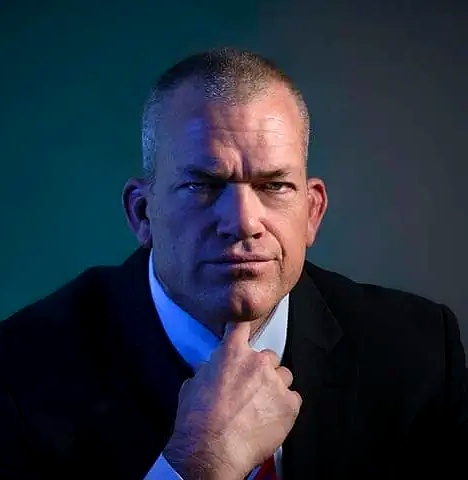
Jocko Willink's Book Recommendations
Jocko Willink is a retired Navy SEAL officer, renowned for his leadership during the Battle of Ramadi in the Iraq War, which earned him the Silver Star and Bronze Star. Transitioning from military service, he co-authored the best-selling book "Extreme Ownership: How U.S. Navy SEALs Lead and Win" with fellow SEAL Leif Babin, which has become a cornerstone in leadership and management literature. Willink has also written the "Way of the Warrior Kid" series, aimed at empowering young readers with principles of discipline and resilience. Additionally, he hosts the popular "Jocko Podcast," where he discusses leadership, discipline, and personal development. Willink's influence extends beyond literature through his Echelon Front leadership consultancy, helping organizations implement effective leadership strategies.

Elon Musk's Book Recommendations
Elon Musk is an influential entrepreneur and innovator known for founding and leading several groundbreaking companies, including Tesla, SpaceX, Neuralink, and The Boring Company. He has played a pivotal role in advancing electric vehicles, space exploration, and renewable energy. Musk's vision extends to colonizing Mars and reducing the risk of human extinction through space travel. In addition to his technological contributions, he has co-authored the book "Spacex: Making Commercial Spaceflight a Reality," providing insights into his ambitious projects and vision for the future. Musk's relentless pursuit of innovation continues to shape the trajectory of multiple industries.
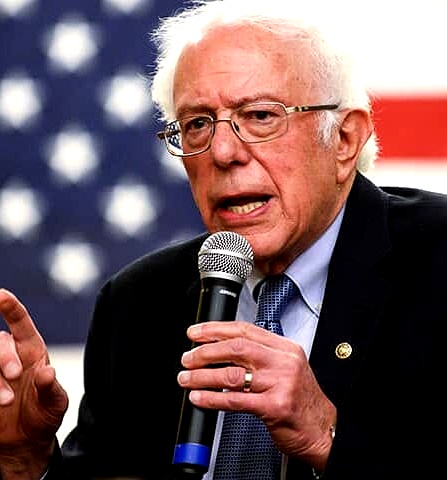
Bernie Sanders's Book Recommendations
Bernie Sanders is an American politician and U.S. Senator from Vermont, known for his progressive policies and his advocacy for economic equality. Sanders ran for the Democratic presidential nomination in 2016 and 2020, inspiring a movement with his calls for Medicare for All, free college tuition, and a $15 minimum wage. He identifies as a democratic socialist and has been a long-standing advocate for labor rights, environmental justice, and social welfare programs. Sanders’ candidacy energized a new generation of activists and has had a lasting influence on the direction of the Democratic Party. His focus on income inequality and social justice continues to shape political discourse in the U.S.

Tom Hanks's Book Recommendations
Tom Hanks is an acclaimed American actor and filmmaker, renowned for his versatile roles in iconic films such as "Forrest Gump," "Saving Private Ryan," and "Cast Away." Beyond his cinematic achievements, Hanks has made significant contributions to literature, notably with his collection of short stories titled "Uncommon Type," which showcases his talent as a writer. His storytelling prowess extends to his work as a producer and director, where he has brought numerous historical and literary adaptations to life. Hanks's dedication to his craft has earned him numerous accolades, including two Academy Awards for Best Actor. Additionally, his engaging narrative style and keen insight into human experiences have solidified his reputation as a multifaceted artist in both film and literature.
“"In the crucible of war, we are stripped to our essence, revealing not only the brutality of humanity but also the depths of our resolve and compassion."”
Last Reflections on a War
By Bernard B. Fall
Frequently Asked Questions
Explore Our Catalogue
Discover a world of knowledge through our extensive collection of book summaries.
Genres
Genres
Genres
Featured Collections
- Top Book Club Picks
- One-Stop Nutrition
- Summer Reads 2024
- Best Beach Reads 2024
- Work-Life Balance Guide
- Time Management
- Healthy Foods
- Entrepreneur Toolkit
- Mind & Body Wellness
- Future Tech Insights
- Leadership Essentials
- Financial Freedom
- Sci-Fi Masterpieces
- Parenting 101
- Books That Became Blockbusters
- Guide to a Healthy Pregnancy