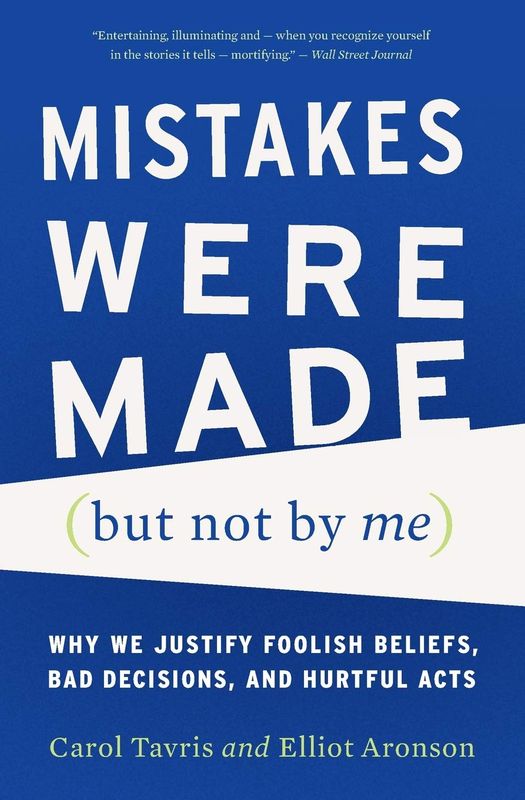
Mistakes Were Made (but Not by Me) Book Summary
In 'Mistakes Were Made (but Not by Me)', Carol Tavris and Elliot Aronson explore the psychological mechanisms of self-justification and the often-unconscious ways we avoid admitting our wrongs. With compelling examples from history, psychology, and personal anecdotes, the authors reveal why people, from individuals to large organizations, refuse to accept accountability. This thought-provoking book challenges readers to confront their own biases and the cognitive dissonance that influences decision-making. Will you choose to embrace the discomfort of acknowledging your mistakes? Dive into this enlightening read and discover the profound impact of accountability on personal growth and relationships.
By Elliot Aronson, Carol Tavris
Published: 2015
""We are all vulnerable to the human tendency to rationalize our mistakes, but understanding this tendency can empower us to grow and change for the better.""

Start Listening to Book Summary
Book Review of Mistakes Were Made (but Not by Me)
"This edition has a new preface and conclusion, as well as updated research and examples"--
Book Overview of Mistakes Were Made (but Not by Me)
About the Book Authors
Elliot Aronson
Elliot Aronson is a renowned social psychologist and author, best known for his influential works on social behavior, persuasion, and group dynamics. His notable books include 'The Social Animal,' which explores the intricacies of human relationships and social influence, and 'Mistakes Were Made (But Not by Me),' co-authored with Carol Tavris, which delves into cognitive dissonance and self-justification. Aronson's writing style is characterized by clarity and accessibility, blending empirical research with real-world applications, making complex psychological concepts comprehensible to a broad audience. In addition to his scholarly contributions, he has played a significant role in educating future generations of psychologists as a professor at the University of California, Santa Cruz.
Carol Tavris
Carol Tavris is a renowned social psychologist, author, and speaker, known for her insightful work in the fields of psychology and feminist theory. With a Ph.D. in social psychology, Tavris has written several influential books, including "The Mismeasure of Woman," which challenges misconceptions about gender differences, and "Mistakes Were Made (But Not by Me)," a gripping exploration of cognitive dissonance and self-justification. Her writing is characterized by its clarity, wit, and ability to engage both academic and mainstream audiences. Tavris frequently contributes to publications such as the New York Times and Psychology Today, where she applies psychological principles to contemporary issues.
Book Details
Key information about the book.
- Authors
- Elliot Aronson, Carol Tavris
- Published
- January 2015
- Publisher
- N/A
- ISBN
- 0544574788
- Language
- English
- Pages
- N/A
- Genres
- Cognitive PsychologySelf-HelpPsychologyPersonal Growth
Purchase Options
 Buy on Amazon
 Buy via BookShop
Support local bookstores: BookShop gives a portion of each sale to independent bookshops!
Similar books you might like →
I Will Teach You to Be Rich, Second Edition Book Summary
In 'I Will Teach You to Be Rich, Second Edition,' Ramit Sethi provides a no-nonsense guide to mastering personal finance with a blend of humor and practicality. He challenges conventional money advice and introduces readers to a unique banking system for maximizing their savings. Through straightforward strategies, Sethi reveals how to automate finances and invest wisely for the long term. Each chapter brims with actionable tips that encourage readers to take control of their financial futures. With insights that delve deep into psychology and behavior, this book is a game-changer for anyone seeking to build real wealth.

The Courage to Be Disliked Book Summary
In 'The Courage to Be Disliked', renowned philosopher Ichiro Kishimi and psychologist Fumitake Koga present a transformative dialogue between a young man and a wise philosopher. They explore the concept of Alfred Adler's psychology, emphasizing that happiness is a choice and freedom comes from the courage to be oneself. The profound insights challenge conventional beliefs about identity, relationships, and the burden of past traumas. As they delve into the meaning of true self-acceptance, the narrative invites readers to confront their own insecurities and societal expectations. This engaging exchange sparks curiosity and inspires a new outlook on personal growth and fulfillment.
The Psychology of Executive Coaching Book Summary
In 'The Psychology of Executive Coaching,' Bruce Peltier explores the intricate dynamics between coaches and leaders, revealing the psychological principles that underpin effective coaching practices. The book delves into the art of transformation, showcasing how understanding human behavior can unlock latent potential in executives. Peltier combines psychological theories with practical strategies to equip coaches with tools to navigate the challenges of leadership development. Through case studies and empirical research, he illustrates the profound impact of coaching on organizational success. This insightful read invites readers to consider how deep psychological insights can elevate executive coaching to new heights, making it a must-read for aspiring coaches and leaders alike.
Moonwalking with Einstein Book Summary
In 'Moonwalking with Einstein', Joshua Foer takes readers on a mesmerizing journey through the world of memory, revealing how he transformed from a memory-challenged journalist to a USA Memory Champion. Exploring the fascinating techniques of memory athletes, he uncovers the science behind memory formation and recall. Foer combines personal anecdotes with history, psychology, and the quirks of the human mind. As he delves deeper into memory training, readers are left questioning the potential of their own minds. This captivating blend of memoir and exploration challenges us to rethink how we remember and what it means to truly learn.

12 Rules for Life Book Summary
In '12 Rules for Life', psychologist Jordan B. Peterson distills life lessons from psychology, philosophy, and mythology into twelve profound principles for personal growth. Each rule invites readers to confront the chaos of existence and embrace responsibility, guiding them toward meaning and order. Peterson's compelling narratives and incisive insights challenge conventional wisdom, urging self-reflection and accountability. As readers navigate through the complexities of life, they discover how to build a stable foundation for themselves and their communities. This thought-provoking book promises to provoke deep contemplation and inspire transformative change.
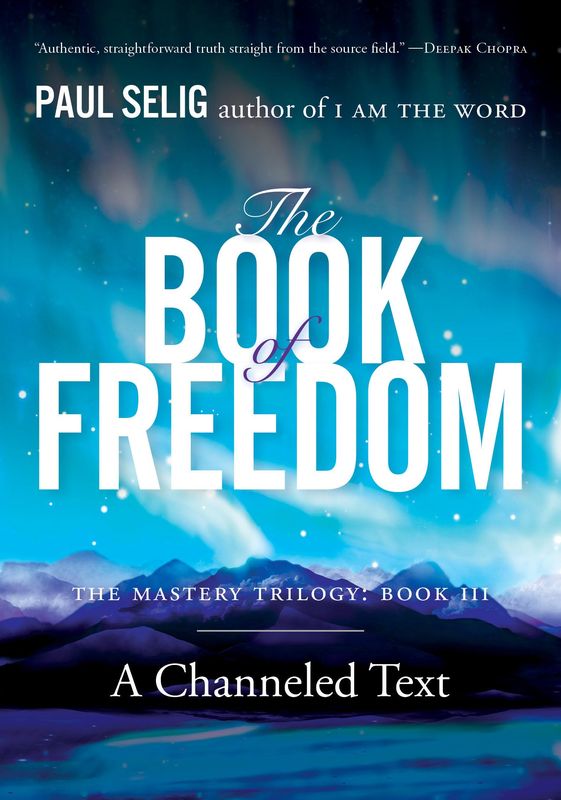
The Book of Freedom Book Summary
In 'The Book of Freedom', Paul Selig unveils a transformative guide to awakening and liberation. Blending mystical teachings with practical insights, he invites readers to explore their inherent power and connection to a greater reality. As Selig channels profound wisdom, you’ll discover how to break free from limiting beliefs and embrace your true self. This journey transcends the ordinary, promising profound shifts in consciousness for those willing to seek it. Are you ready to unlock the keys to your own freedom?
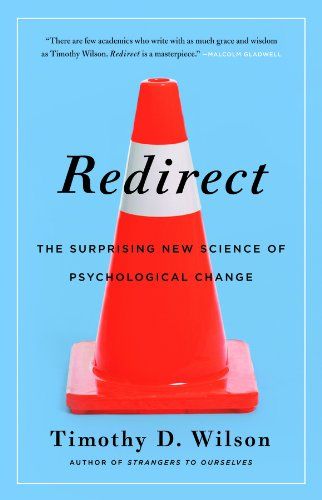
Redirect Book Summary
In 'Redirect', Timothy D. Wilson unveils the power of reframing our thoughts and perceptions to transform our lives. He explores the science behind how our stories shape our reality, revealing the profound impact of narrative on personal growth. Through compelling research and practical insights, Wilson illustrates how small shifts in perspective can lead to remarkable changes in behavior and well-being. This book challenges readers to rethink their own narratives and encourages them to harness the art of redirecting their thoughts towards a more fulfilling life. Are you ready to discover how a simple change in thinking can unlock your potential?
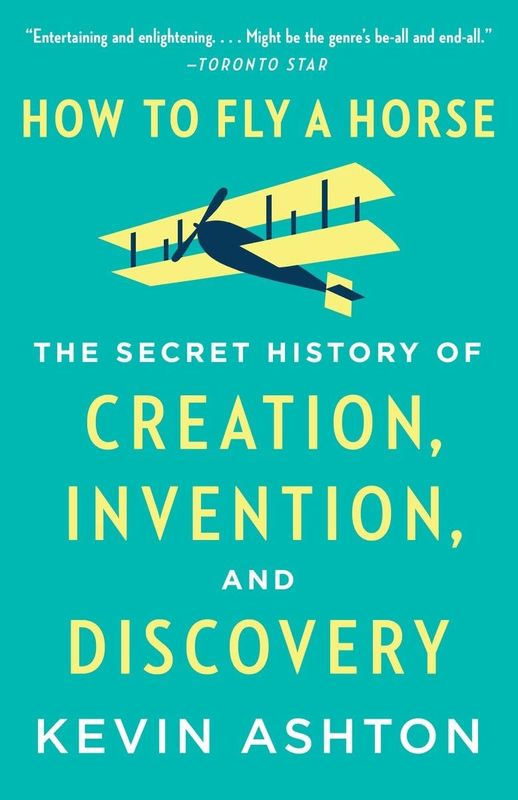
How to Fly a Horse Book Summary
In 'How to Fly a Horse,' Kevin Ashton challenges the myth of creativity as a magical gift, exploring how it is a process available to everyone. Through captivating stories of inventors and creators, he reveals that the key to innovation lies not in bursts of inspiration, but in the grit and hard work behind the scenes. Ashton encourages readers to embrace failure as a stepping stone towards success, debunking the notion that creativity is solely for the elite. This book blends history, psychology, and personal anecdotes to illuminate the truth about human potential. Join Ashton on a journey that will redefine your understanding of creativity and inspire you to unlock your own innovative spirit.
Showing 8 of 26 similar books
Take your reading experience to the next level
Download our mobile app to enjoy your favorite books on the go. Get access to exclusive features, offline listening, and personalized recommendations.

Similar Book Recommendations →

Adam Robinson's Book Recommendations
Adam Robinson is a distinguished author, financial advisor, and co-founder of the Princeton Review, which revolutionized the test preparation industry. He is renowned for his best-selling book "Cracking the SAT," which has guided countless students to achieve higher scores. Robinson's expertise extends beyond education into financial markets, where he is a respected global macro advisor. His contributions to literature and finance have earned him a reputation as a thought leader and innovator. Continually sought after for his insights, Robinson remains a pivotal figure in both the educational and financial sectors.

Andrew Huberman's Book Recommendations
Andrew Huberman is a renowned neuroscientist and tenured professor at Stanford University, where he leads the Huberman Lab, focusing on brain function, behavior, and health. He has significantly contributed to the understanding of neural plasticity, particularly how the brain can change in response to experience and injury. Huberman is widely recognized for his engaging public science communication, which includes the popular "Huberman Lab" podcast that translates complex neuroscience topics into accessible insights for broad audiences. His research has been published in leading scientific journals, earning him numerous accolades and fostering a deeper public appreciation for neuroscience. Additionally, his work extends into practical applications, influencing fields such as mental health, vision restoration, and performance optimization.

Alexis Ohanian's Book Recommendations
Alexis Ohanian is an American entrepreneur, investor, and co-founder of Reddit, one of the world’s most popular social news and discussion platforms. Ohanian is also a prominent advocate for open internet and net neutrality, and he has invested in numerous startups through his venture capital firm, Initialized Capital. In addition to his work in tech, Ohanian is involved in philanthropy, supporting causes related to women’s rights, education, and social justice. He is married to tennis star Serena Williams, and together they advocate for gender equality and inclusive leadership. Ohanian’s influence in the tech world and his commitment to social impact have made him a respected figure in both business and activism.

Audrey Gelman's Book Recommendations
Audrey Gelman is an American entrepreneur and writer, best known as the co-founder and former CEO of The Wing, a network of co-working spaces and social clubs designed for women. She has been recognized for her innovative approach to creating supportive environments for professional women, significantly impacting feminist discourse and workplace equality. Gelman has also contributed thought-provoking essays to prominent publications such as The New York Times and The New Yorker, where she discusses gender, politics, and culture. Her leadership at The Wing has been celebrated for fostering community and collaboration among women. Additionally, Gelman's influence extends to the political sphere, having previously worked as a press aide on several high-profile campaigns.

Barack Obama's Book Recommendations
Barack Obama is the 44th President of the United States, serving from 2009 to 2017. As the first African American president, Obama’s leadership marked a historic moment in American history. His administration focused on healthcare reform, economic recovery from the Great Recession, and environmental policies. He is best known for the Affordable Care Act, as well as his efforts to expand civil rights and restore diplomatic relations with Cuba. Since leaving office, Obama has continued to engage in public life through his foundation, focusing on leadership development, civic engagement, and global issues.

Andrew Wilkinson's Book Recommendations
Andrew Wilkinson is a distinguished author and entrepreneur, best known for his insightful business writings and contributions to the tech industry. He co-founded MetaLab, a prominent design agency that has shaped the user experience of major platforms like Slack and Coinbase. Wilkinson's entrepreneurial journey and his publications provide valuable perspectives on startup culture, innovation, and leadership. His writing, often featured in leading business magazines and his personal blog, has garnered a wide readership for its practical advice and engaging storytelling. Andrew continues to influence both literature and the business world with his unique blend of creativity and strategic thinking.

Anthony Pompliano's Book Recommendations
Anthony Pompliano, also known as "Pomp," is a prominent entrepreneur and investor focused on the cryptocurrency and blockchain sectors. He co-founded Morgan Creek Digital, an investment firm dedicated to blockchain technology and digital assets. Pomp is also well-known for his popular newsletter, "The Pomp Letter," where he shares insights on finance, technology, and the future of money. As a prolific voice in the crypto community, he has appeared on multiple media platforms, including his own podcast, "The Pomp Podcast," where he interviews industry leaders and innovators. Through his writings and public engagements, Pompliano has significantly contributed to the broader understanding and adoption of digital currencies.

Alfred Lin's Book Recommendations
Alfred Lin is a venture capitalist and partner at Sequoia Capital, where he focuses on investments in consumer internet, enterprise, and mobile companies. Lin is known for his early investments in companies like Airbnb and DoorDash, helping them grow into major global brands. Before joining Sequoia, Lin was an executive at Zappos, where he worked closely with CEO Tony Hsieh to develop the company’s innovative culture and customer service model. Lin’s expertise in scaling businesses and his strategic vision have made him one of the most respected venture capitalists in Silicon Valley.
Showing 8 of 12 related collections
“"We are all vulnerable to the human tendency to rationalize our mistakes, but understanding this tendency can empower us to grow and change for the better."”
Mistakes Were Made (but Not by Me)
By Elliot Aronson, Carol Tavris
Frequently Asked Questions
Explore Our Catalogue
Discover a world of knowledge through our extensive collection of book summaries.
Genres
Genres
Genres
Featured Collections
- Top Book Club Picks
- One-Stop Nutrition
- Summer Reads 2024
- Best Beach Reads 2024
- Work-Life Balance Guide
- Time Management
- Healthy Foods
- Entrepreneur Toolkit
- Mind & Body Wellness
- Future Tech Insights
- Leadership Essentials
- Financial Freedom
- Sci-Fi Masterpieces
- Parenting 101
- Books That Became Blockbusters
- Guide to a Healthy Pregnancy