No Bull Book Summary
In 'No Bull', Michael Steinhardt, one of Wall Street's most successful investors, shares his unfiltered insights into the world of finance. With a candid approach, he reflects on his triumphs, failures, and the unconventional strategies that shaped his success. Steinhardt emphasizes the importance of rigorous analysis and gut instinct, challenging traditional investment wisdom. Readers will be intrigued by his captivating stories and bold perspectives that cut through industry jargon. This book is not just for finance enthusiasts; it's a compelling guide to decision-making and risk-taking in any field.
By Michael Steinhardt
Published: 2004
""In the world of investing, it's not just about the numbers; it's about understanding the human psyche, the market's heartbeat, and your own discipline.""


Start Listening to Book Summary
Book Review of No Bull
When the official history of twentieth-century Wall Street is written, it will certainly contain more than a few pages on Michael Steinhardt. One of the most successful money managers in the history of "The Street," Steinhardt far outshone his peers by achieving an average annual return of over thirty percent-significantly greater than that of every market benchmark. During his almost thirty-year tenure as a hedge fund manager, he amassed vast wealth for his investors and himself. One dollar invested with Steinhardt Partners L.P., his flagship hedge fund, at its inception in 1967 would have been worth $462 when he retired from active money management in 1995. No Bull offers an account of some of the investment strategies that drove Michael Steinhardt's historic success as a hedge fund manager including a focus on his skills as an industry analyst and consummate stock picker. He also reveals how his uncanny talent for knowing when to trade against the prevailing market trend-a talent that was not always appreciated by several erstwhile high-profile clients-resulted in many of his greatest successes. Here he provides detailed accounts of some of his most sensational coups-including his momentous decision, in 1981, to stake everything on bonds-and his equally sensational failures, such as his disastrous foray into global macro-trading in the mid-1990s. At the same time, No Bull is the rags-to-riches story of a boy from Bensonhurst and his rise from the streets of Brooklyn to the heights of Wall Street. In a thoroughly engaging narrative, Steinhardt relates the early influences that shaped his attitudes toward life and success, as well as the beginning of his love affair with stock investing. Further, he chronicles his dawning awareness of the need for a purpose in life beyond the acquisition of wealth and how it led to his decision to retire and redirect his energies. We learn about his experiences as the chairman of the Democratic Leadership Council for nearly a decade, as well as his innovative thinking and ambitious projects to strengthen the Jewish community. The inspiring true story of a Wall Street genius and world-class philanthropist, No Bull is an unforgettable read for finance professionals and students of human nature alike. Michael Steinhardt is one of the most successful money managers in the history of Wall Street. He is also widely known for his philanthropic activities, particularly in the Jewish community-most notably as cofounder with Charles Bronfman of birthright israel, a program whose mission is to provide a free educational opportunity for every young Jewish person of the Diaspora to visit Israel.
Book Overview of No Bull
About the Book Author
Michael Steinhardt
Michael Steinhardt is a renowned author and investor, best known for his compelling exploration of financial markets and philanthropy. He gained widespread recognition with his notable works, including "No Bull: My Life In and Out of Markets" and "The Art of Trading: A Psychological Perspective", where he combines personal anecdotes and market insights to engage readers. Steinhardt's writing style is characterized by its clarity and depth, often intertwining personal reflections with financial principles, making complex concepts accessible to a diverse audience.
Book Details
Key information about the book.
- Authors
- Michael Steinhardt
- Published
- December 2004
- Publisher
- Wiley
- ISBN
- 0471660469
- Language
- English
- Pages
- N/A
- Genres
- FinanceBehavioral FinanceInvesting Basics
Purchase Options
 Buy on Amazon
 Buy via BookShop
Support local bookstores: BookShop gives a portion of each sale to independent bookshops!
Similar books you might like →
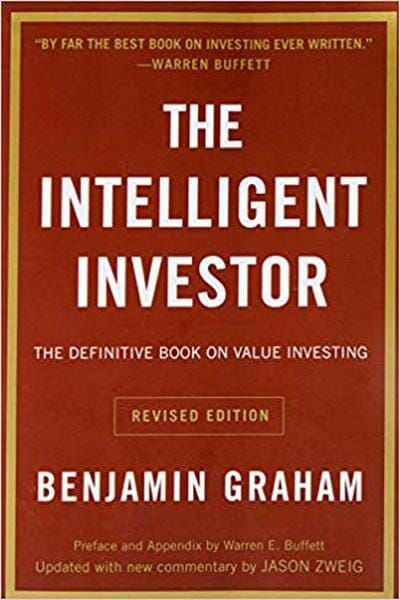
The Intelligent Investor Book Summary
In "The Intelligent Investor," Benjamin Graham unveils timeless strategies for navigating the volatile world of investing with wisdom and discipline. He introduces the concept of value investing, teaching readers to distinguish between price and intrinsic value, all while emphasizing the importance of a defensive investment strategy. Graham’s insightful principles empower investors to cultivate emotional resilience, protecting them from the relentless whims of the market. With real-world anecdotes and practical advice, this classic remains a cornerstone for anyone seeking financial success and peace of mind. Dive in to discover how patience, rationality, and a solid plan can transform your investment journey!
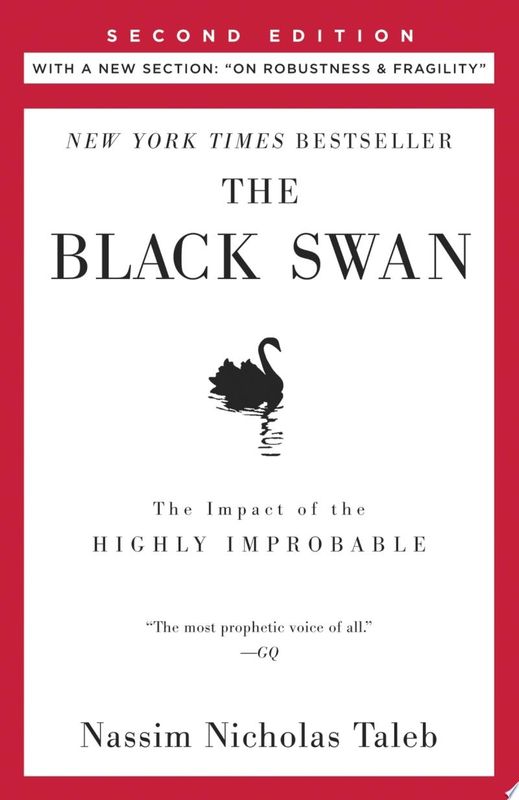
The Black Swan: Second Edition Book Summary
In "The Black Swan," Nassim Nicholas Taleb explores the profound impact of rare and unpredictable events—those seemingly impossible occurrences that shape our world in transformative ways. He challenges conventional thinking, revealing how humans consistently underestimate uncertainty and overvalue what we can predict. Through compelling anecdotes and thought-provoking insights, Taleb illustrates how we can prepare for the unexpected rather than just cling to past experiences. The book urges readers to embrace randomness and rethink the frameworks we use to navigate life’s complexities. Will you recognize your own blind spots before the next Black Swan strikes?
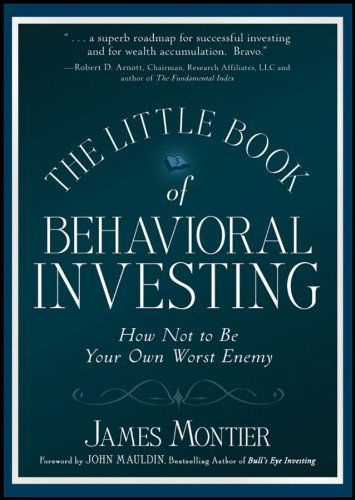
The Little Book of Behavioral Investing Book Summary
**The Little Book of Behavioral Investing** uncovers the psychological traps that often lead investors astray. With a blend of insightful anecdotes and cutting-edge research, it reveals how emotions like fear and greed shape our decisions in the financial world. Readers will discover practical strategies to counteract these biases and improve their investment outcomes. By understanding the behavioral factors at play, you can transform your investment approach. Are you ready to challenge your thinking and elevate your financial game?
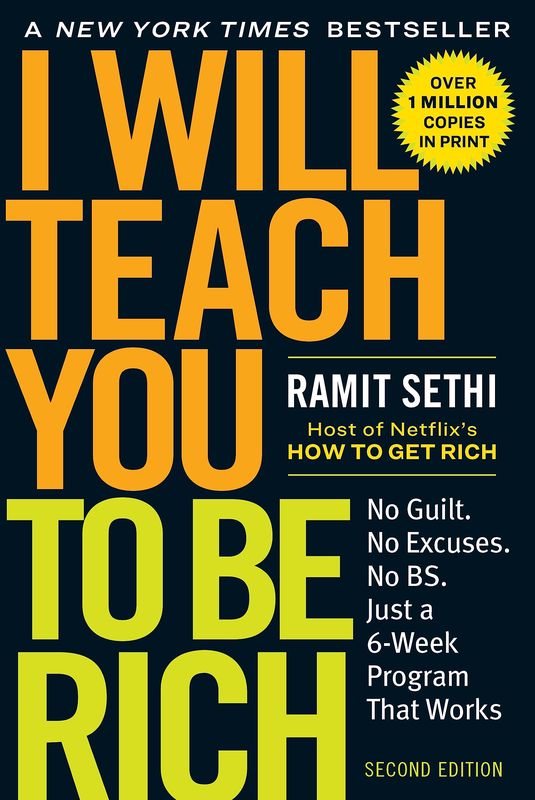
I Will Teach You to Be Rich, Second Edition Book Summary
In 'I Will Teach You to Be Rich, Second Edition,' Ramit Sethi provides a no-nonsense guide to mastering personal finance with a blend of humor and practicality. He challenges conventional money advice and introduces readers to a unique banking system for maximizing their savings. Through straightforward strategies, Sethi reveals how to automate finances and invest wisely for the long term. Each chapter brims with actionable tips that encourage readers to take control of their financial futures. With insights that delve deep into psychology and behavior, this book is a game-changer for anyone seeking to build real wealth.
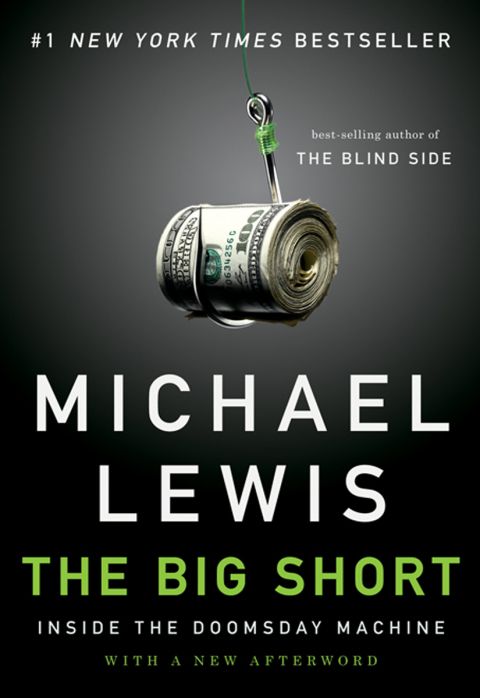
The Big Short: Inside the Doomsday Machine Book Summary
In "The Big Short," Michael Lewis unveils the hidden complexities of the 2008 financial crisis through the eyes of a few unconventional investors who saw disaster coming. As they bet against the housing market, these outsiders navigate Wall Street’s labyrinthine greed and negligence, exposing the flawed logic behind the crisis. With wit and suspense, Lewis reveals the shocking truth about the financial instruments that led to economic chaos. Readers will find themselves questioning the very foundations of finance while gripping the edge of their seats at the unfolding drama. Can a handful of mavericks really challenge the system, or are they just playing a dangerous game of chance?
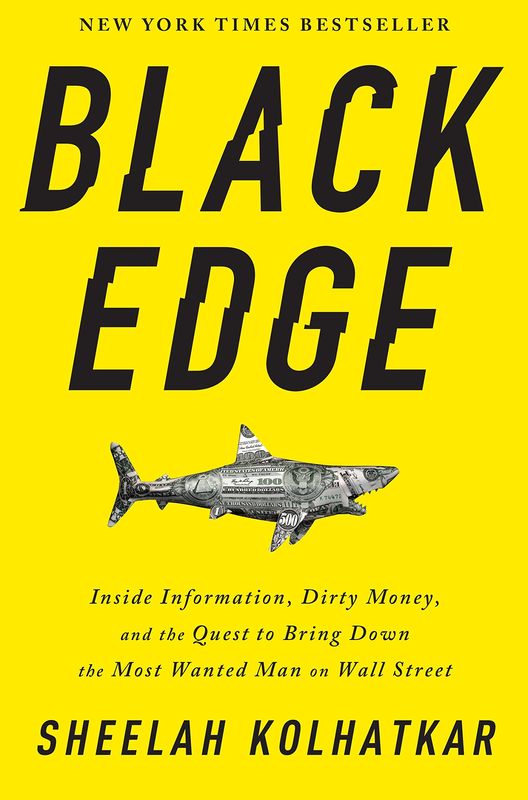
Black Edge Book Summary
In "Black Edge," investigative journalist Sheelah Kolhatkar delves into the high-stakes world of hedge funds and the enigmatic figure of Steven A. Cohen. As she unravels the saga of insider trading, greed, and Wall Street's murky ethics, the book pulls readers into a gripping tale of ambition that spans decades. With intellectual prowess and audacious risk-taking, Cohen's rise to power raises questions about the moral compass of finance. Kolhatkar's penetrating analysis unveils the dark side of wealth and the relentless pursuit of success, leaving readers questioning the true cost of ambition. Will you dare to uncover the secrets of a financial titan and the shadowy underworld they inhabit?
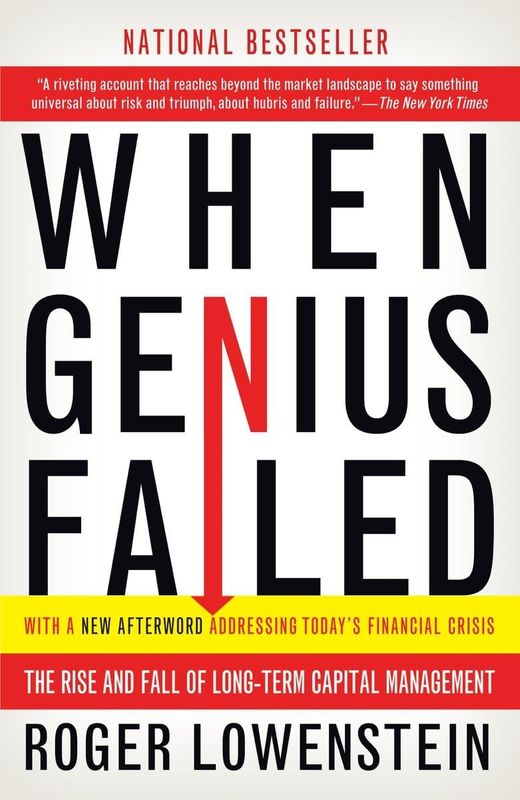
When Genius Failed Book Summary
When Genius Failed chronicles the dramatic rise and fall of Long-Term Capital Management, a hedge fund that boasted an elite team of financial wizards. As it navigates the complexities of high-stakes finance and groundbreaking quantitative models, the book unveils how overconfidence in genius can lead to catastrophic consequences. When the Asian financial crisis strikes, the fund’s intricate strategies unravel, threatening the global economy. Authors Roger Lowenstein masterfully intertwine personal narratives with economic theory, revealing the fragile balance between risk and reward. This gripping tale serves as a cautionary reminder that brilliance can blind us to the dangers lurking beneath the surface.
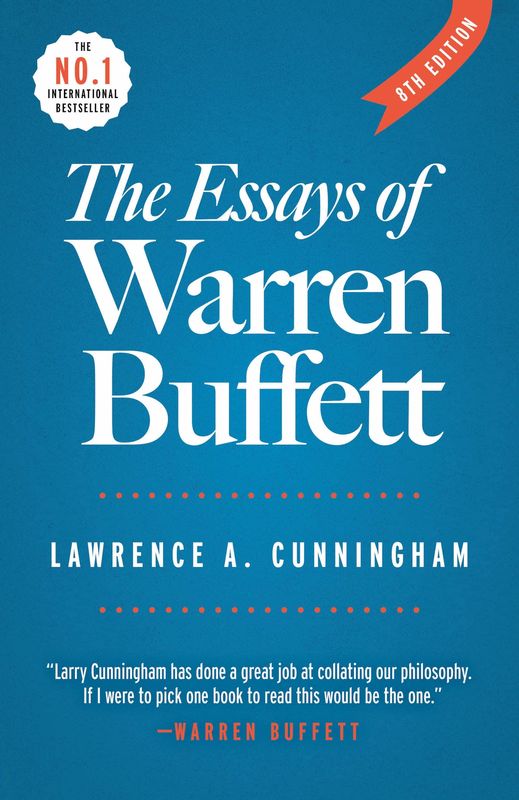
The Essays of Warren Buffett Book Summary
In "The Essays of Warren Buffett," the legendary investor distills decades of wisdom into a compelling collection of insights on investing, business, and life. Through a series of thought-provoking essays, Buffett shares his unique perspective on risk, value, and the importance of patience in the tumultuous world of finance. His distinctive voice combines humor with profound lessons, making complex concepts accessible to both novice investors and seasoned pros. As you delve into his reflections, you'll uncover the principles that have guided his success and how they can be applied to your own financial journey. Prepare to be inspired and challenged to rethink your approach to investing and wealth-building!
Showing 8 of 29 similar books
Take your reading experience to the next level
Download our mobile app to enjoy your favorite books on the go. Get access to exclusive features, offline listening, and personalized recommendations.

Similar Book Recommendations →

Bill Ackman's Book Recommendations
Bill Ackman is an American hedge fund manager and founder of Pershing Square Capital Management, known for his activist investing style. Ackman has been involved in high-profile investment battles, including his campaigns against companies like Herbalife and his successful turnaround of companies like Canadian Pacific Railway. He is known for taking bold, contrarian positions and for his ability to influence corporate governance through shareholder activism. Ackman’s investing philosophy focuses on long-term value creation, and he has become one of the most recognized figures in the finance world.

Shane Parrish's Book Recommendations
Shane Parrish is a renowned author and the founder of Farnam Street, a popular blog dedicated to personal development and decision-making. His insightful writings delve into mental models, critical thinking, and learning strategies, earning him a significant following among intellectuals and professionals alike. Parrish's work emphasizes the importance of continuous learning and thinking differently to achieve success. He is also the host of "The Knowledge Project" podcast, where he interviews leading thinkers to uncover their wisdom. His contributions have made a substantial impact on how readers approach problem-solving and personal growth.

David Heinemeier Hansson's Book Recommendations
David Heinemeier Hansson, also known as DHH, is a Danish programmer, entrepreneur, and author, best known as the creator of Ruby on Rails, a popular web application framework. Heinemeier Hansson is also a partner at Basecamp, a project management and collaboration software company he co-founded. His contributions to software development have earned him widespread recognition, with Ruby on Rails being used by thousands of developers and companies worldwide. Heinemeier Hansson is also a vocal advocate for remote work, simplicity in business, and sustainable work practices, ideas he explores in his bestselling books Rework and It Doesn’t Have to Be Crazy at Work. In addition to his work in tech, he is an accomplished race car driver, having competed in the 24 Hours of Le Mans. Heinemeier Hansson’s approach to work-life balance and entrepreneurship has made him a thought leader in the tech community, where he continues to challenge traditional business practices and advocate for more human-centered approaches to work

Julian Shapiro's Book Recommendations
Julian Shapiro is a renowned writer and entrepreneur, acclaimed for his insightful essays on personal growth and marketing strategies. He is the author of "The Julian Shapiro Collection," a compilation of his most impactful writings that have garnered a wide readership online. Shapiro co-founded the growth marketing agency Bell Curve, where he has helped numerous startups achieve exponential growth. His work often blends practical advice with deep philosophical inquiries, making complex subjects accessible to a broad audience. Through his prolific writing and entrepreneurial ventures, Julian has become a key figure in the intersection of business and self-improvement literature.

Naval Ravikant's Book Recommendations
Naval Ravikant is an entrepreneur, angel investor, and philosopher, best known as the co-founder of AngelList, a platform that connects startups with investors. Ravikant is a prolific thinker and writer on topics such as startups, investing, and personal well-being, sharing his wisdom through essays, podcasts, and social media. He has invested in over 100 companies, including Uber, Twitter, and Yammer, making him one of Silicon Valley’s most successful angel investors. Ravikant is also known for his philosophical musings on wealth, happiness, and the meaning of life, which have garnered him a large and dedicated following.

Michael Burry's Book Recommendations
Michael Burry is an American investor, hedge fund manager, and physician who gained widespread recognition for his prescient prediction of the subprime mortgage crisis, which he detailed in his now-famous bet against the housing market. This bold move was chronicled in Michael Lewis's bestselling book "The Big Short," and later adapted into an Oscar-winning film of the same name. Burry founded the hedge fund Scion Capital, which he ran from 2000 to 2008, generating substantial profits for his investors. Beyond his investment acumen, Burry is known for his deep analytical approach and his contributions to financial literature through various articles and public commentary. His work continues to influence and inspire both financial professionals and enthusiasts.

Charlie Munger's Book Recommendations
Charlie Munger is an American investor, businessman, and philanthropist, best known as the vice chairman of Berkshire Hathaway, where he partners with Warren Buffett. Renowned for his insights on investment strategies and mental models, Munger has significantly influenced the world of finance. His notable literary contributions include "Poor Charlie's Almanack," a compilation of his speeches and writings that distill his wisdom on decision-making and business principles. Munger's work emphasizes the importance of multidisciplinary thinking and continuous learning. Beyond his financial acumen, he is celebrated for his charitable efforts, particularly in education and healthcare.

Ray Dalio's Book Recommendations
Ray Dalio is the founder of Bridgewater Associates, one of the largest and most successful hedge funds in the world. He is also the author of the bestselling book Principles, where he outlines his philosophy on life, leadership, and investing. Ray is renowned for his unique approach to transparency, radical truth, and thoughtful disagreement within organizations. His insights into economics and investing have made him one of the most influential figures in the financial world. Dalio continues to be a thought leader in business, economics, and philanthropy.
Showing 8 of 24 related collections
“"In the world of investing, it's not just about the numbers; it's about understanding the human psyche, the market's heartbeat, and your own discipline."”
No Bull
By Michael Steinhardt
Frequently Asked Questions
Explore Our Catalogue
Discover a world of knowledge through our extensive collection of book summaries.
Genres
Genres
Genres
Featured Collections
- Top Book Club Picks
- One-Stop Nutrition
- Summer Reads 2024
- Best Beach Reads 2024
- Work-Life Balance Guide
- Time Management
- Healthy Foods
- Entrepreneur Toolkit
- Mind & Body Wellness
- Future Tech Insights
- Leadership Essentials
- Financial Freedom
- Sci-Fi Masterpieces
- Parenting 101
- Books That Became Blockbusters
- Guide to a Healthy Pregnancy