On Inequality Book Summary
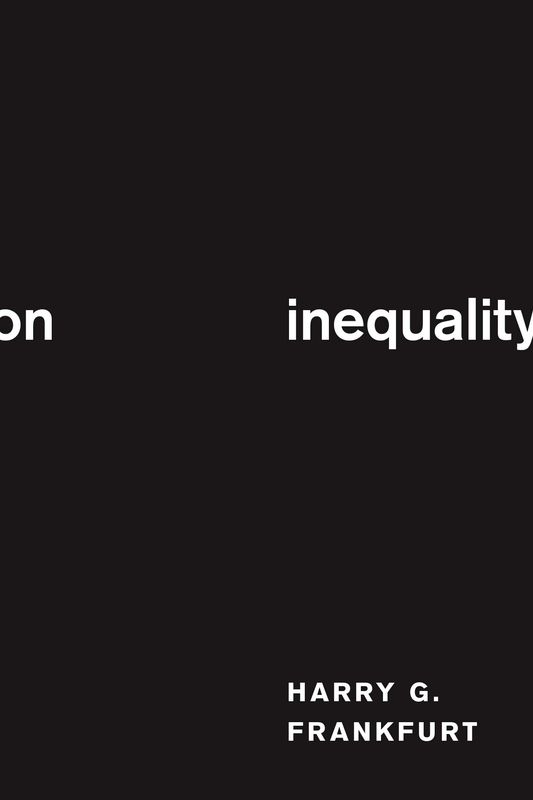
In 'On Inequality,' Harry G. Frankfurt challenges conventional notions about wealth distribution and the morality of inequality. He argues that the real issue lies not in material disparity, but in the lack of respect for individual dignity. Frankfurt delves into philosophical questions about what truly matters in society and provocatively asserts that extreme inequality is less concerning than the moral attitudes it breeds. With compelling clarity, he invites readers to reconsider what it means to lead a fulfilling life amidst economic disparities. This thought-provoking book will leave you questioning your own beliefs about justice and social responsibility.
By Harry G. Frankfurt
Published: 2015
"Inequality is not merely a matter of wealth; it reflects the deeper issues of justice and human dignity."

Start Listening to Book Summary
Book Review of On Inequality
From the author of the #1 New York Times bestseller On Bullshit, the case for worrying less about the rich and more about the poor Economic inequality is one of the most divisive issues of our time. Yet few would argue that inequality is a greater evil than poverty. The poor suffer because they don't have enough, not because others have more, and some have far too much. So why do many people appear to be more distressed by the rich than by the poor? In this provocative book, the #1 New York Times bestselling author of On Bullshit presents a compelling and unsettling response to those who believe that the goal of social justice should be economic equality or less inequality. Harry Frankfurt, one of the most influential moral philosophers in the world, argues that we are morally obligated to eliminate poverty—not achieve equality or reduce inequality. Our focus should be on making sure everyone has a sufficient amount to live a decent life. To focus instead on inequality is distracting and alienating. At the same time, Frankfurt argues that the conjunction of vast wealth and poverty is offensive. If we dedicate ourselves to making sure everyone has enough, we may reduce inequality as a side effect. But it’s essential to see that the ultimate goal of justice is to end poverty, not inequality. A serious challenge to cherished beliefs on both the political left and right, On Inequality promises to have a profound impact on one of the great debates of our time.
Book Overview of On Inequality
About the Book Author
Harry G. Frankfurt
Harry G. Frankfurt is an esteemed American philosopher and author, renowned for his influential contributions to moral philosophy and the philosophy of language. Born in 1929, Frankfurt is best known for his works such as "On Bullshit," a seminal essay that explores the philosophy of nonsense and the significance of truthfulness. His writing style is characterized by clarity and incisiveness, often illustrating complex philosophical concepts with accessible examples. Frankfurt's other notable works include "Freedom of the Will and the Concept of a Person" and "The Reasons of Love," further establishing him as a key figure in contemporary philosophical thought.
Book Details
Key information about the book.
- Authors
- Harry G. Frankfurt
- Published
- September 2015
- Publisher
- Princeton University Press
- ISBN
- 0691167141
- Language
- English
- Pages
- 114
- Genres
- Social Justice MovementsPhilosophyEthics and MoralityPolitics and Current Affairs
Purchase Options
 Buy on Amazon
 Buy via BookShop
Support local bookstores: BookShop gives a portion of each sale to independent bookshops!
Similar books you might like →
Astrophysics for People in a Hurry Book Summary
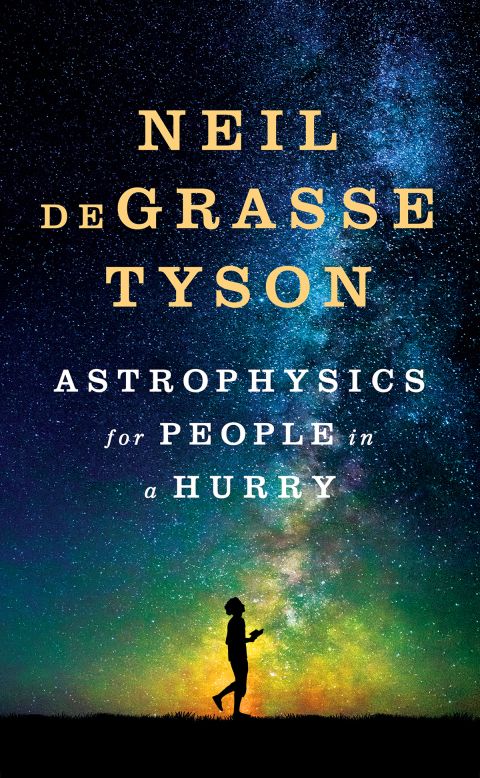
In "Astrophysics for People in a Hurry," Neil deGrasse Tyson takes readers on a whirlwind journey through the cosmos, unveiling the complex wonders of the universe in bite-sized pieces. He distills complex theories about black holes, dark matter, and the Big Bang into accessible narratives that spark curiosity and awe. With his signature wit and clarity, Tyson makes the grand tapestry of the universe relatable, inviting readers to ponder their place within it. This captivating exploration not only enlightens but also ignites a sense of wonder about the infinite possibilities of existence. Are you ready to embrace the mysteries of the universe, one brief chapter at a time?
Finite and Infinite Games Book Summary
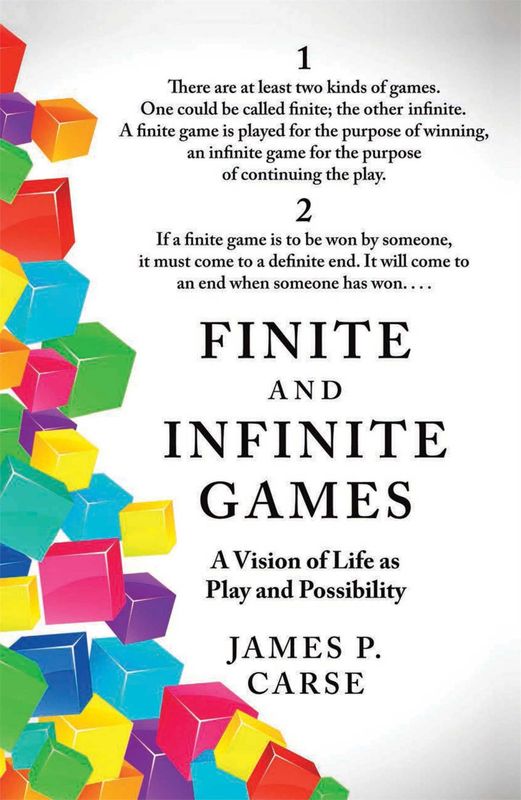
In 'Finite and Infinite Games', James Carse presents a thought-provoking exploration of two types of games that shape our lives. Finite games are about winning, clearly defined rules, and competition, while infinite games focus on the ongoing pursuit of growth and learning. This philosophical masterpiece challenges readers to rethink their motivations and the very nature of their existence. As Carse reveals the deeper implications of each game, it invites you to ponder whether you are living for a trophy or the journey itself. Prepare to be inspired to redefine success in a world dominated by finite thinking!
The Real Terror Network Book Summary
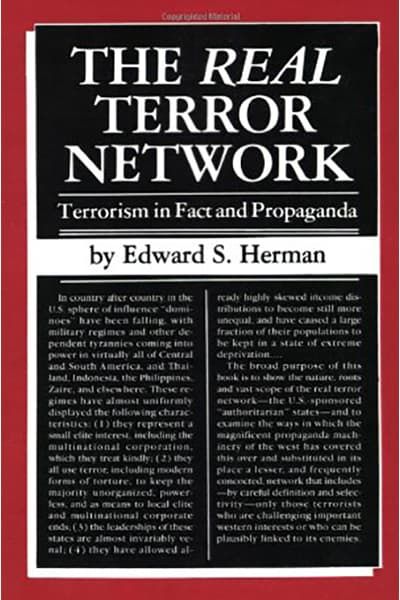
In 'The Real Terror Network', Edward S. Herman exposes the hidden agendas behind the use of terror as a political weapon. Delving into the global implications of state-sponsored terrorism, he challenges the conventional narrative surrounding its perpetrators and victims. Herman skillfully uncovers the stark contrast between public perception and the realities behind international conflicts. This thought-provoking analysis invites readers to question who the true terrorists are and why their actions often go unpunished. Prepare to have your beliefs overturned as Herman intricately weaves history with contemporary events, forcing us to rethink the nature of terror.
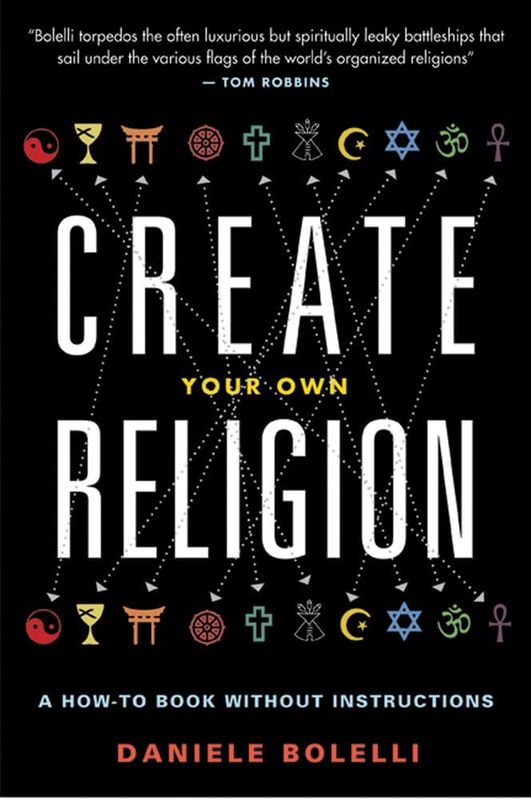
Create Your Own Religion Book Summary
In 'Create Your Own Religion,' Daniele Bolelli invites readers to embark on an exhilarating journey of self-discovery and belief formation. With a mix of philosophy, personal anecdotes, and practical exercises, he challenges the conventional religious paradigms and empowers individuals to craft a spiritual framework that resonates with their unique experiences. This book blends humor and intellect, prompting readers to question societal norms and explore their own existential questions. Bolelli’s charismatic voice and thought-provoking insights make this exploration of spirituality both engaging and liberating. Are you ready to break free from tradition and design your own path to meaning?

Cyrano de Bergerac Book Summary
In the poetic and romantic play 'Cyrano de Bergerac', a witty and fiercely eloquent soldier with an excessively large nose, Cyrano, bravely navigates love, friendship, and honor. He harbors deep feelings for his beautiful cousin Roxane but believes his appearance makes him unworthy of her affection. Instead, he helps the handsome but inarticulate Christian woo her, using his own eloquence to create passionate letters and speeches. As the story unfolds, themes of self-doubt, unrequited love, and the complexities of identity take center stage, leading to a heart-wrenching conclusion. Will Cyrano ever reveal his true feelings, or will he forever remain in the shadows of his own insecurities?
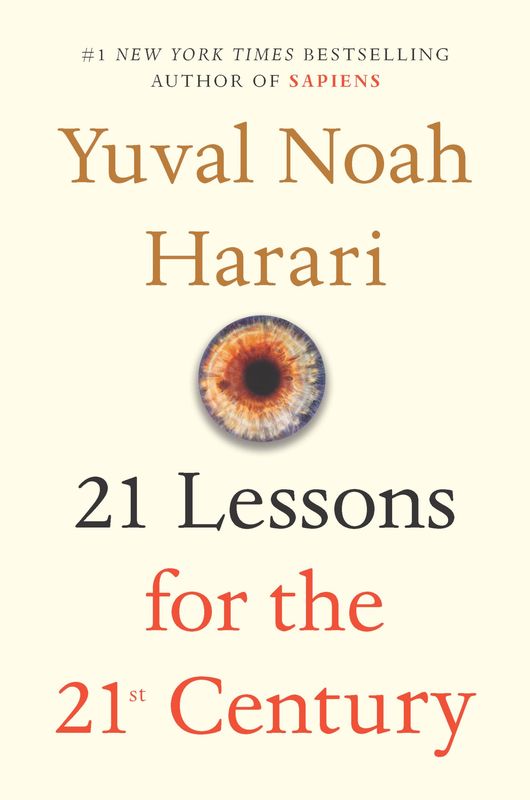
21 Lessons for the 21st Century Book Summary
In '21 Lessons for the 21st Century', Yuval Noah Harari navigates the complex landscape of today's world, tackling urgent questions about our future. From the impact of technology on society to the challenges of political stability, each lesson provokes thought and introspection. Harari explores key themes such as the rise of artificial intelligence, the significance of data, and the importance of meaning in an increasingly uncertain world. With a blend of history, philosophy, and science, the book invites readers to reflect on their roles in shaping a shared future. Will we adapt, or become obsolete? Dive in to uncover the lessons that could redefine humanity's path.
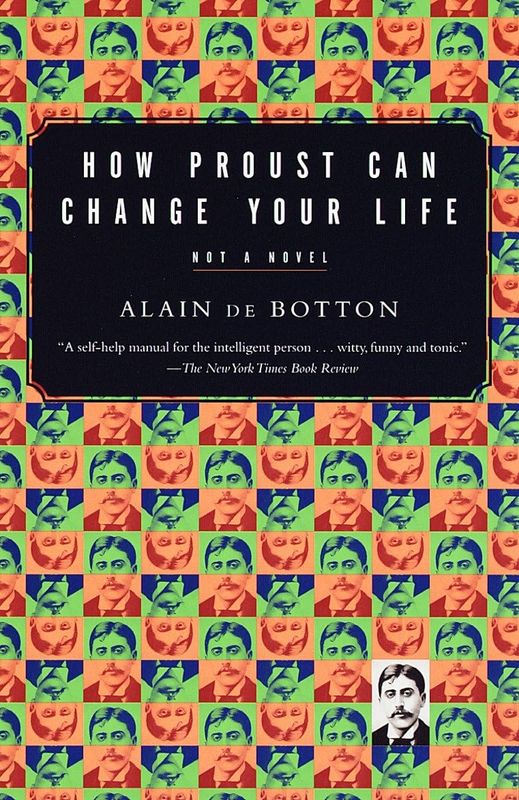
How Proust Can Change Your Life Book Summary
In 'How Proust Can Change Your Life,' Alain De Botton illuminates the profound wisdom of Marcel Proust, revealing how his insights can enhance our everyday existence. Through a blend of humor and philosophy, De Botton explores themes like love, art, and the search for identity, encouraging readers to embrace their inner selves. He posits that Proust's reflections on memory and experience can lead to a deeper understanding of happiness and fulfillment. With anecdotes and practical advice, this book serves as a guide to transforming mundane life into something extraordinary. Discover how Proust can inspire you to rethink your own journey and find beauty in the ordinary.

If the Universe Is Teeming with Aliens ... WHERE IS EVERYBODY? Book Summary
In 'If the Universe Is Teeming with Aliens ... WHERE IS EVERYBODY?', Stephen Webb explores the tantalizing paradox of the Fermi question: if the cosmos is filled with extraterrestrial life, why haven't we encountered any? Through a captivating blend of science, philosophy, and speculation, Webb presents intriguing theories and potential explanations for the silence of the universe. He delves into topics such as the vastness of space, technological limitations, and the nature of life itself. Each chapter unravels more mysteries, keeping readers on the edge of their seats. This thought-provoking journey compels us to reconsider our place in the universe and the possibilities that lie beyond our planet.
Showing 8 of 29 similar books
Take your reading experience to the next level
Download our mobile app to enjoy your favorite books on the go. Get access to exclusive features, offline listening, and personalized recommendations.

Similar Book Recommendations →

Chris Dixon's Book Recommendations
Chris Dixon is a notable venture capitalist and technology entrepreneur, best known for his influential role as a general partner at Andreessen Horowitz, where he leads investments in cryptocurrency and blockchain technology. Before joining the firm, Dixon co-founded two startups: SiteAdvisor, a web security company acquired by McAfee, and Hunch, a recommendation engine acquired by eBay. In addition to his investment career, Dixon is a prolific writer and thought leader on technology and innovation, contributing insightful essays and articles to various platforms such as his personal blog and Medium. His writings often explore the future of technology, the internet, and the impact of blockchain, making significant contributions to contemporary tech literature. Dixon's work has earned him recognition as a visionary in both the tech and literary worlds.

Alexandria Ocasio-Cortez's Book Recommendations
Alexandria Ocasio-Cortez, also known as AOC, is a U.S. Congresswoman representing New York's 14th district. She gained national attention after winning her seat in 2018 at the age of 29, making her one of the youngest women ever elected to Congress. Ocasio-Cortez is known for her progressive policies, advocating for issues such as Medicare for All, climate change action, and economic justice. She has become a prominent figure within the Democratic Party and uses social media to engage with constituents and the public. Her rise from grassroots activism to Congress has inspired many young people to get involved in politics.
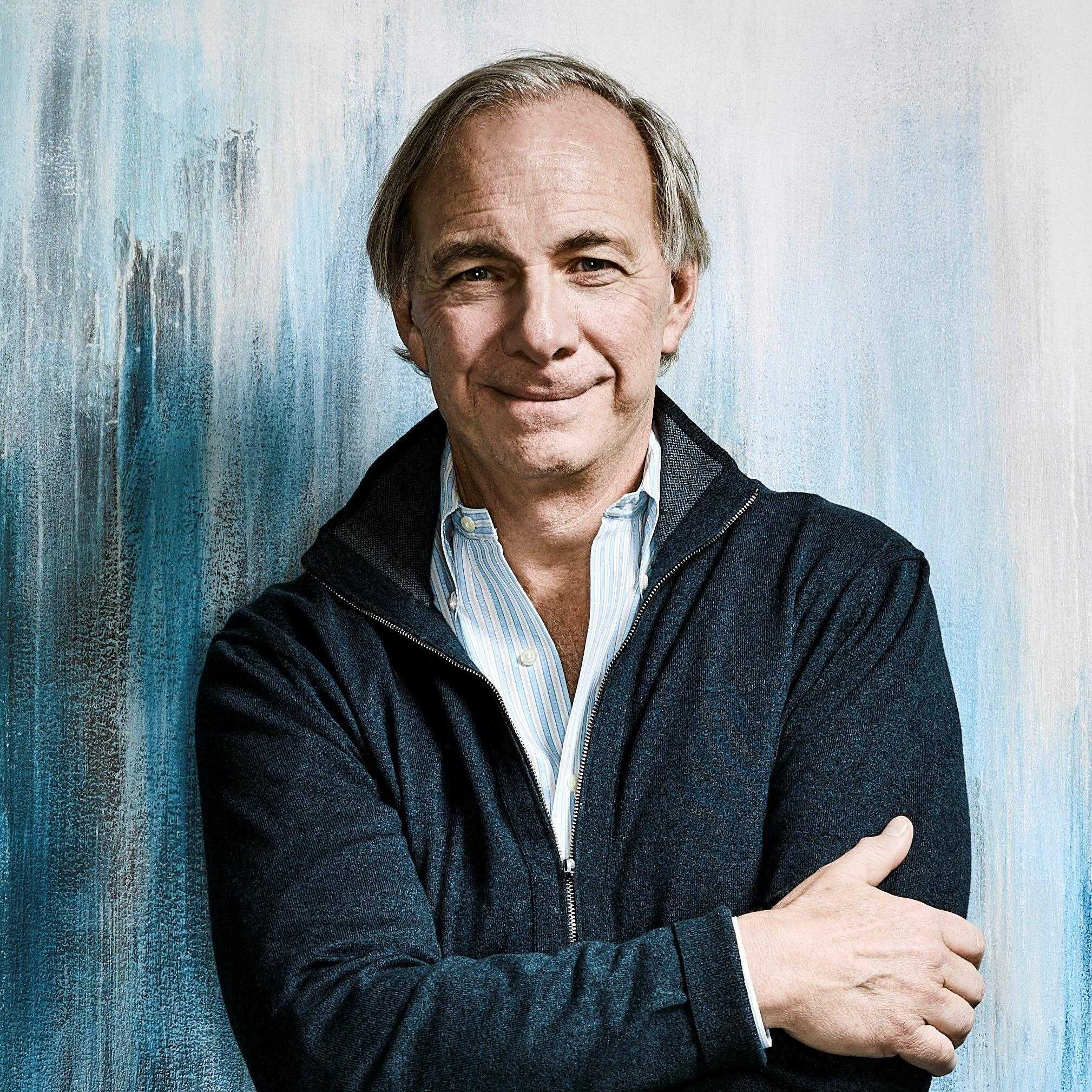
Ray Dalio's Book Recommendations
Ray Dalio is the founder of Bridgewater Associates, one of the largest and most successful hedge funds in the world. He is also the author of the bestselling book Principles, where he outlines his philosophy on life, leadership, and investing. Ray is renowned for his unique approach to transparency, radical truth, and thoughtful disagreement within organizations. His insights into economics and investing have made him one of the most influential figures in the financial world. Dalio continues to be a thought leader in business, economics, and philanthropy.

Barack Obama's Book Recommendations
Barack Obama is the 44th President of the United States, serving from 2009 to 2017. As the first African American president, Obama’s leadership marked a historic moment in American history. His administration focused on healthcare reform, economic recovery from the Great Recession, and environmental policies. He is best known for the Affordable Care Act, as well as his efforts to expand civil rights and restore diplomatic relations with Cuba. Since leaving office, Obama has continued to engage in public life through his foundation, focusing on leadership development, civic engagement, and global issues.

Jon Stewart's Book Recommendations
Jon Stewart is an American comedian, writer, and former host of The Daily Show, where he gained fame for his satirical take on news and politics. Stewart transformed The Daily Show into a critical voice in American media, blending humor with hard-hitting commentary on political and social issues. After stepping down from the show, Stewart has continued to advocate for causes like 9/11 first responders and veterans' rights. He is also a filmmaker, directing the political satire film Irresistible. Stewart remains a significant figure in American culture, known for his wit, activism, and influence on political discourse.

Daniel Burka's Book Recommendations
Daniel Burka is a prominent figure in the tech and design world, best known for his significant contributions to digital product design. As a design partner at GV (formerly Google Ventures), he has played a crucial role in shaping the user experience of numerous successful startups. Burka co-founded the design agency MetaLab, which has worked with top-tier clients like Slack and Coinbase. Additionally, his work at Digg as the Director of Design helped pioneer social media design trends in the early 2000s. While not primarily an author, Burka's influence extends into literature through his insightful writings and talks on design and innovation.
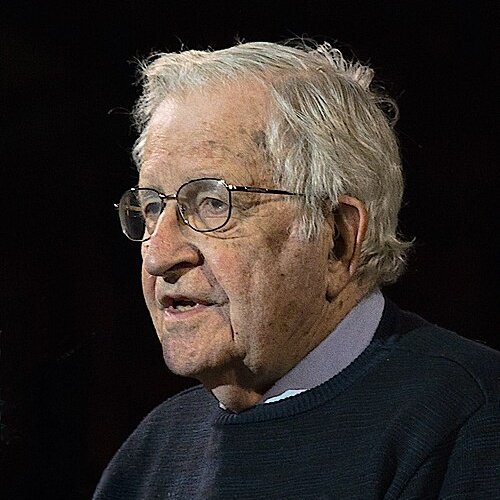
Noam Chomsky's Book Recommendations
Noam Chomsky, born December 7, 1928, is an influential American linguist, philosopher, cognitive scientist, historian, and social critic. He revolutionized the field of linguistics with his theory of generative grammar, particularly through his seminal work, "Syntactic Structures" (1957). Chomsky's contributions extend beyond linguistics to political activism, where he is known for his critiques of U.S. foreign policy and media, encapsulated in works like "Manufacturing Consent" (1988). As a professor emeritus at MIT, his interdisciplinary approach has significantly impacted cognitive science, philosophy of language, and political thought. Chomsky remains a prolific author and speaker, continuing to shape academic and public discourses.

Mark Manson's Book Recommendations
Mark Manson is a best-selling author and personal development expert known for his candid and no-nonsense approach to self-help. His most notable work, "The Subtle Art of Not Giving a F*ck," has sold millions of copies worldwide and has been translated into numerous languages, resonating with readers for its practical advice and irreverent tone. Manson followed up with another successful book, "Everything Is F*cked: A Book About Hope," which further cemented his reputation as a thought leader in modern existentialism. In addition to his books, he runs a popular blog that delves into topics ranging from happiness to personal growth. His work has not only transformed the self-help genre but also influenced a global audience seeking authentic and actionable guidance.
Showing 8 of 13 related collections
“Inequality is not merely a matter of wealth; it reflects the deeper issues of justice and human dignity.”
On Inequality
By Harry G. Frankfurt
Frequently Asked Questions
Explore Our Catalogue
Discover a world of knowledge through our extensive collection of book summaries.
Genres
Genres
Genres
Featured Collections
- Top Book Club Picks
- One-Stop Nutrition
- Summer Reads 2024
- Best Beach Reads 2024
- Work-Life Balance Guide
- Time Management
- Healthy Foods
- Entrepreneur Toolkit
- Mind & Body Wellness
- Future Tech Insights
- Leadership Essentials
- Financial Freedom
- Sci-Fi Masterpieces
- Parenting 101
- Books That Became Blockbusters
- Guide to a Healthy Pregnancy