Order without Design Book Summary
In 'Order without Design,' Alain Bertaud challenges conventional urban planning with a compelling argument for self-organizing cities. He emphasizes the importance of market forces and informal processes in shaping urban environments, pushing against top-down design principles. Through a blend of practical examples and insightful analysis, Bertaud reveals how vibrant urban life can thrive without strict regulatory frameworks. This thought-provoking exploration invites readers to reconsider how we build and inhabit our cities. Are we stifling urban potential with excessive control, or can we unleash creativity through freedom?
By Alain Bertaud
Published: 2018
""In the dance of urban development, it is the spontaneous order that shapes cities more than the meticulous designs of planners.""


Start Listening to Book Summary
Book Review of Order without Design
An argument that operational urban planning can be improved by the application of the tools of urban economics to the design of regulations and infrastructure. Urban planning is a craft learned through practice. Planners make rapid decisions that have an immediate impact on the ground—the width of streets, the minimum size of land parcels, the heights of buildings. The language they use to describe their objectives is qualitative—“sustainable,” “livable,” “resilient”—often with no link to measurable outcomes. Urban economics, on the other hand, is a quantitative science, based on theories, models, and empirical evidence largely developed in academic settings. In this book, the eminent urban planner Alain Bertaud argues that applying the theories of urban economics to the practice of urban planning would greatly improve both the productivity of cities and the welfare of urban citizens. Bertaud explains that markets provide the indispensable mechanism for cities' development. He cites the experience of cities without markets for land or labor in pre-reform China and Russia; this “urban planners' dream” created inefficiencies and waste. Drawing on five decades of urban planning experience in forty cities around the world, Bertaud links cities' productivity to the size of their labor markets; argues that the design of infrastructure and markets can complement each other; examines the spatial distribution of land prices and densities; stresses the importance of mobility and affordability; and critiques the land use regulations in a number of cities that aim at redesigning existing cities instead of just trying to alleviate clear negative externalities. Bertaud concludes by describing the new role that joint teams of urban planners and economists could play to improve the way cities are managed.
Book Overview of Order without Design
About the Book Author
Alain Bertaud
Alain Bertaud is a renowned urban planner and author whose work focuses on the relationship between urban planning and economic development. He is known for his notable works such as "Order Without Design: How Markets Shape Cities" and has contributed significantly to the understanding of how cities function and evolve. Bertaud's writing is characterized by a rigorous analytical approach, blending theoretical insights with practical applications, making complex concepts accessible to a broad audience. His expertise is often sought in discussions about sustainable urban growth and the role of market mechanisms in city planning.
Book Details
Key information about the book.
- Authors
- Alain Bertaud
- Published
- December 2018
- Publisher
- MIT Press
- ISBN
- 0262038765
- Language
- English
- Pages
- 433
- Genres
- Business and EconomicsEconomic Policy
Purchase Options
 Buy on Amazon
 Buy via BookShop
Support local bookstores: BookShop gives a portion of each sale to independent bookshops!
Similar books you might like →
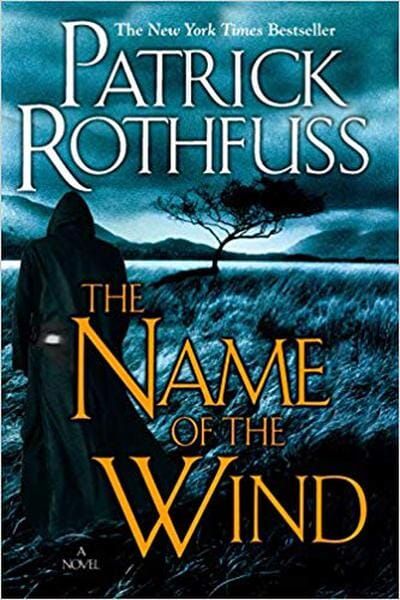
The Name of the Wind Book Summary
In "The Name of the Wind," follow Kvothe, a gifted young man with a tumultuous past, as he weaves his extraordinary life story. From his harrowing childhood as a traveling performer to his years at an elite university, Kvothe's journey is filled with magic, music, and mystery. As he seeks to uncover the truth behind the legendary beings known as the Chandrian, he grapples with love, loss, and the weight of his own destiny. With each page, the line between myth and reality blurs, revealing the man behind the legend. Prepare to be captivated by a tale that explores the power of storytelling itself, leaving you yearning for more as the secrets of Kvothe's world unfold.
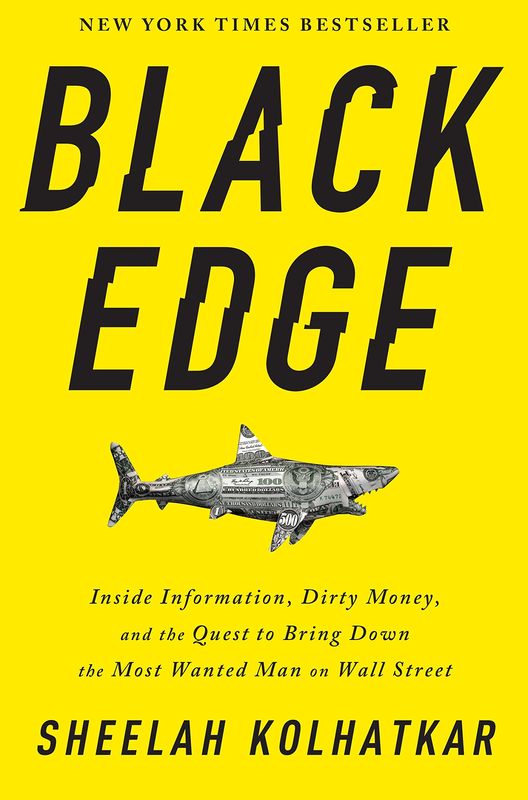
Black Edge Book Summary
In "Black Edge," investigative journalist Sheelah Kolhatkar delves into the high-stakes world of hedge funds and the enigmatic figure of Steven A. Cohen. As she unravels the saga of insider trading, greed, and Wall Street's murky ethics, the book pulls readers into a gripping tale of ambition that spans decades. With intellectual prowess and audacious risk-taking, Cohen's rise to power raises questions about the moral compass of finance. Kolhatkar's penetrating analysis unveils the dark side of wealth and the relentless pursuit of success, leaving readers questioning the true cost of ambition. Will you dare to uncover the secrets of a financial titan and the shadowy underworld they inhabit?
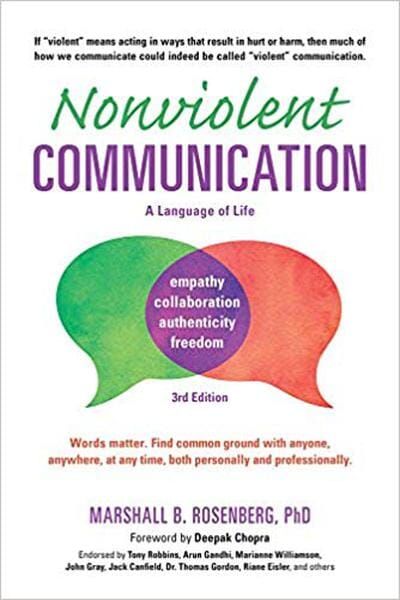
Nonviolent Communication Book Summary
In 'Nonviolent Communication,' Marshall B. Rosenberg unveils a transformative approach to communication that fosters empathy and connection. He illustrates how breaking down barriers in dialogue can lead to understanding and compassion, rather than conflict. This book guides readers to express their needs authentically and listen deeply to others, cultivating healthier relationships. With real-life examples and practical strategies, Rosenberg's teachings empower individuals to navigate challenging conversations with grace. Discover the power of words to heal and unite in this enlightening exploration of human connection.
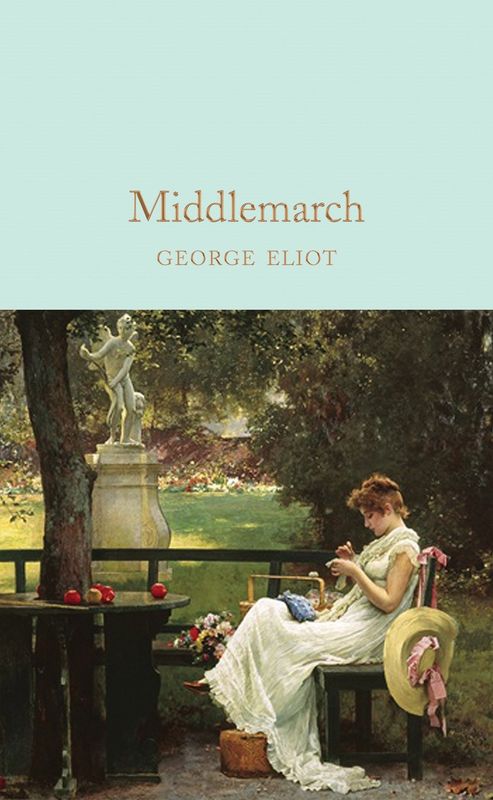
Middlemarch Book Summary
In 'Middlemarch', George Eliot weaves a tapestry of interconnected lives in a provincial English town during the early 19th century. The novel explores the aspirations, disappointments, and moral dilemmas of its vibrant characters, including the idealistic Dorothea Brooke and the ambitious Tertius Lydgate. As their personal struggles unfold against the backdrop of social and political change, the reader is drawn into a rich examination of love, ambition, and the quest for meaning. Eliot's intricate narrative challenges societal norms and offers profound insights into human nature. Will the characters find fulfillment or be ensnared by the very society they strive to change?
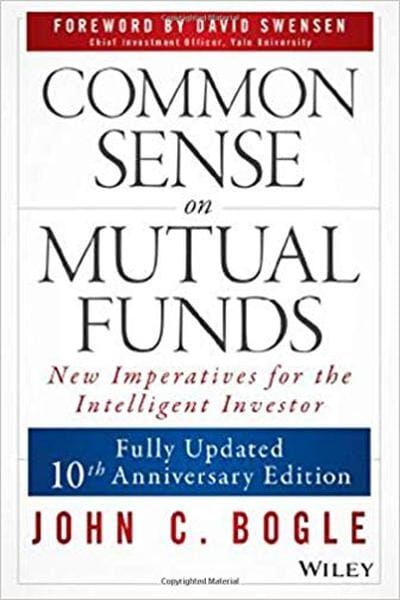
Common Sense on Mutual Funds Book Summary
In 'Common Sense on Mutual Funds', investment pioneer John C. Bogle shares revolutionary insights into how mutual funds operate and how they can serve as a powerful tool for building wealth. With clarity and humor, Bogle demystifies the complexities of investing, exposing often-overlooked truths about fees, performance, and market efficiency. He advocates for a low-cost, long-term investment strategy that empowers everyday investors to make informed decisions. The book is not just a guide; it's a manifesto for financial literacy and prudence in a world rife with marketing hype. Dive into Bogle's wisdom to discover how you can navigate the investment landscape with confidence!

Skin in the Game Book Summary
In 'Skin in the Game,' Nassim Nicholas Taleb explores the profound risks of decision-making that doesn't involve personal stakes. He unveils how those with power often evade the consequences of their actions while the vulnerable bear the brunt of systemic failures. Through compelling anecdotes and sharp insights, Taleb emphasizes the importance of having 'skin in the game' in economics, politics, and life. His thought-provoking arguments challenge conventional wisdom and demand accountability in our interconnected worlds. This book is an essential read for anyone seeking to understand the real implications of risk and responsibility.
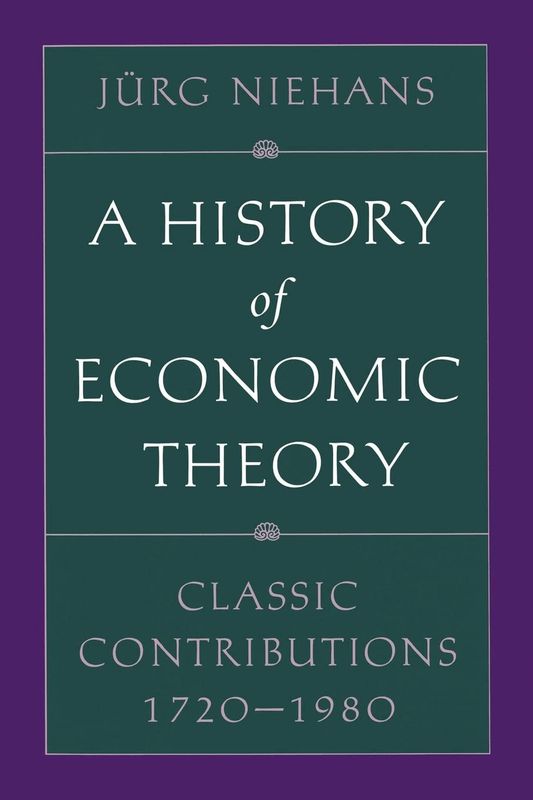
A History of Economic Theory Book Summary
In 'A History of Economic Theory', Jürg Niehans takes readers on a captivating journey through the evolution of economic thought. From ancient philosophies to contemporary paradigms, the book unravels how ideas have shaped economic practices across cultures and eras. With each chapter, Niehans reveals the intellectual battles and breakthroughs that have defined the discipline. Rich in historical context, this work challenges readers to consider the relevance of past theories in today's economy. Dive into this scholarly adventure and discover how the past continually influences our understanding of wealth and value.

Economics in One Lesson Book Summary
In 'Economics in One Lesson,' Henry Hazlitt distills complex economic principles into a straightforward narrative that reveals how economic decisions can have far-reaching consequences. He stresses the importance of considering the long-term effects of policies on all groups, not just the immediate beneficiaries. Through compelling examples and clear reasoning, Hazlitt debunks popular misconceptions about economics, advocating for free markets and personal responsibility. This classic work challenges readers to rethink their understanding of wealth, prosperity, and government intervention. Dive into Hazlitt's insightful exploration and discover how economics shapes not only markets but our everyday lives.
Showing 8 of 28 similar books
Take your reading experience to the next level
Download our mobile app to enjoy your favorite books on the go. Get access to exclusive features, offline listening, and personalized recommendations.

Similar Book Recommendations →
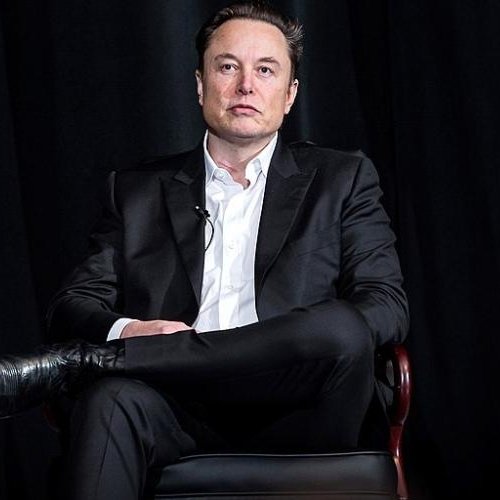
Elon Musk's Book Recommendations
Elon Musk is an influential entrepreneur and innovator known for founding and leading several groundbreaking companies, including Tesla, SpaceX, Neuralink, and The Boring Company. He has played a pivotal role in advancing electric vehicles, space exploration, and renewable energy. Musk's vision extends to colonizing Mars and reducing the risk of human extinction through space travel. In addition to his technological contributions, he has co-authored the book "Spacex: Making Commercial Spaceflight a Reality," providing insights into his ambitious projects and vision for the future. Musk's relentless pursuit of innovation continues to shape the trajectory of multiple industries.
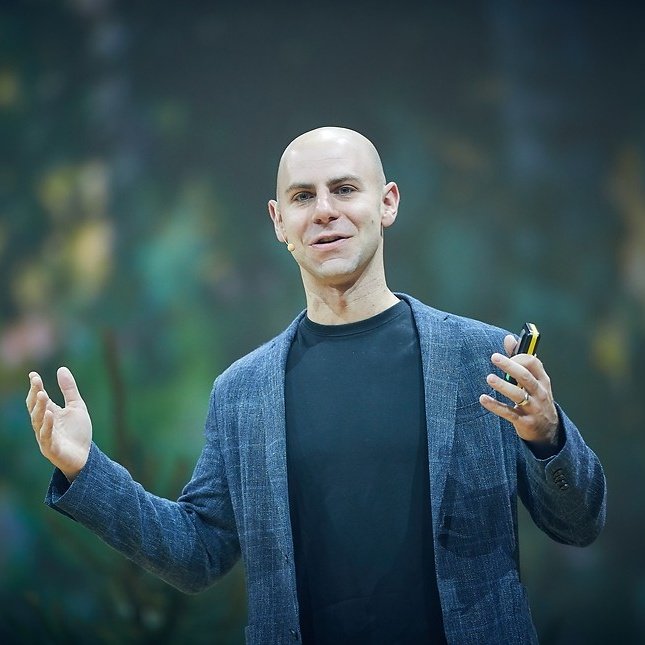
Adam Grant's Book Recommendations
Adam Grant is a renowned organizational psychologist and bestselling author, celebrated for his influential work on motivation and workplace dynamics. He is a professor at the Wharton School of the University of Pennsylvania, where he has been the youngest tenured professor and earned numerous teaching awards. Grant's books, including "Give and Take," "Originals," and "Think Again," have been translated into multiple languages and have topped bestseller lists worldwide. His research and insights are frequently featured in major media outlets, and he hosts the popular podcast "WorkLife." Through his writing and speaking, Grant has profoundly impacted the fields of psychology, business, and education.

Ana Fabrega's Book Recommendations
Ana Lorena Fabrega is an innovative educator and author passionate about reimagining education. Known as “Ms. Fab,” she is the Chief Evangelist at Synthesis, an education startup inspired by the problem-solving and collaboration model used at SpaceX. She advocates for alternative learning methods, encouraging curiosity and creativity in students. Ana's work emphasizes the importance of engaging young learners in real-world challenges and critical thinking. She also shares insights on education reform through her popular newsletter, Fab Fridays.
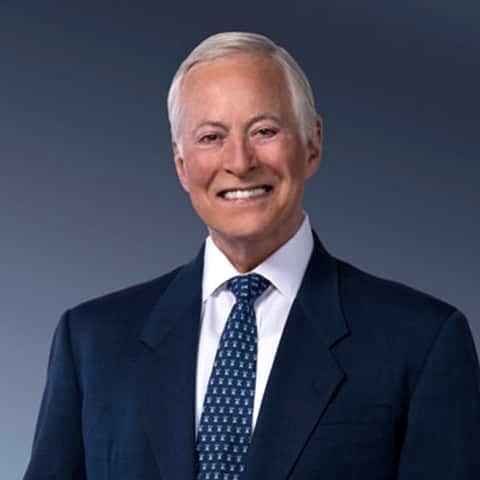
Brian Tracy's Book Recommendations
Brian Tracy is a renowned Canadian-American motivational speaker, self-development author, and business consultant. He has written over 70 books, including bestsellers like "Eat That Frog!" and "The Psychology of Achievement," which have been translated into dozens of languages. Tracy's work primarily focuses on personal success, leadership, time management, and sales strategies. He has also delivered over 5,000 speeches and seminars around the world, inspiring millions to improve their lives and careers. His practical advice and actionable insights have cemented his reputation as a leading authority in personal and professional development.

Alexis Ohanian's Book Recommendations
Alexis Ohanian is an American entrepreneur, investor, and co-founder of Reddit, one of the world’s most popular social news and discussion platforms. Ohanian is also a prominent advocate for open internet and net neutrality, and he has invested in numerous startups through his venture capital firm, Initialized Capital. In addition to his work in tech, Ohanian is involved in philanthropy, supporting causes related to women’s rights, education, and social justice. He is married to tennis star Serena Williams, and together they advocate for gender equality and inclusive leadership. Ohanian’s influence in the tech world and his commitment to social impact have made him a respected figure in both business and activism.

Changpeng Zhao's Book Recommendations
Changpeng Zhao, commonly known as "CZ," is a prominent figure in the cryptocurrency world and the founder and CEO of Binance, the world's largest cryptocurrency exchange by trading volume. Although not a traditional literary figure, Zhao has significantly contributed to the understanding and proliferation of blockchain technology through numerous articles, interviews, and public speaking engagements. His insights and leadership have been instrumental in shaping modern digital finance. Zhao's journey from coding at Bloomberg to creating Binance has been documented in various publications, shedding light on the transformative potential of cryptocurrencies. Through his work, CZ continues to influence both the financial and technological landscapes globally.

Alex Honnold's Book Recommendations
Alex Honnold is an American professional rock climber, best known for his free solo ascent of El Capitan in Yosemite National Park, a feat that was documented in the Oscar-winning film Free Solo. Honnold is renowned for his mental toughness, technical skill, and ability to climb without ropes or safety equipment. His accomplishments have made him a legend in the climbing world, and he continues to push the boundaries of the sport. Outside of climbing, Honnold is a philanthropist, founding the Honnold Foundation, which supports environmental sustainability projects, particularly in solar energy.

Brad Feld's Book Recommendations
Brad Feld is a prominent American entrepreneur, venture capitalist, and author known for his influential work in the startup ecosystem. Co-founder of the Foundry Group, he has played a pivotal role in funding and mentoring early-stage technology companies. Feld is also a key figure behind the Techstars accelerator program, which has helped launch numerous successful startups. As an author, he has penned several essential books on entrepreneurship and venture capital, including "Venture Deals" and "Startup Communities," which provide invaluable insights for aspiring entrepreneurs and investors. His writings and active blogging have cemented his reputation as a thought leader in the tech and startup communities.
Showing 8 of 14 related collections
“"In the dance of urban development, it is the spontaneous order that shapes cities more than the meticulous designs of planners."”
Order without Design
By Alain Bertaud
Frequently Asked Questions
Explore Our Catalogue
Discover a world of knowledge through our extensive collection of book summaries.
Genres
Genres
Genres
Featured Collections
- Top Book Club Picks
- One-Stop Nutrition
- Summer Reads 2024
- Best Beach Reads 2024
- Work-Life Balance Guide
- Time Management
- Healthy Foods
- Entrepreneur Toolkit
- Mind & Body Wellness
- Future Tech Insights
- Leadership Essentials
- Financial Freedom
- Sci-Fi Masterpieces
- Parenting 101
- Books That Became Blockbusters
- Guide to a Healthy Pregnancy