Part of Nature, Part of Us Book Summary
By Helen Vendler
Published: 1980


Start Listening to Book Summary
Book Review of Part of Nature, Part of Us
A collection of book reviews and essays on more than forty modern American poets.
Book Overview of Part of Nature, Part of Us
About the Book Author
Helen Vendler
Helen Vendler is an acclaimed American literary critic, poet, and professor, renowned for her insightful analyses of poetry. She has published several notable works including "Part of Nature, Part of Us: Maintaining a Romantic Poetry" and "Poets Thinking: Pope, Whitman, Dickinson, Yeats". Vendler's writing is characterized by its rigorous attention to language and form, as well as its philosophical depth, making her a prominent voice in contemporary literary criticism.
Book Details
Key information about the book.
- Authors
- Helen Vendler
- Published
- January 1980
- Publisher
- Cambridge, Mass. : Harvard University Press
- ISBN
- N/A
- Language
- English
- Pages
- 402
- Genres
- Science and NatureEnvironmental Science
Purchase Options
 Buy on Amazon
 Buy via BookShop
Support local bookstores: BookShop gives a portion of each sale to independent bookshops!
Similar books you might like →
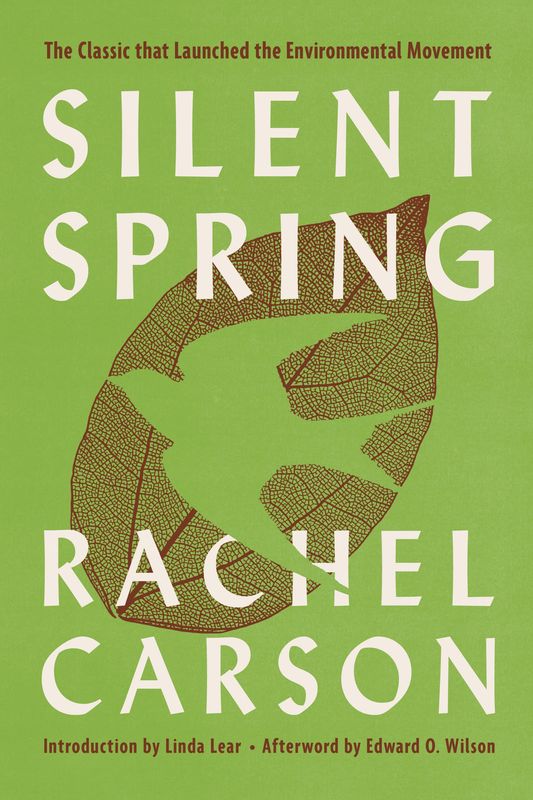
Silent Spring Book Summary
In "Silent Spring," Rachel Carson unveils the ecological consequences of pesticide use, painting a haunting portrait of a world silenced by chemical pollution. With gripping narrative and scientific precision, she reveals how toxins infiltrate the environment, threatening not just wildlife but human health. Carson's eloquent prose compels readers to confront the delicate balance of nature and the impact of human actions. As she raises dire questions about stewardship and responsibility, the urgency of her message resonates even today. Will we heed her call to protect our planet before it falls silent forever?
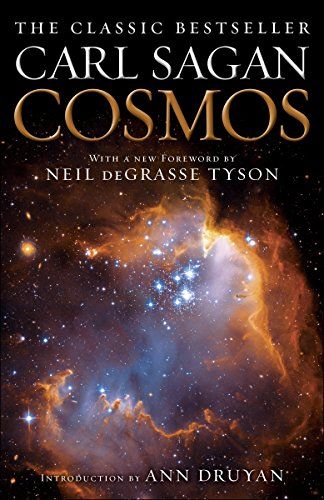
Cosmos Book Summary
In "Cosmos," Carl Sagan embarks on a thrilling expedition through space and time, weaving together the threads of science, history, and philosophy. With stunning prose, he unveils the wonders of the universe, exploring the birth of stars, the evolution of life, and the intricacies of human existence. Sagan’s passion for discovery ignites a sense of awe, inviting readers to ponder our place within the vast cosmos. As he delves into topics from alien civilizations to the origins of consciousness, each page beckons you to rethink what you know about the universe. Prepare to be captivated by a journey that challenges the boundaries of human understanding, leaving you eager to uncover the mysteries that lie beyond the stars.
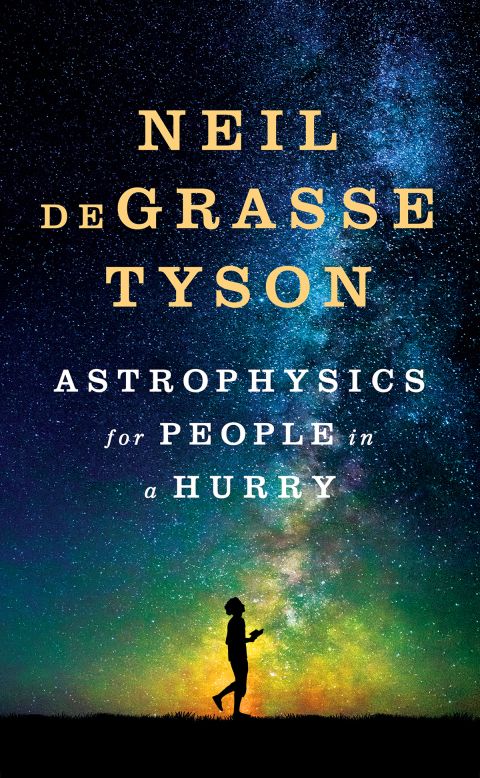
Astrophysics for People in a Hurry Book Summary
In "Astrophysics for People in a Hurry," Neil deGrasse Tyson takes readers on a whirlwind journey through the cosmos, unveiling the complex wonders of the universe in bite-sized pieces. He distills complex theories about black holes, dark matter, and the Big Bang into accessible narratives that spark curiosity and awe. With his signature wit and clarity, Tyson makes the grand tapestry of the universe relatable, inviting readers to ponder their place within it. This captivating exploration not only enlightens but also ignites a sense of wonder about the infinite possibilities of existence. Are you ready to embrace the mysteries of the universe, one brief chapter at a time?
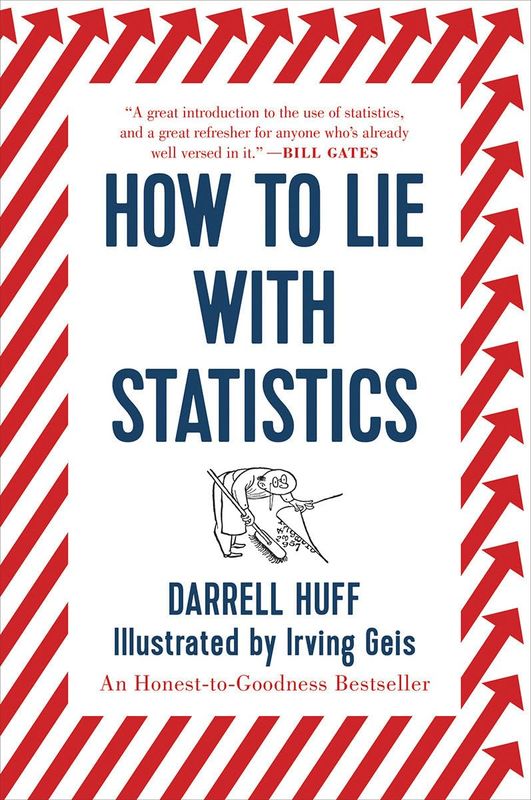
How to Lie with Statistics Book Summary
In 'How to Lie with Statistics', Darrell Huff unveils the art of manipulating numbers to tell misleading stories. With sharp wit and engaging anecdotes, he illustrates how statistics can be twisted to deceive rather than inform. Readers are guided through common statistical tricks and the pitfalls of misinterpretation, sparking a sense of skepticism about data. This thought-provoking book challenges us to question the narratives built by numbers and to become more discerning consumers of information. Discover how easily statistics can be weaponized, and learn to arm yourself against misinformation.
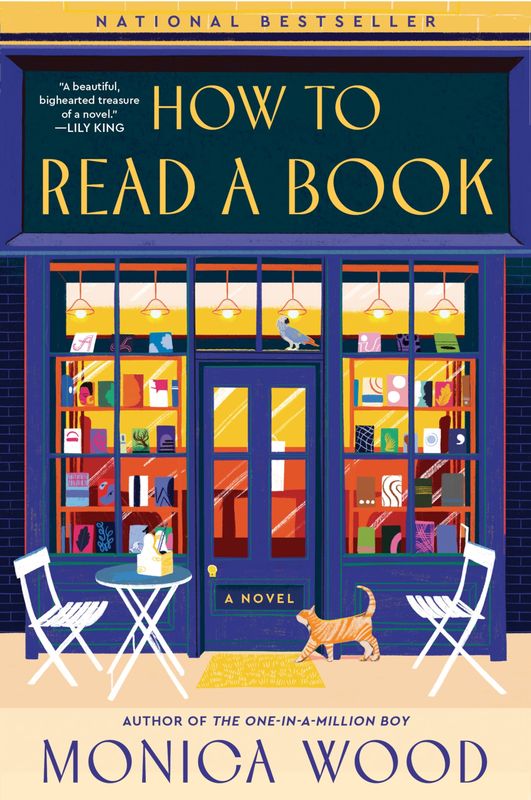
How to Read a Book Book Summary
'How to Read a Book' transforms the act of reading into an art form, guiding readers to engage deeply with texts. Mortimer J. Adler and Charles Van Doren reveal techniques that elevate mere reading to insightful analysis and comprehension. This book introduces a systematic approach to different genres, encouraging readers to ask critical questions and reflect on their understanding. With practical advice and thought-provoking insights, it empowers readers to become active participants in the learning process. Journey beyond passive reading and unlock the secrets to true literary appreciation!
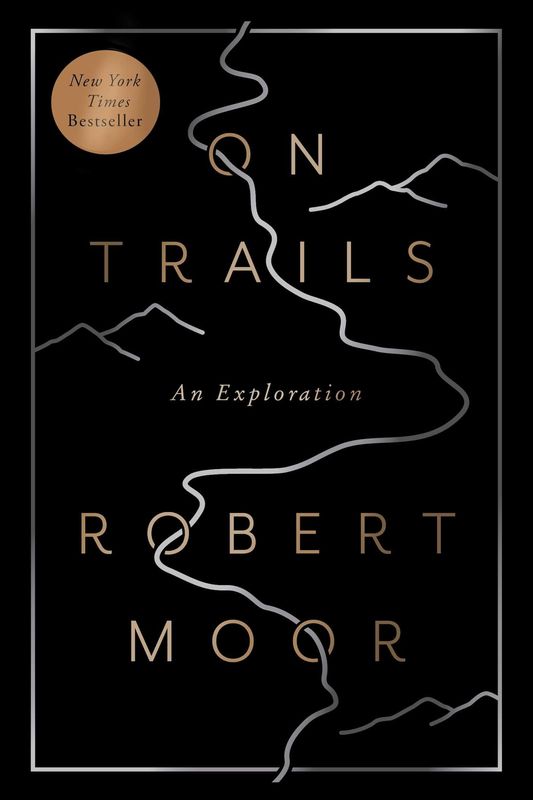
On Trails Book Summary
In 'On Trails,' Robert Moor takes readers on a captivating journey through the history and philosophy of trails, revealing what they mean to humanity and the natural world. He explores how trails connect not just landscapes but also ideas and cultures. Through his adventures, he uncovers the intricate relationship between humans and the paths we create. Moor's blend of personal narratives, science, and history invites you to reconsider the meaning of wandering. This thought-provoking exploration leaves you pondering the trails in your own life and the connections they foster.
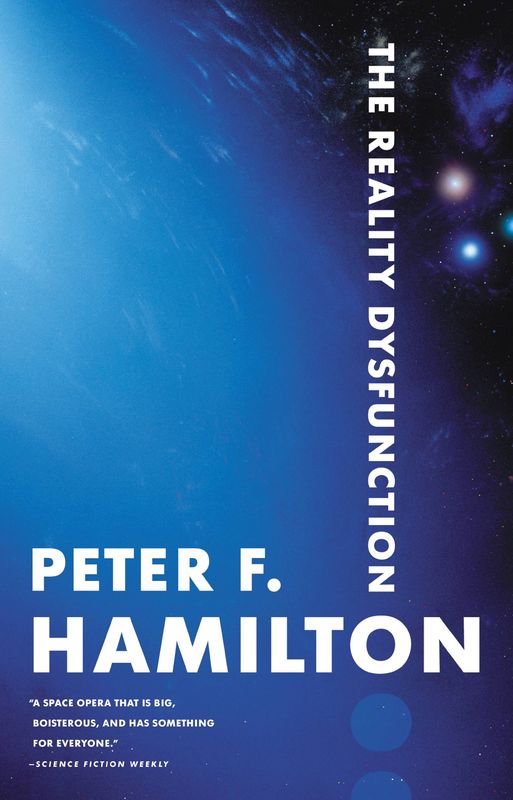
The Reality Dysfunction Book Summary
Set in a sprawling future where humanity has colonized the stars, 'The Reality Dysfunction' unfolds a tale of cosmic horror as an ancient evil awakens. As the boundaries of life and death blur, a diverse cast of characters—ranging from spacefaring rebels to a religious prophecy—must confront their worst nightmares. Amidst epic battles and political intrigue, the fabric of reality itself begins to unravel. This gripping narrative explores themes of existence, belief, and the consequences of humanity's hubris. Dive into a universe teetering on the brink of chaos, where every choice could lead to salvation or doom.
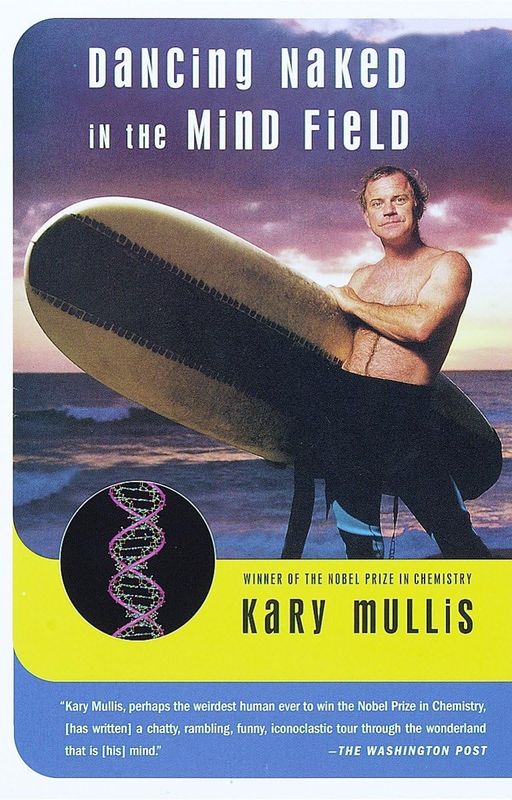
Dancing Naked in the Mind Field Book Summary
Dive into the eccentric world of Kary Mullis, a Nobel Prize-winning biochemist, as he shares his unconventional life experiences. In 'Dancing Naked in the Mind Field,' Mullis blends science, philosophy, and personal anecdotes with a splash of humor and whimsy. Explore his spirited views on the nature of reality, the limits of science, and the power of intuition. Mullis's daring adventures range from hitchhiking across the country to a mystical encounter with a UFO, challenging readers to think outside the box. This memoir not only celebrates the joy of discovery but also dares you to embrace the unknown.
Showing 8 of 25 similar books
Take your reading experience to the next level
Download our mobile app to enjoy your favorite books on the go. Get access to exclusive features, offline listening, and personalized recommendations.

Similar Book Recommendations →

Adam Shoalts's Book Recommendations
Adam Shoalts is a Canadian explorer, historian, and author renowned for his solo expeditions into some of the most remote regions of the world. He gained widespread recognition with his best-selling book, *Alone Against the North*, which recounts his daring adventures in the uncharted wilderness of Canada. Shoalts's contributions to literature extend beyond thrilling narratives; his works also provide valuable insights into the natural world and the challenges of exploration. In 2017, he embarked on a remarkable 4,000-kilometer journey across the Canadian Arctic, which he documented in his book *Beyond the Trees*. His writings have cemented his reputation as one of Canada's leading voices in adventure literature.

Jan Losert's Book Recommendations
Jan Losert is a visionary author and digital design expert, renowned for his contributions to the intersection of technology and creativity. His most significant work includes co-authoring "Design Systems Handbook," which has become a seminal guide for creating cohesive and efficient design frameworks. Losert's expertise extends to his role as a speaker and educator, where he passionately shares his insights on user experience and interface design. In addition to his literary achievements, he co-founded several successful startups, leveraging his deep understanding of design to drive innovation. His work continues to influence and inspire both emerging and established designers worldwide.

Andrew Huberman's Book Recommendations
Andrew Huberman is a renowned neuroscientist and tenured professor at Stanford University, where he leads the Huberman Lab, focusing on brain function, behavior, and health. He has significantly contributed to the understanding of neural plasticity, particularly how the brain can change in response to experience and injury. Huberman is widely recognized for his engaging public science communication, which includes the popular "Huberman Lab" podcast that translates complex neuroscience topics into accessible insights for broad audiences. His research has been published in leading scientific journals, earning him numerous accolades and fostering a deeper public appreciation for neuroscience. Additionally, his work extends into practical applications, influencing fields such as mental health, vision restoration, and performance optimization.

Bret Victor's Book Recommendations
Bret Victor is a renowned American interface designer and computer scientist celebrated for his innovative contributions to interactive design and human-computer interaction. He is best known for creating dynamic, explorable explanations, which have significantly influenced the way educational content is presented and understood. Victor's seminal work, "Inventing on Principle," advocates for the integration of immediate feedback in creative processes, inspiring a new wave of interactive programming environments. As a former member of the Apple Human Interface team, he played a pivotal role in shaping modern user interfaces. Through his organization, Dynamicland, Victor continues to explore and expand the boundaries of immersive, collaborative computing environments.
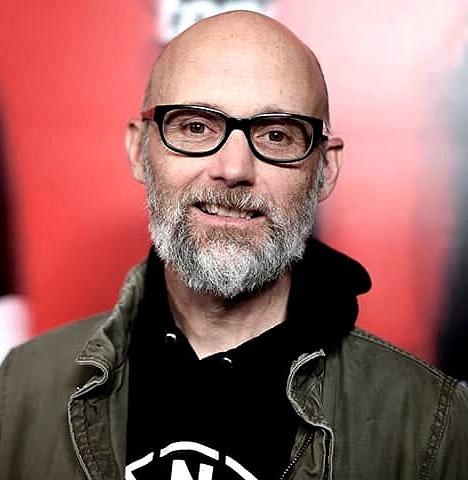
Moby's Book Recommendations
Moby, born Richard Melville Hall, is an influential American musician, songwriter, and author known for his groundbreaking work in the electronic music genre. His 2002 memoir, "Porcelain: A Memoir," provides an intimate look into his early career and the New York City club scene, earning critical acclaim for its candidness and depth. Moby's literary contributions extend to essays and articles, where he often discusses animal rights and veganism, reflecting his personal advocacy. Beyond his written works, he has released numerous successful albums, with "Play" being a standout, cementing his legacy as a pioneer in both music and cultural commentary. His unique blend of personal narrative and social critique has made significant impacts on both the literary and music worlds.

Jonathan Safran Foer's Book Recommendations
Jonathan Safran Foer is an acclaimed American author best known for his novels "Everything Is Illuminated" and "Extremely Loud & Incredibly Close," both of which have been adapted into films. Born in 1977, Foer's debut novel won the National Jewish Book Award and established him as a distinctive voice in contemporary literature. His works often explore themes of identity, trauma, and the human experience, blending humor and poignancy. Beyond fiction, Foer has also made significant contributions to non-fiction with his book "Eating Animals," which delves into the ethics of food consumption. An advocate for environmental and animal rights, Foer's literary and social impact continues to resonate widely.

Barack Obama's Book Recommendations
Barack Obama is the 44th President of the United States, serving from 2009 to 2017. As the first African American president, Obama’s leadership marked a historic moment in American history. His administration focused on healthcare reform, economic recovery from the Great Recession, and environmental policies. He is best known for the Affordable Care Act, as well as his efforts to expand civil rights and restore diplomatic relations with Cuba. Since leaving office, Obama has continued to engage in public life through his foundation, focusing on leadership development, civic engagement, and global issues.

Bill Gurley's Book Recommendations
Bill Gurley is a prominent venture capitalist and general partner at Benchmark, a Silicon Valley venture capital firm. He is best known for his early investments in groundbreaking companies such as Uber, Zillow, and Grubhub, significantly shaping the tech industry's landscape. Gurley's insights into technology and business have been widely disseminated through his influential blog, "Above the Crowd," where he discusses market trends and investment strategies. His thought leadership extends beyond finance, offering valuable perspectives on innovation and entrepreneurship. Bill Gurley's contributions have earned him recognition as one of the most influential figures in venture capital today.
Showing 8 of 18 related collections
Frequently Asked Questions
Explore Our Catalogue
Discover a world of knowledge through our extensive collection of book summaries.
Genres
Genres
Genres
Featured Collections
- Top Book Club Picks
- One-Stop Nutrition
- Summer Reads 2024
- Best Beach Reads 2024
- Work-Life Balance Guide
- Time Management
- Healthy Foods
- Entrepreneur Toolkit
- Mind & Body Wellness
- Future Tech Insights
- Leadership Essentials
- Financial Freedom
- Sci-Fi Masterpieces
- Parenting 101
- Books That Became Blockbusters
- Guide to a Healthy Pregnancy