Product Design for the Web Book Summary
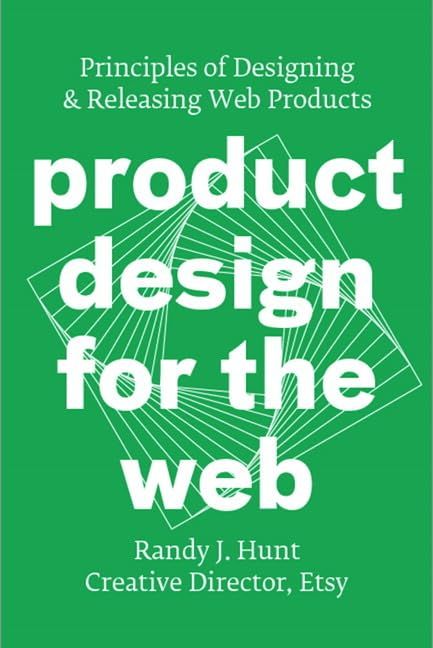
'Product Design for the Web' by Randy J. Hunt offers a deep exploration into the principles of crafting effective digital experiences. This insightful guide reveals how understanding user needs and behaviors can transform an idea into a successful web product. Through engaging case studies and practical insights, Hunt illuminates the intersection of design, technology, and usability. Readers will uncover essential strategies that bridge creativity with functionality, ensuring that every design decision serves a purpose. Ideal for aspiring designers and seasoned professionals alike, this book is a must-read for anyone looking to elevate their product design skills.
By Randy J. Hunt
Published: 2014
"Good product design is not just about aesthetics; it's about creating experiences that resonate and connect with users on a deeper level."

Start Listening to Book Summary
Book Review of Product Design for the Web
Web designers are no longer just web designers. To create a successful web product that's as large as Etsy, Facebook, Twitter, or Pinterest-or even as small as a tiny app-you need to know more than just HTML and CSS. You need to understand how to create meaningful online experiences so that users want to come back again and again. In other words, you have to stop thinking like a web designer or a visual designer or a UX designer or an interaction designer and start thinking like a product designer. In this breakthrough introduction to modern product design, Etsy Creative Director Randy Hunt explains the skills, processes, types of tools, and recommended workflows for creating world-class web products. After reading this book, you'll have a complete understanding of what product design really is and you'll be equipped with the best practices necessary for building your own successful online products.
Book Overview of Product Design for the Web
About the Book Author
Randy J. Hunt
Randy J. Hunt is an acclaimed author known for his unique blend of suspense and character-driven narratives. His notable works include 'The Tides of Time,' which explores the complexities of human relationships against the backdrop of an impending natural disaster, and 'Whispers in the Shadows,' a gripping thriller that delves into the mind of a criminal mastermind. Hunt's writing style is characterized by its vivid imagery, intricate plotting, and profound emotional depth, making his stories both compelling and thought-provoking. In addition to his novels, he contributes to literary journals and frequently speaks at writing workshops.
Book Details
Key information about the book.
- Authors
- Randy J. Hunt
- Published
- January 2014
- Publisher
- New Riders
- ISBN
- 0321929039
- Language
- English
- Pages
- 224
- Genres
- Product DesignUX/UI DesignDesign
Purchase Options
 Buy on Amazon
 Buy via BookShop
Support local bookstores: BookShop gives a portion of each sale to independent bookshops!
Similar books you might like →
The Compound Effect Book Summary
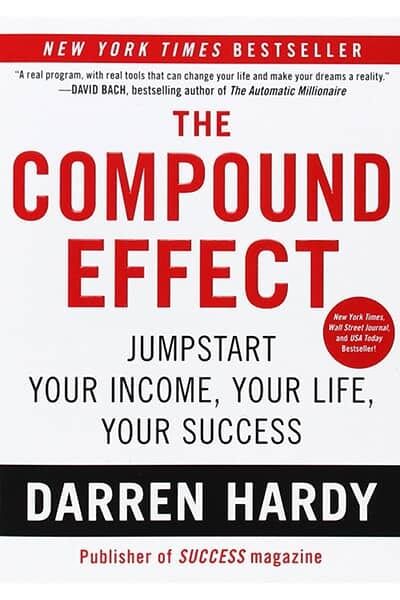
In "The Compound Effect," Darren Hardy reveals the transformative power of small, consistent actions taken over time. He presents compelling stories and practical strategies that highlight how tiny changes in behavior can lead to extraordinary results. The book challenges readers to examine their daily habits and make intentional choices that align with their long-term goals. With a blend of inspiration and actionable advice, Hardy emphasizes that success is not about leaps and bounds, but rather about the compound nature of growth. Are you ready to harness the compound effect in your own life and unlock your true potential?
Better Web Typography for a Better Web Book Summary
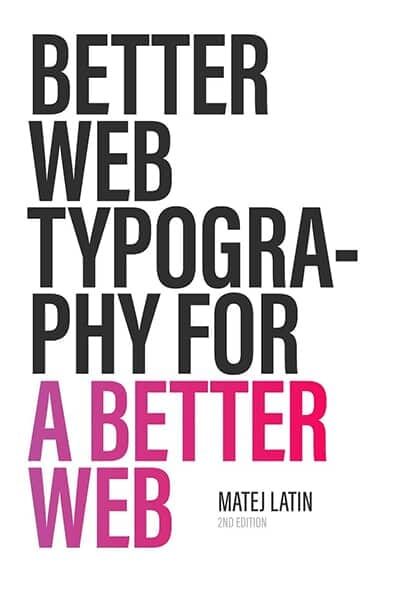
In 'Better Web Typography for a Better Web,' Matej Latin unveils the transformative power of typography in web design. He delves into the principles of effective type, demonstrating how thoughtful choices can enhance user experience and engagement. The book is packed with practical tips and real-world examples to help designers craft visually stunning and readable websites. Latin's insights challenge conventional norms, urging readers to rethink their approach to typography. This essential guide equips both aspiring and seasoned designers with the tools to elevate their craft and create a more beautiful web.
The Evolution of Type Book Summary
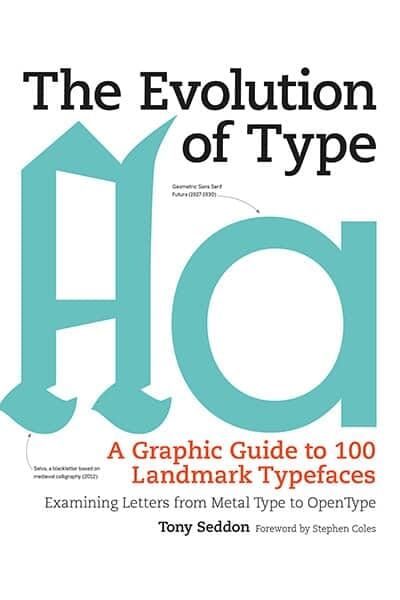
'The Evolution of Type' by Tony Seddon takes readers on a captivating journey through the history and development of typography. Delve into the transformation of typefaces from ancient inscriptions to modern digital fonts, revealing the intricate relationship between technology and design. Seddon artfully illustrates how cultural shifts and artistic movements have influenced type development, creating a visual narrative that enchants both designers and history enthusiasts alike. With rich illustrations and engaging anecdotes, this book invites you to appreciate letters not just as tools for communication, but as dynamic art forms. Discover how type influences our daily lives in ways you’ve never considered, and why every letter tells a story.
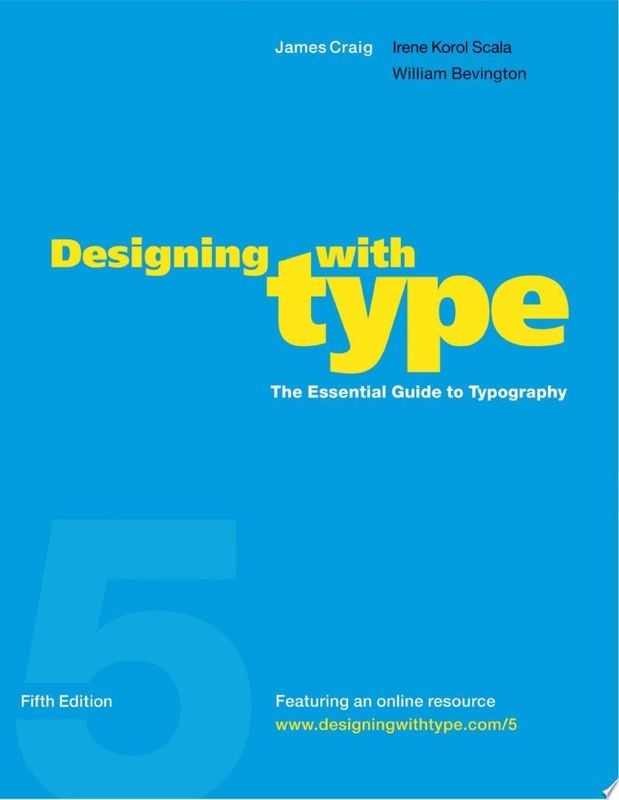
Designing with Type, 5th Edition Book Summary
Dive into the art and science of typography with 'Designing with Type, 5th Edition'. This essential guide unravels the intricacies of typefaces, spacing, and layout, empowering designers to elevate their work. Through a rich blend of practical insights and illustrative examples, Craig and Scala reveal how type influences design perception. Whether you’re a novice or a seasoned professional, this book opens your eyes to the transformative power of typography. Discover how to shape your visual communication and captivate your audience with every word.
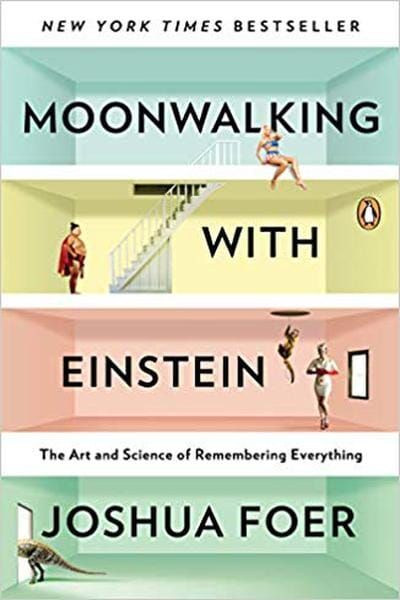
Moonwalking with Einstein Book Summary
In 'Moonwalking with Einstein', Joshua Foer takes readers on a mesmerizing journey through the world of memory, revealing how he transformed from a memory-challenged journalist to a USA Memory Champion. Exploring the fascinating techniques of memory athletes, he uncovers the science behind memory formation and recall. Foer combines personal anecdotes with history, psychology, and the quirks of the human mind. As he delves deeper into memory training, readers are left questioning the potential of their own minds. This captivating blend of memoir and exploration challenges us to rethink how we remember and what it means to truly learn.
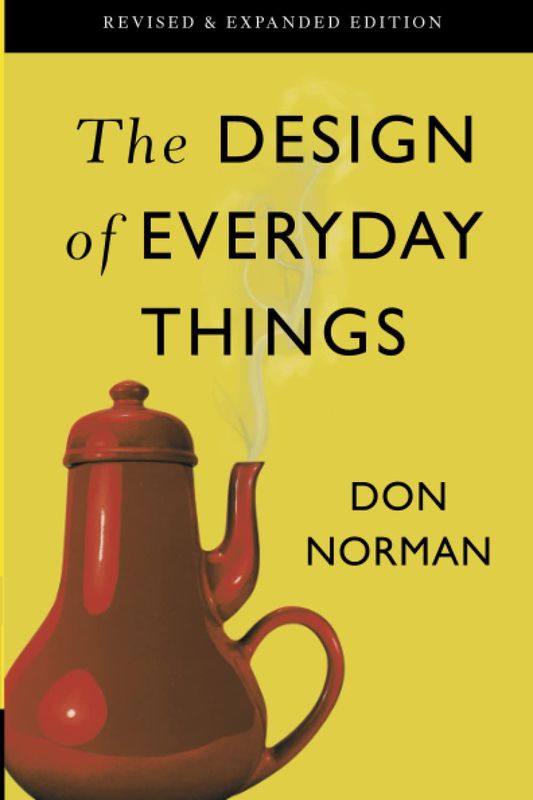
The Design of Everyday Things Book Summary
In 'The Design of Everyday Things', Don Norman reveals the hidden principles behind effective design that shapes our everyday interactions. He explores the psychological underpinnings of how we perceive and interact with objects, highlighting the importance of usability and user-centered design. Through captivating examples, Norman illustrates how poor design can lead to frustration, while thoughtful design enhances our experience. This book challenges readers to rethink the functionality of everyday items, making them consider the design choices behind the objects they encounter. Ultimately, it invites us to demand better designs that cater to our needs, making the mundane extraordinary.
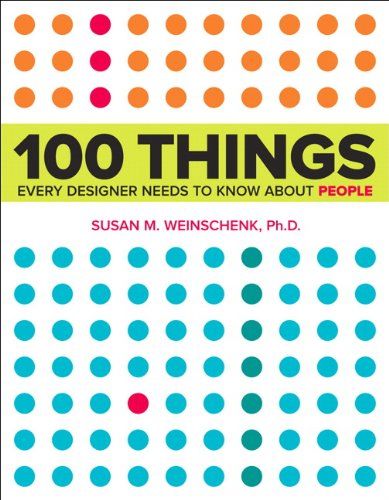
100 Things Every Designer Needs to Know about People Book Summary
In '100 Things Every Designer Needs to Know about People,' Susan Weinschenk unveils essential psychological principles that can enhance design effectiveness. With insights drawn from cognitive science, the book explores how people perceive, interact with, and make decisions about design. From the nuances of color perception to the importance of empathy in user experience, Weinschenk offers practical strategies for designers. Each principle is supported by fascinating research, making the content both informative and engaging. This enlightening guide equips designers to create more intuitive and user-friendly experiences, sparking curiosity about the intersection of psychology and design.
Sketching User Experiences: Getting the Design Right and the Right Design Book Summary
No summary available
Showing 8 of 26 similar books
Take your reading experience to the next level
Download our mobile app to enjoy your favorite books on the go. Get access to exclusive features, offline listening, and personalized recommendations.

Similar Book Recommendations →

Ron Conway's Book Recommendations
Ron Conway is an American angel investor and philanthropist, often referred to as the “Godfather of Silicon Valley” for his early investments in companies like Google, Facebook, and Twitter. As the founder of SV Angel, Conway has backed hundreds of startups and played a key role in the growth of the tech industry. He is known for his extensive network and ability to connect entrepreneurs with the resources they need to succeed. In addition to his work in tech, Conway is involved in philanthropy, particularly in areas like education and public health. His contributions to both Silicon Valley and charitable causes have earned him widespread recognition.

Bret Victor's Book Recommendations
Bret Victor is a renowned American interface designer and computer scientist celebrated for his innovative contributions to interactive design and human-computer interaction. He is best known for creating dynamic, explorable explanations, which have significantly influenced the way educational content is presented and understood. Victor's seminal work, "Inventing on Principle," advocates for the integration of immediate feedback in creative processes, inspiring a new wave of interactive programming environments. As a former member of the Apple Human Interface team, he played a pivotal role in shaping modern user interfaces. Through his organization, Dynamicland, Victor continues to explore and expand the boundaries of immersive, collaborative computing environments.

Caterina Fake's Book Recommendations
Caterina Fake is an American entrepreneur and investor, best known for co-founding Flickr, one of the first photo-sharing platforms that helped define social media and web 2.0. After the success of Flickr, Fake went on to co-found Hunch, a recommendation engine that was later acquired by eBay. She is a partner at Yes VC, a venture capital firm that invests in early-stage startups, with a focus on companies that foster human connection and creativity. Fake is also an advocate for ethical technology and often speaks about the importance of designing products that prioritize user well-being. Her contributions to tech and her insights on the intersection of technology and culture have made her a respected leader in the industry.

Ran Segall's Book Recommendations
Ran Segall is an Israeli designer, YouTuber, and entrepreneur, known for his work in freelance web design and his popular YouTube channel, Flux Academy. Segall provides design tutorials, business advice, and insights for freelancers, helping designers improve their craft and grow their businesses. He has built a successful online platform through his transparent and practical approach to design education. Segall also runs Flux Academy, where he teaches web design and freelancing strategies to aspiring designers around the world. His approachable style and expertise have made him a trusted resource in the design community.

Andrew Chen's Book Recommendations
Andrew Chen is a venture capitalist, entrepreneur, and thought leader in growth marketing, currently serving as a general partner at Andreessen Horowitz. Chen is known for his expertise in network effects, viral growth strategies, and marketplace dynamics, making him a sought-after advisor for startups looking to scale. Prior to joining Andreessen Horowitz, he worked in leadership roles at Uber, helping to grow the ride-sharing platform’s user base and develop key growth strategies. Chen is also a prolific writer, sharing his insights on growth, technology, and startups through his popular blog and newsletter, which has attracted a loyal following in the tech community. His work has helped shape how many startups approach user acquisition, retention, and product-market fit. As a venture capitalist, Chen focuses on early-stage companies in the consumer internet, SaaS, and marketplace sectors, and he has been involved in funding and advising several successful startups. His insights on technology and growth continue to influence both founders and investors alike.

Ben Silbermann's Book Recommendations
Ben Silbermann is the co-founder and former CEO of Pinterest, the popular image-sharing and social media platform. Launched in 2010, Pinterest has grown into a global platform used by millions to discover and share ideas and inspiration. Silbermann’s background in product design and user experience helped shape Pinterest’s visually driven and user-friendly interface. He has stepped down as CEO but remains active in the company’s direction and strategy. His work has made him a significant figure in tech and social media innovation.

Nir Eyal's Book Recommendations
Nir Eyal is an accomplished author and behavioral design expert, best known for his two best-selling books, "Hooked: How to Build Habit-Forming Products" and "Indistractable: How to Control Your Attention and Choose Your Life." With a background in psychology and business, he has significantly influenced the fields of product design and personal productivity. Eyal's work has been featured in major publications such as The Harvard Business Review and The New York Times. He frequently speaks at industry conferences and workshops, sharing insights on how technology can be ethically designed to benefit users. Eyal also teaches at the Stanford Graduate School of Business and the Hasso Plattner Institute of Design.
“Good product design is not just about aesthetics; it's about creating experiences that resonate and connect with users on a deeper level.”
Product Design for the Web
By Randy J. Hunt
Frequently Asked Questions
Explore Our Catalogue
Discover a world of knowledge through our extensive collection of book summaries.
Genres
Genres
Genres
Featured Collections
- Top Book Club Picks
- One-Stop Nutrition
- Summer Reads 2024
- Best Beach Reads 2024
- Work-Life Balance Guide
- Time Management
- Healthy Foods
- Entrepreneur Toolkit
- Mind & Body Wellness
- Future Tech Insights
- Leadership Essentials
- Financial Freedom
- Sci-Fi Masterpieces
- Parenting 101
- Books That Became Blockbusters
- Guide to a Healthy Pregnancy