Prosperity Book Summary
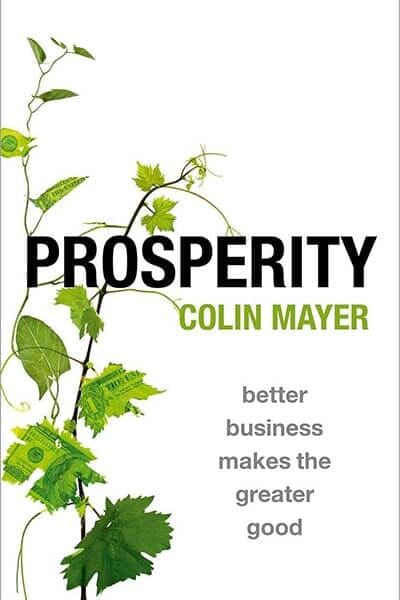
In 'Prosperity', Colin P. Mayer challenges conventional notions of corporate success and profit-driven economies. He presents a visionary approach that prioritizes the long-term benefits for society, the environment, and businesses themselves. Mayer explores how companies can create real value beyond mere financial gain, advocating for a shift in corporate purpose and governance. Through compelling examples and thought-provoking insights, he argues that true prosperity is achievable through responsible and sustainable practices. This book invites readers to rethink what it means to thrive in today's world.
By Colin P. Mayer
Published: 2018
""True prosperity is not merely about wealth accumulation; it encompasses the well-being of society and the sustainability of our planet.""

Start Listening to Book Summary
Book Review of Prosperity
What is business for? On day one of a business course, students learn that the purpose of business is maximizing shareholder profit. This single idea pervades thinking and teaching about business around the world - but it is fundamentally wrong, according to the author of this book. This idea has had disastrous and damaging consequences for economies, the environment, politics, and societies. In this book, the author challenges the fundamentals of business thinking by proposing a new agenda for establishing the corporation as a force for promoting economic and social wellbeing in its fullest sense - for customers and communities. The author presents a prescription for improving corporations, their ownership, governance, finance, and regulation. Drawing insights from business, law, economics, science, philosophy, and history, the author demonstrates how the corporation can realize its full potential to contribute to the economic and social wellbeing of the many, not just the few.
Book Overview of Prosperity
About the Book Author
Colin P. Mayer
Colin P. Mayer is a distinguished author and professor known for his contributions to the fields of management and economics. He is the author of notable works such as 'Firm Commitment: Why the Corporation is failing us and how to restore trust in it' and 'Prosperity: Better Business Makes the Greater Good.' Mayer's writing is characterized by a blend of academic rigor and accessible language, making complex economic ideas understandable to a broad audience. His insights into corporate governance and the role of business in society are widely recognized, influencing both scholars and practitioners alike.
Book Details
Key information about the book.
- Authors
- Colin P. Mayer
- Published
- January 2018
- Publisher
- Oxford University Press, USA
- ISBN
- 0198824009
- Language
- English
- Pages
- 286
- Genres
- Social Justice MovementsSustainable InvestingCorporate StrategyBusiness and Economics
Purchase Options
 Buy on Amazon
 Buy via BookShop
Support local bookstores: BookShop gives a portion of each sale to independent bookshops!
Similar books you might like →
Good to Great Book Summary
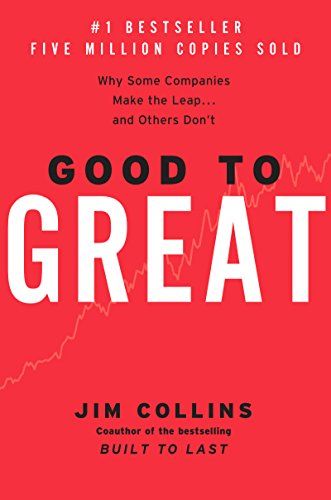
In 'Good to Great', Jim Collins explores what it takes for companies to surpass mediocrity and achieve enduring greatness. Through rigorous research, he identifies key principles that distinguish successful businesses from their less successful counterparts. The book introduces the concept of the "Hedgehog Concept" — a simple, yet profound idea that lies at the heart of each great organization's success. Readers will be fascinated by the surprising findings on leadership, discipline, and cultural alignment that drive greatness. This insightful guide challenges conventional wisdom and offers transformative lessons that can be applied to any endeavor.
The Everything Store Book Summary
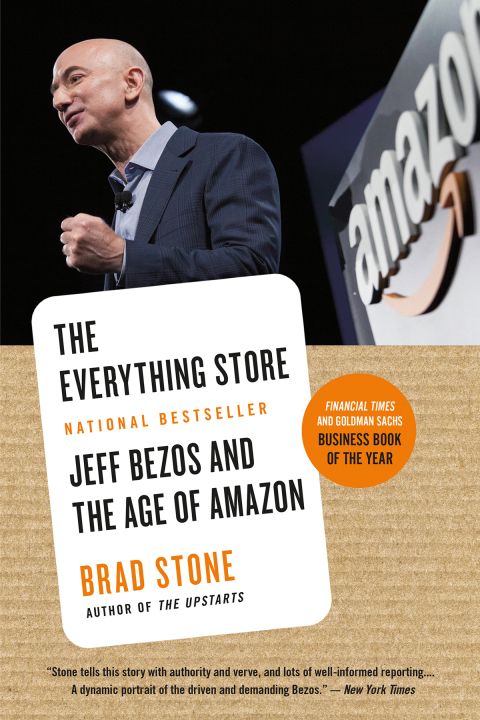
In "The Everything Store," Brad Stone takes readers on an enthralling journey through the rise of Amazon and its enigmatic founder, Jeff Bezos. The book unveils the audacious vision that transformed a humble online bookstore into a global retail powerhouse. Through fascinating anecdotes and behind-the-scenes insights, Stone reveals the fierce ambition and relentless innovation that drive Bezos and his groundbreaking company. As the narrative unfolds, readers will discover the challenges and ethical dilemmas faced by Amazon in its quest for dominance. This gripping account will leave you questioning the true cost of convenience in our modern world.
Blue Ocean Shift Book Summary
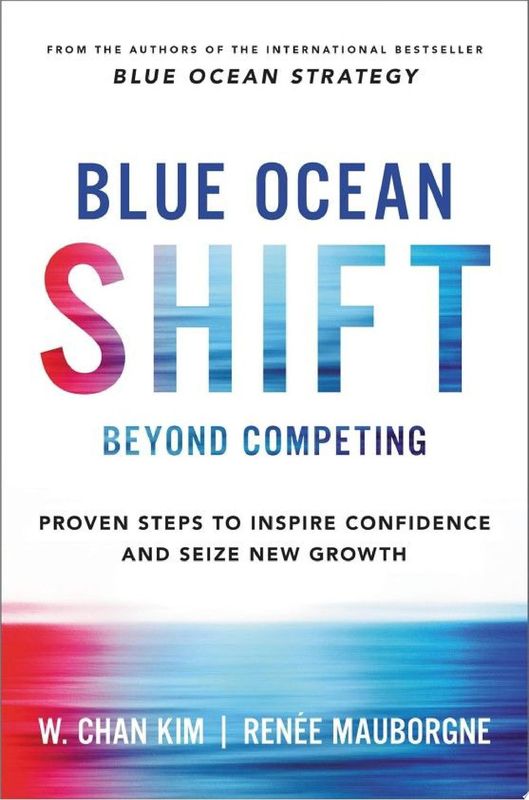
In "Blue Ocean Shift," W. Chan Kim and Renée Mauborgne unveil a groundbreaking strategy for businesses to escape the fierce competition of saturated markets. They introduce the concept of creating "blue oceans"—untapped markets ripe for innovation and growth. Through compelling case studies and practical tools, the authors guide readers on how to shift from a crowded space to a serene ocean of opportunity. This transformative approach empowers organizations to reimagine their future, fostering creativity and collaboration. Dive into this essential read and discover how to chart your own course to success in uncharted waters!
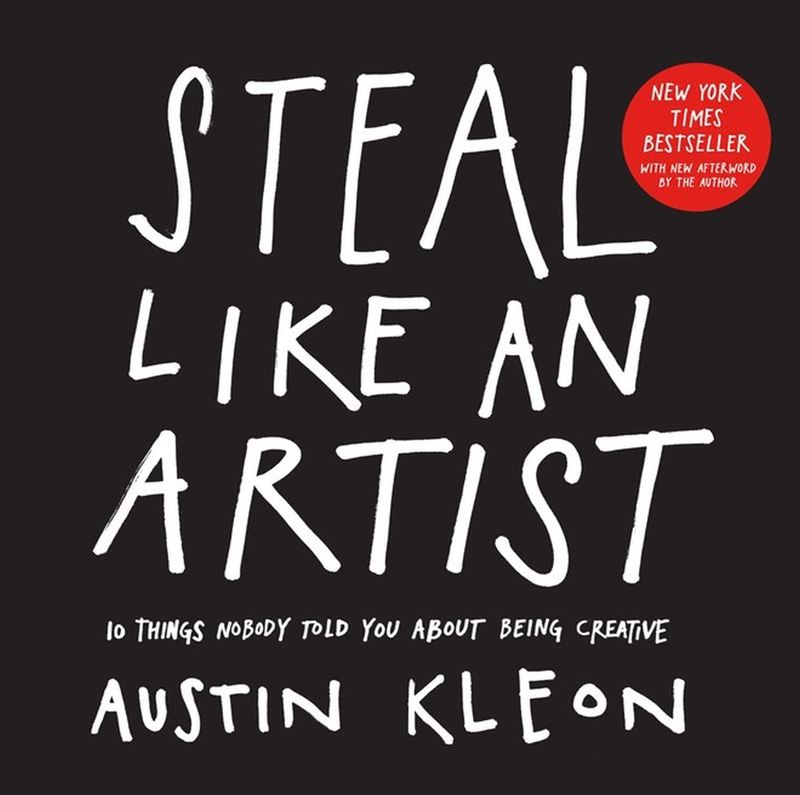
Steal Like an Artist Book Summary
In 'Steal Like an Artist,' Austin Kleon unveils the unconventional art of borrowing ideas, encouraging readers to embrace creativity by stealing from the world around them. He argues that all creativity is derived from influence, and shares ten transformative principles to unlock your creative potential. Through witty anecdotes and practical advice, Kleon inspires you to find your own voice while respecting the influences that shape you. This isn't just a book for artists; it's a manifesto for anyone seeking to break free from the confines of originality. Discover how to turn your unique experiences into a masterpiece by learning to remix and reinvent!
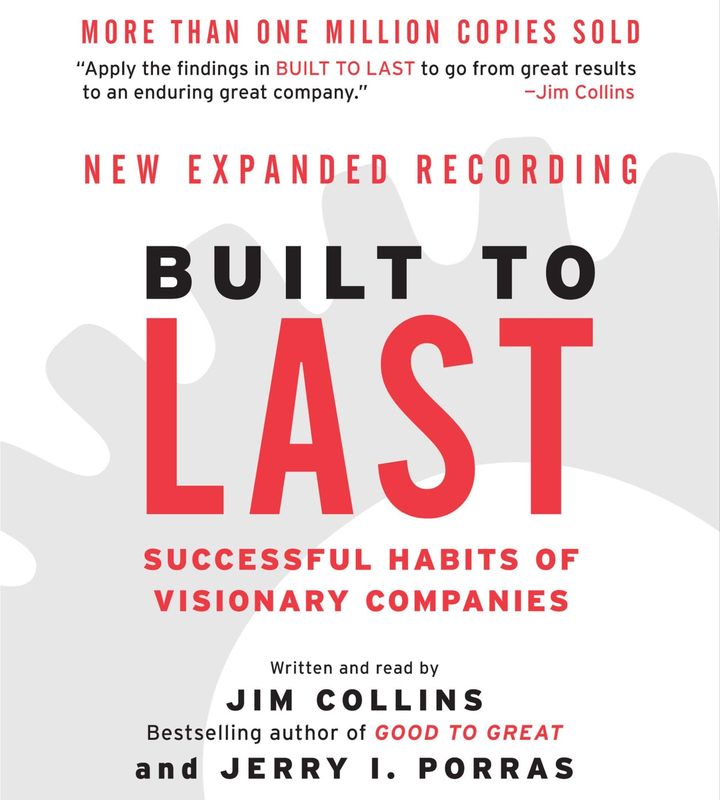
Built to Last Book Summary
In 'Built to Last,' Jim Collins and Jerry I. Porras unveil the secrets behind the enduring success of visionary companies. Through thorough research and compelling anecdotes, they identify key characteristics that distinguish these organizations from their competitors. The authors challenge traditional business thinking and reveal how a solid foundation of core values can drive long-term profitability and resilience. Readers are invited to explore how these principles can be applied to both businesses and personal endeavors. Prepare to rethink everything you know about entrepreneurial longevity!
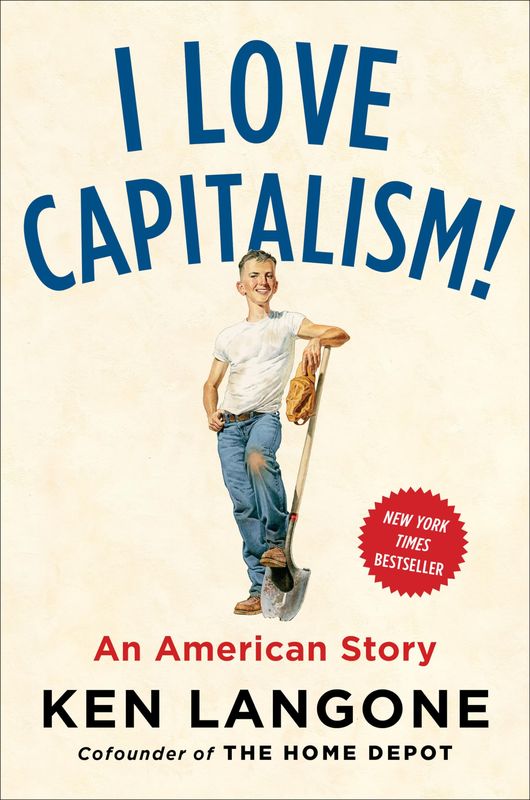
I Love Capitalism! Book Summary
In 'I Love Capitalism!', billionaire Ken Langone shares his inspiring journey from humble beginnings to Wall Street success, emphasizing the American Dream's potential for anyone willing to work hard. With a candid narrative filled with personal anecdotes, he explores the transformative power of capitalism and the importance of giving back. Langone's passion for entrepreneurship and belief in self-made success are infectious, sparking a newfound appreciation for the system that built his fortune. The book acts as a rallying cry for those disillusioned with financial success, showing how determination and resilience can lead to incredible achievements. Are you ready to be motivated by a tale that celebrates risk-taking, rewards, and the spirit of innovation?
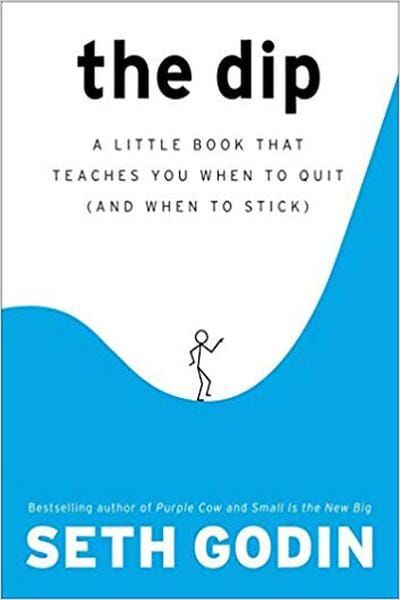
The Dip Book Summary
In 'The Dip', Seth Godin explores the critical moments of struggle that can make or break our paths to success. He argues that most people quit when the going gets tough, but those who endure these challenging phases often find great rewards. Godin reveals how to identify the dips worth pushing through and when to strategically quit to save time and energy. This book challenges conventional wisdom about persistence and encourages readers to focus on their unique strengths. Prepare to rethink your approach to challenges and discover the power of strategic quitting!
Showing 8 of 29 similar books
Take your reading experience to the next level
Download our mobile app to enjoy your favorite books on the go. Get access to exclusive features, offline listening, and personalized recommendations.

Similar Book Recommendations →

Satya Nadella's Book Recommendations
Satya Nadella is the CEO of Microsoft, a position he has held since 2014, significantly transforming the company into a leader in cloud computing and artificial intelligence. Under his leadership, Microsoft's market value has surged, and the company has embraced a more open and innovative culture. Nadella is also the author of "Hit Refresh," a book that explores the principles and strategies behind Microsoft's cultural and technological renaissance. His writings provide insights into leadership, empathy, and the impact of technology on society. Nadella's vision and guidance have positioned Microsoft at the forefront of the tech industry, making him a highly influential figure in modern business and technology discourse.

Marc Andreessen's Book Recommendations
Marc Andreessen is an American entrepreneur, software engineer, and venture capitalist, best known for co-creating the Mosaic web browser, the first widely-used web browser, and co-founding Netscape. Andreessen is also the co-founder of Andreessen Horowitz, one of Silicon Valley’s most prominent venture capital firms, where he invests in groundbreaking technology companies like Facebook, Airbnb, and Coinbase. He is a thought leader on the impact of technology and innovation, often sharing his views on the future of the internet and startups. His contributions to the development of the web and the tech ecosystem have made him one of the most influential figures in technology.

Ray Dalio's Book Recommendations
Ray Dalio is the founder of Bridgewater Associates, one of the largest and most successful hedge funds in the world. He is also the author of the bestselling book Principles, where he outlines his philosophy on life, leadership, and investing. Ray is renowned for his unique approach to transparency, radical truth, and thoughtful disagreement within organizations. His insights into economics and investing have made him one of the most influential figures in the financial world. Dalio continues to be a thought leader in business, economics, and philanthropy.

Barack Obama's Book Recommendations
Barack Obama is the 44th President of the United States, serving from 2009 to 2017. As the first African American president, Obama’s leadership marked a historic moment in American history. His administration focused on healthcare reform, economic recovery from the Great Recession, and environmental policies. He is best known for the Affordable Care Act, as well as his efforts to expand civil rights and restore diplomatic relations with Cuba. Since leaving office, Obama has continued to engage in public life through his foundation, focusing on leadership development, civic engagement, and global issues.

Aaron Levie's Book Recommendations
Aaron Levie is the co-founder and CEO of Box, a cloud content management platform that revolutionized how businesses manage and collaborate on content. He launched Box in 2005 while still a college student, and the company rapidly grew into a leader in the cloud storage industry. Levie is known for his innovative, forward-thinking approach to enterprise software and for pushing the boundaries of digital transformation. Under his leadership, Box went public in 2015 and continues to evolve with new technologies and partnerships. He is a strong advocate for cloud-first business strategies and frequently shares his insights on the future of work and the digital workplace. Levie is also a prolific speaker and writer, often discussing technology's role in the modern economy. His energetic and witty personality has made him a popular figure in Silicon Valley and beyond.

Andrew Wilkinson's Book Recommendations
Andrew Wilkinson is a distinguished author and entrepreneur, best known for his insightful business writings and contributions to the tech industry. He co-founded MetaLab, a prominent design agency that has shaped the user experience of major platforms like Slack and Coinbase. Wilkinson's entrepreneurial journey and his publications provide valuable perspectives on startup culture, innovation, and leadership. His writing, often featured in leading business magazines and his personal blog, has garnered a wide readership for its practical advice and engaging storytelling. Andrew continues to influence both literature and the business world with his unique blend of creativity and strategic thinking.

Daniel Burka's Book Recommendations
Daniel Burka is a prominent figure in the tech and design world, best known for his significant contributions to digital product design. As a design partner at GV (formerly Google Ventures), he has played a crucial role in shaping the user experience of numerous successful startups. Burka co-founded the design agency MetaLab, which has worked with top-tier clients like Slack and Coinbase. Additionally, his work at Digg as the Director of Design helped pioneer social media design trends in the early 2000s. While not primarily an author, Burka's influence extends into literature through his insightful writings and talks on design and innovation.

Changpeng Zhao's Book Recommendations
Changpeng Zhao, commonly known as "CZ," is a prominent figure in the cryptocurrency world and the founder and CEO of Binance, the world's largest cryptocurrency exchange by trading volume. Although not a traditional literary figure, Zhao has significantly contributed to the understanding and proliferation of blockchain technology through numerous articles, interviews, and public speaking engagements. His insights and leadership have been instrumental in shaping modern digital finance. Zhao's journey from coding at Bloomberg to creating Binance has been documented in various publications, shedding light on the transformative potential of cryptocurrencies. Through his work, CZ continues to influence both the financial and technological landscapes globally.
Showing 8 of 15 related collections
“"True prosperity is not merely about wealth accumulation; it encompasses the well-being of society and the sustainability of our planet."”
Prosperity
By Colin P. Mayer
Frequently Asked Questions
Explore Our Catalogue
Discover a world of knowledge through our extensive collection of book summaries.
Genres
Genres
Genres
Featured Collections
- Top Book Club Picks
- One-Stop Nutrition
- Summer Reads 2024
- Best Beach Reads 2024
- Work-Life Balance Guide
- Time Management
- Healthy Foods
- Entrepreneur Toolkit
- Mind & Body Wellness
- Future Tech Insights
- Leadership Essentials
- Financial Freedom
- Sci-Fi Masterpieces
- Parenting 101
- Books That Became Blockbusters
- Guide to a Healthy Pregnancy