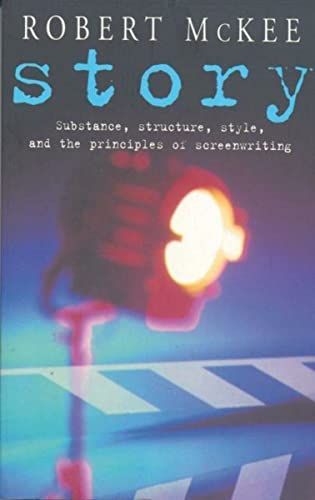
Story Book Summary
In 'Story', Robert McKee unveils the art of storytelling, revealing the intricate mechanics that underlie great narratives. He argues that a powerful story is not merely about plot twists but about the emotional journey of its characters. With a blend of practical advice and insightful analysis, McKee explores how to captivate audiences through compelling story arcs and themes. Writers from all backgrounds will find inspiration and guidance in his principles, whether they are crafting novels, screenplays, or speeches. Dive into McKee's world and discover what transforms a simple tale into a timeless classic.
By Robert McKee
Published: NaN
""In every story, the power lies in the transformation of characters, for it is through their conflicts and resolutions that the audience discovers their own truths.""

Start Listening to Book Summary
Book Review of Story
"In Story screenwriting guru Robert McKee presents his powerful and much sought-after knowledge in a comprehensive guide to the essentials of screenwriting and storytelling." -- Methuen.
Book Overview of Story
About the Book Author
Robert McKee
Robert McKee is a renowned screenwriting lecturer and author, widely recognized for his influential book 'Story: Substance, Structure, Style and the Principles of Screenwriting.' With a career spanning over three decades, McKee has taught thousands of writers, filmmakers, and industry professionals around the world. His writing emphasizes the importance of structure and compelling storytelling, blending practical advice with psychological insights. In addition to 'Story,' McKee has authored several other works, including 'Dialogue: The Art of Verbal Action for Page, Stage, and Screen,' which further explores the intricacies of dialogue and character development.
Book Details
Key information about the book.
- Authors
- Robert McKee
- Published
- N/A
- Publisher
- Methuen Publishing
- ISBN
- 0413715604
- Language
- English
- Pages
- 466
- Genres
- Literary CriticismLiteratureArts and Culture
Purchase Options
 Buy on Amazon
 Buy via BookShop
Support local bookstores: BookShop gives a portion of each sale to independent bookshops!
Similar books you might like →
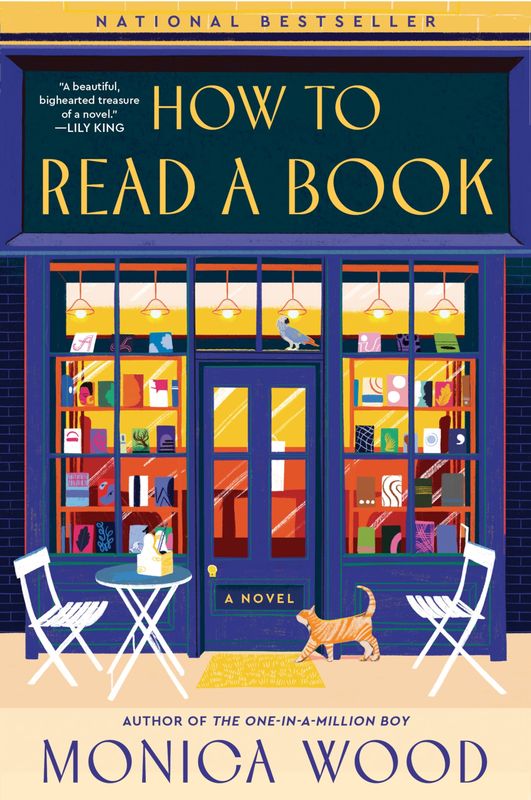
How to Read a Book Book Summary
'How to Read a Book' transforms the act of reading into an art form, guiding readers to engage deeply with texts. Mortimer J. Adler and Charles Van Doren reveal techniques that elevate mere reading to insightful analysis and comprehension. This book introduces a systematic approach to different genres, encouraging readers to ask critical questions and reflect on their understanding. With practical advice and thought-provoking insights, it empowers readers to become active participants in the learning process. Journey beyond passive reading and unlock the secrets to true literary appreciation!
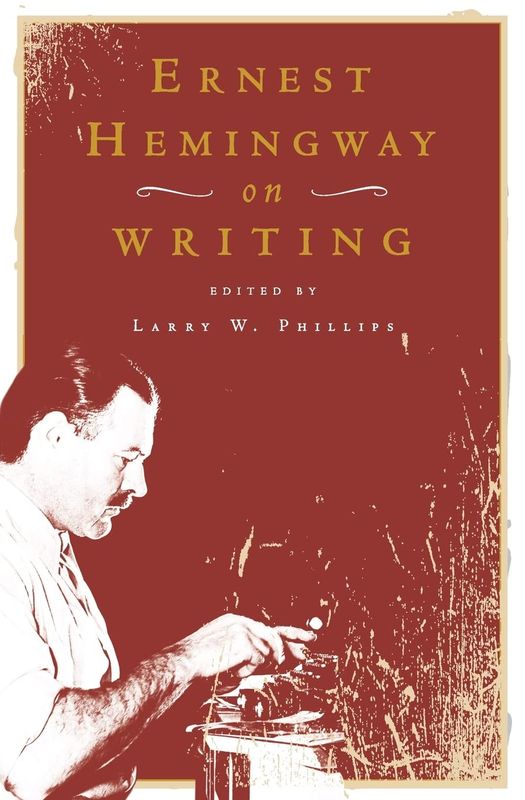
Ernest Hemingway on Writing Book Summary
'Ernest Hemingway on Writing' is a captivating exploration of the legendary author's insights and principles on the craft of writing. Larry W. Phillips delves into Hemingway's timeless advice, revealing the secrets behind his impactful prose and unforgettable characters. The book not only sheds light on Hemingway's techniques but also offers reflections on the broader art of storytelling. As readers journey through Hemingway's wisdom, they uncover the discipline and passion that shaped a literary giant. This essential guide invites both aspiring writers and literature lovers to embrace the essence of writing with clarity and purpose.
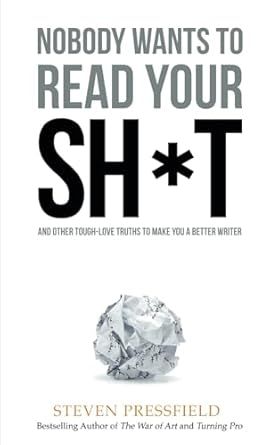
Nobody Wants to Read Your Sh!t Book Summary
In 'Nobody Wants to Read Your Sh!t', Steven Pressfield delivers a blunt yet captivating exploration of the harsh realities of writing and publishing. He challenges aspiring authors to confront the unvarnished truth: most readers are not interested in your story unless it resonates deeply and authentically. Pressfield's no-nonsense advice and engaging anecdotes cut through the noise, pushing writers to prioritize clarity and purpose in their work. As he lays bare the struggle of creativity, he inspires a newfound commitment to storytelling that truly connects. This provocative guide is a must-read for anyone yearning to make their voice heard in a crowded literary landscape.
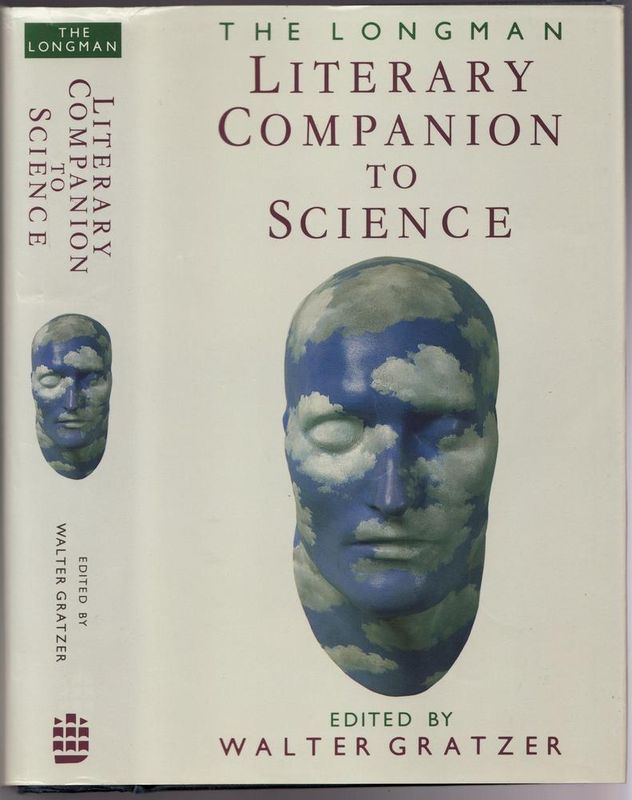
A Literary Companion to Science Book Summary
A Literary Companion to Science by Angus Fletcher delves into the intersection of science and literature, exploring how scientific concepts have influenced writers throughout history. This insightful book reveals the hidden connections between scientific breakthroughs and the literary imagination, offering readers a unique perspective on how science shapes the way we think, write, and understand the world. Fletcher draws from a wide array of texts and historical figures, showing how literature has responded to and reflected on scientific advancements across centuries.
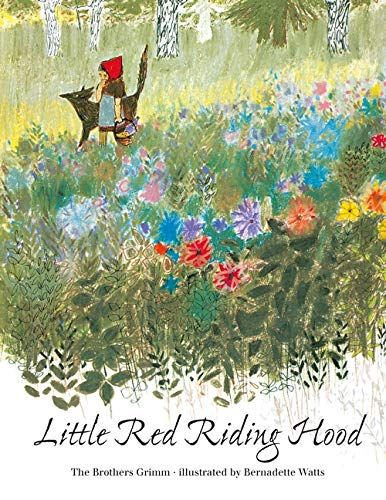
Little Red Riding Hood Book Summary
In the timeless tale of 'Little Red Riding Hood' by the Brothers Grimm, a young girl embarks on a seemingly innocent journey to deliver goodies to her grandmother. However, lurking in the shadows is a cunning wolf with a sinister plan. As the naive girl innocently engages with the wolf, the tension builds toward a heart-pounding confrontation. This classic story weaves themes of innocence, danger, and the art of deception, captivating readers of all ages. Will Little Red Riding Hood outsmart the wolf, or will the predator's cleverness prevail?
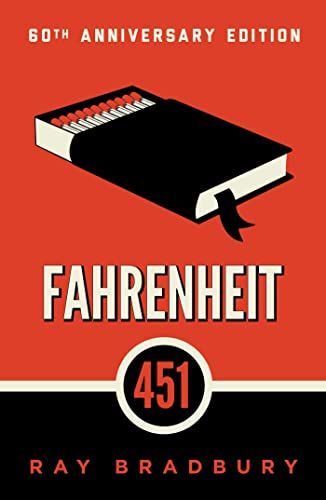
Fahrenheit 451 Book Summary
In a dystopian future where books are banned and 'firemen' burn any that are found, protagonist Guy Montag grapples with his role in this oppressive society. As he encounters a free-spirited young woman who opens his eyes to a world of ideas, Montag begins to question the very fabric of his life. The thrill of rebellion ignites within him, urging him to seek truth and freedom. But in a world so committed to censorship and control, will he find the courage to follow his new beliefs? 'Fahrenheit 451' weaves a haunting tale of individualism versus conformity, sparking a fiery debate about the value of literature in our lives.
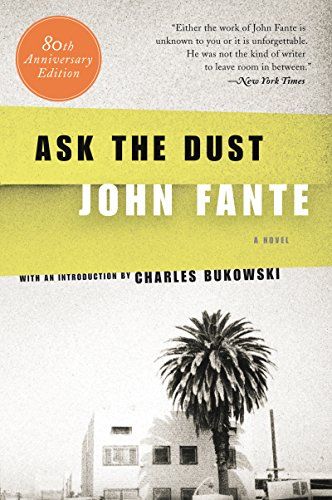
Ask the Dust Book Summary
In 'Ask the Dust', John Fante weaves a passionate tale of love and aspiration set against the backdrop of 1930s Los Angeles. The protagonist, Arturo Bandini, is a struggling Italian-American writer battling poverty and his own demons. His tumultuous relationship with the enigmatic Mexican waitress Camilla adds depth to his turbulent journey. As he navigates the harsh realities of life and the intoxicating allure of ambition, Fante beautifully captures the essence of dreams and despair. Will Bandini find the success he yearns for, or will the unforgiving dust of the city consume him?
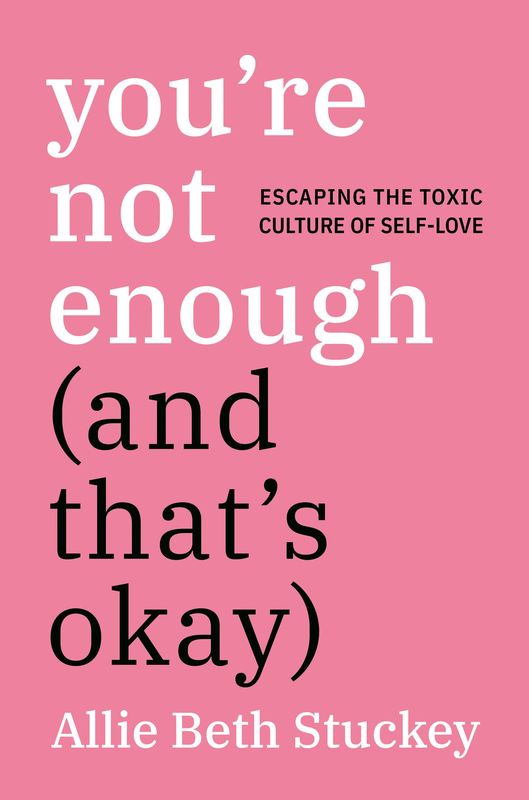
You're Not Enough (And That's Okay) Book Summary
In 'You're Not Enough (And That's Okay)', Allie Beth Stuckey confronts the pervasive societal pressures to achieve perfection and self-sufficiency. With wit and insight, she argues that true fulfillment comes not from self-improvement but from accepting our inherent flaws and embracing a bigger narrative. The book weaves personal stories, cultural commentary, and biblical truths to challenge the notion of self-worth based solely on accomplishments. Stuckey's refreshing perspective invites readers to discover freedom in vulnerability and community. Prepare to question what you thought you knew about success, identity, and what truly matters.
Showing 8 of 29 similar books
Take your reading experience to the next level
Download our mobile app to enjoy your favorite books on the go. Get access to exclusive features, offline listening, and personalized recommendations.

Similar Book Recommendations →

Michael Pollan's Book Recommendations
Michael Pollan is a renowned American author and journalist, celebrated for his insightful explorations of food, agriculture, and human culture. His groundbreaking book, "The Omnivore's Dilemma," published in 2006, critically examines the complexities of the modern food industry and has become a seminal work in food studies. Pollan's engaging narrative style and thorough research have earned him a place on The New York Times Best Seller list multiple times. In addition to his literary contributions, he is also a professor of journalism at the University of California, Berkeley. Pollan's work continues to influence public discourse on sustainable eating and the ethical implications of food choices.

David Heinemeier Hansson's Book Recommendations
David Heinemeier Hansson, also known as DHH, is a Danish programmer, entrepreneur, and author, best known as the creator of Ruby on Rails, a popular web application framework. Heinemeier Hansson is also a partner at Basecamp, a project management and collaboration software company he co-founded. His contributions to software development have earned him widespread recognition, with Ruby on Rails being used by thousands of developers and companies worldwide. Heinemeier Hansson is also a vocal advocate for remote work, simplicity in business, and sustainable work practices, ideas he explores in his bestselling books Rework and It Doesn’t Have to Be Crazy at Work. In addition to his work in tech, he is an accomplished race car driver, having competed in the 24 Hours of Le Mans. Heinemeier Hansson’s approach to work-life balance and entrepreneurship has made him a thought leader in the tech community, where he continues to challenge traditional business practices and advocate for more human-centered approaches to work

Janet Mock's Book Recommendations
Janet Mock is an acclaimed writer, director, and transgender rights activist known for her groundbreaking memoir, "Redefining Realness," which became a New York Times bestseller. She followed this with "Surpassing Certainty," further cementing her voice in contemporary literature. Mock's work has not only highlighted her own journey but also brought vital visibility to the transgender community. In addition to her literary achievements, she has made significant contributions to television, notably as a writer, director, and producer for the series "Pose." Through her multifaceted career, Mock has become a powerful advocate for LGBTQ+ rights and an influential figure in modern storytelling.

Joe Rogan's Book Recommendations
Joe Rogan is a multifaceted American entertainer known primarily for his work as a comedian, podcast host, and commentator. He gained widespread recognition through his immensely popular podcast, "The Joe Rogan Experience," which has featured in-depth conversations with a diverse array of guests, including scientists, celebrities, and politicians. Though not primarily known for literature, Rogan has contributed to the field with his thought-provoking discussions that often explore philosophical and intellectual ideas. Additionally, he has authored the book "Mastering the Rubber Guard," which delves into Brazilian Jiu-Jitsu techniques, showcasing his expertise in martial arts. Rogan's influence extends beyond traditional media, impacting contemporary discourse through his unique blend of humor, curiosity, and critical thinking.

Harry Styles's Book Recommendations
Harry Styles is a British singer, songwriter, and actor, best known as a member of the globally successful boy band One Direction before launching a successful solo career. Styles’ solo work has earned critical acclaim for its blend of rock, pop, and indie influences, with hits like Sign of the Times and Watermelon Sugar. In addition to music, Styles has also made a mark in fashion, known for his gender-fluid style and collaborations with brands like Gucci. He is also an actor, starring in films like Dunkirk and Don't Worry Darling. Styles is recognized for his artistic versatility and cultural impact.

Ben Shapiro's Book Recommendations
Ben Shapiro is an American conservative political commentator, author, and lawyer, known for his sharp analytical skills and outspoken views. He graduated from UCLA at the age of 20 and Harvard Law School at 23, demonstrating his early intellectual prowess. Shapiro is the author of several best-selling books including "Bullies: How the Left's Culture of Fear and Intimidation Silences Americans" and "The Right Side of History: How Reason and Moral Purpose Made the West Great." He is the co-founder and editor emeritus of The Daily Wire, a popular conservative news and opinion website. Through his writing and media presence, Shapiro has significantly influenced contemporary political discourse in the United States.

Jon Stewart's Book Recommendations
Jon Stewart is an American comedian, writer, and former host of The Daily Show, where he gained fame for his satirical take on news and politics. Stewart transformed The Daily Show into a critical voice in American media, blending humor with hard-hitting commentary on political and social issues. After stepping down from the show, Stewart has continued to advocate for causes like 9/11 first responders and veterans' rights. He is also a filmmaker, directing the political satire film Irresistible. Stewart remains a significant figure in American culture, known for his wit, activism, and influence on political discourse.

Diana Kimball's Book Recommendations
Diana Kimball is an entrepreneur, author, and founder of the mentorship platform Mentor List, which connects people looking for guidance with industry leaders. Kimball is a champion for personal and professional development, emphasizing the power of mentorship to foster growth and build meaningful connections. She has worked in product management and marketing roles at companies like Twitter and Microsoft, bringing her unique insights into tech and community building. Kimball also speaks and writes on topics related to leadership, career development, and the importance of empathy in the workplace. Her work has helped people build stronger networks and pursue their goals with purpose.
Showing 8 of 17 related collections
“"In every story, the power lies in the transformation of characters, for it is through their conflicts and resolutions that the audience discovers their own truths."”
Story
By Robert McKee
Frequently Asked Questions
Explore Our Catalogue
Discover a world of knowledge through our extensive collection of book summaries.
Genres
Genres
Genres
Featured Collections
- Top Book Club Picks
- One-Stop Nutrition
- Summer Reads 2024
- Best Beach Reads 2024
- Work-Life Balance Guide
- Time Management
- Healthy Foods
- Entrepreneur Toolkit
- Mind & Body Wellness
- Future Tech Insights
- Leadership Essentials
- Financial Freedom
- Sci-Fi Masterpieces
- Parenting 101
- Books That Became Blockbusters
- Guide to a Healthy Pregnancy