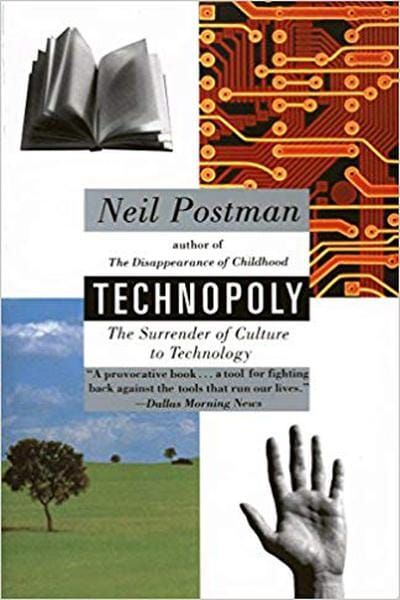

In 'Technopoly,' Neil Postman explores the complex relationship between technology and culture, arguing that society's obsession with technology can lead to a dangerous loss of critical thought and human values. He illustrates how technological advancements can dominate cultural discourse, making other perspectives obsolete. Postman warns that as we become increasingly reliant on technology, we risk losing essential skills like reasoning and communication. With a keen eye for the implications of technological dominance, he urges readers to reflect on the values that should guide technological progress. This provocative examination challenges us to consider whether we are the masters of our creations or merely servants to them.
By Neil Postman
Published: 1993
"In a technopoly, the culture is dominated by technology to such an extent that it becomes the central means by which society operates, often at the expense of deeper human values and understanding."
A witty, often terrifying that chronicles our transformation into a society that is shaped by technology—from the acclaimed author of Amusing Ourselves to Death. "A provocative book ... A tool for fighting back against the tools that run our lives." —Dallas Morning News The story of our society's transformation into a Technopoly: a society that no longer merely uses technology as a support system but instead is shaped by it—with radical consequences for the meanings of politics, art, education, intelligence, and truth.
Showing 8 of 24 similar books
Abi Tyas Tunggal is a distinguished author known for his impactful contributions to contemporary literature and digital content. He has garnered acclaim for his insightful storytelling and adept handling of complex themes, resonating with a diverse readership. Tunggal's work often explores the intersections of technology, society, and human experience, making him a prominent voice in modern narrative arts. Beyond his literary achievements, he is also recognized for his innovative use of digital platforms to engage with and expand his audience. Tunggal continues to influence the literary landscape with his thought-provoking and accessible writing.
Barack Obama is the 44th President of the United States, serving from 2009 to 2017. As the first African American president, Obama’s leadership marked a historic moment in American history. His administration focused on healthcare reform, economic recovery from the Great Recession, and environmental policies. He is best known for the Affordable Care Act, as well as his efforts to expand civil rights and restore diplomatic relations with Cuba. Since leaving office, Obama has continued to engage in public life through his foundation, focusing on leadership development, civic engagement, and global issues.
Bridget Phetasy is a multi-talented writer, comedian, and podcaster known for her sharp wit and insightful commentary on contemporary culture and politics. She gained prominence through her work with Playboy, where her essays and columns attracted a wide readership. Bridget is the host of the popular podcast "Walk-Ins Welcome," where she engages in deep, humorous conversations with a variety of guests. Her candid and often provocative takes on societal issues have garnered her a loyal following on social media. Additionally, she created the satirical YouTube series "Dumpster Fire," where she humorously dissects current events.
Brad Feld is a prominent American entrepreneur, venture capitalist, and author known for his influential work in the startup ecosystem. Co-founder of the Foundry Group, he has played a pivotal role in funding and mentoring early-stage technology companies. Feld is also a key figure behind the Techstars accelerator program, which has helped launch numerous successful startups. As an author, he has penned several essential books on entrepreneurship and venture capital, including "Venture Deals" and "Startup Communities," which provide invaluable insights for aspiring entrepreneurs and investors. His writings and active blogging have cemented his reputation as a thought leader in the tech and startup communities.
Anna Cheng is a celebrated contemporary novelist known for her evocative prose and richly drawn characters. Her debut novel, "Whispers of the Ancients," garnered critical acclaim, securing a spot on the New York Times Bestseller list and earning her the Man Booker Prize. Cheng's subsequent works consistently explore themes of heritage, identity, and the immigrant experience, resonating with a global audience. She is also a recipient of the PEN/Faulkner Award, recognizing her contributions to American fiction. Beyond her literary pursuits, Cheng actively mentors emerging writers and participates in numerous literary festivals worldwide.
Bill Gates, co-founder of Microsoft Corporation, is a pioneering figure in the tech industry, having played a key role in the personal computer revolution. His work at Microsoft, particularly the development of Windows, transformed software and computing globally. Beyond his technology contributions, Gates is also a prolific author, with notable works such as "The Road Ahead" and "Business @ the Speed of Thought," which offer insights into the future of technology and business. Additionally, his philanthropic efforts through the Bill & Melinda Gates Foundation have had a profound impact on global health, education, and poverty. Gates continues to influence both technology and literature with his forward-thinking perspectives and innovative ideas.
Alfred Lin is a venture capitalist and partner at Sequoia Capital, where he focuses on investments in consumer internet, enterprise, and mobile companies. Lin is known for his early investments in companies like Airbnb and DoorDash, helping them grow into major global brands. Before joining Sequoia, Lin was an executive at Zappos, where he worked closely with CEO Tony Hsieh to develop the company’s innovative culture and customer service model. Lin’s expertise in scaling businesses and his strategic vision have made him one of the most respected venture capitalists in Silicon Valley.
Ben Horowitz is a prominent American entrepreneur, investor, and author, best known for co-founding the venture capital firm Andreessen Horowitz. He made significant contributions to the tech industry through his leadership roles at Netscape and as co-founder of the software company Opsware, which was later acquired by Hewlett-Packard. Horowitz is celebrated for his insightful business book, "The Hard Thing About Hard Things," which provides candid advice on the challenges of entrepreneurship. His follow-up book, "What You Do Is Who You Are," explores the importance of company culture in business success. Horowitz's works are highly regarded for their practical wisdom and have influenced countless leaders in the tech and business communities.
Showing 8 of 10 related collections
“In a technopoly, the culture is dominated by technology to such an extent that it becomes the central means by which society operates, often at the expense of deeper human values and understanding.”
Technopoly
By Neil Postman
Discover a world of knowledge through our extensive collection of book summaries.
Neil Postman was an influential American author, educator, and media theorist, best known for his critically acclaimed works that explore the effects of media and technology on culture and society. His most notable works include 'Amusing Ourselves to Death: Public Discourse in the Age of Show Business', which critiques television's impact on public discourse, and 'Technopoly: The Surrender of Culture to Technology', which examines the consequences of an over-reliance on technology. Postman's writing style is characterized by clarity, wit, and a strong argumentative approach, often blending humor with serious observations about the cultural implications of media consumption.
Key information about the book.
 Buy on Amazon
 Buy via BookShop
Support local bookstores: BookShop gives a portion of each sale to independent bookshops!
In "The Lies of Locke Lamora," master thief Locke Lamora navigates a treacherous world of intrigue and deception in the city of Camorr, where the line between friend and foe blurs. As he orchestrates elaborate heists with his band of con artists, known as the Gentleman Bastards, they are drawn into a deadly game with a sinister crime lord. Betrayal, wits, and a touch of mischief weave throughout this gripping tale, challenging Locke to outsmart both his enemies and his own crew. Amid the chaos, shocking revelations test their loyalties and the very bonds of friendship. Will Locke's cunning be enough to survive the lies that threaten to unravel everything he holds dear?
In "The 10X Rule," Grant Cardone unleashes a revolutionary philosophy that challenges you to aim ten times higher than your initial goals. He emphasizes that average thinking leads to mediocre results, while embracing massive action can propel you to extraordinary success. Through intense personal anecdotes and hard-hitting strategies, Cardone inspires readers to reject excuses and push boundaries in every aspect of their lives. Are you ready to break free from the status quo and achieve what you once deemed impossible? Dive in and discover how the 10X mindset can transform not just your goals, but your entire life.
In "Homo Deus: A Brief History of Tomorrow," Yuval Noah Harari explores the future possibilities for humanity as we evolve beyond our current limitations. Delving into themes of artificial intelligence, genetic engineering, and the quest for immortality, he provokes thought about what may come after Homo sapiens. As society increasingly turns to technology for solutions, he questions the implications of our pursuit of happiness and god-like powers. Will we augment our bodies and minds, or lose our humanity in the process? This provocative journey invites readers to ponder the exhilarating—and terrifying—potential of our own evolution.
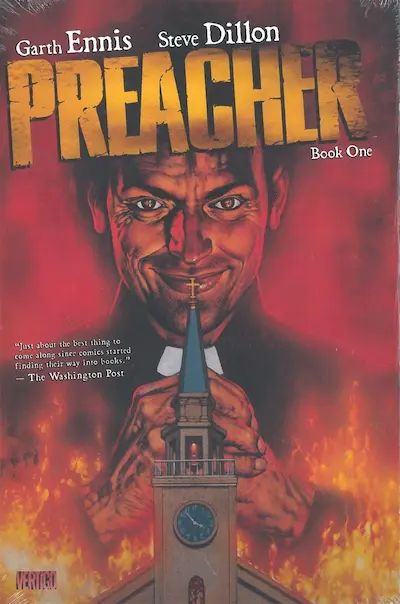
In 'Preacher Book One,' an unconventional preacher named Jesse Custer embarks on a quest to find God after being possessed by a supernatural entity known as Genesis. Joined by his foul-mouthed ex-girlfriend Tulip and an Irish vampire named Cassidy, Jesse confronts a world filled with dark humor, moral ambiguity, and gothic violence. This gripping tale blends American mythology with existential questioning as the trio encounters various eccentric characters and dangerous foes. With themes of faith, redemption, and the search for meaning, the story challenges the very nature of divinity and humanity. Prepare for a wild ride that will leave you questioning everything you thought you knew about good and evil.
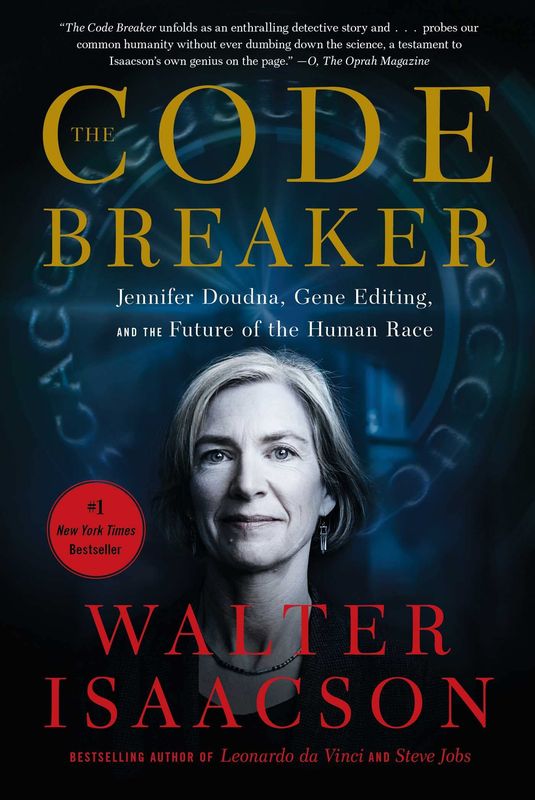
In 'The Code Breaker', Walter Isaacson delves into the captivating world of CRISPR gene-editing technology, following the brilliant mind of Jennifer Doudna. This gripping narrative explores the ethical dilemmas and scientific breakthroughs that come with harnessing the power to edit life itself. As researchers grapple with the implications of their discoveries, readers are invited into a fast-paced journey that intertwines science, ambition, and morality. With vivid stories of personal triumphs and challenges, Isaacson raises profound questions about the future of humanity. Will unlocking the secrets of our DNA lead to a utopia or unforeseen consequences?
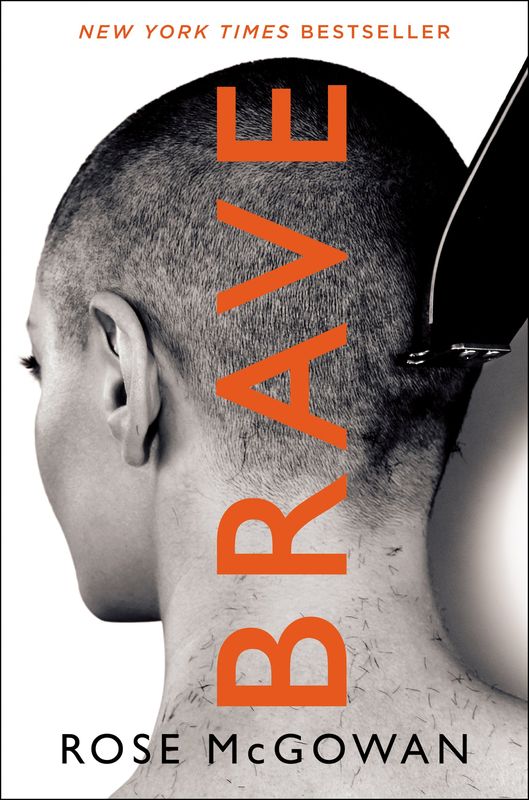
In 'BRAVE', Rose McGowan embarks on a fearless journey, revealing the struggles she faced as a woman in Hollywood and the power dynamics of the entertainment industry. With raw honesty, she shares her transformative experiences and her fight against the culture of silence surrounding sexual abuse. McGowan's story is not just about her personal battles, but a rallying cry for many who have been marginalized and silenced. As she navigates her way to self-empowerment, her voice inspires others to reclaim their strength. 'BRAVE' challenges readers to confront uncomfortable truths and sparks a conversation about courage and resilience in the face of adversity.
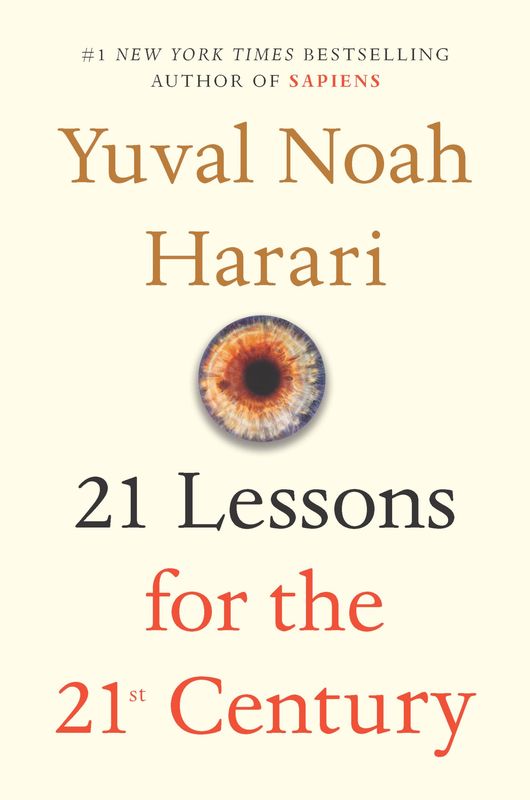
In '21 Lessons for the 21st Century', Yuval Noah Harari navigates the complex landscape of today's world, tackling urgent questions about our future. From the impact of technology on society to the challenges of political stability, each lesson provokes thought and introspection. Harari explores key themes such as the rise of artificial intelligence, the significance of data, and the importance of meaning in an increasingly uncertain world. With a blend of history, philosophy, and science, the book invites readers to reflect on their roles in shaping a shared future. Will we adapt, or become obsolete? Dive in to uncover the lessons that could redefine humanity's path.
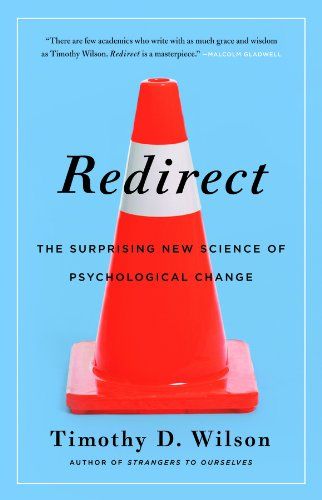
In 'Redirect', Timothy D. Wilson unveils the power of reframing our thoughts and perceptions to transform our lives. He explores the science behind how our stories shape our reality, revealing the profound impact of narrative on personal growth. Through compelling research and practical insights, Wilson illustrates how small shifts in perspective can lead to remarkable changes in behavior and well-being. This book challenges readers to rethink their own narratives and encourages them to harness the art of redirecting their thoughts towards a more fulfilling life. Are you ready to discover how a simple change in thinking can unlock your potential?







Download our mobile app to enjoy your favorite books on the go. Get access to exclusive features, offline listening, and personalized recommendations.