The Anti-Christ Book Summary
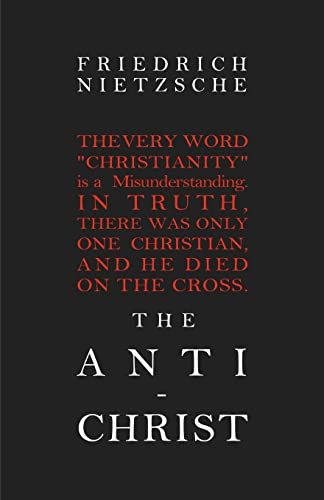
In 'The Anti-Christ', Friedrich Nietzsche presents a provocative critique of Christianity, arguing that its moral framework is detrimental to humanity's evolution. He contrasts the values of Christ with those of the noble and powerful, asserting that traditional Christian values promote weakness and mediocrity. Nietzsche boldly champions the idea of the Übermensch, urging individuals to transcend societal norms and assert their own values. This controversial work not only challenges religious ideologies but also questions the foundations of morality itself. Prepare to be confronted with Nietzsche's radical ideas that encourage a re-examination of faith, power, and the essence of existence.
By Friedrich Wilhelm Nietzsche
Published: NaN
""He who fights with monsters should look to it that he himself does not become a monster.""

Start Listening to Book Summary
Book Review of The Anti-Christ
Here is Friedrich Nietzsche's great masterpiece The Anti-Christ, wherein Nietzsche attacks Christianity as a blight on humanity. This classic is essential reading for anyone wishing to understand Nietzsche and his place within the history of philosophy. "We should not deck out and embellish Christianity: it has waged a war to the death against this higher type of man, it has put all the deepest instincts of this type under its ban, it has developed its concept of evil, of the Evil One himself, out of these instincts-the strong man as the typical reprobate, the 'outcast among men.' Christianity has taken the part of all the weak, the low, the botched; it has made an ideal out of antagonism to all the self-preservative instincts of sound life; it has corrupted even the faculties of those natures that are intellectually most vigorous, by representing the highest intellectual values as sinful, as misleading, as full of temptation. The most lamentable example: the corruption of Pascal, who believed that his intellect had been destroyed by original sin, whereas it was actually destroyed by Christianity!" -Friedrich Nietzsche
Book Overview of The Anti-Christ
About the Book Author
Friedrich Wilhelm Nietzsche
Friedrich Wilhelm Nietzsche (1844-1900) was a German philosopher, cultural critic, poet, and philologist, renowned for his profound and provocative ideas about morality, culture, and the human condition. His notable works include 'Thus Spoke Zarathustra', 'Beyond Good and Evil', 'The Birth of Tragedy', and 'Ecce Homo'. Nietzsche's writing style is characterized by its incisive aphorisms, poetic flourish, and a deep engagement with philosophical themes, including nihilism and the 'will to power'. His works critically examined the foundations of Christianity and traditional morality, and he is often regarded as a precursor to existentialism and postmodernism.
Book Details
Key information about the book.
- Authors
- Friedrich Wilhelm Nietzsche
- Published
- N/A
- Publisher
- SoHo Books
- ISBN
- 1936594269
- Language
- English
- Pages
- 88
- Genres
- Western PhilosophyPhilosophyEthics and Morality
Purchase Options
 Buy on Amazon
 Buy via BookShop
Support local bookstores: BookShop gives a portion of each sale to independent bookshops!
Similar books you might like →
How Proust Can Change Your Life Book Summary
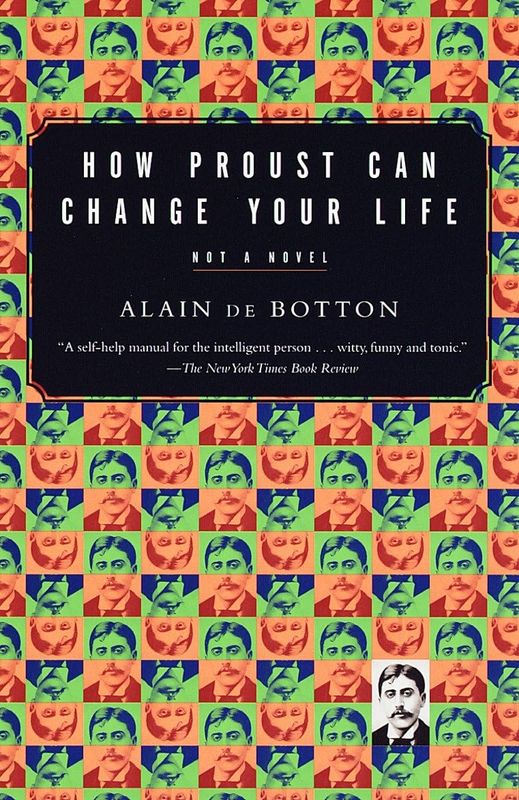
In 'How Proust Can Change Your Life,' Alain De Botton illuminates the profound wisdom of Marcel Proust, revealing how his insights can enhance our everyday existence. Through a blend of humor and philosophy, De Botton explores themes like love, art, and the search for identity, encouraging readers to embrace their inner selves. He posits that Proust's reflections on memory and experience can lead to a deeper understanding of happiness and fulfillment. With anecdotes and practical advice, this book serves as a guide to transforming mundane life into something extraordinary. Discover how Proust can inspire you to rethink your own journey and find beauty in the ordinary.
An Autobiography Book Summary
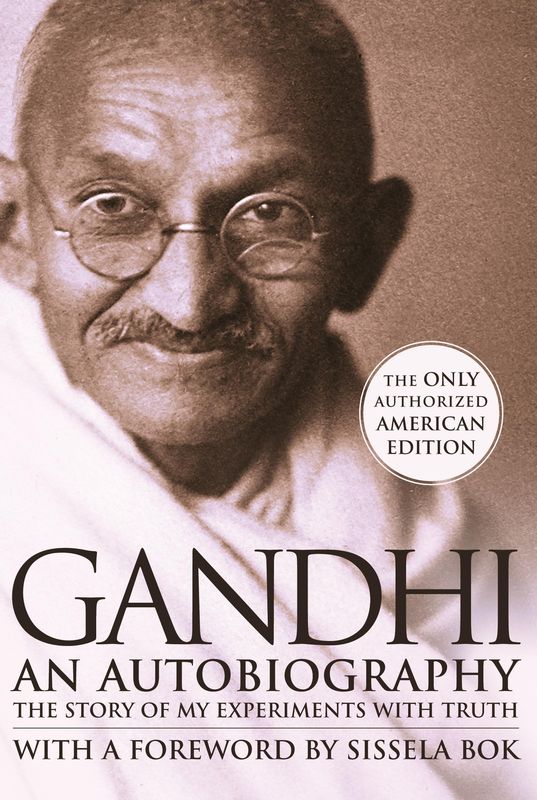
In 'An Autobiography', Mohandas K. Gandhi shares the remarkable journey of his life, revealing the evolution of his philosophy of non-violence and truth. From his early years in India to his transformative experiences in South Africa, Gandhi exposes the struggles that shaped his commitment to social justice. His candid reflections on faith, morality, and personal growth challenge conventional beliefs and inspire readers to question their own values. This gripping narrative not only details his political activism but also provides an intimate look at his family life and spiritual pursuits. Discover the profound insights that guided one of history's most influential leaders in his quest for freedom and equality.
Ctrl Alt Delete Book Summary
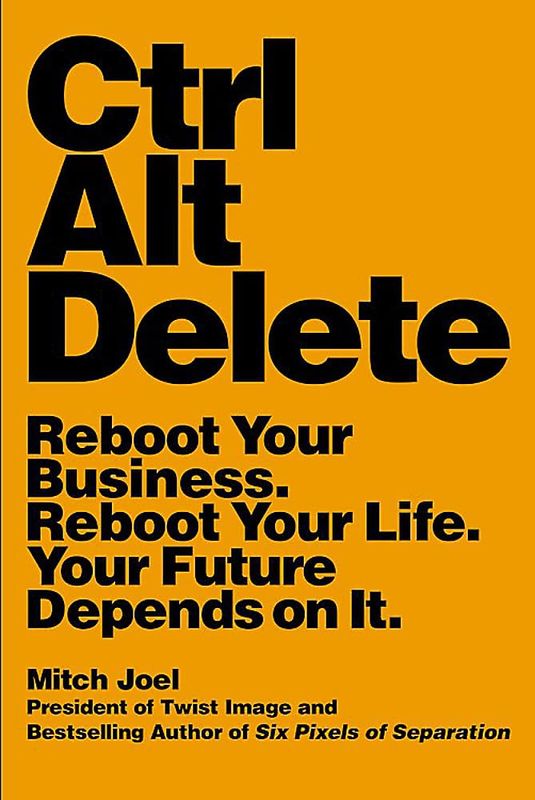
In 'Ctrl Alt Delete', Mitch Joel explores the disruptive landscape of the digital age, challenging readers to rethink their approach to business and marketing. With engaging anecdotes and sharp insights, he reveals how technology reshapes our relationships and the economy. Joel emphasizes the necessity of adapting to change for survival in an increasingly connected world. This compelling narrative not only presents the realities of innovation but also serves as a call to action for entrepreneurs and businesses alike. Prepare to be inspired and ready to embrace the digital revolution!
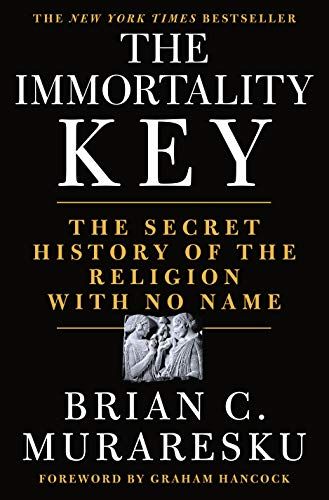
The Immortality Key Book Summary
In 'The Immortality Key', Brian C. Muraresku embarks on a thrilling quest to uncover the ancient secrets of psychedelics and their connection to the rituals of early Christianity. He weaves together archaeology, history, and the study of mind-altering substances to explore the transformative experiences that may have shaped religious beliefs. This provocative investigation challenges conventional notions of faith and spirituality, suggesting that the key to immortality lies in understanding these altered states of consciousness. With riveting discoveries and eye-opening revelations, Muraresku's narrative invites readers to question the foundations of their own beliefs. Are we on the brink of rediscovering a lost path to transcendent experience?
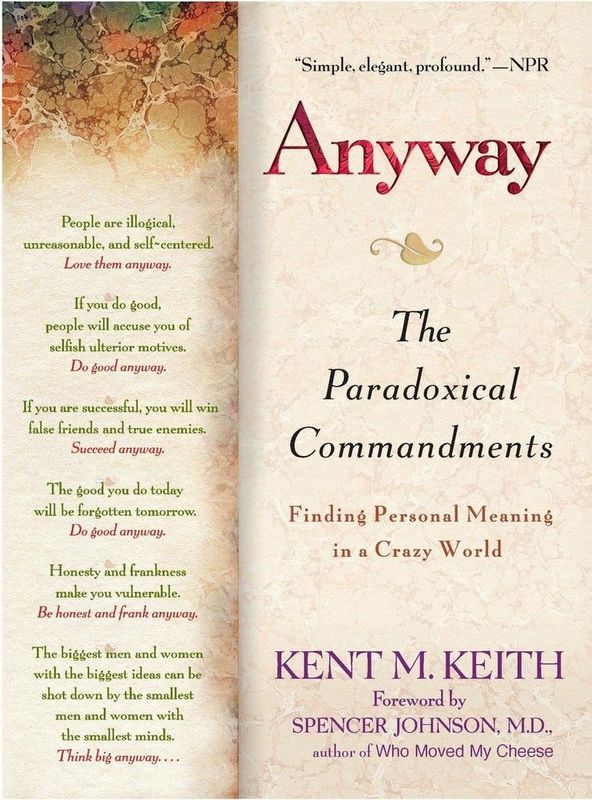
Anyway Book Summary
In 'Anyway,' Kent M. Keith explores the timeless message of living authentically, regardless of the judgment of others. The book presents a series of thought-provoking reflections that challenge readers to pursue their passions and ideals, even in the face of adversity. Through poignant anecdotes and philosophical insights, Keith encourages a deep engagement with life's complexities. Readers are invited to embrace the paradoxes of existence and to act in ways that align with their true selves. This compelling guide serves as a reminder that the journey of self-discovery is as important as the destination.
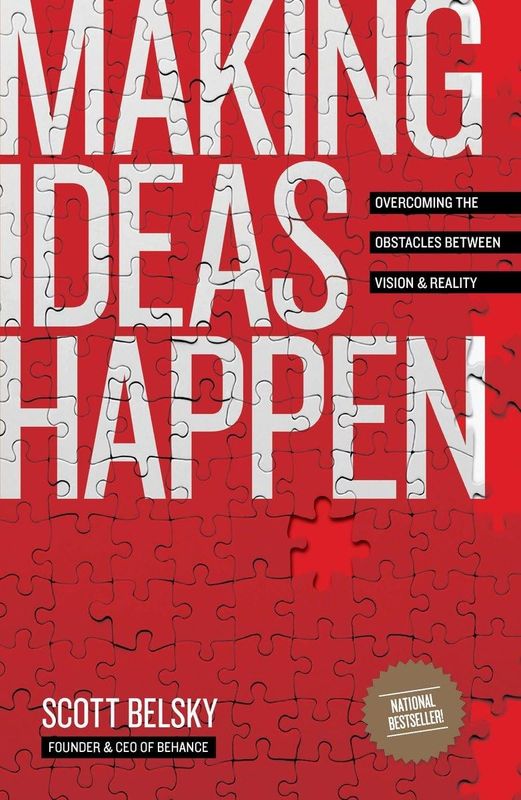
Making Ideas Happen Book Summary
In 'Making Ideas Happen', Scott Belsky unveils the secrets behind transforming creative ideas into tangible results. He emphasizes the importance of organization, collaboration, and execution in the creative process. Packed with actionable insights and real-world examples, the book serves as a playbook for aspiring innovators. Belsky challenges readers to rethink their approach to creativity and realize the power of community in bringing ideas to life. Whether you're an artist, entrepreneur, or strategist, this book is a catalyst for action and inspiration.
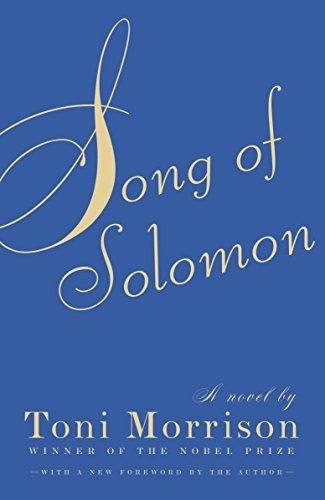
Song of Solomon Book Summary
In 'Song of Solomon,' Toni Morrison weaves a rich tapestry of African American identity through the journey of Milkman Dead, a man seeking to uncover his family's history. As he ventures into the past, he discovers untold stories of love, trauma, and resilience that have shaped his lineage. Morrison's lyrical prose and profound themes of flight and freedom elevate this narrative into both a personal and collective quest for self-discovery. With unforgettable characters and haunting folklore, the novel explores the intricacies of heritage and belonging. Dive into this poignant narrative to uncover secrets that resonate through generations.
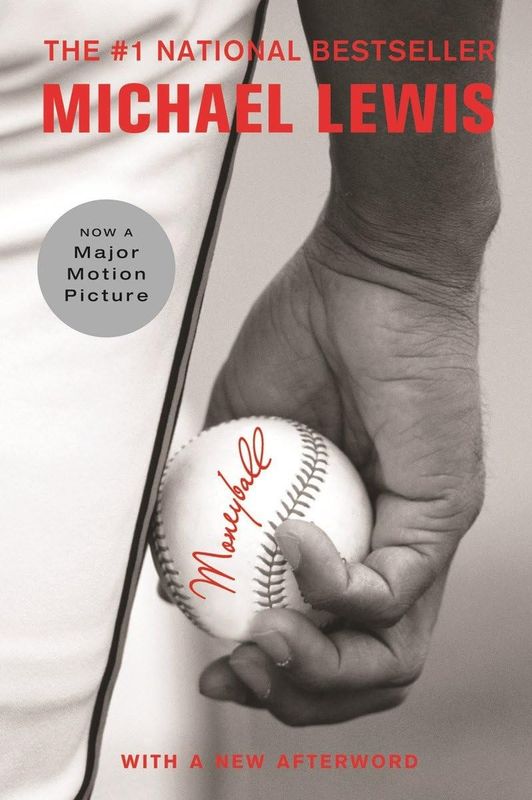
Moneyball: The Art of Winning an Unfair Game Book Summary
In 'Moneyball: The Art of Winning an Unfair Game,' Michael Lewis uncovers the revolutionary approach that the Oakland Athletics used to compete against wealthier baseball teams. By harnessing the power of data and advanced statistics, the underdog A's challenged traditional scouting methods and redefined how talent is evaluated in sports. This intriguing narrative not only highlights the art of strategy in baseball but also raises questions about the nature of success and fairness in competitive fields. Readers will be fascinated by how numbers can transform a game and lead to unexpected triumphs. Can the underdogs really win by changing the rules?
Showing 8 of 19 similar books
Take your reading experience to the next level
Download our mobile app to enjoy your favorite books on the go. Get access to exclusive features, offline listening, and personalized recommendations.

Similar Book Recommendations →
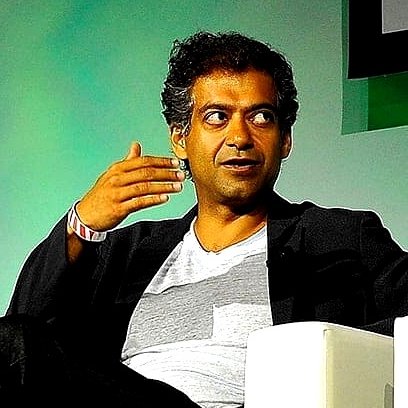
Naval Ravikant's Book Recommendations
Naval Ravikant is an entrepreneur, angel investor, and philosopher, best known as the co-founder of AngelList, a platform that connects startups with investors. Ravikant is a prolific thinker and writer on topics such as startups, investing, and personal well-being, sharing his wisdom through essays, podcasts, and social media. He has invested in over 100 companies, including Uber, Twitter, and Yammer, making him one of Silicon Valley’s most successful angel investors. Ravikant is also known for his philosophical musings on wealth, happiness, and the meaning of life, which have garnered him a large and dedicated following.

Joe Rogan's Book Recommendations
Joe Rogan is a multifaceted American entertainer known primarily for his work as a comedian, podcast host, and commentator. He gained widespread recognition through his immensely popular podcast, "The Joe Rogan Experience," which has featured in-depth conversations with a diverse array of guests, including scientists, celebrities, and politicians. Though not primarily known for literature, Rogan has contributed to the field with his thought-provoking discussions that often explore philosophical and intellectual ideas. Additionally, he has authored the book "Mastering the Rubber Guard," which delves into Brazilian Jiu-Jitsu techniques, showcasing his expertise in martial arts. Rogan's influence extends beyond traditional media, impacting contemporary discourse through his unique blend of humor, curiosity, and critical thinking.

Ray Dalio's Book Recommendations
Ray Dalio is the founder of Bridgewater Associates, one of the largest and most successful hedge funds in the world. He is also the author of the bestselling book Principles, where he outlines his philosophy on life, leadership, and investing. Ray is renowned for his unique approach to transparency, radical truth, and thoughtful disagreement within organizations. His insights into economics and investing have made him one of the most influential figures in the financial world. Dalio continues to be a thought leader in business, economics, and philanthropy.

Barack Obama's Book Recommendations
Barack Obama is the 44th President of the United States, serving from 2009 to 2017. As the first African American president, Obama’s leadership marked a historic moment in American history. His administration focused on healthcare reform, economic recovery from the Great Recession, and environmental policies. He is best known for the Affordable Care Act, as well as his efforts to expand civil rights and restore diplomatic relations with Cuba. Since leaving office, Obama has continued to engage in public life through his foundation, focusing on leadership development, civic engagement, and global issues.

Niki Scevak's Book Recommendations
Niki Scevak is a distinguished entrepreneur and venture capitalist, widely recognized for his contributions to the startup ecosystem rather than traditional literature. As a co-founder and partner at Blackbird Ventures, he has played a pivotal role in funding and mentoring successful Australian tech startups. Scevak also co-founded Startmate, an influential accelerator program that has shaped numerous early-stage companies. His work has significantly impacted the Australian tech landscape, fostering innovation and entrepreneurial growth. Though not an author of traditional books, his insights and thought leadership are frequently shared through industry publications and speaking engagements.

Elizabeth Filips's Book Recommendations
Elizabeth Filips is a celebrated contemporary author known for her poignant and thought-provoking novels that explore the complexities of human emotions and relationships. Her debut novel, "The Silent Echo," garnered critical acclaim for its deep character development and lyrical prose, earning her a nomination for the prestigious Man Booker Prize. Filips' ability to weave intricate narratives has established her as a distinctive voice in modern literature. She is also an advocate for mental health awareness, often incorporating these themes into her writing to shed light on personal struggles and resilience. In addition to her novels, Filips has contributed essays and short stories to various literary magazines, further solidifying her reputation as a versatile and impactful writer.

Nassim Nicholas Taleb's Book Recommendations
Nassim Nicholas Taleb is a Lebanese-American author, scholar, and risk analyst, best known for his work on uncertainty, probability, and risk. His books, including The Black Swan and Antifragile, explore how rare and unpredictable events shape the world and how individuals and systems can become more resilient to shocks. Taleb’s insights on risk management have influenced fields ranging from finance to medicine, and he is known for his outspoken criticism of conventional wisdom. His ideas about randomness, decision-making, and the limitations of human knowledge have made him a leading thinker in modern economics and philosophy.

Reid Hoffman's Book Recommendations
Reid Hoffman is an influential American entrepreneur, venture capitalist, and author, best known as the co-founder of LinkedIn, the professional networking platform that transformed online professional interactions. Hoffman has significantly impacted the business world through his investments in notable tech companies like Airbnb, Facebook, and Zynga. As an author, he has co-written several acclaimed books, including "The Start-Up of You" and "Blitzscaling," which provide strategic insights into career development and business growth. His works are celebrated for their practical advice and have become essential reading for aspiring entrepreneurs and business leaders. Hoffman's contributions extend beyond his literary efforts, as he remains a prominent figure in Silicon Valley, shaping the future of technology and innovation.
Showing 8 of 20 related collections
“"He who fights with monsters should look to it that he himself does not become a monster."”
The Anti-Christ
By Friedrich Wilhelm Nietzsche
Frequently Asked Questions
Explore Our Catalogue
Discover a world of knowledge through our extensive collection of book summaries.
Genres
Genres
Genres
Featured Collections
- Top Book Club Picks
- One-Stop Nutrition
- Summer Reads 2024
- Best Beach Reads 2024
- Work-Life Balance Guide
- Time Management
- Healthy Foods
- Entrepreneur Toolkit
- Mind & Body Wellness
- Future Tech Insights
- Leadership Essentials
- Financial Freedom
- Sci-Fi Masterpieces
- Parenting 101
- Books That Became Blockbusters
- Guide to a Healthy Pregnancy