The Brain's Way of Healing Book Summary
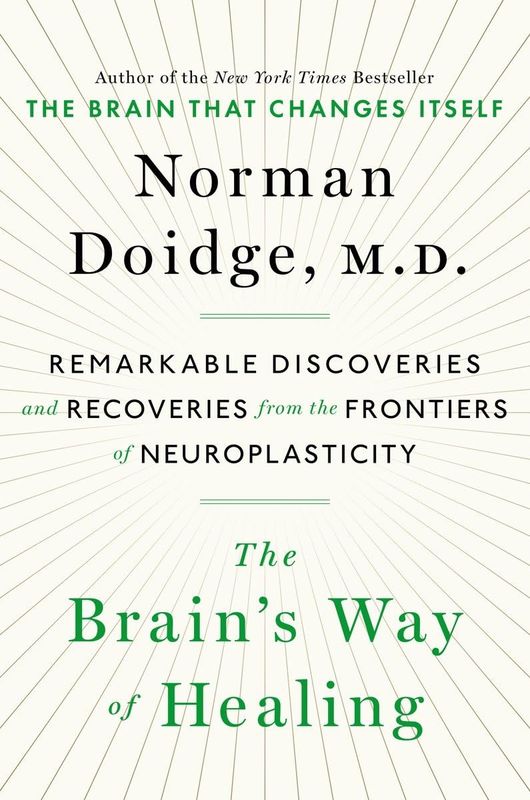
In 'The Brain's Way of Healing,' Norman Doidge unveils the powerful and transformative nature of the brain’s ability to heal itself. Through riveting case studies and groundbreaking research, he explores innovative therapies that harness neuroplasticity to overcome chronic pain, brain injuries, and neurological disorders. This compelling narrative combines science with personal stories, revealing that hope and healing are often found within our own minds. Doidge challenges conventional medical practices, inviting readers to reconsider their understanding of healing and recovery. Can our brains truly rewrite their narratives, and if so, what untapped potential lies within us all?
By Norman Doidge
Published: 2015
"The brain is a dynamic organ that can change and adapt throughout our lives, allowing us to heal by harnessing its astonishing capacity for neuroplasticity."

Start Listening to Book Summary
Book Review of The Brain's Way of Healing
NEW YORK TIMES BESTSELLER The New York Times–bestselling author of The Brain That Changes Itself presents astounding advances in the treatment of brain injury and illness. Now in an updated and expanded paperback edition. Winner of the 2015 Gold Nautilus Book Award in Science & Cosmology In his groundbreaking work The Brain That Changes Itself, Norman Doidge introduced readers to neuroplasticity—the brain’s ability to change its own structure and function in response to activity and mental experience. Now his revolutionary new book shows how the amazing process of neuroplastic healing really works. The Brain’s Way of Healing describes natural, noninvasive avenues into the brain provided by the energy around us—in light, sound, vibration, and movement—that can awaken the brain’s own healing capacities without producing unpleasant side effects. Doidge explores cases where patients alleviated chronic pain; recovered from debilitating strokes, brain injuries, and learning disorders; overcame attention deficit and learning disorders; and found relief from symptoms of autism, multiple sclerosis, Parkinson’s disease, and cerebral palsy. And we learn how to vastly reduce the risk of dementia, with simple approaches anyone can use. For centuries it was believed that the brain’s complexity prevented recovery from damage or disease. The Brain’s Way of Healing shows that this very sophistication is the source of a unique kind of healing. As he did so lucidly in The Brain That Changes Itself, Doidge uses stories to present cutting-edge science with practical real-world applications, and principles that everyone can apply to improve their brain’s performance and health.
Book Overview of The Brain's Way of Healing
About the Book Author
Norman Doidge
Norman Doidge, M.D., is a psychiatrist and psychoanalyst renowned for his pioneering work in neuroplasticity, which explores the brain's ability to change and heal. He is the author of several influential books, including ‘The Brain That Changes Itself’ and ‘The Brain's Way of Healing.’ Doidge's writing combines engaging storytelling with deep scientific insights, making complex concepts accessible to a broad audience. His work not only highlights the potential for growth and recovery in the human brain but also challenges traditional views on mental health and therapy.
Book Details
Key information about the book.
- Authors
- Norman Doidge
- Published
- January 2015
- Publisher
- Penguin
- ISBN
- 067002550X
- Language
- English
- Pages
- 434
- Genres
- Mental HealthAlternative MedicineHealth and WellnessStress ManagementPsychologyHolistic Healing
Purchase Options
 Buy on Amazon
 Buy via BookShop
Support local bookstores: BookShop gives a portion of each sale to independent bookshops!
Similar books you might like →
The UltraMind Solution Book Summary
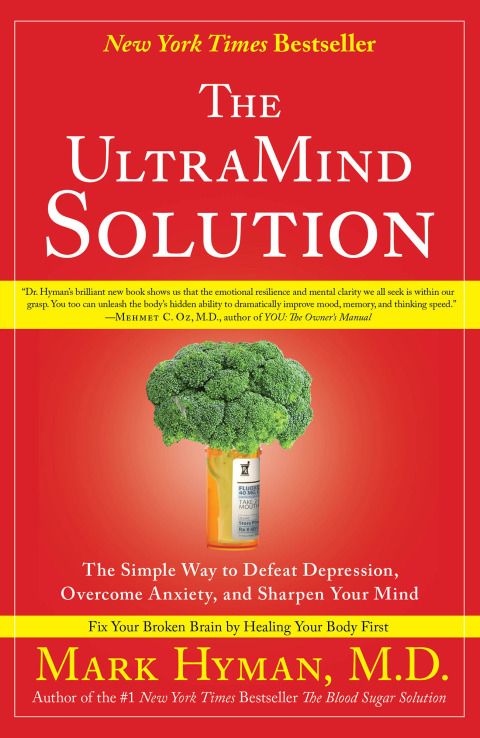
In "The UltraMind Solution," Dr. Mark Hyman presents a revolutionary approach to unlocking your brain's full potential by addressing the critical connection between mind and body. He reveals how nutrition, lifestyle changes, and mental exercises can enhance cognitive function and emotional well-being. Through compelling case studies and actionable strategies, readers discover how to combat brain fog, enhance focus, and boost creativity. This transformative guide empowers you to reclaim control over your mental health and cultivate a vibrant, sharp mind. Are you ready to transcend ordinary thinking and unleash your ultimate mind capabilities?
Loonshots Book Summary
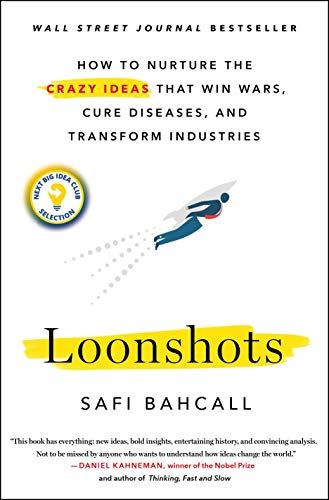
In 'Loonshots,' Safi Bahcall revolutionizes our understanding of innovation by exploring the delicate balance between nurturing radical ideas and maintaining rigorous execution. Through captivating anecdotes from history, science, and corporate giants, he illustrates how nurturing 'loonshots'—wildly ambitious ideas—can lead to extraordinary breakthroughs. Bahcall argues that great organizations often overlook these possibilities, prioritizing short-term goals over long-term vision. With a blend of science and storytelling, he empowers leaders to embrace unconventional approaches that can transform their fields. Discover how you can foster an environment that celebrates creativity and unlocks the potential of the unexpected!
The Little Big Things Book Summary
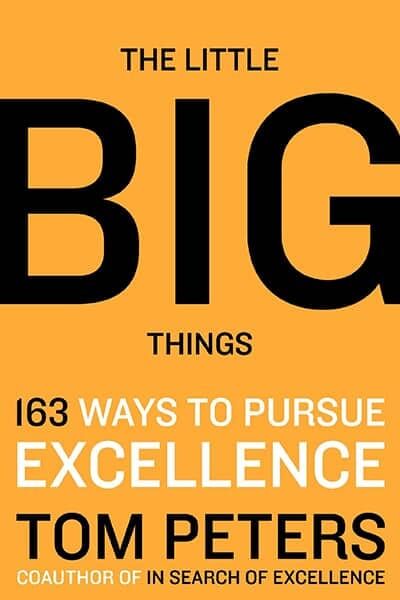
In 'The Little Big Things', Thomas J. Peters uncovers the extraordinary power of seemingly insignificant details that can transform organizations and inspire greatness. He argues that excellence lies in the small acts of service, leadership, and innovation that create lasting impact. By weaving together compelling anecdotes and actionable insights, Peters urges readers to embrace a culture of enthusiasm and creativity. This book challenges conventional wisdom and invites you to rethink what it means to succeed in business and life. Are you ready to discover how tiny changes can lead to monumental results?
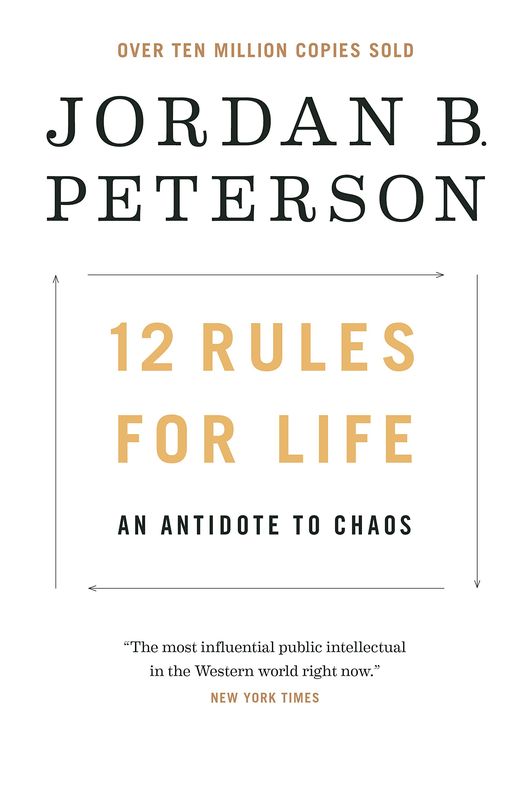
12 Rules for Life Book Summary
In '12 Rules for Life', psychologist Jordan B. Peterson distills life lessons from psychology, philosophy, and mythology into twelve profound principles for personal growth. Each rule invites readers to confront the chaos of existence and embrace responsibility, guiding them toward meaning and order. Peterson's compelling narratives and incisive insights challenge conventional wisdom, urging self-reflection and accountability. As readers navigate through the complexities of life, they discover how to build a stable foundation for themselves and their communities. This thought-provoking book promises to provoke deep contemplation and inspire transformative change.
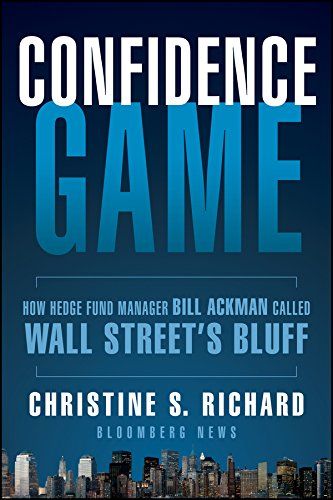
Confidence Game Book Summary
In 'Confidence Game', Christine S. Richard explores the intricate world of con artists and the psychology behind their manipulative tactics. Through gripping narratives and real-life examples, she unveils how trust can be both a weapon and a tool for deception. The book dives deep into the profiles of scammers and the unsuspecting victims who fall prey to their schemes. As Richard distinguishes between genuine confidence and deceitful charm, readers are left questioning their own perceptions of trust. This thrilling exploration of manipulation will make you rethink the nature of confidence itself.
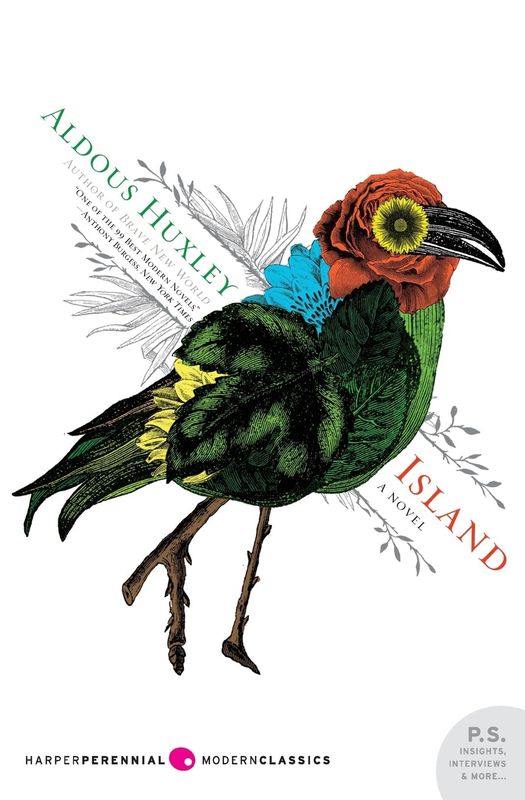
Island Book Summary
In 'Island' by Aldous Huxley, the idyllic society of Pala is threatened by external forces that seek to exploit its unique culture and philosophy. The protagonist, Will Farnaby, washes ashore and discovers a way of life that harmoniously blends spirituality, science, and personal freedom. As he learns about the island's practices, he grapples with the contrasting values of the modern world. Will he protect this utopia or succumb to the pressures of civilization? Huxley’s thought-provoking narrative challenges readers to reflect on the essence of happiness and the meaning of progress.

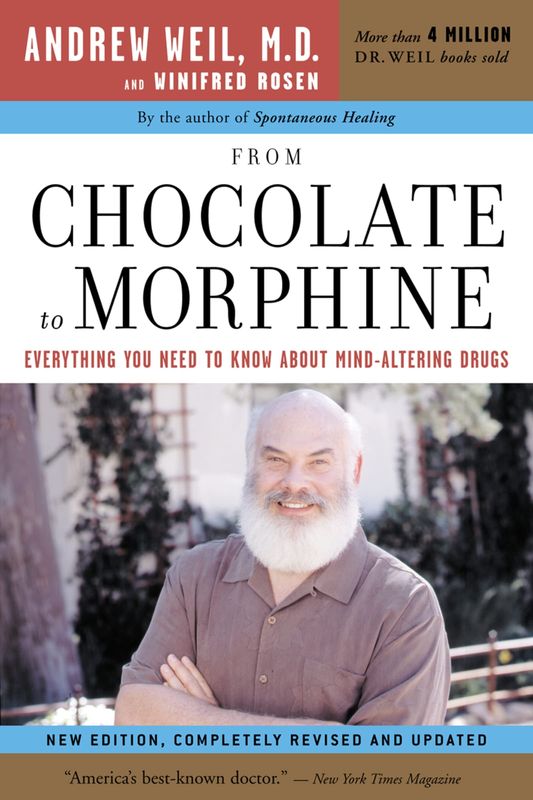
From Chocolate to Morphine Book Summary
'From Chocolate to Morphine' takes readers on an intriguing journey through the world of psychoactive substances, examining their effects on the human body and mind. Authors Andrew Weil and Winifred Rosen delve into the history and cultural significance of various drugs, from the innocent pleasure of chocolate to the complex nature of morphine. This compelling exploration challenges conventional perceptions of addiction and therapeutic use, sparking curiosity about the fine line between pleasure and peril. The book not only illuminates the science behind these substances but also invites readers to reflect on their own experiences and beliefs surrounding them. A thought-provoking read for anyone interested in health, wellness, and the psychology of our choices.
Showing 8 of 30 similar books
Take your reading experience to the next level
Download our mobile app to enjoy your favorite books on the go. Get access to exclusive features, offline listening, and personalized recommendations.

Similar Book Recommendations →

Hugh Jackman's Book Recommendations
Hugh Jackman, better known for his illustrious acting career, has made significant contributions to literature through his co-authorship of the popular children's book series, "The School of Life." Born in Sydney, Australia, Jackman has seamlessly transitioned from stage and screen to the literary world, captivating young readers with his imaginative storytelling. His work in literature reflects his versatility and dedication to inspiring and educating children. Alongside his wife, Deborra-Lee Furness, Jackman has also been involved in various philanthropic efforts, promoting literacy and education globally. Despite his Hollywood fame, Jackman's contributions to literature highlight his commitment to nurturing young minds.
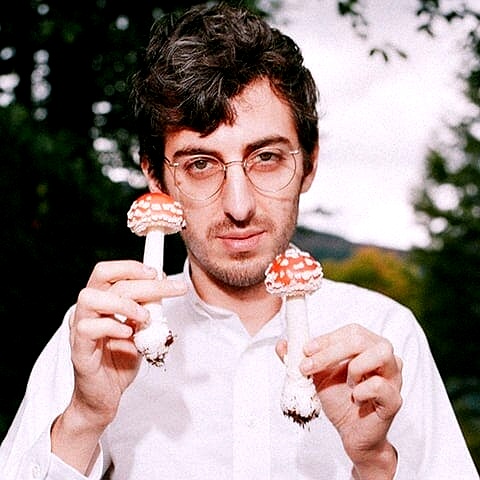
Hamilton Morris's Book Recommendations
Hamilton Morris is an American journalist, documentarian, and chemist renowned for his extensive work on psychoactive substances. He is best known for his series "Hamilton's Pharmacopeia," which explores the history, chemistry, and cultural impact of various psychoactive drugs. Morris has contributed significantly to the literature on ethnopharmacology, providing in-depth research and firsthand accounts that have enriched public understanding of these substances. His writings and documentaries have been featured in prominent publications such as Vice, Harper's Magazine, and National Geographic. An advocate for scientific rigor and cultural sensitivity, Hamilton Morris continues to influence both the scientific community and popular discourse on psychoactive substances.

Esther Perel's Book Recommendations
Esther Perel is a renowned Belgian psychotherapist and author, celebrated for her groundbreaking work in the field of relationships and sexuality. She is best known for her best-selling books "Mating in Captivity: Unlocking Erotic Intelligence" and "The State of Affairs: Rethinking Infidelity," which explore the complexities of modern love and desire. Perel's insightful TED Talks have garnered millions of views, further establishing her as a leading voice on intimacy and human connection. She also hosts the popular podcast "Where Should We Begin?" where she provides a candid look into the intricacies of couples therapy. Perel's innovative perspectives have significantly influenced contemporary discussions on relationships, making her a pivotal figure in both psychology and literature.
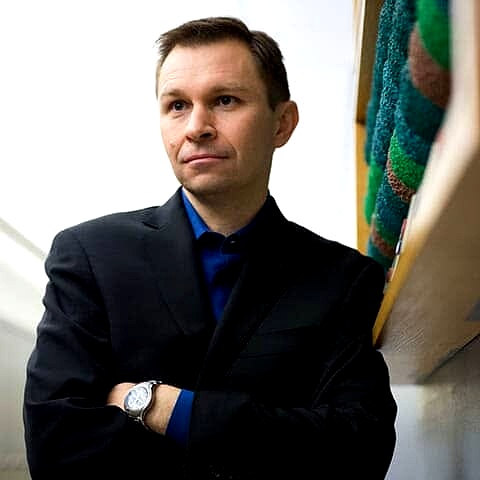
David Sinclair's Book Recommendations
David Sinclair is an Australian biologist and professor at Harvard Medical School, known for his pioneering research in the field of aging and longevity. Sinclair's work focuses on understanding the biological mechanisms that drive aging and developing interventions to slow or reverse the process. His bestselling book Lifespan: Why We Age – and Why We Don’t Have To explores the latest advancements in anti-aging science and offers insights into how humans might extend their healthspan. Sinclair's research has led to breakthroughs in areas such as sirtuins, NAD+ metabolism, and cellular reprogramming. He is also the co-founder of several biotech companies, including Sirtris Pharmaceuticals and Life Biosciences, dedicated to translating aging research into practical treatments. Sinclair is a vocal advocate for taking a proactive approach to aging, promoting lifestyle changes and emerging therapies to delay age-related diseases. His work has made him a leading figure in the longevity movement, influencing both scientific and public discourse on the future of health.
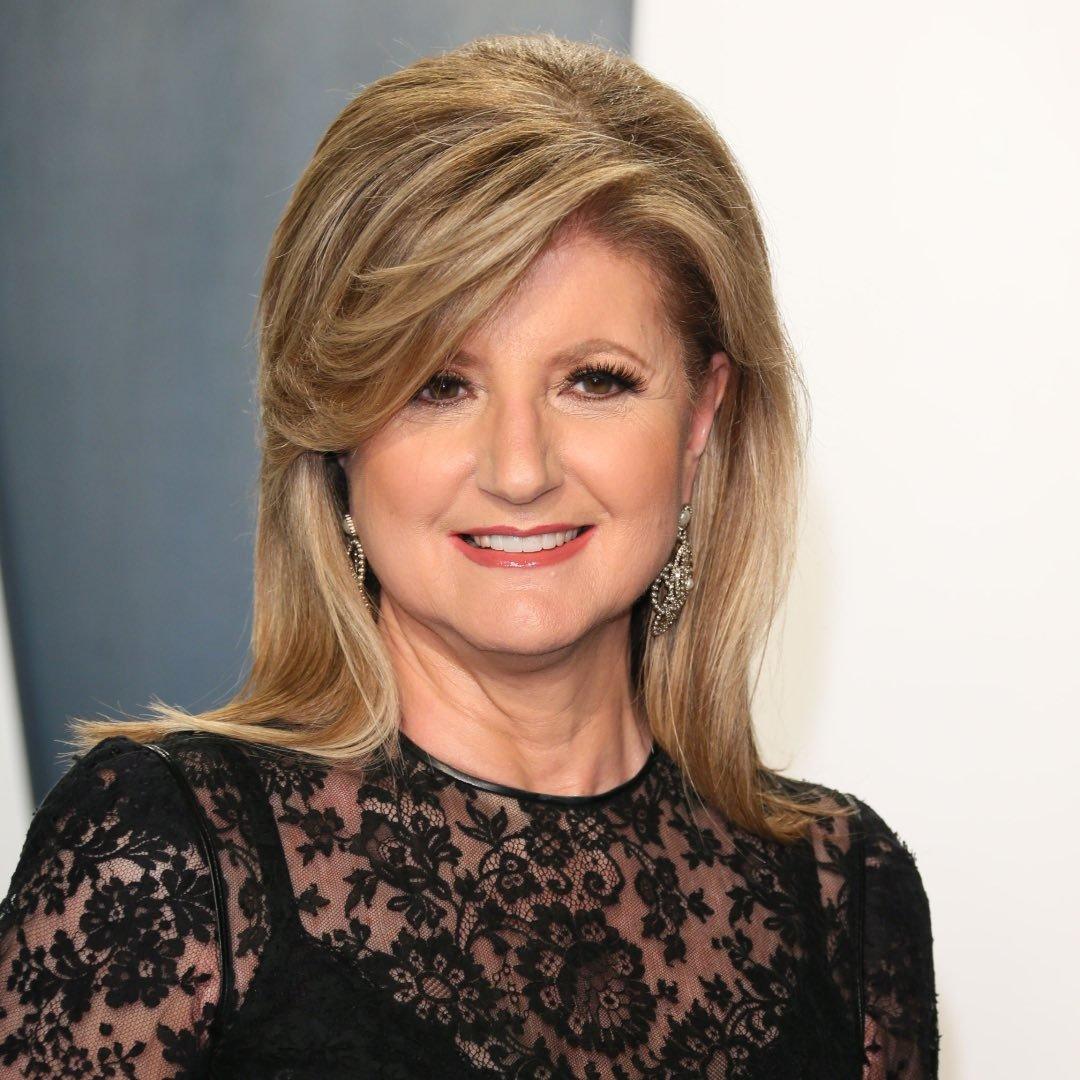
Arianna Huffington's Book Recommendations
Arianna Huffington is the founder of The Huffington Post and Thrive Global, a company focused on wellness and productivity. She is a bestselling author and prominent speaker on the importance of sleep and managing stress. Arianna’s work emphasizes the importance of balance between professional success and personal well-being. Her book The Sleep Revolution has inspired a global movement to prioritize rest. She is considered one of the most influential women in media and business.
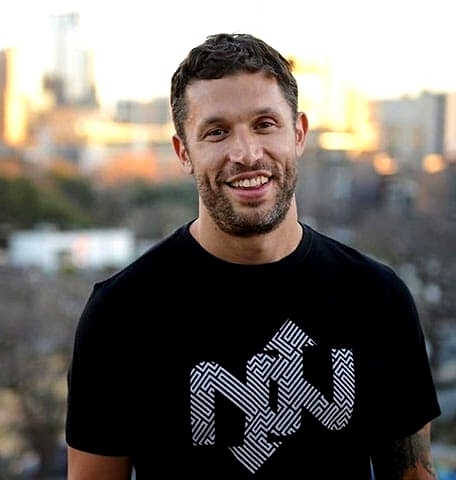
Aubrey Marcus's Book Recommendations
Aubrey Marcus is an influential entrepreneur, author, and podcaster, best known for founding Onnit, a health and wellness company dedicated to optimizing human performance. He authored the acclaimed book "Own the Day, Own Your Life," which offers practical advice on improving daily routines for overall well-being. Marcus's contributions to literature extend through his insightful podcasts and articles that delve into personal development, mental health, and holistic living. As a thought leader, he has inspired countless individuals to pursue a balanced and fulfilling life. His work continues to resonate with a global audience, promoting a message of self-empowerment and holistic health.

Michael Pollan's Book Recommendations
Michael Pollan is a renowned American author and journalist, celebrated for his insightful explorations of food, agriculture, and human culture. His groundbreaking book, "The Omnivore's Dilemma," published in 2006, critically examines the complexities of the modern food industry and has become a seminal work in food studies. Pollan's engaging narrative style and thorough research have earned him a place on The New York Times Best Seller list multiple times. In addition to his literary contributions, he is also a professor of journalism at the University of California, Berkeley. Pollan's work continues to influence public discourse on sustainable eating and the ethical implications of food choices.
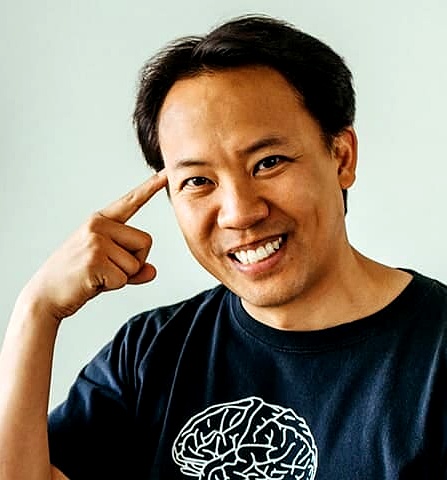
Jim Kwik's Book Recommendations
Jim Kwik is a renowned brain coach and founder of Kwik Learning, known for his expertise in memory improvement, brain performance, and accelerated learning. He is the author of the best-selling book "Limitless: Upgrade Your Brain, Learn Anything Faster, and Unlock Your Exceptional Life," which has empowered countless individuals to optimize their cognitive abilities. Through his popular podcast, "Kwik Brain," and numerous speaking engagements, Kwik has inspired millions worldwide with practical strategies for mental enhancement. His work emphasizes the potential of lifelong learning and the power of self-belief. Kwik's contributions have significantly influenced both educational methodologies and personal development practices.
Showing 8 of 14 related collections
“The brain is a dynamic organ that can change and adapt throughout our lives, allowing us to heal by harnessing its astonishing capacity for neuroplasticity.”
The Brain's Way of Healing
By Norman Doidge
Frequently Asked Questions
Explore Our Catalogue
Discover a world of knowledge through our extensive collection of book summaries.
Genres
Genres
Genres
Featured Collections
- Top Book Club Picks
- One-Stop Nutrition
- Summer Reads 2024
- Best Beach Reads 2024
- Work-Life Balance Guide
- Time Management
- Healthy Foods
- Entrepreneur Toolkit
- Mind & Body Wellness
- Future Tech Insights
- Leadership Essentials
- Financial Freedom
- Sci-Fi Masterpieces
- Parenting 101
- Books That Became Blockbusters
- Guide to a Healthy Pregnancy