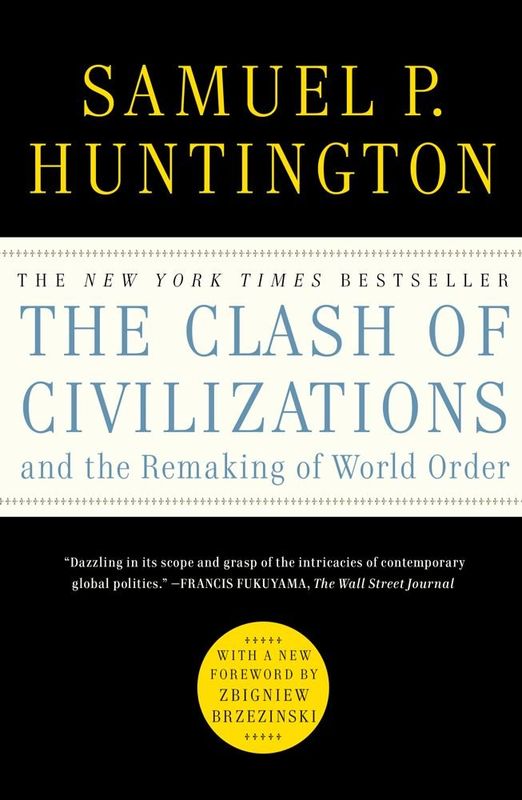
The Clash of Civilizations and the Remaking of World Order Book Summary
In 'The Clash of Civilizations and the Remaking of World Order,' Samuel P. Huntington proposes a bold theory that global conflicts will no longer be driven primarily by ideology or economics, but by cultural and religious identities. He suggests that the fundamental sources of conflict lie in the differing civilizations' beliefs and values, leading to a restructured world order. Huntington's ideas challenge the prevailing notions of a peaceful, post-Cold War era and paint a provocative picture of future geopolitical tensions. As he analyzes the rise of non-Western civilizations, readers are left questioning how these cultural divides will shape international relations. Will understanding these differences be the key to avoiding global chaos, or will they exacerbate the conflicts of tomorrow?
By Samuel P. Huntington
Published: 2011
""The future will be shaped by the interactions of civilizations, not just politics or ideologies, as the clash of cultures and identities defines our world order.""

Start Listening to Book Summary
Book Review of The Clash of Civilizations and the Remaking of World Order
The classic study of post-Cold War international relations, more relevant than ever in the post-9/11 world, with a new foreword by Zbigniew Brzezinski. Since its initial publication, The Clash of Civilizations and the Remaking of World Order has become a classic work of international relations and one of the most influential books ever written about foreign affairs. An insightful and powerful analysis of the forces driving global politics, it is as indispensable to our understanding of American foreign policy today as the day it was published. As former National Security Adviser Zbigniew Brzezinski says in his new foreword to the book, it “has earned a place on the shelf of only about a dozen or so truly enduring works that provide the quintessential insights necessary for a broad understanding of world affairs in our time.” Samuel Huntington explains how clashes between civilizations are the greatest threat to world peace but also how an international order based on civilizations is the best safeguard against war. Events since the publication of the book have proved the wisdom of that analysis. The 9/11 attacks and wars in Iraq and Afghanistan have demonstrated the threat of civilizations but have also shown how vital international cross-civilization cooperation is to restoring peace. As ideological distinctions among nations have been replaced by cultural differences, world politics has been reconfigured. Across the globe, new conflicts—and new cooperation—have replaced the old order of the Cold War era. The Clash of Civilizations and the Remaking of World Order explains how the population explosion in Muslim countries and the economic rise of East Asia are changing global politics. These developments challenge Western dominance, promote opposition to supposedly “universal” Western ideals, and intensify intercivilization conflict over such issues as nuclear proliferation, immigration, human rights, and democracy. The Muslim population surge has led to many small wars throughout Eurasia, and the rise of China could lead to a global war of civilizations. Huntington offers a strategy for the West to preserve its unique culture and emphasizes the need for people everywhere to learn to coexist in a complex, multipolar, muliticivilizational world.
Book Overview of The Clash of Civilizations and the Remaking of World Order
About the Book Author
Samuel P. Huntington
Samuel P. Huntington (1927-2008) was a prominent American political scientist, educator, and author, known for his influential works on the dynamics of political order and conflict. He served as the director of the Center for International Affairs at Harvard University and was a professor of government at Harvard. Huntington gained widespread recognition for his books, including 'The Clash of Civilizations and the Remaking of World Order' (1996), which argued that future conflicts would be culturally based rather than ideological or economic, and 'The Third Wave: Democratization in the Late Twentieth Century' (1991), which examined the global trend towards democracy. His writing style is characterized by analytical rigor and a clear, accessible presentation of complex ideas, making significant contributions to the discourse on political science and international relations.
Book Details
Key information about the book.
- Authors
- Samuel P. Huntington
- Published
- August 2011
- Publisher
- Simon & Schuster
- ISBN
- 1451627165
- Language
- English
- Pages
- N/A
- Genres
- Political PhilosophyInternational RelationsGeopoliticsPolitics and Current Affairs
Purchase Options
 Buy on Amazon
 Buy via BookShop
Support local bookstores: BookShop gives a portion of each sale to independent bookshops!
Similar books you might like →
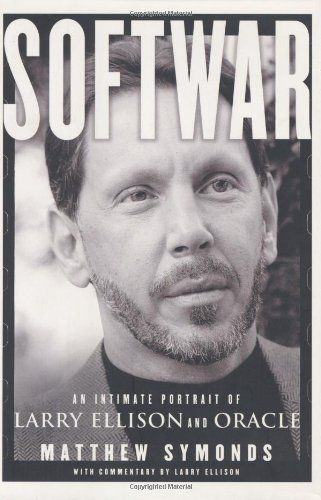
Softwar Book Summary
'Softwar' by Matthew Symonds delves into the intricate and often secretive world of software development amidst global geopolitics. As nations harness technology for power, the narrative reveals how software now plays a crucial role in warfare and diplomacy. With insider stories and vivid characters, Symonds illustrates the intersection of cyberspace and the physical world, raising questions about ethics and control. The book challenges readers to consider the implications of a technology-driven future shaped by both innovation and conflict. Will the next conflict be fought not on battlegrounds, but in the software that powers our lives?
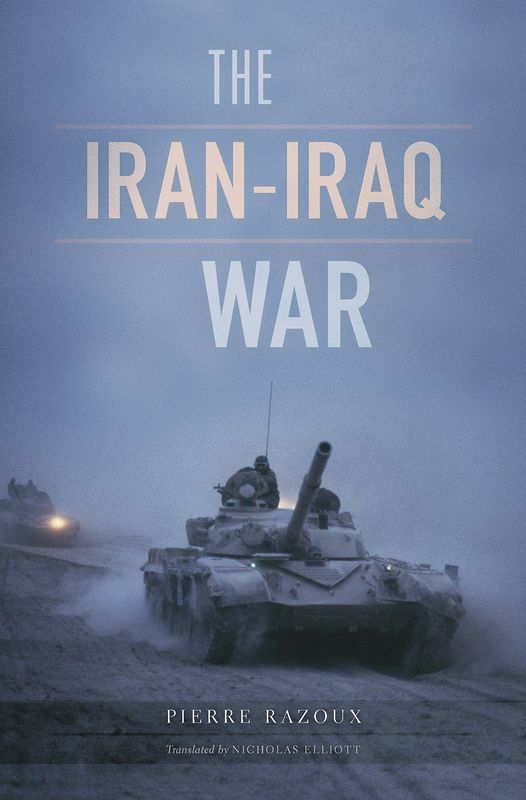
War with Iraq Book Summary
'War with Iraq' explores the intricate web of geopolitical tensions that led to one of the most controversial conflicts of the 21st century. Delving into the motivations behind the war, it reveals the clash of ideologies, policies, and national interests. The book combines personal accounts, military strategies, and political analysis, offering a multifaceted view of the consequences of the invasion. Readers are taken behind the scenes, uncovering the complexities of international diplomacy and the human cost of war. This compelling narrative leaves one questioning the true price of freedom and peace in a fractured world.
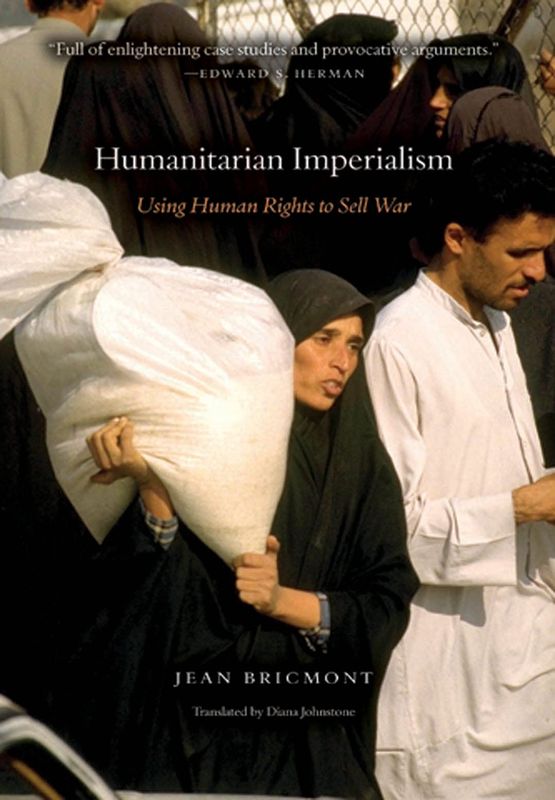
Humanitarian Intervention Book Summary
In 'Humanitarian Intervention', Sean D. Murphy explores the complex interplay between sovereignty and the responsibility to protect innocent lives in times of crisis. He examines historical precedents and legal frameworks that shape the debate on intervention. With compelling case studies, Murphy raises critical questions about ethics, legitimacy, and the role of international organizations. Can military action ever be justified under the guise of humanitarian aid? This thought-provoking book invites readers to reconsider the boundaries of global responsibility and the moral imperatives that drive intervention.

Politicide Book Summary
In 'Politicide', Baruch Kimmerling presents a thought-provoking examination of the complex interplay between politics and violence in the Israeli-Palestinian conflict. He introduces the concept of 'politicide', a strategy that systematically undermines the existence of a group, leading to a chilling narrative of state-sponsored aggression. Kimmerling's incisive analysis reveals the deep-rooted socio-political factors fueling decades of turmoil and suffering. The book challenges readers to confront uncomfortable truths about power, identity, and the human cost of conflict. With eloquent prose and compelling arguments, 'Politicide' is a must-read for anyone seeking to understand the intricacies of contemporary geopolitics.
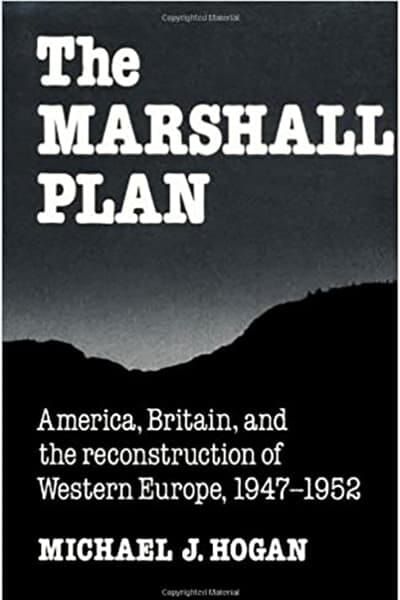
The Marshall Plan Book Summary
In 'The Marshall Plan', Michael J. Hogan unravels the intricate web of economic and political strategies that transformed post-war Europe. Delve into the ambitious initiative that not only rebuilt nations but also reshaped global power dynamics. Discover the pivotal decisions and key figures behind this historic plan, revealing the challenges they faced in a world teetering on the brink of collapse. Hogan's incisive analysis raises questions about the long-term impact and lessons learned from this massive undertaking. Will the past inform our future strategies in international relations and economic recovery?
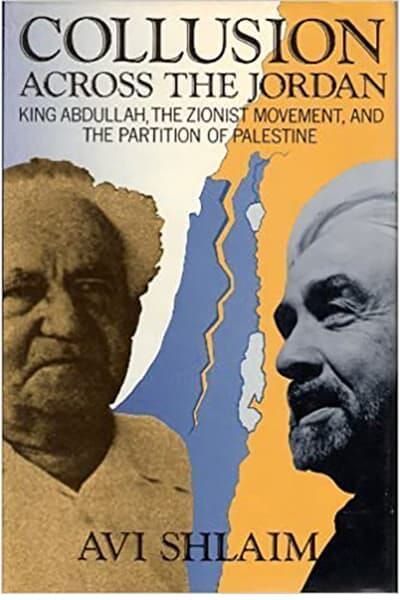
Collusion Across the Jordan Book Summary
In 'Collusion Across the Jordan,' Avi Shlaim unveils the intricate and often hidden relationships between Israel and Jordan during pivotal moments in Middle Eastern history. Through meticulous research and compelling storytelling, he reveals how political maneuvering and shared interests have shaped the narratives of both nations. The book challenges conventional wisdom and encourages readers to reconsider the complexities of Arab-Israeli relations. Shlaim's insights highlight the impact of diplomacy and secret agreements that influenced the region's fate. Prepare for a journey that intertwines history, politics, and the human spirit in ways that will leave you questioning the very foundations of contemporary geopolitics.

The Limits of State Action Book Summary
In 'The Limits of State Action', Wilhelm von Humboldt challenges the conventional role of government in individual lives, arguing for the primacy of personal freedom and self-development. He articulates a vision of a society where the state should limit its intervention, allowing individuals to flourish in their pursuits. Humboldt's philosophy emphasizes the importance of diverse experiences and the cultivation of individuality, inviting readers to rethink their views on authority and autonomy. With a blend of political philosophy and humanistic ideals, this work remains a profound exploration of the tension between freedom and governance. Dive in to discover how his insights resonate in today's debates about state overreach and personal liberty.
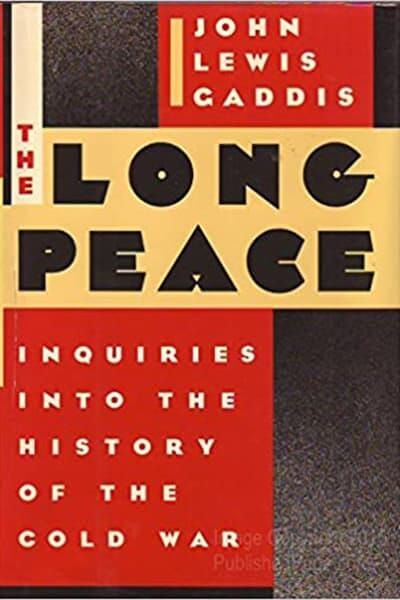
The Long Peace Book Summary
In 'The Long Peace,' historian John Lewis Gaddis examines the unprecedented stability of the post-World War II era, delving into the geopolitical dynamics that have shaped international relations. With a focus on the interplay between military power and diplomatic negotiations, Gaddis challenges readers to rethink traditional narratives of conflict and resolution. He explores how the balance of power and nuclear deterrence have played crucial roles in maintaining peace among nuclear-armed states. This thought-provoking analysis not only sheds light on the past but also poses critical questions about the future of global peace. Prepare to be captivated by Gaddis's insights as he unravels the complexities of a remarkably long-lasting tranquility.
Showing 8 of 30 similar books
Take your reading experience to the next level
Download our mobile app to enjoy your favorite books on the go. Get access to exclusive features, offline listening, and personalized recommendations.

Similar Book Recommendations →

Jordan Hughes's Book Recommendations
Jordan Hughes is a celebrated author known for their compelling narratives and richly developed characters. Their debut novel, "Echoes of Tomorrow," won the prestigious Man Booker Prize, marking a significant milestone in contemporary fiction. Hughes's work often explores themes of identity, resilience, and the human condition, earning them critical acclaim and a dedicated readership. In addition to their novels, Hughes has contributed thought-provoking essays to major literary journals, further solidifying their influence in the literary world. Their innovative storytelling continues to inspire and captivate audiences worldwide.

Joe Rogan's Book Recommendations
Joe Rogan is a multifaceted American entertainer known primarily for his work as a comedian, podcast host, and commentator. He gained widespread recognition through his immensely popular podcast, "The Joe Rogan Experience," which has featured in-depth conversations with a diverse array of guests, including scientists, celebrities, and politicians. Though not primarily known for literature, Rogan has contributed to the field with his thought-provoking discussions that often explore philosophical and intellectual ideas. Additionally, he has authored the book "Mastering the Rubber Guard," which delves into Brazilian Jiu-Jitsu techniques, showcasing his expertise in martial arts. Rogan's influence extends beyond traditional media, impacting contemporary discourse through his unique blend of humor, curiosity, and critical thinking.
Ray Dalio's Book Recommendations
Ray Dalio is the founder of Bridgewater Associates, one of the largest and most successful hedge funds in the world. He is also the author of the bestselling book Principles, where he outlines his philosophy on life, leadership, and investing. Ray is renowned for his unique approach to transparency, radical truth, and thoughtful disagreement within organizations. His insights into economics and investing have made him one of the most influential figures in the financial world. Dalio continues to be a thought leader in business, economics, and philanthropy.

Ben Shapiro's Book Recommendations
Ben Shapiro is an American conservative political commentator, author, and lawyer, known for his sharp analytical skills and outspoken views. He graduated from UCLA at the age of 20 and Harvard Law School at 23, demonstrating his early intellectual prowess. Shapiro is the author of several best-selling books including "Bullies: How the Left's Culture of Fear and Intimidation Silences Americans" and "The Right Side of History: How Reason and Moral Purpose Made the West Great." He is the co-founder and editor emeritus of The Daily Wire, a popular conservative news and opinion website. Through his writing and media presence, Shapiro has significantly influenced contemporary political discourse in the United States.

Barack Obama's Book Recommendations
Barack Obama is the 44th President of the United States, serving from 2009 to 2017. As the first African American president, Obama’s leadership marked a historic moment in American history. His administration focused on healthcare reform, economic recovery from the Great Recession, and environmental policies. He is best known for the Affordable Care Act, as well as his efforts to expand civil rights and restore diplomatic relations with Cuba. Since leaving office, Obama has continued to engage in public life through his foundation, focusing on leadership development, civic engagement, and global issues.
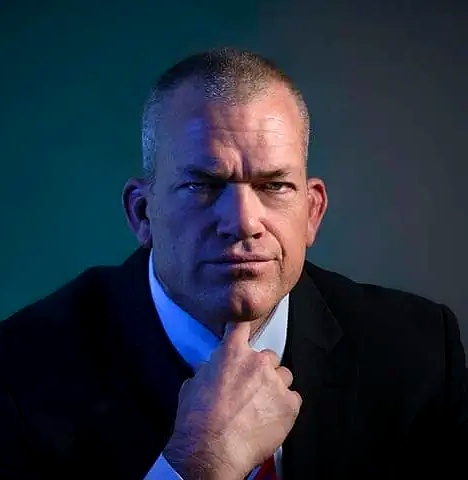
Jocko Willink's Book Recommendations
Jocko Willink is a retired Navy SEAL officer, renowned for his leadership during the Battle of Ramadi in the Iraq War, which earned him the Silver Star and Bronze Star. Transitioning from military service, he co-authored the best-selling book "Extreme Ownership: How U.S. Navy SEALs Lead and Win" with fellow SEAL Leif Babin, which has become a cornerstone in leadership and management literature. Willink has also written the "Way of the Warrior Kid" series, aimed at empowering young readers with principles of discipline and resilience. Additionally, he hosts the popular "Jocko Podcast," where he discusses leadership, discipline, and personal development. Willink's influence extends beyond literature through his Echelon Front leadership consultancy, helping organizations implement effective leadership strategies.
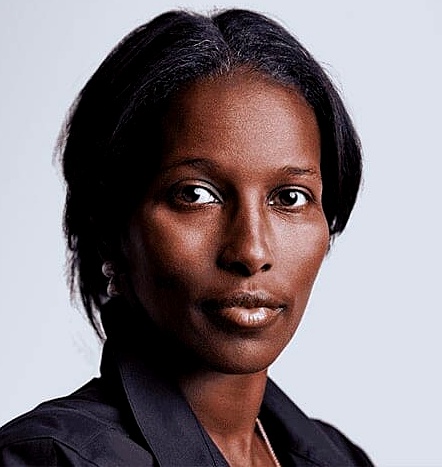
Ayaan Hirsi Ali's Book Recommendations
Ayaan Hirsi Ali is a Somali-born Dutch-American activist, author, and former politician, renowned for her outspoken criticism of Islam and advocacy for women's rights. She gained international recognition with her 2006 memoir, "Infidel," which chronicles her journey from a traditional Muslim upbringing to her eventual renouncement of Islam. As a member of the Dutch parliament from 2003 to 2006, she worked tirelessly on issues related to the integration of immigrants and the emancipation of Muslim women. Hirsi Ali has continued her advocacy through her writing, including notable works such as "Nomad" and "Heretic," which further explore themes of freedom, religion, and human rights. Her courageous and often controversial stance has earned her both widespread acclaim and significant opposition.
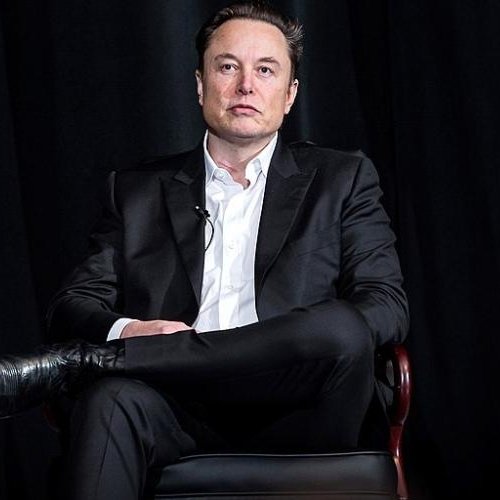
Elon Musk's Book Recommendations
Elon Musk is an influential entrepreneur and innovator known for founding and leading several groundbreaking companies, including Tesla, SpaceX, Neuralink, and The Boring Company. He has played a pivotal role in advancing electric vehicles, space exploration, and renewable energy. Musk's vision extends to colonizing Mars and reducing the risk of human extinction through space travel. In addition to his technological contributions, he has co-authored the book "Spacex: Making Commercial Spaceflight a Reality," providing insights into his ambitious projects and vision for the future. Musk's relentless pursuit of innovation continues to shape the trajectory of multiple industries.
Showing 8 of 17 related collections
“"The future will be shaped by the interactions of civilizations, not just politics or ideologies, as the clash of cultures and identities defines our world order."”
The Clash of Civilizations and the Remaking of World Order
By Samuel P. Huntington
Frequently Asked Questions
Explore Our Catalogue
Discover a world of knowledge through our extensive collection of book summaries.
Genres
Genres
Genres
Featured Collections
- Top Book Club Picks
- One-Stop Nutrition
- Summer Reads 2024
- Best Beach Reads 2024
- Work-Life Balance Guide
- Time Management
- Healthy Foods
- Entrepreneur Toolkit
- Mind & Body Wellness
- Future Tech Insights
- Leadership Essentials
- Financial Freedom
- Sci-Fi Masterpieces
- Parenting 101
- Books That Became Blockbusters
- Guide to a Healthy Pregnancy