The Death and Life of Great American Cities Book Summary
In 'The Death and Life of Great American Cities', Jane Jacobs challenges conventional urban planning principles, arguing that cities are vibrant ecosystems that flourish through diversity and community engagement. She criticizes the destructive effects of top-down planning and the decline of urban life due to the prioritization of cars and wide roads over pedestrian-friendly spaces. Jacobs passionately advocates for the importance of mixed-use development, dense neighborhoods, and lively public spaces that foster social interactions. Through vivid observations and compelling examples, she reveals how grassroots movements can revitalize cities and enhance the quality of life. This groundbreaking work invites readers to rethink their urban environments and become agents of change in their own communities.
By Jane Jacobs
Published: 1992
"Cities have the capability of providing something for everybody, only because and only when they are created by everybody."


Start Listening to Book Summary
Book Review of The Death and Life of Great American Cities
Compassionate, bracingly indignant, and keenly detailed, a monumental work that provides an essential framework for assessing the vitality of all cities. "The most refreshing, provacative, stimulating and exciting study of this [great problem] which I have seen. It fairly crackles with bright honesty and common sense." —The New York Times A direct and fundamentally optimistic indictment of the short-sightedness and intellectual arrogance that has characterized much of urban planning in this century, The Death and Life of Great American Cities has, since its first publication in 1961, become the standard against which all endeavors in that field are measured. In prose of outstanding immediacy, Jane Jacobs writes about what makes streets safe or unsafe; about what constitutes a neighborhood, and what function it serves within the larger organism of the city; about why some neighborhoods remain impoverished while others regenerate themselves. She writes about the salutary role of funeral parlors and tenement windows, the dangers of too much development money and too little diversity.
Book Overview of The Death and Life of Great American Cities
About the Book Author
Jane Jacobs
Jane Jacobs was an influential American-Canadian urbanist, author, and activist known for her pioneering work in urban planning and community development. Born on May 4, 1916, in Scranton, Pennsylvania, Jacobs is best known for her seminal book "The Death and Life of Great American Cities" (1961), which challenged the prevailing notions of urban design. Her writing style is characterized by keen observational detail, persuasive arguments, and an emphasis on the importance of vibrant, community-oriented spaces. Other notable works include "The Economy of Cities" (1969), "The Nature of Economies" (2000), and "Dark Age Ahead" (2004), which explore the relationship between urban environments and economic vitality. Jacobs' advocacy for mixed-use development and her critique of top-down planning processes have left a lasting impact on urban studies and the fight for more livable cities.
Book Details
Key information about the book.
- Authors
- Jane Jacobs
- Published
- December 1992
- Publisher
- Vintage
- ISBN
- 067974195X
- Language
- English
- Pages
- 482
- Genres
- Social Justice MovementsBusiness and EconomicsPolitics and Current Affairs
Purchase Options
 Buy on Amazon
 Buy via BookShop
Support local bookstores: BookShop gives a portion of each sale to independent bookshops!
Similar books you might like →
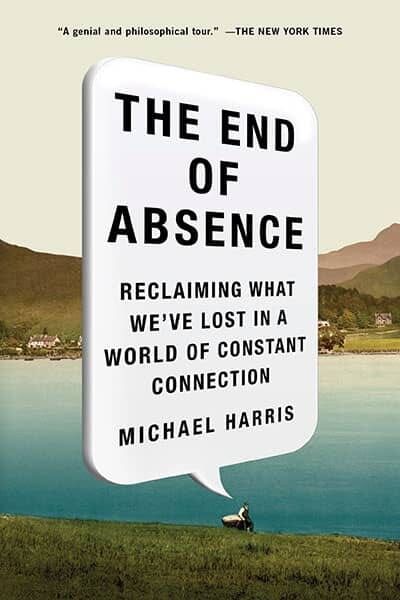
The End of Absence Book Summary
In 'The End of Absence,' Michael John Harris explores the paradox of constant connectivity in our digital age. As he nostalgically reflects on a time when absence was a natural state, he questions how technology reshapes our experiences and relationships. Through personal anecdotes and cultural analysis, Harris invites readers to ponder what we lose in a world devoid of solitude. This thought-provoking narrative challenges us to reconsider our attachment to screens and the significance of being truly present. Will we ever rediscover the value of absence in our hyper-connected lives?

Expulsion of the Palestinians Book Summary
No summary available
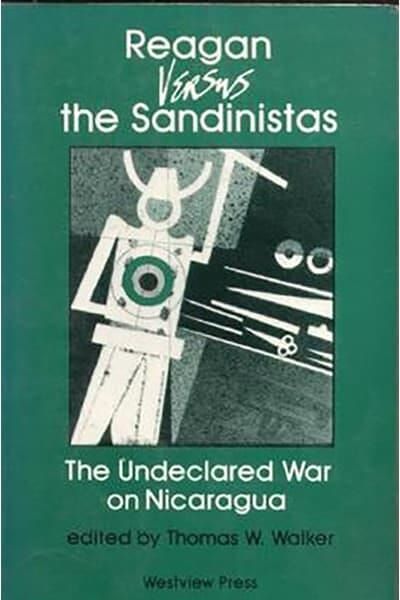
Reagan Versus The Sandinistas Book Summary
"Reagan Versus The Sandinistas" delves into the intense political battle between the Reagan administration and the Sandinista government in Nicaragua during the 1980s. This gripping narrative uncovers the complexities of U.S. foreign policy and its implications for Latin America, revealing both covert actions and public confrontations. With a wealth of archival research, the authors illuminate the motivations behind Reagan's attempts to undermine leftist movements and support rebels. Through vivid accounts and firsthand testimonies, the book showcases the human stories behind the geopolitical chess game. Readers will find themselves questioning the ethical boundaries of political intervention and its lasting impact on a region caught in the crossfire.

NEVER MIND Book Summary
In 'NEVER MIND,' Edward St Aubyn introduces readers to the troubled yet intriguing life of Patrick Melrose, a young man spiraling into addiction against the backdrop of his affluent upbringing. With razor-sharp wit and deep emotional insight, St Aubyn navigates themes of trauma, family dysfunction, and the quest for identity. As melrose faces the demons of his past during a funeral, the reader is drawn into a world of dark humor intertwined with profound sadness. This novel challenges perceptions of privilege and suffering, urging us to confront the complexities of human experience. Will Patrick find redemption amidst the chaos, or will he be forever marked by his past?

The Dharma Bums Book Summary
In 'The Dharma Bums,' Jack Kerouac takes readers on a vivid journey through the eyes of Ray Smith, a restless wanderer seeking spiritual enlightenment amid the backdrop of 1950s America. As he traverses mountains and communes with like-minded souls, the book explores the tension between societal expectations and the pursuit of true happiness. Kerouac's prose captures the essence of beatnik culture, encapsulating adventures filled with poetry, philosophy, and fleeting friendships. Along the way, readers are invited to ponder their own paths to self-discovery and the meaning of life. Will Ray find the enlightenment he seeks, or is he destined to roam forever?
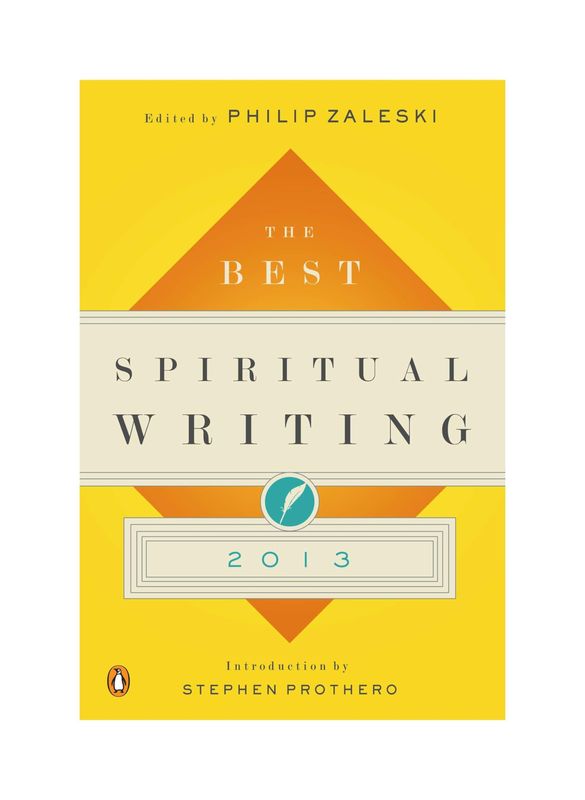
The Best Spiritual Writing 2013 Book Summary
In 'The Best Spiritual Writing 2013,' editor Philip Zaleski curates a compelling collection of essays, stories, and reflections that explore the myriad ways spirituality touches our lives. This anthology showcases writers from diverse backgrounds who candidly share their personal journeys, grappling with profound questions of faith, doubt, and the search for meaning. Each piece invites readers to reflect on their own spiritual paths and challenges conventional notions of belief. Engaging and illuminating, this collection offers a tapestry of voices that resonate with both the sacred and the everyday. Discover how the essence of spirituality intertwines with the human experience in this thought-provoking volume.
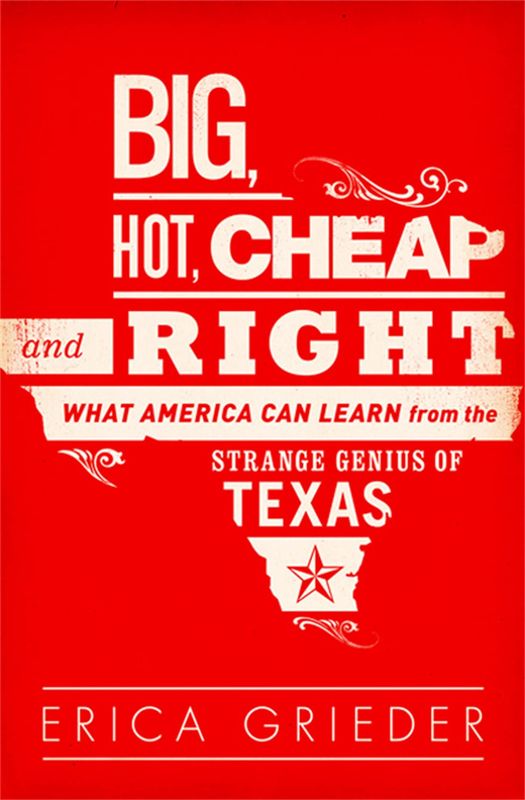
Big, Hot, Cheap, and Right Book Summary
In 'Big, Hot, Cheap, and Right', Erica Grieder explores the allure and challenges of Texas, a state that embodies a unique blend of opportunity and excess. Through captivating anecdotes, she reveals how the Texan spirit fuels innovation and economic growth, while also grappling with issues of inequality and environmental impact. Grieder invites readers to confront the complexities of a land where everything seems bigger, hotter, and more affordable. As the narrative unfolds, it becomes clear that Texas is not just a place, but a mindset that can offer lessons for the rest of America. Will the boldness of Texas inspire the nation to rethink what it means to thrive?
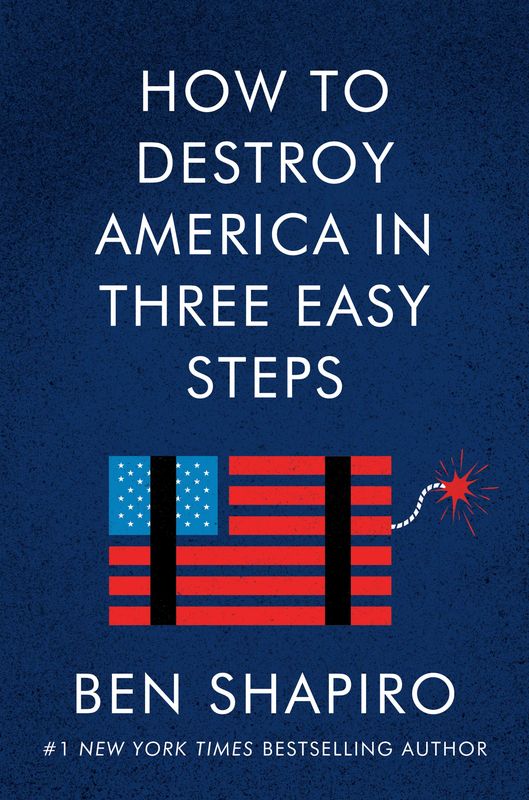
How to Destroy America in Three Easy Steps Book Summary
In 'How to Destroy America in Three Easy Steps,' Ben Shapiro provocatively dissects the ideological battles threatening the American fabric. He argues that the erosion of foundational values, the rise of radicalism, and the embrace of divisiveness are leading the nation towards peril. With sharp wit and incisive commentary, Shapiro challenges readers to confront uncomfortable truths about contemporary society. This thought-provoking work is not just a critique, but a call to action for those who cherish liberty and unity. Will you heed the warning before it’s too late?
Showing 8 of 30 similar books
Take your reading experience to the next level
Download our mobile app to enjoy your favorite books on the go. Get access to exclusive features, offline listening, and personalized recommendations.

Similar Book Recommendations →

Chris Dixon's Book Recommendations
Chris Dixon is a notable venture capitalist and technology entrepreneur, best known for his influential role as a general partner at Andreessen Horowitz, where he leads investments in cryptocurrency and blockchain technology. Before joining the firm, Dixon co-founded two startups: SiteAdvisor, a web security company acquired by McAfee, and Hunch, a recommendation engine acquired by eBay. In addition to his investment career, Dixon is a prolific writer and thought leader on technology and innovation, contributing insightful essays and articles to various platforms such as his personal blog and Medium. His writings often explore the future of technology, the internet, and the impact of blockchain, making significant contributions to contemporary tech literature. Dixon's work has earned him recognition as a visionary in both the tech and literary worlds.

Joe Rogan's Book Recommendations
Joe Rogan is a multifaceted American entertainer known primarily for his work as a comedian, podcast host, and commentator. He gained widespread recognition through his immensely popular podcast, "The Joe Rogan Experience," which has featured in-depth conversations with a diverse array of guests, including scientists, celebrities, and politicians. Though not primarily known for literature, Rogan has contributed to the field with his thought-provoking discussions that often explore philosophical and intellectual ideas. Additionally, he has authored the book "Mastering the Rubber Guard," which delves into Brazilian Jiu-Jitsu techniques, showcasing his expertise in martial arts. Rogan's influence extends beyond traditional media, impacting contemporary discourse through his unique blend of humor, curiosity, and critical thinking.

Ezra Klein's Book Recommendations
Ezra Klein is a prominent American journalist, political analyst, and author, renowned for his incisive commentary on politics and policy. He co-founded Vox, a widely respected news website known for its explanatory journalism, and served as its editor-in-chief. Klein's work includes the critically acclaimed book "Why We're Polarized," which delves into the deep-seated divisions in American politics. He also hosts "The Ezra Klein Show," a popular podcast where he interviews thought leaders from various fields. Klein's contributions have significantly shaped contemporary political discourse and media consumption.
Ray Dalio's Book Recommendations
Ray Dalio is the founder of Bridgewater Associates, one of the largest and most successful hedge funds in the world. He is also the author of the bestselling book Principles, where he outlines his philosophy on life, leadership, and investing. Ray is renowned for his unique approach to transparency, radical truth, and thoughtful disagreement within organizations. His insights into economics and investing have made him one of the most influential figures in the financial world. Dalio continues to be a thought leader in business, economics, and philanthropy.

Alex Honnold's Book Recommendations
Alex Honnold is an American professional rock climber, best known for his free solo ascent of El Capitan in Yosemite National Park, a feat that was documented in the Oscar-winning film Free Solo. Honnold is renowned for his mental toughness, technical skill, and ability to climb without ropes or safety equipment. His accomplishments have made him a legend in the climbing world, and he continues to push the boundaries of the sport. Outside of climbing, Honnold is a philanthropist, founding the Honnold Foundation, which supports environmental sustainability projects, particularly in solar energy.

Audrey Gelman's Book Recommendations
Audrey Gelman is an American entrepreneur and writer, best known as the co-founder and former CEO of The Wing, a network of co-working spaces and social clubs designed for women. She has been recognized for her innovative approach to creating supportive environments for professional women, significantly impacting feminist discourse and workplace equality. Gelman has also contributed thought-provoking essays to prominent publications such as The New York Times and The New Yorker, where she discusses gender, politics, and culture. Her leadership at The Wing has been celebrated for fostering community and collaboration among women. Additionally, Gelman's influence extends to the political sphere, having previously worked as a press aide on several high-profile campaigns.

Barack Obama's Book Recommendations
Barack Obama is the 44th President of the United States, serving from 2009 to 2017. As the first African American president, Obama’s leadership marked a historic moment in American history. His administration focused on healthcare reform, economic recovery from the Great Recession, and environmental policies. He is best known for the Affordable Care Act, as well as his efforts to expand civil rights and restore diplomatic relations with Cuba. Since leaving office, Obama has continued to engage in public life through his foundation, focusing on leadership development, civic engagement, and global issues.

Jon Stewart's Book Recommendations
Jon Stewart is an American comedian, writer, and former host of The Daily Show, where he gained fame for his satirical take on news and politics. Stewart transformed The Daily Show into a critical voice in American media, blending humor with hard-hitting commentary on political and social issues. After stepping down from the show, Stewart has continued to advocate for causes like 9/11 first responders and veterans' rights. He is also a filmmaker, directing the political satire film Irresistible. Stewart remains a significant figure in American culture, known for his wit, activism, and influence on political discourse.
Showing 8 of 21 related collections
“Cities have the capability of providing something for everybody, only because and only when they are created by everybody.”
The Death and Life of Great American Cities
By Jane Jacobs
Frequently Asked Questions
Explore Our Catalogue
Discover a world of knowledge through our extensive collection of book summaries.
Genres
Genres
Genres
Featured Collections
- Top Book Club Picks
- One-Stop Nutrition
- Summer Reads 2024
- Best Beach Reads 2024
- Work-Life Balance Guide
- Time Management
- Healthy Foods
- Entrepreneur Toolkit
- Mind & Body Wellness
- Future Tech Insights
- Leadership Essentials
- Financial Freedom
- Sci-Fi Masterpieces
- Parenting 101
- Books That Became Blockbusters
- Guide to a Healthy Pregnancy