The Great Convergence Book Summary
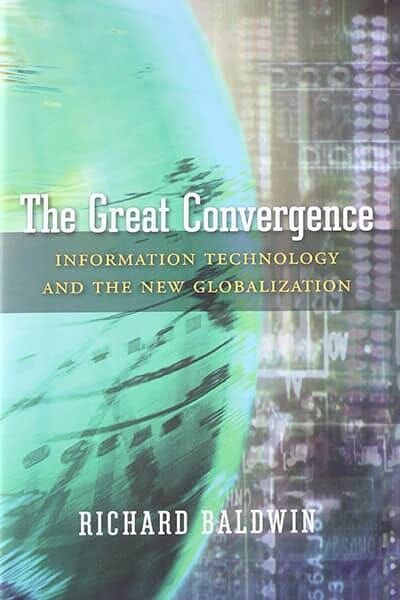
In 'The Great Convergence,' Richard Baldwin takes readers on a compelling journey through the forces shaping our global economy, emphasizing the revolutionary impact of digital technology. He argues that the convergence of production and consumption is redefining international borders and reshaping global trade. As we become more interconnected than ever, Baldwin raises critical questions about the future of jobs and economic disparity. Will the merging of markets lead to prosperity, or will it deepen existing divides? A thought-provoking exploration that challenges conventional wisdom and invites readers to rethink the implications of our rapidly changing world.
By Richard Baldwin
Published: NaN
"In this new age of globalization, what binds us together is not just trade, but a shared destiny that challenges us to rethink our role in a truly interconnected world."

Start Listening to Book Summary
Book Review of The Great Convergence
Between 1820 and 1990, the share of world income going to today's wealthy nations soared from twenty percent to almost seventy. Since then, that share has plummeted to where it was in 1900. As Richard Baldwin explains, this reversal of fortune reflects a new age of globalization that is drastically different from the old. In the 1800s, globalization leaped forward when steam power and international peace lowered the costs of moving goods across borders. This triggered a self-fueling cycle of industrial agglomeration and growth that propelled today's rich nations to dominance. That was the Great Divergence. The new globalization is driven by information technology, which has radically reduced the cost of moving ideas across borders. This has made it practical for multinational firms to move labor-intensive work to developing nations. But to keep the whole manufacturing process in sync, the firms also shipped their marketing, managerial, and technical know-how abroad along with the offshored jobs. The new possibility of combining high tech with low wages propelled the rapid industrialization of a handful of developing nations, the simultaneous deindustrialization of developed nations, and a commodity super-cycle that is only now petering out. The result is today's Great Convergence. Because globalization is now driven by fast-paced technological change and the fragmentation of production, its impact is more sudden, more selective, more unpredictable, and more uncontrollable. As The Great Convergence shows, the new globalization presents rich and developing nations alike with unprecedented policy challenges in their efforts to maintain reliable growth and social cohesion.--
Book Overview of The Great Convergence
About the Book Author
Richard Baldwin
Richard Baldwin is a renowned author and economist, best known for his influential works on global trade, economics, and the impact of technological change. His notable publications include 'The Great Convergence' and 'The Globotics Upheaval', which explore the intersection of globalization and digital innovation. Baldwin's writing style is characterized by its clarity and accessibility, making complex economic concepts understandable to a broad audience. He is a professor at the Graduate Institute of International and Development Studies in Geneva and is widely regarded as a thought leader in the field of international economics.
Book Details
Key information about the book.
- Authors
- Richard Baldwin
- Published
- N/A
- Publisher
- Belknap Press
- ISBN
- 0674237846
- Language
- English
- Pages
- 344
- Genres
- Social Justice MovementsGlobal EconomicsBusiness and EconomicsEconomic PolicyPolitics and Current Affairs
Purchase Options
 Buy on Amazon
 Buy via BookShop
Support local bookstores: BookShop gives a portion of each sale to independent bookshops!
Similar books you might like →
The Great Transformation Book Summary
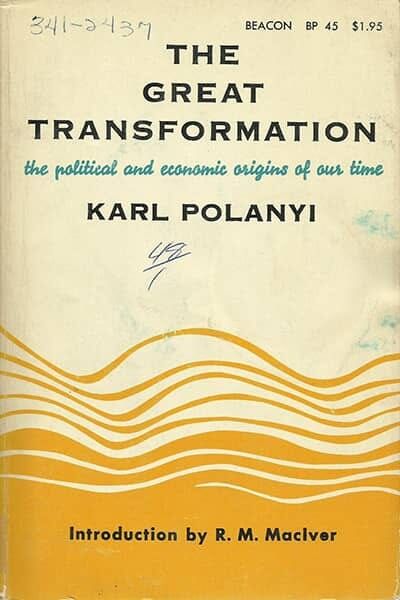
In 'The Great Transformation,' Karl Polanyi explores the radical shifts in economic and social structures that shaped modern society during the Industrial Revolution. He argues that the rise of the market economy led to profound disruptions in community life and environmental balance. Polanyi challenges the notion of self-regulating markets, revealing the hidden social costs of laissez-faire capitalism. Through historical examples, he illustrates the tension between economy and society, emphasizing the need for protective measures. This thought-provoking work invites readers to reconsider the relationship between markets and social welfare in contemporary life.
The Rise and Fall of American Growth Book Summary
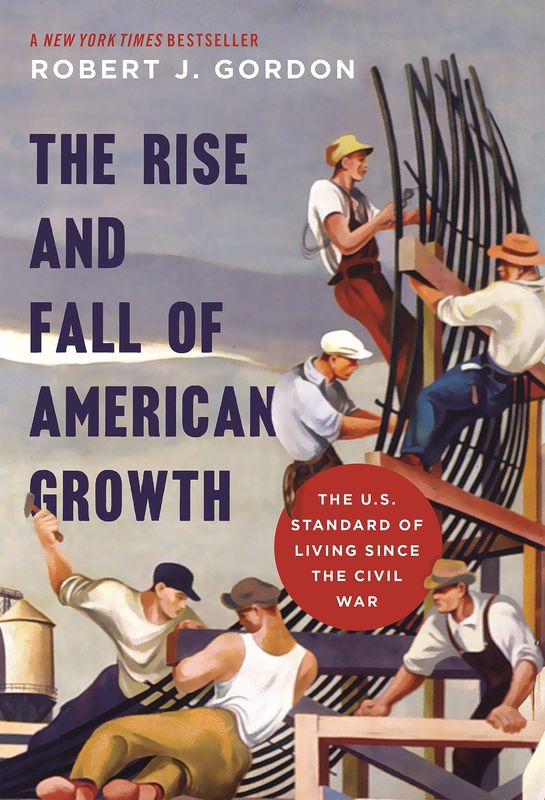
In 'The Rise and Fall of American Growth', economist Robert J. Gordon explores the transformative economic changes in the United States from the Civil War to the present day. He argues that the unprecedented growth in productivity and living standards during the early 20th century was a unique historical event that has now waned. As technological advances slow and inequality rises, Gordon challenges the optimistic narrative of perpetual progress. With a keen examination of historical data and cultural shifts, he raises questions about America’s future economic trajectory. This thought-provoking analysis invites readers to reconsider the sustainability of growth in an increasingly complex world.
Democracy at Work Book Summary
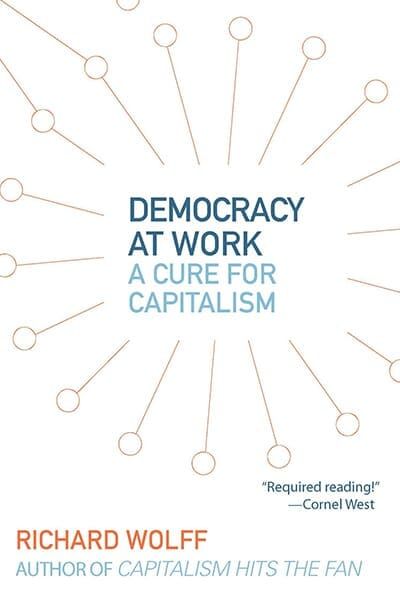
In 'Democracy at Work', Richard D. Wolff challenges the conventional notions of democracy and the workplace, advocating for a radical transformation where workers have a say in their enterprises. Through compelling arguments and real-world examples, he explores the failures of capitalism and presents a vision for a more just and equitable economic system. Wolff introduces the idea of worker cooperatives as a feasible alternative, illustrating how they can empower employees and foster true democratic practices. This thought-provoking book urges readers to reconsider their understanding of democracy beyond the confines of politics and into the very fabric of their daily work lives. Are we ready to rethink who really holds the power in the workplace?

Right Turn Book Summary
In 'Right Turn,' authors Thomas Ferguson and Joel Rogers unravel the intricate tapestry of American politics and economics from the 1960s to the 1980s. They explore how shifting societal values shaped the political landscape, leading to the rise of a new conservative movement. The book deftly intertwines historical analysis with keen insights, revealing the unexpected connections between grassroots activism and elite decision-making. Readers are invited to reconsider the motivations behind significant political shifts and movements, challenging conventional narratives. This compelling examination of right-wing politics will leave you questioning how history continues to shape our present.

Skin in the Game Book Summary
In 'Skin in the Game,' Nassim Nicholas Taleb explores the profound risks of decision-making that doesn't involve personal stakes. He unveils how those with power often evade the consequences of their actions while the vulnerable bear the brunt of systemic failures. Through compelling anecdotes and sharp insights, Taleb emphasizes the importance of having 'skin in the game' in economics, politics, and life. His thought-provoking arguments challenge conventional wisdom and demand accountability in our interconnected worlds. This book is an essential read for anyone seeking to understand the real implications of risk and responsibility.
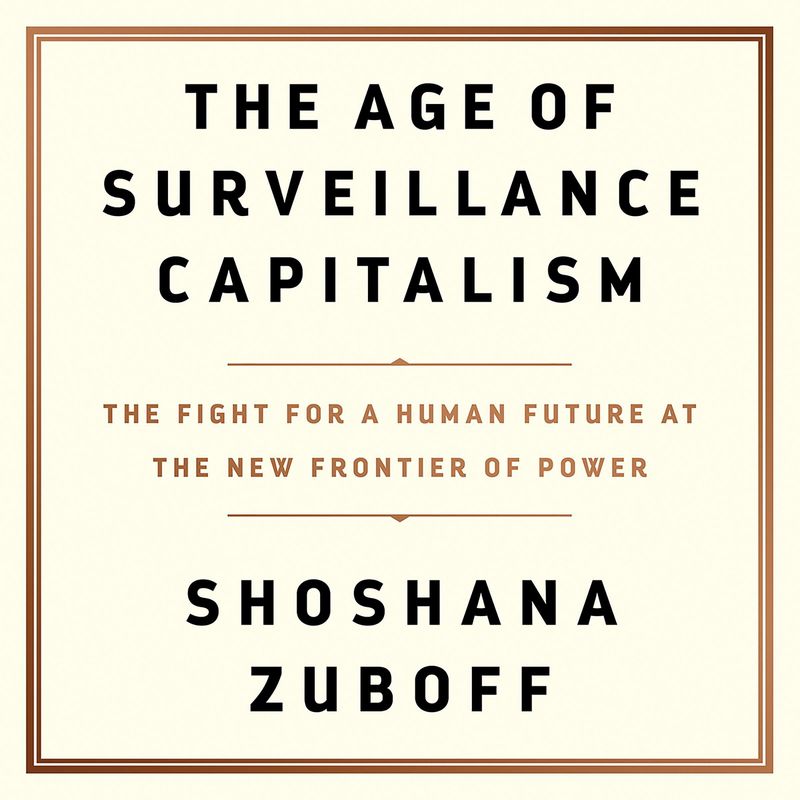
The Age of Surveillance Capitalism Book Summary
In 'The Age of Surveillance Capitalism', Shoshana Zuboff unveils the hidden mechanisms behind the digital economy that manipulate personal data for profit. This gripping exploration reveals how tech giants harvest our behaviors and emotions, reshaping our societies and economies. Zuboff warns of a future where privacy is obliterated, and our very autonomy is at stake. With compelling evidence and insightful analysis, she urges us to reclaim control over our lives and destinies. Are we prepared to confront the consequences of this digital revolution?

Big, Hot, Cheap, and Right Book Summary
In 'Big, Hot, Cheap, and Right', Erica Grieder explores the allure and challenges of Texas, a state that embodies a unique blend of opportunity and excess. Through captivating anecdotes, she reveals how the Texan spirit fuels innovation and economic growth, while also grappling with issues of inequality and environmental impact. Grieder invites readers to confront the complexities of a land where everything seems bigger, hotter, and more affordable. As the narrative unfolds, it becomes clear that Texas is not just a place, but a mindset that can offer lessons for the rest of America. Will the boldness of Texas inspire the nation to rethink what it means to thrive?

Generating Inequality Book Summary
No summary available
Showing 8 of 30 similar books
Take your reading experience to the next level
Download our mobile app to enjoy your favorite books on the go. Get access to exclusive features, offline listening, and personalized recommendations.

Similar Book Recommendations →

Paul Graham's Book Recommendations
Paul Graham is a prominent programmer, venture capitalist, and essayist known for his influential work in the tech startup ecosystem. He co-founded Viaweb, one of the first web-based applications, which was later acquired by Yahoo! and became Yahoo! Store. As a co-founder of Y Combinator, Graham has been instrumental in funding and mentoring numerous successful startups, including Dropbox, Airbnb, and Reddit. His essays, collected in books such as "Hackers & Painters," offer profound insights into technology, entrepreneurship, and philosophy, making significant contributions to modern literature on these subjects. Graham's blend of technical expertise and thought leadership has made him a pivotal figure in both the tech and literary communities.

Neil deGrasse Tyson's Book Recommendations
Neil deGrasse Tyson is a renowned astrophysicist, author, and science communicator, best known for his work in popularizing science through various media. As the director of the Hayden Planetarium in New York City, he has played a pivotal role in bringing astronomical discoveries to the public. Tyson has authored several bestselling books, including "Astrophysics for People in a Hurry" and "The Pluto Files," which have made complex scientific concepts accessible to a broad audience. He is also the host of the popular science TV show "Cosmos: A Spacetime Odyssey," a continuation of Carl Sagan's groundbreaking series. Tyson's contributions have significantly enhanced public understanding and appreciation of the universe.

Brandon Stanton's Book Recommendations
Brandon Stanton is an American photographer and author, best known for creating Humans of New York, a photography project that shares the personal stories of everyday people. Through his portraits and interviews, Stanton captures the diverse experiences of people in New York City and around the world, offering intimate insights into their lives. Humans of New York has become a global phenomenon, with millions of followers on social media and several best-selling books. Stanton’s work has expanded beyond photography to include fundraising campaigns that have raised millions of dollars for individuals and charitable causes. His ability to connect with people and share their stories has made him one of the most impactful storytellers of his generation.

John Doerr's Book Recommendations
John Doerr is an American venture capitalist and chairman of Kleiner Perkins, one of the most prominent venture capital firms in Silicon Valley. Doerr has backed some of the biggest names in tech, including Google, Amazon, and Netscape, and has played a crucial role in the rise of the internet economy. He is also the author of Measure What Matters, which popularized the concept of Objectives and Key Results (OKRs) as a method for goal-setting in organizations. Doerr is a passionate advocate for addressing climate change and has invested in clean energy startups to help combat global warming. His contributions to tech and sustainability have made him a leading figure in venture capital.
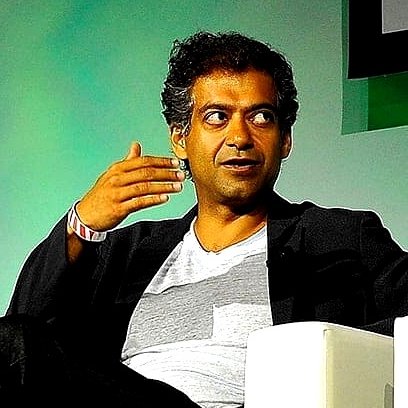
Naval Ravikant's Book Recommendations
Naval Ravikant is an entrepreneur, angel investor, and philosopher, best known as the co-founder of AngelList, a platform that connects startups with investors. Ravikant is a prolific thinker and writer on topics such as startups, investing, and personal well-being, sharing his wisdom through essays, podcasts, and social media. He has invested in over 100 companies, including Uber, Twitter, and Yammer, making him one of Silicon Valley’s most successful angel investors. Ravikant is also known for his philosophical musings on wealth, happiness, and the meaning of life, which have garnered him a large and dedicated following.

Ana Fabrega's Book Recommendations
Ana Lorena Fabrega is an innovative educator and author passionate about reimagining education. Known as “Ms. Fab,” she is the Chief Evangelist at Synthesis, an education startup inspired by the problem-solving and collaboration model used at SpaceX. She advocates for alternative learning methods, encouraging curiosity and creativity in students. Ana's work emphasizes the importance of engaging young learners in real-world challenges and critical thinking. She also shares insights on education reform through her popular newsletter, Fab Fridays.

Alex Honnold's Book Recommendations
Alex Honnold is an American professional rock climber, best known for his free solo ascent of El Capitan in Yosemite National Park, a feat that was documented in the Oscar-winning film Free Solo. Honnold is renowned for his mental toughness, technical skill, and ability to climb without ropes or safety equipment. His accomplishments have made him a legend in the climbing world, and he continues to push the boundaries of the sport. Outside of climbing, Honnold is a philanthropist, founding the Honnold Foundation, which supports environmental sustainability projects, particularly in solar energy.
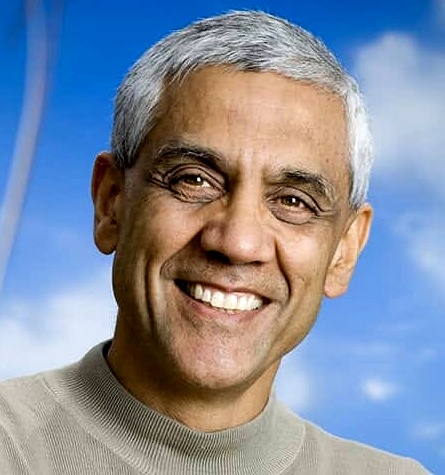
Vinod Khosla's Book Recommendations
Vinod Khosla is an Indian-American venture capitalist and co-founder of Sun Microsystems, one of the companies that helped drive the development of the internet. Khosla is the founder of Khosla Ventures, a venture capital firm that focuses on early-stage investments in technology and energy. He is known for his bold approach to investing, often backing companies working on breakthrough technologies in areas like renewable energy, healthcare, and artificial intelligence. Khosla is a vocal advocate for using technology to solve some of the world’s biggest problems. His visionary approach to investing has made him one of the most influential figures in Silicon Valley.
Showing 8 of 21 related collections
“In this new age of globalization, what binds us together is not just trade, but a shared destiny that challenges us to rethink our role in a truly interconnected world.”
The Great Convergence
By Richard Baldwin
Frequently Asked Questions
Explore Our Catalogue
Discover a world of knowledge through our extensive collection of book summaries.
Genres
Genres
Genres
Featured Collections
- Top Book Club Picks
- One-Stop Nutrition
- Summer Reads 2024
- Best Beach Reads 2024
- Work-Life Balance Guide
- Time Management
- Healthy Foods
- Entrepreneur Toolkit
- Mind & Body Wellness
- Future Tech Insights
- Leadership Essentials
- Financial Freedom
- Sci-Fi Masterpieces
- Parenting 101
- Books That Became Blockbusters
- Guide to a Healthy Pregnancy