The Landmark Thucydides Book Summary
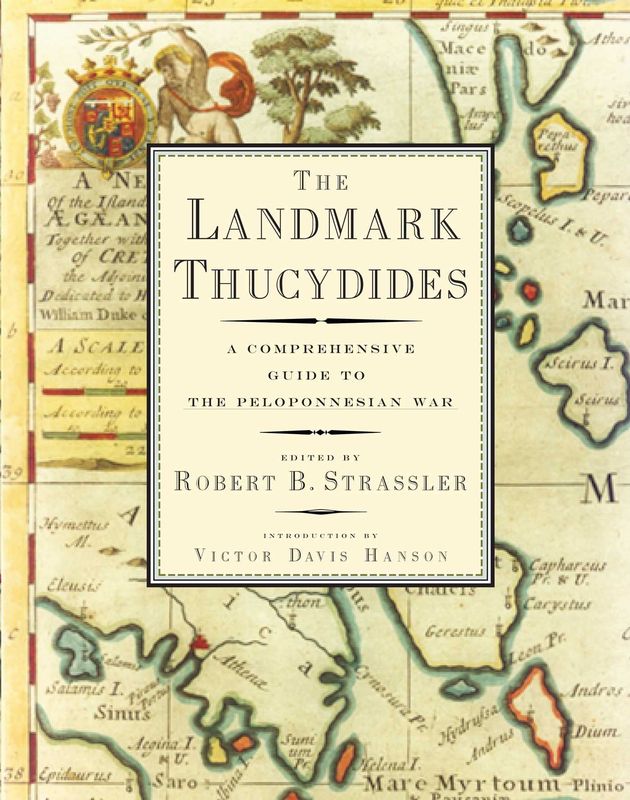
In 'The Landmark Thucydides', the ancient historian chronicles the intense conflict between Athens and Sparta, a struggle that shaped Western civilization. With vivid narratives and keen psychological insights, Thucydides explores the nature of power, democracy, and human ambition. His meticulous attention to detail and commitment to factual accuracy sets a benchmark for historical writing. As he dissects the chaos of war, the reader is drawn into timeless questions about morality and governance. This seminal work not only provides historical lessons but also captivates those seeking a deeper understanding of human behavior and political strategy.
By Thucydides
Published: NaN
"The strong do what they can and the weak suffer what they must."

Start Listening to Book Summary
Book Review of The Landmark Thucydides
Chronicles two decades of war between Athens and Sparta.
Book Overview of The Landmark Thucydides
About the Book Author
Thucydides
Thucydides was an ancient Greek historian, best known for his critical history of the Peloponnesian War, which chronicles the struggle between the city-states of Athens and Sparta. Born around 460 BC in Athens, Thucydides was an Athenian general who brought a distinctive analytical edge to historical writing, emphasizing empirical evidence and rational inquiry over mythological narratives. His work is noted for its strict standards of historical accuracy and its profound exploration of power dynamics, human nature, and morality in politics. Thucydides' writing style is characterized by its clear, analytical prose and deep insight into the complexities of human behavior.
Book Details
Key information about the book.
- Authors
- Thucydides
- Published
- N/A
- Publisher
- Simon and Schuster
- ISBN
- 1416590870
- Language
- English
- Pages
- 760
- Genres
- HistoryPolitical PhilosophyPolitical HistoryPolitics and Current Affairs
Purchase Options
 Buy on Amazon
 Buy via BookShop
Support local bookstores: BookShop gives a portion of each sale to independent bookshops!
Similar books you might like →
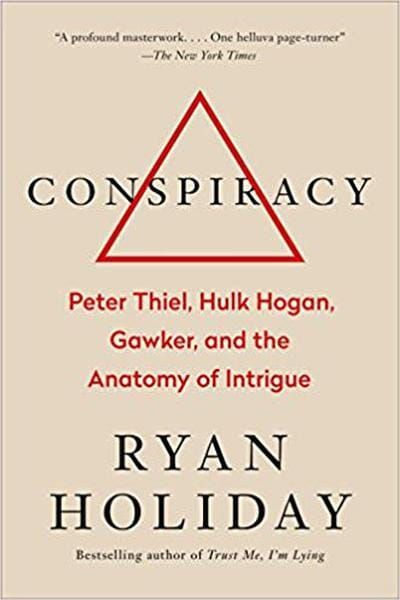
Conspiracy Book Summary
In "Conspiracy," a riveting exploration unfolds around one of the most infamous political scandals in American history. The narrative dives deep into the intricacies of power, betrayal, and the relentless pursuit of truth, following a cast of characters driven by ambition and fear. With shocking revelations and unexpected twists, the author challenges readers to question what they think they know about truth and deception. As allegiances shift and secrets are laid bare, the story reflects on the fine line between justice and vengeance. Prepare for a thought-provoking journey that will leave you pondering the shadows lurking behind every conspiracy.
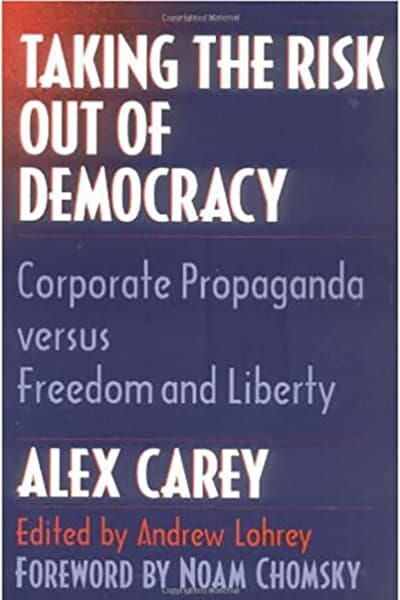
Taking the Risk Out of Democracy Book Summary
In 'Taking the Risk Out of Democracy', Alex Carey unveils the hidden forces that threaten democratic principles in contemporary society. He explores the interplay between corporate interests and political power, revealing how disinformation and manipulation are wielded to influence public opinion. Carey provides compelling insights into the history of propaganda and its role in shaping modern democracies. Through a critical lens, he warns of the fragility of democratic systems and the necessity of informed citizenry. This thought-provoking exploration invites readers to reflect on the vital importance of safeguarding democracy in an ever-evolving landscape.
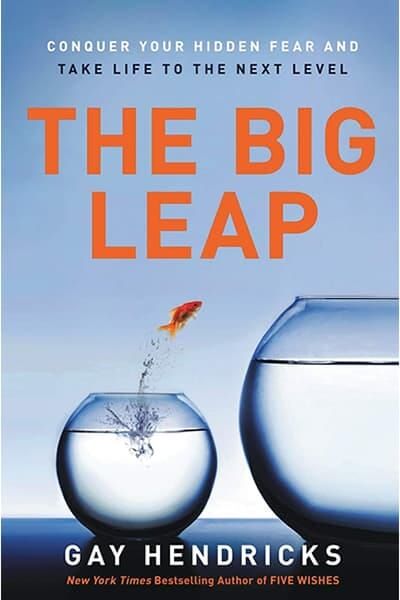
The Big Leap Book Summary
In 'The Big Leap', Gay Hendricks invites readers on a transformative journey to break through their upper limits and unlock their true potential. He explores the fears and self-sabotaging beliefs that hold us back from living our most fulfilling lives. With practical steps and insightful anecdotes, Hendricks reveals how to embrace our Zone of Genius, where true happiness and creativity flourish. This compelling read challenges us to confront the hidden barriers that restrict our success. Dare to take the leap and discover what remarkable possibilities await!
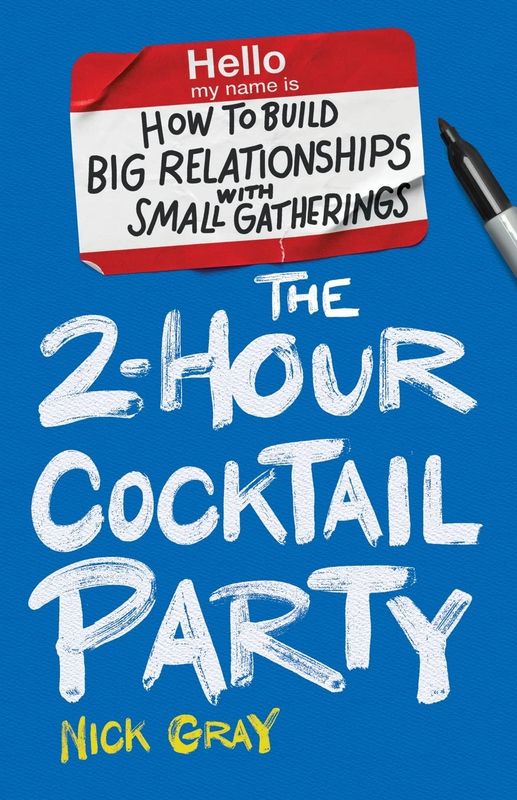
The 2-Hour Cocktail Party: How to Build Big Relationships with Small Gatherings Book Summary
In 'The 2-Hour Cocktail Party,' Nick Gray reveals the secrets to cultivating meaningful connections through intimate gatherings. This engaging guide presents a fresh perspective on socializing, emphasizing the power of small parties to forge big relationships. With practical tips and creative ideas, Gray encourages readers to step outside their comfort zones and embrace the art of hosting. Discover how two hours can transform your social life and open doors to new opportunities. Are you ready to become the life of the party?
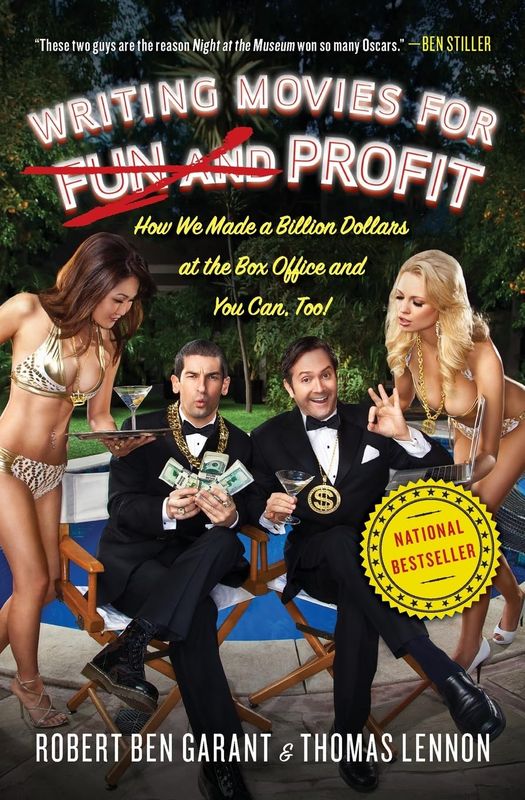
Writing Movies for Fun and Profit Book Summary
In 'Writing Movies for Fun and Profit,' Thomas Lennon and Robert Ben Garant share their insider secrets from their successful careers as Hollywood screenwriters. This engaging guide demystifies the screenwriting process, revealing tips and tricks to craft compelling stories that can grab the attention of producers. With a blend of humor and practical advice, the authors illustrate how to balance creativity with commercial viability. Readers will learn not just how to write, but how to get paid for it, making this both an informative and entertaining read. Whether you're a budding writer or a seasoned pro, this book promises to inspire and equip you to navigate the unpredictable world of movie writing.
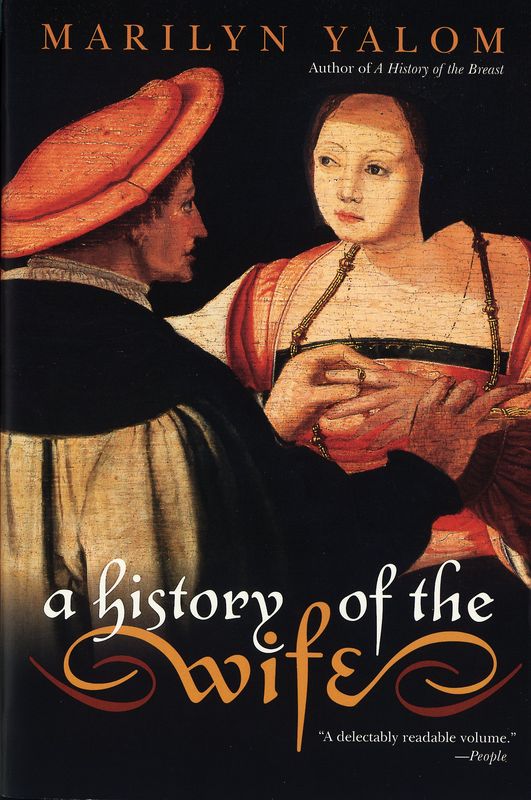
A History of the Wife Book Summary
In 'A History of the Wife', Marilyn Yalom unveils the often-overlooked narratives of women throughout history, exploring the evolution of marriage and the roles of wives in society. Through a blend of historical analysis and personal anecdotes, Yalom reveals the complex dynamics between love, obligation, and identity. Readers journey through various cultures and time periods, witnessing the shifting expectations placed on wives. This illuminating work challenges conventional views on marriage, inviting reflection on contemporary relationships. A must-read for anyone curious about how the past influences the present in the realm of love and partnership.
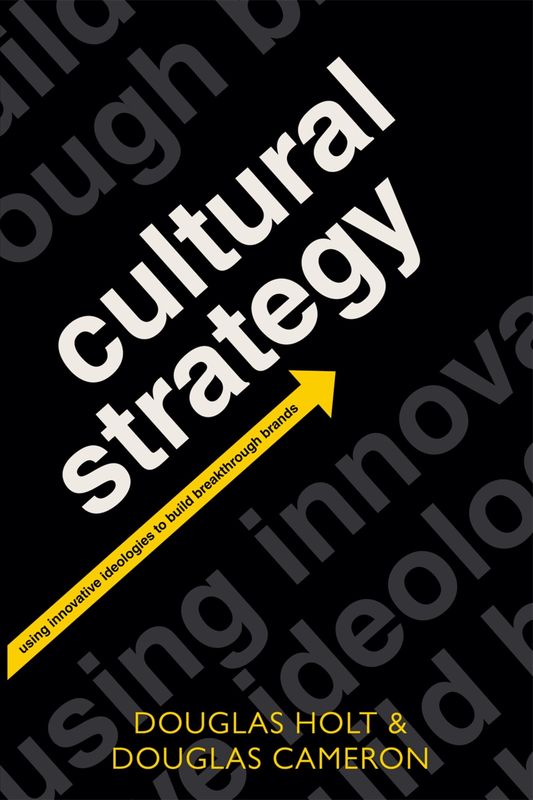
Cultural Strategy Book Summary
In "Cultural Strategy," Douglas Holt and Douglas Cameron reveal the secret to building powerful brands that resonate deeply with consumers. They argue that brands must transcend mere products to become cultural icons by leveraging the stories and values that shape society. The authors outline a framework for understanding cultural movements and how to align brand strategies with these shifts. Through compelling case studies, they illustrate how successful brands capture the zeitgeist and actively participate in cultural conversations. This book is a game-changer for marketers eager to forge meaningful connections with their audience.
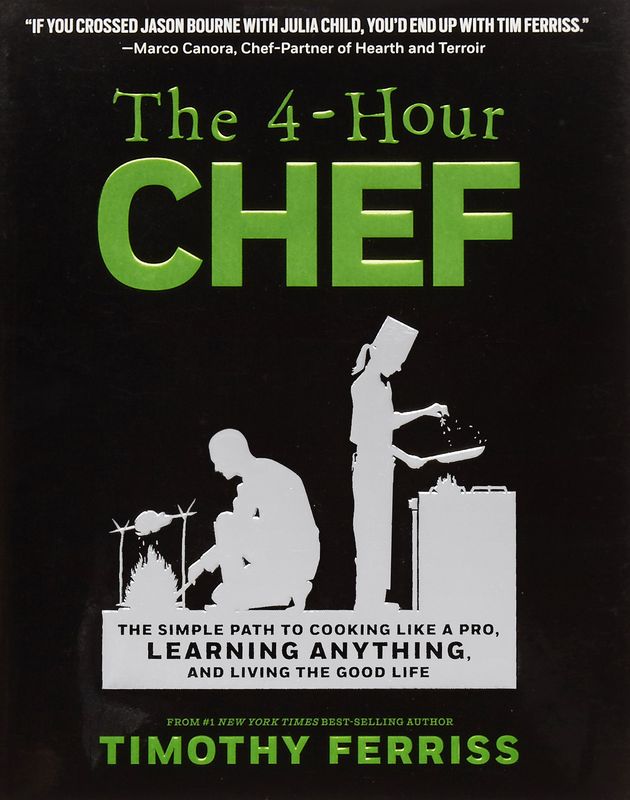
The 4-hour Chef Book Summary
In 'The 4-Hour Chef,' Timothy Ferriss revolutionizes the process of learning by applying the principles of deconstruction and rapid skill acquisition to cooking. He invites readers on an adventurous culinary expedition, transforming the kitchen into a playground for experimentation. With intriguing anecdotes and unconventional techniques, Ferriss promises not just to teach how to cook but to ignite a passion for lifelong learning. Through his unique approach, readers discover how to master any skill in record time. Are you ready to challenge the way you learn and savor the delightful journey ahead?
Showing 8 of 27 similar books
Take your reading experience to the next level
Download our mobile app to enjoy your favorite books on the go. Get access to exclusive features, offline listening, and personalized recommendations.

Similar Book Recommendations →

Joe Rogan's Book Recommendations
Joe Rogan is a multifaceted American entertainer known primarily for his work as a comedian, podcast host, and commentator. He gained widespread recognition through his immensely popular podcast, "The Joe Rogan Experience," which has featured in-depth conversations with a diverse array of guests, including scientists, celebrities, and politicians. Though not primarily known for literature, Rogan has contributed to the field with his thought-provoking discussions that often explore philosophical and intellectual ideas. Additionally, he has authored the book "Mastering the Rubber Guard," which delves into Brazilian Jiu-Jitsu techniques, showcasing his expertise in martial arts. Rogan's influence extends beyond traditional media, impacting contemporary discourse through his unique blend of humor, curiosity, and critical thinking.
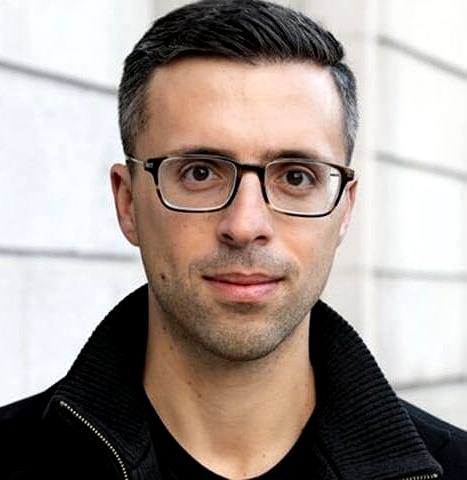
Ezra Klein's Book Recommendations
Ezra Klein is a prominent American journalist, political analyst, and author, renowned for his incisive commentary on politics and policy. He co-founded Vox, a widely respected news website known for its explanatory journalism, and served as its editor-in-chief. Klein's work includes the critically acclaimed book "Why We're Polarized," which delves into the deep-seated divisions in American politics. He also hosts "The Ezra Klein Show," a popular podcast where he interviews thought leaders from various fields. Klein's contributions have significantly shaped contemporary political discourse and media consumption.
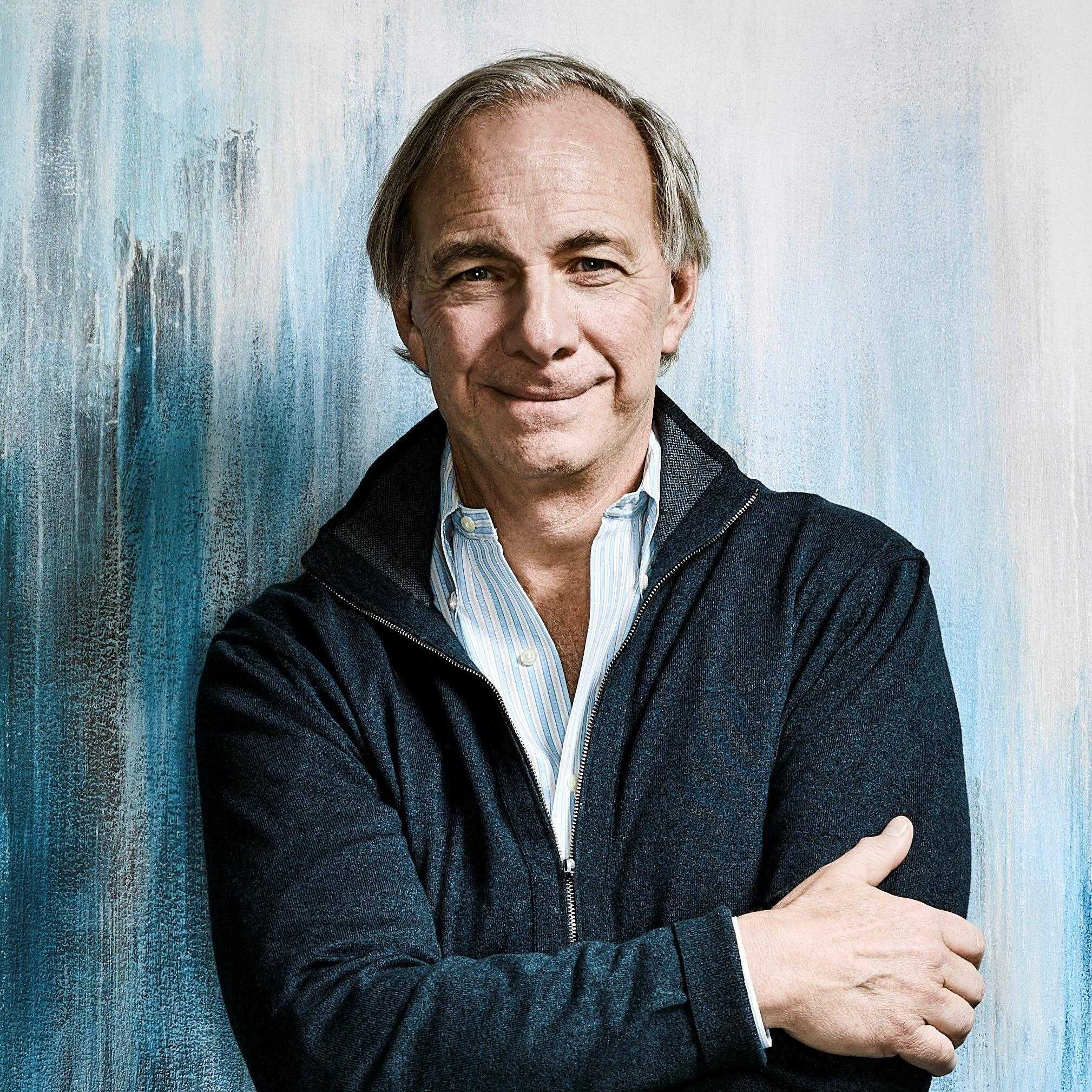
Ray Dalio's Book Recommendations
Ray Dalio is the founder of Bridgewater Associates, one of the largest and most successful hedge funds in the world. He is also the author of the bestselling book Principles, where he outlines his philosophy on life, leadership, and investing. Ray is renowned for his unique approach to transparency, radical truth, and thoughtful disagreement within organizations. His insights into economics and investing have made him one of the most influential figures in the financial world. Dalio continues to be a thought leader in business, economics, and philanthropy.

Alex Honnold's Book Recommendations
Alex Honnold is an American professional rock climber, best known for his free solo ascent of El Capitan in Yosemite National Park, a feat that was documented in the Oscar-winning film Free Solo. Honnold is renowned for his mental toughness, technical skill, and ability to climb without ropes or safety equipment. His accomplishments have made him a legend in the climbing world, and he continues to push the boundaries of the sport. Outside of climbing, Honnold is a philanthropist, founding the Honnold Foundation, which supports environmental sustainability projects, particularly in solar energy.

Barack Obama's Book Recommendations
Barack Obama is the 44th President of the United States, serving from 2009 to 2017. As the first African American president, Obama’s leadership marked a historic moment in American history. His administration focused on healthcare reform, economic recovery from the Great Recession, and environmental policies. He is best known for the Affordable Care Act, as well as his efforts to expand civil rights and restore diplomatic relations with Cuba. Since leaving office, Obama has continued to engage in public life through his foundation, focusing on leadership development, civic engagement, and global issues.

Anderson Cooper's Book Recommendations
Anderson Cooper is an esteemed American journalist and television personality, best known for anchoring "Anderson Cooper 360°" on CNN. He has gained widespread recognition for his incisive reporting on major global events, earning multiple Emmy Awards for his work. Cooper is also an accomplished author, having penned the best-selling memoir "Dispatches from the Edge," which chronicles his experiences covering some of the world's most perilous conflicts and disasters. His literary contributions extend to "The Rainbow Comes and Goes," a poignant dialogue with his mother, Gloria Vanderbilt, that explores themes of family and resilience. Through his work in both journalism and literature, Cooper has made a significant impact on contemporary media and storytelling.

Reid Hoffman's Book Recommendations
Reid Hoffman is an influential American entrepreneur, venture capitalist, and author, best known as the co-founder of LinkedIn, the professional networking platform that transformed online professional interactions. Hoffman has significantly impacted the business world through his investments in notable tech companies like Airbnb, Facebook, and Zynga. As an author, he has co-written several acclaimed books, including "The Start-Up of You" and "Blitzscaling," which provide strategic insights into career development and business growth. His works are celebrated for their practical advice and have become essential reading for aspiring entrepreneurs and business leaders. Hoffman's contributions extend beyond his literary efforts, as he remains a prominent figure in Silicon Valley, shaping the future of technology and innovation.
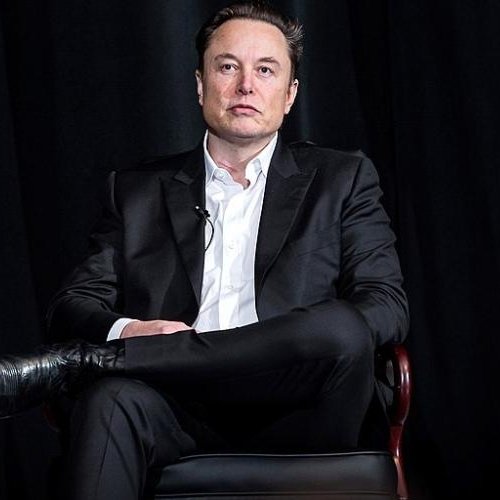
Elon Musk's Book Recommendations
Elon Musk is an influential entrepreneur and innovator known for founding and leading several groundbreaking companies, including Tesla, SpaceX, Neuralink, and The Boring Company. He has played a pivotal role in advancing electric vehicles, space exploration, and renewable energy. Musk's vision extends to colonizing Mars and reducing the risk of human extinction through space travel. In addition to his technological contributions, he has co-authored the book "Spacex: Making Commercial Spaceflight a Reality," providing insights into his ambitious projects and vision for the future. Musk's relentless pursuit of innovation continues to shape the trajectory of multiple industries.
Showing 8 of 18 related collections
“The strong do what they can and the weak suffer what they must.”
The Landmark Thucydides
By Thucydides
Frequently Asked Questions
Explore Our Catalogue
Discover a world of knowledge through our extensive collection of book summaries.
Genres
Genres
Genres
Featured Collections
- Top Book Club Picks
- One-Stop Nutrition
- Summer Reads 2024
- Best Beach Reads 2024
- Work-Life Balance Guide
- Time Management
- Healthy Foods
- Entrepreneur Toolkit
- Mind & Body Wellness
- Future Tech Insights
- Leadership Essentials
- Financial Freedom
- Sci-Fi Masterpieces
- Parenting 101
- Books That Became Blockbusters
- Guide to a Healthy Pregnancy