The Meritocracy Trap Book Summary
In 'The Meritocracy Trap', Daniel Markovits challenges the widely-held belief that meritocracy is fair and just. He delves into how the system actually perpetuates inequality, favoring the privileged while stifling the potential of the underprivileged. Through compelling arguments and real-world examples, Markovits uncovers the dark side of meritocracy that leads to social stratification and disillusionment. This provocative exploration raises questions about ambition, success, and the true cost of the meritocratic ideal. Are we truly rewarded for our talents, or are we simply playing into a flawed system?
By Daniel Markovits
Published: 2019
"We must confront the illusion that hard work and merit alone can secure success, for in the meritocracy, the game is rigged and the rules are stacked against the very ideals we hold dear."
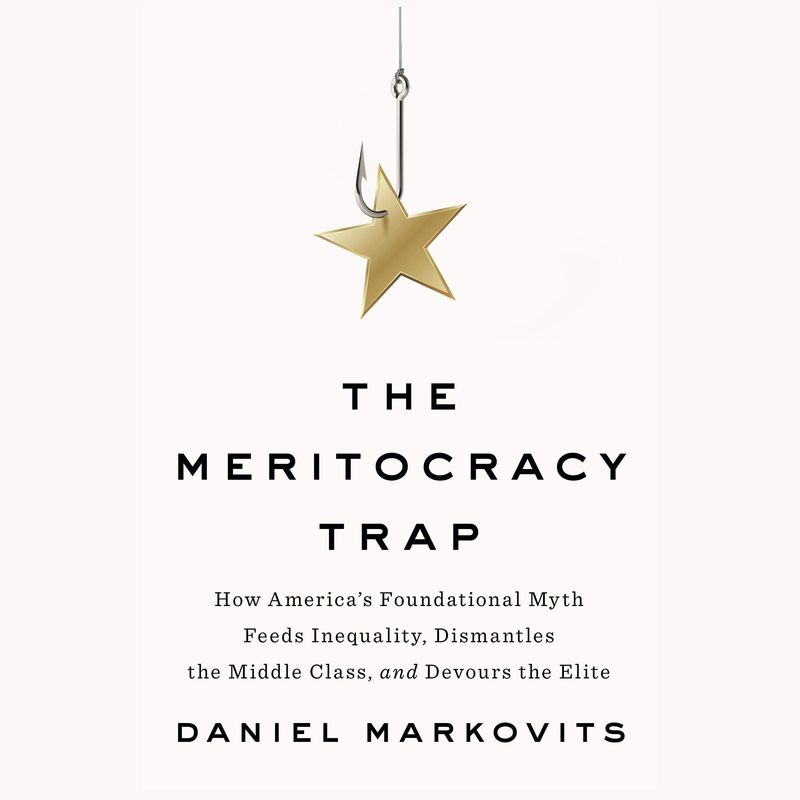

Start Listening to Book Summary
Book Review of The Meritocracy Trap
A revolutionary new argument from eminent Yale Law professor Daniel Markovits attacking the false promise of meritocracy It is an axiom of American life that advantage should be earned through ability and effort. Even as the country divides itself at every turn, the meritocratic ideal - that social and economic rewards should follow achievement rather than breeding - reigns supreme. Both Democrats and Republicans insistently repeat meritocratic notions. Meritocracy cuts to the heart of who we are. It sustains the American dream. But what if, both up and down the social ladder, meritocracy is a sham? Today, meritocracy has become exactly what it was conceived to resist: a mechanism for the concentration and dynastic transmission of wealth and privilege across generations. Upward mobility has become a fantasy, and the embattled middle classes are now more likely to sink into the working poor than to rise into the professional elite. At the same time, meritocracy now ensnares even those who manage to claw their way to the top, requiring rich adults to work with crushing intensity, exploiting their expensive educations in order to extract a return. All this is not the result of deviations or retreats from meritocracy but rather stems directly from meritocracy's successes. This is the radical argument that Daniel Markovits prosecutes with rare force. Markovits is well placed to expose the sham of meritocracy. Having spent his life at elite universities, he knows from the inside the corrosive system we are trapped within. Markovits also knows that, if we understand that meritocratic inequality produces near-universal harm, we can cure it. When The Meritocracy Trap reveals the inner workings of the meritocratic machine, it also illuminates the first steps outward, towards a new world that might once again afford dignity and prosperity to the American people.
Book Overview of The Meritocracy Trap
About the Book Author
Daniel Markovits
Daniel Markovits is a prominent author and legal scholar, best known for his insightful exploration of law, education, and the complexities of modern society. He is the author of notable works such as "The Meritocracy Trap," which critiques the pervasive belief in meritocracy and its social consequences. Markovits' writing style is characterized by its intellectual rigor, clarity, and ability to engage readers in deep social commentary. He serves as a professor at Yale Law School, where he also contributes to the discourse on the intersection of law and ethics.
Book Details
Key information about the book.
- Authors
- Daniel Markovits
- Published
- January 2019
- Publisher
- N/A
- ISBN
- 0735221995
- Language
- English
- Pages
- 450
- Genres
- Social Justice MovementsPolitical PhilosophyEconomic PolicyPolitics and Current Affairs
Purchase Options
 Buy on Amazon
 Buy via BookShop
Support local bookstores: BookShop gives a portion of each sale to independent bookshops!
Similar books you might like →
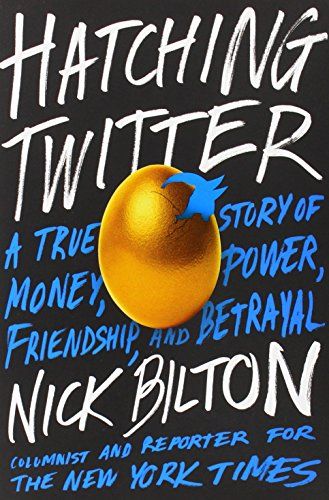
Hatching Twitter Book Summary
In 'Hatching Twitter', Nick Bilton unveils the tumultuous rise of the social media giant Twitter, chronicling the intense rivalries and relationships among its founders. From a small idea in a messy office to a billion-dollar company, the book reveals the behind-the-scenes struggles and creative tensions that shaped the platform. Readers will discover the personal sacrifices and ethical dilemmas faced by the key players in this digital revolution. With gripping storytelling, the book captures the chaotic blend of ambition, innovation, and betrayal that defined Twitter's inception. What will you uncover about the true stories behind the tweets?
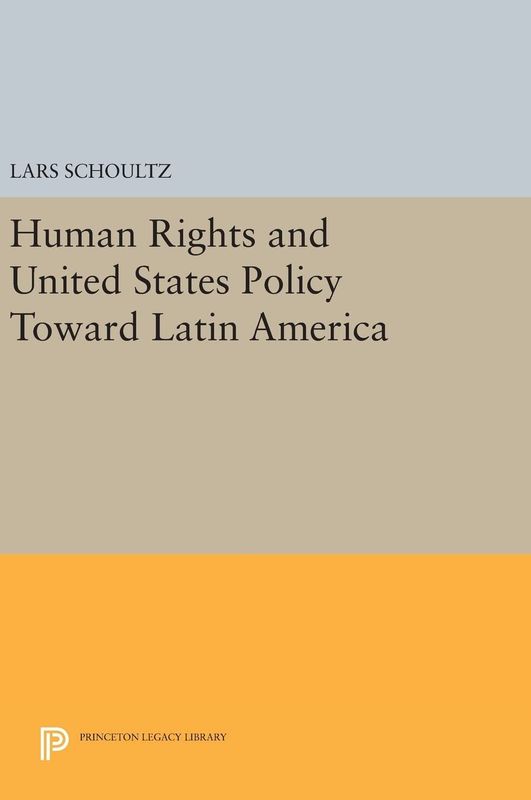
Human Rights and United States Policy Toward Latin America Book Summary
In 'Human Rights and United States Policy Toward Latin America,' Lars Schoultz delves into the complex interplay between U.S. foreign policy and human rights in Latin America. The book challenges conventional narratives by revealing how strategic interests often overshadow humanitarian concerns. Through meticulously researched case studies, Schoultz illustrates the paradoxes that define American intervention in the region. Readers will encounter gripping confrontations between moral imperatives and political machinations, inviting reflection on the true cost of policy choices. This compelling analysis prompts us to reevaluate the ethical dimensions of power and complicity in shaping the lives of millions.
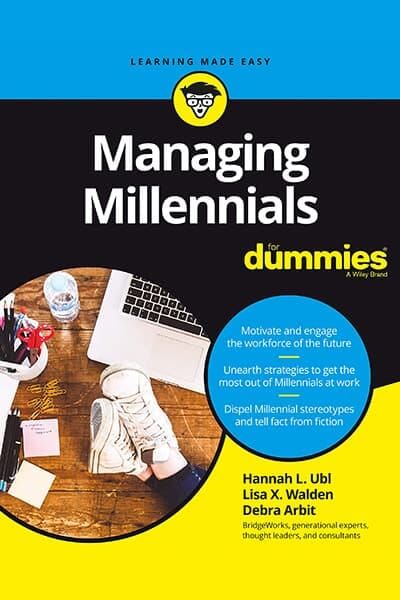
Managing Millennials For Dummies Book Summary
Discover the essential strategies for effectively leading and engaging the dynamic Millennial workforce in 'Managing Millennials For Dummies.' This insightful guide dives into the unique characteristics and motivations that drive Millennials, equipping managers with practical tools to foster collaboration and productivity. Uncover the secrets to building a thriving workplace culture that resonates with this generation while navigating the challenges they present. With real-world examples and actionable tips, you'll learn how to bridge generational gaps and harness the full potential of diverse teams. Dive in and transform your approach to management, ensuring that you not only survive but thrive in the evolving business landscape!
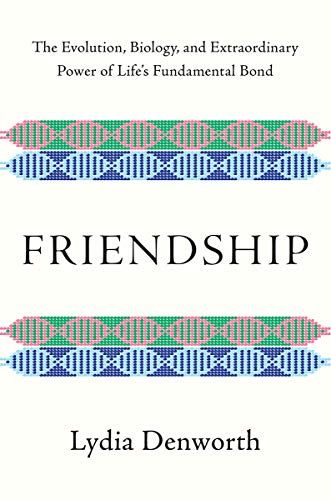
Friendship Book Summary
In 'Friendship,' Lydia Denworth uncovers the profound impact of friendships on our health and happiness. Through captivating stories and cutting-edge research, she reveals how connections with others can shape our brains and well-being. Denworth explores the evolutionary roots of friendship, providing insight into why it is essential to our survival. With engaging anecdotes and scientific exploration, the book answers the question of what makes a true friend. Prepare to reassess your relationships and discover the transformative power of friendship.
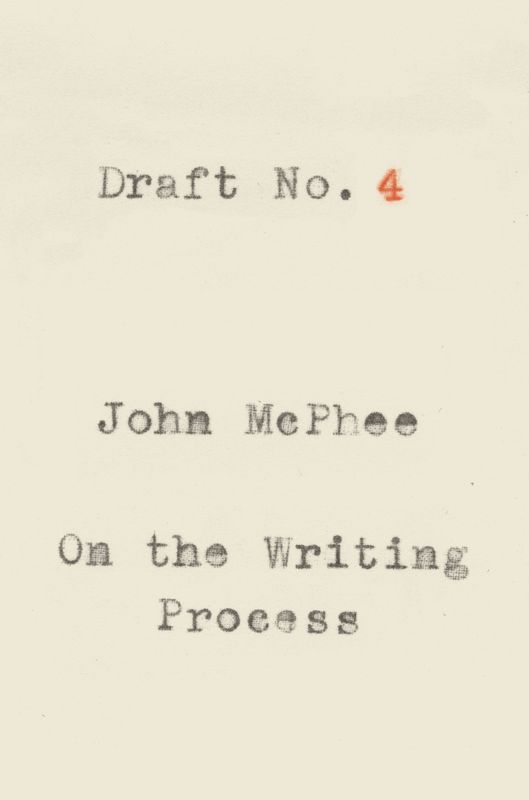
Draft No. 4 Book Summary
In 'Draft No. 4', renowned author John McPhee offers a masterclass in the art of writing, drawing from his vast experience to unveil the intricate processes behind his craft. With wit and insight, McPhee delves into the evolution of his own work, illustrating the journey from the first draft to polished prose. He explores the importance of structure, form, and the unyielding pursuit of clarity in storytelling. Readers are invited to rethink their own writing practices while gaining a glimpse into the meticulous editing that shapes a compelling narrative. This captivating exploration of creativity not only illuminates the writer's world but also inspires anyone with a passion for the written word.
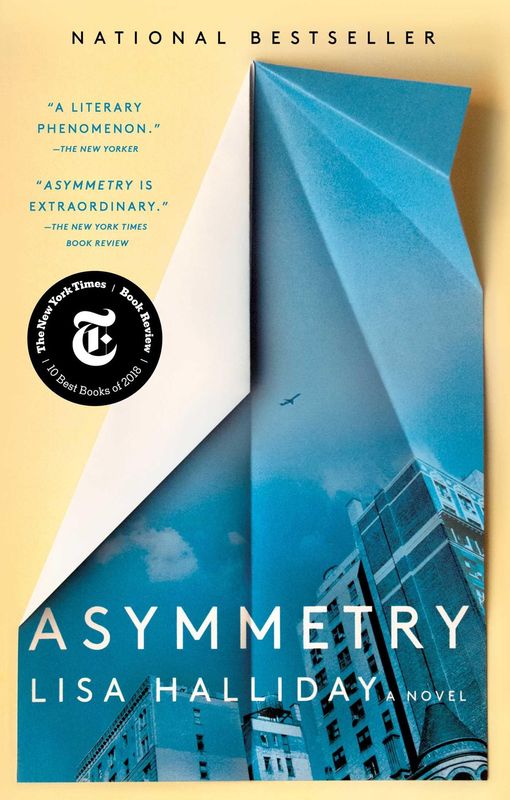
Asymmetry Book Summary
'Asymmetry' by Lisa Halliday intertwines the lives of two compelling characters from different worlds. One part follows a young woman in an intense relationship with an older, celebrated author, exploring themes of love, power, and vulnerability. The other narrative shifts to a young Iraqi-American man detained at Heathrow Airport, grappling with uncertainty and identity. The dual perspectives create a rich tapestry of human experience, reflecting the complexities of contemporary existence. With its innovative structure and profound insights, Halliday's novel challenges readers to reflect on the asymmetries of life and connection.
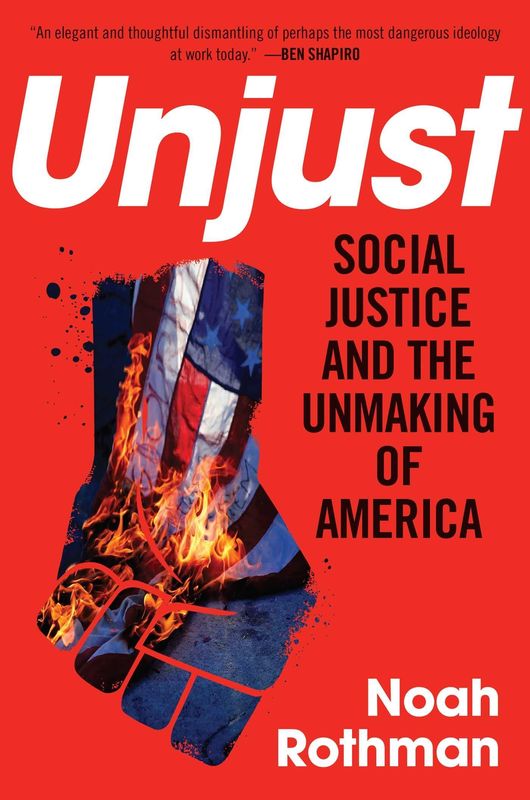
Unjust Book Summary
In 'Unjust', Noah Rothman explores the complex interplay between justice and societal norms, challenging conventional perceptions of fairness. Through gripping narratives and incisive analysis, he reveals how biases and injustices can warp our understanding of truth. Rothman argues that the quest for justice often leads to unintended consequences that can exacerbate societal fractures. The book invites readers to question their own beliefs and the systems they support. Ultimately, 'Unjust' forces us to confront uncomfortable truths about morality and the human condition.
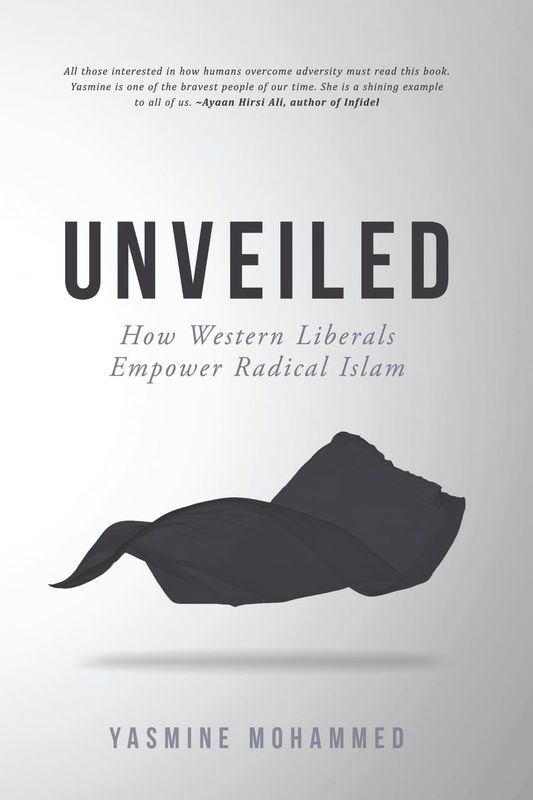
Unveiled: How Western Liberals Empower Radical Islam Book Summary
In 'Unveiled,' Yasmine Mohammed fearlessly exposes the paradoxes within Western liberalism that inadvertently bolster radical Islamic ideologies. Drawing from her own harrowing experiences as a former Muslim girl in a fundamentalist household, she reveals how cultural blind spots and political correctness hinder meaningful dialogue. With incisive clarity, she confronts the uncomfortable truths that challenge the prevailing liberal narratives. This provocative book invites readers to reconsider their assumptions about faith, freedom, and feminism. Prepare to be enlightened and challenged as you delve into a world where liberal intentions collide with radical realities.
Showing 8 of 29 similar books
Take your reading experience to the next level
Download our mobile app to enjoy your favorite books on the go. Get access to exclusive features, offline listening, and personalized recommendations.

Similar Book Recommendations →

Meghan Markle's Book Recommendations
Meghan Markle, Duchess of Sussex, is an American actress, humanitarian, and author known for her role as Rachel Zane on the television series "Suits." After marrying Prince Harry in 2018, she became a prominent figure in the British royal family and an advocate for social justice and women's rights. In 2021, she published her first children's book, "The Bench," which explores the bond between fathers and sons through a mother's eyes. Markle's literary work reflects her commitment to storytelling and her passion for fostering empathy and understanding. Beyond literature, she co-founded the Archewell Foundation with Prince Harry to promote compassion and well-being globally.

Jordan Hughes's Book Recommendations
Jordan Hughes is a celebrated author known for their compelling narratives and richly developed characters. Their debut novel, "Echoes of Tomorrow," won the prestigious Man Booker Prize, marking a significant milestone in contemporary fiction. Hughes's work often explores themes of identity, resilience, and the human condition, earning them critical acclaim and a dedicated readership. In addition to their novels, Hughes has contributed thought-provoking essays to major literary journals, further solidifying their influence in the literary world. Their innovative storytelling continues to inspire and captivate audiences worldwide.

Ezra Klein's Book Recommendations
Ezra Klein is a prominent American journalist, political analyst, and author, renowned for his incisive commentary on politics and policy. He co-founded Vox, a widely respected news website known for its explanatory journalism, and served as its editor-in-chief. Klein's work includes the critically acclaimed book "Why We're Polarized," which delves into the deep-seated divisions in American politics. He also hosts "The Ezra Klein Show," a popular podcast where he interviews thought leaders from various fields. Klein's contributions have significantly shaped contemporary political discourse and media consumption.

Alex Honnold's Book Recommendations
Alex Honnold is an American professional rock climber, best known for his free solo ascent of El Capitan in Yosemite National Park, a feat that was documented in the Oscar-winning film Free Solo. Honnold is renowned for his mental toughness, technical skill, and ability to climb without ropes or safety equipment. His accomplishments have made him a legend in the climbing world, and he continues to push the boundaries of the sport. Outside of climbing, Honnold is a philanthropist, founding the Honnold Foundation, which supports environmental sustainability projects, particularly in solar energy.

Ben Shapiro's Book Recommendations
Ben Shapiro is an American conservative political commentator, author, and lawyer, known for his sharp analytical skills and outspoken views. He graduated from UCLA at the age of 20 and Harvard Law School at 23, demonstrating his early intellectual prowess. Shapiro is the author of several best-selling books including "Bullies: How the Left's Culture of Fear and Intimidation Silences Americans" and "The Right Side of History: How Reason and Moral Purpose Made the West Great." He is the co-founder and editor emeritus of The Daily Wire, a popular conservative news and opinion website. Through his writing and media presence, Shapiro has significantly influenced contemporary political discourse in the United States.

Barack Obama's Book Recommendations
Barack Obama is the 44th President of the United States, serving from 2009 to 2017. As the first African American president, Obama’s leadership marked a historic moment in American history. His administration focused on healthcare reform, economic recovery from the Great Recession, and environmental policies. He is best known for the Affordable Care Act, as well as his efforts to expand civil rights and restore diplomatic relations with Cuba. Since leaving office, Obama has continued to engage in public life through his foundation, focusing on leadership development, civic engagement, and global issues.

Jon Stewart's Book Recommendations
Jon Stewart is an American comedian, writer, and former host of The Daily Show, where he gained fame for his satirical take on news and politics. Stewart transformed The Daily Show into a critical voice in American media, blending humor with hard-hitting commentary on political and social issues. After stepping down from the show, Stewart has continued to advocate for causes like 9/11 first responders and veterans' rights. He is also a filmmaker, directing the political satire film Irresistible. Stewart remains a significant figure in American culture, known for his wit, activism, and influence on political discourse.

Nick Thompson's Book Recommendations
Nick Thompson is a celebrated author known for his compelling narratives and intricate character development. His debut novel, "Whispering Shadows," won the prestigious Booker Prize, catapulting him into literary stardom. Thompson's works often explore themes of identity, loss, and redemption, resonating deeply with readers worldwide. Beyond his novels, he has contributed thought-provoking essays to major literary journals, cementing his reputation as a versatile writer. Thompson's influence extends into academia, where he frequently lectures on contemporary fiction and creative writing.
Showing 8 of 20 related collections
“We must confront the illusion that hard work and merit alone can secure success, for in the meritocracy, the game is rigged and the rules are stacked against the very ideals we hold dear.”
The Meritocracy Trap
By Daniel Markovits
Frequently Asked Questions
Explore Our Catalogue
Discover a world of knowledge through our extensive collection of book summaries.
Genres
Genres
Genres
Featured Collections
- Top Book Club Picks
- One-Stop Nutrition
- Summer Reads 2024
- Best Beach Reads 2024
- Work-Life Balance Guide
- Time Management
- Healthy Foods
- Entrepreneur Toolkit
- Mind & Body Wellness
- Future Tech Insights
- Leadership Essentials
- Financial Freedom
- Sci-Fi Masterpieces
- Parenting 101
- Books That Became Blockbusters
- Guide to a Healthy Pregnancy