The Myth of the Rational Voter Book Summary
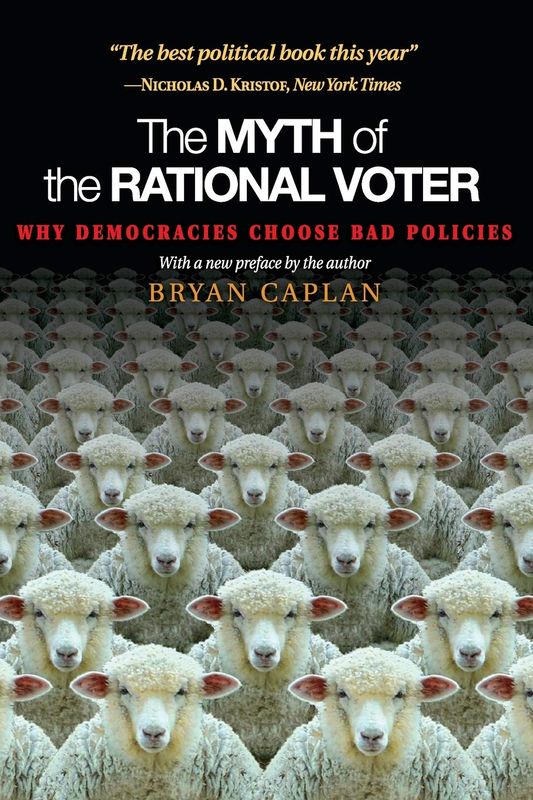
In 'The Myth of the Rational Voter,' economist Bryan Caplan challenges the conventional belief that voters make informed and rational choices. Instead, he argues that citizens often hold irrational biases and misconceptions that skew democratic processes. Caplan delves into the implications of these biases on policy and governance, suggesting that democracy might not always lead to optimal outcomes. His provocative insights encourage readers to rethink the foundations of political decision-making. Are we truly capable of rational thought when it comes to voting, or are we prisoners of our own misconceptions?
By Bryan Caplan
Published: 2008
"In a democracy, voters are often like a jury: they reach a verdict without the evidence, relying instead on emotions and biases, ultimately undermining the very rationality people assume governs their choices."

Start Listening to Book Summary
Book Review of The Myth of the Rational Voter
"Caplan argues that voters continually elect politicians who either share their biases or else pretend to, resulting in bad policies winning again and again by popular demand. Calling into question our most basic assumptions about American politics, Caplan contends that democracy fails precisely because it does what voters want. Through an analysis of American's voting behavior and opinions on a range of economic issues, he makes the case that noneconomists suffer from four prevailing biases: they underestimate the wisdom of the market mechanism, distrust foreigners, undervalue the benefits of conserving labor, and pessimistically believe the economy is going from bad to worse. Caplan lays out several ways to make democratic government work better.
Book Overview of The Myth of the Rational Voter
About the Book Author
Bryan Caplan
Bryan Caplan is an American economist, professor, and author, known for his engaging and often provocative writing style that combines rigorous economic theory with accessible language. He is a professor of economics at George Mason University and a senior scholar at the Mercatus Center. Caplan’s notable works include "The Myth of the Rational Voter," where he argues that voters are often ill-informed and biased in their decision-making, and "Selfish Reasons to Have More Kids," which presents a contrarian perspective on parenting and fertility. He is also the author of "Open Borders: The Science and Ethics of Immigration," advocating for the free movement of people. Through his books and articles, Caplan challenges conventional wisdom and encourages readers to think critically about economic policies and social issues.
Book Details
Key information about the book.
- Authors
- Bryan Caplan
- Published
- August 2008
- Publisher
- Princeton University Press
- ISBN
- 0691138737
- Language
- English
- Pages
- 293
- Genres
- Political PhilosophyPolitical IdeologiesPolitics and Current Affairs
Purchase Options
 Buy on Amazon
 Buy via BookShop
Support local bookstores: BookShop gives a portion of each sale to independent bookshops!
Similar books you might like →
The Conquest of Happiness Book Summary
In 'The Conquest of Happiness', renowned philosopher Bertrand Russell explores the nature of joy and contentment, guiding readers towards a fulfilling life. He delves into the psychological barriers to happiness, revealing how societal pressures and personal fears can sabotage our joy. Through a blend of personal anecdotes and philosophical insights, Russell champions the importance of love, work, and the pursuit of knowledge. He invites us to rethink our values and priorities, suggesting that true happiness lies in embracing simplicity and genuine connections. This thought-provoking work challenges us to confront our beliefs and inspires us to actively seek out a more joyful existence.
Selling Free Enterprise Book Summary
In 'Selling Free Enterprise,' Elizabeth A. Fones-Wolf uncovers the compelling narrative behind the promotion of free enterprise in America. Through a detailed exploration of advertising, media, and public relations, she reveals how the concept of free enterprise became ingrained in the American psyche. The book challenges readers to consider the powerful forces that shape economic ideals and societal values. Fones-Wolf's meticulous research highlights the intersection of capitalism and culture, posing critical questions about freedom and market values. This thought-provoking work invites readers to reflect on the implications of selling not just products, but a way of life.

Godel, Escher, Bach Book Summary
In 'Gödel, Escher, Bach', Douglas R. Hofstadter explores the intriguing connections between the realms of mathematics, art, and music, unveiling how they intertwine to give rise to human consciousness. Through a series of dialogues and thought-provoking puzzles, he invites readers to ponder the nature of self-reference and recursive structures. The book delves into the mind-bending ideas of Gödel's incompleteness theorems, Escher's visual paradoxes, and Bach's intricate patterns, creating a symphony of intellect and creativity. As you journey through its pages, prepare to challenge your perceptions of reality and the essence of thinking. This masterpiece promises not just to entertain but to leave you questioning the very fabric of existence.
21 Lessons for the 21st Century Book Summary
In '21 Lessons for the 21st Century', Yuval Noah Harari navigates the complex landscape of today's world, tackling urgent questions about our future. From the impact of technology on society to the challenges of political stability, each lesson provokes thought and introspection. Harari explores key themes such as the rise of artificial intelligence, the significance of data, and the importance of meaning in an increasingly uncertain world. With a blend of history, philosophy, and science, the book invites readers to reflect on their roles in shaping a shared future. Will we adapt, or become obsolete? Dive in to uncover the lessons that could redefine humanity's path.
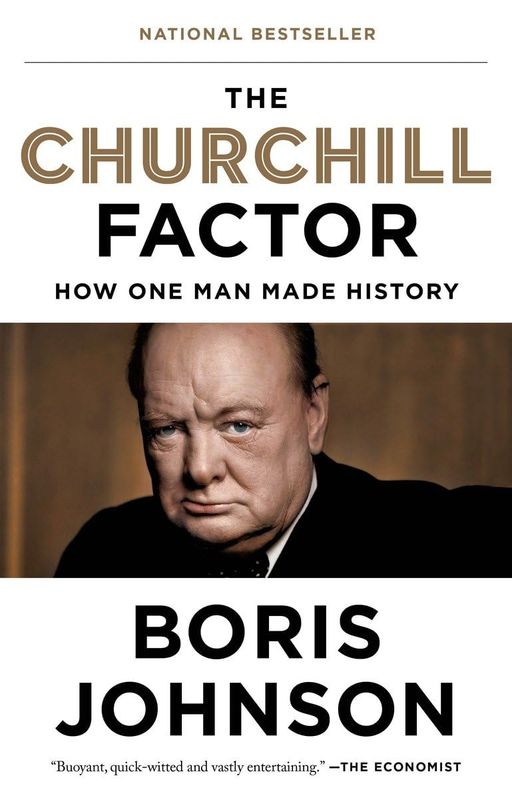
The Churchill Factor Book Summary
In 'The Churchill Factor', Boris Johnson unveils the charismatic persona and monumental impact of Winston Churchill on history. With a blend of wit and admiration, Johnson explores Churchill's leadership during World War II and his indomitable spirit in the face of adversity. The book delves deep into Churchill's complexities—his strengths, flaws, and relentless pursuit of victory. Johnson argues that Churchill's legacy teaches us invaluable lessons about courage, resilience, and the power of words. An engaging read, it prompts readers to reflect on what it truly means to lead.

The End of Faith: Religion, Terror, and the Future of Reason Book Summary
In 'The End of Faith,' Sam Harris boldly confronts the dangerous intersections of religion, violence, and reason. He argues that faith—untethered from evidence—has become a potent force for conflict and oppression in the modern world. Harris challenges readers to reevaluate their beliefs and consider the consequences of dogma on society. With provocative insight, he advocates for a future grounded in reason, ethics, and secular morality. This thought-provoking exploration invites readers to question the very foundation of their beliefs and the impact of faith on global affairs.
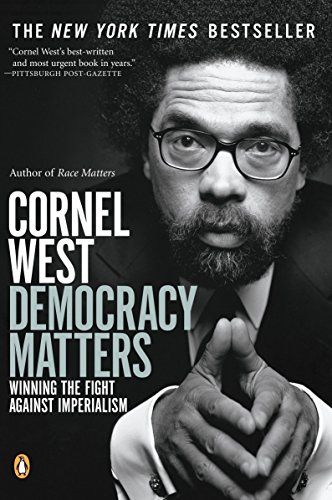
Democracy Matters Book Summary
In 'Democracy Matters', Cornel West passionately advocates for the revitalization of American democracy, arguing that it faces severe crises from corporate greed and political apathy. He intertwines philosophical musings with urgent social critiques, exploring the implications of race, class, and culture on the democratic process. West calls for a return to a more participatory democracy, emphasizing the importance of moral values and civic engagement. Through thought-provoking anecdotes and insights, he urges readers to awaken their sense of agency in shaping a more equitable society. This powerful manifesto invites us to reflect deeply on the future of democracy and our roles within it.
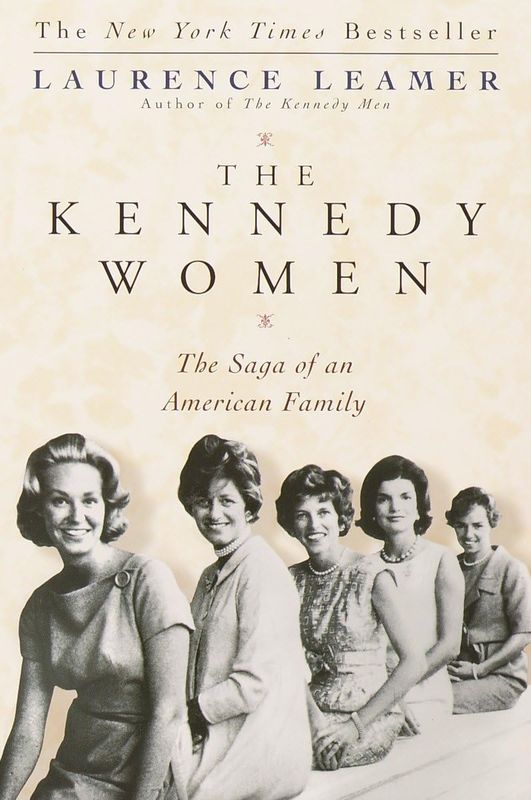
The Kennedy Women Book Summary
In 'The Kennedy Women,' Laurence Leamer unveils the intriguing lives of the remarkable women behind the iconic Kennedy family. From the fiercely ambitious Rose Kennedy to the tragically glamorous Jackie O, the narrative navigates the intertwining destinies shaped by privilege, tragedy, and power. Each woman's story reveals the personal sacrifices and trials faced in the shadow of political grandeur. Through intimate portraits, we discover how love, loss, and resilience defined their legacies. This compelling exploration beckons readers to ponder: what price do women pay for greatness?
Showing 8 of 29 similar books
Take your reading experience to the next level
Download our mobile app to enjoy your favorite books on the go. Get access to exclusive features, offline listening, and personalized recommendations.

Similar Book Recommendations →

Daniel Pink's Book Recommendations
Daniel Pink is a renowned American author known for his groundbreaking work in the fields of business, work, and behavior. He has penned several bestselling books, including "Drive: The Surprising Truth About What Motivates Us," which explores the science of motivation and has been translated into over 30 languages. Pink's "A Whole New Mind" and "To Sell is Human" have also received critical acclaim, cementing his reputation as a thought leader. His insightful TED Talks and frequent contributions to major publications further amplify his influence. Pink's work has significantly shaped contemporary understanding of motivation, creativity, and the modern workplace.

Alex Lieberman's Book Recommendations
Alex Lieberman is the co-founder and executive chairman of Morning Brew, a media company that delivers engaging business news. Under his leadership, Morning Brew has grown to reach millions of subscribers, becoming a significant player in modern business journalism. Lieberman is also known for his insightful commentary on entrepreneurship and media trends. His work has significantly influenced the way business news is consumed by younger audiences. Beyond Morning Brew, Lieberman frequently writes and speaks about the intersection of media and technology, further cementing his role as a thought leader in the industry.

Chris Dixon's Book Recommendations
Chris Dixon is a notable venture capitalist and technology entrepreneur, best known for his influential role as a general partner at Andreessen Horowitz, where he leads investments in cryptocurrency and blockchain technology. Before joining the firm, Dixon co-founded two startups: SiteAdvisor, a web security company acquired by McAfee, and Hunch, a recommendation engine acquired by eBay. In addition to his investment career, Dixon is a prolific writer and thought leader on technology and innovation, contributing insightful essays and articles to various platforms such as his personal blog and Medium. His writings often explore the future of technology, the internet, and the impact of blockchain, making significant contributions to contemporary tech literature. Dixon's work has earned him recognition as a visionary in both the tech and literary worlds.

David Heinemeier Hansson's Book Recommendations
David Heinemeier Hansson, also known as DHH, is a Danish programmer, entrepreneur, and author, best known as the creator of Ruby on Rails, a popular web application framework. Heinemeier Hansson is also a partner at Basecamp, a project management and collaboration software company he co-founded. His contributions to software development have earned him widespread recognition, with Ruby on Rails being used by thousands of developers and companies worldwide. Heinemeier Hansson is also a vocal advocate for remote work, simplicity in business, and sustainable work practices, ideas he explores in his bestselling books Rework and It Doesn’t Have to Be Crazy at Work. In addition to his work in tech, he is an accomplished race car driver, having competed in the 24 Hours of Le Mans. Heinemeier Hansson’s approach to work-life balance and entrepreneurship has made him a thought leader in the tech community, where he continues to challenge traditional business practices and advocate for more human-centered approaches to work

Lex Fridman's Book Recommendations
Lex Fridman is an artificial intelligence researcher, podcaster, and MIT professor, known for his work in autonomous vehicles, robotics, and deep learning. Fridman has gained widespread popularity through his podcast, Lex Fridman Podcast, where he interviews leading thinkers in science, technology, and philosophy, exploring topics like AI, consciousness, and the future of humanity. His academic work focuses on human-centered AI, aiming to create machines that can better understand and interact with humans. Fridman’s ability to distill complex topics into accessible conversations has earned him a large following, and his podcast is known for its thoughtful, in-depth discussions with some of the brightest minds of our time. He is also an advocate for the responsible development of AI, emphasizing the ethical implications of this rapidly advancing technology. Outside of academia and podcasting, Fridman is a practitioner of jiu-jitsu and frequently speaks about the importance of discipline and continuous learning.

Vitalik Buterin's Book Recommendations
Vitalik Buterin is a Canadian-Russian programmer and writer, best known as the co-founder of Ethereum, a revolutionary blockchain platform that enables smart contracts and decentralized applications. Born in 1994, Buterin displayed exceptional talent in mathematics and computer science from a young age. He co-authored the white paper for Ethereum in 2013, which has since become a cornerstone of the cryptocurrency and blockchain space. In addition to his technical contributions, Buterin is a prolific writer, having penned numerous articles and papers on blockchain technology, cryptography, and decentralization. His work has earned him recognition as one of the most influential figures in the world of cryptocurrency.

Naval Ravikant's Book Recommendations
Naval Ravikant is an entrepreneur, angel investor, and philosopher, best known as the co-founder of AngelList, a platform that connects startups with investors. Ravikant is a prolific thinker and writer on topics such as startups, investing, and personal well-being, sharing his wisdom through essays, podcasts, and social media. He has invested in over 100 companies, including Uber, Twitter, and Yammer, making him one of Silicon Valley’s most successful angel investors. Ravikant is also known for his philosophical musings on wealth, happiness, and the meaning of life, which have garnered him a large and dedicated following.

Marc Andreessen's Book Recommendations
Marc Andreessen is an American entrepreneur, software engineer, and venture capitalist, best known for co-creating the Mosaic web browser, the first widely-used web browser, and co-founding Netscape. Andreessen is also the co-founder of Andreessen Horowitz, one of Silicon Valley’s most prominent venture capital firms, where he invests in groundbreaking technology companies like Facebook, Airbnb, and Coinbase. He is a thought leader on the impact of technology and innovation, often sharing his views on the future of the internet and startups. His contributions to the development of the web and the tech ecosystem have made him one of the most influential figures in technology.
Showing 8 of 26 related collections
“In a democracy, voters are often like a jury: they reach a verdict without the evidence, relying instead on emotions and biases, ultimately undermining the very rationality people assume governs their choices.”
The Myth of the Rational Voter
By Bryan Caplan
Frequently Asked Questions
Explore Our Catalogue
Discover a world of knowledge through our extensive collection of book summaries.
Genres
Genres
Genres
Featured Collections
- Top Book Club Picks
- One-Stop Nutrition
- Summer Reads 2024
- Best Beach Reads 2024
- Work-Life Balance Guide
- Time Management
- Healthy Foods
- Entrepreneur Toolkit
- Mind & Body Wellness
- Future Tech Insights
- Leadership Essentials
- Financial Freedom
- Sci-Fi Masterpieces
- Parenting 101
- Books That Became Blockbusters
- Guide to a Healthy Pregnancy