The Natural History of Religion Book Summary
In 'The Natural History of Religion,' David Hume explores the origins and development of religious beliefs across cultures. Through a blend of philosophy and empirical observation, Hume delves into the psychological and sociological factors that shape religion. His analysis raises provocative questions about the nature of faith and reason, challenging conventional views. As he uncovers the underlying motives for belief, readers are compelled to reconsider their own perspectives on spirituality. This thought-provoking work invites readers on a journey through the complexities of human belief systems.
By David Hume
Published: 2018
""The origin of religion is not in divine revelation, but in human nature, as much a part of us as our desire to laugh and love.""


Start Listening to Book Summary
Book Review of The Natural History of Religion
In this essay, Hume offers a pioneering naturalist account of the causes, effects, and historical development of religious belief. Hume argues that a crude polytheism was the earliest religion of mankind and locates the origins of religion in emotion, particularly hope, fear, and the desire to control the future. He further argues that monotheism arises from competition between religions, as believers seek to distinguish their deities as superior to all rivals, magnifying those deities until they possess all perfections. Though an enlightened monotheism is more rationally defensible than a superstitious polytheism, in practice polytheism has many advantages. In particular, Hume argues, monotheistic religions tend to be more intolerant and hypocritical, result in greater intellectual absurdities, and foster socially undesirable "monkish virtues," such as mortification, abasement, and passive suffering.[2] Hume concludes the "Natural History" on a note of characteristic skepticism: "The whole is a riddle, an aenigma, an inexplicable mystery. Doubt, uncertainty, suspence of judgment appear the only result of our most accurate scrutiny, concerning this subject. But such is the frailty of human reason, and such the irresistible contagion of opinion, that even this deliberate doubt could scarcely be upheld; did we not enlarge our view, and opposing one species of superstition to another, set them a quarrelling; while we ourselves, during their fury and contention, happily make our escape, into the calm, though obscure, regions of philosophy."
Book Overview of The Natural History of Religion
About the Book Author
David Hume
David Hume (1711-1776) was a prominent Scottish philosopher, historian, economist, and essayist known for his influential works in the fields of empiricism and skepticism. His notable works include 'A Treatise of Human Nature,' 'An Enquiry Concerning Human Understanding,' and 'An Enquiry Concerning the Principles of Morals.' Hume's writing style is characterized by its clarity, elegance, and a profound ability to question the assumptions of human thought and experience. He is often regarded as one of the greatest philosophers in Western philosophy and a key figure of the Scottish Enlightenment.
Book Details
Key information about the book.
- Authors
- David Hume
- Published
- August 2018
- Publisher
- N/A
- ISBN
- 172503378X
- Language
- English
- Pages
- 94
- Genres
- Philosophy of MindPhilosophyComparative ReligionSpirituality and ReligionTheology
Purchase Options
 Buy on Amazon
 Buy via BookShop
Support local bookstores: BookShop gives a portion of each sale to independent bookshops!
Similar books you might like →
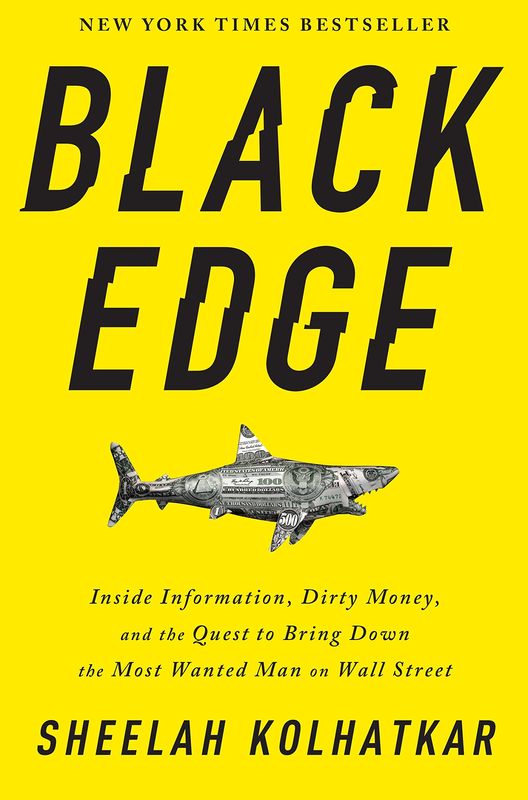
Black Edge Book Summary
In "Black Edge," investigative journalist Sheelah Kolhatkar delves into the high-stakes world of hedge funds and the enigmatic figure of Steven A. Cohen. As she unravels the saga of insider trading, greed, and Wall Street's murky ethics, the book pulls readers into a gripping tale of ambition that spans decades. With intellectual prowess and audacious risk-taking, Cohen's rise to power raises questions about the moral compass of finance. Kolhatkar's penetrating analysis unveils the dark side of wealth and the relentless pursuit of success, leaving readers questioning the true cost of ambition. Will you dare to uncover the secrets of a financial titan and the shadowy underworld they inhabit?
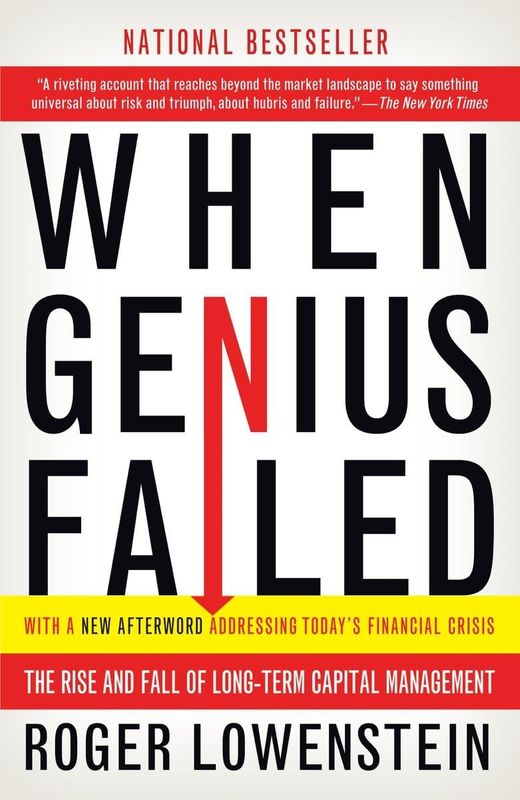
When Genius Failed Book Summary
When Genius Failed chronicles the dramatic rise and fall of Long-Term Capital Management, a hedge fund that boasted an elite team of financial wizards. As it navigates the complexities of high-stakes finance and groundbreaking quantitative models, the book unveils how overconfidence in genius can lead to catastrophic consequences. When the Asian financial crisis strikes, the fund’s intricate strategies unravel, threatening the global economy. Authors Roger Lowenstein masterfully intertwine personal narratives with economic theory, revealing the fragile balance between risk and reward. This gripping tale serves as a cautionary reminder that brilliance can blind us to the dangers lurking beneath the surface.

Security Analysis: The Classic 1934 Edition Book Summary
Security Analysis, authored by Benjamin Graham and David Dodd, unveils the art of valuing investments through a detailed lens of fundamental analysis. This classic masterpiece promotes the philosophy of value investing, encouraging readers to dive deep into financial statements rather than relying on market trends. With timeless principles and practical frameworks, it teaches how to uncover hidden gems in the stock market. As markets fluctuate, the authors remind us that understanding intrinsic value can lead to exceptional financial decisions. Are you ready to transform your investment strategies and unlock the secrets of successful investing?
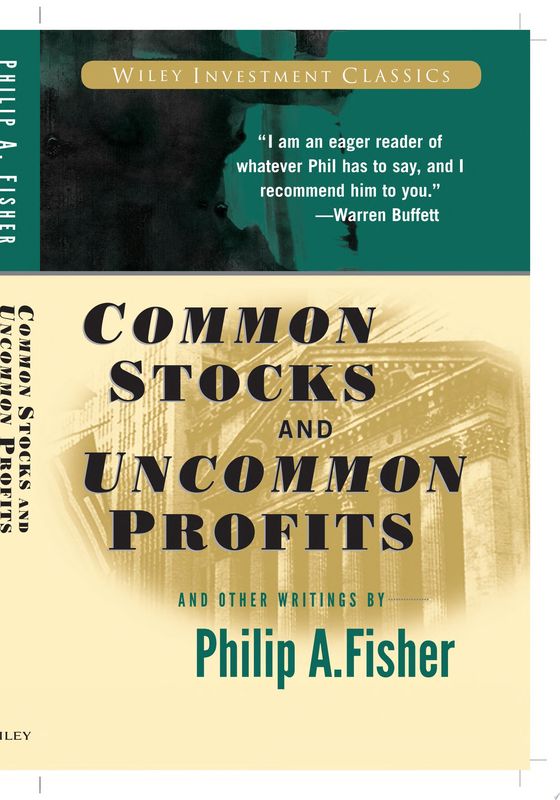
Common Stocks and Uncommon Profits and Other Writings Book Summary
In "Common Stocks and Uncommon Profits," legendary investor Philip A. Fisher shares his groundbreaking approach to evaluating stocks, emphasizing the importance of understanding a company's long-term potential rather than just its current prices. Fisher introduces the "15 Points to Look for in a Common Stock," a comprehensive checklist that reveals the qualities of truly exceptional companies. With insightful anecdotes and practical wisdom, he challenges traditional investment strategies and highlights the significance of a strong management team. As readers delve into his meticulous analysis, they discover how to identify growth opportunities that others might overlook. This classic investment guide is not just a manual for profits; it's an invitation to think differently about wealth creation.

Business Adventures Book Summary
In "Business Adventures," renowned author John Brooks takes readers on a captivating journey through twelve compelling tales of corporate triumphs and failures. These real-world stories illuminate the timeless lessons of business, from the stock market collapse of 1962 to the explosive rise of Xerox. Each narrative is densely packed with intrigue, showcasing the human elements that drive decisions and shape outcomes in the corporate world. With sharp insights and humor, Brooks reveals the unpredictable nature of business that still resonates today. Prepare to be fascinated by the compelling drama that unfolds in the boardrooms and backrooms where fortunes are made and lost.
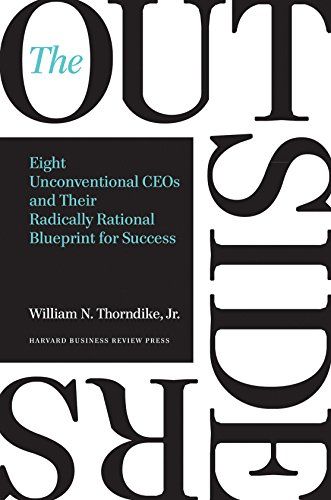
The Outsiders Book Summary
In 'The Outsiders,' William Thorndike reveals the captivating stories of unconventional leaders who defy the norms of Wall Street and common business wisdom. These mavericks, often overlooked or underestimated, demonstrate that true success comes from deep analytical thinking and a long-term vision. Through engaging case studies, Thorndike uncovers the secret principles that set these extraordinary outsiders apart from their peers. Readers are invited into a world where decision-making is grounded in value creation and discipline rather than mere trends. This thought-provoking exploration challenges conventional beliefs and beckons aspiring leaders to reassess their own paths to success.

Poor Charlie’s Almanack Book Summary
Poor Charlie’s Almanack is an enlightening compilation of wisdom from Charlie Munger, the renowned vice chairman of Berkshire Hathaway and lifelong partner of Warren Buffett. This thought-provoking collection delves into Munger's unique principles of investing, decision-making, and life philosophy, rich with wit and insight. Through anecdotes, illustrations, and a treasure trove of mental models, readers are inspired to think critically and embrace diverse perspectives. Munger’s emphasis on lifelong learning and rational thought challenges conventional thinking and encourages harnessing multidisciplinary knowledge for personal and professional success. Unlock the secrets of Munger’s remarkable intellect and discover how they can transform your approach to wealth and wisdom.
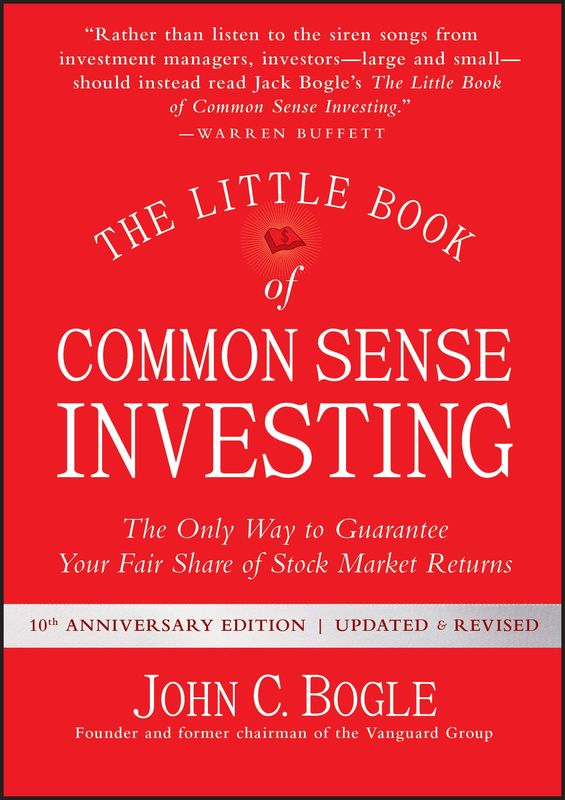
The Little Book of Common Sense Investing Book Summary
In 'The Little Book of Common Sense Investing,' John C. Bogle lays out a compelling case for a simple, yet effective, investment strategy that anyone can apply. He champions the power of low-cost indexing, which allows average investors to outperform the majority of actively managed funds over time. Bogle stresses the importance of patience and discipline in the face of market volatility, urging readers to ignore the noise of financial markets. With clear insights and straightforward advice, this book is a treasure trove for both novice and seasoned investors alike. Discover how to make your money work harder for you with strategies rooted in common sense!
Showing 8 of 30 similar books
Take your reading experience to the next level
Download our mobile app to enjoy your favorite books on the go. Get access to exclusive features, offline listening, and personalized recommendations.

Similar Book Recommendations →

Scott Young's Book Recommendations
Scott Young is an entrepreneur, author, and learning expert, best known for his work in accelerated learning and self-education. Young gained recognition for completing MIT’s computer science curriculum in one year through self-study, an experiment he documented in his book Ultralearning. He advocates for a systematic, focused approach to learning new skills, and his work has inspired people to take on ambitious projects in fields like coding, languages, and creative arts. Young writes extensively on productivity, cognitive science, and learning techniques, sharing strategies for mastering complex subjects quickly. His approach to education has made him a prominent figure in the world of self-improvement and personal development.

Jason Nemer's Book Recommendations
Jason Nemer is a renowned acro yoga practitioner and co-founder of AcroYoga International, a practice that blends acrobatics, yoga, and healing arts. He has significantly contributed to the global spread of acro yoga, promoting physical and mental well-being through his innovative techniques and teachings. Jason has authored numerous instructional materials and has been featured in various publications, sharing his expertise and passion for the discipline. His workshops and retreats attract participants from around the world, fostering a diverse and supportive community. Through his work, Jason Nemer has inspired countless individuals to explore the transformative power of acro yoga.

Naval Ravikant's Book Recommendations
Naval Ravikant is an entrepreneur, angel investor, and philosopher, best known as the co-founder of AngelList, a platform that connects startups with investors. Ravikant is a prolific thinker and writer on topics such as startups, investing, and personal well-being, sharing his wisdom through essays, podcasts, and social media. He has invested in over 100 companies, including Uber, Twitter, and Yammer, making him one of Silicon Valley’s most successful angel investors. Ravikant is also known for his philosophical musings on wealth, happiness, and the meaning of life, which have garnered him a large and dedicated following.

Steve Jobs's Book Recommendations
Steve Jobs was an American entrepreneur, inventor, and co-founder of Apple Inc., known for revolutionizing the personal computing, music, and smartphone industries. Jobs’ vision for technology was focused on simplicity, innovation, and user experience, leading to the development of iconic products like the Macintosh, iPod, iPhone, and iPad. He also co-founded Pixar Animation Studios, which became one of the most successful animation companies in the world. Jobs’ influence extended beyond technology, shaping the way people interact with media, communication, and design. His legacy as a visionary leader and innovator continues to impact industries around the globe.

Audrey Gelman's Book Recommendations
Audrey Gelman is an American entrepreneur and writer, best known as the co-founder and former CEO of The Wing, a network of co-working spaces and social clubs designed for women. She has been recognized for her innovative approach to creating supportive environments for professional women, significantly impacting feminist discourse and workplace equality. Gelman has also contributed thought-provoking essays to prominent publications such as The New York Times and The New Yorker, where she discusses gender, politics, and culture. Her leadership at The Wing has been celebrated for fostering community and collaboration among women. Additionally, Gelman's influence extends to the political sphere, having previously worked as a press aide on several high-profile campaigns.

Gwyneth Paltrow's Book Recommendations
Gwyneth Paltrow is an acclaimed actress and entrepreneur, best known for her roles in films such as "Shakespeare in Love," for which she won an Academy Award for Best Actress. Beyond her acting career, she is a celebrated author and wellness guru, founding the lifestyle brand Goop in 2008. Paltrow has authored several best-selling cookbooks, including "My Father's Daughter" and "It's All Good," which emphasize healthy living and nutritious recipes. Her work in literature has significantly contributed to the wellness and lifestyle genres, inspiring many to pursue healthier lifestyles. Paltrow continues to influence the wellness industry through her writing and entrepreneurial endeavors.

Jon Stewart's Book Recommendations
Jon Stewart is an American comedian, writer, and former host of The Daily Show, where he gained fame for his satirical take on news and politics. Stewart transformed The Daily Show into a critical voice in American media, blending humor with hard-hitting commentary on political and social issues. After stepping down from the show, Stewart has continued to advocate for causes like 9/11 first responders and veterans' rights. He is also a filmmaker, directing the political satire film Irresistible. Stewart remains a significant figure in American culture, known for his wit, activism, and influence on political discourse.

Anderson Cooper's Book Recommendations
Anderson Cooper is an esteemed American journalist and television personality, best known for anchoring "Anderson Cooper 360°" on CNN. He has gained widespread recognition for his incisive reporting on major global events, earning multiple Emmy Awards for his work. Cooper is also an accomplished author, having penned the best-selling memoir "Dispatches from the Edge," which chronicles his experiences covering some of the world's most perilous conflicts and disasters. His literary contributions extend to "The Rainbow Comes and Goes," a poignant dialogue with his mother, Gloria Vanderbilt, that explores themes of family and resilience. Through his work in both journalism and literature, Cooper has made a significant impact on contemporary media and storytelling.
Showing 8 of 22 related collections
“"The origin of religion is not in divine revelation, but in human nature, as much a part of us as our desire to laugh and love."”
The Natural History of Religion
By David Hume
Frequently Asked Questions
Explore Our Catalogue
Discover a world of knowledge through our extensive collection of book summaries.
Genres
Genres
Genres
Featured Collections
- Top Book Club Picks
- One-Stop Nutrition
- Summer Reads 2024
- Best Beach Reads 2024
- Work-Life Balance Guide
- Time Management
- Healthy Foods
- Entrepreneur Toolkit
- Mind & Body Wellness
- Future Tech Insights
- Leadership Essentials
- Financial Freedom
- Sci-Fi Masterpieces
- Parenting 101
- Books That Became Blockbusters
- Guide to a Healthy Pregnancy