The Origins and History of Consciousness Book Summary
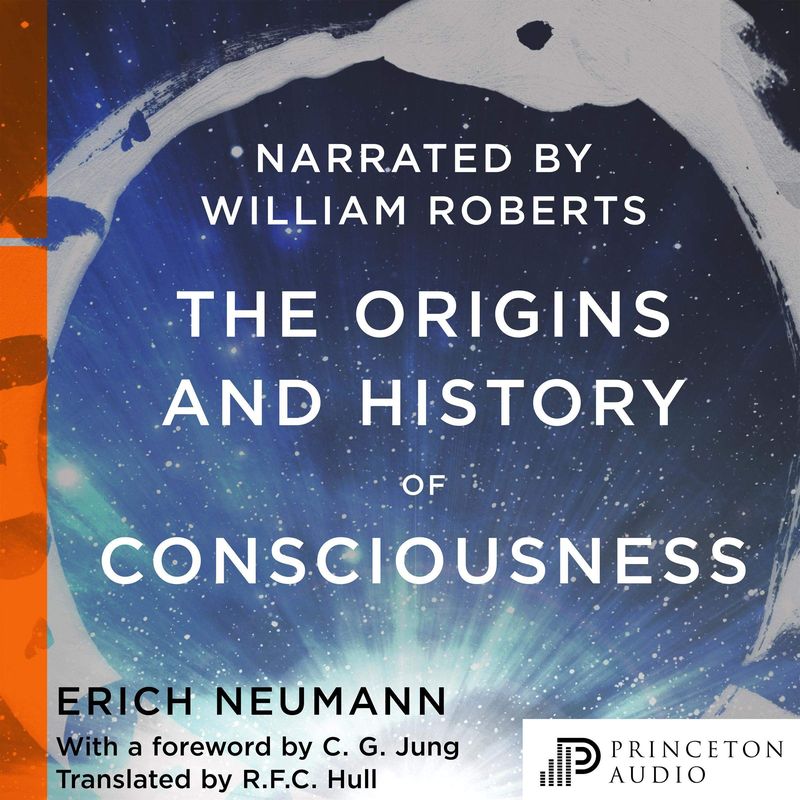
In 'The Origins and History of Consciousness,' Erich Neumann explores the evolution of human consciousness from ancient times to modernity. He delves into the interplay between individual psychology and cultural development, revealing how archetypes shape our understanding of self and society. Neumann argues that consciousness is a dynamic process influenced by myth and symbols, bridging the inner and outer worlds. His work challenges readers to reconsider the roots of human thought and the collective psyche. Prepare for a profound journey that intertwines psychology, mythology, and philosophy, sparking intrigue about the very nature of consciousness.
By Erich Neumann
Published: 2014
"The journey of consciousness is the path of individuation, where the self emerges from the collective shadow, illuminating the intricacies of existence."

Start Listening to Book Summary
Book Review of The Origins and History of Consciousness
The Origins and History of Consciousness draws on a full range of world mythology to show how individual consciousness undergoes the same archetypal stages of development as human consciousness as a whole. Erich Neumann was one of C. G. Jung's most creative students and a renowned practitioner of analytical psychology in his own right. In this influential book, Neumann shows how the stages begin and end with the symbol of the Uroboros, the tail-eating serpent. The intermediate stages are projected in the universal myths of the World Creation, Great Mother, Separation of the World Parents, Birth of the Hero, Slaying of the Dragon, Rescue of the Captive, and Transformation and Deification of the Hero. Throughout the sequence, the Hero is the evolving ego consciousness. Featuring a foreword by Jung, this Princeton Classics edition introduces a new generation of readers to this eloquent and enduring work.
Book Overview of The Origins and History of Consciousness
About the Book Author
Erich Neumann
Erich Neumann (1905-1960) was a prominent German-born psychologist and writer, best known for his influential works on depth psychology, particularly his exploration of the feminine psyche in relation to Jungian theory. He held a significant role in the development of analytical psychology and became renowned for his books such as 'The Origins and History of Consciousness,' 'The Great Mother: An Analysis of the Archetype,' and 'The Fear of the Feminine.' Neumann's writing style is characterized by a blend of psychological insights, mythological references, and philosophical discourse, creating a rich tapestry that delves deep into the human experience. His work continues to inspire psychologists, scholars, and readers interested in the intersections of psychology, mythology, and spirituality.
Book Details
Key information about the book.
- Authors
- Erich Neumann
- Published
- August 2014
- Publisher
- Princeton University Press
- ISBN
- 0691163596
- Language
- English
- Pages
- 552
- Genres
- Western PhilosophyCognitive PsychologyPhilosophySocial PsychologyPsychologyEastern Philosophy
Purchase Options
 Buy on Amazon
 Buy via BookShop
Support local bookstores: BookShop gives a portion of each sale to independent bookshops!
Similar books you might like →
The Righteous Mind Book Summary
In 'The Righteous Mind', Jonathan Haidt explores the intricacies of human morality and its impact on political divisions. He argues that our sense of right and wrong is shaped more by intuition than by reason, leading to deep-seated clashes between differing moral perspectives. Using insights from psychology, sociology, and anthropology, Haidt delves into the reasons why people hold vastly opposing views despite sharing the same facts. The book encourages readers to understand, rather than vilify, opposing beliefs, making it a compelling read for anyone seeking to navigate the complexities of modern discourse. It challenges us to reconsider our moral frameworks and opens the door to greater empathy in an increasingly polarized world.
The Social Animal Book Summary
In 'The Social Animal', Joshua and Elliot Aronson explore the psychological and social forces shaping human behavior through rich anecdotes and groundbreaking research. The authors take readers on a journey through the intricacies of love, hate, and the powerful influence of social contexts on individual decisions. Juxtaposing captivating storytelling with scientific insights, they unravel the complexities of conformity, prejudice, and self-identity. This thought-provoking exploration challenges our understanding of what it means to be human in a social world. Prepare to question your beliefs and see the connections between psychology and everyday life like never before.

12 Rules for Life Book Summary
In '12 Rules for Life', psychologist Jordan B. Peterson distills life lessons from psychology, philosophy, and mythology into twelve profound principles for personal growth. Each rule invites readers to confront the chaos of existence and embrace responsibility, guiding them toward meaning and order. Peterson's compelling narratives and incisive insights challenge conventional wisdom, urging self-reflection and accountability. As readers navigate through the complexities of life, they discover how to build a stable foundation for themselves and their communities. This thought-provoking book promises to provoke deep contemplation and inspire transformative change.
Breaking Rockefeller Book Summary
In 'Breaking Rockefeller,' Peter B. Doran unveils the fierce struggle for control over the world’s oil industry in the early 20th century. This riveting narrative dives deep into the fierce rivalry between titans like John D. Rockefeller and the upstart competitors who sought to dismantle his empire. Through thrilling tales of ambition, betrayal, and unexpected alliances, Doran reveals the gritty realities behind the growth of the oil industry and its global implications. Will the challengers succeed in dismantling the monopolistic grip of the Rockefellers? This captivating account will leave readers questioning the true cost of power and the lengths to which individuals will go to secure their legacy.
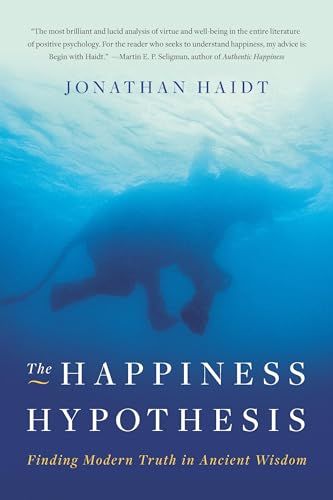
The Happiness Hypothesis Book Summary
In 'The Happiness Hypothesis', Jonathan Haidt delves into the ancient wisdom of happiness, exploring how age-old philosophies intersect with modern psychology. He presents a compelling argument that our well-being can be influenced by both our external circumstances and internal beliefs. By examining ten great ideas from various cultures, Haidt reveals surprising insights about love, morality, and the meaning of life. This engaging blend of science and philosophy challenges readers to rethink what truly brings happiness. Are we mere puppets of our circumstances, or can we take charge of our own joy?
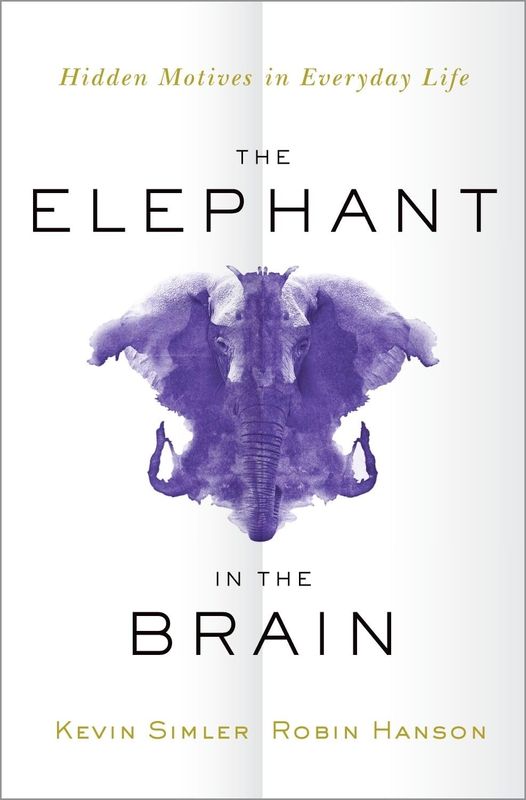
The Elephant in the Brain Book Summary
In 'The Elephant in the Brain', Kevin Simler and Robin Hanson delve into the hidden motives behind our social behaviors, revealing the unspoken truths we often ignore. They argue that much of our actions are driven by self-interest, masked by socially acceptable justifications. The authors challenge readers to confront uncomfortable realities about why we do what we do, igniting a conversation about the darker sides of human nature. With wit and insight, they dissect the complexity of human interactions that often evade our consciousness. This thought-provoking exploration of psychology invites you to rethink your understanding of social dynamics and the motives that lie beneath.
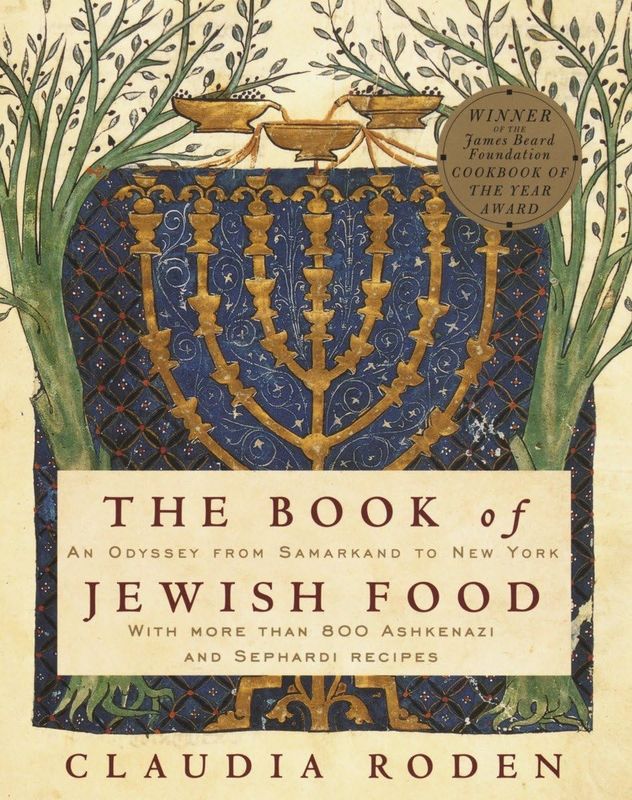
The Book of Jewish Food Book Summary
'The Book of Jewish Food' by Claudia Roden is a culinary journey that explores the rich tapestry of Jewish heritage through its diverse and captivating cuisine. With over 800 recipes, Roden unveils traditional dishes passed down through generations, reflecting the unique cultural influences from around the world. Each recipe is accompanied by personal anecdotes, revealing the significance of food in Jewish identity and celebration. This book is not just a collection of recipes; it is a heartfelt homage to the stories and history that shape Jewish life. Dive into the flavors and traditions that define Jewish culture and discover the secrets behind the dishes that bring families together.
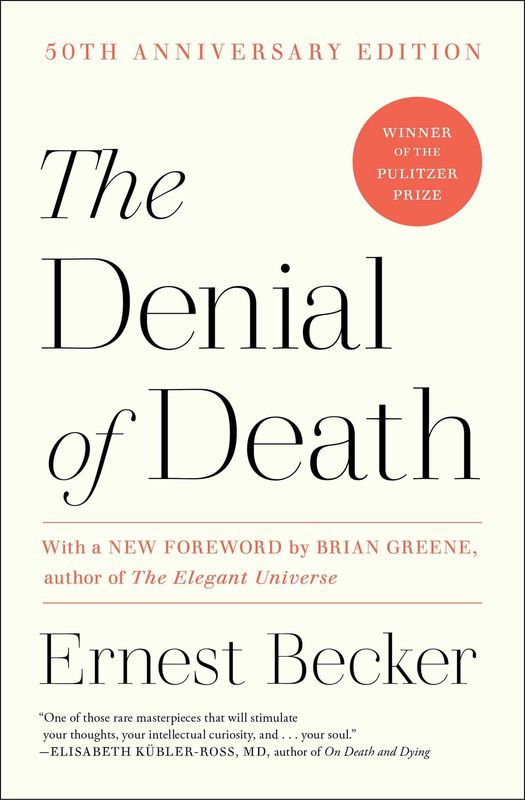
The Denial of Death Book Summary
In 'The Denial of Death,' Ernest Becker explores the profound human fear of mortality and the ways people cope with this existential dread. Through a blend of psychology, philosophy, and anthropology, he argues that much of human behavior is motivated by the desire to transcend death, leading to cultural and personal constructs that deny our mortality. The book challenges readers to confront the reality of death and rethink their values in the face of impermanence. Becker's insights reveal how our denial shapes society and individual lives, urging a deeper understanding of what it means to live authentically. This thought-provoking masterpiece invites readers to grapple with the ultimate questions of existence: how to live and die meaningfully.
Showing 8 of 30 similar books
Take your reading experience to the next level
Download our mobile app to enjoy your favorite books on the go. Get access to exclusive features, offline listening, and personalized recommendations.

Similar Book Recommendations →

Naval Ravikant's Book Recommendations
Naval Ravikant is an entrepreneur, angel investor, and philosopher, best known as the co-founder of AngelList, a platform that connects startups with investors. Ravikant is a prolific thinker and writer on topics such as startups, investing, and personal well-being, sharing his wisdom through essays, podcasts, and social media. He has invested in over 100 companies, including Uber, Twitter, and Yammer, making him one of Silicon Valley’s most successful angel investors. Ravikant is also known for his philosophical musings on wealth, happiness, and the meaning of life, which have garnered him a large and dedicated following.

Bryan Johnson's Book Recommendations
Bryan Johnson is an American entrepreneur, investor, and futurist, best known for founding Braintree, a payments company that was acquired by PayPal, and Kernel, a company focused on developing brain-computer interfaces. Johnson is deeply interested in advancing human cognition and longevity through technological innovation. His work at Kernel seeks to better understand the brain and its potential to enhance human intelligence. He is also the founder of OS Fund, which invests in companies tackling complex, world-changing problems in areas like health and energy. Johnson is a strong advocate for using technology to extend human potential and reshape the future of humanity.

Nassim Nicholas Taleb's Book Recommendations
Nassim Nicholas Taleb is a Lebanese-American author, scholar, and risk analyst, best known for his work on uncertainty, probability, and risk. His books, including The Black Swan and Antifragile, explore how rare and unpredictable events shape the world and how individuals and systems can become more resilient to shocks. Taleb’s insights on risk management have influenced fields ranging from finance to medicine, and he is known for his outspoken criticism of conventional wisdom. His ideas about randomness, decision-making, and the limitations of human knowledge have made him a leading thinker in modern economics and philosophy.

Nat Eliason's Book Recommendations
Nat Eliason is an influential writer, entrepreneur, and educator known for his insightful work on personal growth, productivity, and digital marketing. He founded Growth Machine, a successful SEO and content marketing agency that has helped numerous companies expand their online presence. Eliason's thought-provoking articles on his blog cover a wide range of topics, from philosophy to health, attracting a large and engaged audience. Additionally, he authored "Effortless Output with Roam," a comprehensive guide on using the Roam Research tool for knowledge management. Through his diverse contributions, Eliason has established himself as a significant voice in the realms of self-improvement and digital strategy.

Peter Thiel's Book Recommendations
Peter Thiel is a renowned entrepreneur, venture capitalist, and author best known for co-founding PayPal and Palantir Technologies. He played a pivotal role in the early growth of Facebook as its first outside investor. Thiel's literary contributions include his influential book "Zero to One: Notes on Startups, or How to Build the Future," which offers insights into innovation, entrepreneurship, and the future of technology. A prominent figure in Silicon Valley, he has significantly impacted the tech industry's landscape through his investments and thought leadership. Thiel's work continues to inspire entrepreneurs and innovators around the world.

Tim Ferriss's Book Recommendations
Tim Ferriss is a bestselling author, entrepreneur, and podcast host, best known for his book The 4-Hour Workweek, which advocates for designing a lifestyle of financial and personal freedom through efficiency and outsourcing. He has written several other books, including Tools of Titans and Tribe of Mentors, compiling lessons from interviews with high achievers across industries. Ferriss’s podcast, The Tim Ferriss Show, is one of the most popular in the world, where he interviews leaders and influencers about their habits, strategies, and personal development. He is known for his emphasis on productivity, health, and optimizing performance.

Brendon Burchard's Book Recommendations
Brendon Burchard is a high-performance coach, motivational speaker, and bestselling author, best known for his books High Performance Habits and The Motivation Manifesto. He helps individuals and organizations achieve peak performance through strategies focused on clarity, energy, and productivity. Brendon’s work emphasizes the importance of personal growth and developing habits that lead to sustained success. He has coached Fortune 500 CEOs, Olympians, and other high-achieving individuals. Brendon is also the founder of the High Performance Academy, where he trains people to lead more impactful and successful lives.

Jordan Peterson's Book Recommendations
Jordan Peterson is a Canadian psychologist, author, and professor, best known for his work on psychology, political philosophy, and cultural criticism. His book 12 Rules for Life: An Antidote to Chaos became a global bestseller, offering advice on personal responsibility, order, and meaning in life. Peterson’s lectures, which cover topics like mythology, religion, and self-improvement, have garnered millions of views online, making him a polarizing figure in both academic and popular circles. He is known for his critiques of political correctness and his emphasis on individual responsibility. Peterson’s influence has sparked widespread debate about free speech, identity politics, and mental health.
Showing 8 of 9 related collections
“The journey of consciousness is the path of individuation, where the self emerges from the collective shadow, illuminating the intricacies of existence.”
The Origins and History of Consciousness
By Erich Neumann
Frequently Asked Questions
Explore Our Catalogue
Discover a world of knowledge through our extensive collection of book summaries.
Genres
Genres
Genres
Featured Collections
- Top Book Club Picks
- One-Stop Nutrition
- Summer Reads 2024
- Best Beach Reads 2024
- Work-Life Balance Guide
- Time Management
- Healthy Foods
- Entrepreneur Toolkit
- Mind & Body Wellness
- Future Tech Insights
- Leadership Essentials
- Financial Freedom
- Sci-Fi Masterpieces
- Parenting 101
- Books That Became Blockbusters
- Guide to a Healthy Pregnancy