The Precipice Book Summary
In 'The Precipice', Toby Ord explores the existential risks threatening humanity's future, raising vital questions about our survival. He delves into potential catastrophes, from pandemics to artificial intelligence, that could unravel society as we know it. Ord emphasizes the importance of conscious decision-making and global cooperation to mitigate these looming dangers. With compelling arguments and a call to action, he inspires readers to engage in safeguarding our future. Will we rise to the challenge, or will we fall into the abyss?
By Toby Ord
Published: 2020
""In the vastness of time and space, our choices echo, shaping the future not just for ourselves, but for all that will follow.""
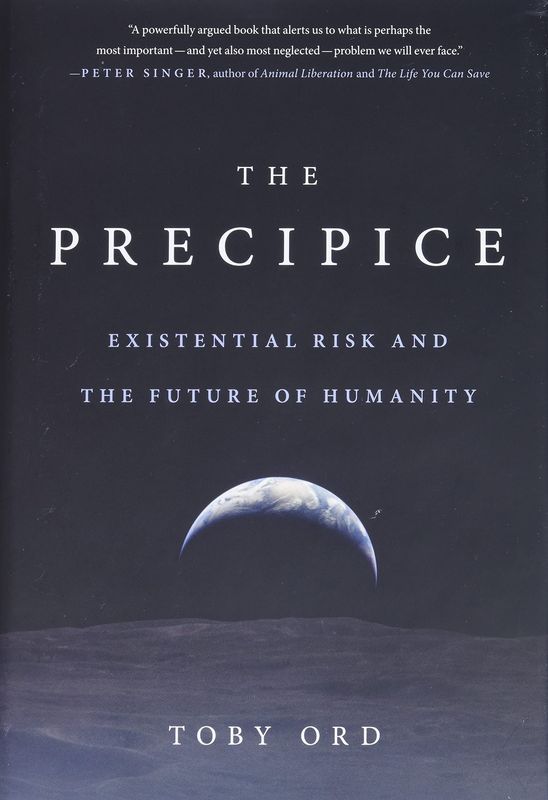

Start Listening to Book Summary
Book Review of The Precipice
From one of the world's leading moral voices, this urgent and eye-opening book makes the case that protecting humanity's future is the central challenge of our time. If all goes well, human history is just beginning. Our species could survive for billions of years - enough time to end disease, poverty, and injustice, and to flourish in ways unimaginable today. But this vast future is at risk. With the advent of nuclear weapons, humanity entered a new age, where we face existential catastrophes - those from which we could never come back. Since then, these dangers have only multiplied, from climate change to engineered pathogens and artificial intelligence. If we do not act fast to reach a place of safety, it will soon be too late. Drawing on over a decade of research, The Precipice explores the cutting-edge science behind the risks we face. It puts them in the context of the greater story of humanity: showing how ending these risks is among the most pressing moral issues of our time. And it points the way forward, to the actions and strategies that can safeguard humanity. An Oxford philosopher committed to putting ideas into action, Toby Ord has advised the US National Intelligence Council, the UK Prime Minister's Office, and the World Bank on the biggest questions facing humanity. In The Precipice, he offers a startling reassessment of human history, the future we are failing to protect, and the steps we must take to ensure that our generation is not the last.
Book Overview of The Precipice
About the Book Author
Toby Ord
Toby Ord is a renowned philosopher and author, best known for his influential works on ethics, global priorities, and the long-term future of humanity. He is the co-founder of 80,000 Hours, an organization dedicated to helping individuals make a high-impact career choice, and has contributed significantly to effective altruism. Ord's notable works include 'The Precipice: Existential Risk and the Future of Humanity,' where he explores the dangers facing civilization and the moral imperatives for mitigating these risks. His writing style is characterized by clarity and rigour, making complex philosophical ideas accessible to a broad audience.
Book Details
Key information about the book.
- Authors
- Toby Ord
- Published
- March 2020
- Publisher
- Hachette Books
- ISBN
- 0316484911
- Language
- English
- Pages
- N/A
- Genres
- Social Justice MovementsPolitical PhilosophyGlobal ConflictPolitics and Current Affairs
Purchase Options
 Buy on Amazon
 Buy via BookShop
Support local bookstores: BookShop gives a portion of each sale to independent bookshops!
Similar books you might like →
Arguing about War Book Summary
In 'Arguing about War,' Michael Walzer delves into the ethical complexities surrounding conflict and warfare, challenging traditional justifications for war. Through thought-provoking analysis and compelling historical examples, he questions whether moral principles can truly be upheld in the chaos of battle. Walzer invites readers to ponder the weight of political responsibility and the consequences of intervention. His exploration of just war theory ignites debate on the morality of military action, making us confront uncomfortable truths about human nature. Engage with this critical discourse and discover how morality and war intersect in ways that will reshape your understanding of global conflicts.
Humanitarian Intervention Book Summary
In 'Humanitarian Intervention', Sean D. Murphy explores the complex interplay between sovereignty and the responsibility to protect innocent lives in times of crisis. He examines historical precedents and legal frameworks that shape the debate on intervention. With compelling case studies, Murphy raises critical questions about ethics, legitimacy, and the role of international organizations. Can military action ever be justified under the guise of humanitarian aid? This thought-provoking book invites readers to reconsider the boundaries of global responsibility and the moral imperatives that drive intervention.
Taking the Risk Out of Democracy Book Summary
In 'Taking the Risk Out of Democracy', Alex Carey unveils the hidden forces that threaten democratic principles in contemporary society. He explores the interplay between corporate interests and political power, revealing how disinformation and manipulation are wielded to influence public opinion. Carey provides compelling insights into the history of propaganda and its role in shaping modern democracies. Through a critical lens, he warns of the fragility of democratic systems and the necessity of informed citizenry. This thought-provoking exploration invites readers to reflect on the vital importance of safeguarding democracy in an ever-evolving landscape.
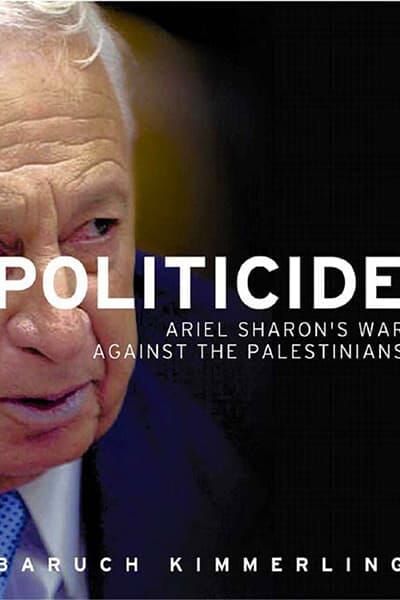
Politicide Book Summary
In 'Politicide', Baruch Kimmerling presents a thought-provoking examination of the complex interplay between politics and violence in the Israeli-Palestinian conflict. He introduces the concept of 'politicide', a strategy that systematically undermines the existence of a group, leading to a chilling narrative of state-sponsored aggression. Kimmerling's incisive analysis reveals the deep-rooted socio-political factors fueling decades of turmoil and suffering. The book challenges readers to confront uncomfortable truths about power, identity, and the human cost of conflict. With eloquent prose and compelling arguments, 'Politicide' is a must-read for anyone seeking to understand the intricacies of contemporary geopolitics.
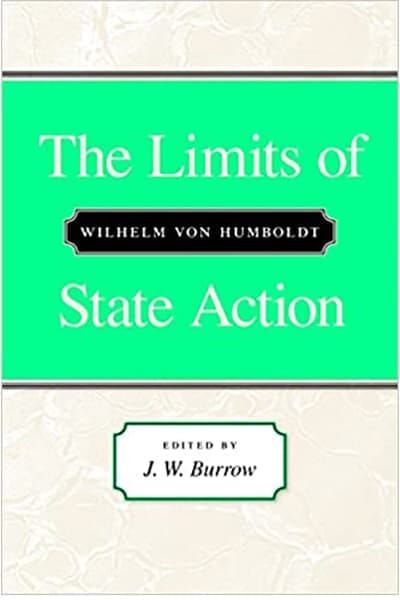
The Limits of State Action Book Summary
In 'The Limits of State Action', Wilhelm von Humboldt challenges the conventional role of government in individual lives, arguing for the primacy of personal freedom and self-development. He articulates a vision of a society where the state should limit its intervention, allowing individuals to flourish in their pursuits. Humboldt's philosophy emphasizes the importance of diverse experiences and the cultivation of individuality, inviting readers to rethink their views on authority and autonomy. With a blend of political philosophy and humanistic ideals, this work remains a profound exploration of the tension between freedom and governance. Dive in to discover how his insights resonate in today's debates about state overreach and personal liberty.
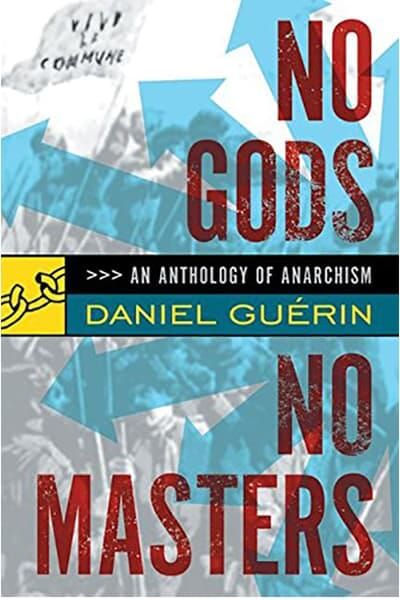
No Gods, No Masters Book Summary
In 'No Gods, No Masters', Daniel Guérin presents a compelling exploration of anarchism, tracing its philosophical roots and revolutionary practices. He argues against imposed authority, advocating for a society based on mutual aid and voluntary cooperation. The book chronicles historical movements and figures that shaped anarchist thought, igniting curiosity about the untold stories of resistance. With a mesmerising narrative, Guérin challenges readers to rethink concepts of power and freedom. This thought-provoking work not only inspires but also raises questions about the future of social justice.

The Age Of Terror Book Summary
In 'The Age of Terror,' Strobe Talbott and Nayan Chanda explore the evolving landscape of global conflict in the post-9/11 era. The authors delve into how terrorism has reshaped international relations and domestic policies, urging readers to reassess their understanding of security and freedom. With gripping anecdotes and comprehensive analysis, the book unveils the intricate web connecting political power, societal fears, and the relentless threat of terror. As they expose the complex motivations behind terrorist actions, Talbott and Chanda challenge the notion of strict dichotomies between good and evil. This thought-provoking work leaves readers pondering: How do we navigate a world rife with uncertainty and shadows of violence?
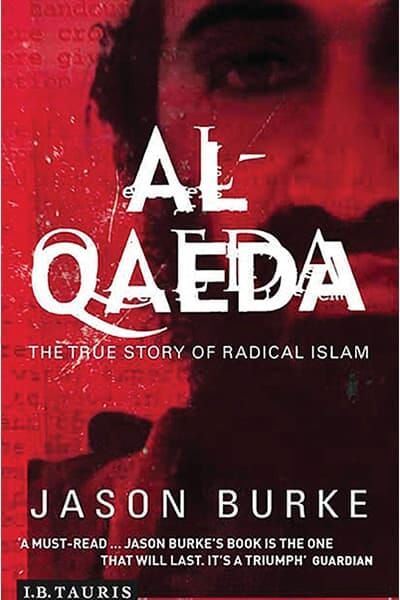
Al-Qaeda Book Summary
Dive into Jason Burke's 'Al-Qaeda,' a riveting exploration of the origins and evolution of one of the world's most notorious terrorist organizations. Burke peels back the layers of myth and reality, revealing the intricate web of political, social, and ideological factors that shaped Al-Qaeda's rise. With firsthand accounts and deep analysis, he takes readers on a journey through the heart of the global jihadist movement. This book challenges perceptions and delivers a thought-provoking narrative that is both enlightening and chilling. Are you ready to confront the complex truths behind the headlines?
Showing 8 of 30 similar books
Take your reading experience to the next level
Download our mobile app to enjoy your favorite books on the go. Get access to exclusive features, offline listening, and personalized recommendations.

Similar Book Recommendations →
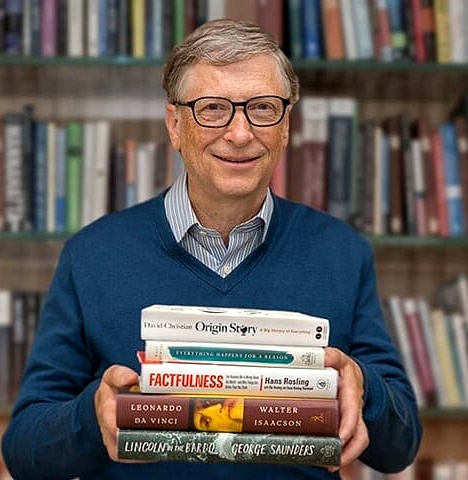
Bill Gates's Book Recommendations
Bill Gates, co-founder of Microsoft Corporation, is a pioneering figure in the tech industry, having played a key role in the personal computer revolution. His work at Microsoft, particularly the development of Windows, transformed software and computing globally. Beyond his technology contributions, Gates is also a prolific author, with notable works such as "The Road Ahead" and "Business @ the Speed of Thought," which offer insights into the future of technology and business. Additionally, his philanthropic efforts through the Bill & Melinda Gates Foundation have had a profound impact on global health, education, and poverty. Gates continues to influence both technology and literature with his forward-thinking perspectives and innovative ideas.
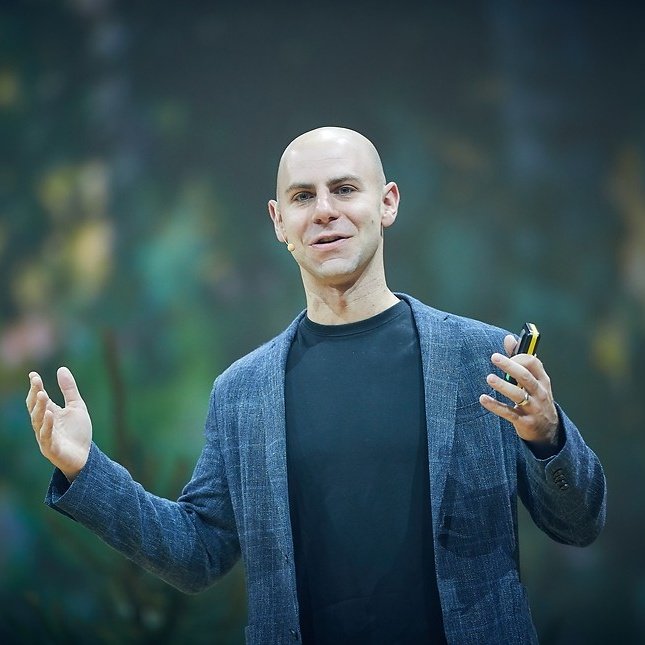
Adam Grant's Book Recommendations
Adam Grant is a renowned organizational psychologist and bestselling author, celebrated for his influential work on motivation and workplace dynamics. He is a professor at the Wharton School of the University of Pennsylvania, where he has been the youngest tenured professor and earned numerous teaching awards. Grant's books, including "Give and Take," "Originals," and "Think Again," have been translated into multiple languages and have topped bestseller lists worldwide. His research and insights are frequently featured in major media outlets, and he hosts the popular podcast "WorkLife." Through his writing and speaking, Grant has profoundly impacted the fields of psychology, business, and education.
“"In the vastness of time and space, our choices echo, shaping the future not just for ourselves, but for all that will follow."”
The Precipice
By Toby Ord
Frequently Asked Questions
Explore Our Catalogue
Discover a world of knowledge through our extensive collection of book summaries.
Genres
Genres
Genres
Featured Collections
- Top Book Club Picks
- One-Stop Nutrition
- Summer Reads 2024
- Best Beach Reads 2024
- Work-Life Balance Guide
- Time Management
- Healthy Foods
- Entrepreneur Toolkit
- Mind & Body Wellness
- Future Tech Insights
- Leadership Essentials
- Financial Freedom
- Sci-Fi Masterpieces
- Parenting 101
- Books That Became Blockbusters
- Guide to a Healthy Pregnancy