The Razor's Edge Book Summary
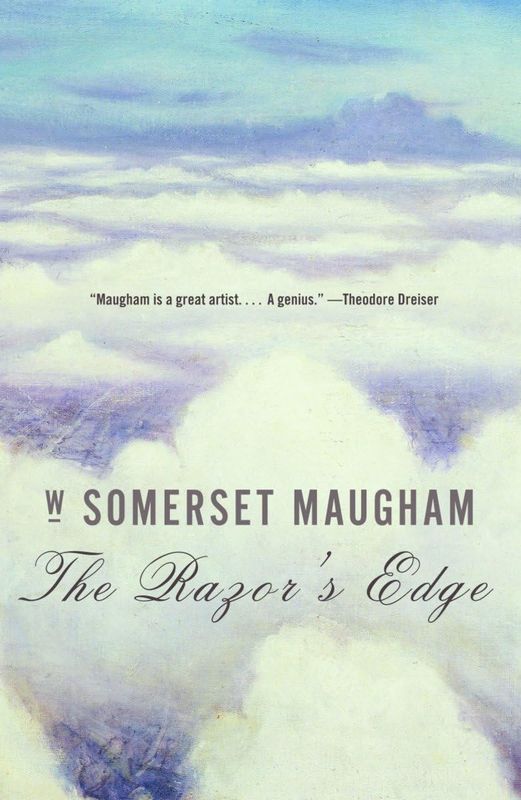
In 'The Razor's Edge', W. Somerset Maugham guides us through the existential journey of Larry Darrell, a disillusioned World War I veteran seeking meaning beyond societal conventions. As he traverses through life in search of enlightenment, the novel paints a vivid picture of 1920s Paris, weaving in the lives of a diverse set of characters who embody contrasting philosophies. From the allure of wealth and materialism to the spirituality found in the East, Larry's quest challenges the reader's understanding of fulfillment and purpose. Maugham's keen observations invite us to question the sacrifices we make for happiness. Will Larry find the answers he seeks, or is the path to enlightenment a perilous razor's edge?
By W. Somerset Maugham
Published: 2003
"The only important thing in life is to be true to yourself; as long as you have that, the rest will follow."

Start Listening to Book Summary
Book Review of The Razor's Edge
Larry Darrell is a young American in search of the absolute. The progress of this spiritual odyssey involves him with some of Maugham's most brillant characters - his fiancee Isabel, whose choice between love and wealth have lifelong repercussions, and Elliot Templeton, her uncle, a classic expatriate American snob. The most ambitious of Maugham's novels, this is also one in which Maugham himself plays a considerable part as he wanders in and out of the story, to observe his characters struggling with their fates.
Book Overview of The Razor's Edge
About the Book Author
W. Somerset Maugham
W. Somerset Maugham (1874-1965) was a British playwright, novelist, and short story writer, celebrated for his keen observations of human nature and social critique. Among his most notable works are 'Of Human Bondage', 'The Moon and Sixpence', and 'The Razor's Edge', which showcase his ability to explore complex characters in rich, evocative settings. Maugham's writing style is characterized by clarity, simplicity, and a masterful use of dialogue, often employing a sense of irony and an acute understanding of the human condition.
Book Details
Key information about the book.
- Authors
- W. Somerset Maugham
- Published
- September 2003
- Publisher
- National Geographic Books
- ISBN
- 1400034205
- Language
- English
- Pages
- N/A
- Genres
- PhilosophyExistentialismLiteratureSpiritual Growth
Purchase Options
 Buy on Amazon
 Buy via BookShop
Support local bookstores: BookShop gives a portion of each sale to independent bookshops!
Similar books you might like →
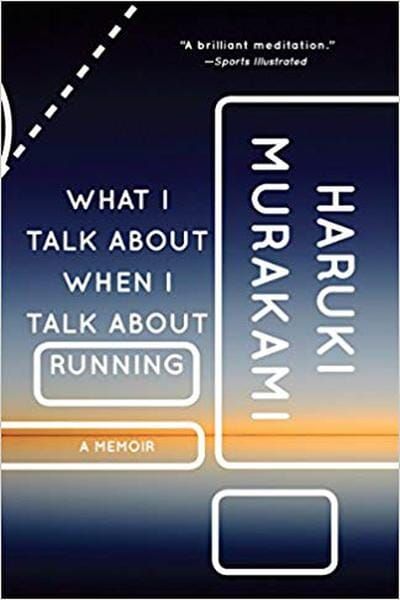
What I Talk About When I Talk About Running Book Summary
In "What I Talk About When I Talk About Running," Haruki Murakami intertwines his passion for long-distance running with deep reflections on life, creativity, and the pursuit of personal excellence. Through his candid narratives, Murakami reveals how running shapes his writing process and existential musings. Each chapter presents a compelling blend of memoir and philosophy, inviting readers to explore the parallels between endurance sports and the artistic journey. With vivid descriptions and introspective insights, he unveils the transformative power of pushing one's limits. What starts as a meditation on running evolves into a compelling exploration of what it truly means to live and create.
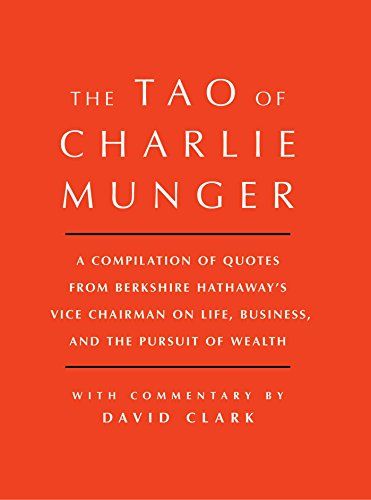
Tao of Charlie Munger Book Summary
Dive into the mind of Charlie Munger, a legendary investor and confidant of Warren Buffett, who shares his extraordinary wisdom on decision-making and life strategy. This book decodes Munger's multi-disciplinary approach to thinking and outlines practical lessons drawn from diverse fields like psychology, mathematics, and philosophy. Readers will discover how Munger's principles can lead to better judgments and ultimately, success. With engaging anecdotes and sharp insights, this exploration of Munger's philosophy challenges traditional ways of thinking. Uncover the secrets behind Munger's unmatched clarity and learn how to apply these timeless principles to your own journey.

The Magus Book Summary
Set against the backdrop of a sun-soaked Greek island, 'The Magus' follows Nicholas Urfe, a disillusioned Englishman seeking purpose in life. His mundane existence is disrupted when he encounters the enigmatic Maurice Conchis, who introduces him to a world of psychological manipulation and mind games. As Nicholas becomes entangled in Conchis's strange and elaborate schemes, he grapples with his own identity and desires. The novel weaves themes of illusion, reality, and existentialism, leading to a shocking climax that challenges everything he thought he knew. Will Nicholas uncover the truth, or will he remain trapped in the seductive web of the Magus?
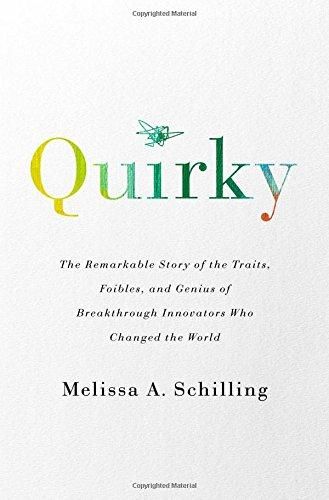
Quirky Book Summary
In "Quirky," Melissa A. Schilling delves into the fascinating world of innovative thinkers whose unique ideas defy conventional logic. The author explores how these individuals harness their eccentricities to foster creativity and drive success in their fields. Through captivating anecdotes and research, Schilling uncovers the psychological and social factors that empower these 'quirky' minds. Readers will be challenged to reconsider how we perceive innovation and the value of unconventional approaches. This engaging exploration not only celebrates the beauty of individuality but also inspires readers to embrace their own quirks in pursuit of greatness.
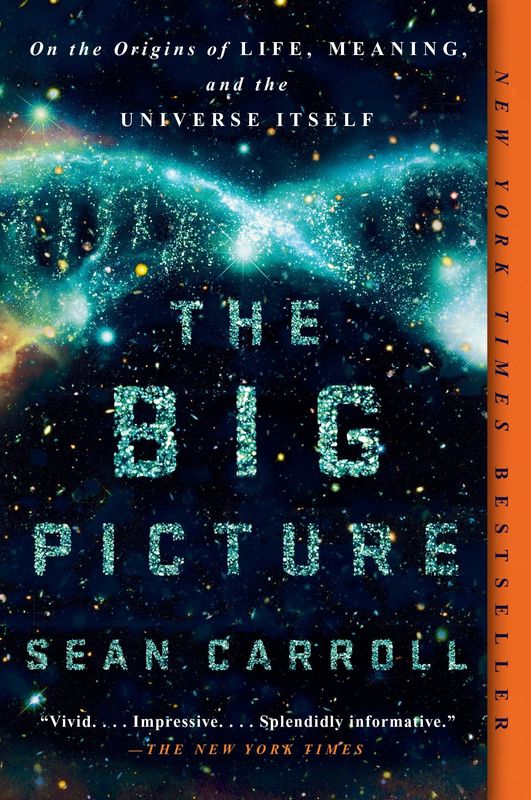
The Big Picture Book Summary
In 'The Big Picture', physicist Sean Carroll invites readers to explore the fascinating intersections of science, philosophy, and the meaning of life. He delves into the fundamental nature of reality, presenting complex concepts in a captivating and accessible manner. With a blend of narratives and profound insights, Carroll challenges us to consider our place in the universe. As he unravels the mysteries of existence, readers are urged to reflect on the implications of science for understanding consciousness and our everyday experiences. This thought-provoking journey leaves us questioning: what does it truly mean to be human in a cosmos governed by natural laws?
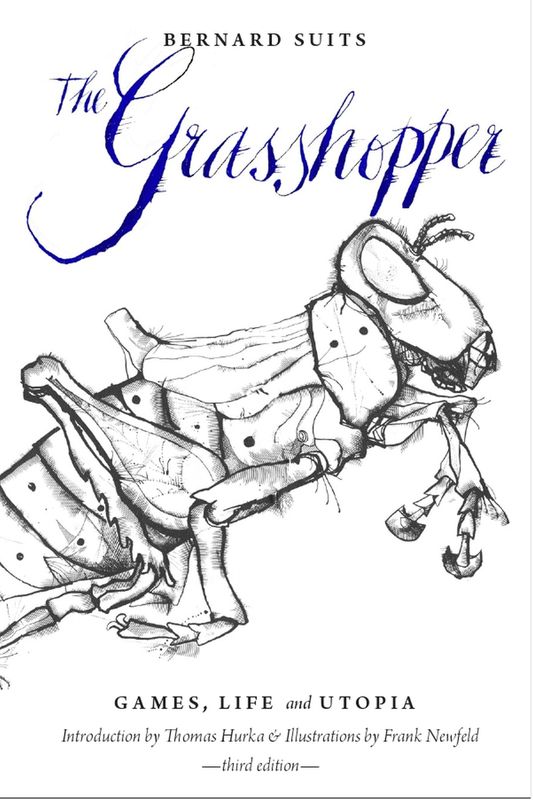
The Grasshopper - Third Edition Book Summary
In 'The Grasshopper,' Bernard Suits explores the philosophical depths of play and the nature of human happiness through the allegorical journey of a grasshopper. The protagonist's quest reveals the contrast between the joy of unproductive leisure and the constraints of a work-oriented society. Suits poses provocative questions about the meaning of life: Should happiness be pursued as an ultimate goal, or is joy found in the act of playing itself? This thought-provoking narrative intertwines philosophy, ethics, and the essence of games, prompting readers to reconsider their own life choices. Prepare to be challenged and inspired as you dive into a world where the art of play is celebrated and dissected.
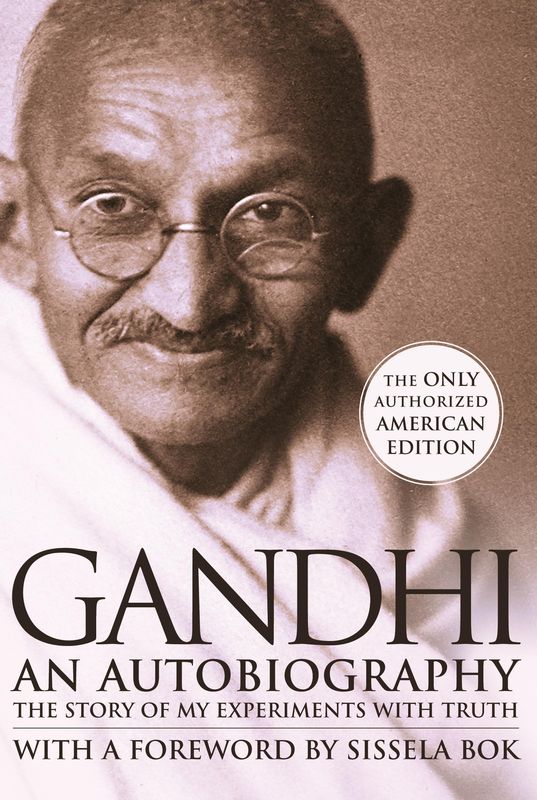
An Autobiography Book Summary
In 'An Autobiography', Mohandas K. Gandhi shares the remarkable journey of his life, revealing the evolution of his philosophy of non-violence and truth. From his early years in India to his transformative experiences in South Africa, Gandhi exposes the struggles that shaped his commitment to social justice. His candid reflections on faith, morality, and personal growth challenge conventional beliefs and inspire readers to question their own values. This gripping narrative not only details his political activism but also provides an intimate look at his family life and spiritual pursuits. Discover the profound insights that guided one of history's most influential leaders in his quest for freedom and equality.

The Dharma Bums Book Summary
In 'The Dharma Bums,' Jack Kerouac takes readers on a vivid journey through the eyes of Ray Smith, a restless wanderer seeking spiritual enlightenment amid the backdrop of 1950s America. As he traverses mountains and communes with like-minded souls, the book explores the tension between societal expectations and the pursuit of true happiness. Kerouac's prose captures the essence of beatnik culture, encapsulating adventures filled with poetry, philosophy, and fleeting friendships. Along the way, readers are invited to ponder their own paths to self-discovery and the meaning of life. Will Ray find the enlightenment he seeks, or is he destined to roam forever?
Showing 8 of 27 similar books
Take your reading experience to the next level
Download our mobile app to enjoy your favorite books on the go. Get access to exclusive features, offline listening, and personalized recommendations.

Similar Book Recommendations →

Amanda Palmer's Book Recommendations
Amanda Palmer is an American singer-songwriter, author, and performance artist, best known for her work as a solo artist and as part of the band The Dresden Dolls. Palmer is known for her theatrical performances, genre-blending music, and her strong connection with her fanbase. She has been a pioneer in crowdfunding, raising millions to fund her creative projects through platforms like Kickstarter and Patreon. Palmer is also the author of The Art of Asking, where she explores themes of vulnerability, creativity, and connection. Her work transcends traditional music, blending performance art, activism, and community engagement.

David Heinemeier Hansson's Book Recommendations
David Heinemeier Hansson, also known as DHH, is a Danish programmer, entrepreneur, and author, best known as the creator of Ruby on Rails, a popular web application framework. Heinemeier Hansson is also a partner at Basecamp, a project management and collaboration software company he co-founded. His contributions to software development have earned him widespread recognition, with Ruby on Rails being used by thousands of developers and companies worldwide. Heinemeier Hansson is also a vocal advocate for remote work, simplicity in business, and sustainable work practices, ideas he explores in his bestselling books Rework and It Doesn’t Have to Be Crazy at Work. In addition to his work in tech, he is an accomplished race car driver, having competed in the 24 Hours of Le Mans. Heinemeier Hansson’s approach to work-life balance and entrepreneurship has made him a thought leader in the tech community, where he continues to challenge traditional business practices and advocate for more human-centered approaches to work

Lex Fridman's Book Recommendations
Lex Fridman is an artificial intelligence researcher, podcaster, and MIT professor, known for his work in autonomous vehicles, robotics, and deep learning. Fridman has gained widespread popularity through his podcast, Lex Fridman Podcast, where he interviews leading thinkers in science, technology, and philosophy, exploring topics like AI, consciousness, and the future of humanity. His academic work focuses on human-centered AI, aiming to create machines that can better understand and interact with humans. Fridman’s ability to distill complex topics into accessible conversations has earned him a large following, and his podcast is known for its thoughtful, in-depth discussions with some of the brightest minds of our time. He is also an advocate for the responsible development of AI, emphasizing the ethical implications of this rapidly advancing technology. Outside of academia and podcasting, Fridman is a practitioner of jiu-jitsu and frequently speaks about the importance of discipline and continuous learning.
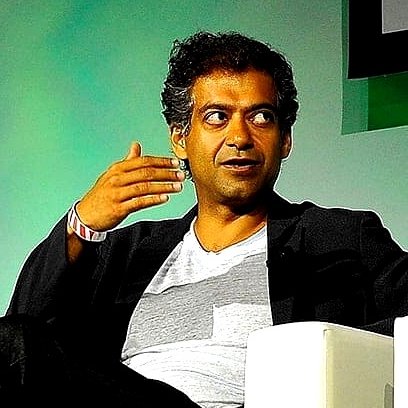
Naval Ravikant's Book Recommendations
Naval Ravikant is an entrepreneur, angel investor, and philosopher, best known as the co-founder of AngelList, a platform that connects startups with investors. Ravikant is a prolific thinker and writer on topics such as startups, investing, and personal well-being, sharing his wisdom through essays, podcasts, and social media. He has invested in over 100 companies, including Uber, Twitter, and Yammer, making him one of Silicon Valley’s most successful angel investors. Ravikant is also known for his philosophical musings on wealth, happiness, and the meaning of life, which have garnered him a large and dedicated following.

Joe Rogan's Book Recommendations
Joe Rogan is a multifaceted American entertainer known primarily for his work as a comedian, podcast host, and commentator. He gained widespread recognition through his immensely popular podcast, "The Joe Rogan Experience," which has featured in-depth conversations with a diverse array of guests, including scientists, celebrities, and politicians. Though not primarily known for literature, Rogan has contributed to the field with his thought-provoking discussions that often explore philosophical and intellectual ideas. Additionally, he has authored the book "Mastering the Rubber Guard," which delves into Brazilian Jiu-Jitsu techniques, showcasing his expertise in martial arts. Rogan's influence extends beyond traditional media, impacting contemporary discourse through his unique blend of humor, curiosity, and critical thinking.

Barack Obama's Book Recommendations
Barack Obama is the 44th President of the United States, serving from 2009 to 2017. As the first African American president, Obama’s leadership marked a historic moment in American history. His administration focused on healthcare reform, economic recovery from the Great Recession, and environmental policies. He is best known for the Affordable Care Act, as well as his efforts to expand civil rights and restore diplomatic relations with Cuba. Since leaving office, Obama has continued to engage in public life through his foundation, focusing on leadership development, civic engagement, and global issues.

Gwyneth Paltrow's Book Recommendations
Gwyneth Paltrow is an acclaimed actress and entrepreneur, best known for her roles in films such as "Shakespeare in Love," for which she won an Academy Award for Best Actress. Beyond her acting career, she is a celebrated author and wellness guru, founding the lifestyle brand Goop in 2008. Paltrow has authored several best-selling cookbooks, including "My Father's Daughter" and "It's All Good," which emphasize healthy living and nutritious recipes. Her work in literature has significantly contributed to the wellness and lifestyle genres, inspiring many to pursue healthier lifestyles. Paltrow continues to influence the wellness industry through her writing and entrepreneurial endeavors.

Gary Vaynerchuk's Book Recommendations
Gary Vaynerchuk, also known as GaryVee, is a serial entrepreneur, investor, and social media personality. He initially gained prominence through his family’s wine business, turning it into a digital juggernaut with his online content and wine reviews. Gary is now the CEO of VaynerMedia, a full-service digital agency, and has authored multiple bestsellers, including Crush It! and Jab, Jab, Jab, Right Hook. He is known for his blunt, motivational style and advice on business, marketing, and personal branding. Gary continues to inspire millions with his focus on hustle, entrepreneurship, and leveraging digital platforms for success.
Showing 8 of 17 related collections
“The only important thing in life is to be true to yourself; as long as you have that, the rest will follow.”
The Razor's Edge
By W. Somerset Maugham
Frequently Asked Questions
Explore Our Catalogue
Discover a world of knowledge through our extensive collection of book summaries.
Genres
Genres
Genres
Featured Collections
- Top Book Club Picks
- One-Stop Nutrition
- Summer Reads 2024
- Best Beach Reads 2024
- Work-Life Balance Guide
- Time Management
- Healthy Foods
- Entrepreneur Toolkit
- Mind & Body Wellness
- Future Tech Insights
- Leadership Essentials
- Financial Freedom
- Sci-Fi Masterpieces
- Parenting 101
- Books That Became Blockbusters
- Guide to a Healthy Pregnancy