
In 'The Reasonableness of Christianity,' John Locke presents a compelling argument for the rationality of Christian faith, challenging the dogmas that often cloud its message. He asserts that true Christianity is accessible to human reason, advocating for a relationship with God founded on common sense and morality. Locke's exploration of faith as a matter of personal conviction rather than blind adherence offers a revolutionary take on religious belief. This work not only critiques the excesses of orthodoxy but also invites readers to seek a deeper understanding of their own beliefs. Prepare to engage with ideas that resonate through centuries, as Locke's insights prompt a reflection on the nature of faith, reason, and humanity.
By John Locke
Published: 2017
"The reasonableness of Christianity is not to be found in the strict adherence to dogmas but in the moral integrity and the charity of the believer."
John Locke (29 August 1632 - 28 October 1704) was an English philosopher and physician, widely regarded as one of the most influential of Enlightenment thinkers and commonly known as the "Father of Liberalism". Considered one of the first of the British empiricists, following the tradition of Sir Francis Bacon, he is equally important to social contract theory. His work greatly affected the development of epistemology and political philosophy. His writings influenced Voltaire and Jean-Jacques Rousseau, many Scottish Enlightenment thinkers, as well as the American revolutionaries. His contributions to classical republicanism and liberal theory are reflected in the United States Declaration of Independence.Locke's theory of mind is often cited as the origin of modern conceptions of identity and the self, figuring prominently in the work of later philosophers such as David Hume, Rousseau, and Immanuel Kant. Locke was the first to define the self through a continuity of consciousness. He postulated that, at birth, the mind was a blank slate or tabula rasa. Contrary to Cartesian philosophy based on pre-existing concepts, he maintained that we are born without innate ideas, and that knowledge is instead determined only by experience derived from sense perception. This is now known as empiricism. An example of Locke's belief in Empiricism can be seen in his quote, "whatever I write, as soon as I discover it not to be true, my hand shall be the forwardest to throw it into the fire." This shows the ideology of science in his observations in that something must be capable of being tested repeatedly and that nothing is exempt from being disproven. Challenging the work of others, Locke is said to have established the method of introspection, or observing the emotions and behaviors of one's self.Locke's concept of man started with the belief in creation. We have been "sent into the World by order, and about his business, are his Property, whose Workmanship are, made to last during his, not one anothers Pleasure." Like the two other very influential natural-law philosophers, Hugo Grotius and Samuel Pufendorf, Locke equated natural law with the biblical revelation, since in their view both had originated in God and could therefore not contradict each other. "As a philosopher, Locke was intensely interested in Christian doctrine, and in the Reasonableness he insisted that most men could not hope to understand the detailed requirements of the law of nature without the assistance of the teachings and example of Jesus."
Showing 8 of 27 similar books
Alexandria Ocasio-Cortez, also known as AOC, is a U.S. Congresswoman representing New York's 14th district. She gained national attention after winning her seat in 2018 at the age of 29, making her one of the youngest women ever elected to Congress. Ocasio-Cortez is known for her progressive policies, advocating for issues such as Medicare for All, climate change action, and economic justice. She has become a prominent figure within the Democratic Party and uses social media to engage with constituents and the public. Her rise from grassroots activism to Congress has inspired many young people to get involved in politics.
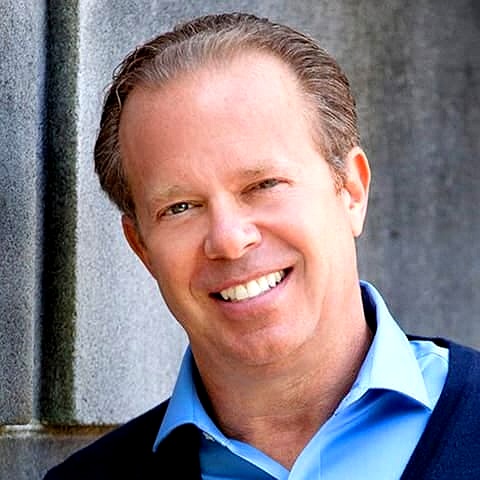
Dr. Joe Dispenza is a renowned neuroscientist, chiropractor, and author, celebrated for his groundbreaking work in the fields of neuroscience, epigenetics, and quantum physics. He gained widespread recognition with his best-selling book "Breaking the Habit of Being Yourself," which explores the transformative power of the mind. Dispenza's research focuses on the intersection of science and spirituality, emphasizing the potential for personal transformation and healing through meditation and mental reprogramming. He has also authored other influential works, including "You Are the Placebo" and "Becoming Supernatural," further solidifying his position as a thought leader in self-improvement and consciousness studies. His workshops and lectures have inspired countless individuals worldwide to unlock their full potential and improve their lives through the power of the mind.
Maria Popova is a renowned writer, literary critic, and the creator of Brain Pickings, a highly influential blog that curates and explores a wide array of literary and philosophical content. Known for her deep and eclectic insights, she has become a significant voice in literature, providing thoughtful commentary on works spanning various genres and eras. Popova has also authored "Figuring," a book that delves into the interconnected lives of historical figures in science and literature. Her work has been celebrated for its intellectual rigor and ability to make complex ideas accessible to a broad audience. Through her writing and curatorial efforts, Popova has significantly contributed to contemporary literary discourse and the appreciation of the humanities.
Jordan Peterson is a Canadian psychologist, author, and professor, best known for his work on psychology, political philosophy, and cultural criticism. His book 12 Rules for Life: An Antidote to Chaos became a global bestseller, offering advice on personal responsibility, order, and meaning in life. Peterson’s lectures, which cover topics like mythology, religion, and self-improvement, have garnered millions of views online, making him a polarizing figure in both academic and popular circles. He is known for his critiques of political correctness and his emphasis on individual responsibility. Peterson’s influence has sparked widespread debate about free speech, identity politics, and mental health.
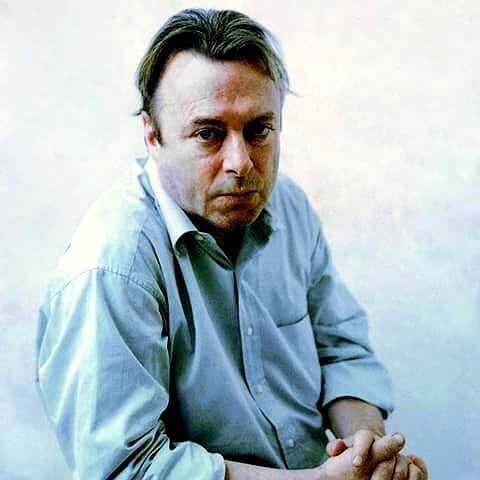
Christopher Hitchens (1949-2011) was a prolific British-American author, journalist, and literary critic known for his sharp wit and unapologetic criticism of religion and political figures. He penned numerous books, including the best-selling "God Is Not Great: How Religion Poisons Everything," which cemented his reputation as a leading public intellectual and outspoken atheist. Hitchens contributed regularly to prominent publications such as Vanity Fair, The Nation, and The Atlantic, showcasing his wide-ranging knowledge and incisive commentary. He was also lauded for his powerful oratory skills, engaging in countless debates and lectures worldwide. His memoir, "Hitch-22," offers an introspective look into his life, further solidifying his legacy as a formidable voice in contemporary literature and thought.
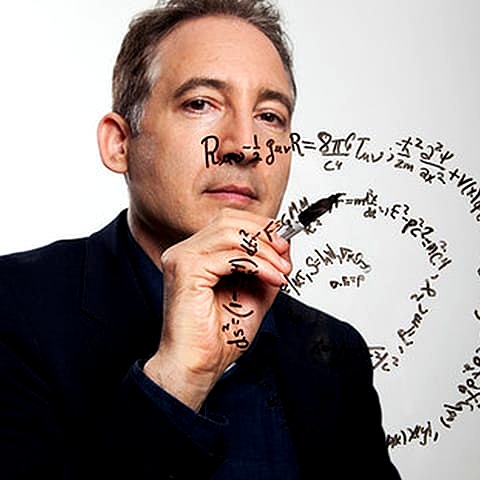
Brian Greene is an American theoretical physicist and author, best known for his work on string theory and popularizing science through his books and media appearances. Greene’s books, including The Elegant Universe and The Fabric of the Cosmos, have helped bring complex concepts in physics to a general audience. He is also the co-founder of the World Science Festival, which promotes public engagement with scientific topics. Greene’s research and ability to communicate scientific ideas have made him one of the most influential figures in theoretical physics. His work continues to inspire curiosity about the universe and our understanding of it.
Frank Chimero is a renowned designer, illustrator, and author best known for his influential book "The Shape of Design," which explores the philosophy and practice of design. His work emphasizes the intersection of creativity and human experience, earning him a respected place in both the design and literary communities. Chimero has contributed essays and lectures that have inspired a new generation of thinkers in the creative industries. He has also been recognized for his ability to distill complex ideas into accessible, thought-provoking content. Beyond his writing, Chimero's design projects and illustrations have been featured in numerous prestigious publications and exhibitions.
Mark Zuckerberg is an American technology entrepreneur best known for co-founding Facebook, the world's largest social media platform, which transformed global communication. Born on May 14, 1984, in White Plains, New York, he launched Facebook in 2004 while attending Harvard University. Under his leadership, Facebook expanded rapidly, influencing the social media landscape and digital advertising. Zuckerberg has also authored numerous articles and essays on technology, innovation, and the future of the internet. His work has had a profound impact on how people connect and share information in the digital age.
“The reasonableness of Christianity is not to be found in the strict adherence to dogmas but in the moral integrity and the charity of the believer.”
The Reasonableness of Christianity
By John Locke
Discover a world of knowledge through our extensive collection of book summaries.
John Locke was a prominent 17th-century English philosopher and writer, best known for his influential works in political theory and epistemology. His notable works include 'Two Treatises of Government,' in which he articulates the principles of natural rights and government by consent, and 'An Essay Concerning Human Understanding,' where he explores the foundations of human knowledge and the nature of ideas. Locke's writing style is characterized by clarity, logical argumentation, and an empirical approach to philosophical inquiry, which laid the groundwork for modern liberal thought and influenced various fields, including political science, education, and psychology.
Key information about the book.
 Buy on Amazon
 Buy via BookShop
Support local bookstores: BookShop gives a portion of each sale to independent bookshops!
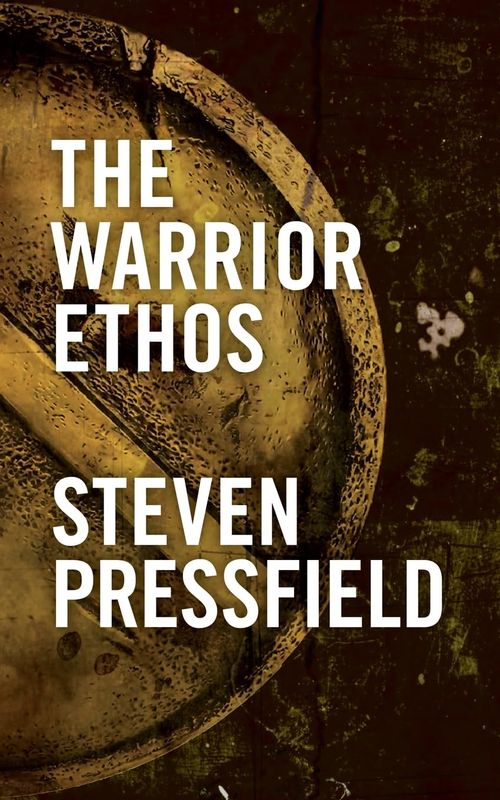
In 'The Warrior Ethos', Steven Pressfield reveals the timeless principles of the warrior's mindset, drawing from history and mythology to illustrate its relevance in modern life. The book delves into the trials and tribulations faced by warriors, both in combat and in personal pursuits, emphasizing integrity, sacrifice, and courage. Pressfield challenges readers to adopt the ethos of the warrior in their own lives, encouraging resilience in the face of adversity. Through a compelling narrative, he intertwines philosophy with practical wisdom, making the case for a life lived with purpose and honor. Prepare to be inspired to embrace your inner warrior and confront the battles that define your existence.
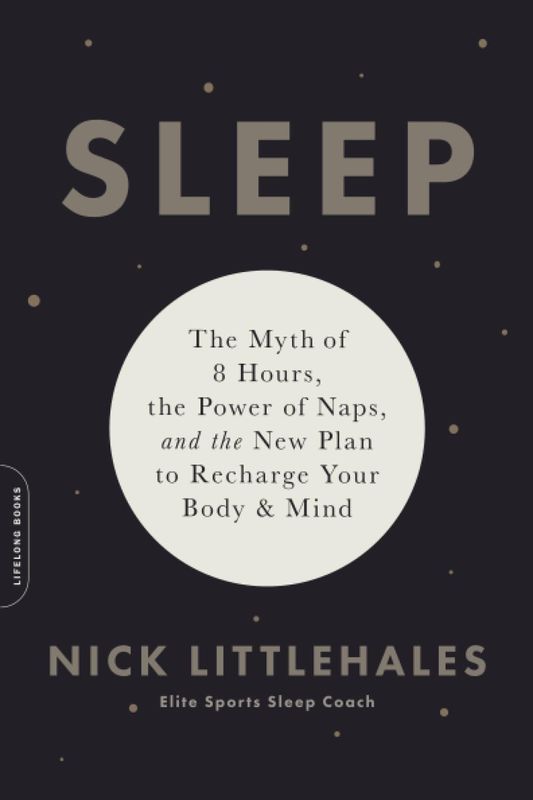
In 'Sleep,' renowned sleep coach Nick Littlehales unveils the revolutionary approach to enhancing sleep quality and optimizing performance. Drawing on years of research and work with elite athletes, he challenges conventional sleep myths and introduces the concept of 'NREM' cycles. Littlehales provides practical techniques to harness the power of sleep in our busy lives, emphasizing that it’s not just about quantity, but quality. This isn't just a guide to better sleep; it's an invitation to unlock your potential through a deeper understanding of slumber. Will you dare to rethink your relationship with sleep?
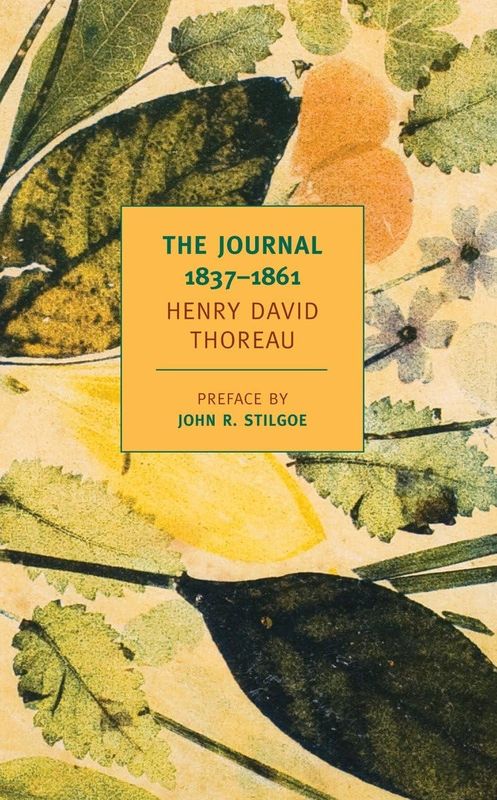
Dive into the intimate thoughts and reflections of one of America's most iconic transcendentalists in 'The Journal of Henry David Thoreau, 1837-1861'. As you turn the pages, you'll accompany Thoreau on his journey through nature, philosophy, and the pursuit of a meaningful life. Discover how his observations of the world around him revealed profound insights about society and individuality. This collection is not merely a diary but a timeless exploration of humanity's relationship with nature and self. Prepare to be inspired by Thoreau's eloquent prose and enduring wisdom.
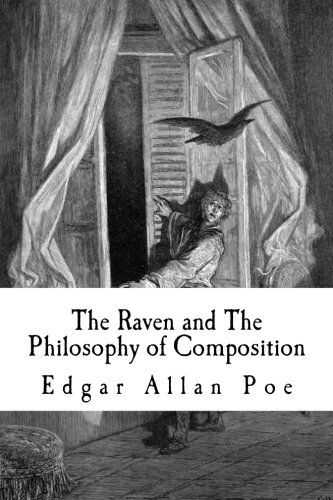
In 'The Philosophy of Composition,' Edgar Allan Poe unveils his meticulous approach to writing, arguing that artistic creation is a calculated endeavor rather than purely intuitive. He dissects his own poem 'The Raven,' revealing the deep psychological and structural elements that contribute to its haunting allure. Poe explores the interplay of beauty, emotion, and effect, offering a profound glimpse into the mind of a master writer. With each analytical step, he ignites curiosity about the art of storytelling and the techniques that captivate readers. This exploration leaves one pondering: What secrets lie behind the craft of their favorite writers?
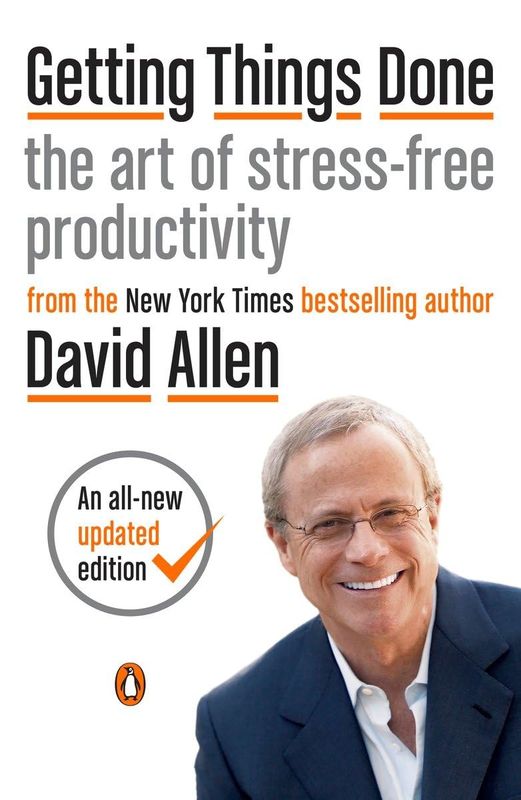
In 'Getting Things Done', David Allen introduces a revolutionary productivity system that transforms how we manage our tasks and responsibilities. With practical techniques to capture, clarify, organize, and review our commitments, the book promises to free our minds from clutter. Readers will explore the power of reducing stress and increasing efficiency through a structured approach to work and life. Discover how to achieve a state of ‘mind like water’ and unlock your full potential. This is not just a productivity guide; it’s a journey toward personal and professional mastery.
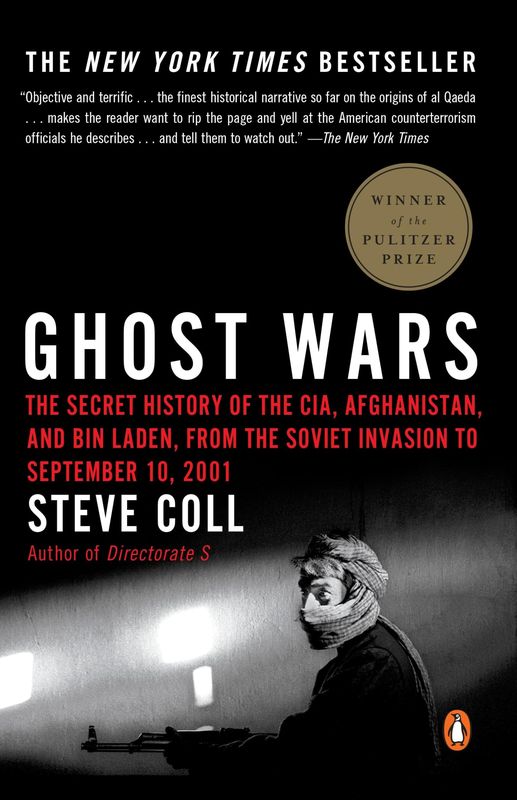
'Ghost Wars' by Steve Coll unravels the intricate web of covert operations in Afghanistan leading up to the September 11 attacks. It delves deep into the shadowy world of espionage, highlighting the CIA's involvement and the rise of the Taliban. With vivid storytelling, Coll exposes the complex interplay between global politics and local conflicts. The book reveals how these hidden narratives shaped not only Afghanistan but the entire geopolitical landscape. Readers are left questioning the consequences of our choices on the world stage.
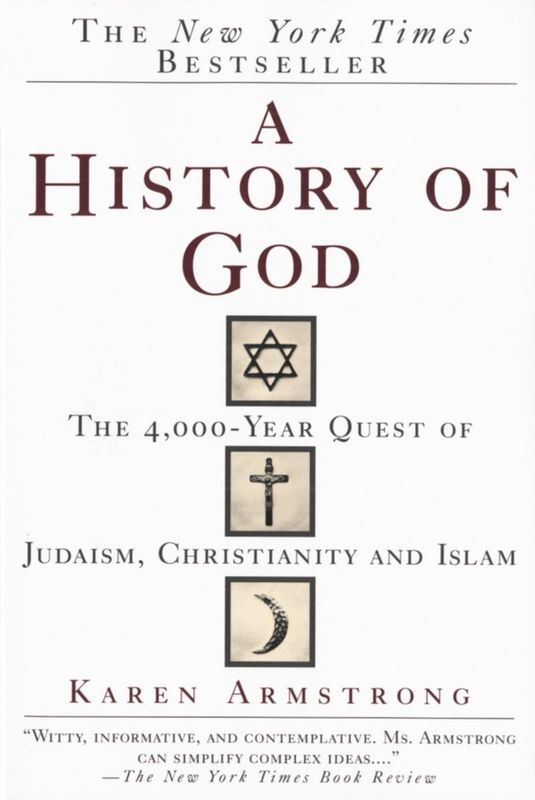
In 'A History of God', Karen Armstrong embarks on a fascinating journey through the evolution of the concept of God from ancient times to the modern era. She explores how various religions—Judaism, Christianity, and Islam—have shaped humanity's understanding of the divine, revealing the complexities and contradictions in these beliefs. Highlighting the influence of culture, politics, and philosophy, Armstrong invites readers to reconsider their perceptions of faith and spirituality. This thought-provoking narrative raises profound questions about the nature of belief and the future of religious thought. Are we on the brink of a new understanding of God, or are we simply repeating history?
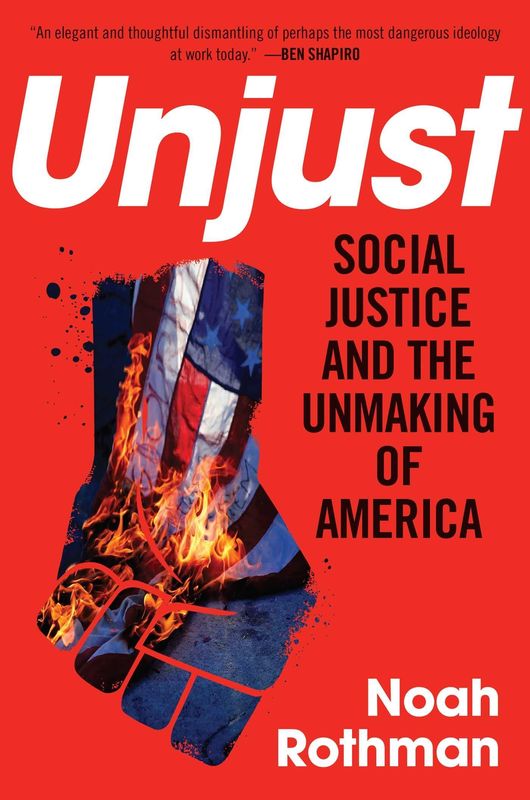
In 'Unjust', Noah Rothman explores the complex interplay between justice and societal norms, challenging conventional perceptions of fairness. Through gripping narratives and incisive analysis, he reveals how biases and injustices can warp our understanding of truth. Rothman argues that the quest for justice often leads to unintended consequences that can exacerbate societal fractures. The book invites readers to question their own beliefs and the systems they support. Ultimately, 'Unjust' forces us to confront uncomfortable truths about morality and the human condition.





Download our mobile app to enjoy your favorite books on the go. Get access to exclusive features, offline listening, and personalized recommendations.