The Rise of Statistical Thinking, 1820-1900 Book Summary
In 'The Rise of Statistical Thinking, 1820-1900', Theodore M. Porter uncovers how the fledgling discipline of statistics transformed the way we perceive and interpret the world around us. This fascinating journey illustrates the clash between empirical data and social thought, revealing the profound implications of statistical reasoning on society and governance. Porter deftly navigates through historical narratives, from the rise of data collection methods to the increasing reliance on numbers in public policy. With a captivating exploration of key figures and events, this book prompts readers to question how statistics shapes our understanding of truth. Dive into the origins of statistical thought and discover its enduring legacy in today's data-driven age.
By Theodore M. Porter
Published: 1986
"The transformation of data into insight reshapes our understanding of the world, revealing patterns hidden in the chaos of everyday life."


Start Listening to Book Summary
Book Review of The Rise of Statistical Thinking, 1820-1900
Not since the invention of the calculus, if ever, has a new field of mathematics found such extensive application as statistics in the twentieth-century. This book presents thoroughly and lucidly the diverse nineteenth-century origins of the mathematical tool of our day. Emphasizing the debt of science to nonspecialist intellectuals, Theodore Porter describes in detail the nineteenth-century background that produced the burst of modern statistical innovation of the early 1900s. He shows that the natural and social sciences were surprisingly interdependent. Statistics arose as a study of society, the science of the statist, and the pioneering statistical physicists and biologists, Maxwell, Boltzmann, and Galton, each introduced statistical models by pointing to analogies between his discipline and social science. The author also examines significant philosophical issues raised by the development of statistics in the 1800s. For a time, the evident success of statistical social science was held to be inconsistent with human free will. Gradually a consensus was developed that the need for statistical methods arose from the diversity of phenomena, which precluded explanation in detail. Debates concerning the nature of statistical knowledge were central to the new indeterminism that began to emerge at the end of the century. -- from back cover.
Book Overview of The Rise of Statistical Thinking, 1820-1900
About the Book Author
Theodore M. Porter
Theodore M. Porter is an esteemed historian of science and technology, renowned for his insightful analyses of the intersection between science, society, and culture. His notable works include 'Trust in Numbers: The Pursuit of Objectivity in Science and Public Life' and 'Science, Politics, and the Humanities: The Challenge of the New.' Porter's writing style is characterized by its clarity and depth, inviting readers to consider the broader implications of scientific practices. He is a faculty member at the University of California, Los Angeles, where he continues to inspire scholars and students alike.
Book Details
Key information about the book.
- Authors
- Theodore M. Porter
- Published
- January 1986
- Publisher
- Princeton University Press
- ISBN
- 069102409X
- Language
- English
- Pages
- 348
- Genres
- HistorySocial CommentaryHistory of ScienceScience and Nature
Purchase Options
 Buy on Amazon
 Buy via BookShop
Support local bookstores: BookShop gives a portion of each sale to independent bookshops!
Similar books you might like →
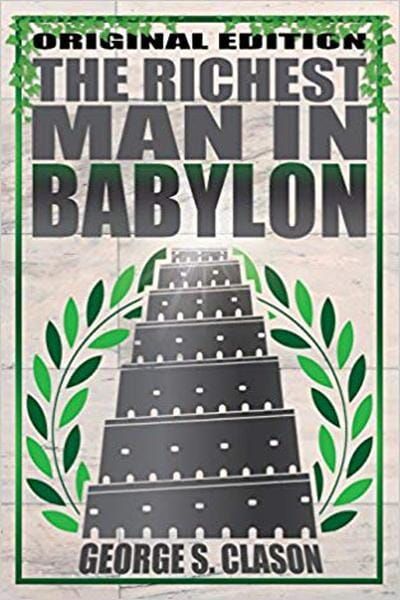
The Richest Man In Babylon Book Summary
In "The Richest Man in Babylon," George S. Clason weaves captivating parables set in ancient Babylon, revealing timeless financial wisdom. Through the journey of its characters, readers uncover the secrets of wealth accumulation, including the power of saving, prudent investments, and living within one’s means. The narrative emphasizes that prosperity is attainable for anyone willing to learn and apply these fundamental principles. Each lesson is not only practical but also imbued with a sense of hope and empowerment. As you turn the pages, you’ll find yourself inspired to take control of your financial destiny and uncover the riches within your reach.
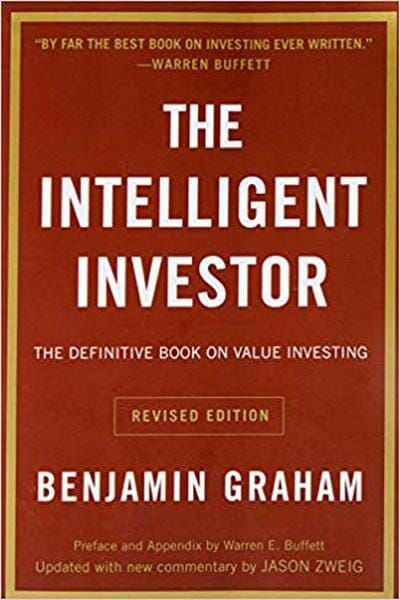
The Intelligent Investor Book Summary
In "The Intelligent Investor," Benjamin Graham unveils timeless strategies for navigating the volatile world of investing with wisdom and discipline. He introduces the concept of value investing, teaching readers to distinguish between price and intrinsic value, all while emphasizing the importance of a defensive investment strategy. Graham’s insightful principles empower investors to cultivate emotional resilience, protecting them from the relentless whims of the market. With real-world anecdotes and practical advice, this classic remains a cornerstone for anyone seeking financial success and peace of mind. Dive in to discover how patience, rationality, and a solid plan can transform your investment journey!
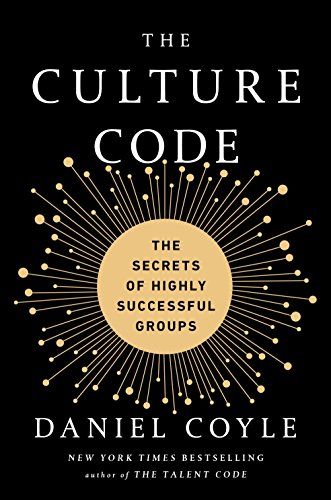
The Culture Code Book Summary
In "The Culture Code," Daniel Coyle unveils the secrets behind the most successful teams, revealing that a strong culture isn't just a byproduct but a deliberate construct. Through fascinating stories from diverse organizations, he identifies three essential skills that foster trust and cooperation. Coyle's insights challenge conventional wisdom, suggesting that vulnerability, belonging, and purpose are the keystones of high-performing groups. With practical tips and compelling examples, he guides readers in transforming their own teams into thriving, connected units. Dive into this engaging exploration and discover how to unlock the hidden potential within your own culture!
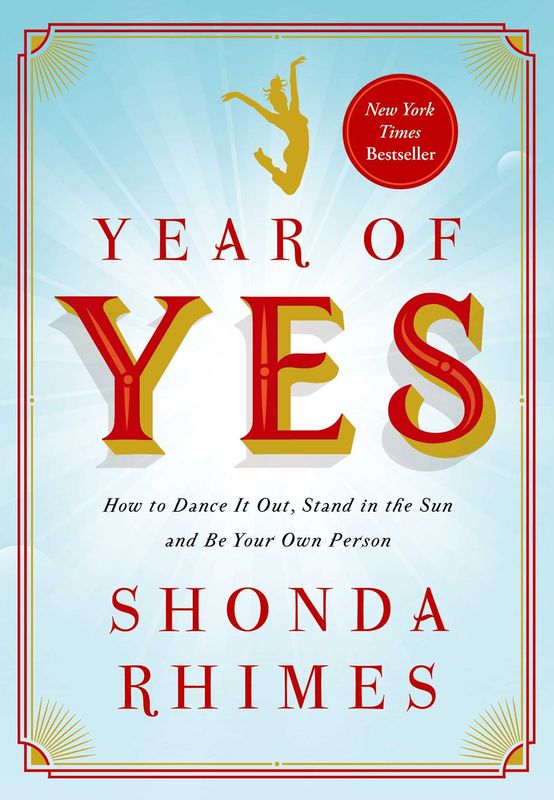
Year of Yes Book Summary
In "Year of Yes," Shonda Rhimes, the powerhouse creator behind iconic television shows, embarks on a transformative journey by saying "yes" to everything that scares her. This bold decision propels her out of her comfort zone, leading to unexpected adventures and profound personal growth. Through candid anecdotes and humor, Rhimes reveals the liberating power of embracing change and challenges. Each page teems with inspiration, urging readers to confront their own fears and seize the opportunities hiding in the shadows. Are you ready to say yes and redefine your life?
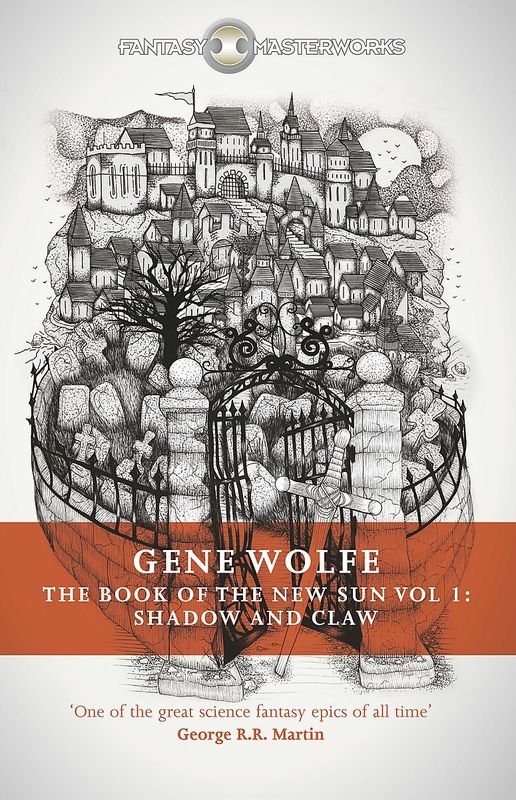
The Book of the New Sun Book Summary
In "The Book of the New Sun," we follow Severian, a young torturer’s apprentice in a distant, decaying future where the sun is dying. As he embarks on a journey filled with peril and dark revelations, Severian discovers his unique destiny intertwined with forgotten myths and powerful beings. Richly layered with philosophical depth, the narrative intertwines memory, identity, and the passage of time. Will Severian embrace his fate, or will he be ensnared by the shadows of his past? Dive into this intricately woven tale that challenges perception and invites you to question: What does it mean to be human in a world on the brink of oblivion?
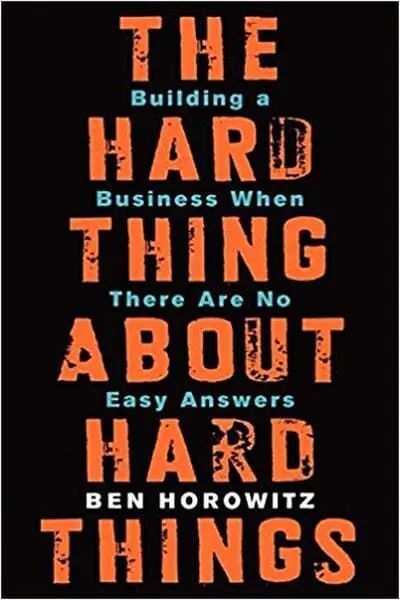
The Hard Thing About Hard Things Book Summary
In "The Hard Thing About Hard Things," Ben Horowitz shares the gritty realities of running a startup, underscored by his own tumultuous experiences. With brutal honesty, he delves into the tough choices leaders must make when facing insurmountable challenges. From hiring and firing to navigating crises, Horowitz provides raw insights that strip away the romanticized views of entrepreneurship. He emphasizes that there are no easy answers in business, and success often hinges on resilience and sheer determination. This compelling guide not only equips readers with practical wisdom but also ignites a fierce curiosity about the untold struggles behind every great success story.
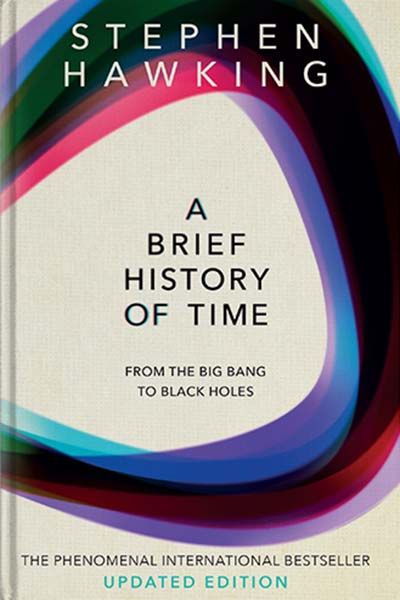
A Brief History of Time Book Summary
In "A Brief History of Time," Stephen Hawking takes readers on a captivating journey through the cosmos, exploring the nature of time, black holes, and the universe's beginnings. With stunning clarity, he unravels complex scientific concepts, inviting everyone—from curious laypersons to seasoned physicists—to ponder the mysteries of existence. Hawking's charismatic storytelling challenges our perceptions of reality and time itself, posing profound questions about the universe's fate. As he merges science with philosophy, the reader is compelled to reflect on their place in a vast, enigmatic cosmos. Prepare to be inspired and awed by a narrative that transcends mere facts, pushing the boundaries of human understanding.
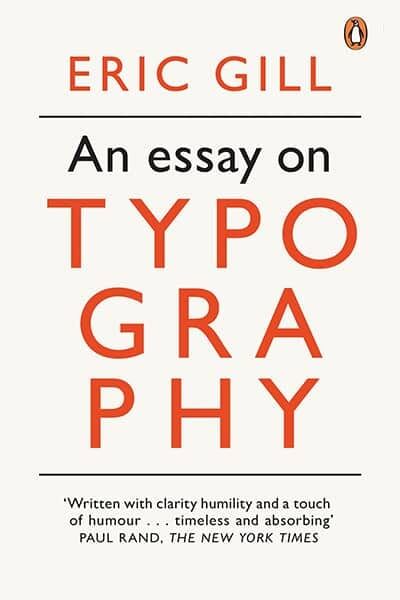
An Essay on Typography Book Summary
In 'An Essay on Typography,' Eric Gill explores the art and craft of type design, revealing how typography shapes our perception of written language. Through a blend of philosophical musings and practical insights, Gill argues that type is not just a tool for communication, but an integral aspect of visual culture. He challenges conventional approaches and invites readers to appreciate the aesthetic and ethical implications of typographic choices. This thought-provoking essay raises questions about the role of the designer in society and the impact of typography on our daily lives. Dive into Gill's world to uncover the beauty and power of letters that often goes unnoticed.
Showing 8 of 29 similar books
Take your reading experience to the next level
Download our mobile app to enjoy your favorite books on the go. Get access to exclusive features, offline listening, and personalized recommendations.

Similar Book Recommendations →

Neil deGrasse Tyson's Book Recommendations
Neil deGrasse Tyson is a renowned astrophysicist, author, and science communicator, best known for his work in popularizing science through various media. As the director of the Hayden Planetarium in New York City, he has played a pivotal role in bringing astronomical discoveries to the public. Tyson has authored several bestselling books, including "Astrophysics for People in a Hurry" and "The Pluto Files," which have made complex scientific concepts accessible to a broad audience. He is also the host of the popular science TV show "Cosmos: A Spacetime Odyssey," a continuation of Carl Sagan's groundbreaking series. Tyson's contributions have significantly enhanced public understanding and appreciation of the universe.

Chris Dixon's Book Recommendations
Chris Dixon is a notable venture capitalist and technology entrepreneur, best known for his influential role as a general partner at Andreessen Horowitz, where he leads investments in cryptocurrency and blockchain technology. Before joining the firm, Dixon co-founded two startups: SiteAdvisor, a web security company acquired by McAfee, and Hunch, a recommendation engine acquired by eBay. In addition to his investment career, Dixon is a prolific writer and thought leader on technology and innovation, contributing insightful essays and articles to various platforms such as his personal blog and Medium. His writings often explore the future of technology, the internet, and the impact of blockchain, making significant contributions to contemporary tech literature. Dixon's work has earned him recognition as a visionary in both the tech and literary worlds.

Joe Rogan's Book Recommendations
Joe Rogan is a multifaceted American entertainer known primarily for his work as a comedian, podcast host, and commentator. He gained widespread recognition through his immensely popular podcast, "The Joe Rogan Experience," which has featured in-depth conversations with a diverse array of guests, including scientists, celebrities, and politicians. Though not primarily known for literature, Rogan has contributed to the field with his thought-provoking discussions that often explore philosophical and intellectual ideas. Additionally, he has authored the book "Mastering the Rubber Guard," which delves into Brazilian Jiu-Jitsu techniques, showcasing his expertise in martial arts. Rogan's influence extends beyond traditional media, impacting contemporary discourse through his unique blend of humor, curiosity, and critical thinking.

Charlie Munger's Book Recommendations
Charlie Munger is an American investor, businessman, and philanthropist, best known as the vice chairman of Berkshire Hathaway, where he partners with Warren Buffett. Renowned for his insights on investment strategies and mental models, Munger has significantly influenced the world of finance. His notable literary contributions include "Poor Charlie's Almanack," a compilation of his speeches and writings that distill his wisdom on decision-making and business principles. Munger's work emphasizes the importance of multidisciplinary thinking and continuous learning. Beyond his financial acumen, he is celebrated for his charitable efforts, particularly in education and healthcare.

Barack Obama's Book Recommendations
Barack Obama is the 44th President of the United States, serving from 2009 to 2017. As the first African American president, Obama’s leadership marked a historic moment in American history. His administration focused on healthcare reform, economic recovery from the Great Recession, and environmental policies. He is best known for the Affordable Care Act, as well as his efforts to expand civil rights and restore diplomatic relations with Cuba. Since leaving office, Obama has continued to engage in public life through his foundation, focusing on leadership development, civic engagement, and global issues.

Jon Stewart's Book Recommendations
Jon Stewart is an American comedian, writer, and former host of The Daily Show, where he gained fame for his satirical take on news and politics. Stewart transformed The Daily Show into a critical voice in American media, blending humor with hard-hitting commentary on political and social issues. After stepping down from the show, Stewart has continued to advocate for causes like 9/11 first responders and veterans' rights. He is also a filmmaker, directing the political satire film Irresistible. Stewart remains a significant figure in American culture, known for his wit, activism, and influence on political discourse.

Nassim Nicholas Taleb's Book Recommendations
Nassim Nicholas Taleb is a Lebanese-American author, scholar, and risk analyst, best known for his work on uncertainty, probability, and risk. His books, including The Black Swan and Antifragile, explore how rare and unpredictable events shape the world and how individuals and systems can become more resilient to shocks. Taleb’s insights on risk management have influenced fields ranging from finance to medicine, and he is known for his outspoken criticism of conventional wisdom. His ideas about randomness, decision-making, and the limitations of human knowledge have made him a leading thinker in modern economics and philosophy.

Jamie Dimon's Book Recommendations
Jamie Dimon is an American business executive, best known as the Chairman and CEO of JPMorgan Chase, one of the largest and most influential financial institutions in the world. Dimon has led JPMorgan through multiple economic crises, including the 2008 financial crash, and has consistently been recognized for his leadership in the banking industry. Under his tenure, JPMorgan has grown into a global financial powerhouse, focusing on innovation and sustainability. Dimon is also an advocate for corporate responsibility and frequently speaks on economic and regulatory issues. His leadership style and strategic insights have earned him widespread respect in the business world.
Showing 8 of 15 related collections
“The transformation of data into insight reshapes our understanding of the world, revealing patterns hidden in the chaos of everyday life.”
The Rise of Statistical Thinking, 1820-1900
By Theodore M. Porter
Frequently Asked Questions
Explore Our Catalogue
Discover a world of knowledge through our extensive collection of book summaries.
Genres
Genres
Genres
Featured Collections
- Top Book Club Picks
- One-Stop Nutrition
- Summer Reads 2024
- Best Beach Reads 2024
- Work-Life Balance Guide
- Time Management
- Healthy Foods
- Entrepreneur Toolkit
- Mind & Body Wellness
- Future Tech Insights
- Leadership Essentials
- Financial Freedom
- Sci-Fi Masterpieces
- Parenting 101
- Books That Became Blockbusters
- Guide to a Healthy Pregnancy