The Sixth Extinction Book Summary
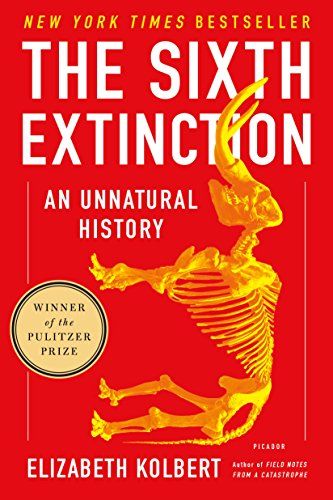
In 'The Sixth Extinction,' Elizabeth Kolbert presents a compelling narrative about the ongoing mass extinction event caused by human activity. Through vivid storytelling and scientific research, she explores the alarming consequences of climate change, habitat loss, and the introduction of invasive species. Kolbert leads readers on a global journey, interacting with scientists and examining endangered species across various ecosystems. The book raises urgent questions about humanity's role in this ecological crisis and challenges us to reconsider our impact on the planet. Will we act in time to avert a future where biodiversity is all but lost?
By Elizabeth Kolbert
Published: 2015
"The Earth is undergoing its sixth mass extinction, and unlike the previous five, this one is caused by human activity."

Start Listening to Book Summary
Book Review of The Sixth Extinction
WINNER OF THE PULITZER PRIZE ONE OF THE NEW YORK TIMES BOOK REVIEW'S 10 BEST BOOKS OF THE YEAR A NEW YORK TIMES BESTSELLER A NATIONAL BOOK CRITICS CIRCLE AWARD FINALIST A major book about the future of the world, blending intellectual and natural history and field reporting into a powerful account of the mass extinction unfolding before our eyes Over the last half-billion years, there have been Five mass extinctions, when the diversity of life on earth suddenly and dramatically contracted. Scientists around the world are currently monitoring the sixth extinction, predicted to be the most devastating extinction event since the asteroid impact that wiped out the dinosaurs. This time around, the cataclysm is us. In prose that is at once frank, entertaining, and deeply informed, New Yorker writer Elizabeth Kolbert tells us why and how human beings have altered life on the planet in a way no species has before. Interweaving research in half a dozen disciplines, descriptions of the fascinating species that have already been lost, and the history of extinction as a concept, Kolbert provides a moving and comprehensive account of the disappearances occurring before our very eyes. She shows that the sixth extinction is likely to be mankind's most lasting legacy, compelling us to rethink the fundamental question of what it means to be human.
Book Overview of The Sixth Extinction
About the Book Author
Elizabeth Kolbert
Elizabeth Kolbert is an acclaimed American journalist and author, best known for her insightful coverage of environmental issues and climate change. A staff writer for The New Yorker, she has gained recognition for her ability to blend scientific research with compelling narrative. Kolbert is the author of several notable works, including "Field Notes from a Catastrophe," "The Sixth Extinction," which won the Pulitzer Prize for General Nonfiction, and "Under a White Sky: The Nature of the Future." Her writing style is characterized by its clarity, rigorous reporting, and a deep commitment to examining the unfolding effects of human activity on the planet.
Book Details
Key information about the book.
- Authors
- Elizabeth Kolbert
- Published
- January 2015
- Publisher
- Picador
- ISBN
- 1250062187
- Language
- English
- Pages
- 336
- Genres
- Climate ChangeHistoryScience and NatureEnvironmental Science
Purchase Options
 Buy on Amazon
 Buy via BookShop
Support local bookstores: BookShop gives a portion of each sale to independent bookshops!
Similar books you might like →
Cosmos Book Summary
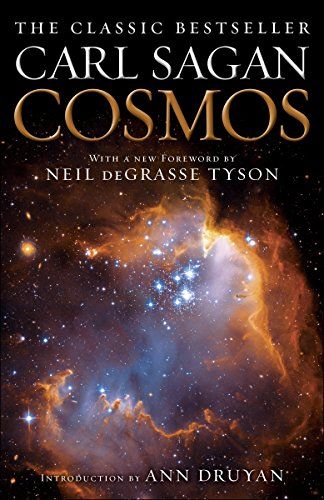
In "Cosmos," Carl Sagan embarks on a thrilling expedition through space and time, weaving together the threads of science, history, and philosophy. With stunning prose, he unveils the wonders of the universe, exploring the birth of stars, the evolution of life, and the intricacies of human existence. Sagan’s passion for discovery ignites a sense of awe, inviting readers to ponder our place within the vast cosmos. As he delves into topics from alien civilizations to the origins of consciousness, each page beckons you to rethink what you know about the universe. Prepare to be captivated by a journey that challenges the boundaries of human understanding, leaving you eager to uncover the mysteries that lie beyond the stars.

A History of the Wife Book Summary
In 'A History of the Wife', Marilyn Yalom unveils the often-overlooked narratives of women throughout history, exploring the evolution of marriage and the roles of wives in society. Through a blend of historical analysis and personal anecdotes, Yalom reveals the complex dynamics between love, obligation, and identity. Readers journey through various cultures and time periods, witnessing the shifting expectations placed on wives. This illuminating work challenges conventional views on marriage, inviting reflection on contemporary relationships. A must-read for anyone curious about how the past influences the present in the realm of love and partnership.
The Wisdom of the Enneagram Book Summary
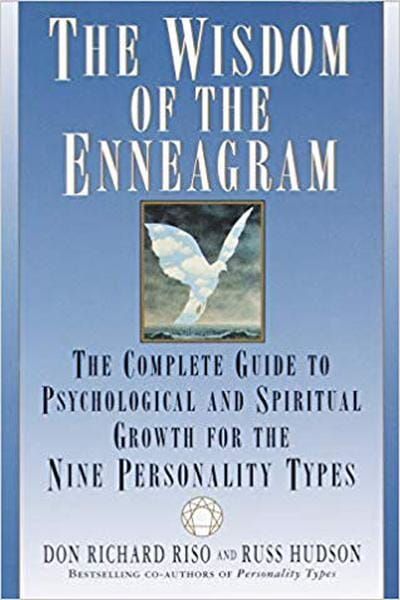
No summary available
Structures Book Summary
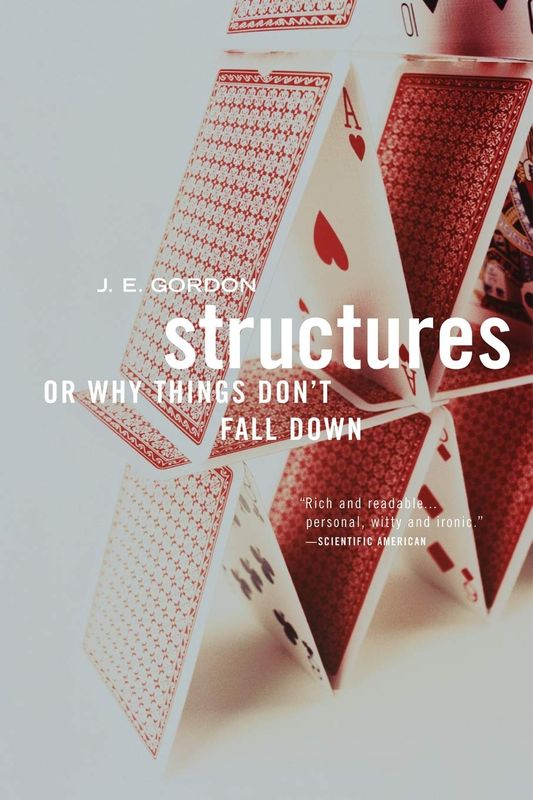
In 'Structures,' J. E. Gordon unveils the intricate brilliance of how structures shape our world, from the towering skyscrapers to the delicate bridges that span rivers. With a blend of accessible language and profound insights, he illustrates the underlying principles of engineering that protect, support, and inspire. Gordon's exploration delves into the history and art of structural design, revealing the creative processes behind renowned masterpieces. Each chapter is a journey that not only educates but ignites a passion for structural ingenuity. Prepare to see the world differently as you discover the powerful forces that hold everything together.
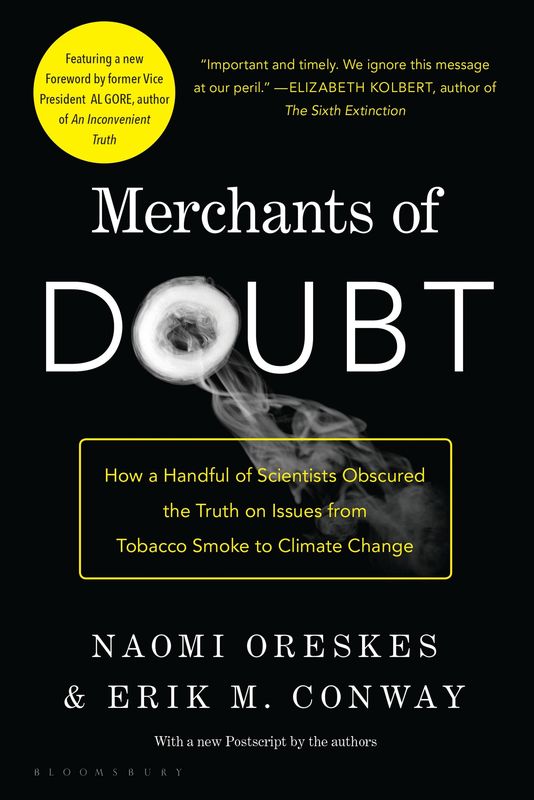
Merchants of Doubt Book Summary
In 'Merchants of Doubt', Naomi Oreskes and Erik M. Conway unravel a web of deception spun by influential scientists who distorted the truth about various scientific issues, from tobacco smoke to climate change. This compelling narrative reveals how these figures leveraged their credibility to cast doubt on overwhelming evidence, hindering public understanding and policy action. The authors delve into the psychological and historical factors that enabled this manipulation of science for personal and political gain. With meticulous research and captivating storytelling, they confront the consequences of skepticism misused. Uncover the hidden battle between truth and doubt in a world where information is often weaponized.
The Sixth Extinction Book Summary
In 'The Sixth Extinction,' Elizabeth Kolbert presents a compelling narrative about the ongoing mass extinction event caused by human activity. Through vivid storytelling and scientific research, she explores the alarming consequences of climate change, habitat loss, and the introduction of invasive species. Kolbert leads readers on a global journey, interacting with scientists and examining endangered species across various ecosystems. The book raises urgent questions about humanity's role in this ecological crisis and challenges us to reconsider our impact on the planet. Will we act in time to avert a future where biodiversity is all but lost?
Showing 8 of 29 similar books
Take your reading experience to the next level
Download our mobile app to enjoy your favorite books on the go. Get access to exclusive features, offline listening, and personalized recommendations.

Similar Book Recommendations →

Daniel Pink's Book Recommendations
Daniel Pink is a renowned American author known for his groundbreaking work in the fields of business, work, and behavior. He has penned several bestselling books, including "Drive: The Surprising Truth About What Motivates Us," which explores the science of motivation and has been translated into over 30 languages. Pink's "A Whole New Mind" and "To Sell is Human" have also received critical acclaim, cementing his reputation as a thought leader. His insightful TED Talks and frequent contributions to major publications further amplify his influence. Pink's work has significantly shaped contemporary understanding of motivation, creativity, and the modern workplace.

Andrew Huberman's Book Recommendations
Andrew Huberman is a renowned neuroscientist and tenured professor at Stanford University, where he leads the Huberman Lab, focusing on brain function, behavior, and health. He has significantly contributed to the understanding of neural plasticity, particularly how the brain can change in response to experience and injury. Huberman is widely recognized for his engaging public science communication, which includes the popular "Huberman Lab" podcast that translates complex neuroscience topics into accessible insights for broad audiences. His research has been published in leading scientific journals, earning him numerous accolades and fostering a deeper public appreciation for neuroscience. Additionally, his work extends into practical applications, influencing fields such as mental health, vision restoration, and performance optimization.

Bret Victor's Book Recommendations
Bret Victor is a renowned American interface designer and computer scientist celebrated for his innovative contributions to interactive design and human-computer interaction. He is best known for creating dynamic, explorable explanations, which have significantly influenced the way educational content is presented and understood. Victor's seminal work, "Inventing on Principle," advocates for the integration of immediate feedback in creative processes, inspiring a new wave of interactive programming environments. As a former member of the Apple Human Interface team, he played a pivotal role in shaping modern user interfaces. Through his organization, Dynamicland, Victor continues to explore and expand the boundaries of immersive, collaborative computing environments.

Marc Andreessen's Book Recommendations
Marc Andreessen is an American entrepreneur, software engineer, and venture capitalist, best known for co-creating the Mosaic web browser, the first widely-used web browser, and co-founding Netscape. Andreessen is also the co-founder of Andreessen Horowitz, one of Silicon Valley’s most prominent venture capital firms, where he invests in groundbreaking technology companies like Facebook, Airbnb, and Coinbase. He is a thought leader on the impact of technology and innovation, often sharing his views on the future of the internet and startups. His contributions to the development of the web and the tech ecosystem have made him one of the most influential figures in technology.

Joe Rogan's Book Recommendations
Joe Rogan is a multifaceted American entertainer known primarily for his work as a comedian, podcast host, and commentator. He gained widespread recognition through his immensely popular podcast, "The Joe Rogan Experience," which has featured in-depth conversations with a diverse array of guests, including scientists, celebrities, and politicians. Though not primarily known for literature, Rogan has contributed to the field with his thought-provoking discussions that often explore philosophical and intellectual ideas. Additionally, he has authored the book "Mastering the Rubber Guard," which delves into Brazilian Jiu-Jitsu techniques, showcasing his expertise in martial arts. Rogan's influence extends beyond traditional media, impacting contemporary discourse through his unique blend of humor, curiosity, and critical thinking.

Patrick Collison's Book Recommendations
Patrick Collison is an Irish entrepreneur and co-founder of Stripe, a global technology company that enables businesses to accept online payments. Along with his brother John, Patrick has transformed Stripe into one of the most valuable private tech companies in the world. Stripe’s innovative approach to online payments has made it a key player in the financial technology space. Collison is known for his deep interest in science, technology, and policy, often engaging in conversations about innovation, progress, and how to improve societal outcomes. He is an advocate for scientific advancement and the intersection of technology and public policy.

Barack Obama's Book Recommendations
Barack Obama is the 44th President of the United States, serving from 2009 to 2017. As the first African American president, Obama’s leadership marked a historic moment in American history. His administration focused on healthcare reform, economic recovery from the Great Recession, and environmental policies. He is best known for the Affordable Care Act, as well as his efforts to expand civil rights and restore diplomatic relations with Cuba. Since leaving office, Obama has continued to engage in public life through his foundation, focusing on leadership development, civic engagement, and global issues.

Jon Stewart's Book Recommendations
Jon Stewart is an American comedian, writer, and former host of The Daily Show, where he gained fame for his satirical take on news and politics. Stewart transformed The Daily Show into a critical voice in American media, blending humor with hard-hitting commentary on political and social issues. After stepping down from the show, Stewart has continued to advocate for causes like 9/11 first responders and veterans' rights. He is also a filmmaker, directing the political satire film Irresistible. Stewart remains a significant figure in American culture, known for his wit, activism, and influence on political discourse.
Showing 8 of 16 related collections
“The Earth is undergoing its sixth mass extinction, and unlike the previous five, this one is caused by human activity.”
The Sixth Extinction
By Elizabeth Kolbert
Frequently Asked Questions
Explore Our Catalogue
Discover a world of knowledge through our extensive collection of book summaries.
Genres
Genres
Genres
Featured Collections
- Top Book Club Picks
- One-Stop Nutrition
- Summer Reads 2024
- Best Beach Reads 2024
- Work-Life Balance Guide
- Time Management
- Healthy Foods
- Entrepreneur Toolkit
- Mind & Body Wellness
- Future Tech Insights
- Leadership Essentials
- Financial Freedom
- Sci-Fi Masterpieces
- Parenting 101
- Books That Became Blockbusters
- Guide to a Healthy Pregnancy