The Third Chimpanzee Book Summary
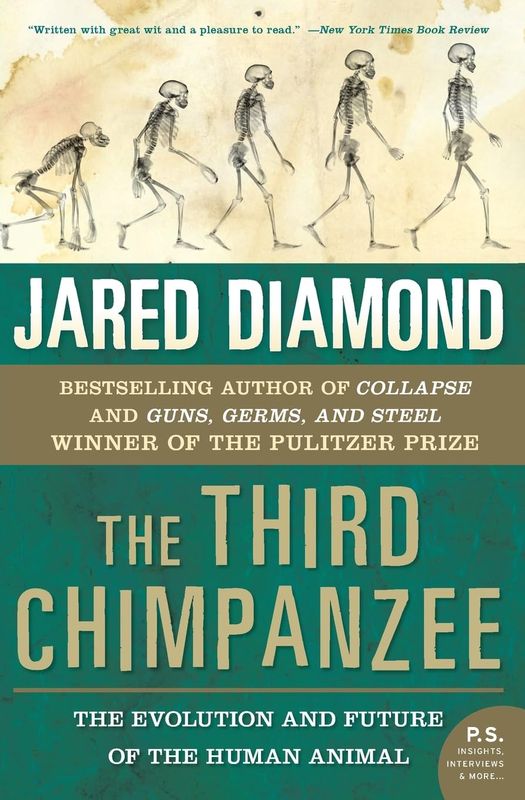
In 'The Third Chimpanzee', Jared Diamond explores the evolutionary journey that sets humans apart from our closest relatives, the chimpanzees. Through a captivating mix of biology, anthropology, and history, he uncovers the profound similarities and stark differences between species. Diamond raises provocative questions about our behaviors, societal structures, and the fate of our planet. Readers are invited to ponder whether humanity's greatest achievements are results of evolution or sheer chance. This thought-provoking narrative challenges us to reconsider what it truly means to be human.
By Jared Diamond
Published: 2014
""The past is not just a series of events that happened; it is a complex narrative woven by the choices we make and the paths we take. Understanding our history as a species is essential to forging a future that reflects our shared humanity.""

Start Listening to Book Summary
Book Review of The Third Chimpanzee
The Third Chimpanzee was first published in 1991 and has been in print ever since. This new, illustrated edition is aimed at a young readership. In it, Jared Diamond explores what makes us human and poses fascinating questions including: If we share more than 98% of our DNA with chimpanzees, how is it that we can write, read, talk, build telescopes and bombs, while we put our speechless and bomb-less close relatives in cages and zoos? What can woodpeckers teach us about spacecraft? Is genocide a human invention? Why does extinction matter? Why are we destroying the natural resources on which we depend for survival? What hope is there for future generations? The Third Chimpanzee for Young Readers is not only a mind-boggling survey of how we came to be who we are, but a plea to the next generation to "make better decisions than their parents and get us out of the mess we're in."
Book Overview of The Third Chimpanzee
About the Book Author
Jared Diamond
Jared Diamond is an acclaimed American ecologist, evolutionary biologist, and author, best known for his Pulitzer Prize-winning book Guns, Germs, and Steel. Born on September 10, 1937, in Boston, Massachusetts, he has made significant contributions to understanding the interplay between environment and human societies. Diamond's work encompasses a wide range of disciplines, including geography, anthropology, and history, as he explores the factors that have shaped civilizations. In addition to his bestselling works, he has served as a professor of geography at UCLA for several decades. His thought-provoking ideas challenge conventional narratives about human development and the future of our planet.
Book Details
Key information about the book.
- Authors
- Jared Diamond
- Published
- September 2014
- Publisher
- Oneworld Publications
- ISBN
- 1780746040
- Language
- English
- Pages
- 384
- Genres
- Cultural HistoryPhilosophyScience and NatureEvolution and Genetics
Purchase Options
 Buy on Amazon
 Buy via BookShop
Support local bookstores: BookShop gives a portion of each sale to independent bookshops!
Similar books you might like →
Perennial Seller Book Summary
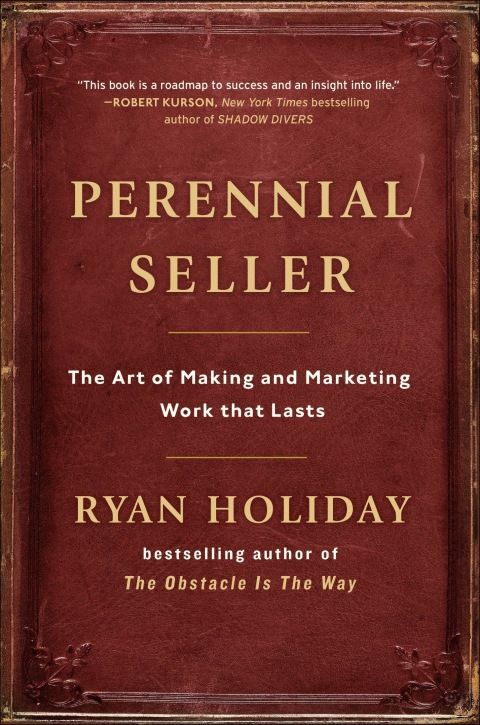
In "Perennial Seller," Ryan Holiday reveals the secrets behind creating art that resonates across generations and maintains its relevance. He argues that the best works are crafted with intention, enduring quality, and a deep understanding of audience dynamics. Holiday delves into powerful examples from various fields, demonstrating how timeless ideas can flourish amid fleeting trends. With practical insights and a focus on resilience, he encourages creators to embrace the long game in their craft. Are you ready to transform your work into a lasting legacy that captivates and inspires?
A Brief History of Time Book Summary
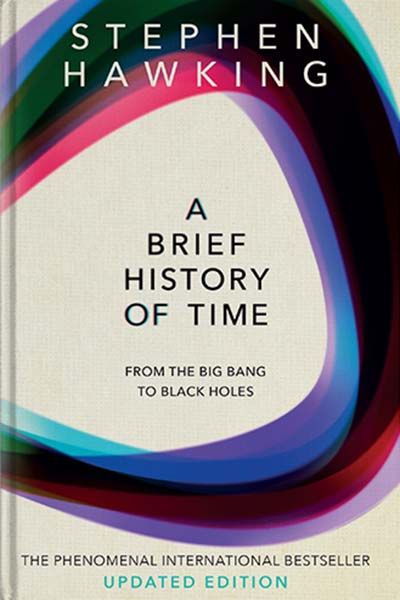
In "A Brief History of Time," Stephen Hawking takes readers on a captivating journey through the cosmos, exploring the nature of time, black holes, and the universe's beginnings. With stunning clarity, he unravels complex scientific concepts, inviting everyone—from curious laypersons to seasoned physicists—to ponder the mysteries of existence. Hawking's charismatic storytelling challenges our perceptions of reality and time itself, posing profound questions about the universe's fate. As he merges science with philosophy, the reader is compelled to reflect on their place in a vast, enigmatic cosmos. Prepare to be inspired and awed by a narrative that transcends mere facts, pushing the boundaries of human understanding.

Models of My Life Book Summary
In 'Models of My Life', Nobel laureate Herbert A. Simon unveils the intricate tapestry of his intellectual journey, intertwining the realms of psychology, economics, and artificial intelligence. With a blend of autobiography and philosophy, Simon explores the models he created to navigate and understand the complexities of human decision-making. His reflections on the nature of rationality and the limits of knowledge challenge conventional wisdom and inspire deeper thought. Readers will be captivated by Simon's groundbreaking insights and the personal stories that shaped his groundbreaking theories. This book is not just a memoir; it's a profound exploration of the human condition that invites you to rethink the models that shape your own life.
Ishmael Book Summary
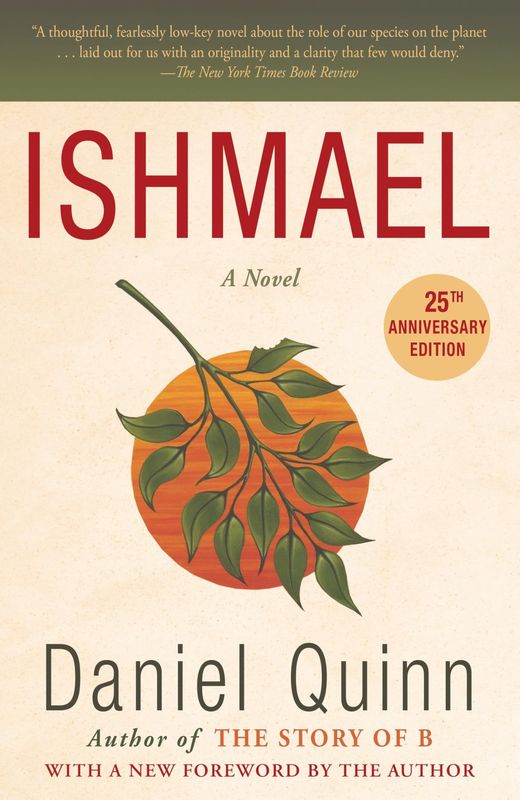
In 'Ishmael,' a telepathic gorilla named Ishmael reveals profound truths about humanity's place in the world to a disillusioned man seeking meaning. Through captivating dialogue, Ishmael challenges conventional views about civilization, culture, and what it means to live sustainably. As their conversations unfold, readers are invited to question everything they thought they knew about progress and enlightenment. This thought-provoking narrative blends philosophy, anthropology, and environmentalism into a compelling tale. Prepare to embark on an intellectual journey that might just change your perspective on life itself!
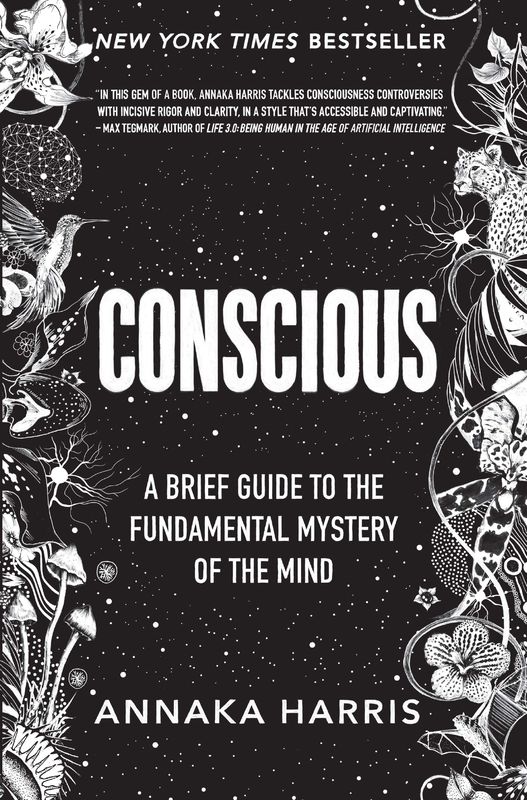
Conscious Book Summary
In 'Conscious,' Annaka Harris explores the enigmatic nature of consciousness, diving into profound questions about awareness and existence. Through a blend of science and philosophy, she challenges the conventional understanding, prompting readers to re-evaluate their perceptions of reality. Harris skillfully navigates the intricate relationship between the brain and subjective experience, shedding light on the mysteries that lie within. With thought-provoking insights and accessible prose, this book invites both the curious and the skeptical to ponder the depths of consciousness. Will you uncover the secrets of your own mind?
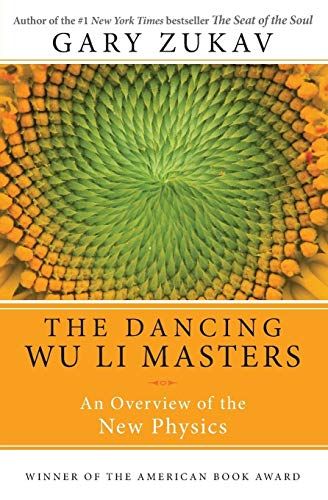
Dancing Wu Li Masters Book Summary
In 'Dancing Wu Li Masters,' Gary Zukav invites readers into the fascinating intersection of physics and Eastern philosophy. This insightful exploration reveals how the realms of quantum mechanics and ancient wisdom converge, challenging our understanding of reality. Zukav introduces readers to the 'Wu Li Masters,' a captivating metaphor for scientists and spiritual seekers who are dancing in the quantum world. As he weaves together complex theories with accessible language, the book sparks curiosity about the nature of existence and consciousness. Prepare to be enlightened as you journey through the seemingly paradoxical ideas that govern our universe.
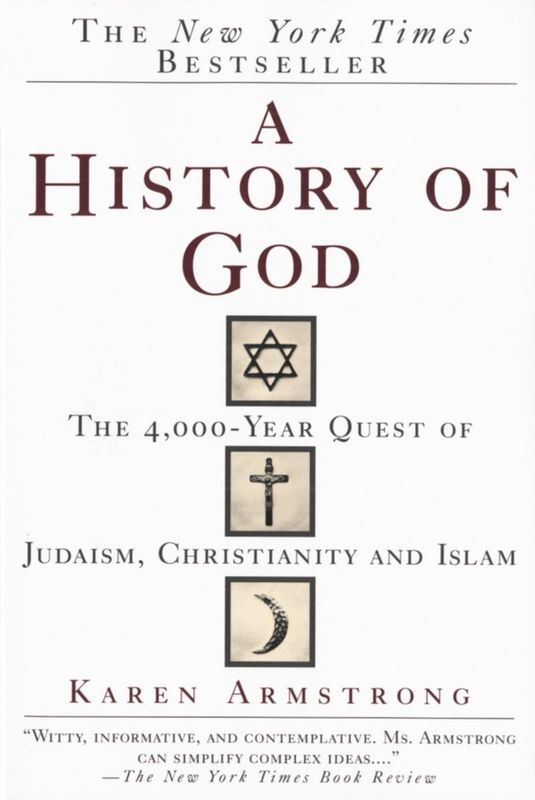
A History of God Book Summary
In 'A History of God', Karen Armstrong embarks on a fascinating journey through the evolution of the concept of God from ancient times to the modern era. She explores how various religions—Judaism, Christianity, and Islam—have shaped humanity's understanding of the divine, revealing the complexities and contradictions in these beliefs. Highlighting the influence of culture, politics, and philosophy, Armstrong invites readers to reconsider their perceptions of faith and spirituality. This thought-provoking narrative raises profound questions about the nature of belief and the future of religious thought. Are we on the brink of a new understanding of God, or are we simply repeating history?
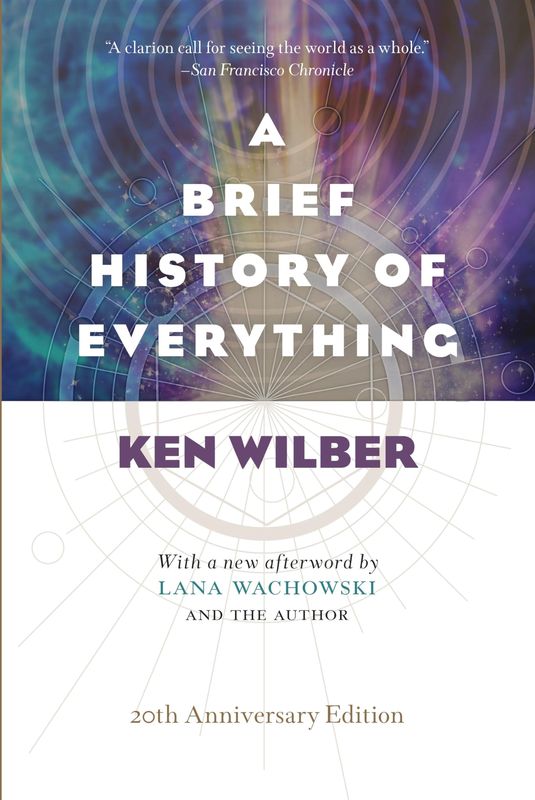
A Brief History of Everything (20th Anniversary Edition) Book Summary
In 'A Brief History of Everything', Ken Wilber takes readers on an enlightening journey through the evolution of consciousness and the unfolding of human history. He skillfully weaves together insights from philosophy, science, and spirituality, offering a holistic perspective on our existence. Discover how various cultural paradigms intersect and influence our understanding of reality. This thought-provoking exploration challenges conventional views and invites readers to contemplate their place in the cosmos. What if the key to our future lies in understanding the past in a radically new way?
Showing 8 of 29 similar books
Take your reading experience to the next level
Download our mobile app to enjoy your favorite books on the go. Get access to exclusive features, offline listening, and personalized recommendations.

Similar Book Recommendations →

Lex Fridman's Book Recommendations
Lex Fridman is an artificial intelligence researcher, podcaster, and MIT professor, known for his work in autonomous vehicles, robotics, and deep learning. Fridman has gained widespread popularity through his podcast, Lex Fridman Podcast, where he interviews leading thinkers in science, technology, and philosophy, exploring topics like AI, consciousness, and the future of humanity. His academic work focuses on human-centered AI, aiming to create machines that can better understand and interact with humans. Fridman’s ability to distill complex topics into accessible conversations has earned him a large following, and his podcast is known for its thoughtful, in-depth discussions with some of the brightest minds of our time. He is also an advocate for the responsible development of AI, emphasizing the ethical implications of this rapidly advancing technology. Outside of academia and podcasting, Fridman is a practitioner of jiu-jitsu and frequently speaks about the importance of discipline and continuous learning.
Naval Ravikant's Book Recommendations
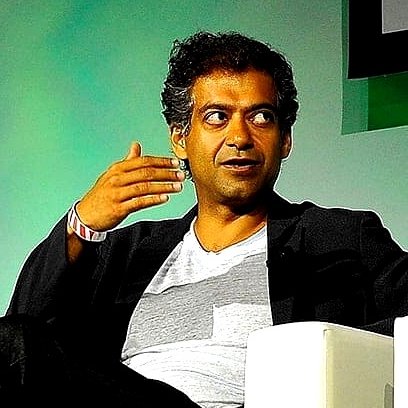
Naval Ravikant is an entrepreneur, angel investor, and philosopher, best known as the co-founder of AngelList, a platform that connects startups with investors. Ravikant is a prolific thinker and writer on topics such as startups, investing, and personal well-being, sharing his wisdom through essays, podcasts, and social media. He has invested in over 100 companies, including Uber, Twitter, and Yammer, making him one of Silicon Valley’s most successful angel investors. Ravikant is also known for his philosophical musings on wealth, happiness, and the meaning of life, which have garnered him a large and dedicated following.

Marc Andreessen's Book Recommendations
Marc Andreessen is an American entrepreneur, software engineer, and venture capitalist, best known for co-creating the Mosaic web browser, the first widely-used web browser, and co-founding Netscape. Andreessen is also the co-founder of Andreessen Horowitz, one of Silicon Valley’s most prominent venture capital firms, where he invests in groundbreaking technology companies like Facebook, Airbnb, and Coinbase. He is a thought leader on the impact of technology and innovation, often sharing his views on the future of the internet and startups. His contributions to the development of the web and the tech ecosystem have made him one of the most influential figures in technology.

Charlie Munger's Book Recommendations
Charlie Munger is an American investor, businessman, and philanthropist, best known as the vice chairman of Berkshire Hathaway, where he partners with Warren Buffett. Renowned for his insights on investment strategies and mental models, Munger has significantly influenced the world of finance. His notable literary contributions include "Poor Charlie's Almanack," a compilation of his speeches and writings that distill his wisdom on decision-making and business principles. Munger's work emphasizes the importance of multidisciplinary thinking and continuous learning. Beyond his financial acumen, he is celebrated for his charitable efforts, particularly in education and healthcare.

Russell Brand's Book Recommendations
Russell Brand is a British comedian, actor, author, and activist, known for his outspoken views on politics, spirituality, and mental health. Brand initially gained fame as a stand-up comedian and actor in films like Forgetting Sarah Marshall and Get Him to the Greek. In recent years, he has shifted his focus to activism and personal development, exploring topics like addiction recovery, mindfulness, and social justice through his books and podcast Under the Skin. Brand is a passionate advocate for mental health awareness and social change, using his platform to challenge the status quo and promote healing and empowerment.

David Deutsch's Book Recommendations
David Deutsch is a British physicist and philosopher, widely known for his contributions to quantum mechanics, particularly in the area of quantum computation. He is the author of The Fabric of Reality and The Beginning of Infinity, where he explores the nature of knowledge, progress, and the future of human civilization. Deutsch’s work in quantum computing laid the groundwork for the development of quantum algorithms, positioning him as a pioneer in this emerging field. He is a proponent of the multiverse theory and has offered profound insights into the nature of reality, science, and human potential. Deutsch’s philosophical work emphasizes the power of reason and creativity in solving problems and expanding human understanding. His ideas have had a significant impact on the fields of theoretical physics and epistemology, making him a leading thinker on the future of science and technology. He continues to inspire both scientists and lay readers with his optimistic vision of a world shaped by knowledge and innovation.

David Sinclair's Book Recommendations
David Sinclair is an Australian biologist and professor at Harvard Medical School, known for his pioneering research in the field of aging and longevity. Sinclair's work focuses on understanding the biological mechanisms that drive aging and developing interventions to slow or reverse the process. His bestselling book Lifespan: Why We Age – and Why We Don’t Have To explores the latest advancements in anti-aging science and offers insights into how humans might extend their healthspan. Sinclair's research has led to breakthroughs in areas such as sirtuins, NAD+ metabolism, and cellular reprogramming. He is also the co-founder of several biotech companies, including Sirtris Pharmaceuticals and Life Biosciences, dedicated to translating aging research into practical treatments. Sinclair is a vocal advocate for taking a proactive approach to aging, promoting lifestyle changes and emerging therapies to delay age-related diseases. His work has made him a leading figure in the longevity movement, influencing both scientific and public discourse on the future of health.
Bill Gates's Book Recommendations
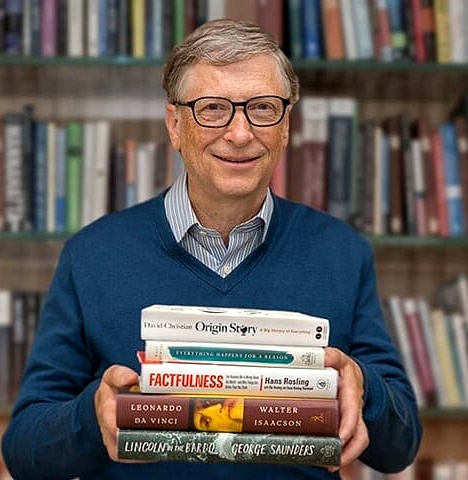
Bill Gates, co-founder of Microsoft Corporation, is a pioneering figure in the tech industry, having played a key role in the personal computer revolution. His work at Microsoft, particularly the development of Windows, transformed software and computing globally. Beyond his technology contributions, Gates is also a prolific author, with notable works such as "The Road Ahead" and "Business @ the Speed of Thought," which offer insights into the future of technology and business. Additionally, his philanthropic efforts through the Bill & Melinda Gates Foundation have had a profound impact on global health, education, and poverty. Gates continues to influence both technology and literature with his forward-thinking perspectives and innovative ideas.
Showing 8 of 18 related collections
“"The past is not just a series of events that happened; it is a complex narrative woven by the choices we make and the paths we take. Understanding our history as a species is essential to forging a future that reflects our shared humanity."”
The Third Chimpanzee
By Jared Diamond
Frequently Asked Questions
Explore Our Catalogue
Discover a world of knowledge through our extensive collection of book summaries.
Genres
Genres
Genres
Featured Collections
- Top Book Club Picks
- One-Stop Nutrition
- Summer Reads 2024
- Best Beach Reads 2024
- Work-Life Balance Guide
- Time Management
- Healthy Foods
- Entrepreneur Toolkit
- Mind & Body Wellness
- Future Tech Insights
- Leadership Essentials
- Financial Freedom
- Sci-Fi Masterpieces
- Parenting 101
- Books That Became Blockbusters
- Guide to a Healthy Pregnancy