
In 'The Uncensored War', Daniel C. Hallin unveils the complex relationship between the media and the Vietnam War, revealing how coverage shaped public perception and policy. Through gripping accounts and critical analysis, he demonstrates the struggle between reporters and the military, highlighting the tension between censorship and transparency. Hallin argues that the media's role was not just to inform but to influence, raising questions about accountability and truth in wartime. As readers delve into this historic conflict, they will uncover the powerful impact of journalism on democracy and society. Will the revelations compel us to rethink the narratives we accept?
By Daniel C. Hallin
Published: 1989
"In the midst of chaos, the truth becomes both a refuge and a battlefield—revealing not just the horrors of war, but the resilience of the human spirit."
Vietnam was America's most divisive and unsuccessful foreign war. It was also the first to be televised and the first of the modern era fought without military censorship. From the earliest days of the Kennedy-Johnson escalation right up to the American withdrawal, and even today, the media's role in Vietnam has continued to be intensely controversial. The "Uncensored War" gives a richly detailed account of what Americans read and watched about Vietnam. Hallin draws on the complete body of the New York Times coverage from 1961 to 1965, a sample of hundreds of television reports from 1965-73, including television coverage filmed by the Defense Department in the early years of the war, and interviews with many of the journalists who reported it, to give a powerful critique of the conventional wisdom, both conservative and liberal, about the media and Vietnam. Far from being a consistent adversary of government policy in Vietnam, Hallin shows, the media were closely tied to official perspectives throughout the war, though divisions in the government itself and contradictions in its public relations policies caused every administration, at certain times, to lose its ability to "manage" the news effectively. As for television, it neither showed the "literal horror of war," nor did it play a leading role in the collapse of support: it presented a highly idealized picture of the war in the early years, and shifted toward a more critical view only after public unhappiness and elite divisions over the war were well advanced.
Showing 8 of 24 similar books
Alex Lieberman is the co-founder and executive chairman of Morning Brew, a media company that delivers engaging business news. Under his leadership, Morning Brew has grown to reach millions of subscribers, becoming a significant player in modern business journalism. Lieberman is also known for his insightful commentary on entrepreneurship and media trends. His work has significantly influenced the way business news is consumed by younger audiences. Beyond Morning Brew, Lieberman frequently writes and speaks about the intersection of media and technology, further cementing his role as a thought leader in the industry.
Brandon Stanton is an American photographer and author, best known for creating Humans of New York, a photography project that shares the personal stories of everyday people. Through his portraits and interviews, Stanton captures the diverse experiences of people in New York City and around the world, offering intimate insights into their lives. Humans of New York has become a global phenomenon, with millions of followers on social media and several best-selling books. Stanton’s work has expanded beyond photography to include fundraising campaigns that have raised millions of dollars for individuals and charitable causes. His ability to connect with people and share their stories has made him one of the most impactful storytellers of his generation.
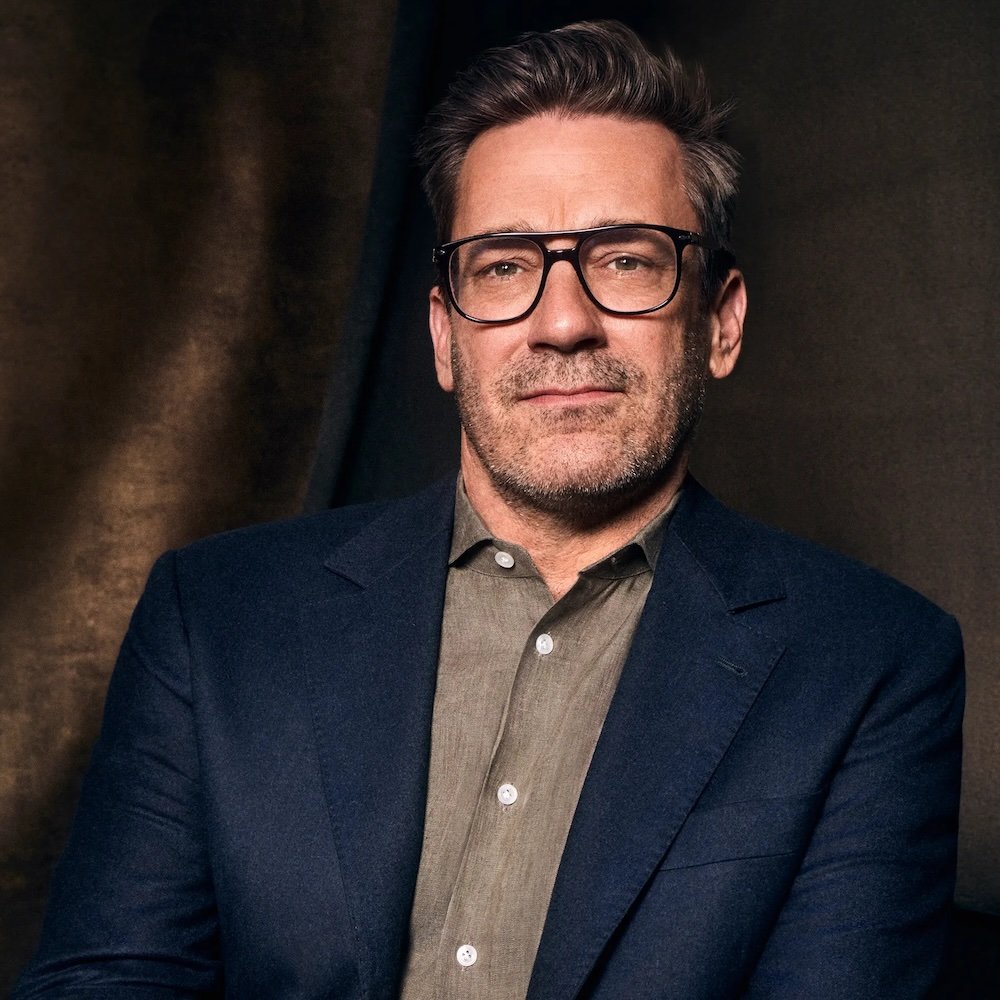
Jon Hamm is an American actor best known for his role as Don Draper in the critically acclaimed television series "Mad Men," which aired from 2007 to 2015. While Hamm's achievements are primarily in acting, his portrayal of the complex, enigmatic ad executive has been lauded for its depth and nuance, significantly impacting television storytelling. His performance earned him numerous awards, including a Golden Globe and an Emmy. Beyond "Mad Men," Hamm has appeared in various films and TV shows, showcasing his versatility across genres. Though not primarily a literary figure, his work has influenced contemporary narratives and character development in modern media.
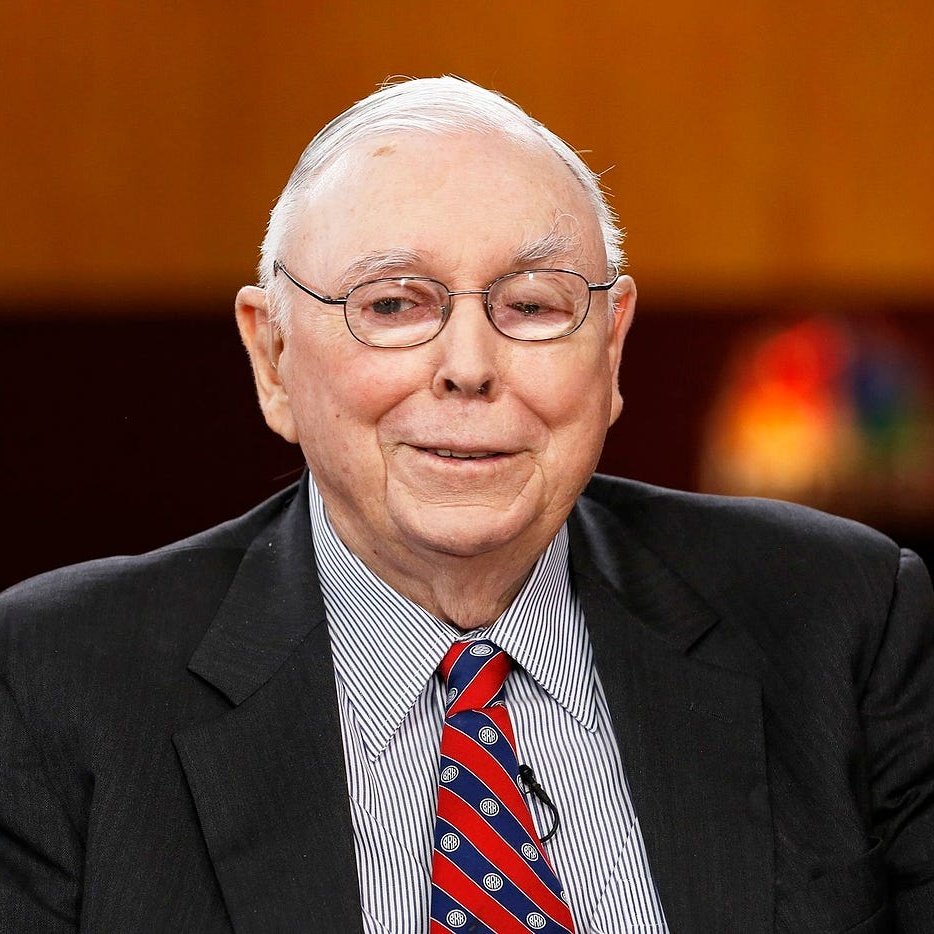
Charlie Munger is an American investor, businessman, and philanthropist, best known as the vice chairman of Berkshire Hathaway, where he partners with Warren Buffett. Renowned for his insights on investment strategies and mental models, Munger has significantly influenced the world of finance. His notable literary contributions include "Poor Charlie's Almanack," a compilation of his speeches and writings that distill his wisdom on decision-making and business principles. Munger's work emphasizes the importance of multidisciplinary thinking and continuous learning. Beyond his financial acumen, he is celebrated for his charitable efforts, particularly in education and healthcare.
Ezra Klein is a prominent American journalist, political analyst, and author, renowned for his incisive commentary on politics and policy. He co-founded Vox, a widely respected news website known for its explanatory journalism, and served as its editor-in-chief. Klein's work includes the critically acclaimed book "Why We're Polarized," which delves into the deep-seated divisions in American politics. He also hosts "The Ezra Klein Show," a popular podcast where he interviews thought leaders from various fields. Klein's contributions have significantly shaped contemporary political discourse and media consumption.
Patrick Collison is an Irish entrepreneur and co-founder of Stripe, a global technology company that enables businesses to accept online payments. Along with his brother John, Patrick has transformed Stripe into one of the most valuable private tech companies in the world. Stripe’s innovative approach to online payments has made it a key player in the financial technology space. Collison is known for his deep interest in science, technology, and policy, often engaging in conversations about innovation, progress, and how to improve societal outcomes. He is an advocate for scientific advancement and the intersection of technology and public policy.
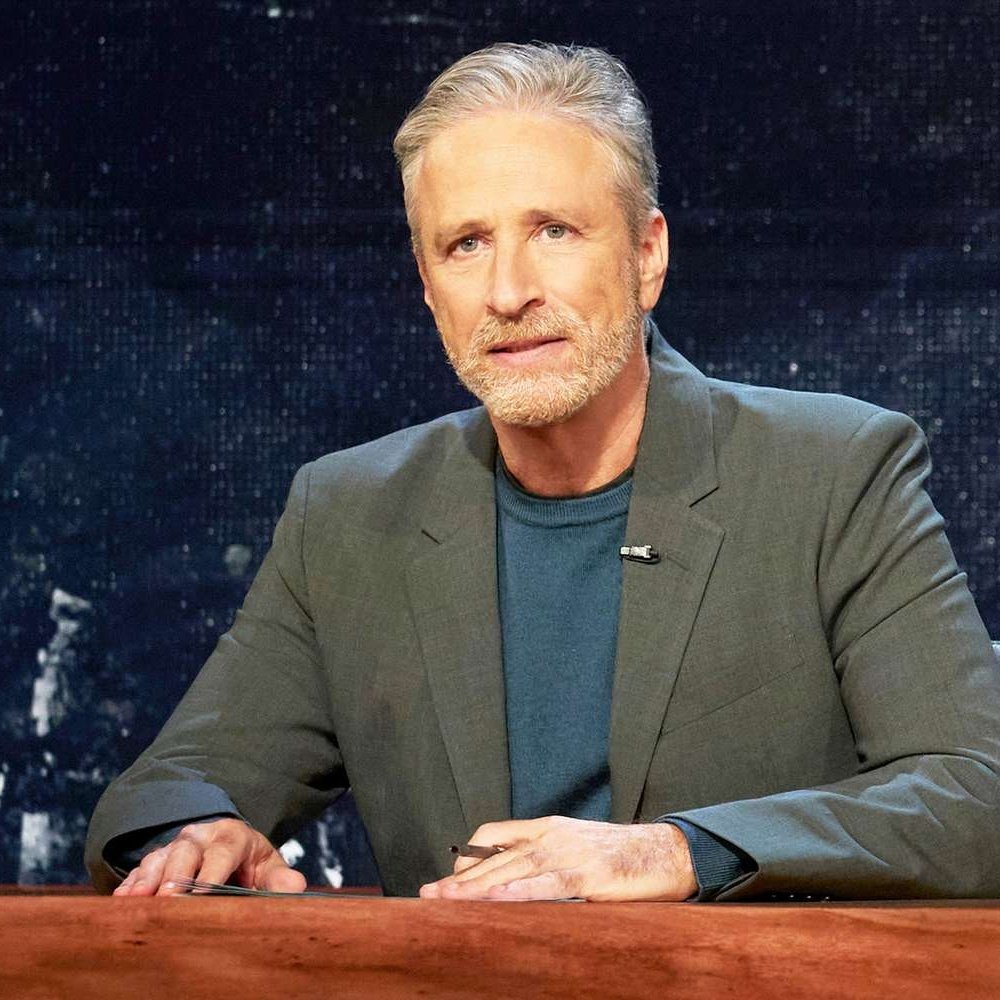
Jon Stewart is an American comedian, writer, and former host of The Daily Show, where he gained fame for his satirical take on news and politics. Stewart transformed The Daily Show into a critical voice in American media, blending humor with hard-hitting commentary on political and social issues. After stepping down from the show, Stewart has continued to advocate for causes like 9/11 first responders and veterans' rights. He is also a filmmaker, directing the political satire film Irresistible. Stewart remains a significant figure in American culture, known for his wit, activism, and influence on political discourse.
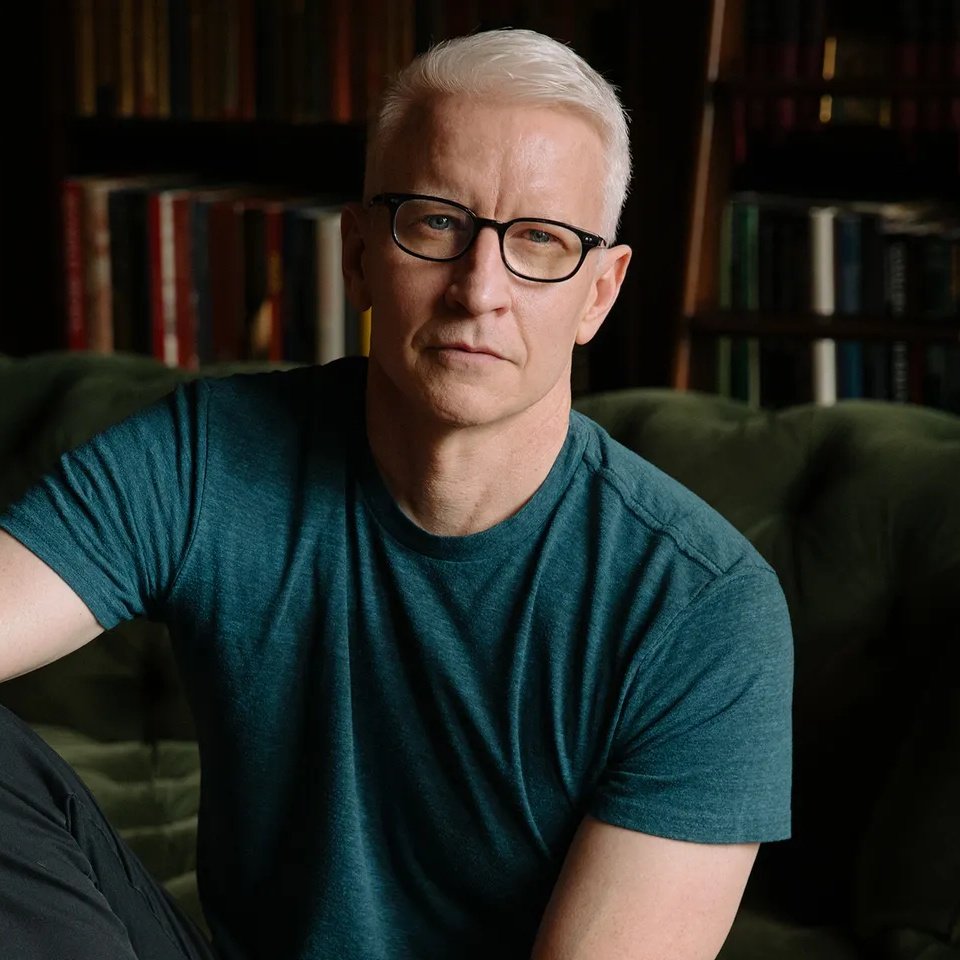
Anderson Cooper is an esteemed American journalist and television personality, best known for anchoring "Anderson Cooper 360°" on CNN. He has gained widespread recognition for his incisive reporting on major global events, earning multiple Emmy Awards for his work. Cooper is also an accomplished author, having penned the best-selling memoir "Dispatches from the Edge," which chronicles his experiences covering some of the world's most perilous conflicts and disasters. His literary contributions extend to "The Rainbow Comes and Goes," a poignant dialogue with his mother, Gloria Vanderbilt, that explores themes of family and resilience. Through his work in both journalism and literature, Cooper has made a significant impact on contemporary media and storytelling.
Showing 8 of 18 related collections
“In the midst of chaos, the truth becomes both a refuge and a battlefield—revealing not just the horrors of war, but the resilience of the human spirit.”
The Uncensored War
By Daniel C. Hallin
Discover a world of knowledge through our extensive collection of book summaries.
Daniel C. Hallin is a distinguished scholar and author, renowned for his contributions to the fields of communication and media studies. He is best known for his influential works, including 'The Uncensored War: The Media and Vietnam' and 'Media, Politics, and Democracy: A Communication Perspective.' Hallin's writing is characterized by its analytical depth and clarity, exploring the complex interplay between media, politics, and society. His research has significantly shaped our understanding of the media's role in democratic processes, making him a pivotal figure in contemporary media theory.
Key information about the book.
 Buy on Amazon
 Buy via BookShop
Support local bookstores: BookShop gives a portion of each sale to independent bookshops!
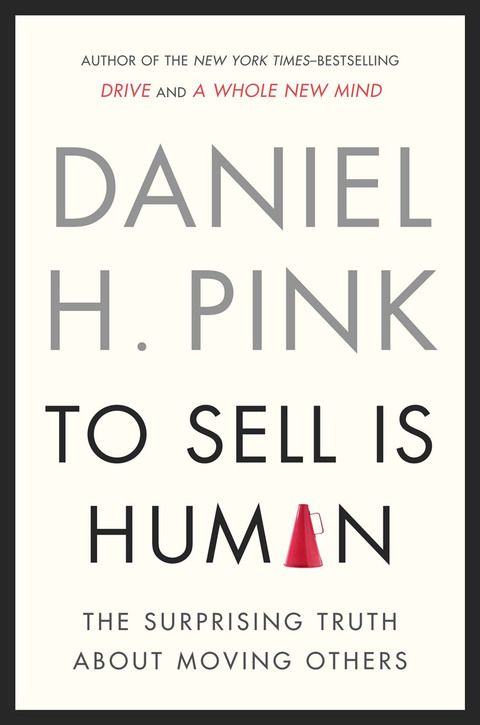
In "To Sell Is Human," Daniel H. Pink reveals that everyone is in sales, whether they realize it or not. He explores the art of persuasion and the changing landscape of selling in a world driven by technology and social interaction. Through captivating anecdotes and scientific research, Pink uncovers the surprising truths about what motivates us to buy and sell. He offers practical techniques to enhance our ability to connect and influence others ethically. This thought-provoking book challenges our perceptions of salesmanship, inspiring readers to embrace their inner seller in everyday life.

In "The Mindful Child," authors Susan Kaiser Greenland and Jon Kabat-Zinn reveal the transformative power of mindfulness for children. Through captivating anecdotes and practical exercises, they equip parents and educators with tools to cultivate emotional intelligence and resilience. The book explores how mindfulness practices can enhance a child's focus, creativity, and empathy, making it a vital resource for navigating today's fast-paced world. With insights drawn from neuroscience and psychology, it invites readers to embark on a journey of self-discovery alongside their children. Discover the art of nurturing a mindful generation—will you help shape their future?
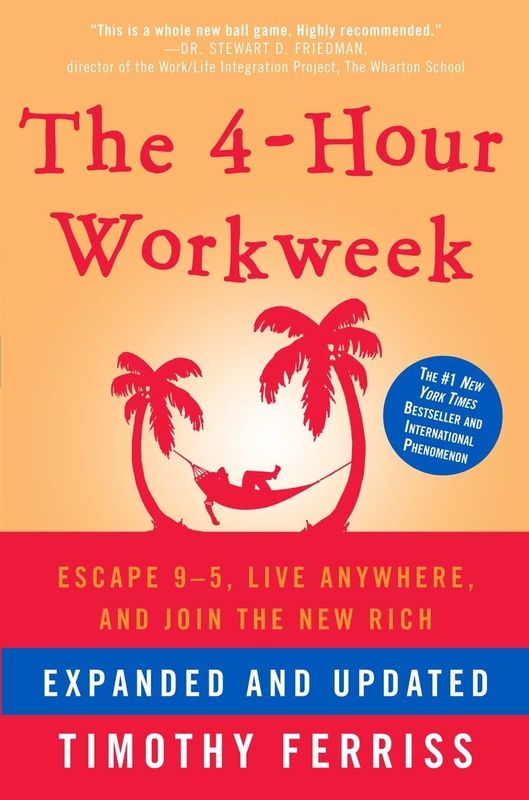
In 'The 4-Hour Workweek', Timothy Ferriss reveals the secrets of escaping the 9-to-5 grind and designing a life of freedom and adventure. He introduces the concept of ‘mini-retirements’ and shows readers how to automate their income through smart outsourcing and entrepreneurship. Ferriss challenges traditional notions of work and productivity, urging readers to focus on what truly matters. With practical strategies and bold ideas, the book inspires a daring reimagining of how we live and work. Are you ready to break free and live life on your terms?
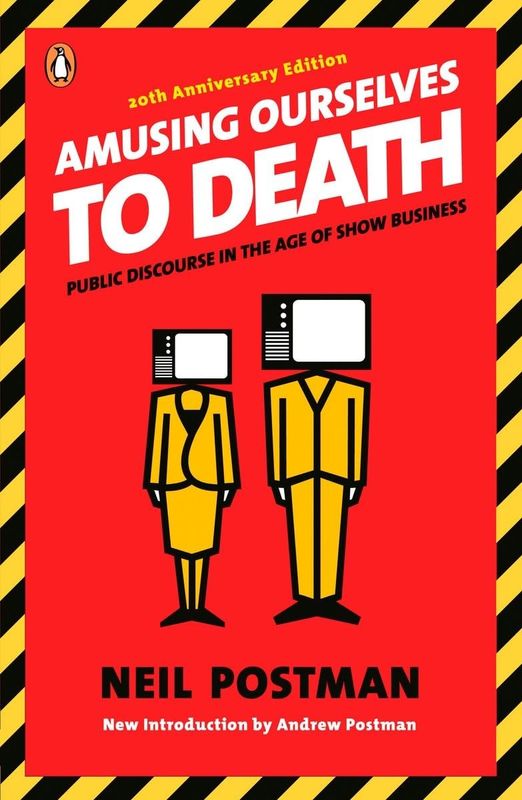
In 'Amusing Ourselves to Death', Neil Postman explores the alarming impact of television and entertainment on public discourse and critical thought. He argues that a culture inundated with superficial media is prioritizing distraction over meaningful communication. Postman presents a compelling critique of how entertainment values undermine the seriousness of important issues. Through sharp analysis and wit, he warns against the perils of living in a world where information is merely amusement. This provocative work invites readers to reflect on their own media consumption and its implications for democracy and intellect.
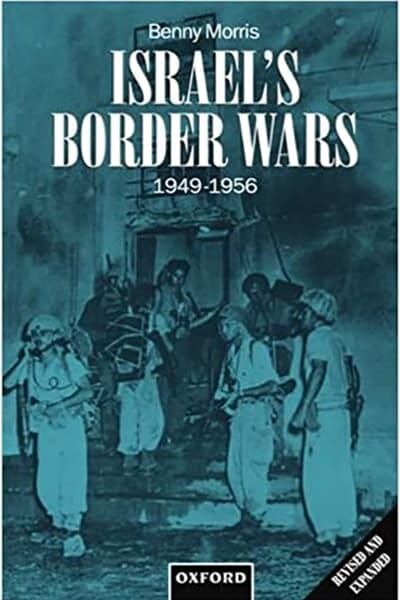
In 'Israel's Border Wars, 1949-1956', Benny Morris delves deep into the tumultuous early years of Israel's history, exploring the complex and often turbulent border conflicts that shaped the nation. Through meticulous research and compelling narratives, he uncovers the often-overlooked struggles between Israeli forces and neighboring Arab states. Morris reveals the motivations and narratives that fueled these conflicts, providing a nuanced understanding of the regional tensions that persist today. His insights challenge conventional perspectives and raise provocative questions about identity, sovereignty, and the lasting impact of war. A must-read for anyone seeking to grasp the intricacies of Israeli-Palestinian relations and the broader Middle Eastern landscape.
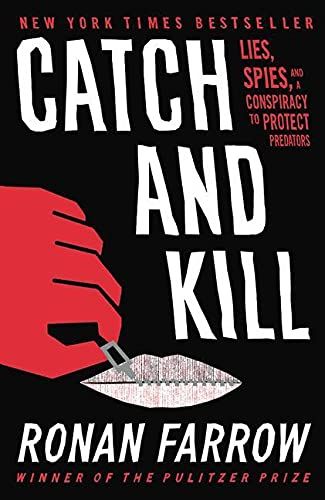
In 'Catch and Kill', investigative journalist Ronan Farrow uncovers the harrowing truth behind allegations of sexual assault against powerful figures in Hollywood. As he delves deeper, he faces a complex web of intimidation and cover-ups that threaten his career and safety. This gripping narrative exposes the lengths to which some will go to silence survivors and protect the status quo. Farrow's relentless pursuit of the truth not only reveals shocking secrets but also highlights the systemic issues within media and culture. A riveting must-read that challenges readers to confront uncomfortable realities.
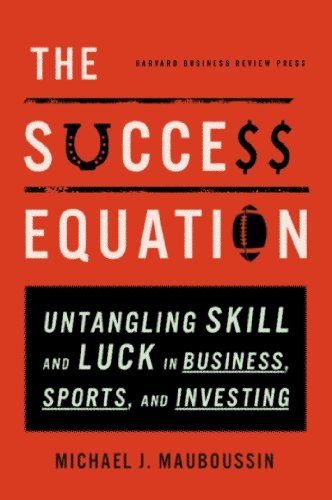
In 'The Success Equation', Michael J. Mauboussin explores the intricate interplay between skill and luck in achieving success. He dismantles the myth of pure meritocracy, illustrating how randomness can shape outcomes in unexpected ways. Through engaging anecdotes and thought-provoking analysis, Mauboussin reveals insights on decision-making that challenge conventional wisdom. Readers will discover how to identify and cultivate true talent while understanding the limits of their control. This book invites you to rethink what it means to succeed—are you ready to redefine your own path?
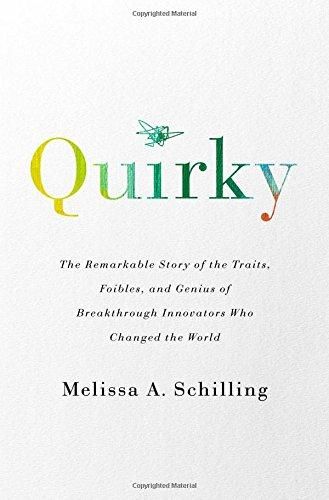
In "Quirky," Melissa A. Schilling delves into the fascinating world of innovative thinkers whose unique ideas defy conventional logic. The author explores how these individuals harness their eccentricities to foster creativity and drive success in their fields. Through captivating anecdotes and research, Schilling uncovers the psychological and social factors that empower these 'quirky' minds. Readers will be challenged to reconsider how we perceive innovation and the value of unconventional approaches. This engaging exploration not only celebrates the beauty of individuality but also inspires readers to embrace their own quirks in pursuit of greatness.




Download our mobile app to enjoy your favorite books on the go. Get access to exclusive features, offline listening, and personalized recommendations.