The Will to Power Book Summary
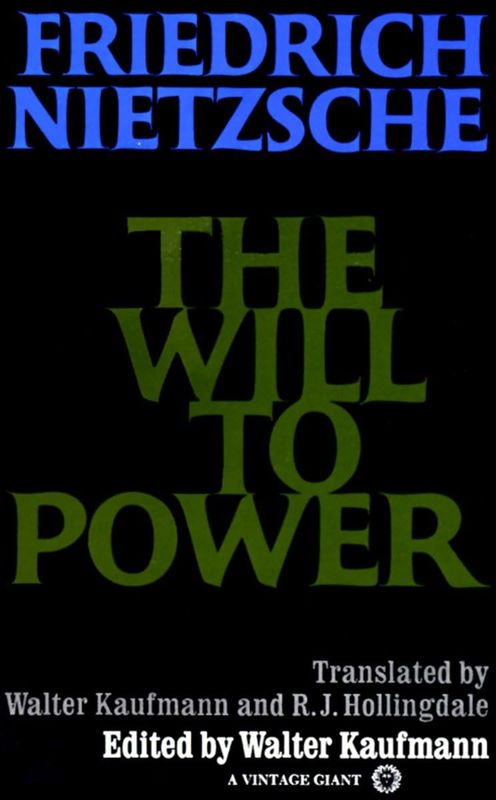
In 'The Will to Power,' Friedrich Nietzsche presents a provocative exploration of human ambition and the fundamental driving force behind our actions. Challenging traditional morality and societal norms, he posits that the desire to exert power is the essence of human nature. Nietzsche's philosophical treatise delves into the dynamics of strength, creativity, and individualism, urging readers to embrace their own potential. With its bold assertions and insightful commentary, the book invites deep reflection on the nature of existence and the pursuit of greatness. Prepare to confront uncomfortable truths that may redefine your understanding of purpose and motivation.
By Friedrich Nietzsche
Published: 1968
"He who has a why to live can bear almost any how."

Start Listening to Book Summary
Book Review of The Will to Power
Represents a selection from Nietzche's notebooks to find out what he wrote on nihilism, art, morality, religion, and the theory of knowledge, among others. Nietzsche's notebooks, kept by him during his most productive years, offer a fascinating glimpse into the workshop and mind of a great thinker, and compare favorably with the notebooks of Gide and Kafka, Camus and Wittgenstein. The Will to Power, compiled from the notebooks, is one of the most famous boooks of the philosophy. Here is the first critical edition in any language. Down through the Nazi period The Will to Power was often mistakenly considered to be Nietzche's crowning systematic labor; since World War II it has frequently been denigrated. In fact, it represents a stunning selection from Nietzsche's notebooks, in a a topical arrangement that enables the reader to find what Nietzsche's wrote on a variety of subjects. Walter Kaufmann, in collaboration with R. J. Holilngdale, brings to this volume his unsurpassed skills as a Nietzsche translator and scholar. Professor Kaufmann has included an approximate date of each note. His running footnote commentary offers information needed to follow Nietzsche's train of thought, and indicates, among other things, which notes were eventually superseded by later formulations. The comprehensive index serves to guide the reader to the extraordinary riches of this book.
Book Overview of The Will to Power
About the Book Author
Friedrich Nietzsche
Friedrich Nietzsche (1844-1900) was a German philosopher, cultural critic, poet, and philologist, renowned for his profound and provocative ideas on morality, religion, and culture. Some of his notable works include 'Thus Spoke Zarathustra', 'Beyond Good and Evil', and 'The Birth of Tragedy'. Nietzsche's writing is characterized by its poetic style, aphoristic structure, and a distinct use of metaphor, challenging conventional beliefs and advocating for a re-evaluation of values. His thought has significantly influenced modern philosophy, existentialism, and literary theory.
Book Details
Key information about the book.
- Authors
- Friedrich Nietzsche
- Published
- August 1968
- Publisher
- Vintage
- ISBN
- 0394704371
- Language
- English
- Pages
- 610
- Genres
- PhilosophyEthics and Morality
Purchase Options
 Buy on Amazon
 Buy via BookShop
Support local bookstores: BookShop gives a portion of each sale to independent bookshops!
Similar books you might like →
The Erotic Mind Book Summary
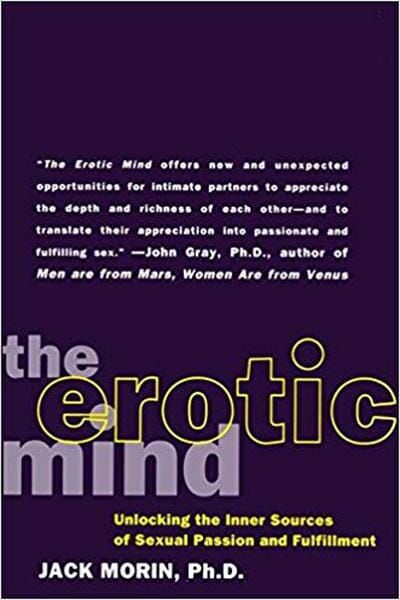
In 'The Erotic Mind,' Jack Morin delves into the complexities of human sexuality, exploring how our desires shape our identities and relationships. Using a mix of personal anecdotes, scientific research, and psychological insights, he reveals the hidden connections between erotica, arousal, and emotional intimacy. Morin challenges traditional notions of sexuality, encouraging readers to embrace their erotic fantasies without shame. As he uncovers the power of imagination in our erotic experiences, he ignites curiosity about the untapped potential of our minds. This thought-provoking journey promises to transform the way you view desire and its role in your life.
Talking to Strangers Book Summary
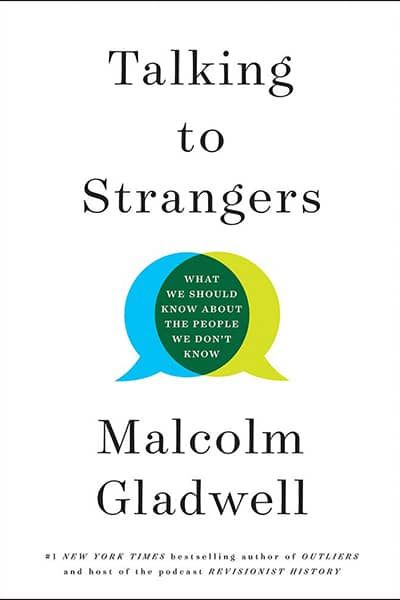
In 'Talking to Strangers', Malcolm Gladwell delves into the complexities of human interactions and the misunderstandings that often arise when we connect with those we don't know. Through compelling stories and case studies, he reveals how our assumptions about strangers can lead to misjudgments, including in critical situations. Gladwell uncovers the psychology behind trust, deception, and the often flawed perceptions we have of others. This thought-provoking exploration challenges readers to reconsider how they engage with unfamiliar people in their lives. Are we really as adept at reading strangers as we believe, or are we only fooling ourselves?
21 Lessons for the 21st Century Book Summary
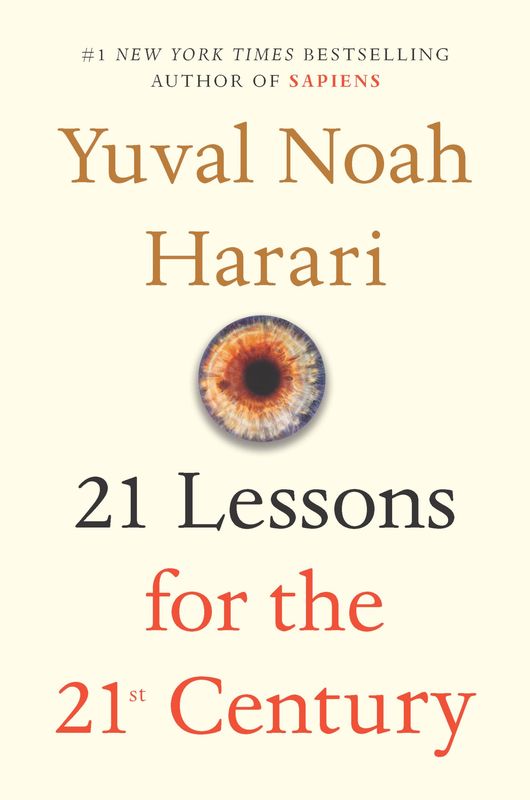
In '21 Lessons for the 21st Century', Yuval Noah Harari navigates the complex landscape of today's world, tackling urgent questions about our future. From the impact of technology on society to the challenges of political stability, each lesson provokes thought and introspection. Harari explores key themes such as the rise of artificial intelligence, the significance of data, and the importance of meaning in an increasingly uncertain world. With a blend of history, philosophy, and science, the book invites readers to reflect on their roles in shaping a shared future. Will we adapt, or become obsolete? Dive in to uncover the lessons that could redefine humanity's path.
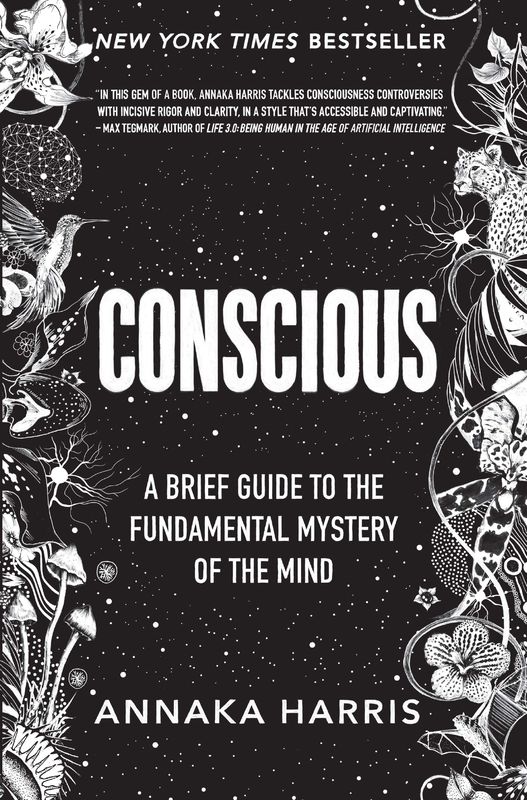
Conscious Book Summary
In 'Conscious,' Annaka Harris explores the enigmatic nature of consciousness, diving into profound questions about awareness and existence. Through a blend of science and philosophy, she challenges the conventional understanding, prompting readers to re-evaluate their perceptions of reality. Harris skillfully navigates the intricate relationship between the brain and subjective experience, shedding light on the mysteries that lie within. With thought-provoking insights and accessible prose, this book invites both the curious and the skeptical to ponder the depths of consciousness. Will you uncover the secrets of your own mind?
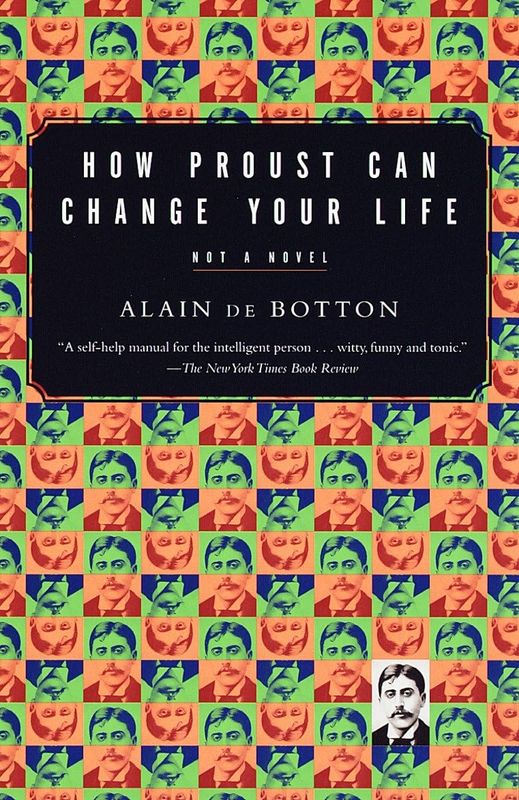
How Proust Can Change Your Life Book Summary
In 'How Proust Can Change Your Life,' Alain De Botton illuminates the profound wisdom of Marcel Proust, revealing how his insights can enhance our everyday existence. Through a blend of humor and philosophy, De Botton explores themes like love, art, and the search for identity, encouraging readers to embrace their inner selves. He posits that Proust's reflections on memory and experience can lead to a deeper understanding of happiness and fulfillment. With anecdotes and practical advice, this book serves as a guide to transforming mundane life into something extraordinary. Discover how Proust can inspire you to rethink your own journey and find beauty in the ordinary.

Ayrton Senna's Principles of Race Driving Book Summary
Dive into the racing mind of Ayrton Senna, where speed meets philosophy in 'Ayrton Senna's Principles of Race Driving.' This insightful guide reveals the strategies, techniques, and mental fortitude behind one of Formula One's greatest drivers. Senna shares his personal racing experiences, making it a captivating blend of autobiography and instructional manual. Readers will uncover the principles that drove his success on the track and how they can be applied beyond racing. Are you ready to accelerate your understanding of what it takes to be a champion?

Ethics Book Summary
In 'Ethics,' Benedict de Spinoza presents a revolutionary perspective on morality and the nature of existence, entwining philosophy with a divine view of the universe. He challenges the duality of good and evil, proposing that everything is interconnected through a single substance. Through his geometric method, Spinoza meticulously constructs his arguments, revealing profound insights into human emotions and the pursuit of joy. His ideas on freedom, power, and the divine invite readers to reconsider their place in the cosmos. This seminal work not only reshapes philosophical discourse but also poses timeless questions about the essence of reality and ethical living.
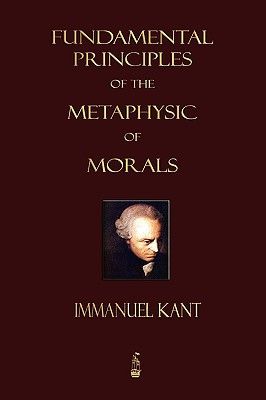
Fundamental Principles of the Metaphysic of Morals Book Summary
In 'Fundamental Principles of the Metaphysic of Morals,' Immanuel Kant explores the foundations of moral philosophy, arguing for the necessity of universal moral laws. He introduces the concept of the 'categorical imperative,' a guiding principle that demands actions be universally applicable. Kant challenges readers to reconsider the nature of duty, autonomy, and moral obligation, emphasizing rationality as the cornerstone of ethical behavior. This thought-provoking work raises profound questions about individuality and the role of reason in moral decision-making. Are our emotions and personal inclinations in conflict with our moral duties? Dive into Kant's compelling arguments and discover the compelling interplay between morality, freedom, and rationality.
Showing 8 of 27 similar books
Take your reading experience to the next level
Download our mobile app to enjoy your favorite books on the go. Get access to exclusive features, offline listening, and personalized recommendations.

Similar Book Recommendations →

Niki Scevak's Book Recommendations
Niki Scevak is a distinguished entrepreneur and venture capitalist, widely recognized for his contributions to the startup ecosystem rather than traditional literature. As a co-founder and partner at Blackbird Ventures, he has played a pivotal role in funding and mentoring successful Australian tech startups. Scevak also co-founded Startmate, an influential accelerator program that has shaped numerous early-stage companies. His work has significantly impacted the Australian tech landscape, fostering innovation and entrepreneurial growth. Though not an author of traditional books, his insights and thought leadership are frequently shared through industry publications and speaking engagements.
Elon Musk's Book Recommendations
Elon Musk is an influential entrepreneur and innovator known for founding and leading several groundbreaking companies, including Tesla, SpaceX, Neuralink, and The Boring Company. He has played a pivotal role in advancing electric vehicles, space exploration, and renewable energy. Musk's vision extends to colonizing Mars and reducing the risk of human extinction through space travel. In addition to his technological contributions, he has co-authored the book "Spacex: Making Commercial Spaceflight a Reality," providing insights into his ambitious projects and vision for the future. Musk's relentless pursuit of innovation continues to shape the trajectory of multiple industries.

Ryan Flaherty's Book Recommendations
Ryan Flaherty is a performance coach and Senior Director of Performance at Nike, where he works with top athletes to improve their speed, strength, and overall performance. Flaherty is best known for developing the “Force Number” training methodology, which helps athletes optimize their performance by measuring power output. His innovative approach to training has made him a go-to expert for elite athletes across various sports, including NFL players and Olympians. Flaherty is also a speaker and advocate for using data-driven approaches to improve athletic performance and prevent injuries.
Adam Grant's Book Recommendations
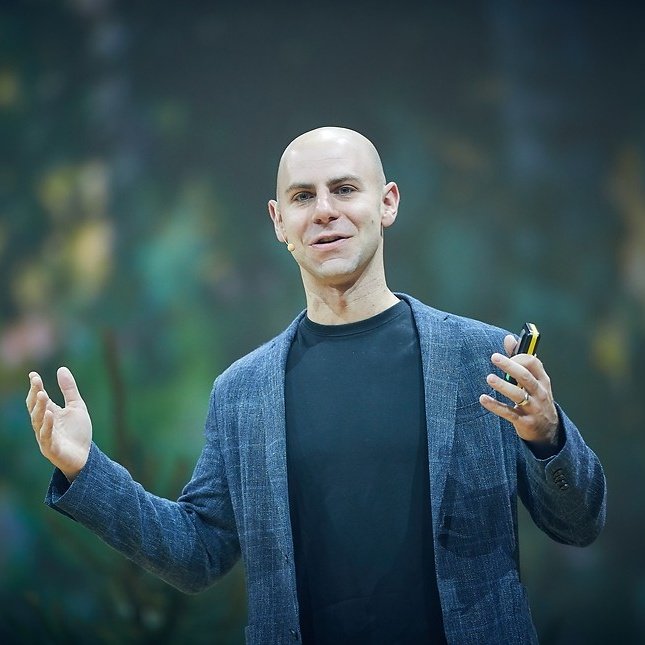
Adam Grant is a renowned organizational psychologist and bestselling author, celebrated for his influential work on motivation and workplace dynamics. He is a professor at the Wharton School of the University of Pennsylvania, where he has been the youngest tenured professor and earned numerous teaching awards. Grant's books, including "Give and Take," "Originals," and "Think Again," have been translated into multiple languages and have topped bestseller lists worldwide. His research and insights are frequently featured in major media outlets, and he hosts the popular podcast "WorkLife." Through his writing and speaking, Grant has profoundly impacted the fields of psychology, business, and education.

Barack Obama's Book Recommendations
Barack Obama is the 44th President of the United States, serving from 2009 to 2017. As the first African American president, Obama’s leadership marked a historic moment in American history. His administration focused on healthcare reform, economic recovery from the Great Recession, and environmental policies. He is best known for the Affordable Care Act, as well as his efforts to expand civil rights and restore diplomatic relations with Cuba. Since leaving office, Obama has continued to engage in public life through his foundation, focusing on leadership development, civic engagement, and global issues.

Eric Weinstein's Book Recommendations
Eric Weinstein is an accomplished American mathematician, economist, and writer, known for his influential work in the fields of geometric unity and economic theory. As the Managing Director of Thiel Capital, he has significantly impacted the financial and technological sectors. Weinstein is also renowned for his thought-provoking discussions on the podcast "The Portal," where he explores complex scientific and social issues. He has written extensively on a variety of topics, contributing to both academic and popular literature. His unique perspectives and interdisciplinary approach have earned him recognition as a leading intellectual voice of his generation.

Bernie Sanders's Book Recommendations
Bernie Sanders is an American politician and U.S. Senator from Vermont, known for his progressive policies and his advocacy for economic equality. Sanders ran for the Democratic presidential nomination in 2016 and 2020, inspiring a movement with his calls for Medicare for All, free college tuition, and a $15 minimum wage. He identifies as a democratic socialist and has been a long-standing advocate for labor rights, environmental justice, and social welfare programs. Sanders’ candidacy energized a new generation of activists and has had a lasting influence on the direction of the Democratic Party. His focus on income inequality and social justice continues to shape political discourse in the U.S.

Bryan Johnson's Book Recommendations
Bryan Johnson is an American entrepreneur, investor, and futurist, best known for founding Braintree, a payments company that was acquired by PayPal, and Kernel, a company focused on developing brain-computer interfaces. Johnson is deeply interested in advancing human cognition and longevity through technological innovation. His work at Kernel seeks to better understand the brain and its potential to enhance human intelligence. He is also the founder of OS Fund, which invests in companies tackling complex, world-changing problems in areas like health and energy. Johnson is a strong advocate for using technology to extend human potential and reshape the future of humanity.
Showing 8 of 28 related collections
“He who has a why to live can bear almost any how.”
The Will to Power
By Friedrich Nietzsche
Frequently Asked Questions
Explore Our Catalogue
Discover a world of knowledge through our extensive collection of book summaries.
Genres
Genres
Genres
Featured Collections
- Top Book Club Picks
- One-Stop Nutrition
- Summer Reads 2024
- Best Beach Reads 2024
- Work-Life Balance Guide
- Time Management
- Healthy Foods
- Entrepreneur Toolkit
- Mind & Body Wellness
- Future Tech Insights
- Leadership Essentials
- Financial Freedom
- Sci-Fi Masterpieces
- Parenting 101
- Books That Became Blockbusters
- Guide to a Healthy Pregnancy