What the Dormouse Said Book Summary
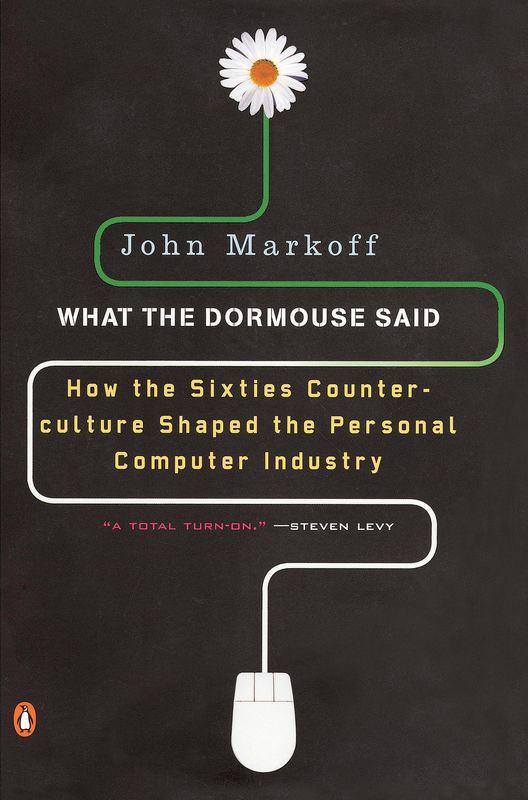
In 'What the Dormouse Said,' John Markoff weaves together the stories of the birth of the computer revolution and the counterculture of the 1960s. Through the lens of key figures like Douglas Engelbart and the early hackers of Silicon Valley, the book chronicles how ideas of consciousness and creativity collided with technology. Markoff explores the profound implications of this convergence on society, culture, and human potential. As the narrative unfolds, readers are invited to reflect on the trippy intersection of dreaming and reality that gave rise to our digital age. Could the visions of the past shape the future in unexpected ways?
By John Markoff
Published: 2006
""The networked world is not just a product of technology but a shared dream of collective intelligence, where our thoughts intermingle and create new realities.""

Start Listening to Book Summary
Book Review of What the Dormouse Said
An analysis of the political and cultural forces that gave rise to the personal computer chronicles its development through the people, politics, and social upheavals that defined its time, from a teenage anti-war protester who laid the groundwork for the PC revolution to the imprisoned creator of the first word processing software for the IBM PC. Reprint.
Book Overview of What the Dormouse Said
About the Book Author
John Markoff
John Markoff is a renowned American journalist and author, celebrated for his insightful explorations of technology, society, and their intricate relationship. A former senior writer for the New York Times, Markoff has a distinct writing style that combines rigorous research with accessible prose, making complex subjects understandable to a broad audience. His notable works include 'What the Dormouse Said: How the Sixties Counterculture Shaped the Personal Computer Industry' and 'Machines of Loving Grace: The Quest for Common Ground Between Humans and Robots.' Through his work, Markoff has skillfully chronicled the evolution of technology and its impact on our lives, earning recognition as a leading voice in technology journalism.
Book Details
Key information about the book.
- Authors
- John Markoff
- Published
- January 2006
- Publisher
- Penguin Group USA
- ISBN
- 0143036769
- Language
- English
- Pages
- 310
- Genres
- HistoryHistory of TechnologyCultural HistoryTechnology
Purchase Options
 Buy on Amazon
 Buy via BookShop
Support local bookstores: BookShop gives a portion of each sale to independent bookshops!
Similar books you might like →
Sapiens Book Summary
In "Sapiens: A Brief History of Humankind," Yuval Noah Harari takes readers on an exhilarating journey through the evolution of our species, from the dawn of Homo sapiens to the complexities of the modern world. He explores pivotal moments like the Cognitive Revolution that sparked human imagination, the Agricultural Revolution that reshaped societies, and the Scientific Revolution that propelled unprecedented advances. As Harari delves into the interplay of biology, culture, and history, he challenges our understanding of what it means to be human. This thought-provoking narrative raises crucial questions about our future in an age dominated by technology and artificial intelligence. Prepare to rethink humanity’s past and speculate about its fate—are we the architects of our destiny?
The Autobiography of Benjamin Franklin Book Summary
In 'The Autobiography of Benjamin Franklin,' the iconic Founding Father takes readers on a captivating journey through his life, revealing his rise from humble beginnings to becoming a key figure in American history. Franklin shares insightful anecdotes of his innovative spirit, dedication to self-improvement, and adventurous pursuits in science, politics, and philosophy. His wit and wisdom shine through as he candidly reflects on his successes and failures, providing a wealth of lessons for modern readers. Readers will discover not only the story of a remarkable man but also the principles that shaped a nation. This autobiography invites us to ponder our own paths and the impact of our choices.
The Curve Book Summary
In 'The Curve,' Nicholas Lovell delves into the transformative power of the digital age on traditional business models. He presents a compelling argument about how value creation and customer engagement are evolving in the internet era. With insightful case studies, Lovell challenges businesses to rethink their strategies and embrace the new economic landscape. The book ultimately reveals how organizations can thrive by leveraging an interconnected world and embracing change. Readers will be left curious about how to adapt their own practices in this rapidly shifting market.

Andy Grove Book Summary
Explore the extraordinary life of Andy Grove, the visionary leader who transformed the semiconductor industry and propelled Intel to greatness. Richard S. Tedlow delves into Grove's immigrant background and relentless pursuit of excellence, offering insights into his innovative management style. Discover how his resilience and strategic thinking shaped the tech landscape, making him a pivotal figure in modern business history. This captivating biography reveals the personal and professional challenges that Grove overcame on his journey to becoming a Silicon Valley icon. Will his lessons in leadership and foresight inspire the next generation of innovators?
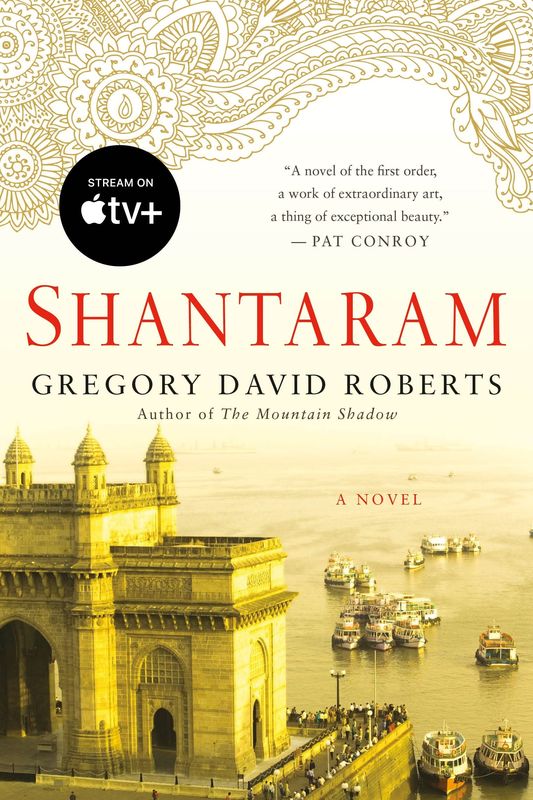
Shantaram Book Summary
In 'Shantaram', Gregory David Roberts chronicles his epic journey of escape from an Australian prison to the vibrant chaos of Bombay. There, he immerses himself in the city's underworld, forming bonds with its inhabitants while running a clinic for the sick. As he navigates a life of love, loss, and betrayal, he confronts his own demons and quest for redemption. This tale intertwines adventure, philosophy, and the search for belonging against the backdrop of India’s rich culture. Will his quest for freedom ultimately save him, or will it lead to his undoing?
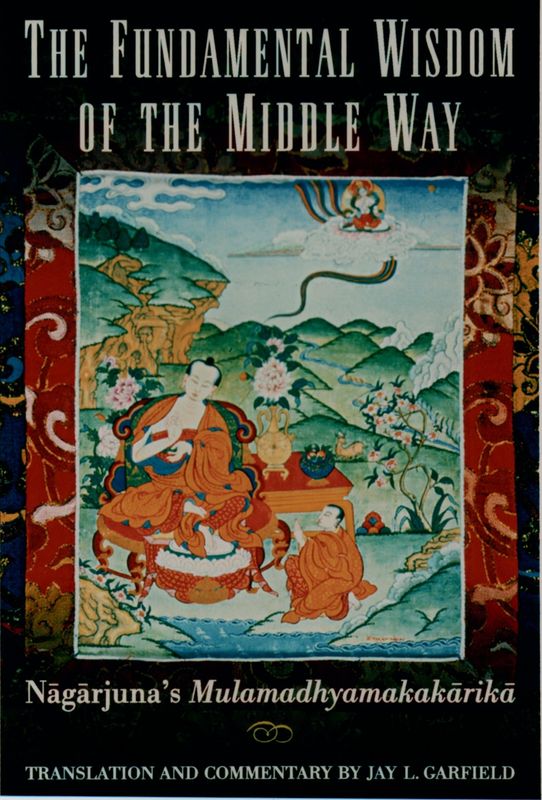
The Fundamental Wisdom of the Middle Way : Nagarjuna's Mulamadhyamakakarika Book Summary
In 'The Fundamental Wisdom of the Middle Way', Nagarjuna unravels the intricate tapestry of Buddhist philosophy through his seminal work, the Mulamadhyamakakarika. He challenges our understanding of reality by presenting the concept of emptiness, urging readers to transcend dualistic thinking. His profound arguments invite contemplation on the nature of existence, suffering, and liberation. This text serves not only as a philosophical treatise but also as a guide for spiritual awakening. Engage with Nagarjuna’s insights and discover the transformative power of the Middle Way.
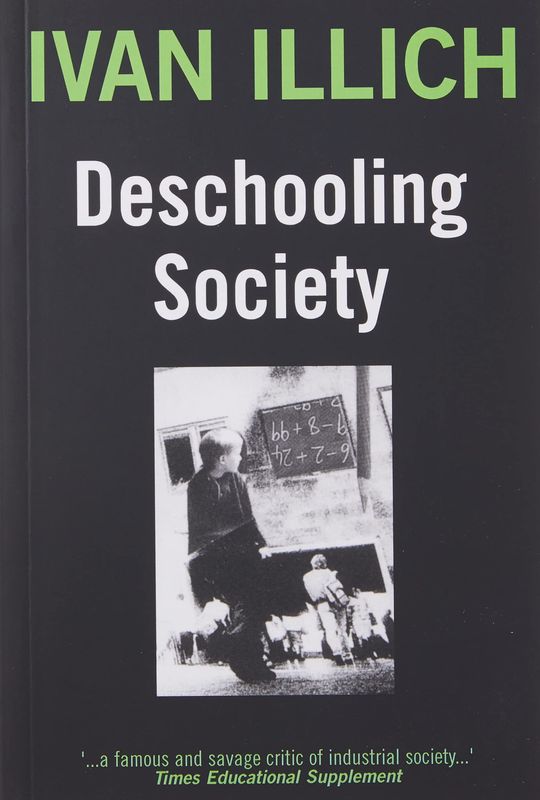
Deschooling Society Book Summary
In 'Deschooling Society,' Ivan Illich challenges the conventional educational system, advocating for a radical rethinking of how society values learning. He argues that formal schooling often stifles creativity and genuine knowledge acquisition, imposing rigid structures that serve institutional agendas. Illich envisions a world where education is liberated from the confines of classrooms, enabling individuals to pursue self-directed learning tailored to their unique needs. Provocative and thought-provoking, this book invites readers to question the very foundations of education and the societal norms surrounding it. Will you dare to imagine a future where learning knows no bounds?

Savage Son Book Summary
In 'Savage Son' by Jack Carr, ex-Navy SEAL James Reece faces the ultimate test of survival after a deadly betrayal plunges him into the heart of the Russian wilderness. As he navigates a world filled with ruthless adversaries and cunning traps, Reece is driven by a singular mission: vengeance. The story unfolds with relentless action and intricate plots, exploring the dark depths of humanity and the primal instincts within. With every turn, readers are drawn into a gripping tale of loyalty, honor, and the indomitable spirit of a warrior. Will Reece emerge from the shadows stronger than ever, or will the savage world consume him?
Showing 8 of 30 similar books
Take your reading experience to the next level
Download our mobile app to enjoy your favorite books on the go. Get access to exclusive features, offline listening, and personalized recommendations.

Similar Book Recommendations →

Lex Fridman's Book Recommendations
Lex Fridman is an artificial intelligence researcher, podcaster, and MIT professor, known for his work in autonomous vehicles, robotics, and deep learning. Fridman has gained widespread popularity through his podcast, Lex Fridman Podcast, where he interviews leading thinkers in science, technology, and philosophy, exploring topics like AI, consciousness, and the future of humanity. His academic work focuses on human-centered AI, aiming to create machines that can better understand and interact with humans. Fridman’s ability to distill complex topics into accessible conversations has earned him a large following, and his podcast is known for its thoughtful, in-depth discussions with some of the brightest minds of our time. He is also an advocate for the responsible development of AI, emphasizing the ethical implications of this rapidly advancing technology. Outside of academia and podcasting, Fridman is a practitioner of jiu-jitsu and frequently speaks about the importance of discipline and continuous learning.

Bret Victor's Book Recommendations
Bret Victor is a renowned American interface designer and computer scientist celebrated for his innovative contributions to interactive design and human-computer interaction. He is best known for creating dynamic, explorable explanations, which have significantly influenced the way educational content is presented and understood. Victor's seminal work, "Inventing on Principle," advocates for the integration of immediate feedback in creative processes, inspiring a new wave of interactive programming environments. As a former member of the Apple Human Interface team, he played a pivotal role in shaping modern user interfaces. Through his organization, Dynamicland, Victor continues to explore and expand the boundaries of immersive, collaborative computing environments.

Charlie Munger's Book Recommendations
Charlie Munger is an American investor, businessman, and philanthropist, best known as the vice chairman of Berkshire Hathaway, where he partners with Warren Buffett. Renowned for his insights on investment strategies and mental models, Munger has significantly influenced the world of finance. His notable literary contributions include "Poor Charlie's Almanack," a compilation of his speeches and writings that distill his wisdom on decision-making and business principles. Munger's work emphasizes the importance of multidisciplinary thinking and continuous learning. Beyond his financial acumen, he is celebrated for his charitable efforts, particularly in education and healthcare.

Ray Dalio's Book Recommendations
Ray Dalio is the founder of Bridgewater Associates, one of the largest and most successful hedge funds in the world. He is also the author of the bestselling book Principles, where he outlines his philosophy on life, leadership, and investing. Ray is renowned for his unique approach to transparency, radical truth, and thoughtful disagreement within organizations. His insights into economics and investing have made him one of the most influential figures in the financial world. Dalio continues to be a thought leader in business, economics, and philanthropy.

Alexey Moiseenkov's Book Recommendations
Alexey Moiseenkov is a Russian entrepreneur and tech innovator best known for creating Prisma, the groundbreaking mobile app that transforms photos into artworks using artificial intelligence. Though not primarily a literary figure, his work in AI and digital transformation has influenced contemporary discussions on the intersection of technology and art. Moiseenkov's contributions have been featured in various tech and innovation journals, highlighting his impact on modern digital culture. His work underscores the evolving narrative of creativity in the digital age, bridging the gap between artistic expression and technological advancement. Moiseenkov continues to inspire through his ongoing ventures in AI and entrepreneurship.

Andrew Chen's Book Recommendations
Andrew Chen is a venture capitalist, entrepreneur, and thought leader in growth marketing, currently serving as a general partner at Andreessen Horowitz. Chen is known for his expertise in network effects, viral growth strategies, and marketplace dynamics, making him a sought-after advisor for startups looking to scale. Prior to joining Andreessen Horowitz, he worked in leadership roles at Uber, helping to grow the ride-sharing platform’s user base and develop key growth strategies. Chen is also a prolific writer, sharing his insights on growth, technology, and startups through his popular blog and newsletter, which has attracted a loyal following in the tech community. His work has helped shape how many startups approach user acquisition, retention, and product-market fit. As a venture capitalist, Chen focuses on early-stage companies in the consumer internet, SaaS, and marketplace sectors, and he has been involved in funding and advising several successful startups. His insights on technology and growth continue to influence both founders and investors alike.

Reid Hoffman's Book Recommendations
Reid Hoffman is an influential American entrepreneur, venture capitalist, and author, best known as the co-founder of LinkedIn, the professional networking platform that transformed online professional interactions. Hoffman has significantly impacted the business world through his investments in notable tech companies like Airbnb, Facebook, and Zynga. As an author, he has co-written several acclaimed books, including "The Start-Up of You" and "Blitzscaling," which provide strategic insights into career development and business growth. His works are celebrated for their practical advice and have become essential reading for aspiring entrepreneurs and business leaders. Hoffman's contributions extend beyond his literary efforts, as he remains a prominent figure in Silicon Valley, shaping the future of technology and innovation.

Brad Feld's Book Recommendations
Brad Feld is a prominent American entrepreneur, venture capitalist, and author known for his influential work in the startup ecosystem. Co-founder of the Foundry Group, he has played a pivotal role in funding and mentoring early-stage technology companies. Feld is also a key figure behind the Techstars accelerator program, which has helped launch numerous successful startups. As an author, he has penned several essential books on entrepreneurship and venture capital, including "Venture Deals" and "Startup Communities," which provide invaluable insights for aspiring entrepreneurs and investors. His writings and active blogging have cemented his reputation as a thought leader in the tech and startup communities.
Showing 8 of 21 related collections
“"The networked world is not just a product of technology but a shared dream of collective intelligence, where our thoughts intermingle and create new realities."”
What the Dormouse Said
By John Markoff
Frequently Asked Questions
Explore Our Catalogue
Discover a world of knowledge through our extensive collection of book summaries.
Genres
Genres
Genres
Featured Collections
- Top Book Club Picks
- One-Stop Nutrition
- Summer Reads 2024
- Best Beach Reads 2024
- Work-Life Balance Guide
- Time Management
- Healthy Foods
- Entrepreneur Toolkit
- Mind & Body Wellness
- Future Tech Insights
- Leadership Essentials
- Financial Freedom
- Sci-Fi Masterpieces
- Parenting 101
- Books That Became Blockbusters
- Guide to a Healthy Pregnancy