Who Cares? Book Summary
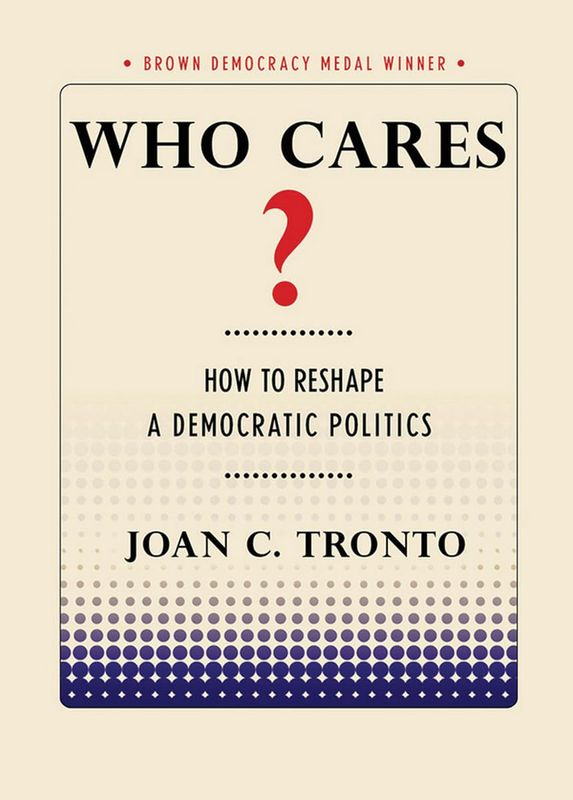
In 'Who Cares?', Joan C. Tronto explores the vital yet often overlooked domain of care in society, challenging the notion that care is merely a personal responsibility. She argues for the recognition of care as a fundamental social and political issue, essential for the functioning of communities and democracies. Through a critical lens, Tronto examines the implications of neglecting care, linking it to broader issues of justice and equity. This thought-provoking work invites readers to rethink their assumptions about caregiving, compassion, and the role of individuals in fostering a caring society. Will we rise to the challenge of making care a priority in our lives?
By Joan C. Tronto
Published: 2015
"Caring is not just an act, but a way of understanding our interconnections in the fabric of society, inviting us to reflect on whom we owe our attention and how we can reshape our world through compassion."

Start Listening to Book Summary
Book Review of Who Cares?
The 2015 winner of the Brown Democracy Medal, Joan C. Tronto, argues in Who Cares? that we need to rethink American democracy, as well as our own fundamental values and commitments, from a caring perspective. Asserting that Americans are facing a "caring deficit"—that there are simply too many demands on our time to care adequately for children, elderly people, and ourselves—she asks us to reconsider how we allocate care responsibilities. At the same time, while democratic politics should help citizens to care better, most people see caring as unsupported by public life and deem the concerns of politics as too remote from their lives to make a difference in this sphere. Tronto traces the reasons for this disconnect and argues for the need to make care, not economics, the central concern of democratic political life.
Book Overview of Who Cares?
About the Book Author
Joan C. Tronto
Joan C. Tronto is a prominent American political scientist and feminist scholar best known for her work on care ethics and democratic theory. She is the author of several influential books, including 'Moral Boundaries: A Political Argument for an Ethic of Care' and 'Caring Democracy: Markets, Equality, and Justice'. Tronto's writing is characterized by a critical engagement with the intersections of care, politics, and ethics, emphasizing the importance of care in fostering democratic practices and social justice. Through her analytical lens, she challenges traditional views of ethics and politics and advocates for a more inclusive approach to care in public life.
Book Details
Key information about the book.
- Authors
- Joan C. Tronto
- Published
- October 2015
- Publisher
- Cornell Selects
- ISBN
- 1501702742
- Language
- English
- Pages
- N/A
- Genres
- Political PhilosophyEthics and MoralityPolitics and Current Affairs
Purchase Options
 Buy on Amazon
 Buy via BookShop
Support local bookstores: BookShop gives a portion of each sale to independent bookshops!
Similar books you might like →
This Is Marketing Book Summary
In 'This Is Marketing', Seth Godin revolutionizes traditional marketing concepts, urging readers to focus on creating meaningful connections rather than simply selling products. He emphasizes the power of storytelling and understanding niche audiences to foster loyalty and engagement. Godin challenges marketers to shift from transactional thinking to transformative experiences that resonate on a personal level. Through impactful insights and practical strategies, he encourages a mindset of empathy and purpose in every marketing endeavor. This thought-provoking guide unlocks the secret to standing out in a saturated marketplace, inviting you to rethink your approach to reaching customers.
The Righteous Mind Book Summary
In 'The Righteous Mind', Jonathan Haidt explores the intricacies of human morality and its impact on political divisions. He argues that our sense of right and wrong is shaped more by intuition than by reason, leading to deep-seated clashes between differing moral perspectives. Using insights from psychology, sociology, and anthropology, Haidt delves into the reasons why people hold vastly opposing views despite sharing the same facts. The book encourages readers to understand, rather than vilify, opposing beliefs, making it a compelling read for anyone seeking to navigate the complexities of modern discourse. It challenges us to reconsider our moral frameworks and opens the door to greater empathy in an increasingly polarized world.

Arguing about War Book Summary
In 'Arguing about War,' Michael Walzer delves into the ethical complexities surrounding conflict and warfare, challenging traditional justifications for war. Through thought-provoking analysis and compelling historical examples, he questions whether moral principles can truly be upheld in the chaos of battle. Walzer invites readers to ponder the weight of political responsibility and the consequences of intervention. His exploration of just war theory ignites debate on the morality of military action, making us confront uncomfortable truths about human nature. Engage with this critical discourse and discover how morality and war intersect in ways that will reshape your understanding of global conflicts.

The Limits of State Action Book Summary
In 'The Limits of State Action', Wilhelm von Humboldt challenges the conventional role of government in individual lives, arguing for the primacy of personal freedom and self-development. He articulates a vision of a society where the state should limit its intervention, allowing individuals to flourish in their pursuits. Humboldt's philosophy emphasizes the importance of diverse experiences and the cultivation of individuality, inviting readers to rethink their views on authority and autonomy. With a blend of political philosophy and humanistic ideals, this work remains a profound exploration of the tension between freedom and governance. Dive in to discover how his insights resonate in today's debates about state overreach and personal liberty.

Anarcho-Syndicalism Book Summary
In 'Anarcho-Syndicalism', Rudolf Rocker presents a compelling vision of a society rooted in workers' self-management and direct action. He critiques capitalism and the state, advocating for a revolutionary movement that empowers labor. Rocker explores the historical context and theoretical foundations of anarcho-syndicalism, revealing its potential to challenge oppression and inequality. With a passionate call to arms, he inspires readers to envision a world where solidarity and cooperation thrive. This thought-provoking work invites you to reconsider the dynamics of power and the role of organized labor in shaping a just society.
21 Lessons for the 21st Century Book Summary
In '21 Lessons for the 21st Century', Yuval Noah Harari navigates the complex landscape of today's world, tackling urgent questions about our future. From the impact of technology on society to the challenges of political stability, each lesson provokes thought and introspection. Harari explores key themes such as the rise of artificial intelligence, the significance of data, and the importance of meaning in an increasingly uncertain world. With a blend of history, philosophy, and science, the book invites readers to reflect on their roles in shaping a shared future. Will we adapt, or become obsolete? Dive in to uncover the lessons that could redefine humanity's path.
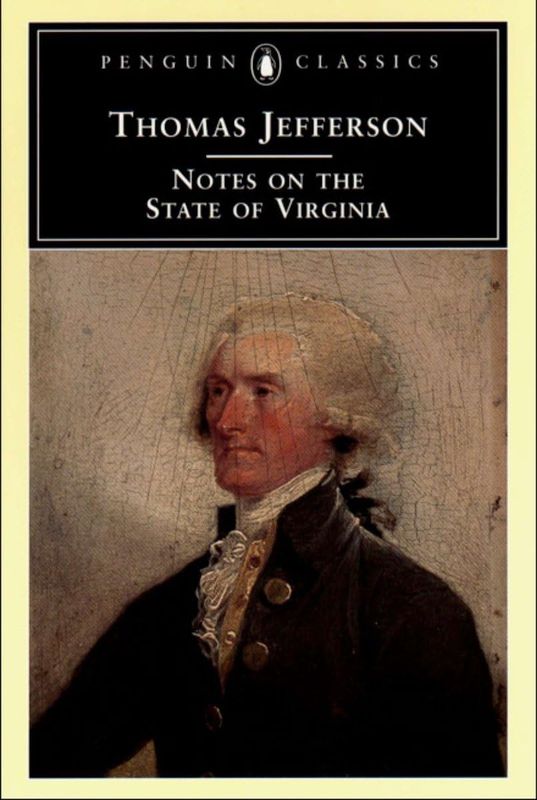
Notes on the State of Virginia Book Summary
In 'Notes on the State of Virginia', Thomas Jefferson presents a profound exploration of the political, social, and environmental landscape of 18th-century Virginia. This work delves into Jefferson's thoughts on government, rights, and human nature, making it a foundational text in American political philosophy. His keen observations on the natural environment and its resources reveal a deep connection between land and liberty. With eloquence and insight, Jefferson raises probing questions about slavery and education that resonate to this day. This seminal work is not just a historical document but a treasure trove of ideas that challenge and inspire modern readers.
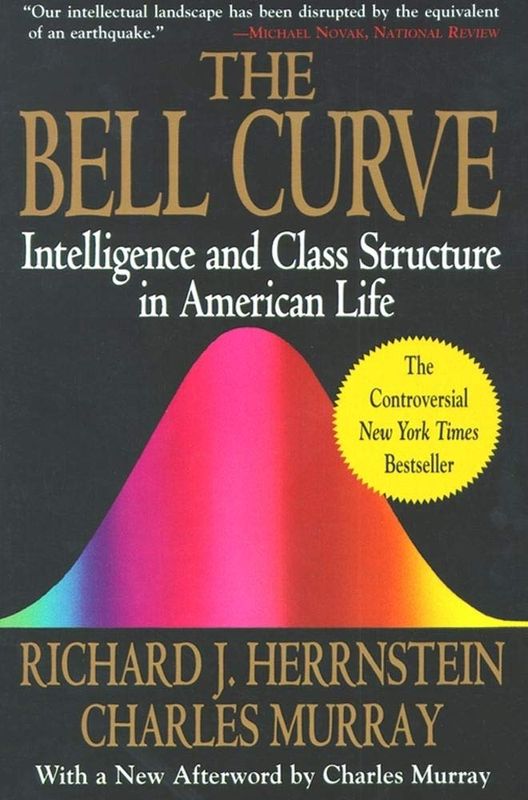
Bell Curve Book Summary
In 'Bell Curve,' psychologists Richard J. Herrnstein and Charles Murray provocatively explore the relationship between intelligence, social outcomes, and socioeconomic status. They argue that intelligence is a strong predictor of life success and the distribution of IQ in society mirrors a bell curve. The book raises controversial discussions about race, genetics, and educational policy, suggesting that cognitive ability can influence societal structure. While challenging the reader with its bold claims, it prompts us to question the implications of intelligence testing in today's world. Will it reshape our understanding of meritocracy, or reinforce harmful stereotypes?
Showing 8 of 24 similar books
Take your reading experience to the next level
Download our mobile app to enjoy your favorite books on the go. Get access to exclusive features, offline listening, and personalized recommendations.

Similar Book Recommendations →

Alex Honnold's Book Recommendations
Alex Honnold is an American professional rock climber, best known for his free solo ascent of El Capitan in Yosemite National Park, a feat that was documented in the Oscar-winning film Free Solo. Honnold is renowned for his mental toughness, technical skill, and ability to climb without ropes or safety equipment. His accomplishments have made him a legend in the climbing world, and he continues to push the boundaries of the sport. Outside of climbing, Honnold is a philanthropist, founding the Honnold Foundation, which supports environmental sustainability projects, particularly in solar energy.

Barack Obama's Book Recommendations
Barack Obama is the 44th President of the United States, serving from 2009 to 2017. As the first African American president, Obama’s leadership marked a historic moment in American history. His administration focused on healthcare reform, economic recovery from the Great Recession, and environmental policies. He is best known for the Affordable Care Act, as well as his efforts to expand civil rights and restore diplomatic relations with Cuba. Since leaving office, Obama has continued to engage in public life through his foundation, focusing on leadership development, civic engagement, and global issues.

Bill Gates's Book Recommendations
Bill Gates, co-founder of Microsoft Corporation, is a pioneering figure in the tech industry, having played a key role in the personal computer revolution. His work at Microsoft, particularly the development of Windows, transformed software and computing globally. Beyond his technology contributions, Gates is also a prolific author, with notable works such as "The Road Ahead" and "Business @ the Speed of Thought," which offer insights into the future of technology and business. Additionally, his philanthropic efforts through the Bill & Melinda Gates Foundation have had a profound impact on global health, education, and poverty. Gates continues to influence both technology and literature with his forward-thinking perspectives and innovative ideas.
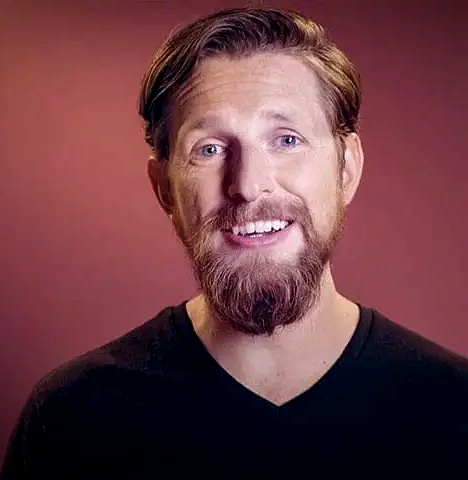
Matt Mullenweg's Book Recommendations
Matt Mullenweg is an influential American entrepreneur and web developer, best known for co-founding WordPress, the open-source software that powers over 40% of the web. Born in 1984 in Houston, Texas, Mullenweg's work has revolutionized digital publishing and democratized web content creation. As the CEO of Automattic, the parent company of WordPress.com, he has expanded the platform's reach and capabilities, fostering a vibrant community of developers and users. Mullenweg is also an advocate for open-source software and has contributed significantly to its proliferation and adoption. His impact on digital literature and publishing is profound, enabling countless individuals and organizations to share their voices online.

Brian Armstrong's Book Recommendations
Brian Armstrong is a renowned entrepreneur and author best known for co-founding and leading Coinbase, a major cryptocurrency exchange. His literary contributions include insightful writings on the future of digital currencies and blockchain technology. Armstrong's work has been pivotal in demystifying complex financial systems for a broader audience. Beyond his business acumen, his thought leadership in publications and public speaking engagements has cemented his status as a key voice in the fintech revolution. His dedication to innovation continues to influence the trajectory of global financial systems.

Mark Manson's Book Recommendations
Mark Manson is a best-selling author and personal development expert known for his candid and no-nonsense approach to self-help. His most notable work, "The Subtle Art of Not Giving a F*ck," has sold millions of copies worldwide and has been translated into numerous languages, resonating with readers for its practical advice and irreverent tone. Manson followed up with another successful book, "Everything Is F*cked: A Book About Hope," which further cemented his reputation as a thought leader in modern existentialism. In addition to his books, he runs a popular blog that delves into topics ranging from happiness to personal growth. His work has not only transformed the self-help genre but also influenced a global audience seeking authentic and actionable guidance.

Earthling Ed's Book Recommendations
Earthling Ed, whose real name is Ed Winters, is a prominent British animal rights activist, author, and public speaker. Known for his compelling advocacy, he co-founded Surge, a non-profit organization dedicated to ending animal exploitation. Ed's literary contributions include his influential book "This is Vegan Propaganda: (And Other Lies the Meat Industry Tells You)," which challenges the ethics of animal agriculture and promotes veganism. He is also known for his educational outreach, engaging in debates and discussions to raise awareness about animal rights. Through his work, Earthling Ed has become a leading voice in the global vegan movement.
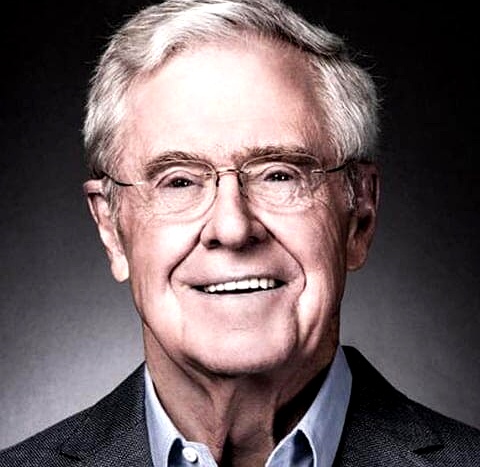
Charles Koch's Book Recommendations
Charles Koch is an American businessman and philanthropist, best known as the Chairman and CEO of Koch Industries, one of the largest privately held companies in the world. Beyond his business acumen, Koch has made significant contributions to literature, particularly in the field of economics and management. His book "The Science of Success" outlines his philosophy of Market-Based Management, a framework for business success that has influenced many entrepreneurs. Additionally, his co-authored work "Good Profit" delves into creating value for society through principled entrepreneurship. Koch's writings emphasize the importance of innovation, free markets, and a principled approach to business.
Showing 8 of 14 related collections
“Caring is not just an act, but a way of understanding our interconnections in the fabric of society, inviting us to reflect on whom we owe our attention and how we can reshape our world through compassion.”
Who Cares?
By Joan C. Tronto
Frequently Asked Questions
Explore Our Catalogue
Discover a world of knowledge through our extensive collection of book summaries.
Genres
Genres
Genres
Featured Collections
- Top Book Club Picks
- One-Stop Nutrition
- Summer Reads 2024
- Best Beach Reads 2024
- Work-Life Balance Guide
- Time Management
- Healthy Foods
- Entrepreneur Toolkit
- Mind & Body Wellness
- Future Tech Insights
- Leadership Essentials
- Financial Freedom
- Sci-Fi Masterpieces
- Parenting 101
- Books That Became Blockbusters
- Guide to a Healthy Pregnancy