Who Rules the World? Book Summary
In 'Who Rules the World?', Noam Chomsky delves into the intricate web of power dynamics shaping global politics. He challenges the dominant narratives perpetuated by governments and media, exposing the underlying interests that manipulate policy and public perception. The book scrutinizes the consequences of imperialism, economic inequality, and militarism on everyday lives worldwide. Chomsky's incisive arguments compel readers to question authority and engage with the complexities of contemporary issues. Prepare for a thought-provoking journey that reveals the stark realities behind who wields true power in our world.
By Noam Chomsky
Published: 2017
"The greatest threat to a just and peaceful world is the concentration of power in the hands of the few, who shape the narratives and lives of the many."


Start Listening to Book Summary
Book Review of Who Rules the World?
A New York Times Bestseller With a New Afterword The world’s leading intellectual offers a probing examination of the nature of U.S. policies post-9/11, and the perils of valuing power above democracy and human rights. In an incisive, thorough analysis of the current international situation, Noam Chomsky examines the way that the United States, despite the rise of Europe and Asia, still largely sets the terms of global discourse. Drawing on a wide range of examples, from the sordid history of U.S. involvement with Cuba to the sanctions on Iran, he details how America’s rhetoric of freedom and human rights so often diverges from its actions. He delves deep into the conflicts in Iraq, Afghanistan, and Israel-Palestine, providing unexpected and nuanced insights into the workings of imperial power on our increasingly chaotic planet. And, in a new afterword, he addresses the election of Donald Trump and what it shows about American society. Fierce, unsparing, and meticulously documented, Who Rules the World? delivers the indispensable understanding of the central issues of our time that we have come to expect from Chomsky. An American Empire Project
Book Overview of Who Rules the World?
About the Book Author
Noam Chomsky
Noam Chomsky is a world-renowned linguist, philosopher, cognitive scientist, historian, and social critic. Born on December 7, 1928, he has profoundly impacted multiple fields, particularly with his theory of transformational-generative grammar, which revolutionized modern linguistics. Chomsky's notable works include "Syntactic Structures," "Aspects of the Theory of Syntax," and "Language and Mind," as well as influential political texts like "Manufacturing Consent" and "Hegemony or Survival." His writing style is characterized by clarity, precision, and a commitment to addressing complex ideas in an accessible manner, often interweaving profound theoretical insights with a critical analysis of societal issues.
Book Details
Key information about the book.
- Authors
- Noam Chomsky
- Published
- May 2017
- Publisher
- Picador
- ISBN
- 1250131081
- Language
- English
- Pages
- N/A
- Genres
- Social Justice MovementsGlobal ConflictPolitical PhilosophyPolitics and Current Affairs
Purchase Options
 Buy on Amazon
 Buy via BookShop
Support local bookstores: BookShop gives a portion of each sale to independent bookshops!
Similar books you might like →
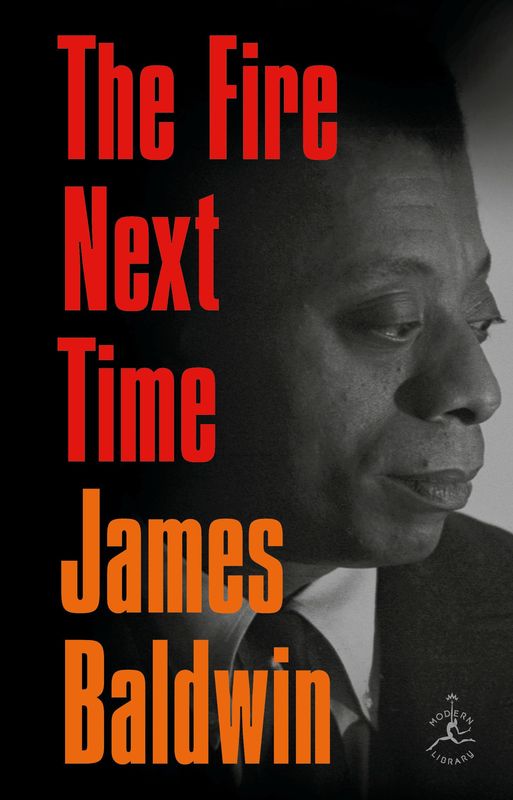
The Fire Next Time Book Summary
In "The Fire Next Time," James Baldwin delivers a hauntingly powerful exploration of race, religion, and identity in America. Through two eloquent letters, he reflects on his experiences as a Black man and contemplates the deep-seated injustices that persist in society. With raw honesty, Baldwin challenges not just the systemic racism that engulfs his country, but also the moral implications of faith and love in the face of oppression. As he grapples with the future of race relations, he forewarns of an impending reckoning—one that could ignite a transformative fire. Prepare to be captivated by Baldwin's lyrical prose and profound insights that remain strikingly relevant today.
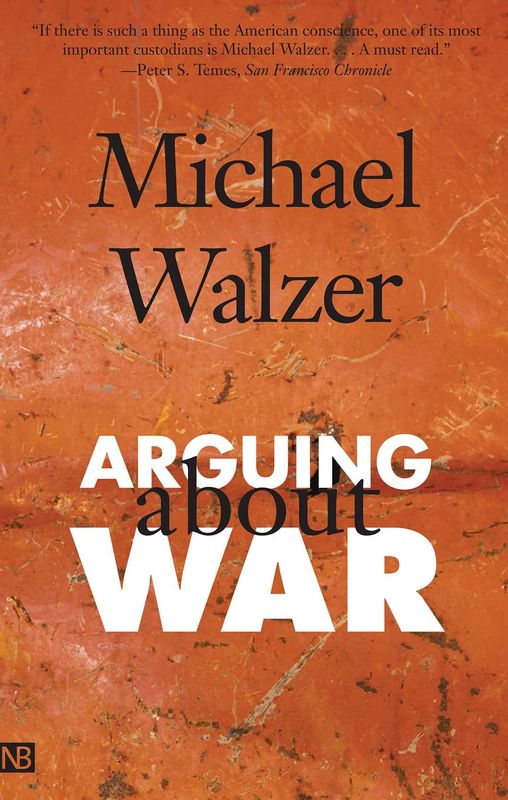
Arguing about War Book Summary
In 'Arguing about War,' Michael Walzer delves into the ethical complexities surrounding conflict and warfare, challenging traditional justifications for war. Through thought-provoking analysis and compelling historical examples, he questions whether moral principles can truly be upheld in the chaos of battle. Walzer invites readers to ponder the weight of political responsibility and the consequences of intervention. His exploration of just war theory ignites debate on the morality of military action, making us confront uncomfortable truths about human nature. Engage with this critical discourse and discover how morality and war intersect in ways that will reshape your understanding of global conflicts.
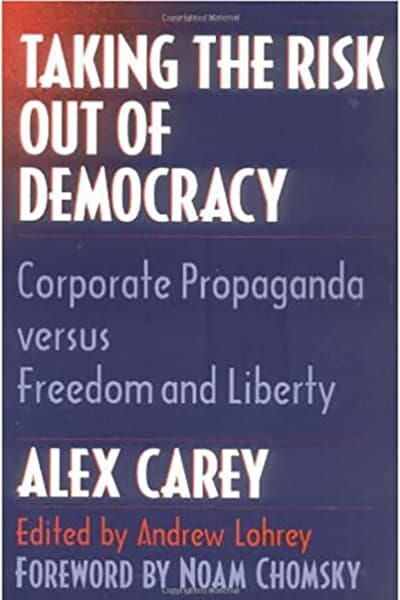
Taking the Risk Out of Democracy Book Summary
In 'Taking the Risk Out of Democracy', Alex Carey unveils the hidden forces that threaten democratic principles in contemporary society. He explores the interplay between corporate interests and political power, revealing how disinformation and manipulation are wielded to influence public opinion. Carey provides compelling insights into the history of propaganda and its role in shaping modern democracies. Through a critical lens, he warns of the fragility of democratic systems and the necessity of informed citizenry. This thought-provoking exploration invites readers to reflect on the vital importance of safeguarding democracy in an ever-evolving landscape.
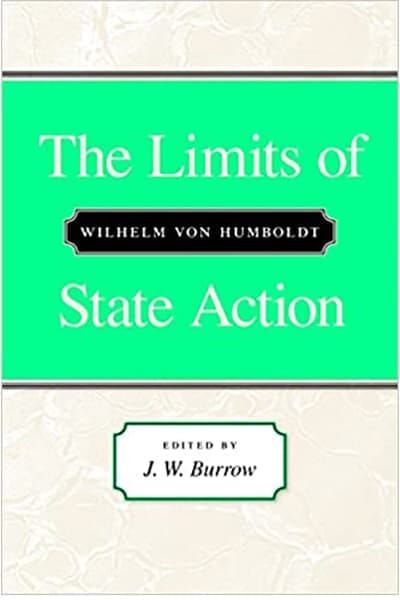
The Limits of State Action Book Summary
In 'The Limits of State Action', Wilhelm von Humboldt challenges the conventional role of government in individual lives, arguing for the primacy of personal freedom and self-development. He articulates a vision of a society where the state should limit its intervention, allowing individuals to flourish in their pursuits. Humboldt's philosophy emphasizes the importance of diverse experiences and the cultivation of individuality, inviting readers to rethink their views on authority and autonomy. With a blend of political philosophy and humanistic ideals, this work remains a profound exploration of the tension between freedom and governance. Dive in to discover how his insights resonate in today's debates about state overreach and personal liberty.
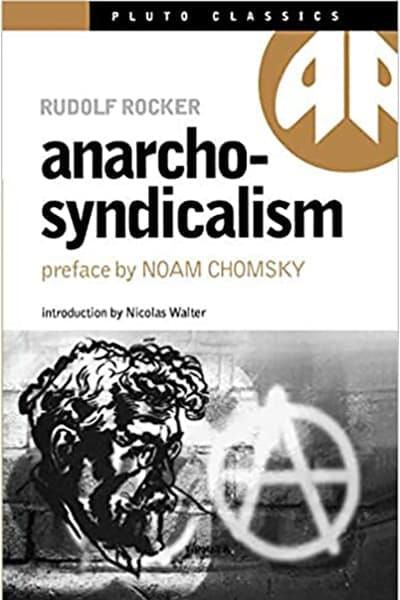
Anarcho-Syndicalism Book Summary
In 'Anarcho-Syndicalism', Rudolf Rocker presents a compelling vision of a society rooted in workers' self-management and direct action. He critiques capitalism and the state, advocating for a revolutionary movement that empowers labor. Rocker explores the historical context and theoretical foundations of anarcho-syndicalism, revealing its potential to challenge oppression and inequality. With a passionate call to arms, he inspires readers to envision a world where solidarity and cooperation thrive. This thought-provoking work invites you to reconsider the dynamics of power and the role of organized labor in shaping a just society.

The Age Of Terror Book Summary
In 'The Age of Terror,' Strobe Talbott and Nayan Chanda explore the evolving landscape of global conflict in the post-9/11 era. The authors delve into how terrorism has reshaped international relations and domestic policies, urging readers to reassess their understanding of security and freedom. With gripping anecdotes and comprehensive analysis, the book unveils the intricate web connecting political power, societal fears, and the relentless threat of terror. As they expose the complex motivations behind terrorist actions, Talbott and Chanda challenge the notion of strict dichotomies between good and evil. This thought-provoking work leaves readers pondering: How do we navigate a world rife with uncertainty and shadows of violence?
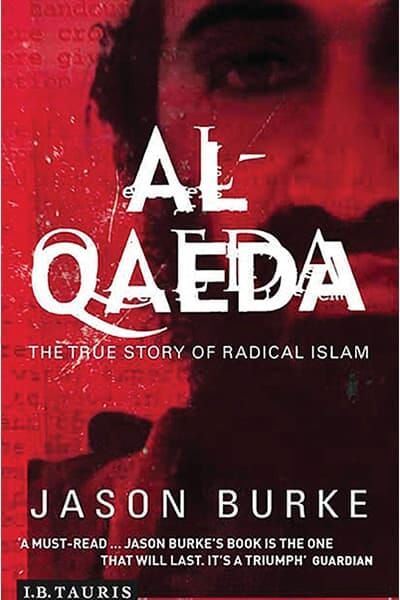
Al-Qaeda Book Summary
Dive into Jason Burke's 'Al-Qaeda,' a riveting exploration of the origins and evolution of one of the world's most notorious terrorist organizations. Burke peels back the layers of myth and reality, revealing the intricate web of political, social, and ideological factors that shaped Al-Qaeda's rise. With firsthand accounts and deep analysis, he takes readers on a journey through the heart of the global jihadist movement. This book challenges perceptions and delivers a thought-provoking narrative that is both enlightening and chilling. Are you ready to confront the complex truths behind the headlines?

Race Matters, 25th Anniversary Book Summary
In 'Race Matters, 25th Anniversary,' Cornel West boldly confronts the complexities of race and racism in America through a compelling lens of philosophy, culture, and politics. He critiques the failures of societal institutions to address racial injustice while emphasizing the need for a moral and ethical awakening. West's poignant essays resonate with urgent relevance, sparking a critical dialogue on the intersection of race, class, and power. His fiery prose and compelling argumentation challenge readers to grapple with uncomfortable truths about identity and inequality. This anniversary edition invigorates the discussion with new insights, making it a vital read for anyone looking to understand the enduring impact of race on American life.
Showing 8 of 26 similar books
Take your reading experience to the next level
Download our mobile app to enjoy your favorite books on the go. Get access to exclusive features, offline listening, and personalized recommendations.

Similar Book Recommendations →
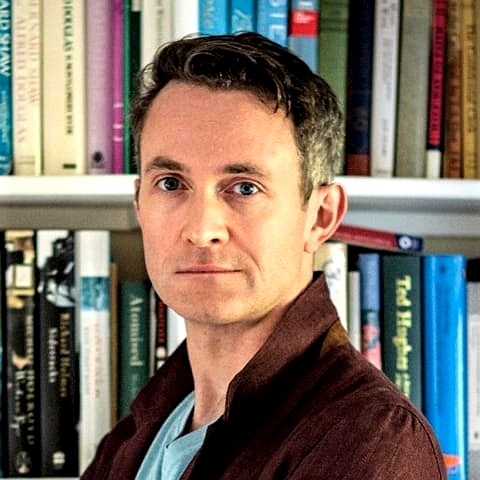
Douglas Murray's Book Recommendations
Douglas Murray is a renowned British author, journalist, and political commentator known for his incisive works on contemporary political and social issues. He gained significant acclaim with his book "The Strange Death of Europe: Immigration, Identity, Islam," which critically examines the impact of mass migration and cultural change in Europe. Murray is also the author of "The Madness of Crowds: Gender, Race and Identity," where he explores the complexities and consequences of identity politics. As an associate editor at The Spectator, he regularly contributes thought-provoking articles on global affairs and cultural debates. His eloquent and often controversial perspectives have made him a prominent voice in modern discourse.
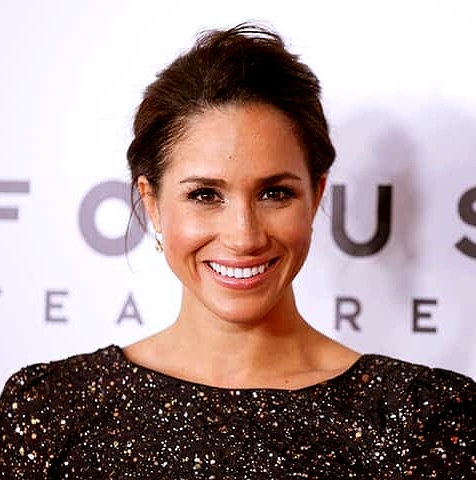
Meghan Markle's Book Recommendations
Meghan Markle, Duchess of Sussex, is an American actress, humanitarian, and author known for her role as Rachel Zane on the television series "Suits." After marrying Prince Harry in 2018, she became a prominent figure in the British royal family and an advocate for social justice and women's rights. In 2021, she published her first children's book, "The Bench," which explores the bond between fathers and sons through a mother's eyes. Markle's literary work reflects her commitment to storytelling and her passion for fostering empathy and understanding. Beyond literature, she co-founded the Archewell Foundation with Prince Harry to promote compassion and well-being globally.

Alexandria Ocasio-Cortez's Book Recommendations
Alexandria Ocasio-Cortez, also known as AOC, is a U.S. Congresswoman representing New York's 14th district. She gained national attention after winning her seat in 2018 at the age of 29, making her one of the youngest women ever elected to Congress. Ocasio-Cortez is known for her progressive policies, advocating for issues such as Medicare for All, climate change action, and economic justice. She has become a prominent figure within the Democratic Party and uses social media to engage with constituents and the public. Her rise from grassroots activism to Congress has inspired many young people to get involved in politics.
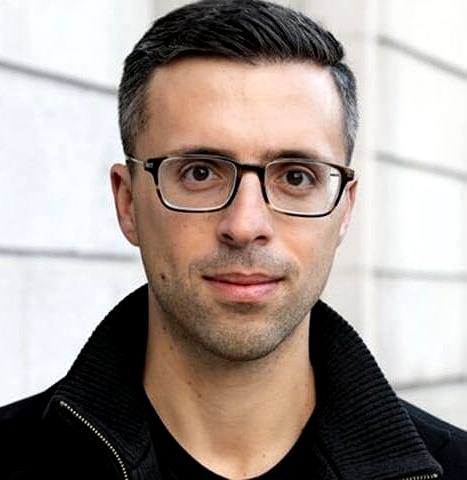
Ezra Klein's Book Recommendations
Ezra Klein is a prominent American journalist, political analyst, and author, renowned for his incisive commentary on politics and policy. He co-founded Vox, a widely respected news website known for its explanatory journalism, and served as its editor-in-chief. Klein's work includes the critically acclaimed book "Why We're Polarized," which delves into the deep-seated divisions in American politics. He also hosts "The Ezra Klein Show," a popular podcast where he interviews thought leaders from various fields. Klein's contributions have significantly shaped contemporary political discourse and media consumption.
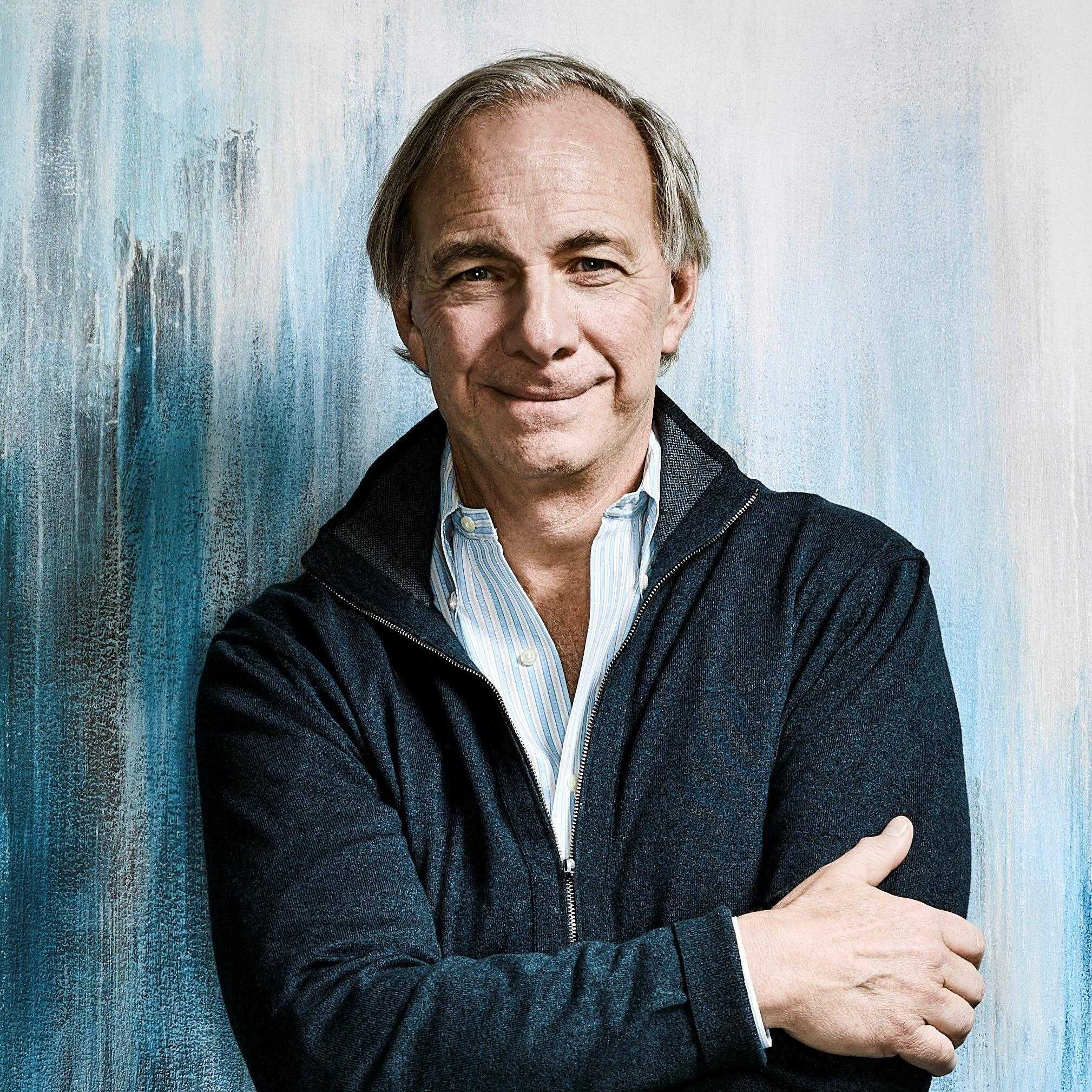
Ray Dalio's Book Recommendations
Ray Dalio is the founder of Bridgewater Associates, one of the largest and most successful hedge funds in the world. He is also the author of the bestselling book Principles, where he outlines his philosophy on life, leadership, and investing. Ray is renowned for his unique approach to transparency, radical truth, and thoughtful disagreement within organizations. His insights into economics and investing have made him one of the most influential figures in the financial world. Dalio continues to be a thought leader in business, economics, and philanthropy.

Patrick Collison's Book Recommendations
Patrick Collison is an Irish entrepreneur and co-founder of Stripe, a global technology company that enables businesses to accept online payments. Along with his brother John, Patrick has transformed Stripe into one of the most valuable private tech companies in the world. Stripe’s innovative approach to online payments has made it a key player in the financial technology space. Collison is known for his deep interest in science, technology, and policy, often engaging in conversations about innovation, progress, and how to improve societal outcomes. He is an advocate for scientific advancement and the intersection of technology and public policy.
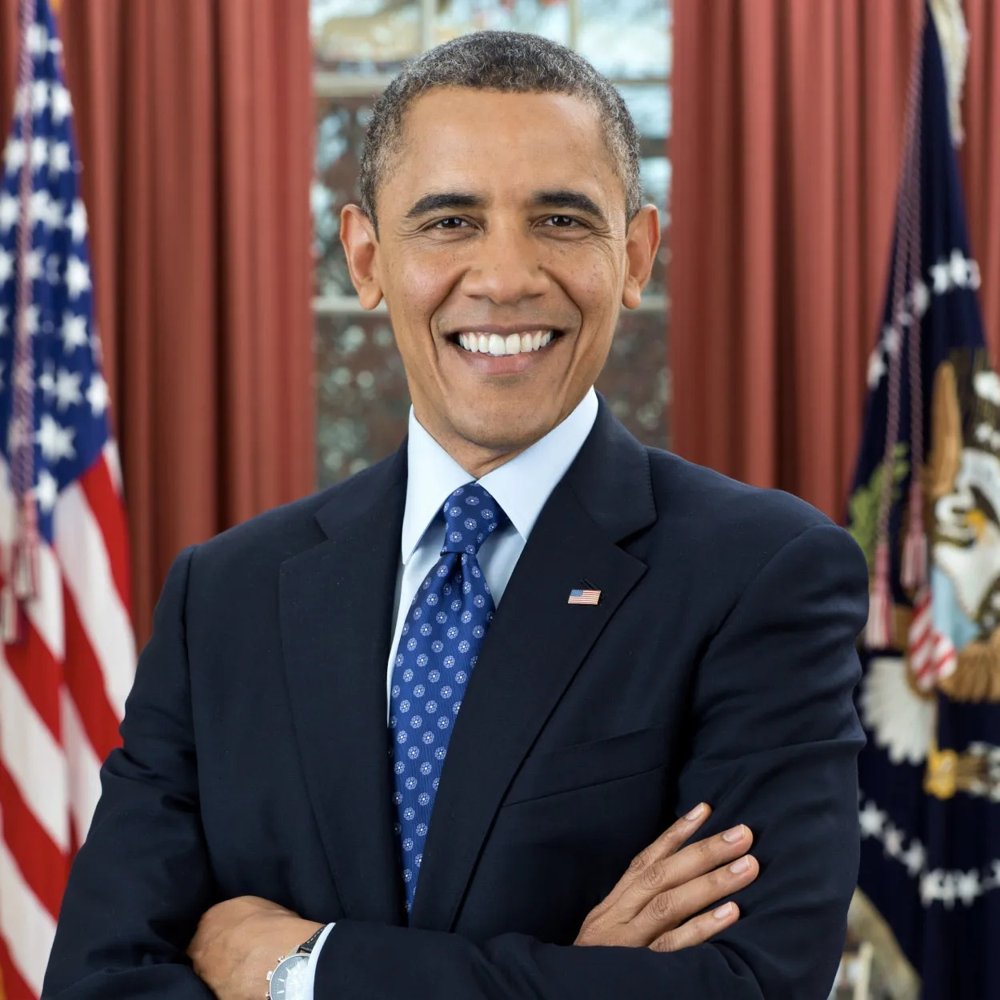
Barack Obama's Book Recommendations
Barack Obama is the 44th President of the United States, serving from 2009 to 2017. As the first African American president, Obama’s leadership marked a historic moment in American history. His administration focused on healthcare reform, economic recovery from the Great Recession, and environmental policies. He is best known for the Affordable Care Act, as well as his efforts to expand civil rights and restore diplomatic relations with Cuba. Since leaving office, Obama has continued to engage in public life through his foundation, focusing on leadership development, civic engagement, and global issues.

Aaron Levie's Book Recommendations
Aaron Levie is the co-founder and CEO of Box, a cloud content management platform that revolutionized how businesses manage and collaborate on content. He launched Box in 2005 while still a college student, and the company rapidly grew into a leader in the cloud storage industry. Levie is known for his innovative, forward-thinking approach to enterprise software and for pushing the boundaries of digital transformation. Under his leadership, Box went public in 2015 and continues to evolve with new technologies and partnerships. He is a strong advocate for cloud-first business strategies and frequently shares his insights on the future of work and the digital workplace. Levie is also a prolific speaker and writer, often discussing technology's role in the modern economy. His energetic and witty personality has made him a popular figure in Silicon Valley and beyond.
Showing 8 of 19 related collections
“The greatest threat to a just and peaceful world is the concentration of power in the hands of the few, who shape the narratives and lives of the many.”
Who Rules the World?
By Noam Chomsky
Frequently Asked Questions
Explore Our Catalogue
Discover a world of knowledge through our extensive collection of book summaries.
Genres
Genres
Genres
Featured Collections
- Top Book Club Picks
- One-Stop Nutrition
- Summer Reads 2024
- Best Beach Reads 2024
- Work-Life Balance Guide
- Time Management
- Healthy Foods
- Entrepreneur Toolkit
- Mind & Body Wellness
- Future Tech Insights
- Leadership Essentials
- Financial Freedom
- Sci-Fi Masterpieces
- Parenting 101
- Books That Became Blockbusters
- Guide to a Healthy Pregnancy