Why Buddhism is True Book Summary
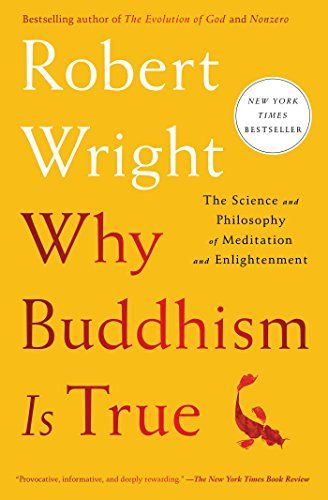
In 'Why Buddhism is True', Robert Wright explores the intersections of modern psychology and ancient Buddhist philosophy, revealing how mindfulness can enhance our understanding of reality. He delves into the science of the mind, explaining why our thoughts often deceive us and how Buddhism offers a remedy. Through engaging anecdotes and thought-provoking insights, Wright demonstrates that the principles of Buddhism can lead to a more fulfilling life. He challenges readers to rethink their beliefs and consider the benefits of a Buddhist approach to pain and suffering. Will you discover the truth that can liberate your mind?
By Robert Wright
Published: 2018
"The mind is a story-telling machine, and our beliefs are products of narratives we construct to make sense of the world."

Start Listening to Book Summary
Book Review of Why Buddhism is True
From one of America’s most brilliant writers, a New York Times bestselling journey through psychology, philosophy, and lots of meditation to show how Buddhism holds the key to moral clarity and enduring happiness. At the heart of Buddhism is a simple claim: The reason we suffer—and the reason we make other people suffer—is that we don’t see the world clearly. At the heart of Buddhist meditative practice is a radical promise: We can learn to see the world, including ourselves, more clearly and so gain a deep and morally valid happiness. In this “sublime” (The New Yorker), pathbreaking book, Robert Wright shows how taking this promise seriously can change your life—how it can loosen the grip of anxiety, regret, and hatred, and how it can deepen your appreciation of beauty and of other people. He also shows why this transformation works, drawing on the latest in neuroscience and psychology, and armed with an acute understanding of human evolution. This book is the culmination of a personal journey that began with Wright’s landmark book on evolutionary psychology, The Moral Animal, and deepened as he immersed himself in meditative practice and conversed with some of the world’s most skilled meditators. The result is a story that is “provocative, informative and...deeply rewarding” (The New York Times Book Review), and as entertaining as it is illuminating. Written with the wit, clarity, and grace for which Wright is famous, Why Buddhism Is True lays the foundation for a spiritual life in a secular age and shows how, in a time of technological distraction and social division, we can save ourselves from ourselves, both as individuals and as a species.
Book Overview of Why Buddhism is True
About the Book Author
Robert Wright
Robert Wright is a renowned American author, journalist, and lecturer known for his insightful exploration of the intersection of science, philosophy, and religion. He has penned several notable works, including 'The Moral Animal,' 'Nonzero: The Logic of Human Destiny,' and 'Why Buddhism is True.' His writing style is characterized by a clear and engaging prose that skillfully blends narrative storytelling with complex ideas from evolutionary psychology and game theory. Wright's ability to distill intricate concepts into accessible language has garnered him a wide readership and established him as a leading voice in contemporary thought.
Book Details
Key information about the book.
- Authors
- Robert Wright
- Published
- May 2018
- Publisher
- Simon & Schuster
- ISBN
- 1439195463
- Language
- English
- Pages
- N/A
- Genres
- Cognitive PsychologyMeditation and MindfulnessPsychologySpirituality and Religion
Purchase Options
 Buy on Amazon
 Buy via BookShop
Support local bookstores: BookShop gives a portion of each sale to independent bookshops!
Similar books you might like →
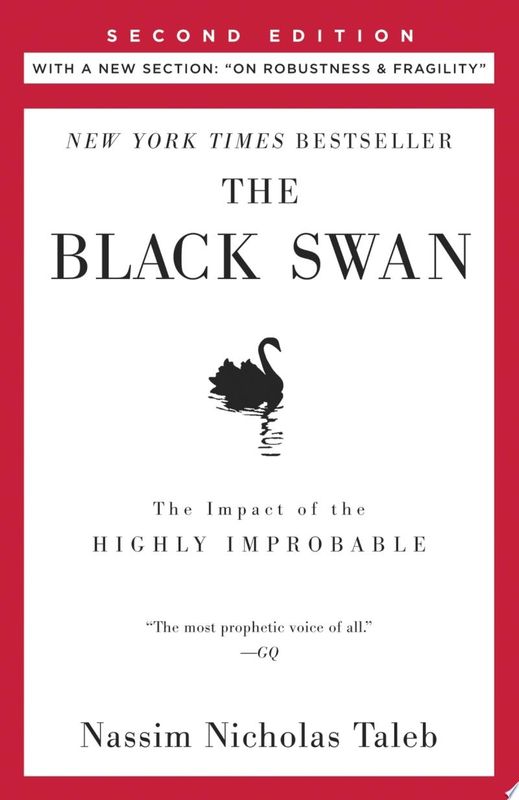
The Black Swan: Second Edition Book Summary
In "The Black Swan," Nassim Nicholas Taleb explores the profound impact of rare and unpredictable events—those seemingly impossible occurrences that shape our world in transformative ways. He challenges conventional thinking, revealing how humans consistently underestimate uncertainty and overvalue what we can predict. Through compelling anecdotes and thought-provoking insights, Taleb illustrates how we can prepare for the unexpected rather than just cling to past experiences. The book urges readers to embrace randomness and rethink the frameworks we use to navigate life’s complexities. Will you recognize your own blind spots before the next Black Swan strikes?
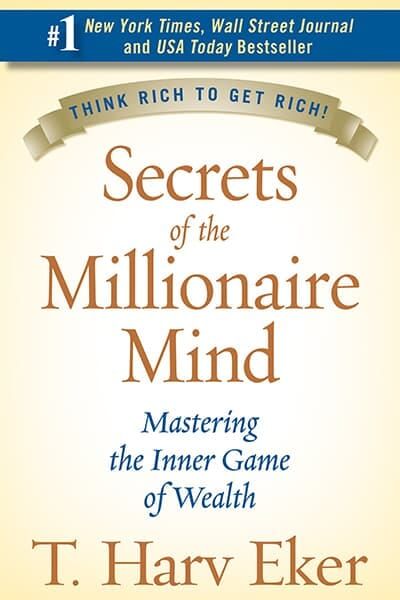
Secrets of the Millionaire Mind Book Summary
In "Secrets of the Millionaire Mind," T. Harv Eker reveals the hidden beliefs and mental patterns that differentiate the wealthy from the rest. Through captivating anecdotes and practical exercises, he guides readers to uncover and reshape their financial blueprint for success. Eker emphasizes that wealth isn't just about money—it’s a mindset that can be cultivated. As readers dive into the book, they'll discover the transformative power of their thoughts and attitudes toward wealth. Ready to unlock your potential and change your financial destiny?

Caring for Your Baby and Young Child Book Summary
Caring for Your Baby and Young Child is an essential parenting guide that equips parents with the knowledge to nurture their little ones from infancy through age five. This comprehensive resource combines expert advice with practical tips, addressing everything from developmental milestones to health concerns. With a focus on fostering a secure and loving environment, it delves into the nuances of baby care, sleep routines, and early childhood education. Each chapter reveals insights that empower parents to make informed decisions for their child's well-being. Discover the secrets to raising a happy, healthy child—are you ready to embark on this transformative journey?
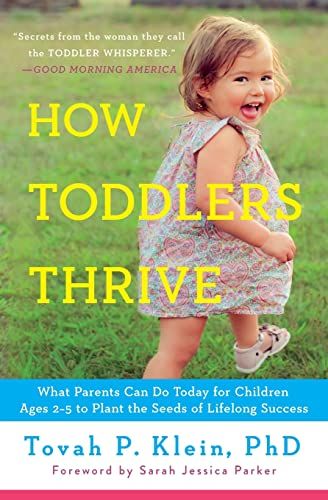
How Toddlers Thrive Book Summary
In "How Toddlers Thrive," authors Tovah P. Klein and Dan Peters unravel the astonishing ways toddlers develop and learn during their early years. Through captivating insights and scientific research, they emphasize the significance of a nurturing environment and the role of playful exploration in a child’s growth. The book challenges conventional parenting methods, offering innovative strategies to foster emotional resilience and creativity in young children. With relatable anecdotes and practical advice, it lights the path towards understanding the unique world of toddlers. Dive into this enlightening read to discover how small giants shape their futures!
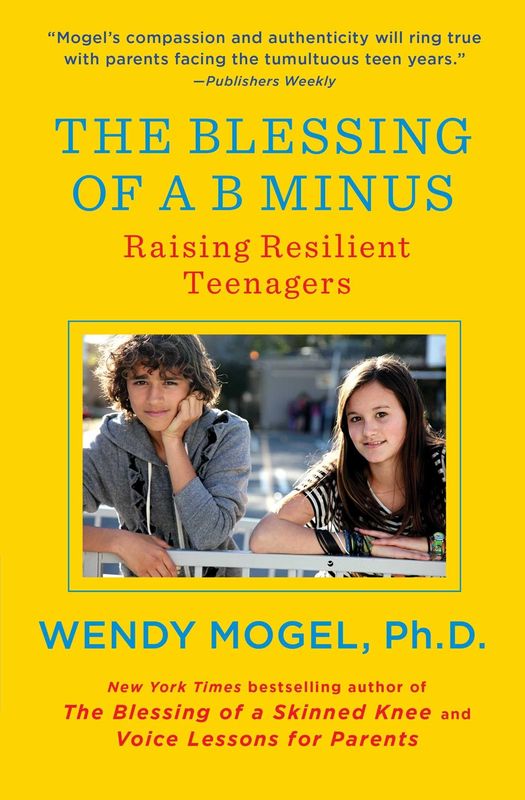
The Blessing of a B Minus Book Summary
In "The Blessings of a B Minus," Erin Gruwell, a passionate educator, challenges the conventional notion of success through grades. Instead of perfection, she champions the value of resilience and learning from failures in the classroom and beyond. As her students navigate their tumultuous lives, they discover that imperfection can be a powerful teacher. Gruwell's authentic stories reveal how embracing vulnerability can lead to profound personal growth and deeper connections. This compelling exploration inspires readers to reconsider their own standards and find beauty in the journey rather than just the destination.
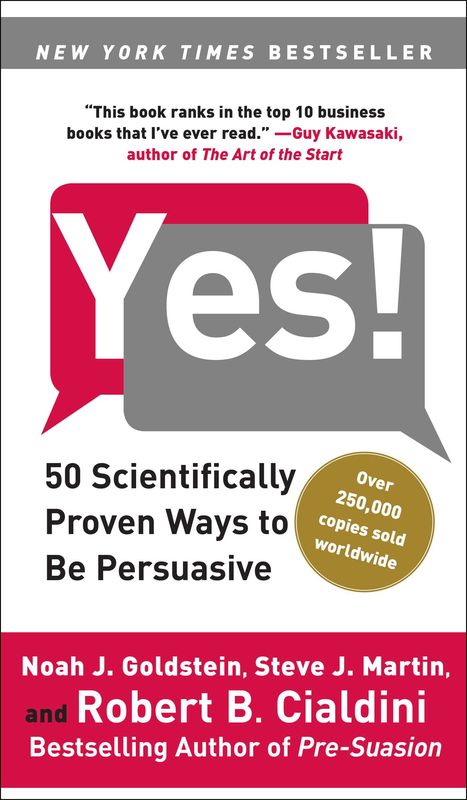
Yes! Book Summary
In 'Yes!', Noah J. Goldstein, Steve J. Martin, and Robert Cialdini unveil the art of persuasion through compelling research and real-world examples. The authors explore the psychological principles that drive our decisions and how small changes can lead to big impacts on compliance. Each chapter unpacks powerful strategies that can help you become more influential in everyday interactions. Are you ready to discover the hidden forces that can turn a 'no' into a 'yes'? Dive in to unlock the secrets of effective persuasion and transform your communication skills!
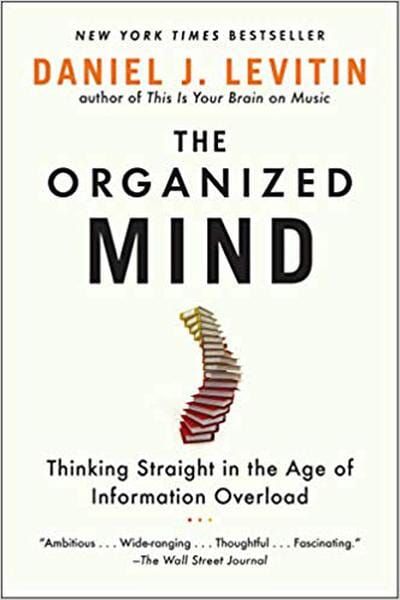
The Organized Mind Book Summary
In 'The Organized Mind,' Daniel J. Levitin delves into the neuroscience behind how we think, remember, and organize information in an increasingly chaotic world. He reveals strategies for managing our mental workload and enhancing productivity, making the case that our brains, while powerful, are not equipped for the modern information overload. Discover the science of attention and decision-making, as Levitin shares insights on structuring our environments to help us thrive. This book is not just a guide for organization; it’s a fascinating exploration of how our minds work. What secrets of cognitive functioning could transform your daily life?

The Politics of Health Policy Book Summary
In 'The Politics of Health Policy,' Vicente Navarro delves into the intricate relationship between politics and health systems, revealing how power dynamics shape public health outcomes. With a critical lens, he exposes the ideological battles that influence policy-making, highlighting the inequities that arise from these conflicts. Readers will discover the hidden agendas behind health policies and the impact of socioeconomic factors on health access and quality. Navarro's compelling arguments challenge conventional wisdom, urging a reevaluation of what constitutes health and well-being. This thought-provoking work is essential for understanding the intersection of politics and health in the modern world.
Showing 8 of 26 similar books
Take your reading experience to the next level
Download our mobile app to enjoy your favorite books on the go. Get access to exclusive features, offline listening, and personalized recommendations.

Similar Book Recommendations →

Adam Robinson's Book Recommendations
Adam Robinson is a distinguished author, financial advisor, and co-founder of the Princeton Review, which revolutionized the test preparation industry. He is renowned for his best-selling book "Cracking the SAT," which has guided countless students to achieve higher scores. Robinson's expertise extends beyond education into financial markets, where he is a respected global macro advisor. His contributions to literature and finance have earned him a reputation as a thought leader and innovator. Continually sought after for his insights, Robinson remains a pivotal figure in both the educational and financial sectors.
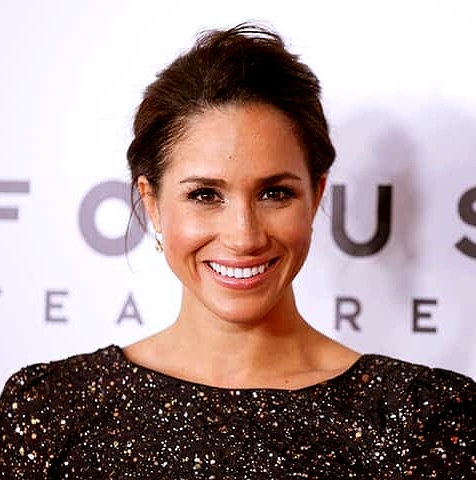
Meghan Markle's Book Recommendations
Meghan Markle, Duchess of Sussex, is an American actress, humanitarian, and author known for her role as Rachel Zane on the television series "Suits." After marrying Prince Harry in 2018, she became a prominent figure in the British royal family and an advocate for social justice and women's rights. In 2021, she published her first children's book, "The Bench," which explores the bond between fathers and sons through a mother's eyes. Markle's literary work reflects her commitment to storytelling and her passion for fostering empathy and understanding. Beyond literature, she co-founded the Archewell Foundation with Prince Harry to promote compassion and well-being globally.
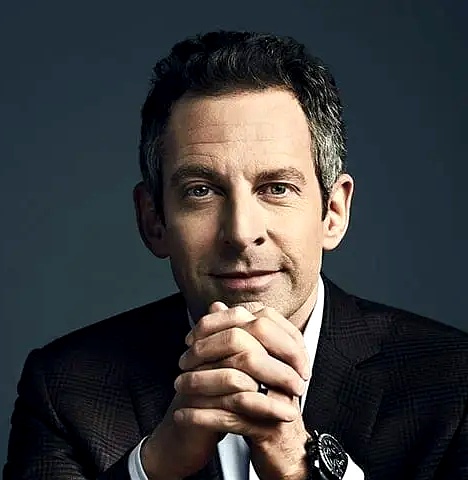
Sam Harris's Book Recommendations
Sam Harris is an American neuroscientist, philosopher, author, and host of the Making Sense podcast, where he explores topics related to science, religion, politics, and philosophy. Harris is known for his advocacy of secularism and rational thinking, and his books, including The End of Faith and Waking Up, have been best-sellers. He is also a meditation teacher, offering guidance on mindfulness and spirituality through his Waking Up app. Harris’s work often focuses on the intersection of science and ethics, and he is a prominent figure in debates about free will, consciousness, and moral philosophy.

Hamilton Morris's Book Recommendations
Hamilton Morris is an American journalist, documentarian, and chemist renowned for his extensive work on psychoactive substances. He is best known for his series "Hamilton's Pharmacopeia," which explores the history, chemistry, and cultural impact of various psychoactive drugs. Morris has contributed significantly to the literature on ethnopharmacology, providing in-depth research and firsthand accounts that have enriched public understanding of these substances. His writings and documentaries have been featured in prominent publications such as Vice, Harper's Magazine, and National Geographic. An advocate for scientific rigor and cultural sensitivity, Hamilton Morris continues to influence both the scientific community and popular discourse on psychoactive substances.
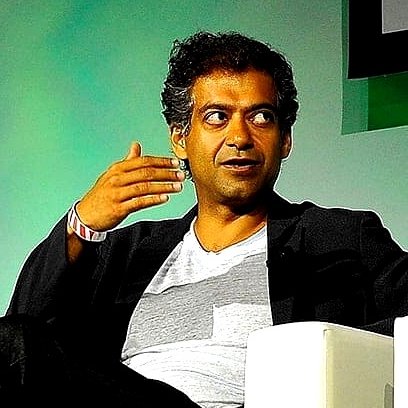
Naval Ravikant's Book Recommendations
Naval Ravikant is an entrepreneur, angel investor, and philosopher, best known as the co-founder of AngelList, a platform that connects startups with investors. Ravikant is a prolific thinker and writer on topics such as startups, investing, and personal well-being, sharing his wisdom through essays, podcasts, and social media. He has invested in over 100 companies, including Uber, Twitter, and Yammer, making him one of Silicon Valley’s most successful angel investors. Ravikant is also known for his philosophical musings on wealth, happiness, and the meaning of life, which have garnered him a large and dedicated following.

Joe Rogan's Book Recommendations
Joe Rogan is a multifaceted American entertainer known primarily for his work as a comedian, podcast host, and commentator. He gained widespread recognition through his immensely popular podcast, "The Joe Rogan Experience," which has featured in-depth conversations with a diverse array of guests, including scientists, celebrities, and politicians. Though not primarily known for literature, Rogan has contributed to the field with his thought-provoking discussions that often explore philosophical and intellectual ideas. Additionally, he has authored the book "Mastering the Rubber Guard," which delves into Brazilian Jiu-Jitsu techniques, showcasing his expertise in martial arts. Rogan's influence extends beyond traditional media, impacting contemporary discourse through his unique blend of humor, curiosity, and critical thinking.

Ray Dalio's Book Recommendations
Ray Dalio is the founder of Bridgewater Associates, one of the largest and most successful hedge funds in the world. He is also the author of the bestselling book Principles, where he outlines his philosophy on life, leadership, and investing. Ray is renowned for his unique approach to transparency, radical truth, and thoughtful disagreement within organizations. His insights into economics and investing have made him one of the most influential figures in the financial world. Dalio continues to be a thought leader in business, economics, and philanthropy.

Barack Obama's Book Recommendations
Barack Obama is the 44th President of the United States, serving from 2009 to 2017. As the first African American president, Obama’s leadership marked a historic moment in American history. His administration focused on healthcare reform, economic recovery from the Great Recession, and environmental policies. He is best known for the Affordable Care Act, as well as his efforts to expand civil rights and restore diplomatic relations with Cuba. Since leaving office, Obama has continued to engage in public life through his foundation, focusing on leadership development, civic engagement, and global issues.
Showing 8 of 21 related collections
“The mind is a story-telling machine, and our beliefs are products of narratives we construct to make sense of the world.”
Why Buddhism is True
By Robert Wright
Frequently Asked Questions
Explore Our Catalogue
Discover a world of knowledge through our extensive collection of book summaries.
Genres
Genres
Genres
Featured Collections
- Top Book Club Picks
- One-Stop Nutrition
- Summer Reads 2024
- Best Beach Reads 2024
- Work-Life Balance Guide
- Time Management
- Healthy Foods
- Entrepreneur Toolkit
- Mind & Body Wellness
- Future Tech Insights
- Leadership Essentials
- Financial Freedom
- Sci-Fi Masterpieces
- Parenting 101
- Books That Became Blockbusters
- Guide to a Healthy Pregnancy