A History of World Agriculture Book Summary
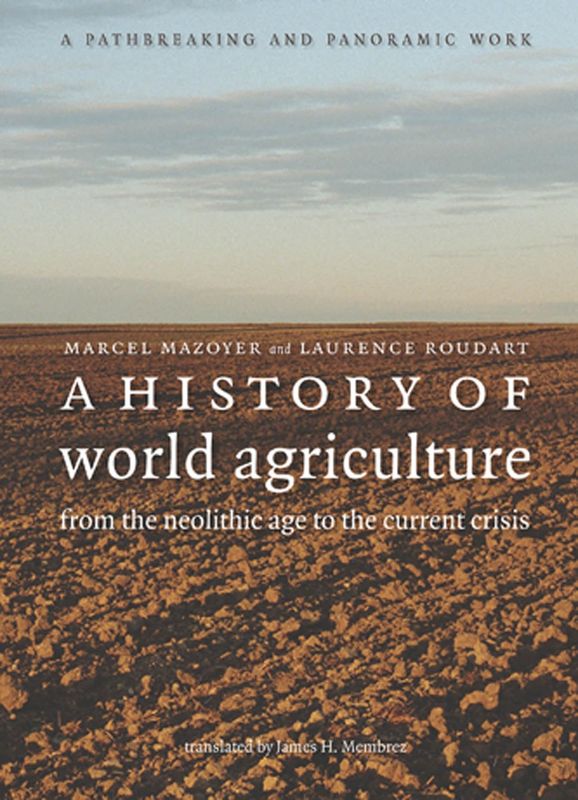
Delve into the fascinating evolution of agriculture as Marcel Mazoyer and Laurence Roudart take you on a journey through time in 'A History of World Agriculture'. This enlightening book uncovers the intricate relationship between agricultural practices and societal development across different civilizations. From ancient farming techniques to the modern agricultural revolution, discover how food production has shaped human history. Each chapter reveals surprising connections and the profound impact of agriculture on culture, economy, and the environment. Prepare to be intrigued by the untold stories that have fed nations and influenced the course of civilizations.
By Marcel Mazoyer, Laurence Roudart
Published: NaN
""Agriculture is not merely an economic activity; it is the foundation of civilizations, shaping societies, cultures, and the very fabric of human existence.""

Start Listening to Book Summary
Book Review of A History of World Agriculture
Only once we understand the long history of human efforts to draw sustenance from the land can we grasp the nature of the crisis that faces humankind today, as hundreds of millions of people are faced with famine or flight from the land. From Neolithic times through the earliest civilizations of the ancient Near East, in savannahs, river valleys and the terraces created by the Incas in the Andean mountains, an increasing range of agricultural techniques have developed in response to very different conditions. These developments are recounted in this book, with detailed attention to the ways in which plants, animals, soil, climate, and society have interacted. Mazoyer and Roudart’s A History of World Agriculture is a path-breaking and panoramic work, beginning with the emergence of agriculture after thousands of years in which human societies had depended on hunting and gathering, showing how agricultural techniques developed in the different regions of the world, and how this extraordinary wealth of knowledge, tradition and natural variety is endangered today by global capitialism, as it forces the unequal agrarian heritages of the world to conform to the norms of profit. During the twentieth century, mechanization, motorization and specialization have brought to a halt the pattern of cultural and environmental responses that characterized the global history of agriculture until then. Today a small number of corporations have the capacity to impose the farming methods on the planet that they find most profitable. Mazoyer and Roudart propose an alternative global strategy that can safegaurd the economies of the poor countries, reinvigorate the global economy, and create a livable future for mankind.
Book Overview of A History of World Agriculture
About the Book Authors
Marcel Mazoyer
Marcel Mazoyer is a distinguished author and agricultural economist known for his insightful writings on the intersection of agriculture and sustainable development. His notable works include "The World Food Crisis" and "Agricultural Systems: Agroecology and Rural Innovation for Development," where he explores the challenges of food security and the need for sustainable practices in farming. Mazoyer's writing style is characterized by a blend of academic rigor and accessibility, making complex subjects understandable to a wide audience. His contributions to the field have made him a respected voice in discussions about global food systems and environmental stewardship.
Laurence Roudart
Laurence Roudart is a celebrated author known for his captivating storytelling and profound exploration of human emotions. With a unique ability to blend literary finesse with accessible prose, he has garnered a diverse readership. Roudart's notable works include 'Whispers of the Past,' a poignant reflection on memory and loss, and 'Echoes of the Heart,' a gripping narrative that delves into the complexities of personal relationships. His writing is characterized by rich, vivid imagery and a deep psychological insight, making his novels not only engaging but also thought-provoking.
Book Details
Key information about the book.
- Authors
- Marcel Mazoyer, Laurence Roudart
- Published
- N/A
- Publisher
- NYU Press
- ISBN
- 1583671218
- Language
- English
- Pages
- 528
- Genres
- HistoryCultural History
Purchase Options
 Buy on Amazon
 Buy via BookShop
Support local bookstores: BookShop gives a portion of each sale to independent bookshops!
Similar books you might like →
Sapiens Book Summary
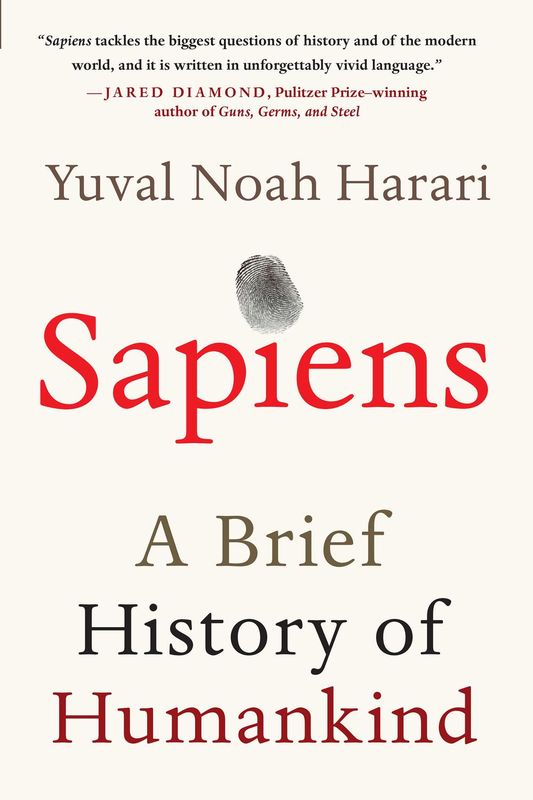
In "Sapiens: A Brief History of Humankind," Yuval Noah Harari takes readers on an exhilarating journey through the evolution of our species, from the dawn of Homo sapiens to the complexities of the modern world. He explores pivotal moments like the Cognitive Revolution that sparked human imagination, the Agricultural Revolution that reshaped societies, and the Scientific Revolution that propelled unprecedented advances. As Harari delves into the interplay of biology, culture, and history, he challenges our understanding of what it means to be human. This thought-provoking narrative raises crucial questions about our future in an age dominated by technology and artificial intelligence. Prepare to rethink humanity’s past and speculate about its fate—are we the architects of our destiny?

Guns, Germs, and Steel: The Fates of Human Societies (20th Anniversary Edition) Book Summary
In "Guns, Germs, and Steel," Jared Diamond embarks on a captivating exploration of the forces that shaped human civilization. He argues that geographic and environmental factors, rather than inherent differences among peoples, were pivotal in determining the fates of societies. Through a gripping narrative, Diamond unveils how the spread of agriculture, the domestication of animals, and the availability of resources laid the groundwork for conquest and colonialism. Readers are challenged to reconsider history's most significant events through the lens of ecology and evolution. This thought-provoking masterpiece invites you to question what truly drives societal power across civilizations.

Guns, Germs, and Steel Book Summary
In 'Guns, Germs, and Steel,' Jared Diamond investigates the factors that have shaped human societies over the last 13,000 years. He argues that environmental differences, rather than racial genetics, have been the primary drivers of inequality among civilizations. The book explores how agriculture, technology, and disease have influenced the rise and fall of empires. Through compelling narratives and insightful analysis, Diamond uncovers the unexpected connections between geography and history. Readers are left questioning the very foundations of societal development and the future of humanity.

The Elements of Typographic Style Book Summary
No summary available

Security Analysis: Sixth Edition, Foreword by Warren Buffett Book Summary
In 'Security Analysis,' Benjamin Graham and David Dodd unveil the timeless principles of value investing that have guided astute investors for decades. This sixth edition, with a foreword by Warren Buffett, emphasizes the importance of thorough financial analysis and prudent decision-making. Readers will discover powerful techniques to evaluate stocks and bonds through a deep understanding of intrinsic value and market psychology. Graham and Dodd's insights challenge conventional wisdom, encouraging a disciplined approach to investing. Whether you're a novice or a seasoned investor, this seminal work promises to revolutionize your financial strategy.
A History of Economic Theory Book Summary
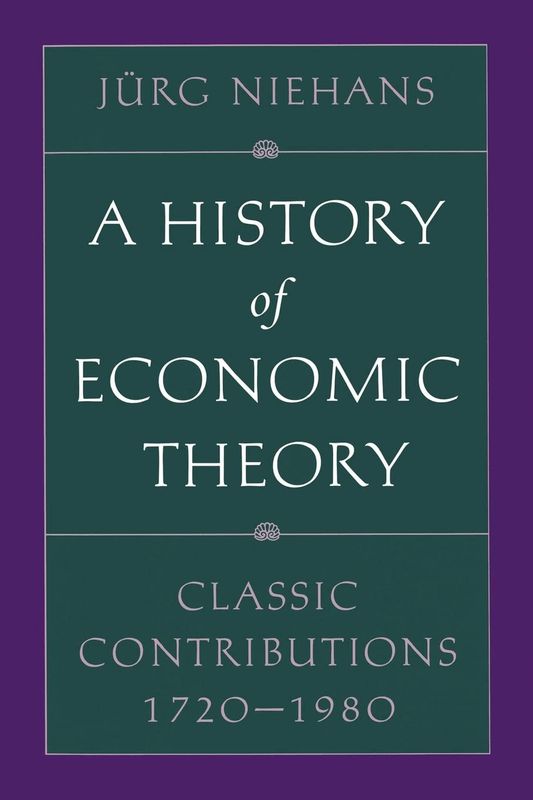
In 'A History of Economic Theory', Jürg Niehans takes readers on a captivating journey through the evolution of economic thought. From ancient philosophies to contemporary paradigms, the book unravels how ideas have shaped economic practices across cultures and eras. With each chapter, Niehans reveals the intellectual battles and breakthroughs that have defined the discipline. Rich in historical context, this work challenges readers to consider the relevance of past theories in today's economy. Dive into this scholarly adventure and discover how the past continually influences our understanding of wealth and value.

1421: The Year China Discovered The World Book Summary
In '1421: The Year China Discovered The World,' Gavin Menzies presents a groundbreaking theory that suggests the Ming Dynasty launched a massive naval expedition that circumnavigated the globe long before Columbus. The narrative intertwines maritime exploration, historical intrigue, and compelling shipbuilding technologies, revealing a hidden chapter of world history. Menzies argues that these voyages led to encounters with distant lands, including America and Australia, fundamentally changing global trade and interaction. His thrilling investigation challenges long-held beliefs and ignites debate among historians about the true timeline of exploration. Are we ready to rethink the story of our past?
A History of God Book Summary
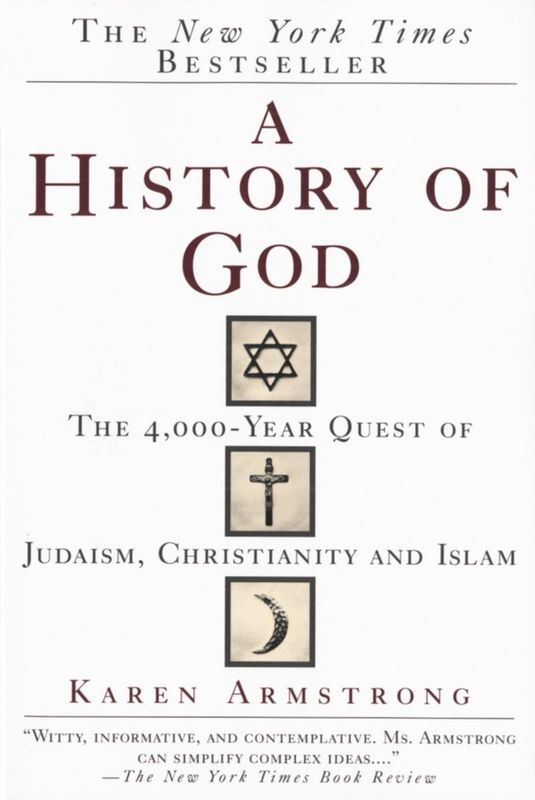
In 'A History of God', Karen Armstrong embarks on a fascinating journey through the evolution of the concept of God from ancient times to the modern era. She explores how various religions—Judaism, Christianity, and Islam—have shaped humanity's understanding of the divine, revealing the complexities and contradictions in these beliefs. Highlighting the influence of culture, politics, and philosophy, Armstrong invites readers to reconsider their perceptions of faith and spirituality. This thought-provoking narrative raises profound questions about the nature of belief and the future of religious thought. Are we on the brink of a new understanding of God, or are we simply repeating history?
Showing 8 of 29 similar books
Take your reading experience to the next level
Download our mobile app to enjoy your favorite books on the go. Get access to exclusive features, offline listening, and personalized recommendations.

Similar Book Recommendations →

Charlie Munger's Book Recommendations
Charlie Munger is an American investor, businessman, and philanthropist, best known as the vice chairman of Berkshire Hathaway, where he partners with Warren Buffett. Renowned for his insights on investment strategies and mental models, Munger has significantly influenced the world of finance. His notable literary contributions include "Poor Charlie's Almanack," a compilation of his speeches and writings that distill his wisdom on decision-making and business principles. Munger's work emphasizes the importance of multidisciplinary thinking and continuous learning. Beyond his financial acumen, he is celebrated for his charitable efforts, particularly in education and healthcare.

Anna Kendrick's Book Recommendations
Anna Kendrick is an acclaimed actress and author, best known for her versatile performances in film and theater. She gained widespread recognition for her role in the "Twilight" series and earned an Academy Award nomination for her performance in "Up in the Air." In 2016, Kendrick expanded her creative repertoire by publishing her memoir, "Scrappy Little Nobody," which offers a candid, humorous look at her life and career. The book became a New York Times bestseller, showcasing her sharp wit and storytelling talent. Kendrick continues to influence both the entertainment and literary worlds with her engaging presence and authentic voice.

Barack Obama's Book Recommendations
Barack Obama is the 44th President of the United States, serving from 2009 to 2017. As the first African American president, Obama’s leadership marked a historic moment in American history. His administration focused on healthcare reform, economic recovery from the Great Recession, and environmental policies. He is best known for the Affordable Care Act, as well as his efforts to expand civil rights and restore diplomatic relations with Cuba. Since leaving office, Obama has continued to engage in public life through his foundation, focusing on leadership development, civic engagement, and global issues.

Andrew Chen's Book Recommendations
Andrew Chen is a venture capitalist, entrepreneur, and thought leader in growth marketing, currently serving as a general partner at Andreessen Horowitz. Chen is known for his expertise in network effects, viral growth strategies, and marketplace dynamics, making him a sought-after advisor for startups looking to scale. Prior to joining Andreessen Horowitz, he worked in leadership roles at Uber, helping to grow the ride-sharing platform’s user base and develop key growth strategies. Chen is also a prolific writer, sharing his insights on growth, technology, and startups through his popular blog and newsletter, which has attracted a loyal following in the tech community. His work has helped shape how many startups approach user acquisition, retention, and product-market fit. As a venture capitalist, Chen focuses on early-stage companies in the consumer internet, SaaS, and marketplace sectors, and he has been involved in funding and advising several successful startups. His insights on technology and growth continue to influence both founders and investors alike.

Brad Feld's Book Recommendations
Brad Feld is a prominent American entrepreneur, venture capitalist, and author known for his influential work in the startup ecosystem. Co-founder of the Foundry Group, he has played a pivotal role in funding and mentoring early-stage technology companies. Feld is also a key figure behind the Techstars accelerator program, which has helped launch numerous successful startups. As an author, he has penned several essential books on entrepreneurship and venture capital, including "Venture Deals" and "Startup Communities," which provide invaluable insights for aspiring entrepreneurs and investors. His writings and active blogging have cemented his reputation as a thought leader in the tech and startup communities.

Ben Silbermann's Book Recommendations
Ben Silbermann is the co-founder and former CEO of Pinterest, the popular image-sharing and social media platform. Launched in 2010, Pinterest has grown into a global platform used by millions to discover and share ideas and inspiration. Silbermann’s background in product design and user experience helped shape Pinterest’s visually driven and user-friendly interface. He has stepped down as CEO but remains active in the company’s direction and strategy. His work has made him a significant figure in tech and social media innovation.

Aaron Rodgers's Book Recommendations
Aaron Rodgers is a renowned American football quarterback, widely recognized for his exceptional career with the Green Bay Packers in the NFL. Although his primary acclaim comes from sports, Rodgers has contributed to literature through insightful writings and interviews that offer a deep dive into the mindset of a professional athlete. His thoughtful perspectives on leadership, teamwork, and personal growth have resonated with readers beyond the sports community. Rodgers’ contributions have been featured in various sports and lifestyle publications, adding a unique voice to the literary world. His ability to articulate the nuances of his experiences has made him a respected figure in both athletic and literary circles.

Bill Gates's Book Recommendations
Bill Gates, co-founder of Microsoft Corporation, is a pioneering figure in the tech industry, having played a key role in the personal computer revolution. His work at Microsoft, particularly the development of Windows, transformed software and computing globally. Beyond his technology contributions, Gates is also a prolific author, with notable works such as "The Road Ahead" and "Business @ the Speed of Thought," which offer insights into the future of technology and business. Additionally, his philanthropic efforts through the Bill & Melinda Gates Foundation have had a profound impact on global health, education, and poverty. Gates continues to influence both technology and literature with his forward-thinking perspectives and innovative ideas.
Showing 8 of 15 related collections
“"Agriculture is not merely an economic activity; it is the foundation of civilizations, shaping societies, cultures, and the very fabric of human existence."”
A History of World Agriculture
By Marcel Mazoyer, Laurence Roudart
Frequently Asked Questions
Explore Our Catalogue
Discover a world of knowledge through our extensive collection of book summaries.
Genres
Genres
Genres
Featured Collections
- Top Book Club Picks
- One-Stop Nutrition
- Summer Reads 2024
- Best Beach Reads 2024
- Work-Life Balance Guide
- Time Management
- Healthy Foods
- Entrepreneur Toolkit
- Mind & Body Wellness
- Future Tech Insights
- Leadership Essentials
- Financial Freedom
- Sci-Fi Masterpieces
- Parenting 101
- Books That Became Blockbusters
- Guide to a Healthy Pregnancy