Guns, Germs, and Steel Book Summary
In 'Guns, Germs, and Steel,' Jared Diamond investigates the factors that have shaped human societies over the last 13,000 years. He argues that environmental differences, rather than racial genetics, have been the primary drivers of inequality among civilizations. The book explores how agriculture, technology, and disease have influenced the rise and fall of empires. Through compelling narratives and insightful analysis, Diamond uncovers the unexpected connections between geography and history. Readers are left questioning the very foundations of societal development and the future of humanity.
By Jared Diamond
Published: 2017
"History followed different courses for different peoples because of differences among their environments, not because of biological differences among the peoples themselves."


Start Listening to Book Summary
Book Review of Guns, Germs, and Steel
Winner of the Pulitzer Prize • New York Times Bestseller • Over Two Million Copies Sold “One of the most significant projects embarked upon by any intellectual of our generation” (Gregg Easterbrook, New York Times), Guns, Germs, and Steel presents a groundbreaking, unified narrative of human history. Why did Eurasians conquer, displace, or decimate Native Americans, Australians, and Africans, instead of the reverse? In this “artful, informative, and delightful” (William H. McNeill, New York Review of Books) book, a classic of our time, evolutionary biologist Jared Diamond dismantles racist theories of human history by revealing the environmental factors actually responsible for its broadest patterns. The story begins 13,000 years ago, when Stone Age hunter-gatherers constituted the entire human population. Around that time, the developmental paths of human societies on different continents began to diverge greatly. Early domestication of wild plants and animals in the Fertile Crescent, China, Mesoamerica, the Andes, and other areas gave peoples of those regions a head start at a new way of life. But the localized origins of farming and herding proved to be only part of the explanation for their differing fates. The unequal rates at which food production spread from those initial centers were influenced by other features of climate and geography, including the disparate sizes, locations, and even shapes of the continents. Only societies that moved away from the hunter-gatherer stage went on to develop writing, technology, government, and organized religions as well as deadly germs and potent weapons of war. It was those societies, adventuring on sea and land, that invaded others, decimating native inhabitants through slaughter and the spread of disease. A major landmark in our understanding of human societies, Guns, Germs, and Steel chronicles the way in which the modern world, and its inequalities, came to be.
Book Overview of Guns, Germs, and Steel
About the Book Author
Jared Diamond
Jared Diamond is an acclaimed American ecologist, evolutionary biologist, and author, best known for his Pulitzer Prize-winning book Guns, Germs, and Steel. Born on September 10, 1937, in Boston, Massachusetts, he has made significant contributions to understanding the interplay between environment and human societies. Diamond's work encompasses a wide range of disciplines, including geography, anthropology, and history, as he explores the factors that have shaped civilizations. In addition to his bestselling works, he has served as a professor of geography at UCLA for several decades. His thought-provoking ideas challenge conventional narratives about human development and the future of our planet.
Book Details
Key information about the book.
- Authors
- Jared Diamond
- Published
- March 2017
- Publisher
- National Geographic Books
- ISBN
- 0393354326
- Language
- English
- Pages
- N/A
- Genres
- Ancient HistoryHistoryWorld WarsCultural History
Purchase Options
 Buy on Amazon
 Buy via BookShop
Support local bookstores: BookShop gives a portion of each sale to independent bookshops!
Similar books you might like →
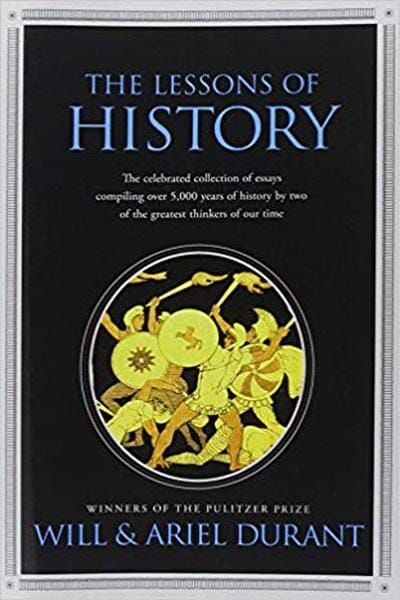
The Lessons of History Book Summary
In "The Lessons of History," Will and Ariel Durant distill the sweeping narrative of human civilization into profound insights that span cultures and epochs. They explore the recurring themes of war, economics, religion, and human nature that shape our collective journey. With razor-sharp clarity, the Durants argue that the past holds invaluable lessons that can guide our present and future decisions. What patterns emerge when we closely examine the ebb and flow of societies? This thought-provoking work invites readers to reflect on the intricacies of humanity's story and consider how we might navigate the path ahead.
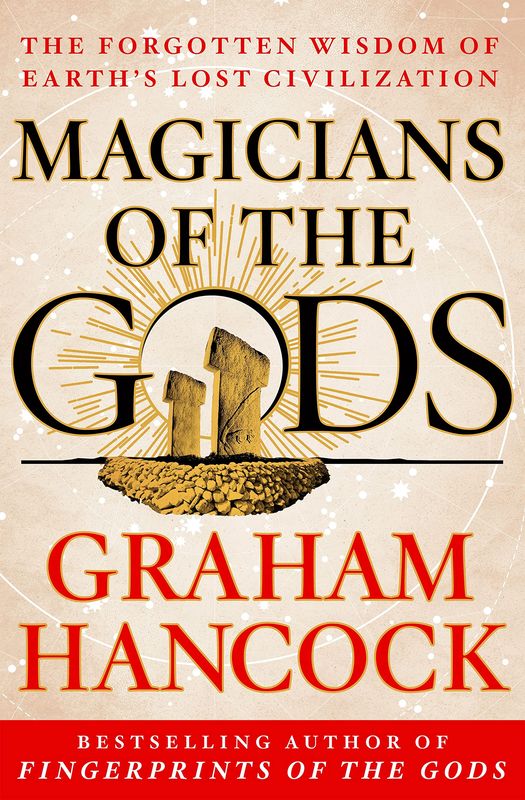
Magicians of the Gods Book Summary
In 'Magicians of the Gods,' Graham Hancock unveils a breathtaking exploration of ancient civilizations and their lost knowledge. Delving deep into archaeological mysteries, he challenges the conventional narratives of history, suggesting that advanced cultures existed long before recorded time. Hancock presents compelling evidence that our ancestors possessed a sophisticated understanding of cosmic forces and earth's secrets. Through captivating storytelling, he ardently argues that a global catastrophe may have wiped out these civilizations, sending humanity back to the Stone Age. This provocative journey invites readers to reconsider the foundations of our past and the tantalizing possibility of forgotten wisdom.
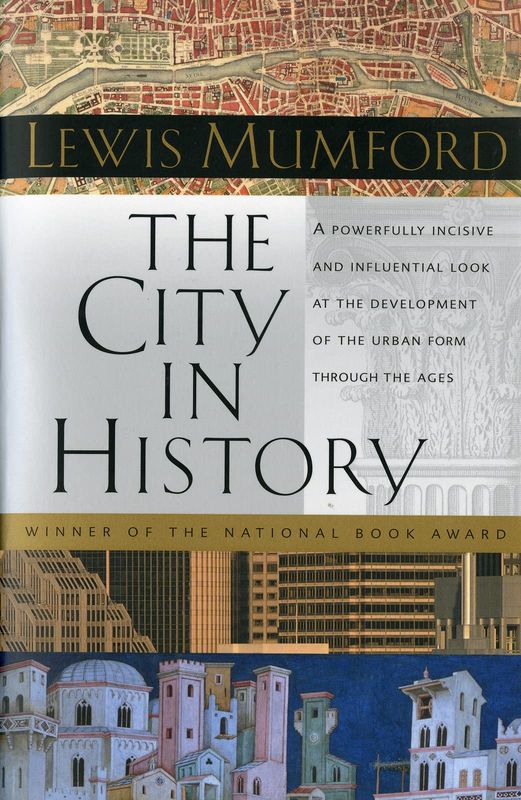
The City in History Book Summary
In 'The City in History,' Lewis Mumford explores the evolution of urban life from ancient times to the modern metropolis. He argues that cities are not just physical structures but reflections of human values and societal progress. Mumford delves into the interplay between architecture, technology, and culture, revealing how they shape the human experience. With incisive critiques and vivid historical examples, he presents a vision of the ideal city that promotes both individuality and community. This thought-provoking journey challenges readers to reconsider the role of cities in their own lives and the future of civilization.
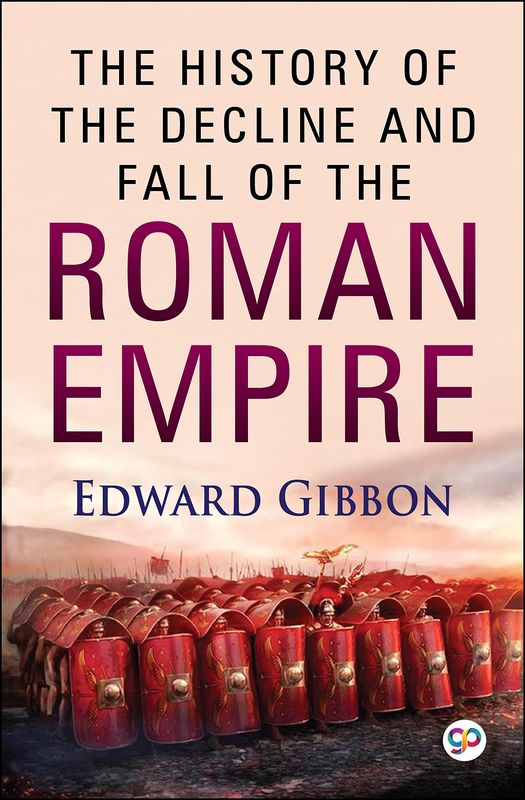
The History of the Decline & Fall of the Roman Empire Book Summary
In 'The History of the Decline & Fall of the Roman Empire,' Edward Gibbon meticulously chronicles the mighty empire's descent into chaos and obscurity. With eloquent prose, Gibbon unveils the interplay of political intrigue, moral decay, and military defeats that eroded Rome's power. His analysis does not merely recount events but delves into the philosophical implications of decline and the lessons for future societies. As empires rise and fall, engage with the timeless questions Gibbon poses about civilization itself. Dive into this monumental work to understand how history shapes our present and future.
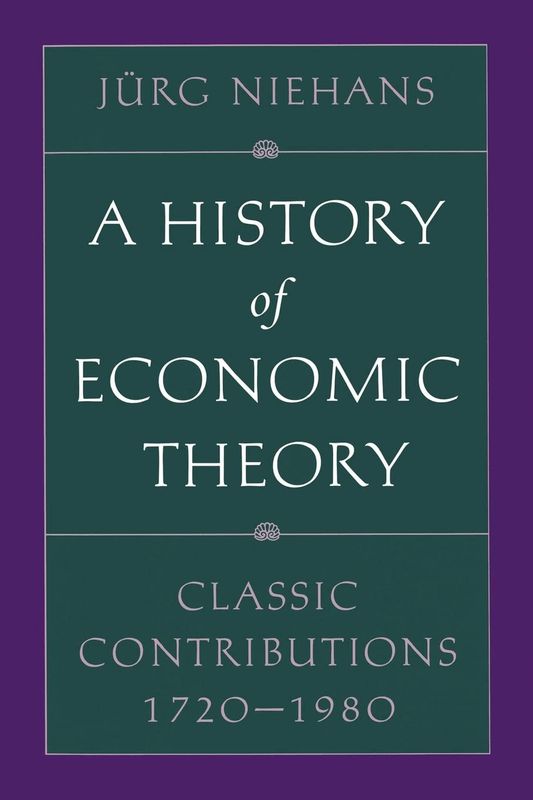
A History of Economic Theory Book Summary
In 'A History of Economic Theory', Jürg Niehans takes readers on a captivating journey through the evolution of economic thought. From ancient philosophies to contemporary paradigms, the book unravels how ideas have shaped economic practices across cultures and eras. With each chapter, Niehans reveals the intellectual battles and breakthroughs that have defined the discipline. Rich in historical context, this work challenges readers to consider the relevance of past theories in today's economy. Dive into this scholarly adventure and discover how the past continually influences our understanding of wealth and value.
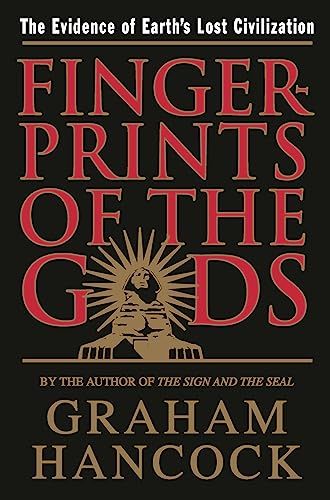
Fingerprints of the Gods Book Summary
In 'Fingerprints of the Gods', Graham Hancock embarks on a captivating journey to uncover humanity's forgotten past. He explores ancient civilizations and enigmatic archaeological discoveries that challenge conventional history. With the theory of a lost advanced civilization, Hancock weaves together evidence from myths, geology, and astronomy. Each page reveals shocking revelations that provoke questions about our origins and the cyclical nature of civilization. Prepare to rethink everything you thought you knew about human history!
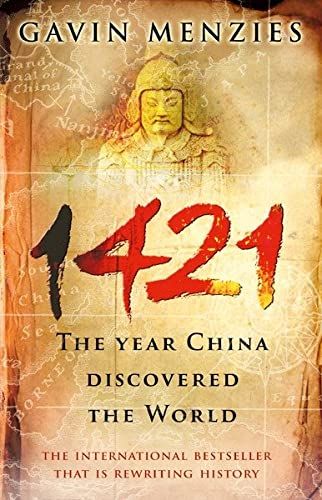
1421: The Year China Discovered The World Book Summary
In '1421: The Year China Discovered The World,' Gavin Menzies presents a groundbreaking theory that suggests the Ming Dynasty launched a massive naval expedition that circumnavigated the globe long before Columbus. The narrative intertwines maritime exploration, historical intrigue, and compelling shipbuilding technologies, revealing a hidden chapter of world history. Menzies argues that these voyages led to encounters with distant lands, including America and Australia, fundamentally changing global trade and interaction. His thrilling investigation challenges long-held beliefs and ignites debate among historians about the true timeline of exploration. Are we ready to rethink the story of our past?
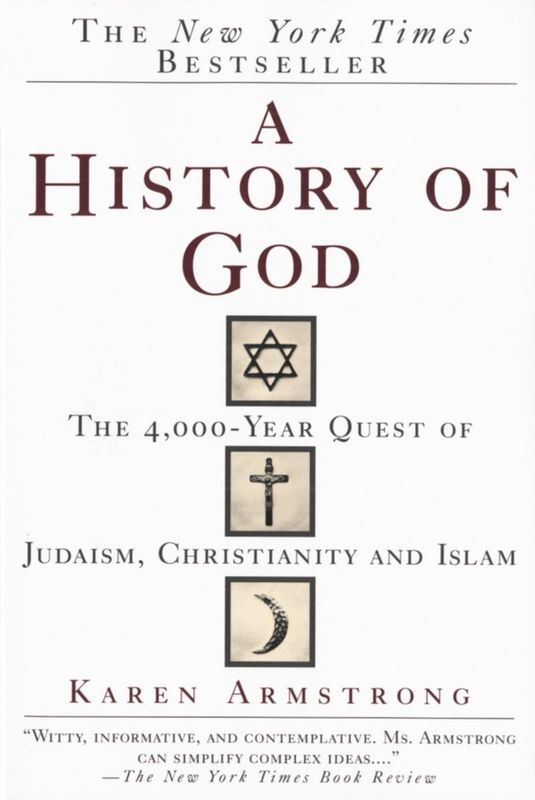
A History of God Book Summary
In 'A History of God', Karen Armstrong embarks on a fascinating journey through the evolution of the concept of God from ancient times to the modern era. She explores how various religions—Judaism, Christianity, and Islam—have shaped humanity's understanding of the divine, revealing the complexities and contradictions in these beliefs. Highlighting the influence of culture, politics, and philosophy, Armstrong invites readers to reconsider their perceptions of faith and spirituality. This thought-provoking narrative raises profound questions about the nature of belief and the future of religious thought. Are we on the brink of a new understanding of God, or are we simply repeating history?
Showing 8 of 30 similar books
Take your reading experience to the next level
Download our mobile app to enjoy your favorite books on the go. Get access to exclusive features, offline listening, and personalized recommendations.

Similar Book Recommendations →

Julian Shapiro's Book Recommendations
Julian Shapiro is a renowned writer and entrepreneur, acclaimed for his insightful essays on personal growth and marketing strategies. He is the author of "The Julian Shapiro Collection," a compilation of his most impactful writings that have garnered a wide readership online. Shapiro co-founded the growth marketing agency Bell Curve, where he has helped numerous startups achieve exponential growth. His work often blends practical advice with deep philosophical inquiries, making complex subjects accessible to a broad audience. Through his prolific writing and entrepreneurial ventures, Julian has become a key figure in the intersection of business and self-improvement literature.

Charlie Munger's Book Recommendations
Charlie Munger is an American investor, businessman, and philanthropist, best known as the vice chairman of Berkshire Hathaway, where he partners with Warren Buffett. Renowned for his insights on investment strategies and mental models, Munger has significantly influenced the world of finance. His notable literary contributions include "Poor Charlie's Almanack," a compilation of his speeches and writings that distill his wisdom on decision-making and business principles. Munger's work emphasizes the importance of multidisciplinary thinking and continuous learning. Beyond his financial acumen, he is celebrated for his charitable efforts, particularly in education and healthcare.

Morgan Housel's Book Recommendations
Morgan Housel is a financial writer and partner at The Collaborative Fund, best known for his book The Psychology of Money. His work explores the behavioral side of finance, emphasizing how emotions, history, and decision-making impact wealth-building. Housel’s writing is widely praised for being accessible, insightful, and engaging, making complex financial topics easier to understand. He contributes regularly to financial publications and speaks at conferences on the power of long-term thinking in finance. His book has become a modern classic in the personal finance genre.

Bridget Phetasy's Book Recommendations
Bridget Phetasy is a multi-talented writer, comedian, and podcaster known for her sharp wit and insightful commentary on contemporary culture and politics. She gained prominence through her work with Playboy, where her essays and columns attracted a wide readership. Bridget is the host of the popular podcast "Walk-Ins Welcome," where she engages in deep, humorous conversations with a variety of guests. Her candid and often provocative takes on societal issues have garnered her a loyal following on social media. Additionally, she created the satirical YouTube series "Dumpster Fire," where she humorously dissects current events.

Nassim Nicholas Taleb's Book Recommendations
Nassim Nicholas Taleb is a Lebanese-American author, scholar, and risk analyst, best known for his work on uncertainty, probability, and risk. His books, including The Black Swan and Antifragile, explore how rare and unpredictable events shape the world and how individuals and systems can become more resilient to shocks. Taleb’s insights on risk management have influenced fields ranging from finance to medicine, and he is known for his outspoken criticism of conventional wisdom. His ideas about randomness, decision-making, and the limitations of human knowledge have made him a leading thinker in modern economics and philosophy.

Lena Dunham's Book Recommendations
Lena Dunham is an acclaimed writer, director, and actress, best known for creating and starring in the HBO series "Girls," which garnered widespread critical acclaim and several awards, including two Golden Globes. In literature, she is the author of the bestselling memoir "Not That Kind of Girl: A Young Woman Tells You What She's 'Learned'," which offers candid insights into her life and experiences. Dunham has also contributed essays to various prominent publications, showcasing her distinctive voice and sharp wit. Her work often explores themes of feminism, identity, and the complexities of modern womanhood. Beyond her creative endeavors, Dunham is a vocal advocate for mental health awareness and women’s rights.

Daniel Ek's Book Recommendations
Daniel Ek is a Swedish entrepreneur and co-founder of Spotify, the world’s leading music streaming platform. Ek revolutionized the music industry by offering a legal, user-friendly alternative to piracy, and Spotify has since become the dominant player in the streaming market. Under his leadership, Spotify has expanded globally, offering access to millions of songs and podcasts while reshaping how artists distribute their work. Ek is known for his forward-thinking approach to technology and his commitment to evolving Spotify’s platform for both users and creators. He continues to lead Spotify as it explores new innovations in audio entertainment.

Elon Musk's Book Recommendations
Elon Musk is an influential entrepreneur and innovator known for founding and leading several groundbreaking companies, including Tesla, SpaceX, Neuralink, and The Boring Company. He has played a pivotal role in advancing electric vehicles, space exploration, and renewable energy. Musk's vision extends to colonizing Mars and reducing the risk of human extinction through space travel. In addition to his technological contributions, he has co-authored the book "Spacex: Making Commercial Spaceflight a Reality," providing insights into his ambitious projects and vision for the future. Musk's relentless pursuit of innovation continues to shape the trajectory of multiple industries.
Showing 8 of 16 related collections
“History followed different courses for different peoples because of differences among their environments, not because of biological differences among the peoples themselves.”
Guns, Germs, and Steel
By Jared Diamond
Frequently Asked Questions
Explore Our Catalogue
Discover a world of knowledge through our extensive collection of book summaries.
Genres
Genres
Genres
Featured Collections
- Top Book Club Picks
- One-Stop Nutrition
- Summer Reads 2024
- Best Beach Reads 2024
- Work-Life Balance Guide
- Time Management
- Healthy Foods
- Entrepreneur Toolkit
- Mind & Body Wellness
- Future Tech Insights
- Leadership Essentials
- Financial Freedom
- Sci-Fi Masterpieces
- Parenting 101
- Books That Became Blockbusters
- Guide to a Healthy Pregnancy