The Lessons of History Book Summary
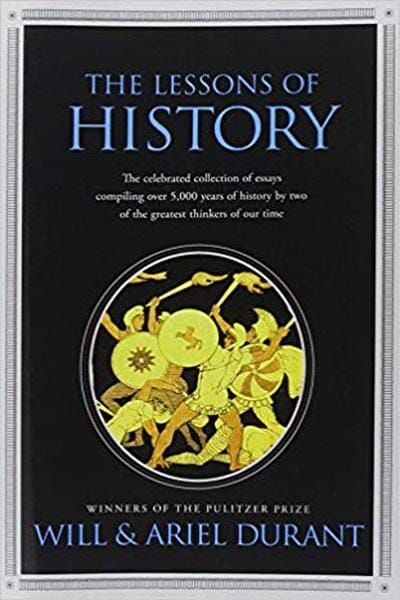
In "The Lessons of History," Will and Ariel Durant distill the sweeping narrative of human civilization into profound insights that span cultures and epochs. They explore the recurring themes of war, economics, religion, and human nature that shape our collective journey. With razor-sharp clarity, the Durants argue that the past holds invaluable lessons that can guide our present and future decisions. What patterns emerge when we closely examine the ebb and flow of societies? This thought-provoking work invites readers to reflect on the intricacies of humanity's story and consider how we might navigate the path ahead.
By Will Durant, Ariel Durant
Published: 2012
"The lessons of history are not only for the past; they are for understanding the present and preparing for the future."

Start Listening to Book Summary
Book Review of The Lessons of History
A concise survey of the culture and civilization of mankind, The Lessons of History is the result of a lifetime of research from Pulitzer Prize–winning historians Will and Ariel Durant. With their accessible compendium of philosophy and social progress, the Durants take us on a journey through history, exploring the possibilities and limitations of humanity over time. Juxtaposing the great lives, ideas, and accomplishments with cycles of war and conquest, the Durants reveal the towering themes of history and give meaning to our own.
Book Overview of The Lessons of History
About the Book Authors
Will Durant
Will Durant (1885-1981) was an esteemed American writer, historian, and philosopher, best known for his collaborative work with his wife, Ariel Durant, on the monumental series "The Story of Civilization." Spanning eleven volumes, this comprehensive history traces human development from ancient times to the 18th century, bringing a narrative clarity to complex subjects. Durant's writing style is characterized by its accessible prose, philosophical insights, and a focus on the interplay between history, culture, and human experience.
In addition to "The Story of Civilization," Durant authored significant works such as "The Story of Philosophy," which explores the ideas of major Western philosophers, and "The Lessons of History," co-written with Ariel, summarizing the insights gleaned from their historical studies. A proponent of holistic understanding, Durant emphasized the importance of understanding the past to navigate current and future challenges. His contributions have left a lasting impact on the field of popular history and philosophy, making complex subjects approachable for general readers.
Ariel Durant
Ariel Durant (1898-1981) was an acclaimed American writer and historian, best known for her collaboration with her husband, Will Durant, on the monumental work "The Story of Civilization." This influential series, published between 1935 and 1975, spans eleven volumes and provides a comprehensive overview of Western history, blending scholarly research with engaging narrative prose. Their writing is characterized by a clear and accessible style, which makes complex historical concepts approachable for a general audience.
In addition to their joint efforts, Ariel Durant authored several works independently, including "The Greatest Minds and Ideas of All Time" and "The Lessons of History," the latter co-written with Will Durant. Her contributions to literature and history have been recognized for their insightful analysis and ability to draw connections between historical events and contemporary thought. With a passion for making history relevant and enjoyable, Ariel Durant remains a significant figure in historical writing and education.
Book Details
Key information about the book.
- Authors
- Will Durant, Ariel Durant
- Published
- August 2012
- Publisher
- Simon and Schuster
- ISBN
- 1439170193
- Language
- English
- Pages
- 128
- Genres
- American HistoryHistoryWorld WarsPolitical HistoryCultural HistoryEuropean History
Purchase Options
 Buy on Amazon
 Buy via BookShop
Support local bookstores: BookShop gives a portion of each sale to independent bookshops!
Similar books you might like →

A Brief History of Time Book Summary
In "A Brief History of Time," Stephen Hawking takes readers on a captivating journey through the cosmos, exploring the nature of time, black holes, and the universe's beginnings. With stunning clarity, he unravels complex scientific concepts, inviting everyone—from curious laypersons to seasoned physicists—to ponder the mysteries of existence. Hawking's charismatic storytelling challenges our perceptions of reality and time itself, posing profound questions about the universe's fate. As he merges science with philosophy, the reader is compelled to reflect on their place in a vast, enigmatic cosmos. Prepare to be inspired and awed by a narrative that transcends mere facts, pushing the boundaries of human understanding.

Voices of a People's History of the United States, 10th Anniversary Edition Book Summary
In 'Voices of a People's History of the United States,' Howard Zinn and Anthony Arnove present a powerful anthology that amplifies the voices often silenced in mainstream narratives. This 10th Anniversary Edition delves into the stories of marginalized communities, offering a profound insight into the struggles and triumphs of the American populace. Featuring riveting accounts from laborers, activists, and everyday citizens, the book challenges conventional historical perspectives. Each narrative serves as a reminder of the resilience of the human spirit and the continuous fight for justice. Discover the untold stories that shape the fabric of America and provoke thought about the narratives we accept.

A New Earth Book Summary
In 'A New Earth,' Eckhart Tolle invites readers on a transformative journey toward spiritual awakening and consciousness. Through the exploration of the ego and its influence on personal suffering, he reveals how transcending this mental construct can unleash a more fulfilling existence. Tolle's teachings encourage readers to embrace the present moment and recognize the interconnectedness of all life. With profound insights and practical guidance, the book challenges conventional perceptions of self and reality. Are you ready to awaken to a new way of being that promises peace and purpose?

The History of the Future Book Summary
In 'The History of the Future,' Blake J. Harris brilliantly explores the whimsical yet profound evolution of virtual reality and its impact on society. Through compelling narratives and in-depth interviews with key figures in the tech industry, the book reveals how dreams of a digital utopia collide with ethical dilemmas. Harris takes readers on a journey from the origins of VR to its potential future, questioning what it means to be human in an increasingly immersive world. As the lines between reality and virtuality blur, you'll ponder the choices that define our existence. This captivating exploration invites you to consider: Are we ready for the future we are creating?
The History of the Decline & Fall of the Roman Empire Book Summary
In 'The History of the Decline & Fall of the Roman Empire,' Edward Gibbon meticulously chronicles the mighty empire's descent into chaos and obscurity. With eloquent prose, Gibbon unveils the interplay of political intrigue, moral decay, and military defeats that eroded Rome's power. His analysis does not merely recount events but delves into the philosophical implications of decline and the lessons for future societies. As empires rise and fall, engage with the timeless questions Gibbon poses about civilization itself. Dive into this monumental work to understand how history shapes our present and future.
A History of God Book Summary
In 'A History of God', Karen Armstrong embarks on a fascinating journey through the evolution of the concept of God from ancient times to the modern era. She explores how various religions—Judaism, Christianity, and Islam—have shaped humanity's understanding of the divine, revealing the complexities and contradictions in these beliefs. Highlighting the influence of culture, politics, and philosophy, Armstrong invites readers to reconsider their perceptions of faith and spirituality. This thought-provoking narrative raises profound questions about the nature of belief and the future of religious thought. Are we on the brink of a new understanding of God, or are we simply repeating history?
A Brief History of Everything (20th Anniversary Edition) Book Summary
In 'A Brief History of Everything', Ken Wilber takes readers on an enlightening journey through the evolution of consciousness and the unfolding of human history. He skillfully weaves together insights from philosophy, science, and spirituality, offering a holistic perspective on our existence. Discover how various cultural paradigms intersect and influence our understanding of reality. This thought-provoking exploration challenges conventional views and invites readers to contemplate their place in the cosmos. What if the key to our future lies in understanding the past in a radically new way?
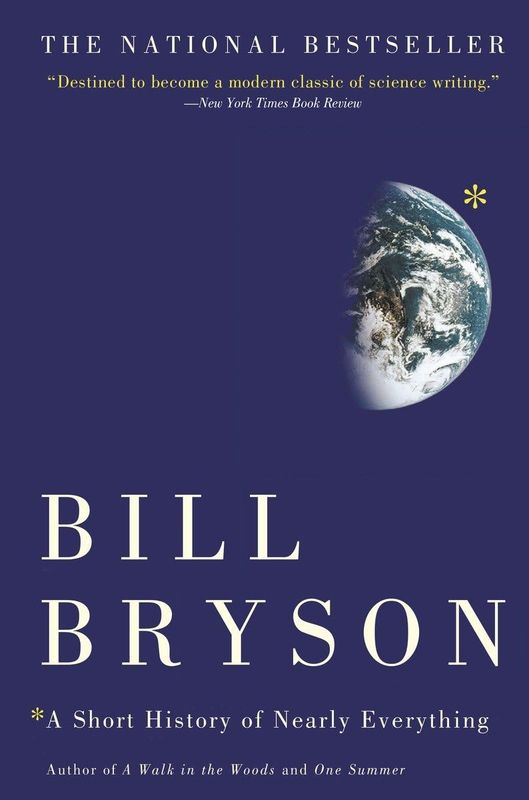
A Short History of Nearly Everything Book Summary
In 'A Short History of Nearly Everything,' Bill Bryson embarks on a whimsical journey through the annals of science, unraveling the mysteries of the universe and humankind's place within it. With wit and humor, he demystifies complex concepts, from the Big Bang to atoms, making them accessible to the layperson. Bryson introduces us to eccentric scientists and their groundbreaking discoveries, igniting a sense of wonder about the world we inhabit. This book is not merely a history; it's a celebration of curiosity, sparking an appreciation for the intricacies of life and the universe. Prepare to be entertained and enlightened as you explore the 'why' and 'how' behind nearly everything.
Showing 8 of 30 similar books
Take your reading experience to the next level
Download our mobile app to enjoy your favorite books on the go. Get access to exclusive features, offline listening, and personalized recommendations.

Similar Book Recommendations →

Julian Shapiro's Book Recommendations
Julian Shapiro is a renowned writer and entrepreneur, acclaimed for his insightful essays on personal growth and marketing strategies. He is the author of "The Julian Shapiro Collection," a compilation of his most impactful writings that have garnered a wide readership online. Shapiro co-founded the growth marketing agency Bell Curve, where he has helped numerous startups achieve exponential growth. His work often blends practical advice with deep philosophical inquiries, making complex subjects accessible to a broad audience. Through his prolific writing and entrepreneurial ventures, Julian has become a key figure in the intersection of business and self-improvement literature.

Naval Ravikant's Book Recommendations
Naval Ravikant is an entrepreneur, angel investor, and philosopher, best known as the co-founder of AngelList, a platform that connects startups with investors. Ravikant is a prolific thinker and writer on topics such as startups, investing, and personal well-being, sharing his wisdom through essays, podcasts, and social media. He has invested in over 100 companies, including Uber, Twitter, and Yammer, making him one of Silicon Valley’s most successful angel investors. Ravikant is also known for his philosophical musings on wealth, happiness, and the meaning of life, which have garnered him a large and dedicated following.

Jocko Willink's Book Recommendations
Jocko Willink is a retired Navy SEAL officer, renowned for his leadership during the Battle of Ramadi in the Iraq War, which earned him the Silver Star and Bronze Star. Transitioning from military service, he co-authored the best-selling book "Extreme Ownership: How U.S. Navy SEALs Lead and Win" with fellow SEAL Leif Babin, which has become a cornerstone in leadership and management literature. Willink has also written the "Way of the Warrior Kid" series, aimed at empowering young readers with principles of discipline and resilience. Additionally, he hosts the popular "Jocko Podcast," where he discusses leadership, discipline, and personal development. Willink's influence extends beyond literature through his Echelon Front leadership consultancy, helping organizations implement effective leadership strategies.

Eric Jorgenson's Book Recommendations
Eric Jorgenson is an author, investor, and product strategist best known for his book The Almanack of Naval Ravikant, which distills the wisdom of the entrepreneur and angel investor Naval Ravikant. Jorgenson's work focuses on personal development, wealth creation, and life philosophy. His ability to synthesize complex ideas into actionable insights has made his writing widely popular among entrepreneurs and tech enthusiasts. Beyond writing, Jorgenson has worked in product strategy at Zaarly, a marketplace for home services, and is involved in early-stage startup investing. He frequently speaks on the intersection of business, technology, and philosophy, and his blog covers topics ranging from mental models to entrepreneurship. Jorgenson's approach emphasizes learning from others' experiences and applying timeless principles to modern challenges. He continues to inspire a generation of readers with his clear, thoughtful reflections on how to live a more successful and fulfilling life.

Reid Hoffman's Book Recommendations
Reid Hoffman is an influential American entrepreneur, venture capitalist, and author, best known as the co-founder of LinkedIn, the professional networking platform that transformed online professional interactions. Hoffman has significantly impacted the business world through his investments in notable tech companies like Airbnb, Facebook, and Zynga. As an author, he has co-written several acclaimed books, including "The Start-Up of You" and "Blitzscaling," which provide strategic insights into career development and business growth. His works are celebrated for their practical advice and have become essential reading for aspiring entrepreneurs and business leaders. Hoffman's contributions extend beyond his literary efforts, as he remains a prominent figure in Silicon Valley, shaping the future of technology and innovation.

David Deutsch's Book Recommendations
David Deutsch is a British physicist and philosopher, widely known for his contributions to quantum mechanics, particularly in the area of quantum computation. He is the author of The Fabric of Reality and The Beginning of Infinity, where he explores the nature of knowledge, progress, and the future of human civilization. Deutsch’s work in quantum computing laid the groundwork for the development of quantum algorithms, positioning him as a pioneer in this emerging field. He is a proponent of the multiverse theory and has offered profound insights into the nature of reality, science, and human potential. Deutsch’s philosophical work emphasizes the power of reason and creativity in solving problems and expanding human understanding. His ideas have had a significant impact on the fields of theoretical physics and epistemology, making him a leading thinker on the future of science and technology. He continues to inspire both scientists and lay readers with his optimistic vision of a world shaped by knowledge and innovation.

Sophie Bakalar's Book Recommendations
Sophie Bakalar is a distinguished author and venture capitalist known for her adept storytelling and insightful exploration of contemporary issues. Her debut novel received critical acclaim for its nuanced portrayal of complex characters and societal dynamics. In addition to her literary achievements, Bakalar is a co-founder of a successful venture firm, where she leverages her keen understanding of market trends and innovation. Her essays and articles, often featured in prominent publications, reflect her deep engagement with cultural and technological shifts. Bakalar's multifaceted career bridges the worlds of literature and entrepreneurship, making her a unique voice in both fields.

Bill Gates's Book Recommendations
Bill Gates, co-founder of Microsoft Corporation, is a pioneering figure in the tech industry, having played a key role in the personal computer revolution. His work at Microsoft, particularly the development of Windows, transformed software and computing globally. Beyond his technology contributions, Gates is also a prolific author, with notable works such as "The Road Ahead" and "Business @ the Speed of Thought," which offer insights into the future of technology and business. Additionally, his philanthropic efforts through the Bill & Melinda Gates Foundation have had a profound impact on global health, education, and poverty. Gates continues to influence both technology and literature with his forward-thinking perspectives and innovative ideas.
Showing 8 of 17 related collections
“The lessons of history are not only for the past; they are for understanding the present and preparing for the future.”
The Lessons of History
By Will Durant, Ariel Durant
Frequently Asked Questions
Explore Our Catalogue
Discover a world of knowledge through our extensive collection of book summaries.
Genres
Genres
Genres
Featured Collections
- Top Book Club Picks
- One-Stop Nutrition
- Summer Reads 2024
- Best Beach Reads 2024
- Work-Life Balance Guide
- Time Management
- Healthy Foods
- Entrepreneur Toolkit
- Mind & Body Wellness
- Future Tech Insights
- Leadership Essentials
- Financial Freedom
- Sci-Fi Masterpieces
- Parenting 101
- Books That Became Blockbusters
- Guide to a Healthy Pregnancy