A Short History of Nearly Everything Book Summary
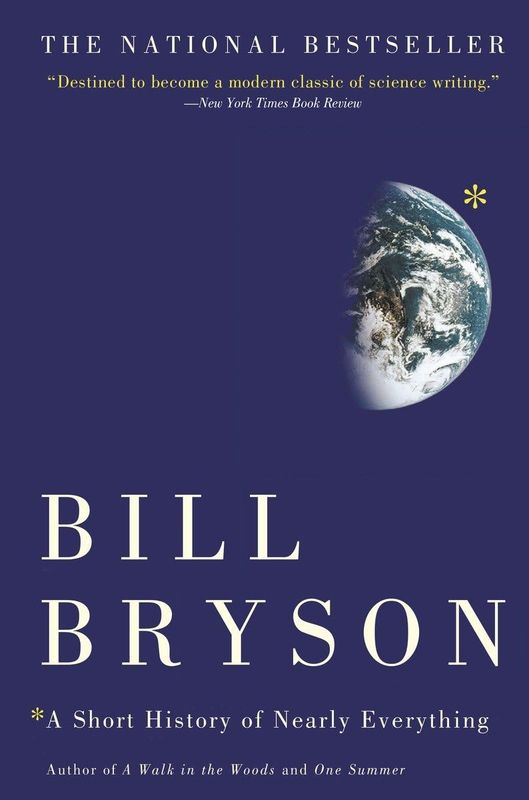
In 'A Short History of Nearly Everything,' Bill Bryson embarks on a whimsical journey through the annals of science, unraveling the mysteries of the universe and humankind's place within it. With wit and humor, he demystifies complex concepts, from the Big Bang to atoms, making them accessible to the layperson. Bryson introduces us to eccentric scientists and their groundbreaking discoveries, igniting a sense of wonder about the world we inhabit. This book is not merely a history; it's a celebration of curiosity, sparking an appreciation for the intricacies of life and the universe. Prepare to be entertained and enlightened as you explore the 'why' and 'how' behind nearly everything.
By Bill Bryson
Published: 2004
"The universe is a big place, perhaps the biggest. It’s bigger than anything anyone has ever dreamed of, and makes you feel like you’re living in a tiny speck of dust in a vast, incomprehensible space."

Start Listening to Book Summary
Book Review of A Short History of Nearly Everything
One of the world’s most beloved writers and New York Times bestselling author of A Walk in the Woods and The Body takes his ultimate journey—into the most intriguing and intractable questions that science seeks to answer. In A Walk in the Woods, Bill Bryson trekked the Appalachian Trail—well, most of it. In A Sunburned Country, he confronted some of the most lethal wildlife Australia has to offer. Now, in his biggest book, he confronts his greatest challenge: to understand—and, if possible, answer—the oldest, biggest questions we have posed about the universe and ourselves. Taking as territory everything from the Big Bang to the rise of civilization, Bryson seeks to understand how we got from there being nothing at all to there being us. To that end, he has attached himself to a host of the world’s most advanced (and often obsessed) archaeologists, anthropologists, and mathematicians, travelling to their offices, laboratories, and field camps. He has read (or tried to read) their books, pestered them with questions, apprenticed himself to their powerful minds. A Short History of Nearly Everything is the record of this quest, and it is a sometimes profound, sometimes funny, and always supremely clear and entertaining adventure in the realms of human knowledge, as only Bill Bryson can render it. Science has never been more involving or entertaining.
Book Overview of A Short History of Nearly Everything
About the Book Author
Bill Bryson
Bill Bryson is a renowned American author known for his witty and engaging writing style. His works often blend humor with insightful observations about travel, science, and culture. Some of his most notable works include 'A Walk in the Woods,' where he humorously recounts his experiences hiking the Appalachian Trail, and 'A Short History of Nearly Everything,' a popular science book that breaks down complex topics into accessible language for the general reader. Bryson's ability to make the ordinary extraordinary has garnered him a loyal readership and critical acclaim.
Book Details
Key information about the book.
- Authors
- Bill Bryson
- Published
- September 2004
- Publisher
- Crown
- ISBN
- 076790818X
- Language
- English
- Pages
- 560
- Genres
- HistoryPopular ScienceHistory of ScienceScience and Nature
Purchase Options
 Buy on Amazon
 Buy via BookShop
Support local bookstores: BookShop gives a portion of each sale to independent bookshops!
Similar books you might like →
Sapiens Book Summary
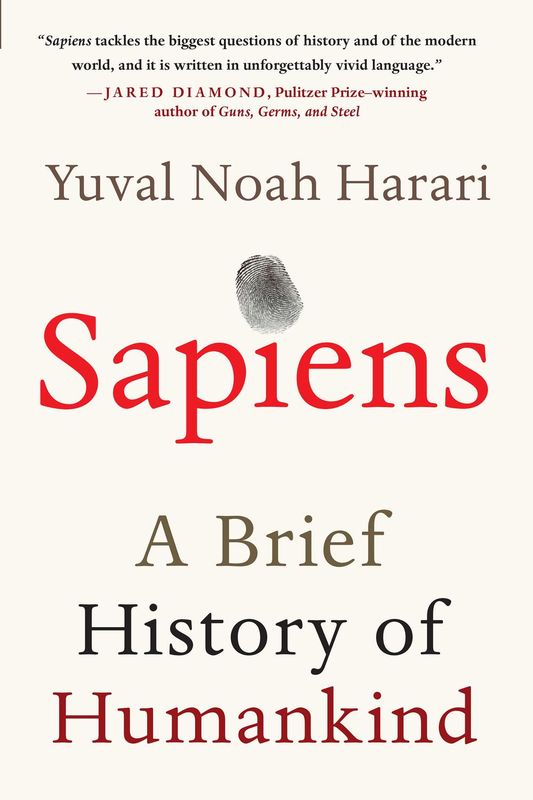
In "Sapiens: A Brief History of Humankind," Yuval Noah Harari takes readers on an exhilarating journey through the evolution of our species, from the dawn of Homo sapiens to the complexities of the modern world. He explores pivotal moments like the Cognitive Revolution that sparked human imagination, the Agricultural Revolution that reshaped societies, and the Scientific Revolution that propelled unprecedented advances. As Harari delves into the interplay of biology, culture, and history, he challenges our understanding of what it means to be human. This thought-provoking narrative raises crucial questions about our future in an age dominated by technology and artificial intelligence. Prepare to rethink humanity’s past and speculate about its fate—are we the architects of our destiny?
The Code Book: The Secrets Behind Codebreaking Book Summary
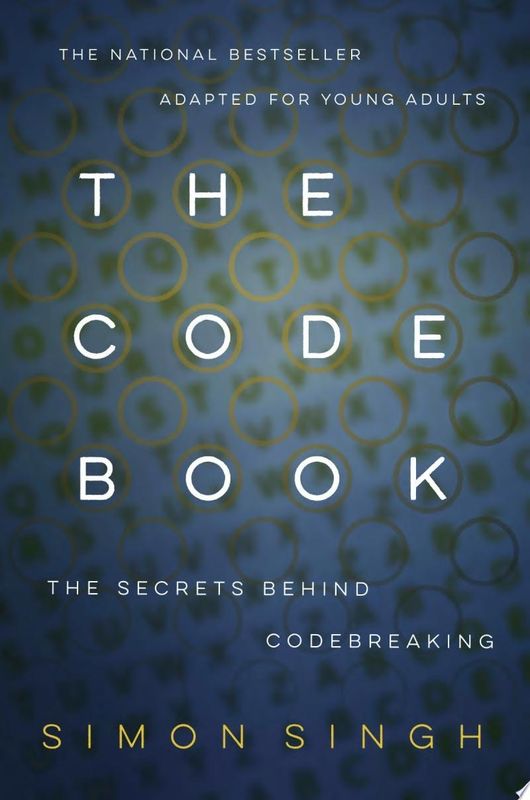
In "The Code Book," Simon Singh takes readers on a captivating journey through the history of codes and code-breaking, revealing the secrets that have shaped civilizations and influenced wars. From ancient hieroglyphs to modern internet encryption, each chapter unveils the intricate dance between secrecy and revealing truth. Singh intertwines real-life espionage tales and mathematical puzzles, making cryptography accessible and thrilling. As you delve into the world of hidden messages and clandestine communications, you'll find yourself pondering the ethical implications of surveillance and privacy in today’s digital age. Can you crack the code of the past to foresee the future?
A Brief History of Time Book Summary
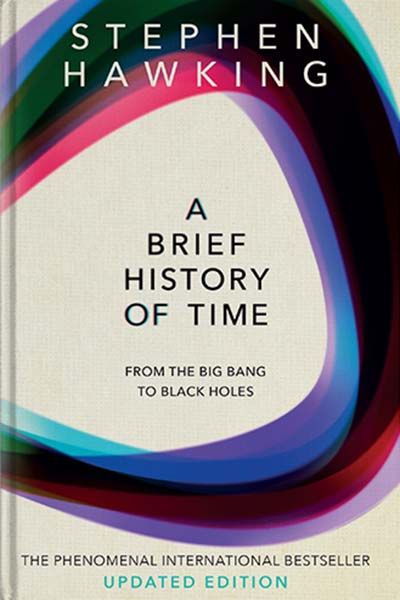
In "A Brief History of Time," Stephen Hawking takes readers on a captivating journey through the cosmos, exploring the nature of time, black holes, and the universe's beginnings. With stunning clarity, he unravels complex scientific concepts, inviting everyone—from curious laypersons to seasoned physicists—to ponder the mysteries of existence. Hawking's charismatic storytelling challenges our perceptions of reality and time itself, posing profound questions about the universe's fate. As he merges science with philosophy, the reader is compelled to reflect on their place in a vast, enigmatic cosmos. Prepare to be inspired and awed by a narrative that transcends mere facts, pushing the boundaries of human understanding.
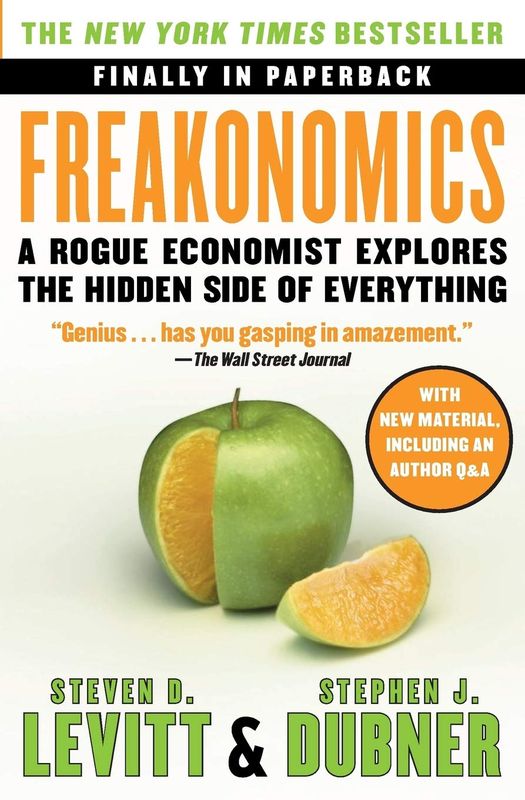
Freakonomics Book Summary
In 'Freakonomics,' Steven D. Levitt and Stephen J. Dubner explore the hidden side of everything, revealing the surprising truths behind human behavior and decision-making. Through a series of intriguing case studies, they uncover the economic forces that shape our lives in ways we never expected. What do schoolteachers and sumo wrestlers have in common? How do incentives drive the behavior of people in powerful positions? Prepare to challenge your assumptions and see the world through a lens of data and unconventional thinking.

The History of the Future Book Summary
In 'The History of the Future,' Blake J. Harris brilliantly explores the whimsical yet profound evolution of virtual reality and its impact on society. Through compelling narratives and in-depth interviews with key figures in the tech industry, the book reveals how dreams of a digital utopia collide with ethical dilemmas. Harris takes readers on a journey from the origins of VR to its potential future, questioning what it means to be human in an increasingly immersive world. As the lines between reality and virtuality blur, you'll ponder the choices that define our existence. This captivating exploration invites you to consider: Are we ready for the future we are creating?
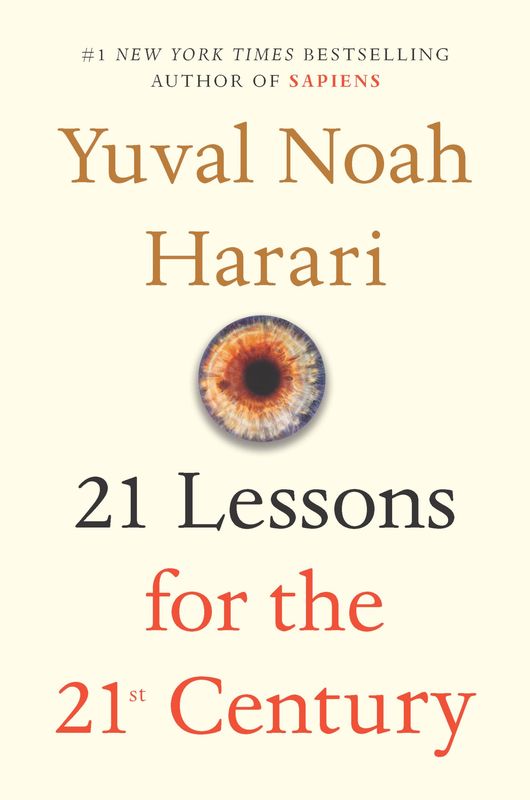
21 Lessons for the 21st Century Book Summary
In '21 Lessons for the 21st Century', Yuval Noah Harari navigates the complex landscape of today's world, tackling urgent questions about our future. From the impact of technology on society to the challenges of political stability, each lesson provokes thought and introspection. Harari explores key themes such as the rise of artificial intelligence, the significance of data, and the importance of meaning in an increasingly uncertain world. With a blend of history, philosophy, and science, the book invites readers to reflect on their roles in shaping a shared future. Will we adapt, or become obsolete? Dive in to uncover the lessons that could redefine humanity's path.
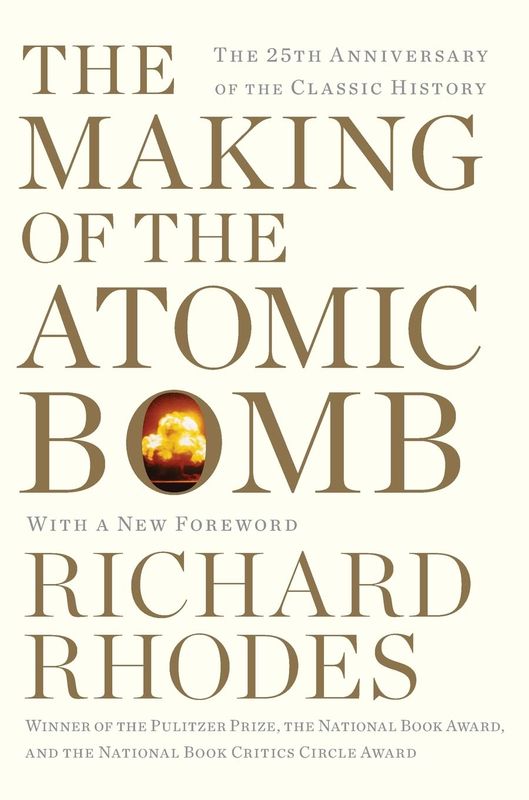
The Making of the Atomic Bomb Book Summary
In 'The Making of the Atomic Bomb,' Richard Rhodes unveils the gripping narrative behind one of history's most monumental scientific achievements. With a blend of meticulous research and compelling storytelling, Rhodes explores the lives of the brilliant minds and the moral dilemmas they faced while racing against time and adversaries. As the project transforms from a theoretical concept to a world-altering weapon, readers are drawn into the political intrigue and human drama that fueled the Manhattan Project. This book not only delves into the science of atomic energy but also poses profound questions about human ambition and ethical responsibility. What does it mean to wield such immense power, and at what cost does progress come?
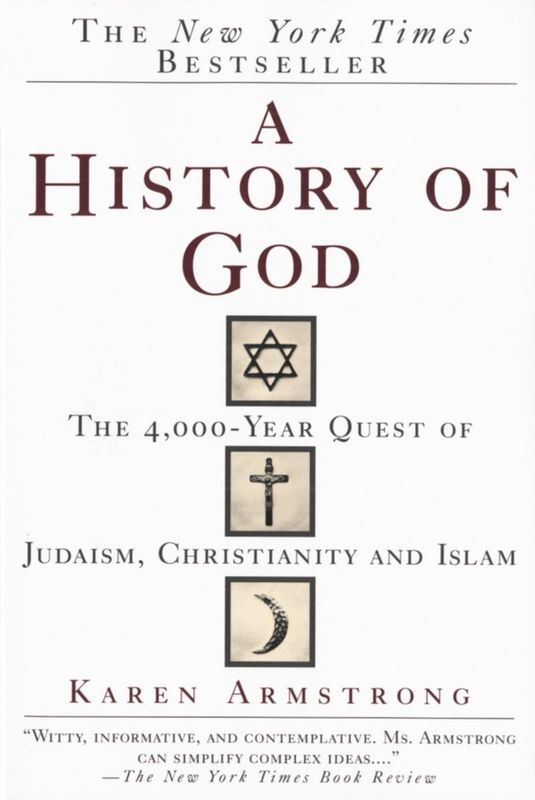
A History of God Book Summary
In 'A History of God', Karen Armstrong embarks on a fascinating journey through the evolution of the concept of God from ancient times to the modern era. She explores how various religions—Judaism, Christianity, and Islam—have shaped humanity's understanding of the divine, revealing the complexities and contradictions in these beliefs. Highlighting the influence of culture, politics, and philosophy, Armstrong invites readers to reconsider their perceptions of faith and spirituality. This thought-provoking narrative raises profound questions about the nature of belief and the future of religious thought. Are we on the brink of a new understanding of God, or are we simply repeating history?
Showing 8 of 30 similar books
Take your reading experience to the next level
Download our mobile app to enjoy your favorite books on the go. Get access to exclusive features, offline listening, and personalized recommendations.

Similar Book Recommendations →

Amanda Palmer's Book Recommendations
Amanda Palmer is an American singer-songwriter, author, and performance artist, best known for her work as a solo artist and as part of the band The Dresden Dolls. Palmer is known for her theatrical performances, genre-blending music, and her strong connection with her fanbase. She has been a pioneer in crowdfunding, raising millions to fund her creative projects through platforms like Kickstarter and Patreon. Palmer is also the author of The Art of Asking, where she explores themes of vulnerability, creativity, and connection. Her work transcends traditional music, blending performance art, activism, and community engagement.

Neil deGrasse Tyson's Book Recommendations
Neil deGrasse Tyson is a renowned astrophysicist, author, and science communicator, best known for his work in popularizing science through various media. As the director of the Hayden Planetarium in New York City, he has played a pivotal role in bringing astronomical discoveries to the public. Tyson has authored several bestselling books, including "Astrophysics for People in a Hurry" and "The Pluto Files," which have made complex scientific concepts accessible to a broad audience. He is also the host of the popular science TV show "Cosmos: A Spacetime Odyssey," a continuation of Carl Sagan's groundbreaking series. Tyson's contributions have significantly enhanced public understanding and appreciation of the universe.

Naval Ravikant's Book Recommendations
Naval Ravikant is an entrepreneur, angel investor, and philosopher, best known as the co-founder of AngelList, a platform that connects startups with investors. Ravikant is a prolific thinker and writer on topics such as startups, investing, and personal well-being, sharing his wisdom through essays, podcasts, and social media. He has invested in over 100 companies, including Uber, Twitter, and Yammer, making him one of Silicon Valley’s most successful angel investors. Ravikant is also known for his philosophical musings on wealth, happiness, and the meaning of life, which have garnered him a large and dedicated following.

Nassim Nicholas Taleb's Book Recommendations
Nassim Nicholas Taleb is a Lebanese-American author, scholar, and risk analyst, best known for his work on uncertainty, probability, and risk. His books, including The Black Swan and Antifragile, explore how rare and unpredictable events shape the world and how individuals and systems can become more resilient to shocks. Taleb’s insights on risk management have influenced fields ranging from finance to medicine, and he is known for his outspoken criticism of conventional wisdom. His ideas about randomness, decision-making, and the limitations of human knowledge have made him a leading thinker in modern economics and philosophy.

Jamie Dimon's Book Recommendations
Jamie Dimon is an American business executive, best known as the Chairman and CEO of JPMorgan Chase, one of the largest and most influential financial institutions in the world. Dimon has led JPMorgan through multiple economic crises, including the 2008 financial crash, and has consistently been recognized for his leadership in the banking industry. Under his tenure, JPMorgan has grown into a global financial powerhouse, focusing on innovation and sustainability. Dimon is also an advocate for corporate responsibility and frequently speaks on economic and regulatory issues. His leadership style and strategic insights have earned him widespread respect in the business world.

David Deutsch's Book Recommendations
David Deutsch is a British physicist and philosopher, widely known for his contributions to quantum mechanics, particularly in the area of quantum computation. He is the author of The Fabric of Reality and The Beginning of Infinity, where he explores the nature of knowledge, progress, and the future of human civilization. Deutsch’s work in quantum computing laid the groundwork for the development of quantum algorithms, positioning him as a pioneer in this emerging field. He is a proponent of the multiverse theory and has offered profound insights into the nature of reality, science, and human potential. Deutsch’s philosophical work emphasizes the power of reason and creativity in solving problems and expanding human understanding. His ideas have had a significant impact on the fields of theoretical physics and epistemology, making him a leading thinker on the future of science and technology. He continues to inspire both scientists and lay readers with his optimistic vision of a world shaped by knowledge and innovation.

Cleo Abram's Book Recommendations
Cleo Abram is a distinguished journalist and content creator known for her incisive storytelling and engaging multimedia presentations. She gained widespread recognition as a producer and host for Vox's acclaimed series, "Glad You Asked," where she explored complex topics with clarity and depth. Abram's work often intersects with technology and culture, making intricate subjects accessible to a broad audience. In addition to her journalistic endeavors, she has contributed thought-provoking essays and articles to various esteemed publications. Her innovative approach to storytelling continues to influence and inspire both readers and aspiring journalists.

Eric Weinstein's Book Recommendations
Eric Weinstein is an accomplished American mathematician, economist, and writer, known for his influential work in the fields of geometric unity and economic theory. As the Managing Director of Thiel Capital, he has significantly impacted the financial and technological sectors. Weinstein is also renowned for his thought-provoking discussions on the podcast "The Portal," where he explores complex scientific and social issues. He has written extensively on a variety of topics, contributing to both academic and popular literature. His unique perspectives and interdisciplinary approach have earned him recognition as a leading intellectual voice of his generation.
Showing 8 of 10 related collections
“The universe is a big place, perhaps the biggest. It’s bigger than anything anyone has ever dreamed of, and makes you feel like you’re living in a tiny speck of dust in a vast, incomprehensible space.”
A Short History of Nearly Everything
By Bill Bryson
Frequently Asked Questions
Explore Our Catalogue
Discover a world of knowledge through our extensive collection of book summaries.
Genres
Genres
Genres
Featured Collections
- Top Book Club Picks
- One-Stop Nutrition
- Summer Reads 2024
- Best Beach Reads 2024
- Work-Life Balance Guide
- Time Management
- Healthy Foods
- Entrepreneur Toolkit
- Mind & Body Wellness
- Future Tech Insights
- Leadership Essentials
- Financial Freedom
- Sci-Fi Masterpieces
- Parenting 101
- Books That Became Blockbusters
- Guide to a Healthy Pregnancy