The Making of the Atomic Bomb Book Summary
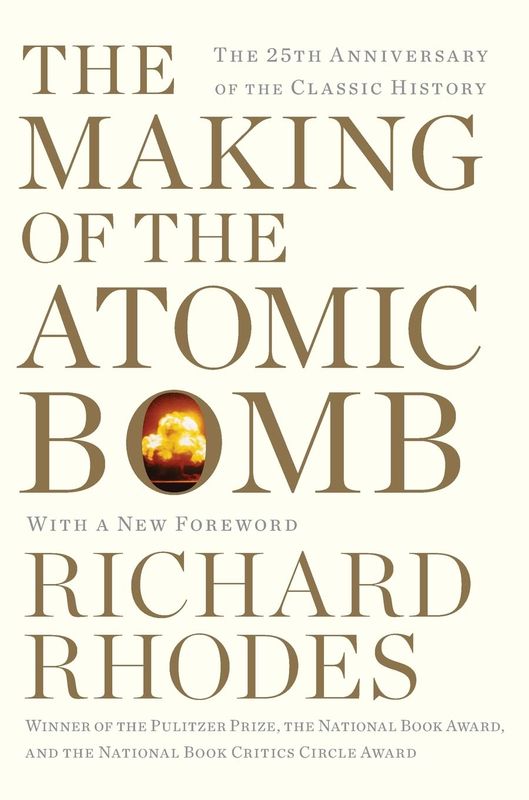
In 'The Making of the Atomic Bomb,' Richard Rhodes unveils the gripping narrative behind one of history's most monumental scientific achievements. With a blend of meticulous research and compelling storytelling, Rhodes explores the lives of the brilliant minds and the moral dilemmas they faced while racing against time and adversaries. As the project transforms from a theoretical concept to a world-altering weapon, readers are drawn into the political intrigue and human drama that fueled the Manhattan Project. This book not only delves into the science of atomic energy but also poses profound questions about human ambition and ethical responsibility. What does it mean to wield such immense power, and at what cost does progress come?
By Richard Rhodes
Published: 2012
""The atom is not merely a scientific curiosity; it is a reminder of our capacity for both creation and destruction, a paradox that defines our existence in the modern world.""

Start Listening to Book Summary
Book Review of The Making of the Atomic Bomb
Winner of the Pulitzer Prize, the National Book Award, and the National Book Critics Circle Award The definitive history of nuclear weapons—from the turn-of-the-century discovery of nuclear energy to J. Robert Oppenheimer and the Manhattan Project—this epic work details the science, the people, and the sociopolitical realities that led to the development of the atomic bomb. This sweeping account begins in the 19th century, with the discovery of nuclear fission, and continues to World War Two and the Americans’ race to beat Hitler’s Nazis. That competition launched the Manhattan Project and the nearly overnight construction of a vast military-industrial complex that culminated in the fateful dropping of the first bombs on Hiroshima and Nagasaki. Reading like a character-driven suspense novel, the book introduces the players in this saga of physics, politics, and human psychology—from FDR and Einstein to the visionary scientists who pioneered quantum theory and the application of thermonuclear fission, including Planck, Szilard, Bohr, Oppenheimer, Fermi, Teller, Meitner, von Neumann, and Lawrence. From nuclear power’s earliest foreshadowing in the work of H.G. Wells to the bright glare of Trinity at Alamogordo and the arms race of the Cold War, this dread invention forever changed the course of human history, and The Making of The Atomic Bomb provides a panoramic backdrop for that story. Richard Rhodes’s ability to craft compelling biographical portraits is matched only by his rigorous scholarship. Told in rich human, political, and scientific detail that any reader can follow, The Making of the Atomic Bomb is a thought-provoking and masterful work.
Book Overview of The Making of the Atomic Bomb
About the Book Author
Richard Rhodes
Richard Rhodes is an award-winning American author and historian, renowned for his insightful explorations of science and history. He is best known for his Pulitzer Prize-winning book 'The Making of the Atomic Bomb,' which provides a detailed account of the development of nuclear weapons and their implications for humanity. Rhodes has also written notable works such as 'Dark Sun: The Making of the Hydrogen Bomb' and 'Energy: A Crisis History.' He is praised for his narrative non-fiction style, which blends meticulous research with gripping storytelling, making complex subjects accessible and engaging to readers.
Book Details
Key information about the book.
- Authors
- Richard Rhodes
- Published
- June 2012
- Publisher
- Simon and Schuster
- ISBN
- 1451677618
- Language
- English
- Pages
- 896
- Genres
- HistoryHistory of ScienceScience and NatureScientific Discoveries
Purchase Options
 Buy on Amazon
 Buy via BookShop
Support local bookstores: BookShop gives a portion of each sale to independent bookshops!
Similar books you might like →
Sapiens Book Summary
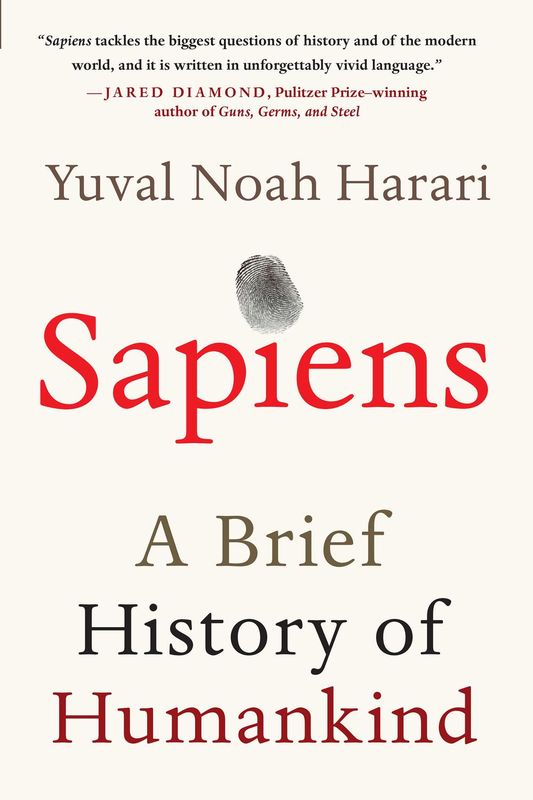
In "Sapiens: A Brief History of Humankind," Yuval Noah Harari takes readers on an exhilarating journey through the evolution of our species, from the dawn of Homo sapiens to the complexities of the modern world. He explores pivotal moments like the Cognitive Revolution that sparked human imagination, the Agricultural Revolution that reshaped societies, and the Scientific Revolution that propelled unprecedented advances. As Harari delves into the interplay of biology, culture, and history, he challenges our understanding of what it means to be human. This thought-provoking narrative raises crucial questions about our future in an age dominated by technology and artificial intelligence. Prepare to rethink humanity’s past and speculate about its fate—are we the architects of our destiny?
The Code Book: The Secrets Behind Codebreaking Book Summary
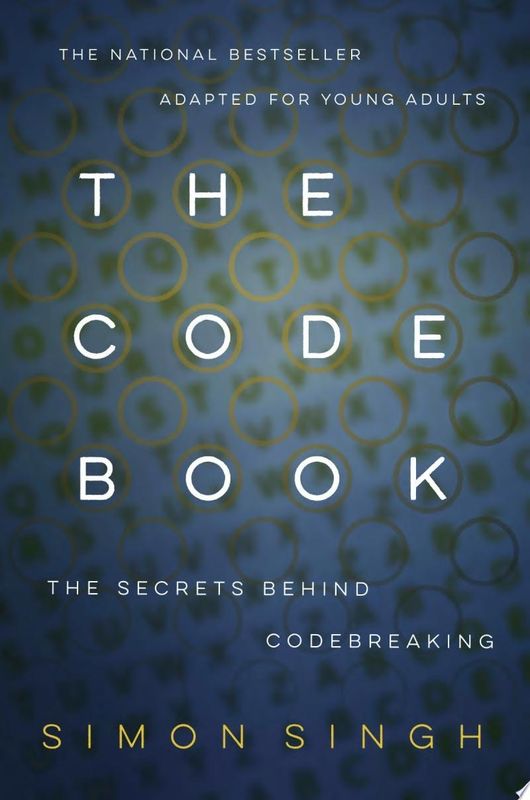
In "The Code Book," Simon Singh takes readers on a captivating journey through the history of codes and code-breaking, revealing the secrets that have shaped civilizations and influenced wars. From ancient hieroglyphs to modern internet encryption, each chapter unveils the intricate dance between secrecy and revealing truth. Singh intertwines real-life espionage tales and mathematical puzzles, making cryptography accessible and thrilling. As you delve into the world of hidden messages and clandestine communications, you'll find yourself pondering the ethical implications of surveillance and privacy in today’s digital age. Can you crack the code of the past to foresee the future?
The Emperor of All Maladies Book Summary
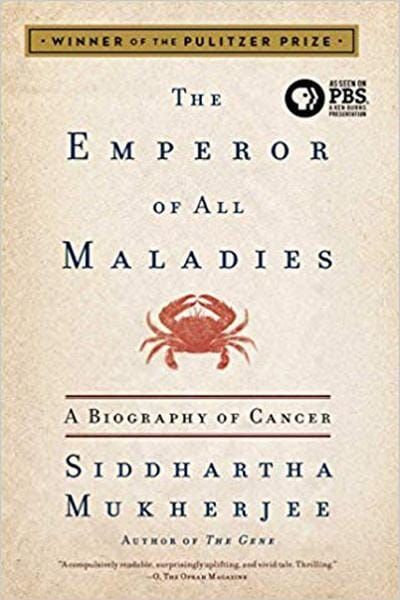
In "The Emperor of All Maladies," Siddhartha Mukherjee masterfully chronicles the history of cancer, weaving together scientific breakthroughs, personal stories, and the relentless struggle against this ancient disease. Amidst tales of pioneering researchers and brave patients, the narrative unveils the complexities of cancer, not merely as an affliction but as an intricate adversary. Mukherjee’s vivid prose illuminates the interplay between hope and despair in the quest for a cure. Can humanity ever conquer this fearsome enemy, or is it eternally entrenched in our existence? Prepare to embark on a compelling journey that melds medicine, history, and tenacity, forever changing how you perceive the nature of illness and resilience.
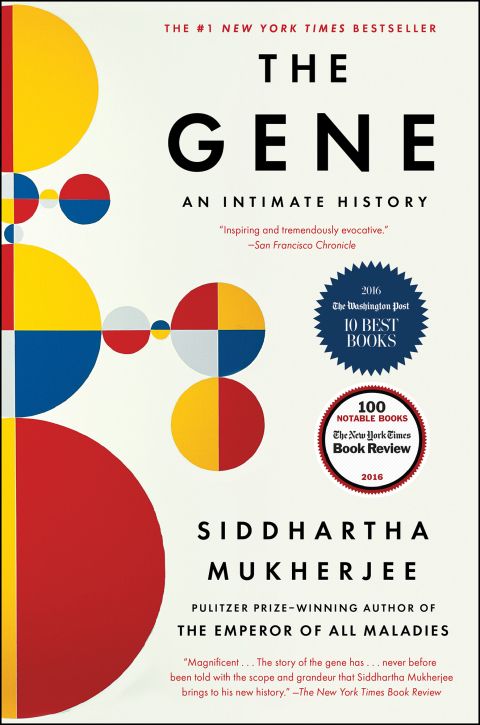
The Gene Book Summary
In "The Gene: An Intimate History," Siddhartha Mukherjee weaves together a compelling narrative that explores the profound impact of genetics on our identities and destinies. This journey spans from ancient discoveries to modern science, unraveling the stories of legendary geneticists and their groundbreaking findings. Mukherjee delves into the ethical dilemmas and societal implications of genetic manipulation, leaving readers questioning what it truly means to be human. With rich anecdotes and scientific insights, the book invites you to reflect on your own genetic legacy. Can our genes dictate our future, or do we hold the power to shape our own narratives?
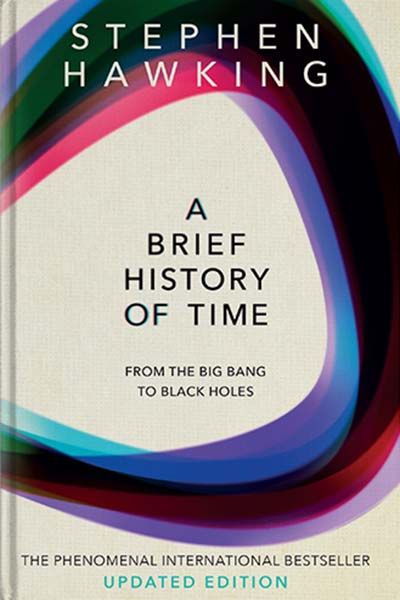
A Brief History of Time Book Summary
In "A Brief History of Time," Stephen Hawking takes readers on a captivating journey through the cosmos, exploring the nature of time, black holes, and the universe's beginnings. With stunning clarity, he unravels complex scientific concepts, inviting everyone—from curious laypersons to seasoned physicists—to ponder the mysteries of existence. Hawking's charismatic storytelling challenges our perceptions of reality and time itself, posing profound questions about the universe's fate. As he merges science with philosophy, the reader is compelled to reflect on their place in a vast, enigmatic cosmos. Prepare to be inspired and awed by a narrative that transcends mere facts, pushing the boundaries of human understanding.
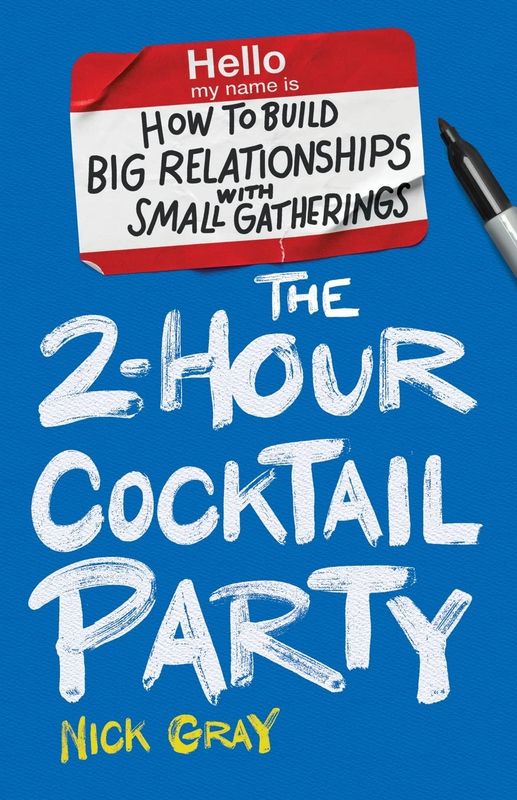
The 2-Hour Cocktail Party: How to Build Big Relationships with Small Gatherings Book Summary
In 'The 2-Hour Cocktail Party,' Nick Gray reveals the secrets to cultivating meaningful connections through intimate gatherings. This engaging guide presents a fresh perspective on socializing, emphasizing the power of small parties to forge big relationships. With practical tips and creative ideas, Gray encourages readers to step outside their comfort zones and embrace the art of hosting. Discover how two hours can transform your social life and open doors to new opportunities. Are you ready to become the life of the party?

Stress Less, Accomplish More Book Summary
In 'Stress Less, Accomplish More,' Emily Fletcher unveils the transformative power of meditation to unlock your true potential. She combines ancient wisdom with modern neuroscience to guide readers through practical techniques that reduce stress and enhance focus. Fletcher shares compelling stories and scientific research that demonstrate how a clearer mind leads to greater productivity. This book invites you to discover the balance between relaxation and achievement, challenging the notion that stress is necessary for success. Are you ready to accomplish more by doing less?
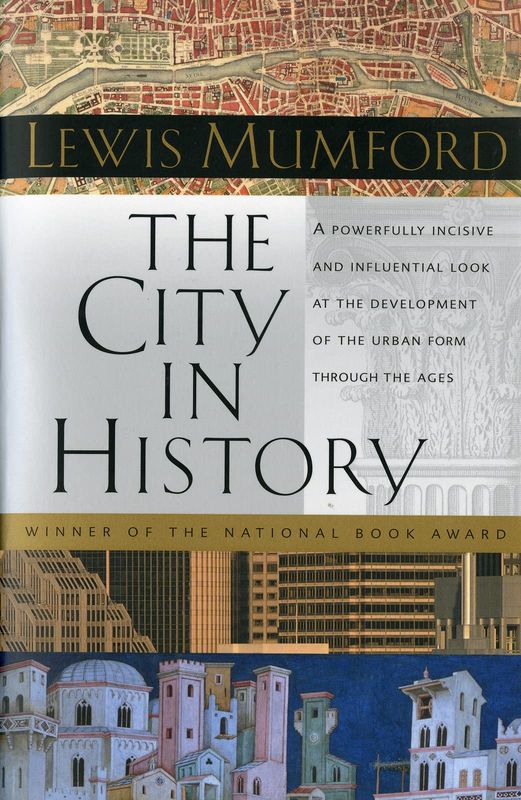
The City in History Book Summary
In 'The City in History,' Lewis Mumford explores the evolution of urban life from ancient times to the modern metropolis. He argues that cities are not just physical structures but reflections of human values and societal progress. Mumford delves into the interplay between architecture, technology, and culture, revealing how they shape the human experience. With incisive critiques and vivid historical examples, he presents a vision of the ideal city that promotes both individuality and community. This thought-provoking journey challenges readers to reconsider the role of cities in their own lives and the future of civilization.
Showing 8 of 28 similar books
Take your reading experience to the next level
Download our mobile app to enjoy your favorite books on the go. Get access to exclusive features, offline listening, and personalized recommendations.

Similar Book Recommendations →

Bret Victor's Book Recommendations
Bret Victor is a renowned American interface designer and computer scientist celebrated for his innovative contributions to interactive design and human-computer interaction. He is best known for creating dynamic, explorable explanations, which have significantly influenced the way educational content is presented and understood. Victor's seminal work, "Inventing on Principle," advocates for the integration of immediate feedback in creative processes, inspiring a new wave of interactive programming environments. As a former member of the Apple Human Interface team, he played a pivotal role in shaping modern user interfaces. Through his organization, Dynamicland, Victor continues to explore and expand the boundaries of immersive, collaborative computing environments.

Bryan Johnson's Book Recommendations
Bryan Johnson is an American entrepreneur, investor, and futurist, best known for founding Braintree, a payments company that was acquired by PayPal, and Kernel, a company focused on developing brain-computer interfaces. Johnson is deeply interested in advancing human cognition and longevity through technological innovation. His work at Kernel seeks to better understand the brain and its potential to enhance human intelligence. He is also the founder of OS Fund, which invests in companies tackling complex, world-changing problems in areas like health and energy. Johnson is a strong advocate for using technology to extend human potential and reshape the future of humanity.

Charlie Munger's Book Recommendations
Charlie Munger is an American investor, businessman, and philanthropist, best known as the vice chairman of Berkshire Hathaway, where he partners with Warren Buffett. Renowned for his insights on investment strategies and mental models, Munger has significantly influenced the world of finance. His notable literary contributions include "Poor Charlie's Almanack," a compilation of his speeches and writings that distill his wisdom on decision-making and business principles. Munger's work emphasizes the importance of multidisciplinary thinking and continuous learning. Beyond his financial acumen, he is celebrated for his charitable efforts, particularly in education and healthcare.

Reid Hoffman's Book Recommendations
Reid Hoffman is an influential American entrepreneur, venture capitalist, and author, best known as the co-founder of LinkedIn, the professional networking platform that transformed online professional interactions. Hoffman has significantly impacted the business world through his investments in notable tech companies like Airbnb, Facebook, and Zynga. As an author, he has co-written several acclaimed books, including "The Start-Up of You" and "Blitzscaling," which provide strategic insights into career development and business growth. His works are celebrated for their practical advice and have become essential reading for aspiring entrepreneurs and business leaders. Hoffman's contributions extend beyond his literary efforts, as he remains a prominent figure in Silicon Valley, shaping the future of technology and innovation.

Reshma Saujani's Book Recommendations
Reshma Saujani is the founder of Girls Who Code, an organization aimed at closing the gender gap in technology by empowering young women to pursue careers in coding and computer science. She gained national attention in 2010 as the first Indian-American woman to run for U.S. Congress. Reshma is also the author of several books, including Brave, Not Perfect, which encourages women to embrace failure and take risks. Her TED Talk on teaching girls bravery rather than perfection has garnered millions of views. Reshma continues to advocate for gender equality and innovation in education.

Aubrey Marcus's Book Recommendations
Aubrey Marcus is an influential entrepreneur, author, and podcaster, best known for founding Onnit, a health and wellness company dedicated to optimizing human performance. He authored the acclaimed book "Own the Day, Own Your Life," which offers practical advice on improving daily routines for overall well-being. Marcus's contributions to literature extend through his insightful podcasts and articles that delve into personal development, mental health, and holistic living. As a thought leader, he has inspired countless individuals to pursue a balanced and fulfilling life. His work continues to resonate with a global audience, promoting a message of self-empowerment and holistic health.
“"The atom is not merely a scientific curiosity; it is a reminder of our capacity for both creation and destruction, a paradox that defines our existence in the modern world."”
The Making of the Atomic Bomb
By Richard Rhodes
Frequently Asked Questions
Explore Our Catalogue
Discover a world of knowledge through our extensive collection of book summaries.
Genres
Genres
Genres
Featured Collections
- Top Book Club Picks
- One-Stop Nutrition
- Summer Reads 2024
- Best Beach Reads 2024
- Work-Life Balance Guide
- Time Management
- Healthy Foods
- Entrepreneur Toolkit
- Mind & Body Wellness
- Future Tech Insights
- Leadership Essentials
- Financial Freedom
- Sci-Fi Masterpieces
- Parenting 101
- Books That Became Blockbusters
- Guide to a Healthy Pregnancy