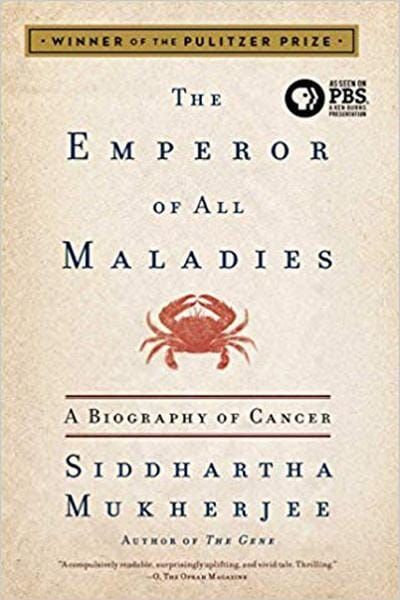
The Emperor of All Maladies Book Summary
In "The Emperor of All Maladies," Siddhartha Mukherjee masterfully chronicles the history of cancer, weaving together scientific breakthroughs, personal stories, and the relentless struggle against this ancient disease. Amidst tales of pioneering researchers and brave patients, the narrative unveils the complexities of cancer, not merely as an affliction but as an intricate adversary. Mukherjee’s vivid prose illuminates the interplay between hope and despair in the quest for a cure. Can humanity ever conquer this fearsome enemy, or is it eternally entrenched in our existence? Prepare to embark on a compelling journey that melds medicine, history, and tenacity, forever changing how you perceive the nature of illness and resilience.
By Siddhartha Mukherjee
Published: 2011
"It is not a disease, but an attempt to understand a disease."

Start Listening to Book Summary
Book Review of The Emperor of All Maladies
Winner of the Pulitzer Prize and a documentary from Ken Burns on PBS, this New York Times bestseller is “an extraordinary achievement” (The New Yorker)—a magnificent, profoundly humane “biography” of cancer—from its first documented appearances thousands of years ago through the epic battles in the twentieth century to cure, control, and conquer it to a radical new understanding of its essence. Physician, researcher, and award-winning science writer, Siddhartha Mukherjee examines cancer with a cellular biologist’s precision, a historian’s perspective, and a biographer’s passion. The result is an astonishingly lucid and eloquent chronicle of a disease humans have lived with—and perished from—for more than five thousand years. The story of cancer is a story of human ingenuity, resilience, and perseverance, but also of hubris, paternalism, and misperception. Mukherjee recounts centuries of discoveries, setbacks, victories, and deaths, told through the eyes of his predecessors and peers, training their wits against an infinitely resourceful adversary that, just three decades ago, was thought to be easily vanquished in an all-out “war against cancer.” The book reads like a literary thriller with cancer as the protagonist. Riveting, urgent, and surprising, The Emperor of All Maladies provides a fascinating glimpse into the future of cancer treatments. It is an illuminating book that provides hope and clarity to those seeking to demystify cancer.
Book Overview of The Emperor of All Maladies
About the Book Author
Siddhartha Mukherjee
Siddhartha Mukherjee is an acclaimed physician, researcher, and author best known for his works that explore the intersection of medicine and the human experience. His Pulitzer Prize-winning book, "The Emperor of All Maladies: A Biography of Cancer," presents a comprehensive history of cancer, weaving together science and personal narratives. Mukherjee's subsequent works, including "The Gene: An Intimate History," delve into the complexities of genetics and its implications for humanity. He serves as an oncologist and assistant professor of medicine at Columbia University, where he continues to engage in groundbreaking research. With a talent for making complex scientific concepts accessible, Mukherjee has established himself as a prominent voice in the field of medical literature.
Book Details
Key information about the book.
- Authors
- Siddhartha Mukherjee
- Published
- August 2011
- Publisher
- Simon and Schuster
- ISBN
- 1439170916
- Language
- English
- Pages
- 624
- Genres
- True CrimeHistoryHealth and WellnessScientific Discoveries
Purchase Options
 Buy on Amazon
 Buy via BookShop
Support local bookstores: BookShop gives a portion of each sale to independent bookshops!
Similar books you might like →
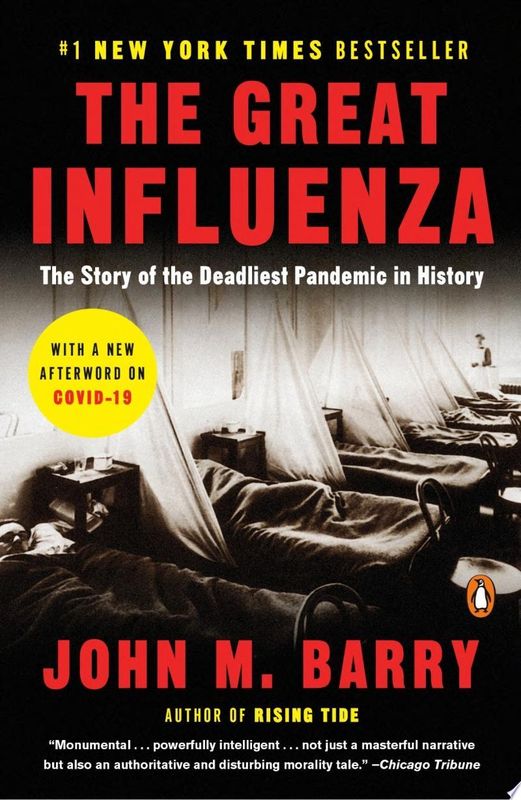
The Great Influenza Book Summary
In "The Great Influenza," historian John M. Barry uncovers the harrowing tale of the 1918 influenza pandemic, a catastrophe that reshaped the course of history. Amid the chaos, a deadly virus claimed millions of lives, revealing the fragility of human resilience and the importance of public health. Barry intricately weaves the narratives of scientists, soldiers, and everyday individuals caught in the grip of a global health crisis. He delves into the scientific breakthroughs and failures that defined the era, raising haunting questions about our preparedness for future pandemics. This gripping account serves as both a cautionary tale and a celebration of humanity's relentless fight against disease—will we heed its lessons?
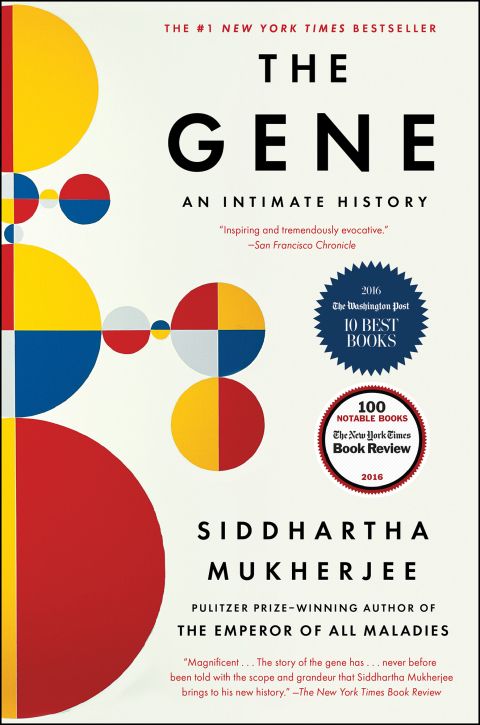
The Gene Book Summary
In "The Gene: An Intimate History," Siddhartha Mukherjee weaves together a compelling narrative that explores the profound impact of genetics on our identities and destinies. This journey spans from ancient discoveries to modern science, unraveling the stories of legendary geneticists and their groundbreaking findings. Mukherjee delves into the ethical dilemmas and societal implications of genetic manipulation, leaving readers questioning what it truly means to be human. With rich anecdotes and scientific insights, the book invites you to reflect on your own genetic legacy. Can our genes dictate our future, or do we hold the power to shape our own narratives?
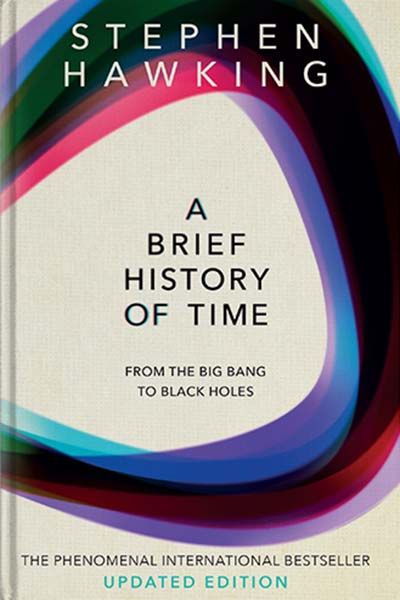
A Brief History of Time Book Summary
In "A Brief History of Time," Stephen Hawking takes readers on a captivating journey through the cosmos, exploring the nature of time, black holes, and the universe's beginnings. With stunning clarity, he unravels complex scientific concepts, inviting everyone—from curious laypersons to seasoned physicists—to ponder the mysteries of existence. Hawking's charismatic storytelling challenges our perceptions of reality and time itself, posing profound questions about the universe's fate. As he merges science with philosophy, the reader is compelled to reflect on their place in a vast, enigmatic cosmos. Prepare to be inspired and awed by a narrative that transcends mere facts, pushing the boundaries of human understanding.
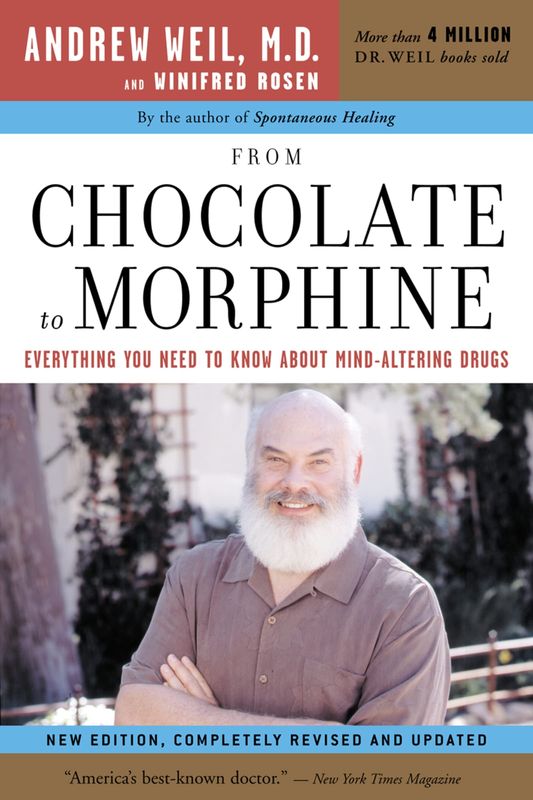
From Chocolate to Morphine Book Summary
'From Chocolate to Morphine' takes readers on an intriguing journey through the world of psychoactive substances, examining their effects on the human body and mind. Authors Andrew Weil and Winifred Rosen delve into the history and cultural significance of various drugs, from the innocent pleasure of chocolate to the complex nature of morphine. This compelling exploration challenges conventional perceptions of addiction and therapeutic use, sparking curiosity about the fine line between pleasure and peril. The book not only illuminates the science behind these substances but also invites readers to reflect on their own experiences and beliefs surrounding them. A thought-provoking read for anyone interested in health, wellness, and the psychology of our choices.
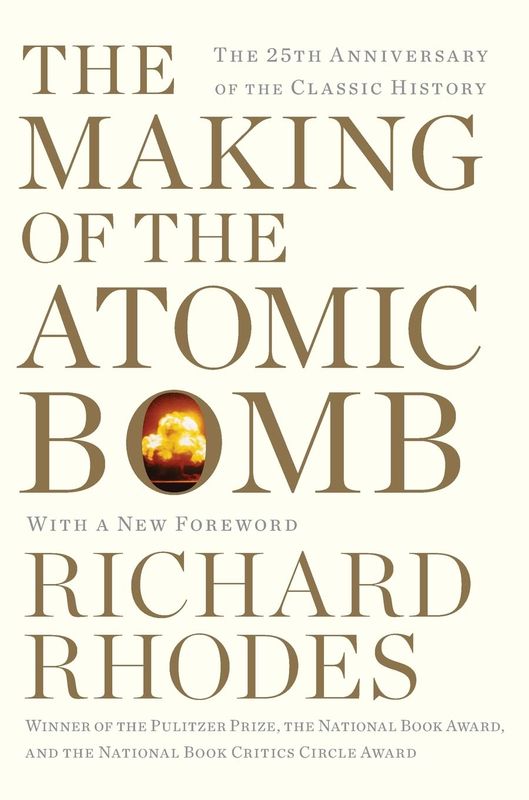
The Making of the Atomic Bomb Book Summary
In 'The Making of the Atomic Bomb,' Richard Rhodes unveils the gripping narrative behind one of history's most monumental scientific achievements. With a blend of meticulous research and compelling storytelling, Rhodes explores the lives of the brilliant minds and the moral dilemmas they faced while racing against time and adversaries. As the project transforms from a theoretical concept to a world-altering weapon, readers are drawn into the political intrigue and human drama that fueled the Manhattan Project. This book not only delves into the science of atomic energy but also poses profound questions about human ambition and ethical responsibility. What does it mean to wield such immense power, and at what cost does progress come?
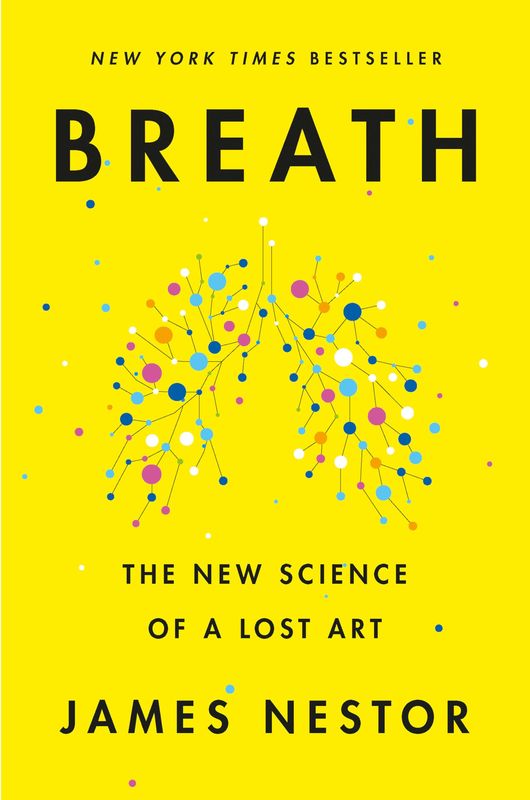
Breath Book Summary
In 'Breath', James Nestor takes readers on a captivating journey into the science and history of breathing, revealing how this vital act impacts our physical and mental health. Through personal experimentation and research, he uncovers the transformative power of proper breathing techniques, which have been forgotten over time. Nestor dives into ancient practices, modern science, and even unique cultures, merging them into an intriguing narrative. Along the way, he challenges common misconceptions and provides practical advice to optimize our breath. Prepare to be amazed by how something so simple can profoundly alter your life.
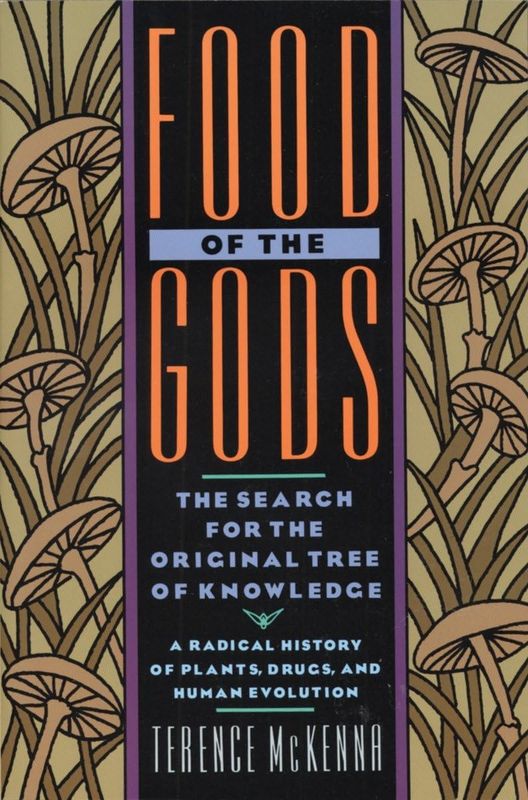
Food of the Gods Book Summary
In 'Food of the Gods,' Terence McKenna takes readers on a riveting exploration of humanity's relationship with psychoactive plants and their role in culture, spirituality, and consciousness. He argues that these natural substances can be catalysts for profound revelations and creative breakthroughs, challenging the boundaries of perception. McKenna weaves together history, science, and his personal experiences to paint a vivid picture of a world where superfoods may unlock hidden potential within us. As he delves into the impact of industrialization and the loss of traditional practices, he raises urgent questions about the future of human well-being. This provocative read invites readers to reconsider the nature of reality and the power of nature in influencing mind and culture.

Hardcore History Book Summary
In 'Hardcore History', Dan Carlin takes listeners on an epic auditory journey through the annals of human conflict, exploring the profound impact of war on civilization. His vivid storytelling and deep analysis breathe life into historical events, making even the most distant eras feel immediate and relevant. With a unique blend of passion and intellect, Carlin challenges conventional narratives, urging us to question what we think we know about our past. Each episode transforms history into a gripping tale of human drama, complete with the moral dilemmas faced by our ancestors. Prepare to rethink history as you uncover the haunting truths hidden in the echoes of time.
Showing 8 of 18 similar books
Take your reading experience to the next level
Download our mobile app to enjoy your favorite books on the go. Get access to exclusive features, offline listening, and personalized recommendations.

Similar Book Recommendations →

Laura R Walker's Book Recommendations
Laura R. Walker is an American media executive and former CEO of New York Public Radio (WNYC), where she transformed the organization into one of the most innovative public radio stations in the U.S. During her tenure, Walker expanded WNYC’s digital presence and podcasting, making it a leader in audio content. She is also the President of Bennington College, where she focuses on interdisciplinary education and the integration of the arts, humanities, and sciences. Walker is a champion for public media and education, advocating for the role of storytelling and journalism in fostering informed, engaged communities.
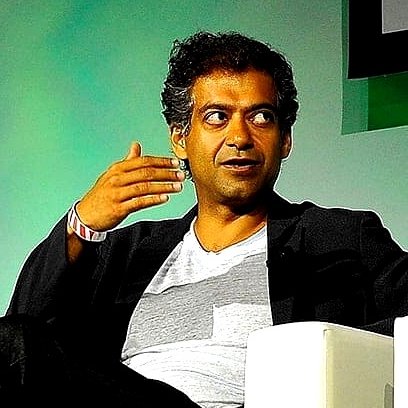
Naval Ravikant's Book Recommendations
Naval Ravikant is an entrepreneur, angel investor, and philosopher, best known as the co-founder of AngelList, a platform that connects startups with investors. Ravikant is a prolific thinker and writer on topics such as startups, investing, and personal well-being, sharing his wisdom through essays, podcasts, and social media. He has invested in over 100 companies, including Uber, Twitter, and Yammer, making him one of Silicon Valley’s most successful angel investors. Ravikant is also known for his philosophical musings on wealth, happiness, and the meaning of life, which have garnered him a large and dedicated following.

Charlie Munger's Book Recommendations
Charlie Munger is an American investor, businessman, and philanthropist, best known as the vice chairman of Berkshire Hathaway, where he partners with Warren Buffett. Renowned for his insights on investment strategies and mental models, Munger has significantly influenced the world of finance. His notable literary contributions include "Poor Charlie's Almanack," a compilation of his speeches and writings that distill his wisdom on decision-making and business principles. Munger's work emphasizes the importance of multidisciplinary thinking and continuous learning. Beyond his financial acumen, he is celebrated for his charitable efforts, particularly in education and healthcare.

Patrick Collison's Book Recommendations
Patrick Collison is an Irish entrepreneur and co-founder of Stripe, a global technology company that enables businesses to accept online payments. Along with his brother John, Patrick has transformed Stripe into one of the most valuable private tech companies in the world. Stripe’s innovative approach to online payments has made it a key player in the financial technology space. Collison is known for his deep interest in science, technology, and policy, often engaging in conversations about innovation, progress, and how to improve societal outcomes. He is an advocate for scientific advancement and the intersection of technology and public policy.

Jon Stewart's Book Recommendations
Jon Stewart is an American comedian, writer, and former host of The Daily Show, where he gained fame for his satirical take on news and politics. Stewart transformed The Daily Show into a critical voice in American media, blending humor with hard-hitting commentary on political and social issues. After stepping down from the show, Stewart has continued to advocate for causes like 9/11 first responders and veterans' rights. He is also a filmmaker, directing the political satire film Irresistible. Stewart remains a significant figure in American culture, known for his wit, activism, and influence on political discourse.
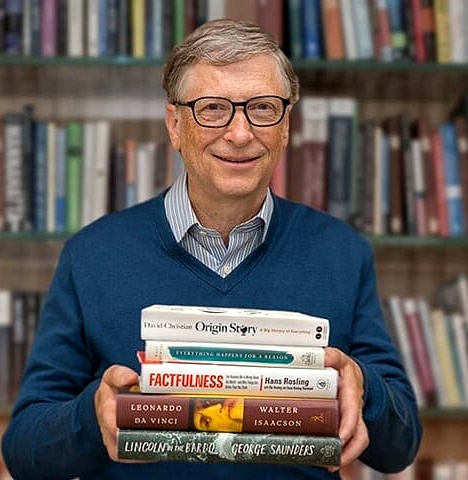
Bill Gates's Book Recommendations
Bill Gates, co-founder of Microsoft Corporation, is a pioneering figure in the tech industry, having played a key role in the personal computer revolution. His work at Microsoft, particularly the development of Windows, transformed software and computing globally. Beyond his technology contributions, Gates is also a prolific author, with notable works such as "The Road Ahead" and "Business @ the Speed of Thought," which offer insights into the future of technology and business. Additionally, his philanthropic efforts through the Bill & Melinda Gates Foundation have had a profound impact on global health, education, and poverty. Gates continues to influence both technology and literature with his forward-thinking perspectives and innovative ideas.

James Clear's Book Recommendations
James Clear is the author of the bestselling book Atomic Habits, which focuses on the power of small habits and incremental improvements to achieve significant personal and professional growth. Clear’s writing blends insights from psychology, neuroscience, and productivity to provide practical strategies for building better habits. His work has helped millions of people create positive changes in their lives by focusing on the process rather than the outcome. James’s clear, actionable advice has made him a sought-after speaker and thought leader in the field of personal development.

Brian Cox's Book Recommendations
Brian Cox is a Scottish actor and director, best known for his roles in films like Braveheart and Adaptation, as well as for his portrayal of media mogul Logan Roy in the hit HBO series Succession. Cox is renowned for his commanding screen presence and his ability to convey complex, often morally ambiguous characters. He has had a distinguished career in both film and theater, earning numerous awards, including a Golden Globe for his performance in Succession. In addition to his acting work, Cox is a vocal advocate for arts education and has been involved in various charitable initiatives. His longevity and versatility have made him a respected and influential figure in the entertainment industry.
Showing 8 of 12 related collections
“It is not a disease, but an attempt to understand a disease.”
The Emperor of All Maladies
By Siddhartha Mukherjee
Frequently Asked Questions
Explore Our Catalogue
Discover a world of knowledge through our extensive collection of book summaries.
Genres
Genres
Genres
Featured Collections
- Top Book Club Picks
- One-Stop Nutrition
- Summer Reads 2024
- Best Beach Reads 2024
- Work-Life Balance Guide
- Time Management
- Healthy Foods
- Entrepreneur Toolkit
- Mind & Body Wellness
- Future Tech Insights
- Leadership Essentials
- Financial Freedom
- Sci-Fi Masterpieces
- Parenting 101
- Books That Became Blockbusters
- Guide to a Healthy Pregnancy